8 MDF Wall Panel & Decorative Board Products Buyers Shortlist
In Chinese export catalogues, “MDF wall panels” often describes a finished wall system: an MDF or plywood substrate with a decorative melamine, HPL or veneer face. The eight products below are selected for hotel interiors, kitchen cabinets, retail displays, moisture-prone areas, furniture production and laser-cut design work.
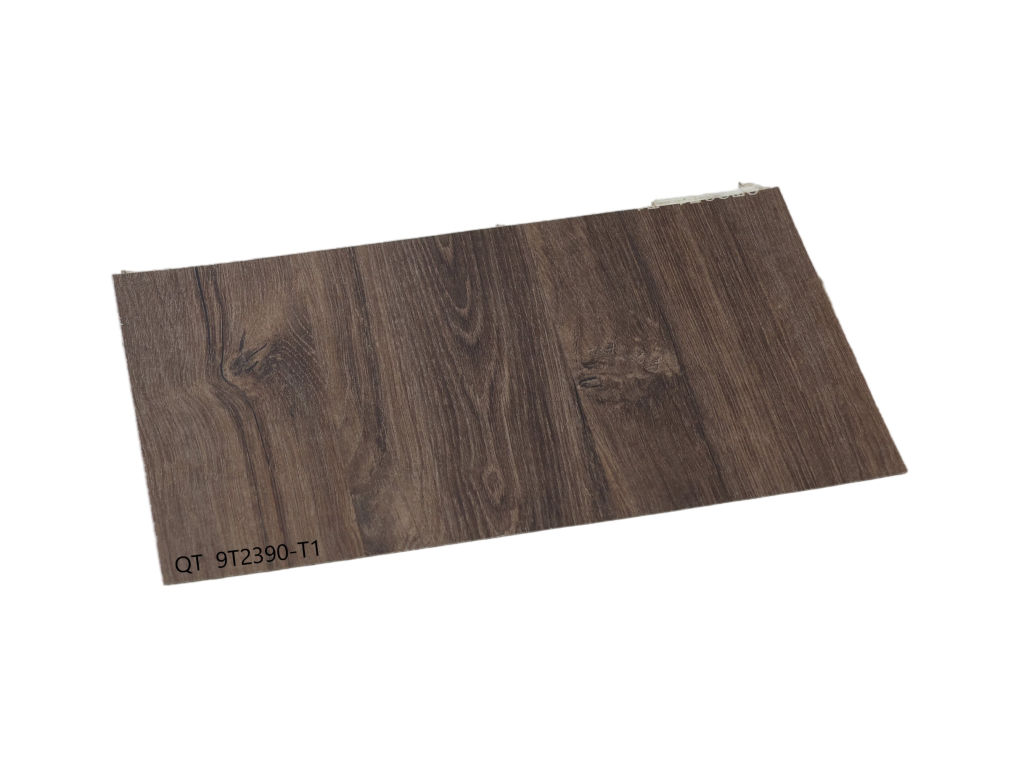
Dark Brown Decorative Panel HPL Sheet QT 9T2390-T1 Interior Wall Cladding
Recommended for hotel feature walls, reception backdrops, wardrobe fronts and warm-minimalist interiors. Pair with a stable MDF core for dry interiors, or a plywood core where moisture movement is a concern.

HPL Plywood E0 Fire Resistant Sanded Surface Double-Sided Decoration 4X8 18mm Furniture Plywood
A strong fit for fire-conscious furniture, wall cladding systems and commercial fit-outs that need a plywood substrate rather than MDF. Confirm the fire report, face grade and edge-banding plan before ordering.
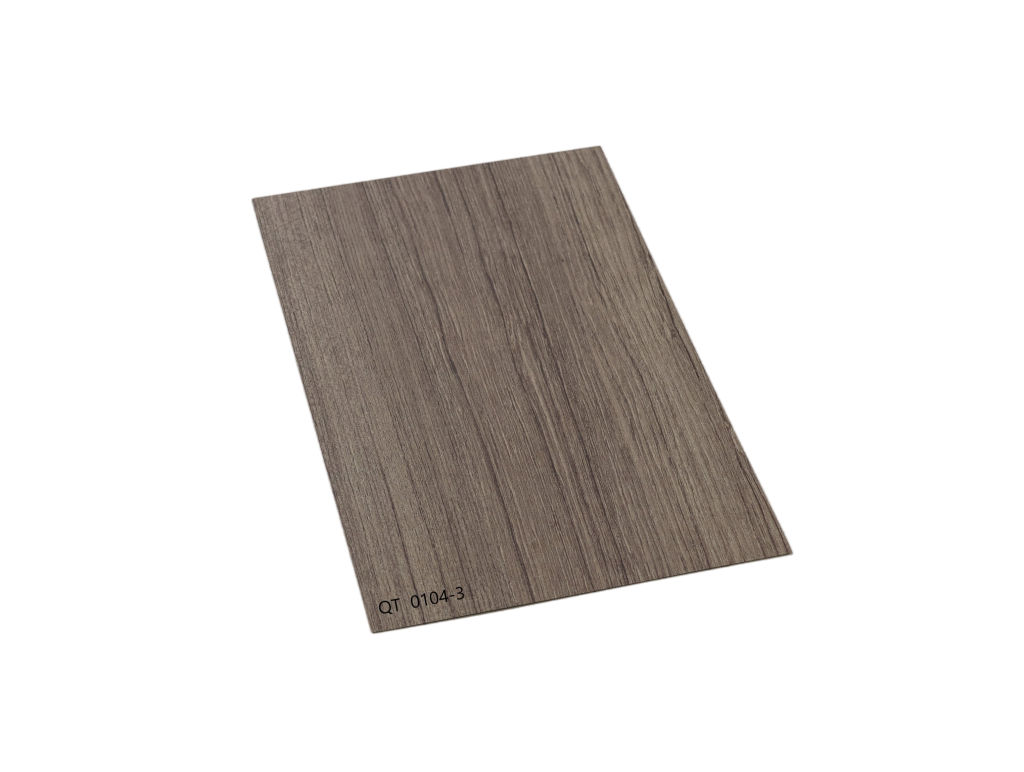
Wood Grain HPL Decorative Laminate Sheet Decorative Panel for Cabinet and Interior Wall
Useful when a project needs visual consistency across cabinets, doors and wall panels. Specify grain direction, batch color tolerance and matching edge colours to avoid visible differences under retail or hotel lighting.
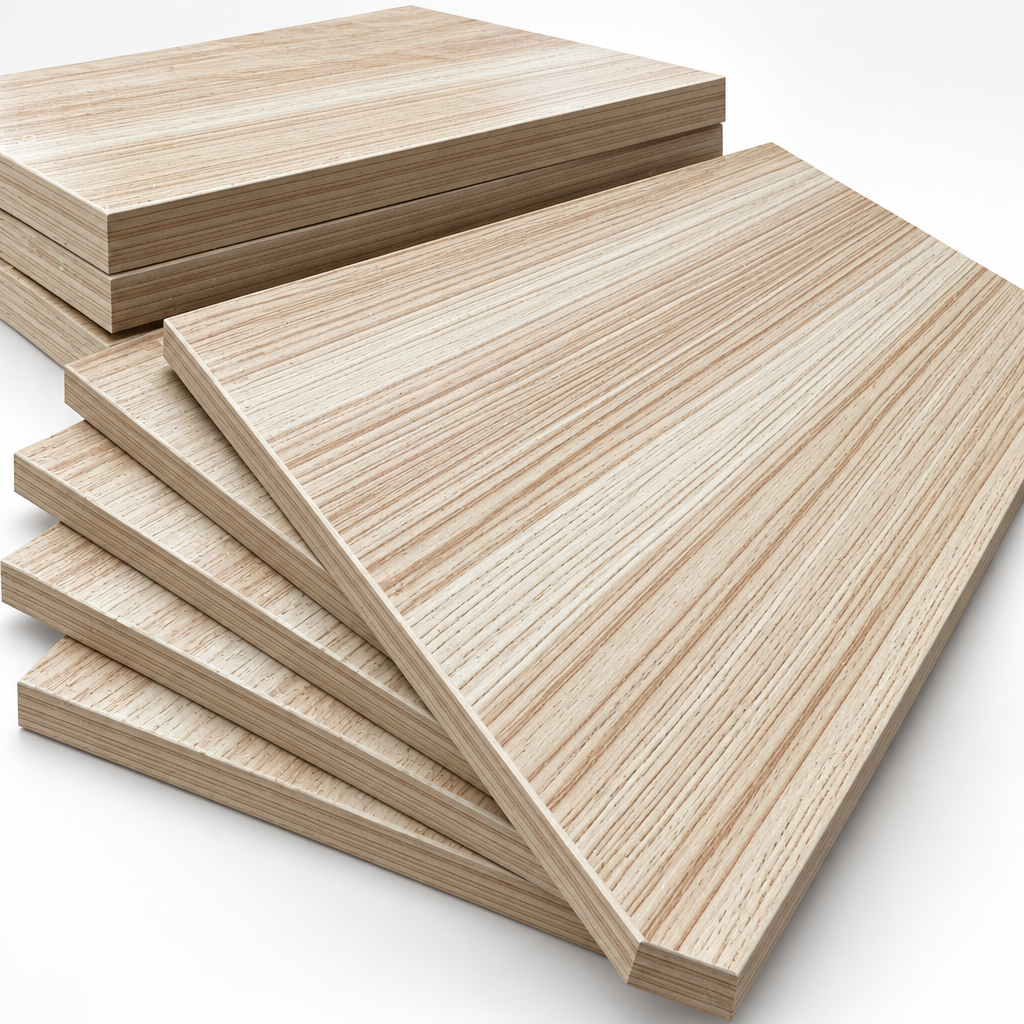
In Stock Wear-Resistant High Pressure Laminate HPL Plywood Sheets for Modern Kitchen Cabinets and Wooden Furniture Panels
Shortlist this for kitchen cabinets, shop fixtures, service counters and high-traffic wall protection. The commercial value comes from surface durability and coordinated batch supply, not only the headline sheet price.
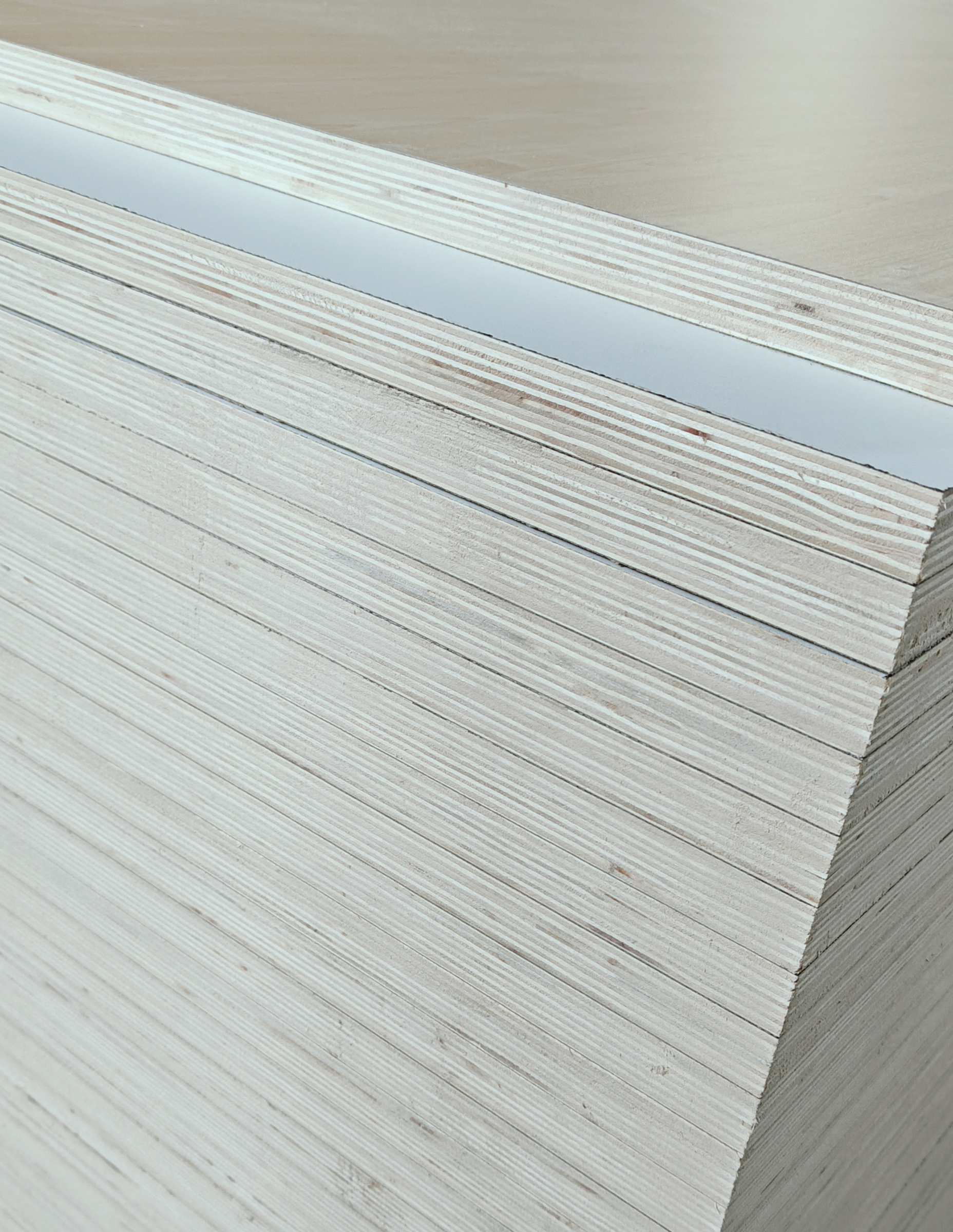
Modern Design Chinese Marine HPL Poplar Plywood E0 Fire Resistant Sanded Surface 4X8 15mm 1220X2440 Construction Sheet Price
Best evaluated for bathroom pods, laundry areas, modular housing and wet-zone furniture. Discuss edge sealing, adhesive type, substrate grade and installation ventilation before approving it for humid environments.
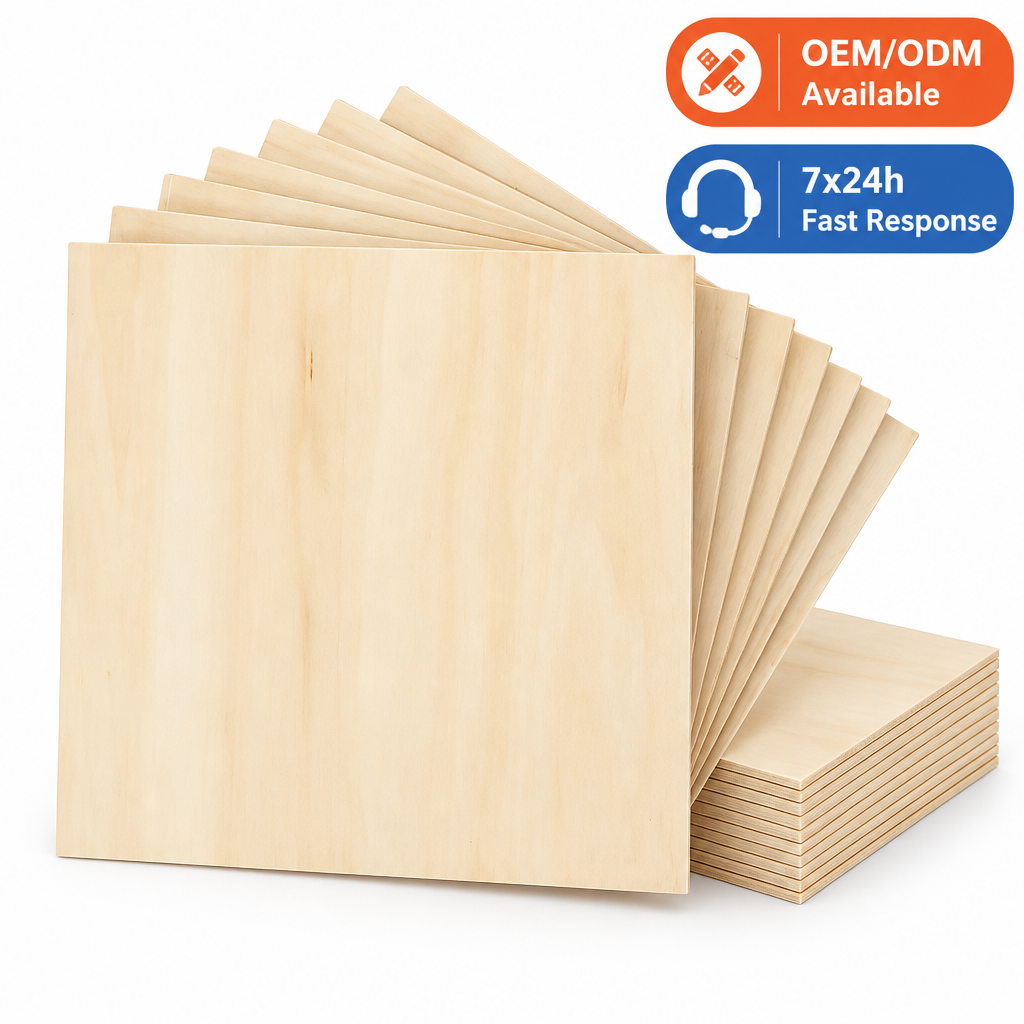
Eco-Friendly First-Class Basswood Plywood Sheet 12 X 12 X 1/8 Inch 3mm Sanded Polished Birch Veneer DIY Laser Cutting
For models, signage, craft kits, decorative screens and design prototypes. This is a thin precision material, not a structural wall panel; check veneer consistency, cut tolerance and packaging protection for small-format orders.
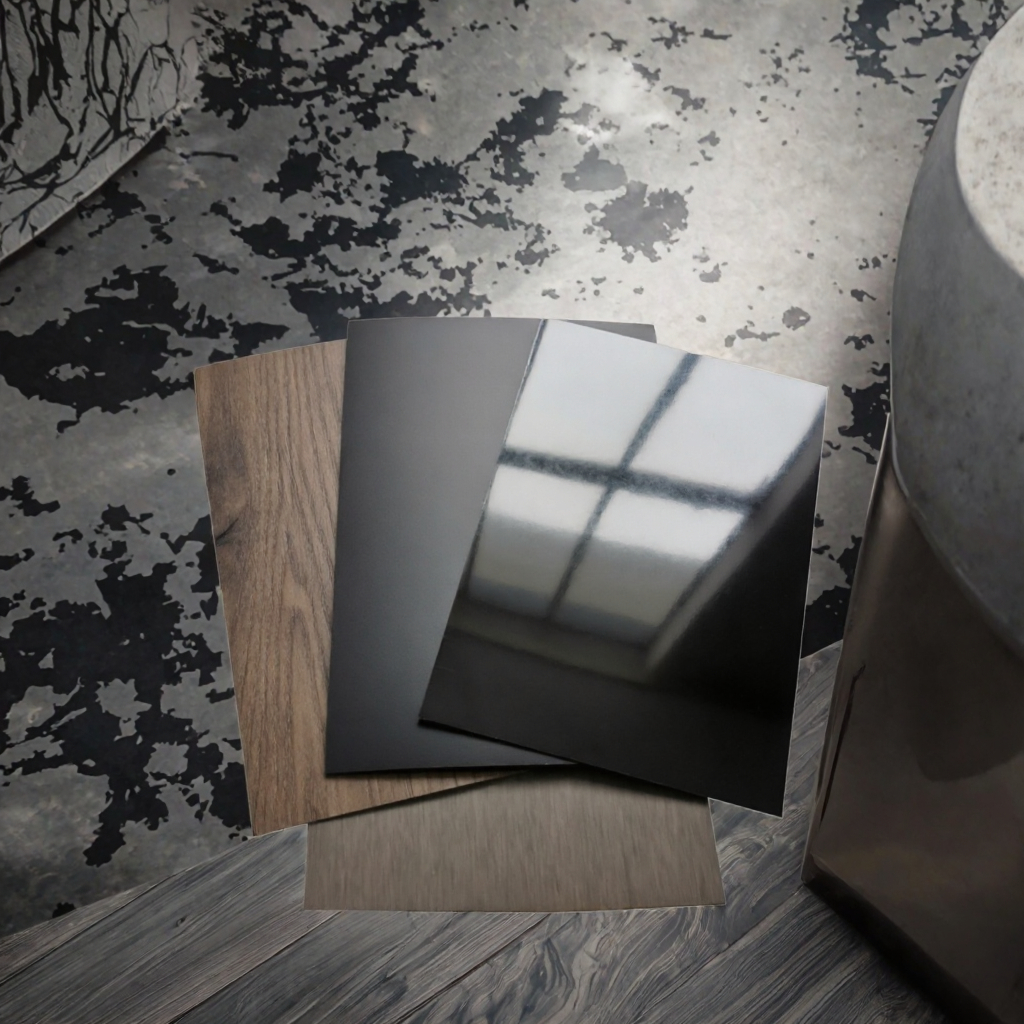
Glossy Black HPL Laminate Sheet Formica Decorative Panel for Interior Furniture Laboratory Table
Choose this for dramatic feature walls, modern reception desks and selected laboratory or furniture surfaces. Gloss surfaces need careful cleaning protocols and protective packaging because fingerprints and transit scuffs show easily.
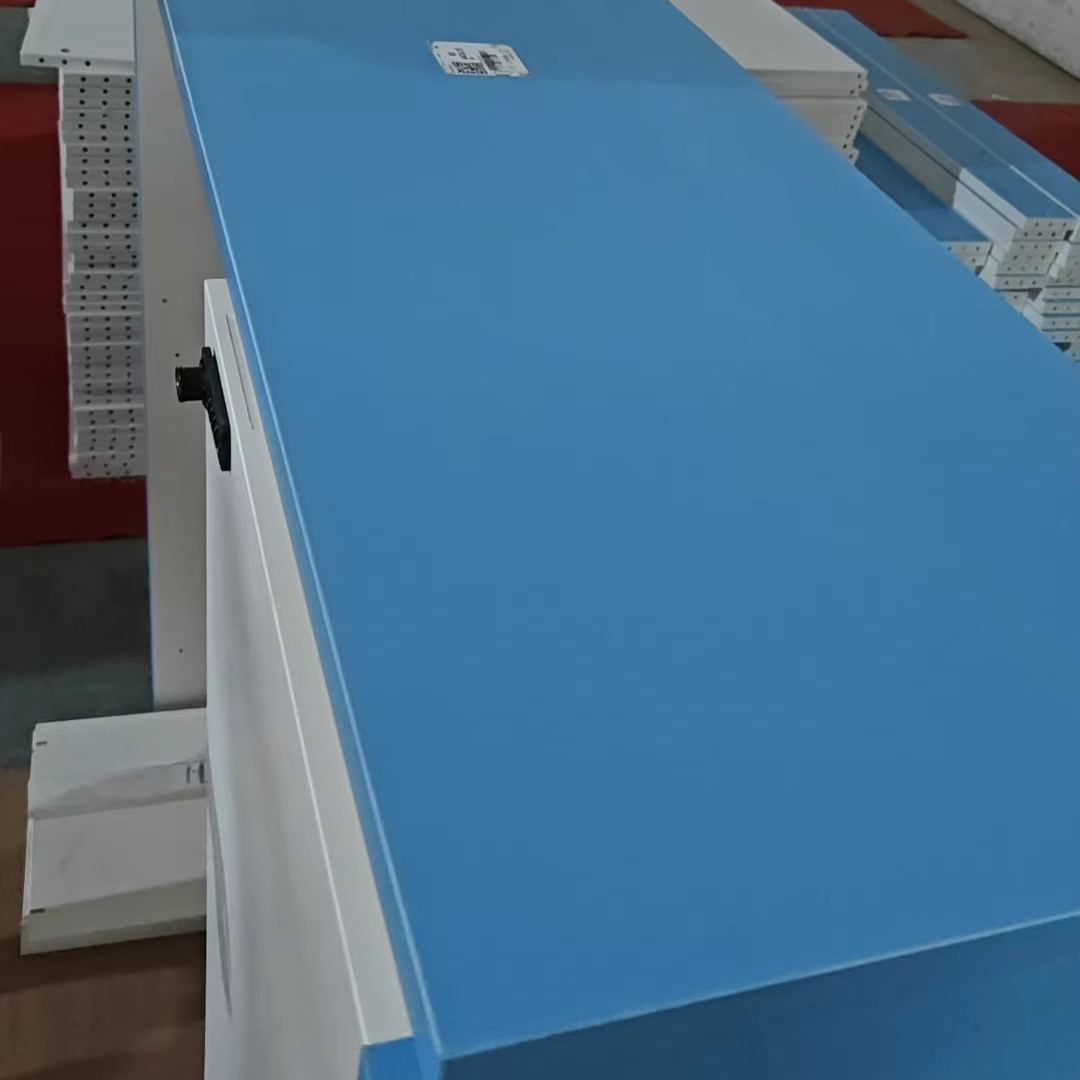
Linyi Hpl Melamine Board Plywood Sheet 18mm 15mm Melamine Board Hpl Laminated Furniture Board
A practical option for volume furniture, wardrobes, shopfitting and wall-panel substrates where cost efficiency matters. Compare melamine and HPL surfaces by wear class, moisture exposure and expected cleaning frequency.
What “MDF Wall Panels” Really Means in China Sourcing
The search phrase “China MDF wall panels manufacturers & wholesalers” carries several distinct buying intents: decorative wall cladding, furniture-grade boards, moisture-resistant panels, fire-rated interior systems, or private-label production.
The most important distinction is between the substrate and the visible surface. MDF is an engineered wood fibreboard; it is rarely the final decorative layer. The surface may be melamine-impregnated paper, high-pressure laminate (HPL), PET film, UV coating or wood veneer. A quotation for an “MDF wall panel” at one price can therefore describe a very different product from another quotation using the same three words.
For buyers, this matters because the real landed cost depends on board density, formaldehyde grade, surface wear, colour consistency, packing quality and the supplier’s ability to consolidate mixed orders. A qualified supplier should explain whether the project needs HMR MDF, standard MDF, plywood or compact laminate, and should provide evidence for the specification being offered.
- Match surface grade to cleaning frequency
- Confirm E0 / E1 emission documentation
- Avoid MDF for exterior cladding
- Approve a retained colour reference sample
Information Gain: Quote Normalisation
Two “MDF wall panel” offers are only comparable when the RFQ fixes the core, surface, thickness, size, emission class, fire requirement, edge treatment and packing method. Use this guide to turn a vague price request into a controlled specification.
What Is Changing in Decorative Wall Panel Specifications
Product trends are moving away from simple “wood colour + cheap board” offers toward verified low-emission substrates, realistic textures, cleanable surfaces and application-specific performance.
Low-Emission MDF & Plywood
E0 and E1 grades are now routine RFQ requirements for furniture and interiors. Buyers increasingly ask for board-level documentation, not a generic certificate covering an unrelated production batch.
HMR MDF for Wet Zones
High-moisture-resistant MDF is being specified for bathroom cabinetry, kitchen surrounds and utility rooms. Waterproof HPL faces help, but edge sealing and installation ventilation still determine long-term performance.
Realistic Textures & Matt HPL
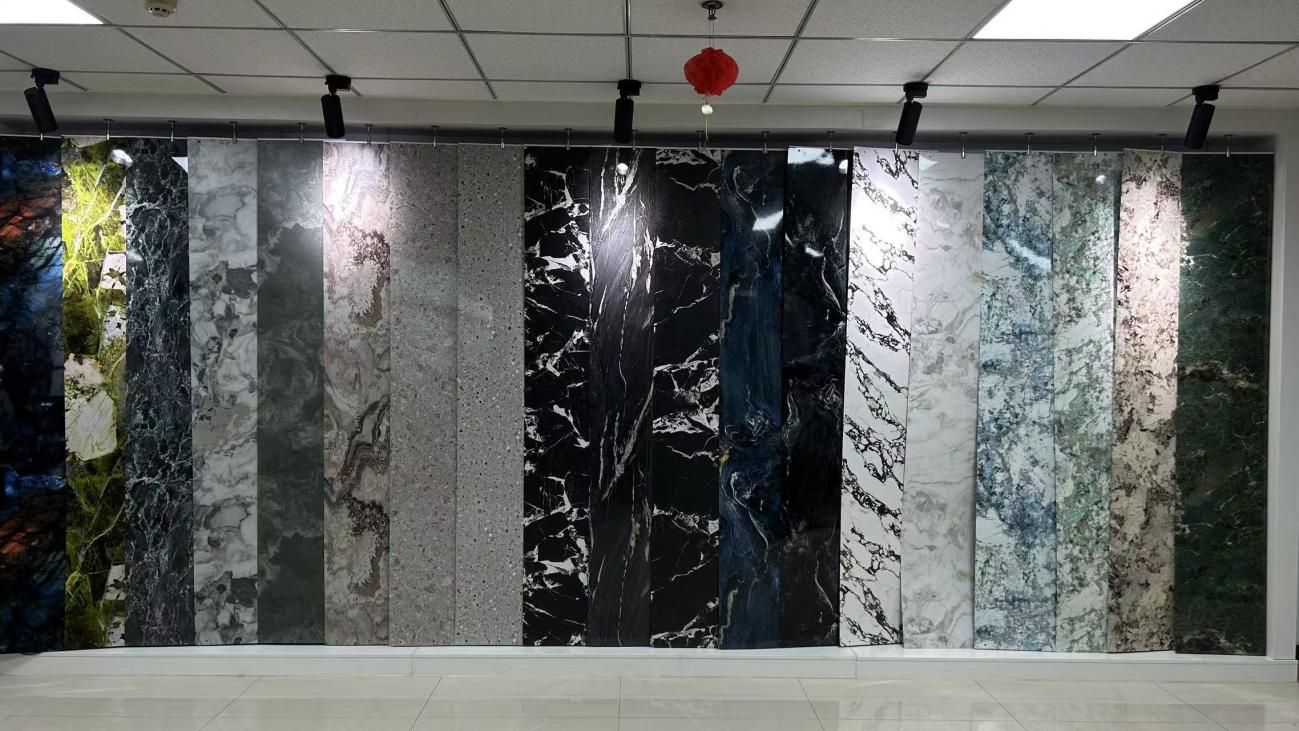
Synchronised wood grain, super-matt, stone and fabric effects are replacing flat colour panels in premium interiors. Buyers should approve texture, gloss level and batch colour under the intended lighting.
Fire & Cleanability Evidence
Commercial projects increasingly require fire-rated laminates or compact panels for corridors, laboratories and public interiors. Cleanability and chemical resistance are becoming purchasing criteria alongside appearance.
How Smart Importers Will Buy MDF Wall Panels from China
The buying decision is shifting from “Who has the lowest price per sheet?” to “Who can prove specification compliance, protect colour consistency and consolidate a mixed container without delays?”
Mixed-Container Consolidation
Importers are combining HPL sheets, MDF boards, plywood, compact laminate and door cores in one shipment to reach container efficiency while reducing supplier administration.
Evidence-Based Quality Control
Pre-shipment photos, material inspection checklists, finished-board checks and loading records are becoming normal buyer expectations. A generic “quality guaranteed” statement does not support a serious RFQ.
Shorter Sampling Cycles
Designers and distributors want stock-colour shortlists, fast surface comparisons and retained gold samples. Stock-backed ranges help reduce launch delays for furniture makers and shopfitters.
Total Landed Cost Thinking
Density, thickness tolerance, packing damage, repacking costs and colour rejections can erase a low unit price. Procurement teams now compare defect risk and installation waste, not only FOB quotes.
RFQ Module: What to Send
Send the application, substrate preference, surface family, thickness, sheet size, emission class, fire requirement, colour reference, edge treatment, expected quantity, destination port and required delivery window.
For MDF wall panels, also state whether the panel will be exposed to moisture, direct sunlight, heavy cleaning chemicals or impact. These details let a supplier recommend a technically suitable construction instead of quoting on colour alone.
MDF Wall Panel Specification Matrix
Use this matrix to match the application to the right substrate and decorative face. It is a starting point for technical review, not a substitute for project-specific testing.
| Application | Recommended Construction | Why It Works | Risk Control |
|---|---|---|---|
| Hotel feature wall | MDF or plywood substrate + 0.7 mm decorative HPL | Good design flexibility, durable printed or wood-grain surface and easy panel coordination | Approve texture and batch colour under warm and neutral lighting |
| Kitchen cabinet front | HMR MDF + melamine or wear-resistant HPL | Moisture resistance and cleanability for frequent use | Seal edges; confirm hinge and screw pull-out requirements |
| Bathroom vanity | Marine plywood + HPL, or compact laminate | Better moisture tolerance than standard MDF | Specify edge sealing, ventilation and backing clearance |
| Laboratory worktop | Compact laminate or chemical-resistant compact | Self-supporting, dense, cleanable and suitable for demanding surfaces | Confirm reagent resistance and joint detailing |
| Retail display and shopfitting | MDF + melamine or HPL depending on wear | Fast fabrication, broad colour range and economical panel utilisation | Compare wear class, edge quality and flatness |
| Fire-rated door core | Tubular chipboard or specified door core | Lightweight internal door construction with fire-option review | Check door test evidence and leaf construction |
| Laser-cut decorative detail | Thin basswood or birch plywood | Clean cutting and stable veneer for models, signage and craft | Confirm thickness tolerance, moisture content and packing |
| Exterior facade | Exterior-grade HPL cladding or qualified composite system | UV, weather and moisture exposure require exterior-rated materials | Do not substitute interior MDF wall panels for facade cladding |
Always confirm the final technical data sheet, test report and installation method for your destination market before production.
Inside Linyi Fipdm Import And Export Co., Ltd.
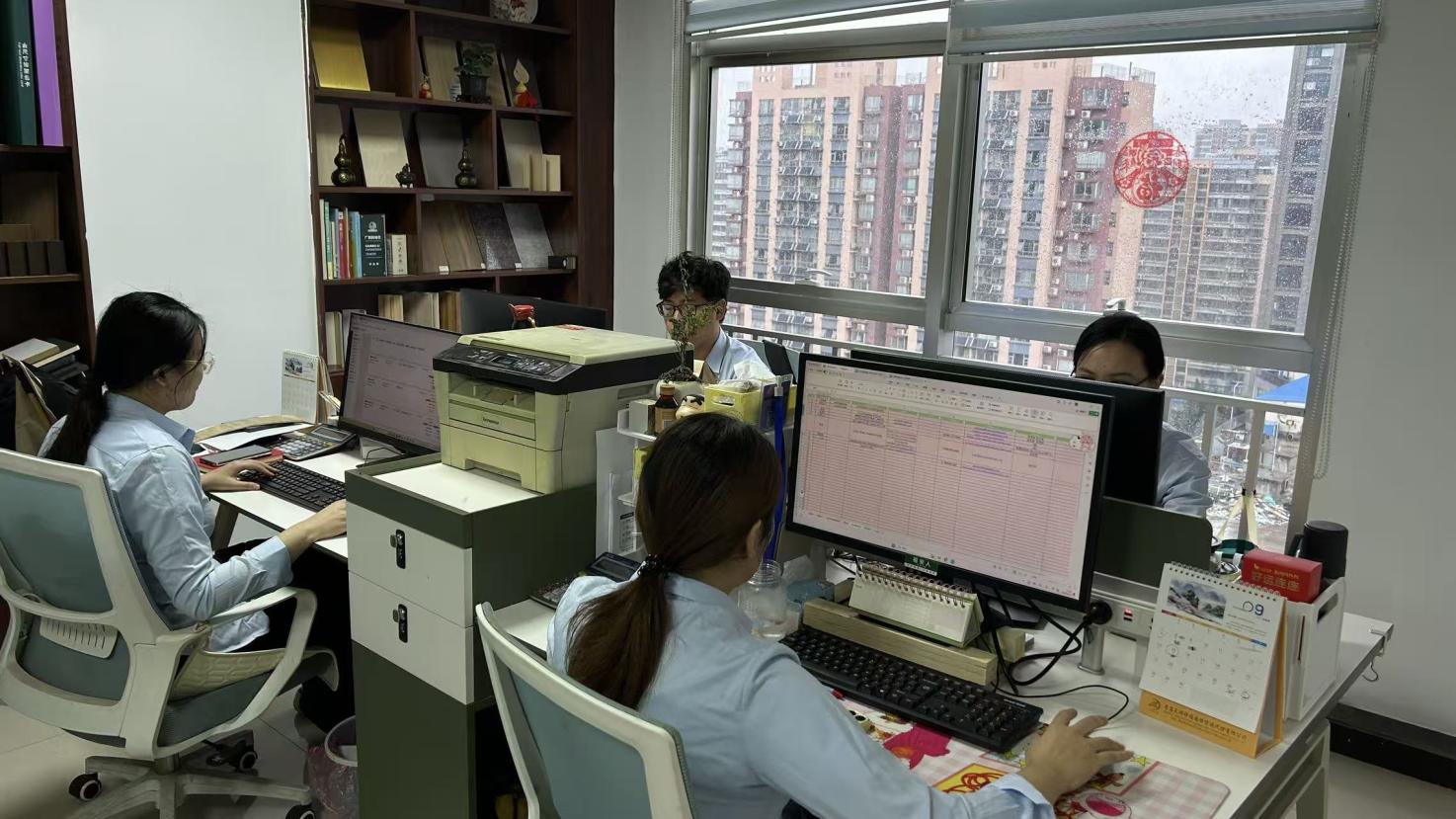
Linyi Fipdm Import And Export Co., Ltd. is a verified trading company and multispecialty supplier based in Linyi, Shandong, one of China’s largest wood-based panel clusters.
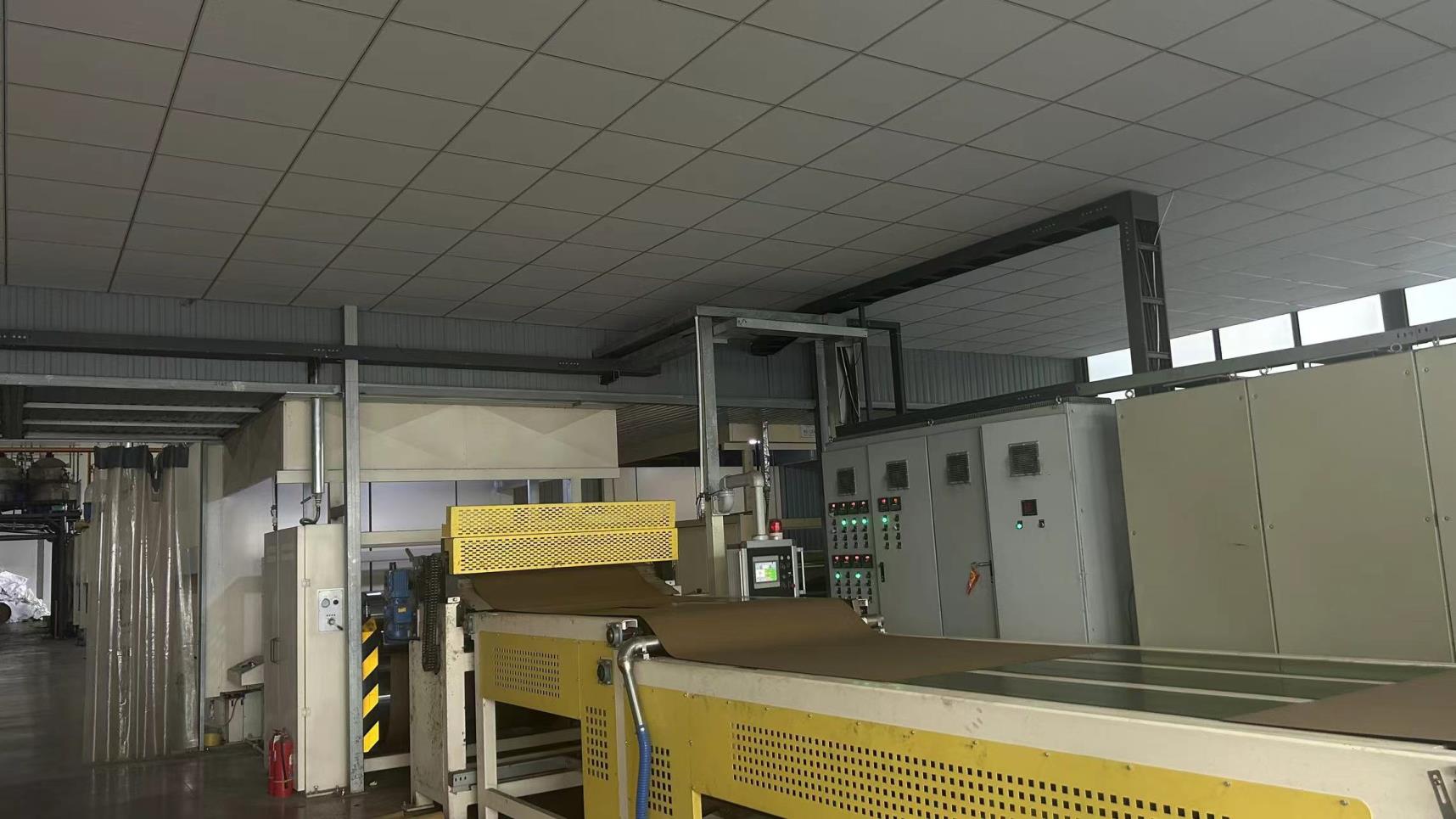
This sourcing model is relevant to buyers searching for “China MDF wall panels manufacturers & wholesalers” because the supplier role matters. Fipdm coordinates qualified partner mills and consolidates HPL, compact laminate, MDF, plywood, LVL and door-core products into one managed supply chain. Instead of asking one factory to make every board type, buyers can work through a team that compares mills, inspects materials and checks finished products before loading.
The published company profile highlights Intertek assessment, on-site material inspection, finished-product inspection, supplier assessment procedures, ODM capability and technical support. Those controls are especially valuable for decorative wall panel orders, where colour and surface defects are easier to see after installation than at the factory gate.
- On-site material inspection at partner mills
- Finished-product inspection before loading
- Minor, sample-based, design and full customization
- ODM support for distributor-owned ranges
- Mixed loads across laminates and boards
- E0 and E1 options for appropriate product lines
- Export packing and loading documentation
- Engineer support for project buyers
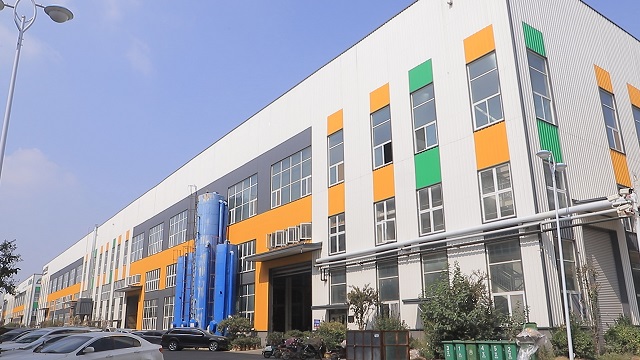


Built for B2B Buyers Who Need Fewer Surprises
A sourcing partner should reduce quality risk, not simply forward a price list. These capabilities are directly relevant to decorative wall panel, furniture board and mixed-material procurement.
Two-Stage Quality Control
Material checks at the partner mill and finished-board inspection for thickness, surface and edges before loading help catch issues earlier.
Flexible Customization
Minor customization for logo, packaging and graphics, plus sample-based, design-based and full customization with ODM support.
Multi-Category Consolidation
Combine HPL, compact laminate, MDF, plywood, LVL and door cores in one container to reduce freight and supplier management costs.
On-Site Technical Support
Engineer service for installation guidance on cladding, partition and furniture projects helps bridge factory supply and site execution.
Low-Emission Board Options
E0 and E1 formaldehyde grades are available for MDF and plywood depending on the product line and destination-market requirements.
Export-Ready Logistics
Export documentation, seaworthy pallet packing and loading photos are part of a practical, communication-led shipment process.
Inquiry
Share specs, application and market
Sampling
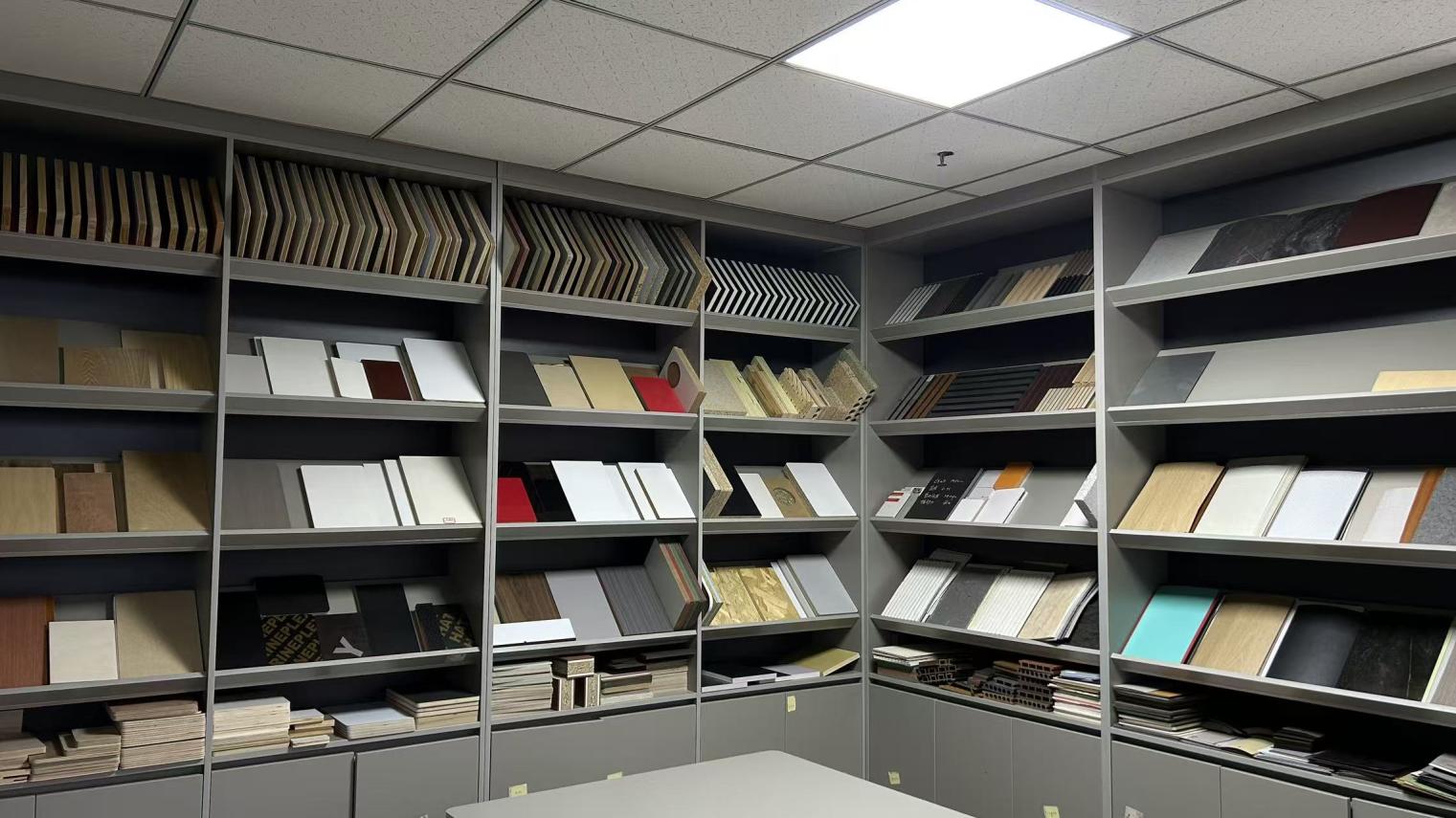
Colours, thickness and finish
Production
Material check at the mill
Inspection
Finished-board quality review
Shipping
Loading, packing and documents
What Serious Buyers Should Verify Before Production
For MDF wall panels, the biggest risks are not visible in a single sample photo. They appear as batch colour drift, edge chipping, thickness variation, moisture swelling, poor packing or unclear compliance documents.
Write a Specification, Not a Colour Name
Define substrate, thickness, sheet size, surface material, gloss level, emission grade, fire requirement, edge treatment and packing. “Dark brown wood grain” is not a repeatable specification.
Request Product-Specific Documents
Ask for the test report or certificate that matches the actual board, glue system and surface being supplied. A generic document is not enough for a regulated construction or furniture project.
Retain a Golden Sample
Approve a signed sample for colour, texture, edge and gloss. Keep a duplicate with the supplier so production and QC teams can compare against the same reference.

Common Questions from MDF Wall Panel Buyers
These are the questions that usually decide whether an RFQ can move from price comparison to a reliable production order.
Are you a manufacturer or a trading company?
Linyi Fipdm Import And Export Co., Ltd. is a verified trading company and multispecialty supplier. The company sources from vetted partner mills in Linyi and uses on-site material inspection plus finished-product inspection before shipment. For buyers, the advantage is one accountable contact across laminates, MDF, plywood, LVL and door-core products.
What is the difference between an MDF wall panel and an HPL sheet?
An MDF wall panel normally refers to a finished panel built on an MDF substrate, with a decorative surface such as melamine paper, HPL, PET or veneer. HPL is the high-pressure decorative laminate skin itself. When you buy “HPL-faced MDF”, you are buying both a board and a surface system; when you buy HPL sheets, you may still need a substrate and laminating service.
Which board should I use for bathrooms, kitchens or humid interiors?
For humid interiors, consider HMR MDF with a suitable sealed edge, marine plywood with HPL, or compact laminate depending on the application. No moisture-resistant board should be treated as exterior cladding. Confirm installation clearances, edge sealing and ventilation before production, especially for vanity units and bathroom cabinetry.
Which formaldehyde emission grades can be supplied?
E0 and E1 formaldehyde emission options are available for MDF and plywood depending on the product line. Buyers should state the destination-market requirement in the RFQ so the correct board and documentation can be matched to the order.
Can sizes, colours, textures and packaging be customized?
Yes. The published service scope includes minor customization such as logo, packaging and graphics, as well as sample-based, design-based and full customization. ODM services are also available for distributors building their own panel range. Final feasibility depends on the surface, substrate, thickness and order quantity.
Can I mix MDF wall panels, HPL, plywood and other boards in one container?
Mixed loads are a core part of the sourcing service. Combining HPL, compact laminate, MDF, plywood, LVL and door cores can help smaller importers reach container efficiency while reducing the number of suppliers they manage. Share the full product list and packing requirements so the loading plan can be reviewed properly.
What quality-control evidence should I request before shipment?
Ask for material inspection records, finished-board checks, thickness and surface photos, edge condition photos, batch identification, packing photos and container loading photos. For regulated projects, also request the product-specific emission or fire document that matches the exact construction being supplied.
How do I start an inquiry for a project or wholesale order?
Send the application, panel size, substrate preference, surface family, colour reference, thickness, emission or fire requirement, quantity and destination port. Include a reference image if available. The sourcing team can then recommend suitable options from the MDF wall panel, HPL and plywood ranges.
Planning an MDF Wall Panel or HPL-Faced Board Order?
Share your sizes, thickness, surface finish, emission requirement, quantity and target market. The Fipdm export team can help compare suitable MDF wall panel, HPL, plywood and compact laminate options with practical quality-control steps before production.
Linyi Fipdm Import And Export Co., Ltd. · Linyi, Shandong, China · HPL, Compact Laminate, MDF, Plywood, LVL and Decorative Panel Sourcing