Top China Fire Retardant MDF Factory & Suppliers
A verification-led sourcing guide to fire-retardant MDF, HPL-faced decorative boards, compact laminate and melamine plywood—built for importers, distributors, fit-out contractors and furniture factories that need documented performance, stable QC and export-ready supply.
8 Fire-Retardant MDF & HPL Products Buyers Compare
The product block below is not a keyword list. It is a shortlist of eight catalogue items that importers and project buyers commonly compare when building a fire-retardant MDF programme. Some items are decorative HPL skins; others are HPL-faced plywood, melamine boards, lightweight core panels or laboratory-grade laminates. Used together, they show how FR MDF substrates, decorative faces and compact phenolic panels can be specified as one coordinated package. Product URLs are preserved; confirm final fire classification, formaldehyde grade, substrate and finish before order approval.

4x8 ft HPL High-Pressure Laminates Sheet Board Hpl Laminated Plywood Fire Retardant Decorative Plywood Panels
A 4×8 ft HPL-faced decorative plywood panel for wall linings, cabinetry and interior surfaces where the decorative skin and fire-retardant substrate must be reviewed together. Useful when comparing HPL-faced FR MDF with FR plywood alternatives; confirm core, adhesive and classification report.
- 4×8 ft
- HPL-faced
- FR substrate review
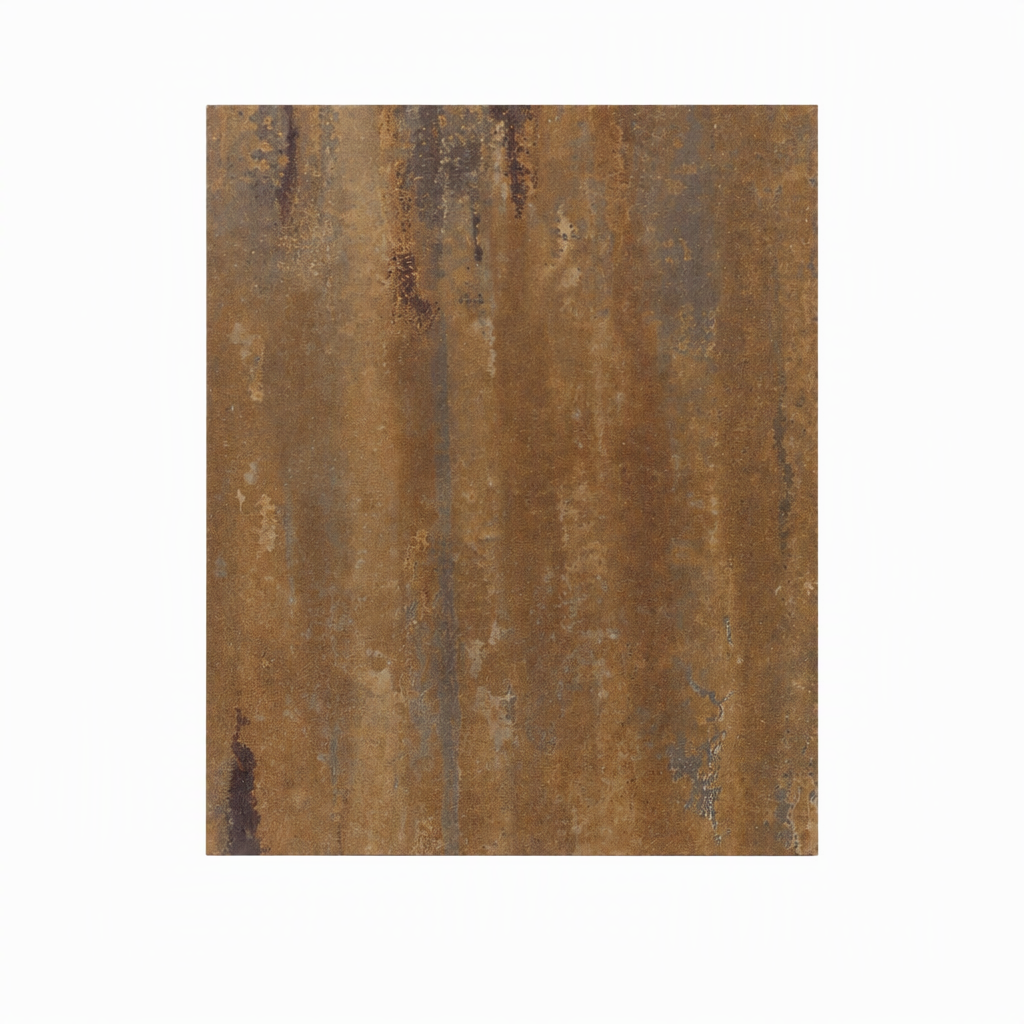
0.8mm Brown Stone Look HPL Decorative Laminate Sheet Interior Wall Panel
A 0.8 mm brown stone-look HPL surface for interior wall panels. It delivers a mineral appearance with laminate cleanability, making it suitable for lift lobbies, retail fit-outs and wet-area feature walls when bonded to an approved FR MDF or plywood core. Check batch colour and edge-sealing detail.
- 0.8 mm
- Stone look
- Interior wall
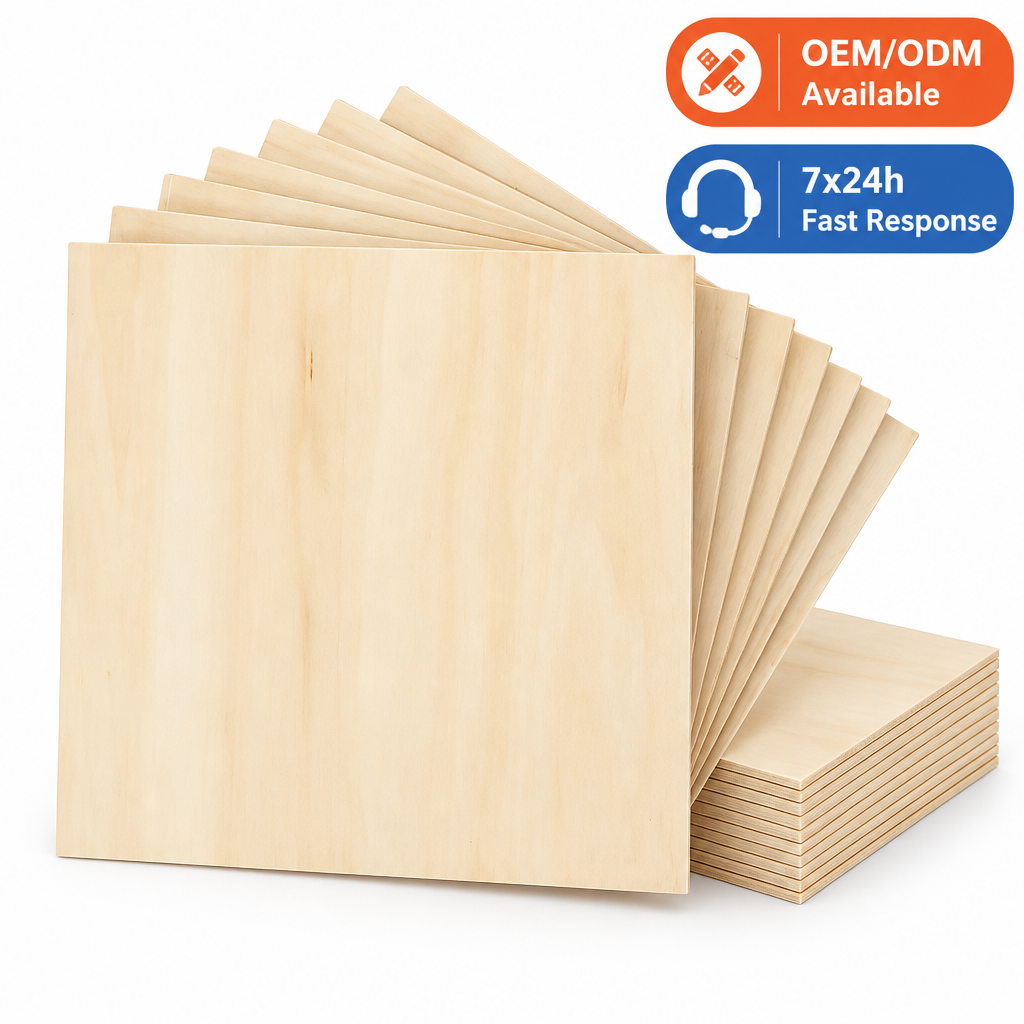
Eco-Friendly First-Class Basswood Plywood Sheet 12 X 12 X 1/8 Inch 3mm Sanded Polished Birch Veneer DIY Laser Cutting
A 3 mm sanded basswood/birch plywood for laser cutting, models and sample development. It is not a substitute for a tested FR MDF board, but it is valuable for prototyping a decorative pattern before the final FR substrate is approved. Good for signage, crafts and precision interior components.
- 3 mm
- Laser grade
- Sanded veneer
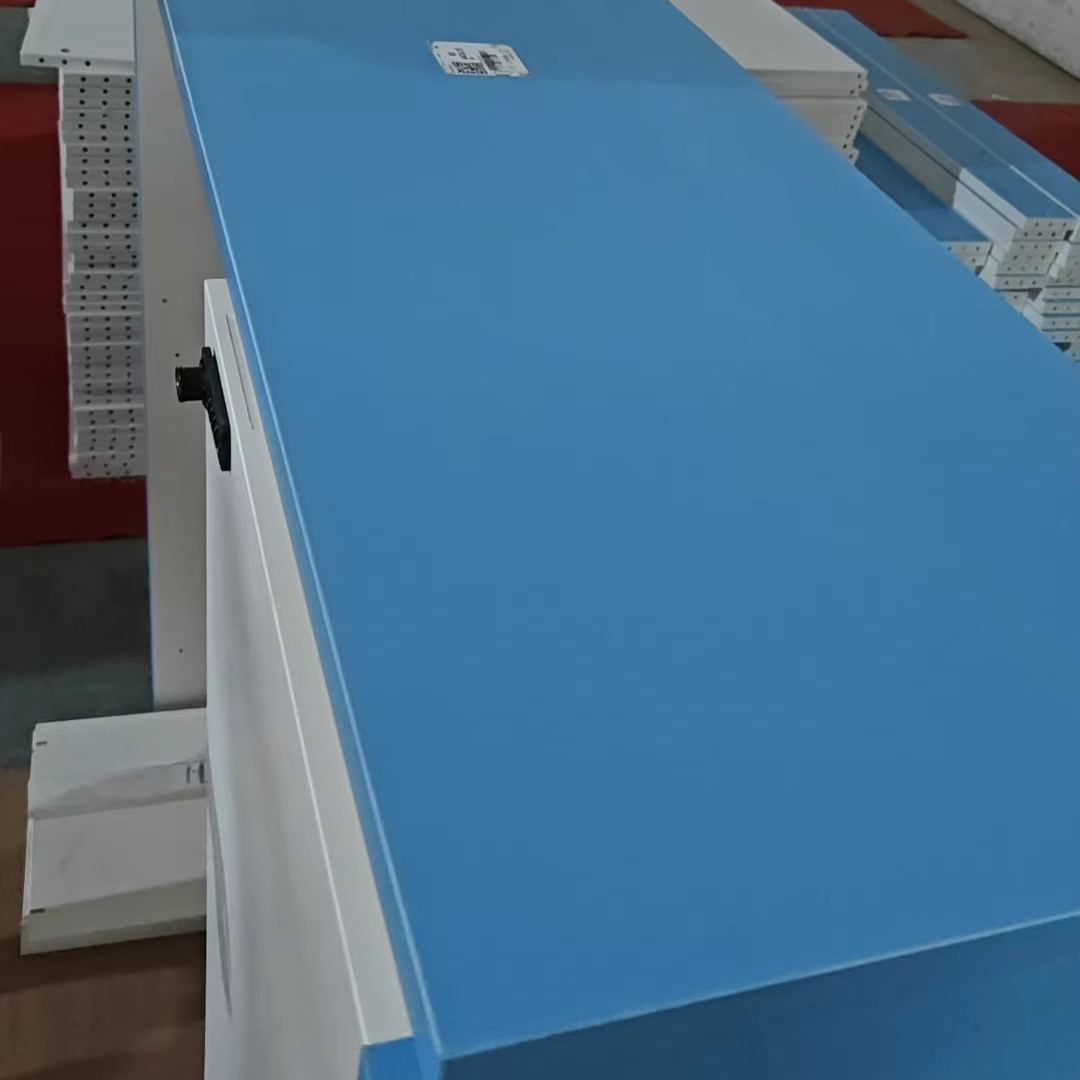
Linyi Hpl Melamine Board Plywood Sheet 18mm 15mm Melamine Board Hpl Laminated Furniture Board
A 15/18 mm melamine and HPL laminated plywood furniture board for cabinets, shelving and fit-out work. Buyers can use it as a comparison point when assessing HPL-faced FR MDF: look at core density, screw-holding, edge finish and formaldehyde grade, not just the surface colour.
- 15/18 mm
- Melamine + HPL
- Furniture
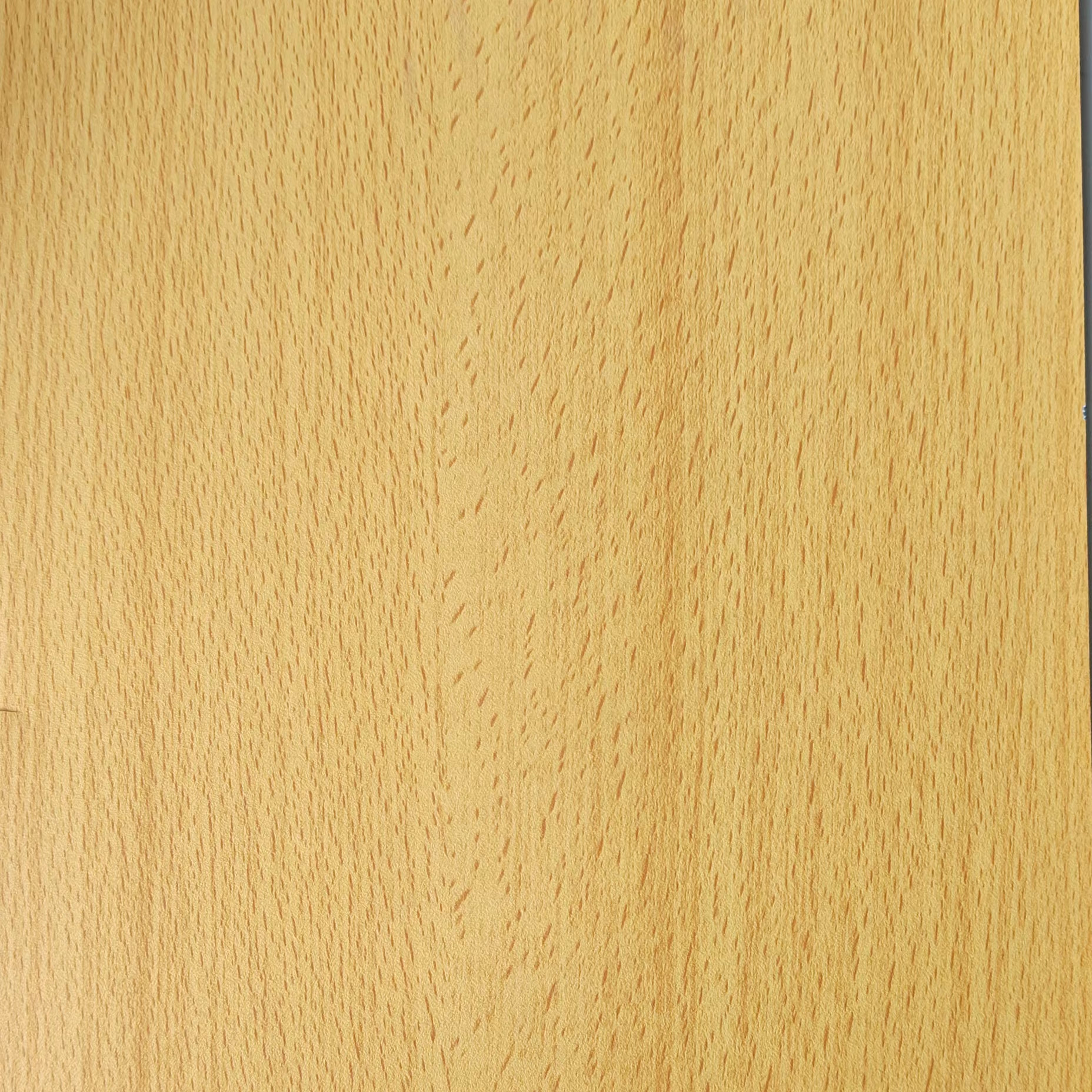
China Hpl Manufacture Lightweight Furniture Plywood with Wood Grain HPL Sheet Laminate for Cabinet Furniture
A lightweight wood-grain HPL plywood for cabinet furniture where shipping weight and installation handling matter. The lower mass helps reduce freight and handling costs while the wood-grain surface protects the design intent. Confirm load-bearing requirements before substituting lightweight panels for structural FR MDF.
- Lightweight
- Wood grain
- Cabinet use
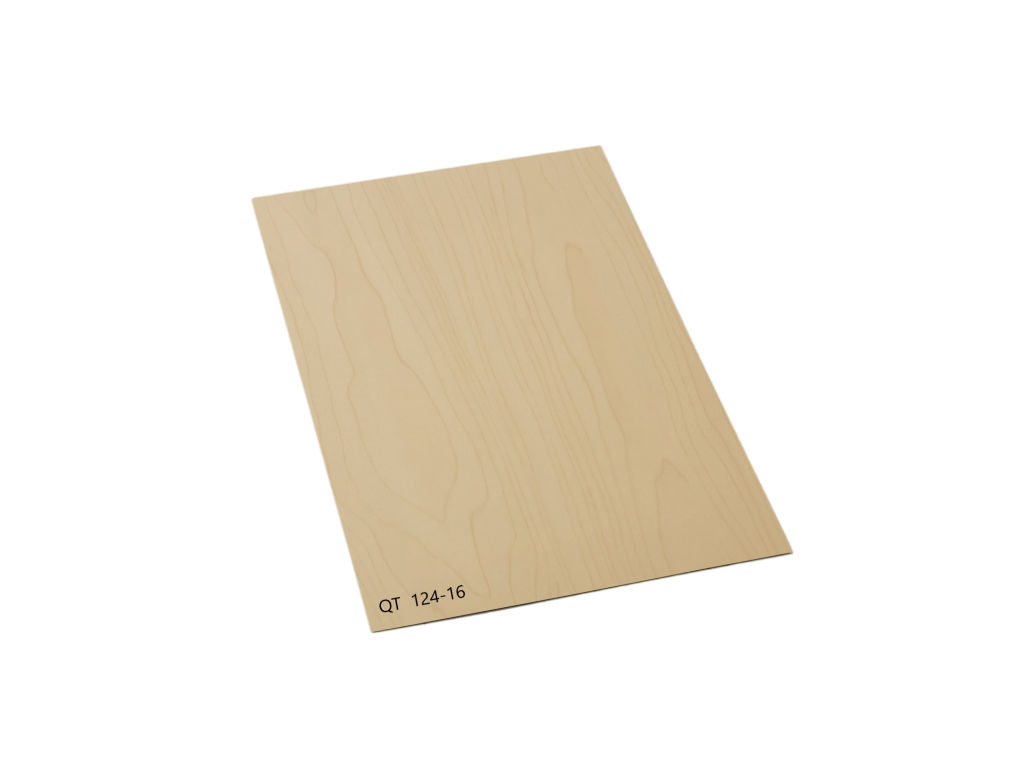
Light Wood Grain HPL Decorative Laminate Sheet Phenolic Resin Panel for Interior Wall and Furniture
A light wood-grain phenolic decorative laminate for interior walls and furniture. Phenolic resin systems are often selected for humid or high-use interiors; pair the laminate with the correct substrate and edge treatment to maintain performance. Request surface gloss, texture and cleaning instructions.
- Phenolic resin
- Light wood grain
- Wall / furniture
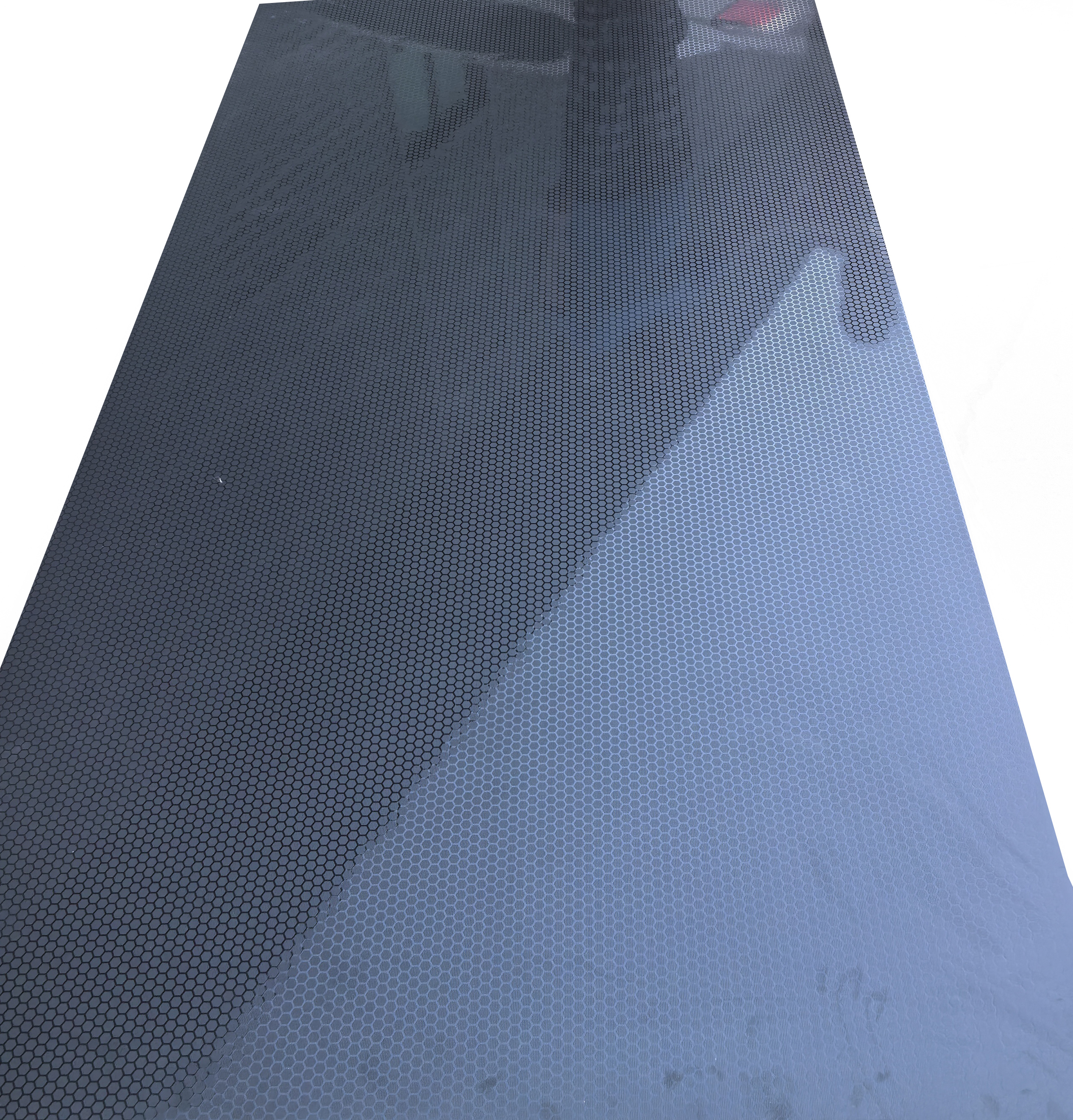
Factory Wholesale 18mm HPL Film Melamine Plywood Modern Design Style 1-Year Warranty E0 Standard Birch Laminated Plywood
An 18 mm E0 birch laminated HPL/melamine plywood for export furniture programmes. E0 supply is relevant for markets tightening indoor-air requirements. Confirm the test method behind any E0 claim and match it to your destination regulation before adding the board to a tender.
- 18 mm
- E0 birch
- Export furniture
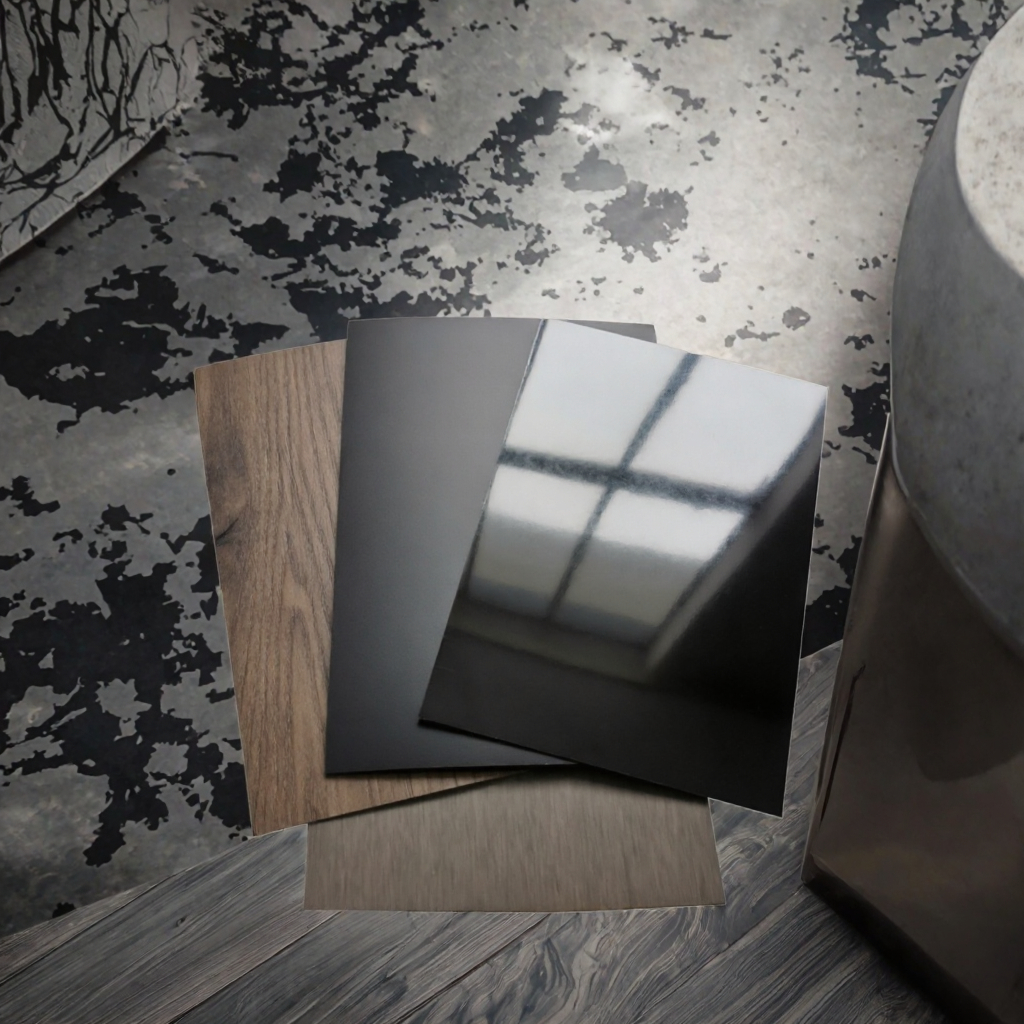
Glossy Black HPL Laminate Sheet Formica Decorative Panel for Interior Furniture Laboratory Table
A glossy black HPL decorative laminate for interior furniture and laboratory tables. Gloss surfaces need careful handling and cleaning controls; specify anti-fingerprint or matt alternatives where scratch visibility is a concern. Use it to benchmark colour consistency and chemical-clean performance.
- Gloss black
- Lab / furniture
- HPL laminate
Need a mixed specification? Send your target market, board thickness, substrate, HPL or melamine finish and container plan. Request the current catalogue with fire-retardant MDF, HPL-faced panels and plywood options.
Get CatalogHow to Audit a China Fire Retardant MDF Supplier
Search results for “China fire retardant MDF factory” rarely answer the real procurement question: can this supplier prove that the finished board system meets the project’s fire, indoor-air and durability requirements? A low unit price is not information gain. The audit should connect raw board chemistry, HPL or melamine surfacing, adhesive and edge sealing, test standard and loading condition into one evidence pack. The four checks below are written for buyers who must defend a specification to consultants, contractors or regulators.
Fire performance is a system, not a sticker
FR MDF performance depends on test standard, board build-up, thickness, facing and installation detail. Ask for the classification report number, specimen thickness, test method, production batch and whether the tested assembly included the HPL or melamine face. Buyers commonly request EN 13501-1, ASTM E84, GB 8624 or BS 476 evidence depending on the market—but the relevant document must match the actual order specification.
Substrate and surface compatibility
An HPL skin can improve wear and cleanability, but it cannot rescue a weak core or a poorly bonded panel. Check density, internal bond, screw-holding, thickness tolerance, face adhesion and edge-sealing method. For wet areas or laboratory tables, compare HPL-faced FR MDF with compact phenolic laminate. The correct decision depends on exposure, fixing, cleaning chemicals and expected impact—not on surface colour alone.
Formaldehyde and indoor air quality
MDF and plywood are available in different emission grades, and E0 or E1 claims should be supported by the test method used for the destination market. Ask how the supplier separates low-emission stock, how batch traceability works and whether the same grade applies to the faced product. This is especially important for school, hospital, office and residential projects where the board area is large and ventilation may be limited.
Two-stage QC and loading evidence
A practical FR MDF programme needs inspection at two points: raw material or board production at the partner mill, and finished-product inspection after facing, cutting or packing. Confirm what is measured, who signs the report and how photos are shared. Loading photos, pallet labels, container numbers and packing details are not paperwork extras; they are the evidence that the approved specification actually shipped.
Wood-panel sourcing experience from Linyi, Shandong.
A focused export team for quotes, documents and follow-up.
Profile rating shown alongside trade and credit information.
Material inspection plus finished-product inspection before loading.
Turn supplier claims into comparable evidence
Use a simple scorecard when comparing fire-retardant MDF factories and suppliers. The numbers below are illustrative audit weights, not a certification. The point is to force a documented answer for each row: report number, test standard, board build-up, sample retention, loading inspection and export paperwork.
Procurement Evidence Weighting
Illustrative weighting for internal buyer comparison. Always verify certificates, test reports and product build-up directly with the supplier.
What Fire-Retardant MDF Buyers Will Demand Next
The buying pattern for fire-retardant MDF and HPL-faced panels is shifting from “find the cheapest board” to “buy a documented system with predictable installation risk.” The following four trends are visible in inquiries, tender documents and supplier audits.
Compliance-first tenders
Public and commercial projects increasingly require a specification pack rather than a one-line “fireproof MDF” claim. Expect requests for classification reports, formaldehyde test data, thickness tolerances, surface adhesion results and installation notes. Suppliers that can assemble these documents quickly will win more serious inquiries than those competing only on price per sheet.
Mixed-container consolidation
Importers want one accountable contact for HPL sheets, FR MDF, melamine plywood, compact laminate and door cores instead of managing five factories. Mixed loads reduce freight friction and inventory risk, especially for distributors testing a new colour or finish. The supplier’s ability to consolidate categories without losing batch traceability becomes a purchasing advantage.
Third-party verification as baseline
Online catalogues and marketplace badges help discovery, but professional buyers still require evidence. Intertek-style assessment, trade history, buyer reviews and loading inspection are becoming baseline checks. For FR MDF, the verification should extend beyond company identity to product build-up and batch documentation, because fire performance is inseparable from how the panel was made.
Total installed cost and lifecycle
Cheap boards can become expensive when edges fail, colours vary or panels need replacement. Procurement teams are comparing cut yield, machining behaviour, edge-sealing time, cleaning durability and repairability. A supplier that understands the installation sequence can reduce waste and claims, even when the initial sheet price is slightly higher than a generic offer.
Where Fire-Retardant MDF and Decorative Panels Are Heading
Product development is moving in two directions at once: thinner decorative surfaces with more realistic textures, and thicker compact phenolic boards for wet, high-traffic and exterior applications. For FR MDF, the winning specification is usually a hybrid: a tested core, a durable face and an installation detail that keeps water and impact away from the edges.
Hybrid FR MDF + HPL surfaces
Buyers want the machinability and uniform core of MDF with the wear resistance and design range of HPL. Expect more requests for 0.7–0.8 mm HPL bonded to FR MDF, with matched edge bands and postforming details. The technical conversation moves from “what colour?” to “what assembly has been tested, and how will the face and edge perform in service?”
Realism, texture and cleanability
Stone looks, deep wood grains, super-matt finishes and anti-fingerprint surfaces are moving from premium design projects into mainstream furniture and wall panels. The procurement risk is inconsistency between batches and poor cleaning performance. Ask for physical samples, texture direction, gloss level and cleaning guidance before approving a decorative HPL or melamine surface for a large area.
Compact laminate and exterior HPL growth
Wet areas, toilet partitions, laboratory tables, facades and balcony applications continue to pull demand toward compact phenolic panels and exterior HPL. These products compete with FR MDF in some interior roles but are not interchangeable. The supplier should clarify thickness, substrate, fixing method and weather or chemical exposure so the buyer does not over-specify or under-specify the panel.
Lightweight and low-emission engineering
Lightweight furniture plywood, E0 birch laminated boards, thin laser plywood for models and tubular chipboard door cores show how the panel mix is fragmenting. FR MDF buyers increasingly work with engineered assemblies rather than one universal board. A supplier that can explain the trade-offs between density, fire chemistry, formaldehyde grade, weight and cost is more valuable than a catalogue with hundreds of untested options.
Why Buyers Shortlist Linyi Fipdm Import And Export Co., Ltd.
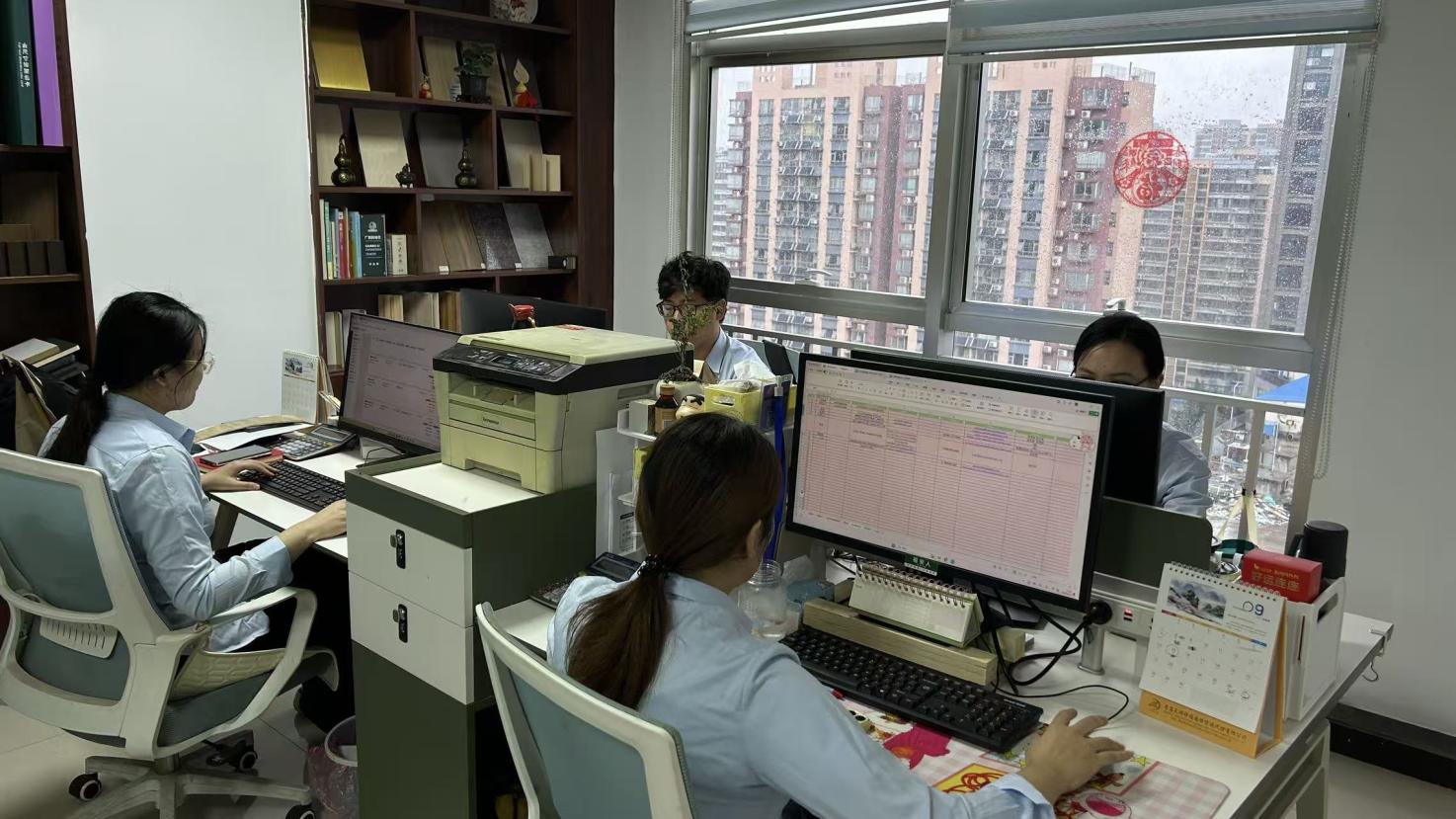
Fipdm is a verified trading company and multispecialty supplier based in Linyi, Shandong, China’s largest wood-based panel production cluster. It is not simply a catalogue page: the company combines qualified partner mills, on-site material inspection, finished-product inspection and export documentation into one accountable supply chain. With nine years in the industry, a small dedicated export team and a 5.0/5 buyer rating shown in its profile, the value is coordination—not just a board price.
Linyi cluster access
Linyi provides dense access to MDF, plywood, HPL, melamine paper and compact laminate production. Fipdm uses vetted partner mills to match a buyer’s application instead of forcing one factory’s narrow range. For importers, this means a more flexible route to fire-retardant MDF, decorative faces, door cores and complementary boards from a familiar panel cluster.
Verification and trade transparency
The supplier profile is supported by third-party assessment and trade information that buyers can review before inquiry. A 5.0/5 buyer rating and documented supplier assessment are useful starting points, but they are not a substitute for product-level evidence. Use the profile to qualify the company, then request fire reports, emission data and loading records for the exact board you intend to order.
Two-stage QC and technical support
Material inspection at the partner mill and finished-product inspection before loading are the two quality gates. For project buyers, engineer support helps clarify installation, edge treatment and substrate selection. This is particularly relevant when FR MDF, HPL and compact laminate appear in the same project but require different fixing and sealing details.
Customization and mixed loads
Fipdm supports minor customization such as logo, packaging and graphics, plus sample-based, design-based and full customization with ODM services. Mixed loads of HPL, MDF, plywood, LVL and door cores help smaller importers reach container efficiency. For fire-retardant MDF programmes, the practical benefit is a coordinated quote that covers decorative faces, substrates and packing without splitting responsibility across several sellers.


Questions Buyers Ask Before Ordering Fire Retardant MDF
These are the practical questions that usually appear after the first price comparison. Clear answers reduce sampling time and help both sides avoid a specification mismatch.
QAre you a manufacturer or a trading company?
Linyi Fipdm Import And Export Co., Ltd. is a verified trading company and multispecialty supplier. It sources from vetted partner mills in Linyi and runs on-site material inspection plus finished-product inspection before shipment, giving buyers one accountable contact across multiple board categories.
QHow can I verify the fire performance of FR MDF?
Request the test standard, report number, tested thickness, board density, face and adhesive build-up, classification result and production batch. Make sure the report matches the panel you will actually receive. A generic “fireproof” statement is not enough for a tender or project submission.
QWhat is the difference between HPL and compact laminate?
Standard HPL is a thin decorative sheet, often around 0.7–0.8 mm, bonded to MDF, particle board or plywood. Compact laminate is a self-supporting phenolic panel, commonly 3–20 mm thick, used without a substrate for toilet partitions, lockers, laboratory worktops and table tops where water, impact and cleaning resistance matter.
QWhich formaldehyde emission grades are available?
MDF and plywood can be supplied in different emission grades such as E1 and E0 depending on the product line. Tell the supplier your destination market standard, application and target budget at inquiry stage so the correct board and documentation can be matched before sampling.
QCan I customize sizes, colours and packaging?
Yes. Typical options include minor customization such as logo, packaging and graphics, plus sample-based, design-based and full customization, as well as ODM support. Share colour references, surface texture, thickness, edge requirement and packaging needs so the quotation can be built around the actual project.
QCan different products be mixed in one container?
Mixed loads of HPL, compact laminate, MDF, plywood, LVL and door cores are a core part of the service. This helps distributors and project buyers reach container efficiency without over-ordering a single SKU. Provide a clear quantity breakdown and priority finishes so packing and loading can be planned properly.
Request a Fire Retardant MDF Quotation With Evidence
Send your target market, fire test standard, board thickness, substrate, HPL or melamine finish, edge-sealing requirement, annual volume and container plan. The export team can reply with matched options from the current catalogue, sample and documentation requirements, and a mixed-load proposal where relevant. If you are comparing FR MDF with HPL-faced plywood, compact laminate or low-emission furniture boards, include the application and installation detail so the recommendation is based on the full system, not a single SKU.
No obligation. Ask for the current catalogue, specification checklist and available samples for your target application.