8 Exterior Grade HPL & Panel Products for Immediate Review
Each product below retains its original URL from the catalogue. Images are displayed with contain-fit so proportions remain complete; specifications should be confirmed against your project standard before ordering.
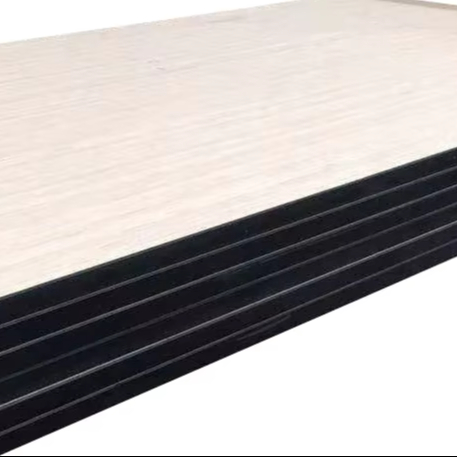
Best Price 1220x2440mm 1300X2800MM HPL Plywood HPL LAMINATE BLACK MDF for Cabinets Bathroom Cabinet Black Plywood
HPL-faced plywood and MDF option for bathroom cabinets, project furniture and black decorative surfaces; 1220×2440 mm and 1300×2800 mm formats are referenced in the listing.
View specification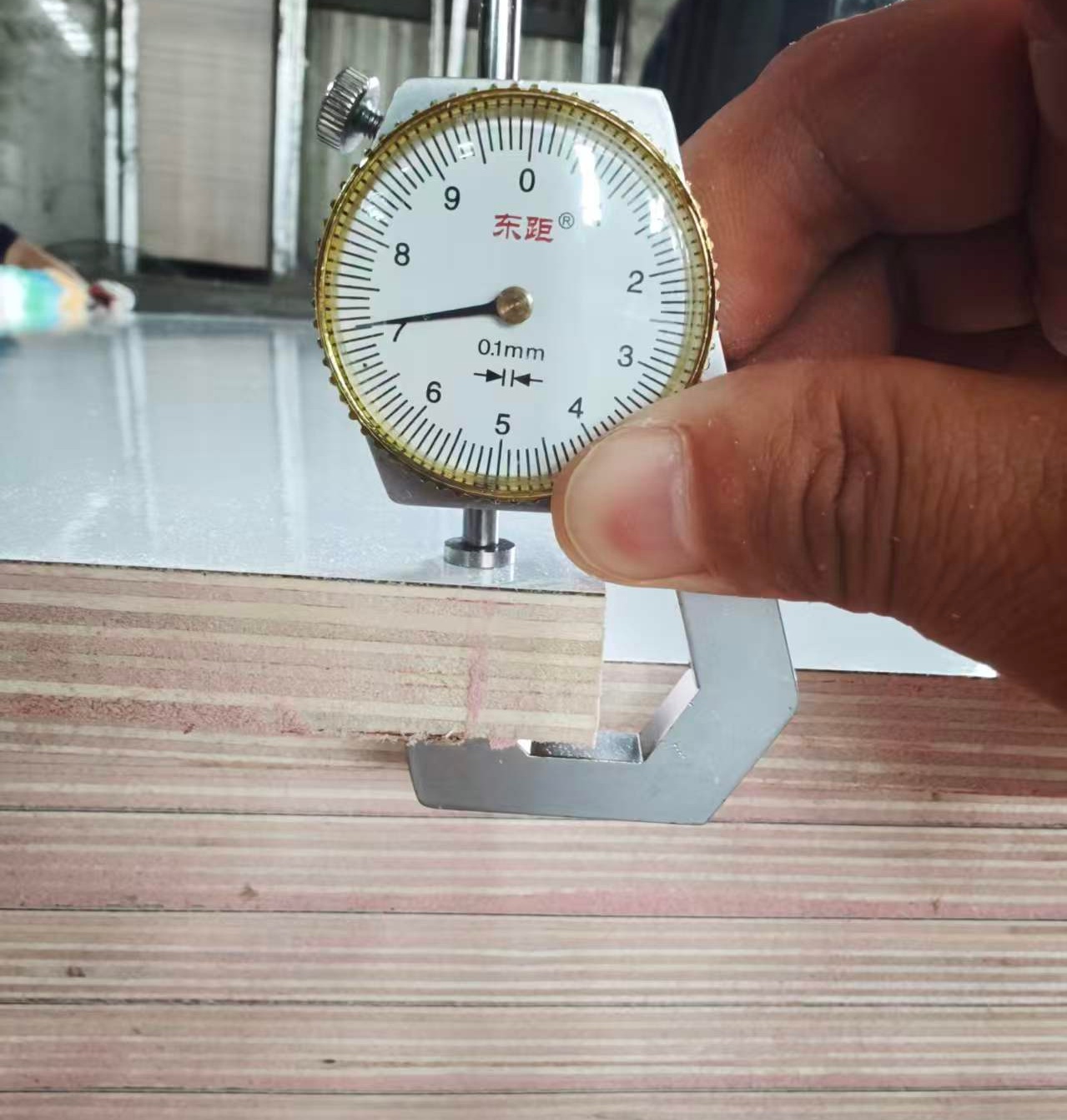
HPL Plywood Decorative Panels Stock HPL for Furniture Veneer
Decorative HPL plywood panel supply for furniture veneer, interior fit-out and stock-led programmes where surface consistency and availability matter.
View specification
HPL Plywood E0 Fire Resistant Sanded Surface Double-Sided Decoration 4X8 18mm Furniture Plywood
E0 fire-resistant HPL furniture plywood with sanded double-sided decoration, 4×8 format and 18 mm construction for furniture and interior fabrication.
View specification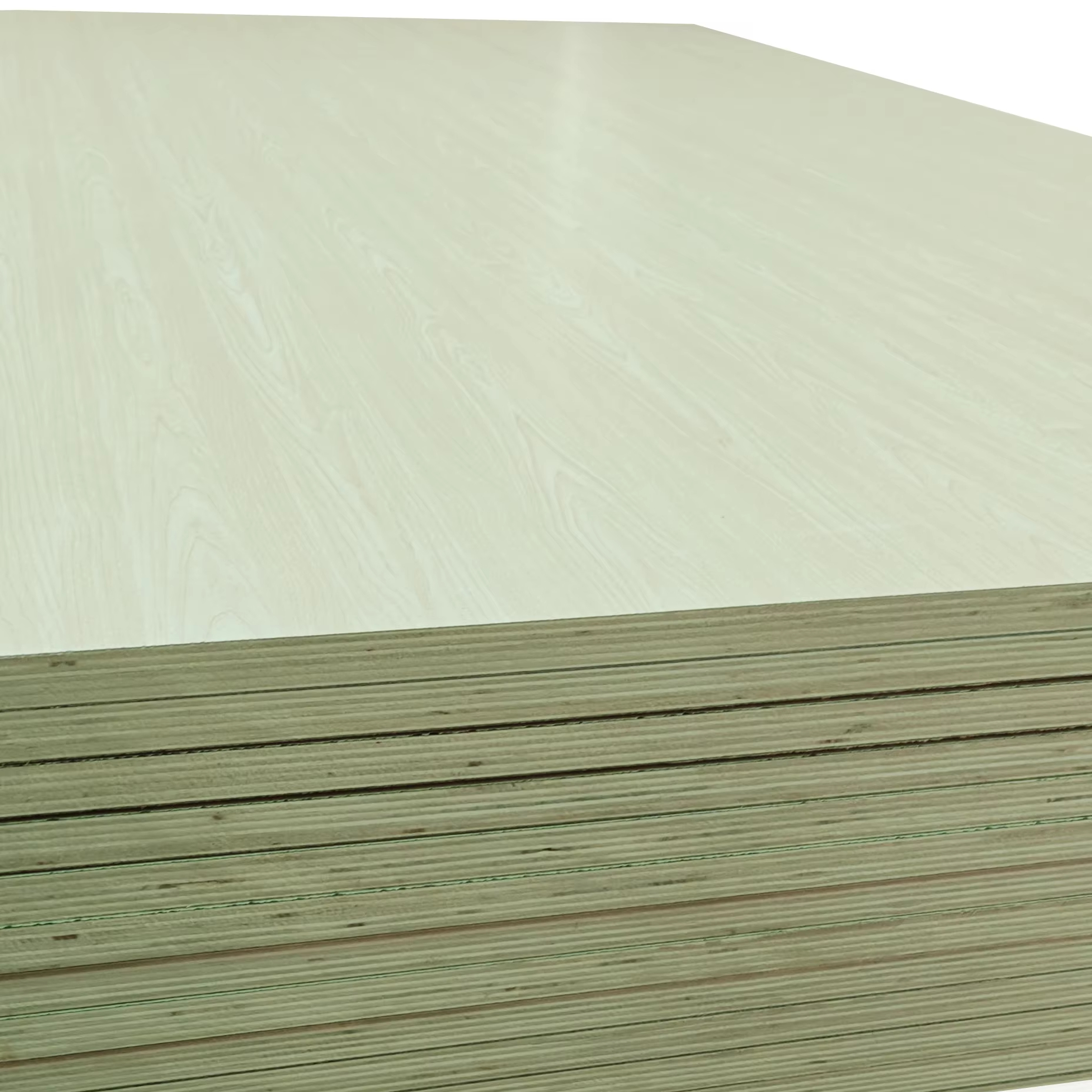
18mm Fire Retardant HPL Faced Plywood School Classroom 1220x2440mm Desk Top
18 mm fire-retardant HPL-faced plywood for school classroom desk tops and education furniture, with 1220×2440 mm format referenced in the listing.
View specification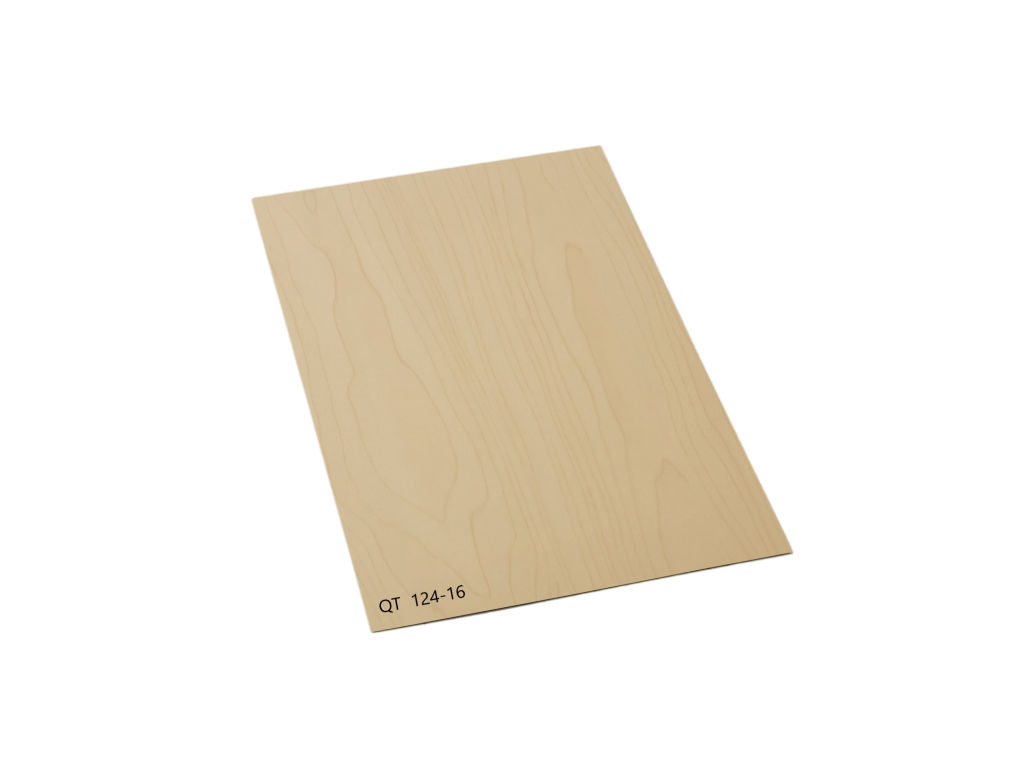
Light Wood Grain HPL Decorative Laminate Sheet Phenolic Resin Panel for Interior Wall and Furniture
Light wood grain HPL decorative laminate with phenolic resin construction for interior walls, furniture fronts and warm-toned architectural finishes.
View specification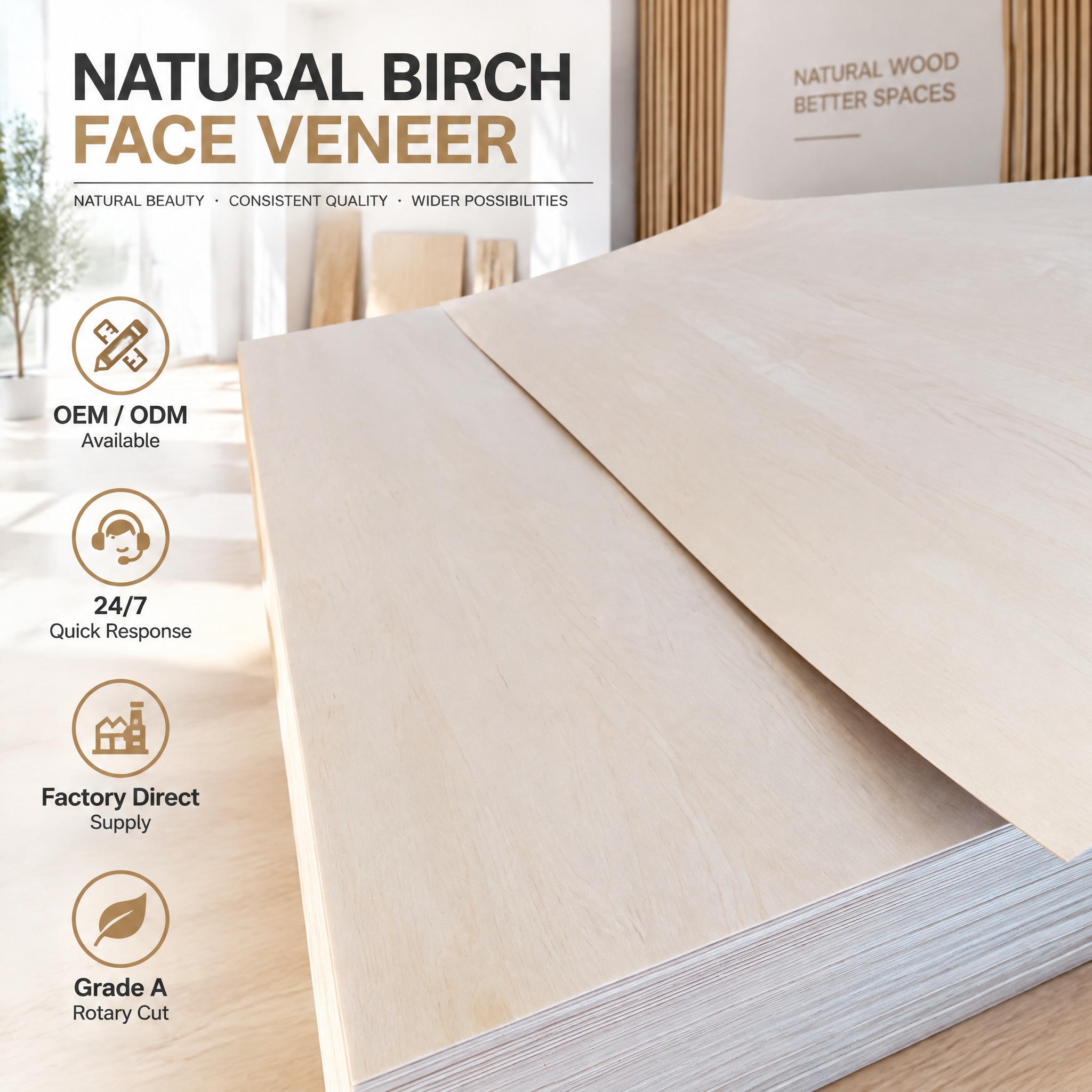
Sanded Basswood Plywood Sheets with Birch Veneer Double-Sided E0 Decorative Wood Panels for Laser Cutting Furniture
Sanded basswood plywood with birch veneer and double-sided E0 decorative faces, positioned for laser cutting, model work and furniture components.
View specification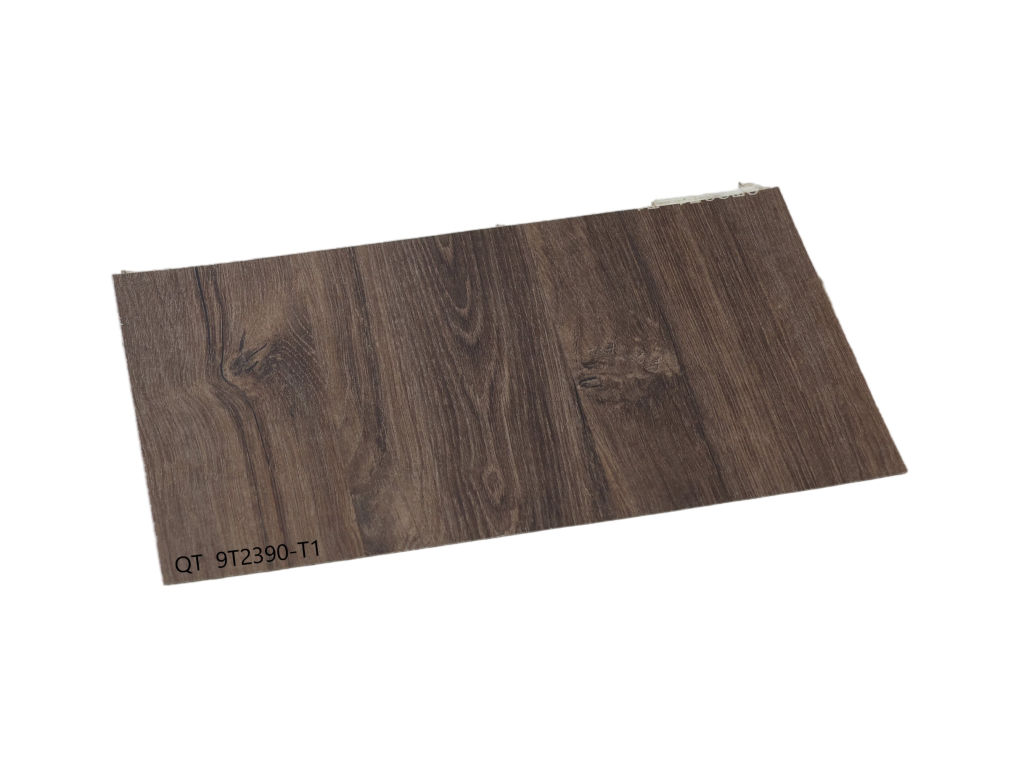
Dark Brown Decorative Panel HPL Sheet QT 9T2390-T1 Interior Wall Cladding
Dark brown HPL decorative panel for interior wall cladding and feature surfaces, colour reference QT 9T2390-T1, intended for specification-led design work.
View specification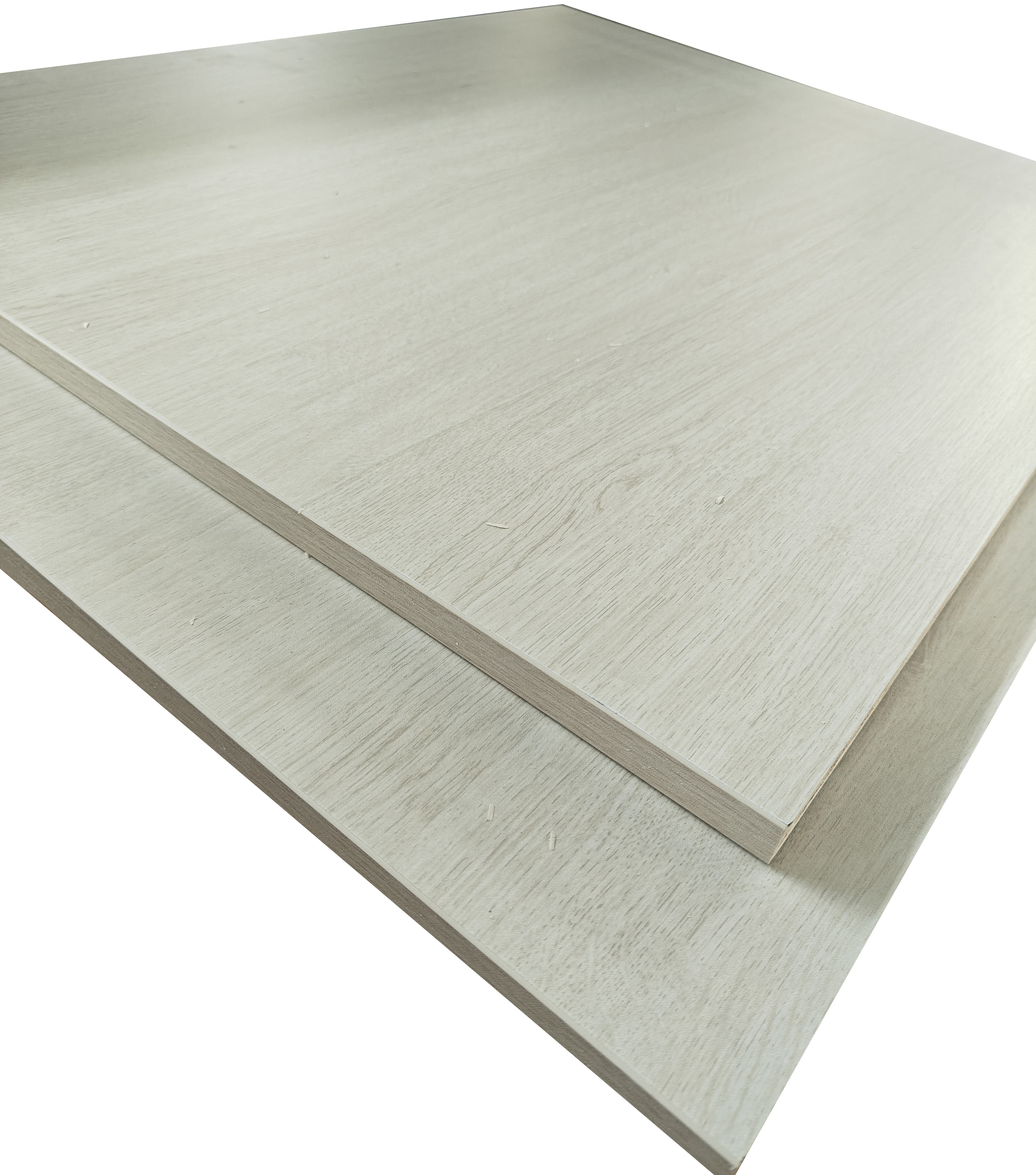
Linyi Supplier Professional HPL Formica Plywood for Furniture High Pressure Phenolic Resin HPL Compact Laminate Board
Professional HPL compact laminate and HPL plywood supply for furniture, high-pressure phenolic resin applications and buyers seeking a Linyi-based consolidation partner.
View specificationExterior Grade HPL: The Specification Problem That Decides Project Performance
An exterior-grade HPL supply decision is rarely won by a single price. It is won by controlling the variables that affect weather resistance, installation speed, colour consistency and total landed cost.
High-pressure laminate is a decorative surface material manufactured by saturating decorative paper with melamine resin and pressing it under high heat and pressure. When the application moves outdoors — facades, balconies, soffits, entrance canopies, outdoor furniture or semi-exposed public spaces — the specification must account for more than colour. The resin system, UV package, surface texture, thickness tolerance, fixing method, edge protection and substrate compatibility all influence real-world performance. For compact laminate, the panel is a self-supporting phenolic board rather than a thin decorative skin bonded to plywood or MDF, so thickness, impact resistance and fixing design become part of the structural conversation.
For international buyers, the phrase “China exterior grade HPL factory and wholesaler” often describes very different operating models. A single mill may excel in one surface family but cannot consolidate compact laminate, HPL-faced plywood, MDF and door cores into one shipment. A trading company may offer flexibility but must prove inspection capability. The practical answer is to evaluate the supply chain, not only the product photo: which partner mills are involved, how raw materials are checked, how finished boards are inspected, how mixed loads are consolidated and what documentation accompanies dispatch.
Linyi, Shandong is one of the most concentrated wood-based panel clusters in China. That depth creates access to many board types, colours and thicknesses, but it also makes supplier screening essential. Linyi Fipdm Import And Export Co., Ltd. operates as a verified trading company and multispecialty supplier rather than a single-mill factory. According to the company profile, the team combines HPL, compact laminate, fibreboards, flakeboards, plywoods and new material boards through qualified partner mills, with material inspection and finished-product inspection before shipment. That model can reduce coordination risk for importers, distributors and furniture factories that would otherwise manage several suppliers.
Total landed cost analysis should include at least five layers: first, the quoted panel price; second, thickness and size tolerance that affect yield; third, mixed-container efficiency and freight utilisation; fourth, quality claims risk from edge chips, surface defects or colour variation; fifth, documentation and compliance testing for the destination market. A lower FOB price can disappear quickly if a container mixes incompatible surfaces, if thickness variance increases waste, or if fire and formaldehyde claims cannot be supported by the correct product documents.
Decorative HPL sheet
A thin surface skin, commonly around 0.7 mm depending on the programme, bonded to MDF, particle board or plywood. It is ideal for cabinets, furniture, wall panels and interior fit-out, but the substrate and edge treatment determine moisture performance.
Exterior-grade HPL
Engineered for UV exposure, moisture cycling and facade detailing. Buyers should confirm the UV package, cleaning regime, fixing system, colour fastness expectation and warranty language — not only the colour code.
Compact laminate
A solid phenolic panel used without a substrate for toilet partitions, lockers, lab worktops, table tops and exterior cladding. The right thickness depends on span, impact and fixing design rather than habit.
What project buyers weigh before awarding an HPL order
Based on the RFQ patterns Fipdm handles across exterior HPL, compact laminate and HPL plywood projects, the following priorities appear most often. These percentages are indicative buying signals from active enquiries, not a statistical market survey. They are useful because they show where information gain can reduce quotation cycles.
Recommended Product Routes by Application
Use this application map to shortlist the right board family before requesting samples. Final selection should always match the fixing detail, exposure class and local compliance requirement.
Facades, balconies and canopies
Prioritise exterior-grade HPL and compact laminate with confirmed UV resistance, fixing system compatibility, wind-load detailing and edge sealing. For rainscreen design, the panel is only one part of the envelope; ventilated cavity and substrate details matter.
Toilet partitions and lockers
Compact laminate is often the better fit because it is self-supporting and can resist moisture and impact without a plywood or MDF substrate. Specify thickness, hardware, door clearance and cleaning chemicals early.
Laboratory and chemical areas
Exterior-grade surface durability is not the same as chemical resistance. For lab worktops, request chemical-resistant compact laminate and confirm exposure to reagents, disinfectants and thermal shock.
Kitchen and bathroom cabinets
HPL-faced plywood and MDF are practical for cabinets and furniture. For wet areas, the substrate, edge sealing and formaldehyde grade deserve as much attention as the decorative surface.
School desks and education furniture
Fire-retardant HPL-faced plywood is a strong candidate for classroom desk tops where impact resistance, easy cleaning and documented fire performance are required. Confirm the test report against the buyer’s regulatory market.
Laser cutting and crafted components
Thin birch or basswood plywood with clean faces supports laser cutting, signage, models and furniture details. Specify veneer uniformity, core voids, E0 or E1 grade and expected char behaviour.
Why B2B Buyers Use Linyi Fipdm as a Panel Sourcing Partner
The value of a wholesaler is not simply access to products. It is the ability to make multi-category buying more predictable, documented and easier to inspect.
Linyi panel cluster access
Based in Linyi, Shandong, Fipdm can source across a concentrated wood-based panel cluster. That supports access to HPL, compact laminate, MDF, plywood, LVL and door cores through qualified partner mills.
Intertek-verified supplier profile
The company profile states that the business is a verified multispecialty supplier with on-site assessment. Buyers should still match product-level certificates to their destination market, but the third-party profile is a useful starting point for due diligence.
Two-stage quality control
On-site material inspection at partner mills and finished-product inspection before loading help catch thickness, surface, edge and packing issues earlier. The objective is fewer surprises at destination, not paperwork for its own sake.
Mixed-container consolidation
HPL, compact laminate, HPL plywood, MDF, LVL and door cores can be combined in one managed supply plan. This is especially useful for importers, distributors and furniture factories working with smaller order lines.
Customization and ODM support
The source profile lists minor customization such as logo, packaging and graphics, plus sample-based, design-based and full customization and ODM services. That supports distributors building a private range without owning every production step.
Export logistics and technical support
Export documentation, seaworthy packing, loading photos and engineer support for project buyers reduce friction between specification and installation. Direct contact with the export team helps keep revisions visible.
Future Procurement Trends for Exterior HPL and Compact Laminate
Buying behaviour is shifting from “find the cheapest sheet” toward “secure a repeatable performance package.” These are the procurement themes most likely to shape 2026–2030 sourcing conversations.
Performance-based RFQs
Buyers increasingly ask for UV stability, fire classification, formaldehyde grade, thickness tolerance and fixing recommendations alongside colour and size. That pushes suppliers to provide evidence rather than only price.
Mixed-container efficiency
Smaller importers and project buyers are combining multiple board families to reach container efficiency. A supplier who can consolidate HPL, plywood, MDF and compact laminate reduces both freight cost and administration load.
Documented compliance
Low-emission boards, fire performance and chemical resistance are being checked earlier in the procurement process. Buyers need to know which document applies to the actual board, finish and thickness being supplied.
Sample traceability
Digital colour files, retained physical samples and batch references are becoming part of supplier selection. This helps designers, factories and installers resolve colour and texture questions before mass production.
Pre-fabrication and install-ready systems
Facade and fit-out contractors are pushing more cutting, edge processing and panel-layout planning upstream. The supplier’s ability to support drawings and installation logic is becoming a differentiator.
Supplier transparency
Photos of loading, inspection records, packing details and direct access to the export team are becoming normal expectations. Buyers want a visible process, especially for repeat programmes across multiple board types.
Where Exterior HPL Products Are Heading Next
Product development is moving toward longer service life, richer surface realism and more complete documentation. The winning specification will balance visual intent with buildability.
UV-stable exterior surfaces
Exterior HPL continues to improve in colour retention, surface texture and dirt release. Buyers should still match the product to exposure: a facade, soffit, balcony and outdoor table do not experience weathering in the same way.
Compact phenolic growth
Compact laminate is expanding into public infrastructure, washrooms, lockers, laboratory furniture and exterior cladding. Its self-supporting nature can simplify substrate decisions when the fixing design is correct.
Fire-retardant education and transport panels
Demand is increasing for fire-retardant HPL-faced plywood and compact panels in schools, transport and public interiors. Test reports must align with the exact construction, not only the surface brand.
E0 and lower-emission substrates
MDF and plywood lines are increasingly requested in E1 or E0 grades depending on the market. A decorative HPL surface does not remove the need to specify the core and edge-sealing requirement.
Large formats and richer textures
Large-format panels, deeper embossing and synchronised wood grain effects are reducing visible joints in design-led interiors. The trade-off is heavier handling, more careful packing and higher requirements for surface protection.
Digital colour and batch management
Designers increasingly expect colour references, digital samples and repeatable batch notes. For buyers, this means the supplier’s sample management process can matter as much as the factory’s press capacity.
A Quick Reference Table for Purchasing Teams
Use this table to frame your RFQ. It is not a substitute for project-specific test reports or installer drawings, but it helps reduce avoidable back-and-forth.
| Product route | Typical use | What to verify | Common procurement risk |
|---|---|---|---|
| Exterior-grade HPL | Facades, balconies, canopies, exterior furniture | UV package, colour fastness, fixing system, edge protection, warranty terms | Using interior HPL in an exterior detail without confirming exposure suitability |
| Compact laminate | Toilet partitions, lockers, lab tops, table tops | Thickness, impact resistance, chemical resistance, hardware, cut-edge finish | Specifying by thickness alone without checking span and fixing loads |
| HPL-faced plywood | Cabinets, school desks, furniture, fit-out panels | Core grade, formaldehyde emission, glue line, face and back matching, edge sealing | Comparing surface decor while ignoring core quality and moisture exposure |
| HPL-faced MDF | Interior furniture, doors, shelving, wall panels | Moisture-resistant grade, density, screw-holding, face quality, packing | Using standard MDF in a high-humidity environment without protective detailing |
| Fire-retardant HPL plywood | Schools, classrooms, public interiors, transport furniture | Fire test report, product construction, thickness, batch traceability | Assuming “fire-retardant” copy equals the required local classification |
| Thin laser plywood | Models, signage, crafts, furniture details | Veneer quality, core voids, E0/E1 grade, cutting behaviour, flatness | Ordering by thickness without checking core consistency and surface defects |
Important: Confirm the final board, finish, thickness and test documentation with your order. Exterior performance is a system decision involving panel, edge, fixing, substrate and maintenance.
From Specification to Container Loading
A concise four-step workflow for buyers who need repeatable panel supply rather than one-off sourcing.
Specification review
Share sizes, thickness, colour, finish, application, target market and compliance expectation. Clarify whether the request is for exterior HPL, compact laminate or HPL-faced substrate.
Material inspection
Partner-mill material checks focus on the core, surface, resin system and agreed product route. Samples and retained references help align colour and texture before production.
Finished-board QC
Before loading, inspect thickness, flatness, surface defects, edge condition, labelling and packing. For mixed loads, verify carton marks and product separation.
Loading and documents
Export packing, loading photos and document packs reduce uncertainty at destination. The export team can coordinate mixed container lines and installation questions where required.
Common Questions Before Ordering Exterior HPL and Panels
Direct answers for purchasing teams comparing China HPL factories, wholesalers and mixed-panel supply partners.
Are you a manufacturer or a trading company?
Linyi Fipdm Import And Export Co., Ltd. is a verified trading company and multispecialty supplier. The business sources from vetted partner mills in Linyi, Shandong — a major wood-based panel cluster — and states that it conducts on-site material inspection and finished-product inspection before shipment. This means the buyer gets one accountable contact across multiple board families, while product-level certificates should still be confirmed for the exact item ordered.
What is the difference between exterior-grade HPL and compact laminate?
Standard HPL is a thin decorative sheet, often around 0.7 mm, bonded to a substrate such as MDF, particle board or plywood. Compact laminate is a solid phenolic panel, commonly thicker and self-supporting, used without a substrate for toilet partitions, lab worktops, table tops and exterior cladding. Exterior-grade HPL describes a performance intent for the surface system; it does not automatically make every HPL-faced panel suitable for facade use. The fixing detail, edge protection and substrate must match the application.
Which formaldehyde emission grades can be supplied?
MDF and plywood are available in E1 and E0 emission grades depending on the product line. Tell the export team your destination market, application and required document set so the correct board and supporting information can be matched. For furniture, cabinetry and school projects, the substrate grade and edge sealing matter as much as the decorative HPL face.
Can I mix HPL, compact laminate, MDF and plywood in one container?
Mixed loads are a core part of the Fipdm supply model. HPL, compact laminate, MDF, plywood, LVL and door cores can be consolidated to improve container efficiency for importers, distributors and furniture factories. The practical requirements are clear labelling, compatible packing, accurate carton marks and a loading plan that protects surfaces and edges.
Can sizes, colours and packaging be customized?
Yes. The source profile lists minor customization such as logo, packaging and graphics, as well as sample-based, design-based and full customization and ODM services. For exterior HPL, colour matching should be locked with a retained physical sample and a clear acceptance standard. For private-label packaging, artwork, carton marks and barcode requirements should be agreed before production.
How can I verify quality before the container is shipped?
Start with a specification that names the application, thickness, size, surface, substrate, emission grade and required test documents. Request samples where colour or texture is critical. Before loading, ask for inspection points covering thickness, flatness, surface defects, edge condition, labelling and packing. For project buyers, loading photos and a clear document pack help confirm that the shipment matches the approved order.
Planning an Exterior HPL or Compact Laminate Order?
Send your sizes, thickness, finish, application and destination market. The Fipdm export team can reply with matched panel options, packing considerations and the next steps for sampling or inspection.
Linyi Fipdm Import And Export Co., Ltd. · Linyi, Shandong, China · info@fipdmplywoods.com