8 Panel Products for Black Core MDF Furniture & Interior Programmes
Black core MDF performs best when it is specified as part of a complete panel system: a machined black-core substrate, a compatible decorative surface and, where required, a plywood or backing component. The eight products below are frequently quoted alongside black core MDF for cabinetry, doors, shopfitting and interior fit-out. Each image links to its live product page so buyers can compare surfaces, formats and performance claims directly.

HPL Plywood E0 Fire Resistant Sanded Surface Double-Sided Decoration 4X8 18mm Furniture Plywood
Double-sided decorative HPL plywood with E0 and fire-resistant construction, suitable for door, furniture and fit-out panels where a coordinated surface is required. Confirm current test reports and final thickness before ordering.
View product details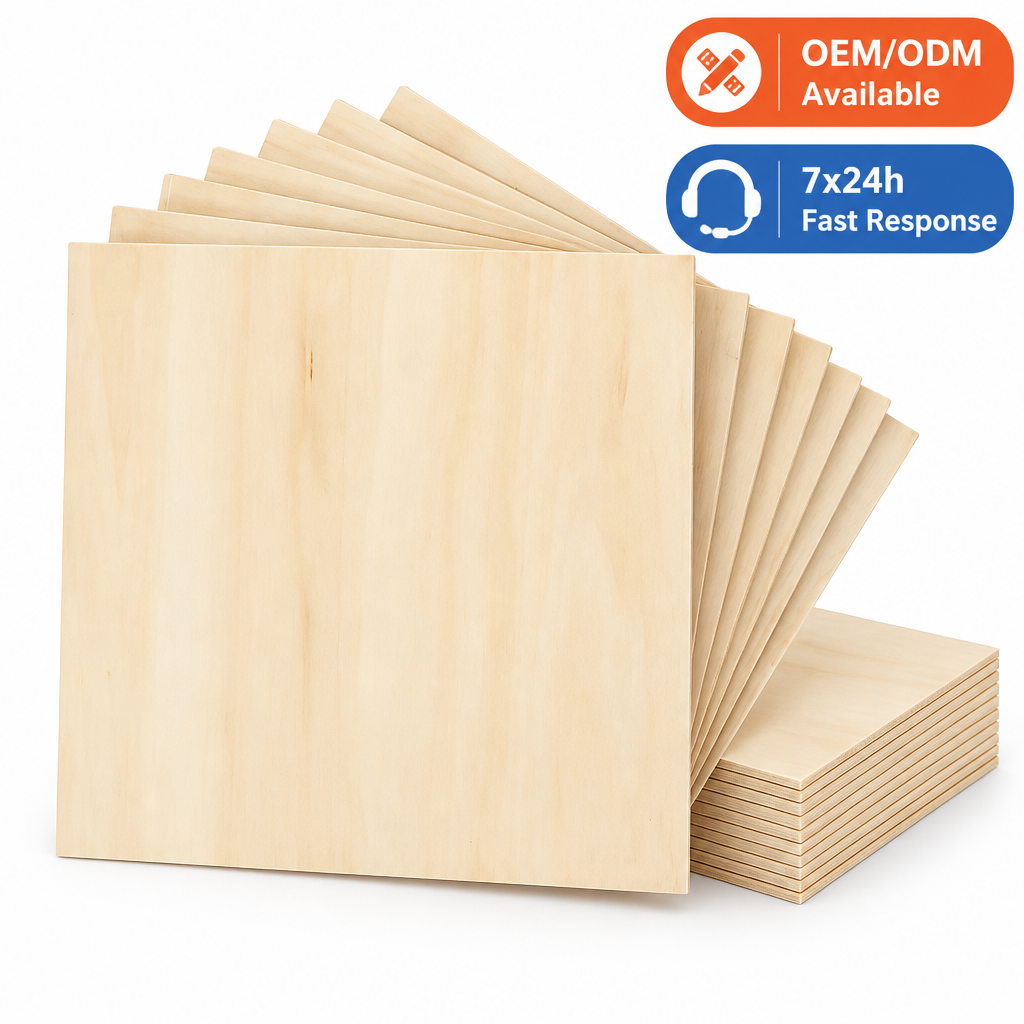
Eco-Friendly First-Class Basswood Plywood Sheet 12 X 12 X 1/8 Inch 3mm Sanded Polished Birch Veneer DIY Laser Cutting
Thin basswood plywood for laser cutting, engraved decorative layers and model making. Useful for sample development and small-component design when black core MDF is used as a substrate or support panel.
View product details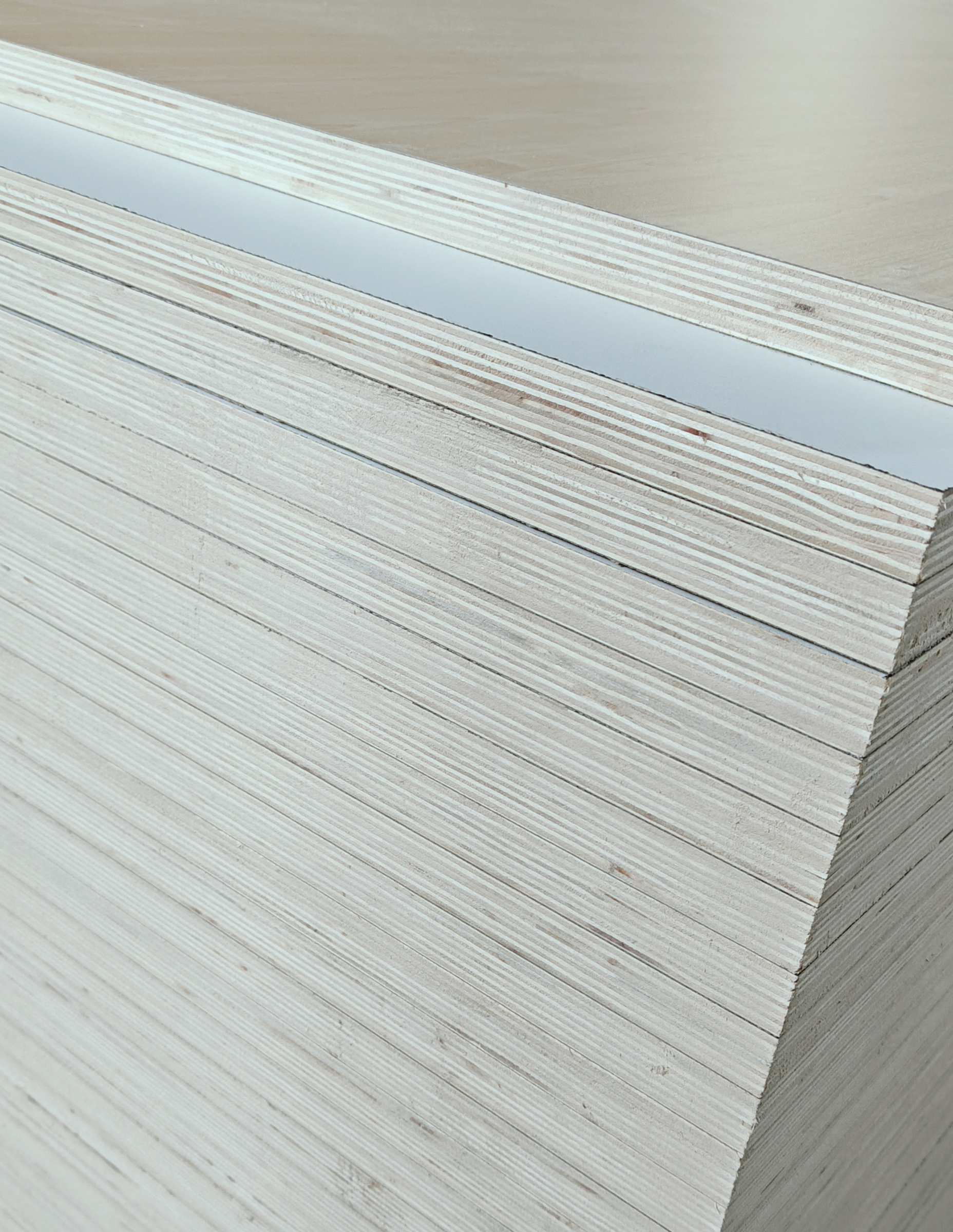
Modern Design Chinese Marine HPL Poplar Plywood E0 Fire Resistant Sanded Surface 4X8 15mm 1220X2440 Construction Sheet Price
Marine HPL poplar plywood in a 15 mm, 1220 × 2440 mm format, targeting construction and furniture panels that need a fire-resistant sanded face. A practical option for project buyers comparing panel systems.
View product details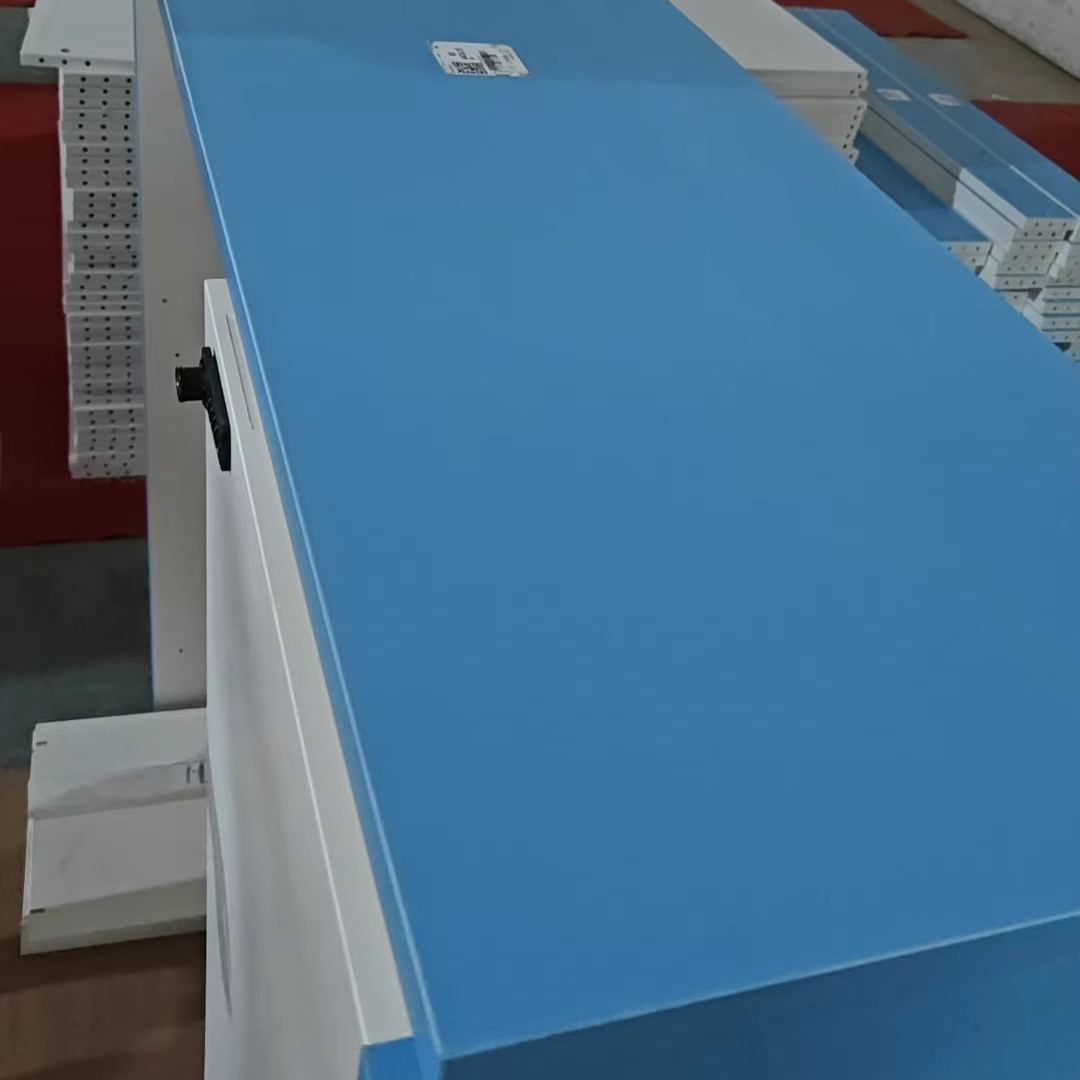
Linyi Hpl Melamine Board Plywood Sheet 18mm 15mm Melamine Board Hpl Laminated Furniture Board
Melamine-faced HPL laminated furniture board in 15 mm and 18 mm formats for cabinets, shelving and commercial fit-out panels. A durable decorative skin when the project calls for a consistent surface.
View product details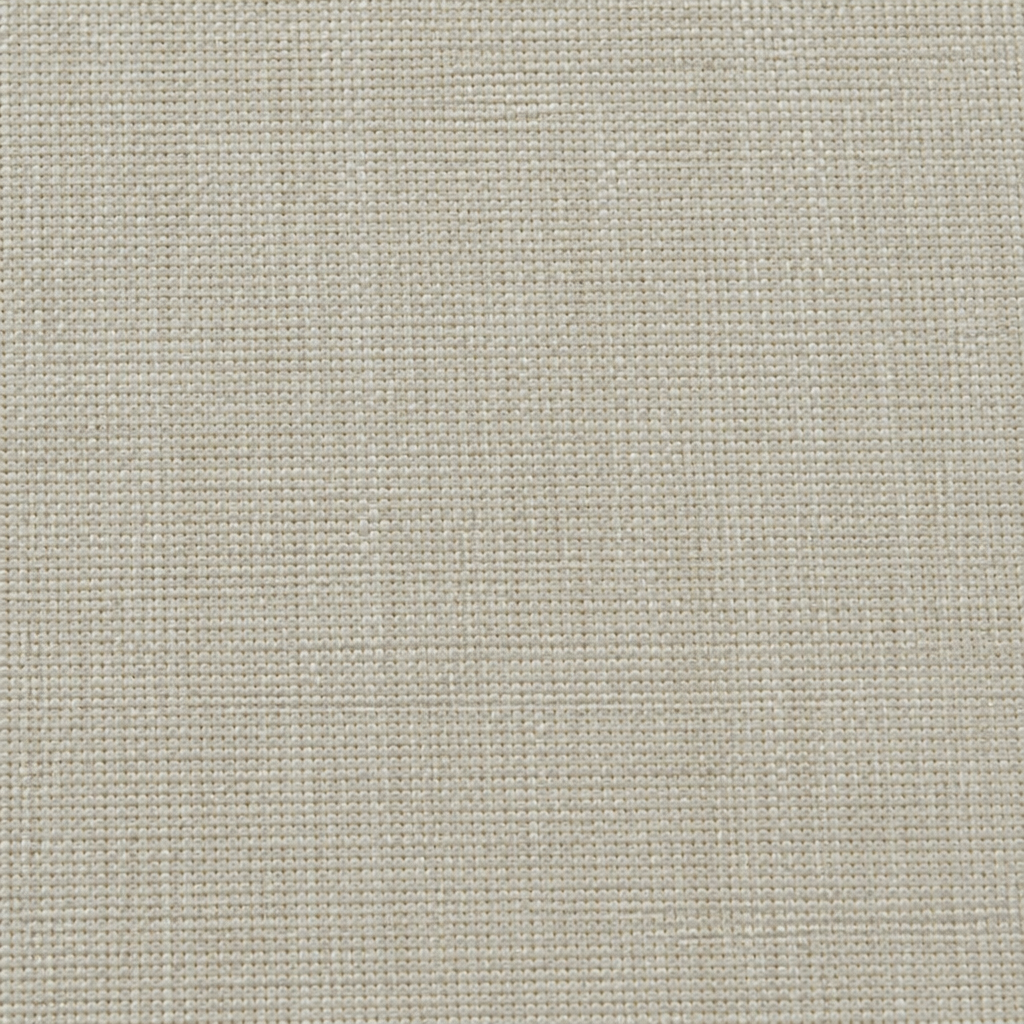
1830*3660mm Light Beige Gray Waterproof Fire Resistant Decorative Laminate Sheet
Large-format 1830 × 3660 mm decorative laminate in light beige-gray, suited to wall panels, worktops and feature surfaces in commercial interiors where fewer joints and consistent tone matter.
View product details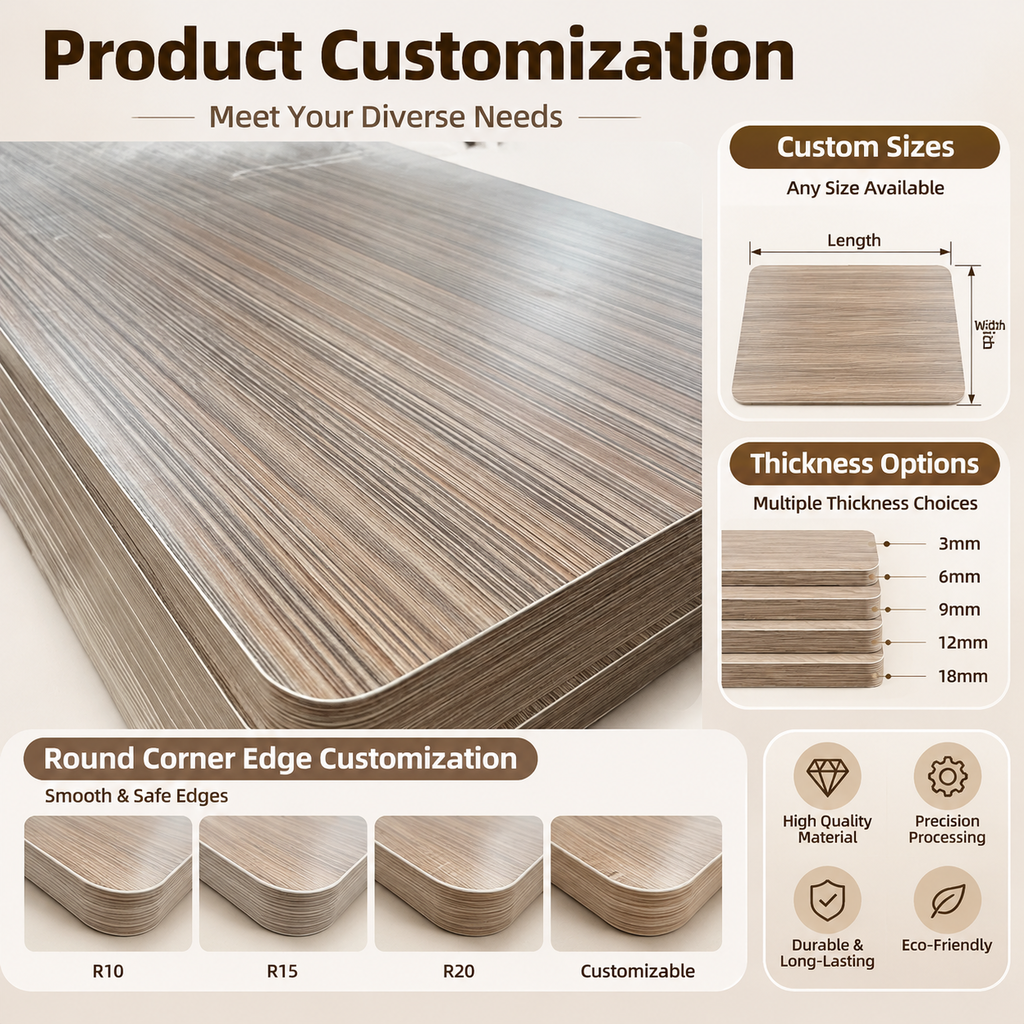
HPL Wood Grain Decorative High Pressure Laminate HPL Compact Sheet Waterproof Fire-Resistant Panel for Furniture
Wood-grain HPL decorative panel for furniture and wet-area surfaces. Specify the substrate, core type and fixing method for the final application so that appearance and performance match the project brief.
View product details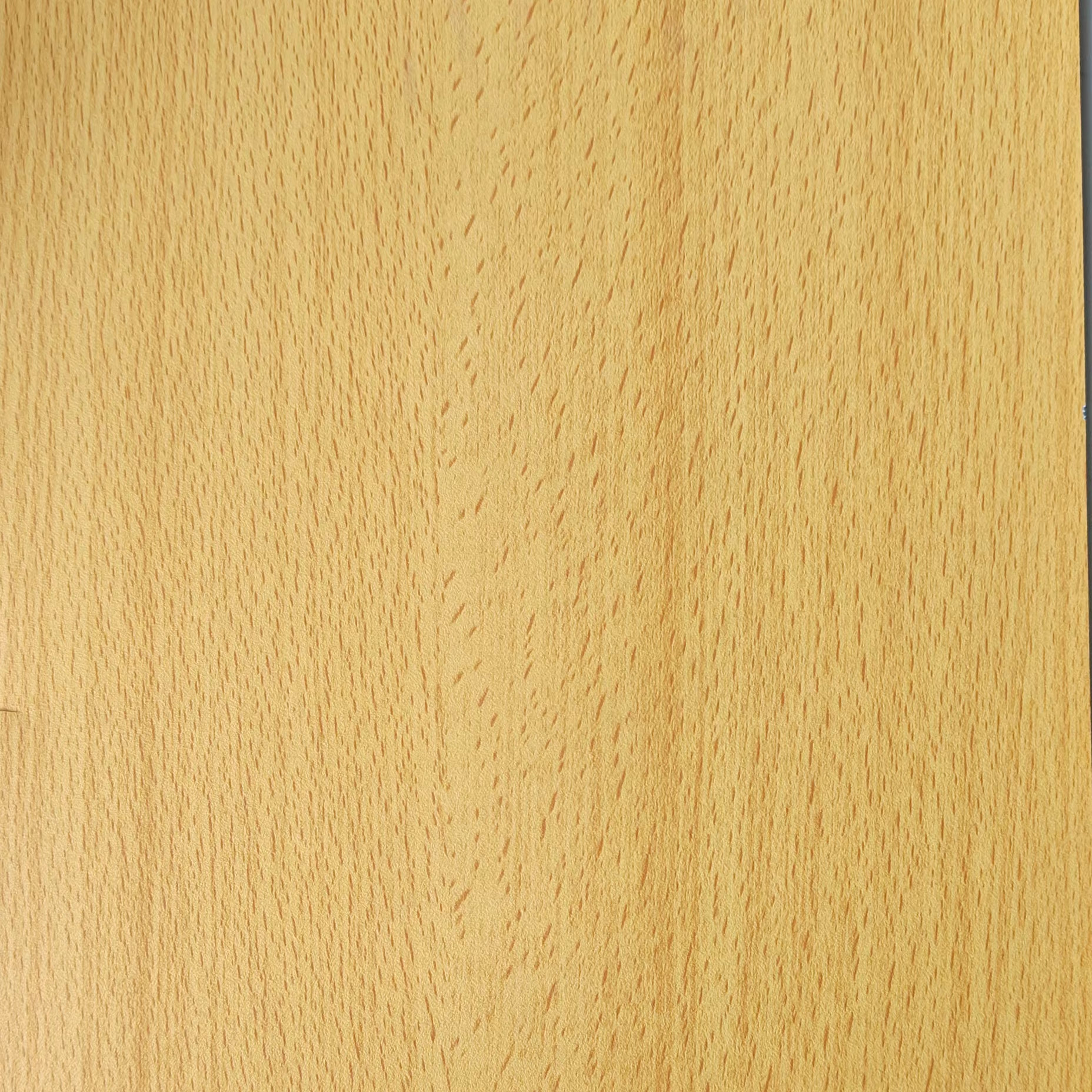
China Hpl Manufacture Lightweight Furniture Plywood with Wood Grain HPL Sheet Laminate for Cabinet Furniture
Lightweight wood-grain HPL plywood for cabinet carcasses and furniture where reduced panel weight matters. A useful companion product when black core MDF is used for visible fronts and edge details.
View product details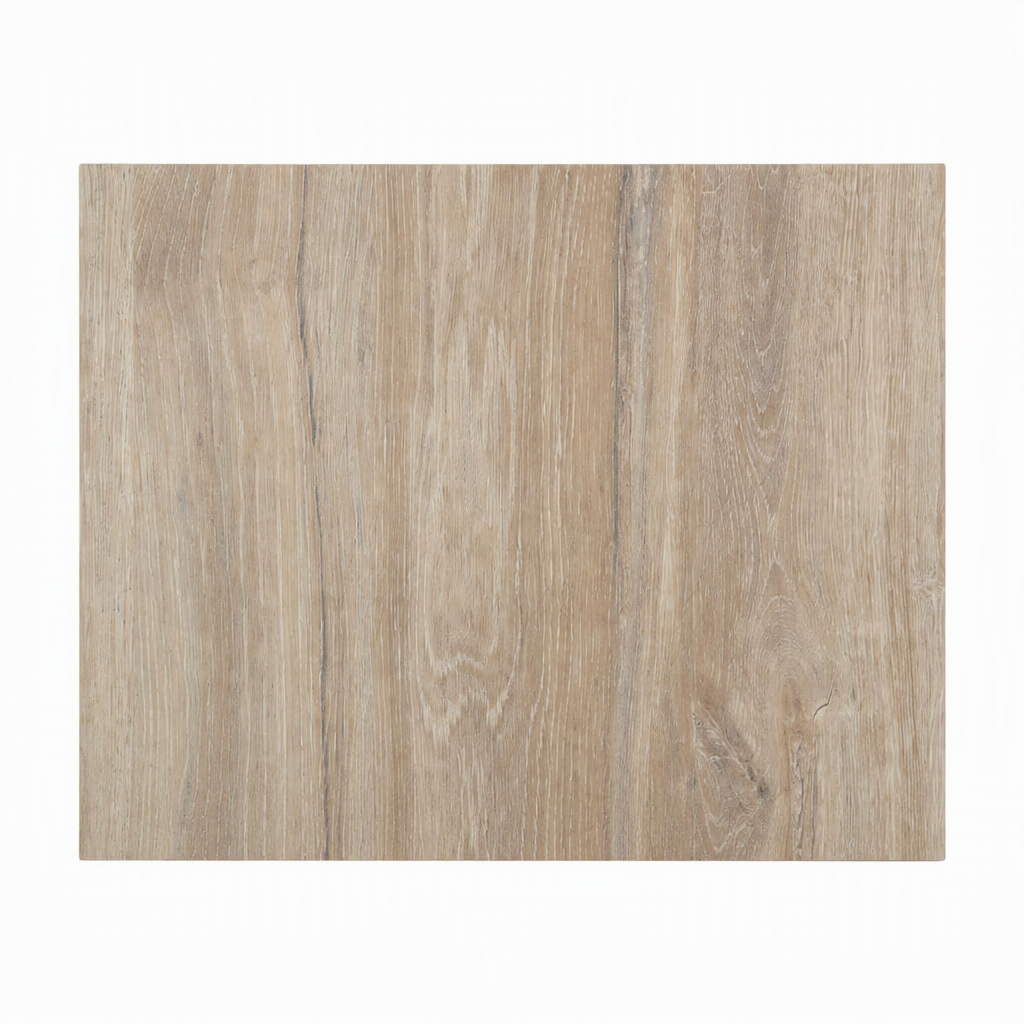
1mm Light Wood Grain HPL Decorative Laminate Panel Waterproof Fire Resistant Modern Design
1 mm light wood-grain HPL decorative laminate with waterproof and fire-resistant characteristics, a thin surface option for doors, furniture fronts and wall panels that require a refined wood tone.
View product detailsA China Black Core MDF Supply Route Built on Verification and Practical Support
The phrase “manufacturer and wholesaler” is often used loosely online. For a serious import programme, the important question is who controls the specification, who inspects the board before shipment and who can consolidate the surrounding panels into one container. This is where a Linyi-based, inspection-led supply partner creates real value.
What Is Black Core MDF — and Why Does the Core Colour Matter?
Black core MDF is a medium-density fibreboard made from refined wood fibres, adhesive and a dark pigment that is integrated into the fibre mat. Unlike a board whose edge has only been painted after cutting, the black colour runs through the core. CNC curves, drill holes, grooved profiles and exposed edges therefore retain a more coherent dark appearance.
An engineered substrate for edge-visible, precision-machined interiors
Designers and furniture engineers use black core MDF where clean, dark edges form part of the visual language: open shelving, routed handles, exposed carcasses, exhibition systems, cabinet doors, decorative wall panels and shop-fitting components. When the final design calls for a very crisp black edge without heavy edge banding, a pigmented core can reduce the visual contrast between the substrate and the edge treatment.
However, black core MDF is not a single specification. A dark core does not automatically mean moisture resistance, fire retardance, low formaldehyde emission or exterior durability. Those are separate performance decisions. Buyers should specify density, thickness, surface type, emission class and required test evidence before comparing quotations.
For B2B wholesalers, the information gain is in the details: core colour consistency, fibre refinement, sanding quality, machining behaviour, adhesive bonding and packaging. A board that photographs well may still create downstream losses if its thickness tolerance, density or surface absorption is not controlled. The right China black core MDF manufacturer and wholesaler should be able to discuss these points in technical language — not only send a colour card.
Fipdm’s role is to coordinate vetted partner mills in Linyi, verify materials on site and inspect finished boards before loading. This manufacturer-backed sourcing model gives importers, distributors, furniture factories and project buyers one accountable contact while preserving access to a broad panel range.
Five variables to lock before ordering
- Core colour & uniformity: confirm that the black pigment is consistent through the board, especially visible on CNC-cut edges.
- Thickness & sheet format: specify 9 mm, 12 mm, 15 mm, 18 mm or other required formats and confirm actual tolerances on the quotation.
- Surface route: raw sanded, melamine faced, HPL faced, veneered or coated; each route changes bonding, finishing and lead time.
- Emission target: request E1/E0 options where applicable and match documentation to the destination market.
- Machining & packaging: test edge chipping, screw holding, surface absorption and seaworthy pallet protection before repeating the order.
Buyer priority map for black core MDF projects
Qualitative planning aid for specification meetings; not a product performance rating. Priorities change by application, market and final surface system.
Why Specifiers Choose Black Core MDF for Furniture and Interior Systems
Black core MDF is selected for a combination of visual control, machinability and surface compatibility. It is not simply a “black board”; it is a design and production decision that affects edge treatment, finishing time and the consistency of the final assembly.
Edge-Visible Design
A pigmented core helps create a darker, more coherent edge on open shelving, routed handles, display units and exposed carcasses, reducing the visual interruption caused by a light core.
CNC and Routing Behaviour
MDF machines cleanly when density and fibre refinement are controlled. Black core MDF can be routed, drilled, grooved and shaped for furniture components that require repeatable geometry.
Surface Versatility
Raw black core MDF can be sanded and painted, faced with melamine or HPL, veneered or combined with decorative laminates. The core colour remains part of the design language at exposed edges.
Colour Consistency
For multi-unit projects, batch-to-batch colour consistency matters as much as the initial sample. Buyers should request approved samples and maintain a retained reference board.
Finishing Efficiency
Where a dark edge is acceptable, the need for heavy edge banding may be reduced or redesigned. This can simplify edge treatment and improve the visual continuity of curved or profiled parts.
System Compatibility
Black core MDF can be quoted alongside HPL, melamine-faced board, plywood and compact laminate, allowing wholesalers to build a complete interior panel package rather than sourcing isolated SKUs.
Black Core MDF Specification Guide for Wholesale Buyers
Use this table as a briefing framework for your supplier. Confirm every value against your final quotation, approved sample and destination-market requirements. A responsible supplier will separate standard options from project-specific claims.
| Specification Area | What to Specify | Why It Matters | Practical Buyer Action |
|---|---|---|---|
| Core Colour | Pigmented black core with consistent tone through the board | Visible on CNC edges, grooves and exposed profiles | Approve a cut-edge sample, not only a face sample |
| Thickness | 9 / 12 / 15 / 18 mm or project-specific sizes | Affects rigidity, hardware fixing, weight and finished dimensions | Confirm tolerance and measure incoming boards |
| Sheet Format | 1220 × 2440 mm, larger formats or cut-to-size | Reduces waste and freight inefficiency | Ask for a cutting plan and loading plan |
| Surface Route | Raw sanded, melamine faced, HPL faced, veneered or painted | Controls appearance, durability and processing steps | Test adhesion and finishing on production samples |
| Emission Class | E1 / E0 options where applicable | Required by many furniture and interior specifications | Request current test reports for the exact board |
| Performance Variants | Moisture resistance or fire retardance only if specified and documented | Core colour alone does not prove these properties | Keep performance claims separate from appearance claims |
| Packing | Seaworthy pallets, corner protection, moisture barrier and loading photos | Protects edges and faces during ocean freight | Include packing approval in the pre-shipment checklist |
Specifications must be confirmed per order. Black core MDF is typically used as a decorative substrate and interior component; it should not be treated as a structural beam unless the final engineering calculation and supplier documentation specifically support that use.
Building a Coherent Black Core MDF Package
A strong wholesale offer does not stop at the core board. Buyers increasingly want the substrate, decorative face, backing panel and edge strategy quoted as one system. These three combinations reflect common procurement scenarios.
Furniture & Cabinetry
Pair 15 mm or 18 mm black core MDF with wood-grain HPL or melamine-faced surfaces for wardrobes, cabinets, drawer fronts and shelving. Use matching samples to confirm face tone, edge appearance and hardware fixing before production.
Shopfitting & Exhibition
Combine routed black core MDF with 1 mm HPL laminate, lightweight plywood and large-format decorative sheets. This approach supports display systems, counters, feature walls and repeatable modular components.
Doors & Architectural Panels
Specify black core MDF with E0 fire-resistant HPL plywood or marine HPL poplar plywood where the project requires coordinated faces and documented panel performance. Confirm the substrate and fixing detail separately.
Future Black Core MDF Procurement Trends for 2026 and Beyond
Buyers are becoming more technical, more documentation-led and more focused on total landed cost. For a China black core MDF wholesaler, the winning offer is not the lowest headline price; it is a repeatable specification with fewer surprises at the factory, the finishing line and the project site.
Compliance as a Sourcing Filter
Emission class, test reports and market-specific documentation are moving from “nice to have” to pre-qualification requirements. Buyers will increasingly compare suppliers by evidence quality, not by photos alone.
Mixed-Load Efficiency
Importers want to consolidate black core MDF, HPL, MDF, plywood, LVL and door cores in one shipment. Mixed-load coordination reduces freight cost, supplier administration and stock gaps.
Digital Sample Approval
Color cards, close-up videos, cut-edge photos and batch reference boards are becoming standard in remote sourcing. A retained physical sample remains essential for final approval.
Inspection Before Balance Payment
Buyers increasingly request thickness checks, surface inspection, packaging review and loading photos before the balance is released. This shifts risk away from a purely document-based purchase.
CNC-Ready Components
Furniture factories and shopfitters want cut-to-size or CNC-ready panels that reduce local waste. Suppliers who understand machining, grain direction and edge strategy can add more value than simple board traders.
Technical Support
Project buyers need help with installation guidance, panel compatibility and fixing details. Supplier technical support is becoming part of the total procurement package, especially for cladding and partition systems.
Black Core MDF and Decorative Panel Development Trends
The next phase of product development is likely to focus on surface integration, weight control, moisture and fire variants, and better documentation. Buyers should ask which developments are already commercially available and which are still sample-stage.
Black Core + Super-Matte HPL
Dark cores are being paired with super-matte, soft-touch and textured HPL surfaces for premium furniture and retail environments where reflections and edge contrast matter.
Lightweight and High-Density Variants
Furniture designers want either reduced panel weight or higher screw-holding performance. Density and fibre strategy will remain central to product differentiation.
Moisture-Resistant Configurations
HMR versions are relevant for kitchens, bathrooms and humid interiors, but the moisture-resistant specification must be documented separately from the black core colour.
Fire-Retardant Options
Fire performance is increasingly requested for commercial interiors. Buyers should ask for test evidence appropriate to the destination market and the exact board construction.
Lower-Emission Binders
E0/E1 and other low-emission strategies continue to influence adhesive selection and factory process control. Reliable suppliers will provide batch-consistent documentation.
Integrated Surface Systems
Black core MDF is increasingly quoted with matching HPL, melamine-faced plywood and compact laminate so that face, edge and backing panels come from one controlled specification.
Fipdm Company Advantages for Black Core MDF Wholesale
Linyi Fipdm Import And Export Co., Ltd. is a verified trading company and multispecialty supplier based in Linyi, Shandong, one of China’s largest wood-based panel production clusters. Fipdm is not a single-line mill; the advantage is the coordination of vetted partner mills, on-site material inspection, finished-product inspection and export consolidation. This is the practical meaning of a manufacturer-backed wholesaler: production capacity comes from qualified factories, while accountability, documentation and shipment control sit with one export team.
Linyi Panel-Cluster Access
Direct access to Linyi’s wood-based panel ecosystem helps match black core MDF, HPL, plywood, LVL and door cores to the right production source.
Intertek-Verified Assessment
The supplier profile is supported by third-party assessment, giving buyers a documented starting point for due diligence.
Two-Stage Quality Control
Material checks at the partner mill and finished-board inspection for thickness, surface, edges and packing before loading.
Customization & ODM
Minor customization, sample-based, design-based and full customization are available, along with ODM support for distributors building their own range.
Mixed-Category Consolidation
Combine HPL, compact laminate, MDF, plywood, LVL and door cores in one container to reduce freight and supplier administration costs.
Export Logistics & Support
Export documentation, seaworthy packing, loading photos and engineer support for installation questions help reduce project risk.




What a Serious Black Core MDF Wholesaler Should Verify
A black core MDF order involves more than colour matching. The inspection plan should cover board construction, machining assumptions, packing and shipment evidence. Use the checklist below as a practical pre-shipment framework agreed with your supplier.
- Core colour and batch consistency checked on a freshly cut edge, not only on the protected face.
- Thickness, squareness and sheet dimensions measured against the approved specification.
- Density, screw-holding and internal bond evidence requested where the application requires it.
- Sanding quality and surface absorption reviewed before painting, veneering or HPL bonding.
- CNC trial or cut sample checked for edge chipping, burning and tool wear.
- Formaldehyde class and destination-market documentation confirmed for the exact board supplied.
- Packaging inspected for corner protection, moisture barrier, pallet strength and labelling.
- Container loading photos and final shipment documents shared before departure.
Fipdm’s published quality approach includes on-site material inspection, finished-product inspection and supplier assessment procedures. Buyers should still approve their own final specification, sample and test requirements for each order.
From Inquiry to Loading: Five Controlled Steps
A clear brief reduces quotations that cannot be compared. Share the application, surface route, target emission class, panel format, packing requirement and destination port in the first message.
Specification Brief
Share sizes, thickness, core colour, surface, emission target and project use.
Sample & Quotation
Approve colour, cut edge, surface and packing expectations before production.
Mill Allocation
Match the order to a vetted partner mill with the right board line and capacity.
Pre-Shipment QC
Inspect material, finished boards, dimensions, surface and packaging.
Loading & Documents
Coordinate consolidation, loading photos and export documentation.
Black Core MDF Wholesale FAQ
Direct answers to the questions importers, distributors and furniture factories ask most often before requesting a quotation.
Are you a manufacturer or a trading company?
Linyi Fipdm Import And Export Co., Ltd. is a verified trading company and multispecialty supplier. We source from vetted partner mills in Linyi and manage on-site material inspection, finished-product inspection and export coordination. For buyers comparing a China black core MDF manufacturer and wholesaler, this model provides factory access without the limitation of a single production line.
What is black core MDF used for?
It is commonly used for furniture components, cabinet doors, open shelving, routed handles, exhibition systems, shopfitting panels, wall features and other interior applications where a dark, consistent edge is desirable. It is a decorative substrate and interior panel, not a structural beam unless a specific engineered design and supplier documentation support that use.
Can you supply melamine-faced or HPL-faced black core MDF?
Surface options depend on the partner mill, board construction and project requirement. We can review raw sanded, melamine-faced, HPL-faced, veneered or coated routes and match them with complementary products such as HPL, melamine-faced plywood and decorative laminates. The final specification must be confirmed on the quotation and approved sample.
Which formaldehyde emission grades can you supply?
MDF and plywood can be available in E1 and E0 grades depending on the product line. Please state the destination market and required standard in your inquiry so the correct board and current test documentation can be matched to the order.
Does black core automatically mean moisture resistant or fire retardant?
No. Black core refers to the pigmented colour of the fibre core. Moisture resistance, fire retardance and formaldehyde emission are separate performance specifications. Each must be requested, documented and tested against the exact board being supplied.
Can sizes, colours and packaging be customized?
Yes, customization can include minor changes such as logo, package and graphics, as well as sample-based, design-based and full customization and ODM services. For black core MDF, the practical starting point is an approved cut-edge sample, a defined sheet format and a written packing standard.
Can I mix black core MDF with HPL, plywood and other panels in one container?
Mixed loads are a core part of the Fipdm service. Buyers can consolidate HPL, compact laminate, MDF, plywood, LVL and door cores with black core MDF to improve container efficiency. The exact mix depends on panel formats, weight limits, packing and destination requirements.
How do you control quality before shipment?
The published Fipdm approach includes on-site material inspection, finished-product inspection and supplier assessment procedures. For a black core MDF order, the inspection plan should also cover cut-edge colour, thickness, surface quality, packing and loading photos. Final acceptance criteria should be agreed in writing before production.
Request Wholesale Pricing & a Black Core MDF Specification Sheet
Send your panel sizes, thickness, surface route, target emission class, application and destination port. Our Linyi-based export team will reply with matched options, available test documentation and a consolidated quotation for black core MDF and complementary HPL, plywood or laminate products.
Email: info@fipdmplywoods.com · Linyi, Shandong, China · Room 1206, Building B, Yigao Shanghai Street