Production-Ready Decorative Panels for White Melamine MDF Programmes
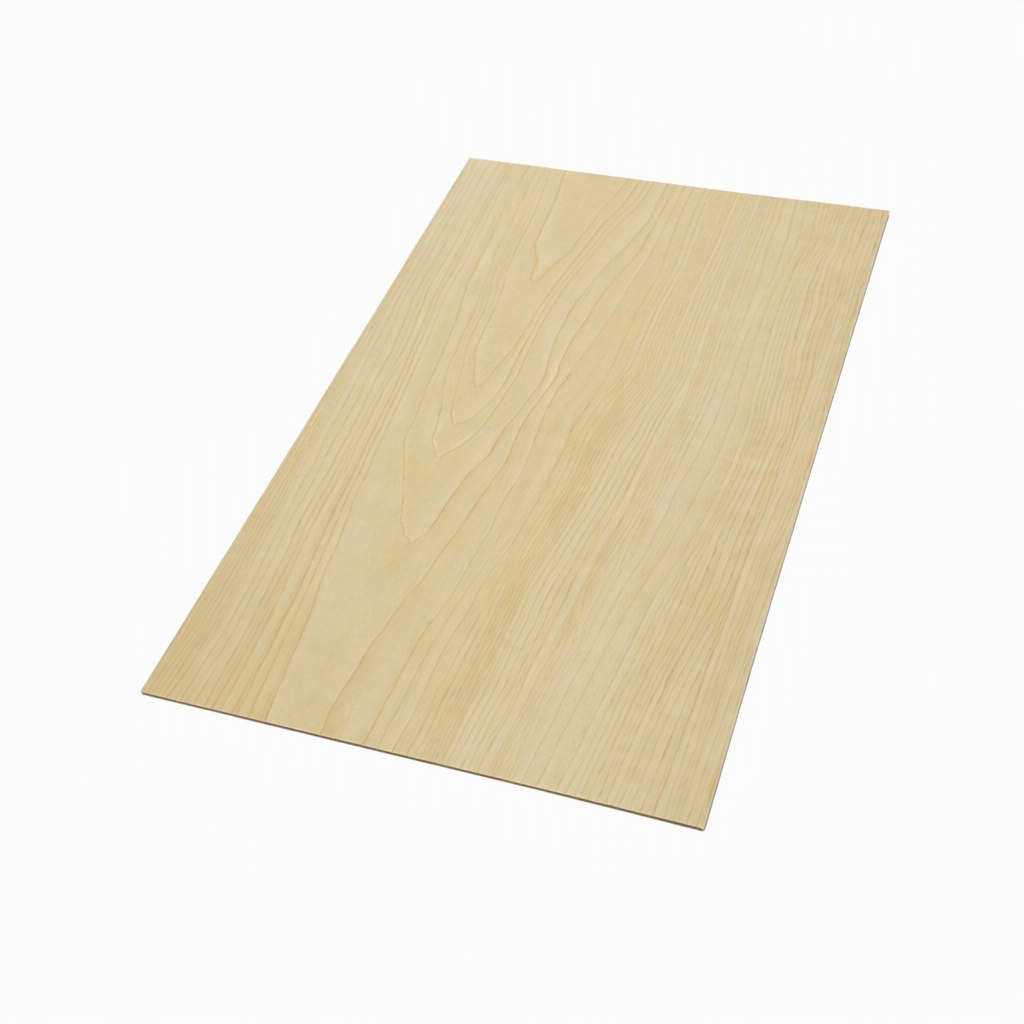
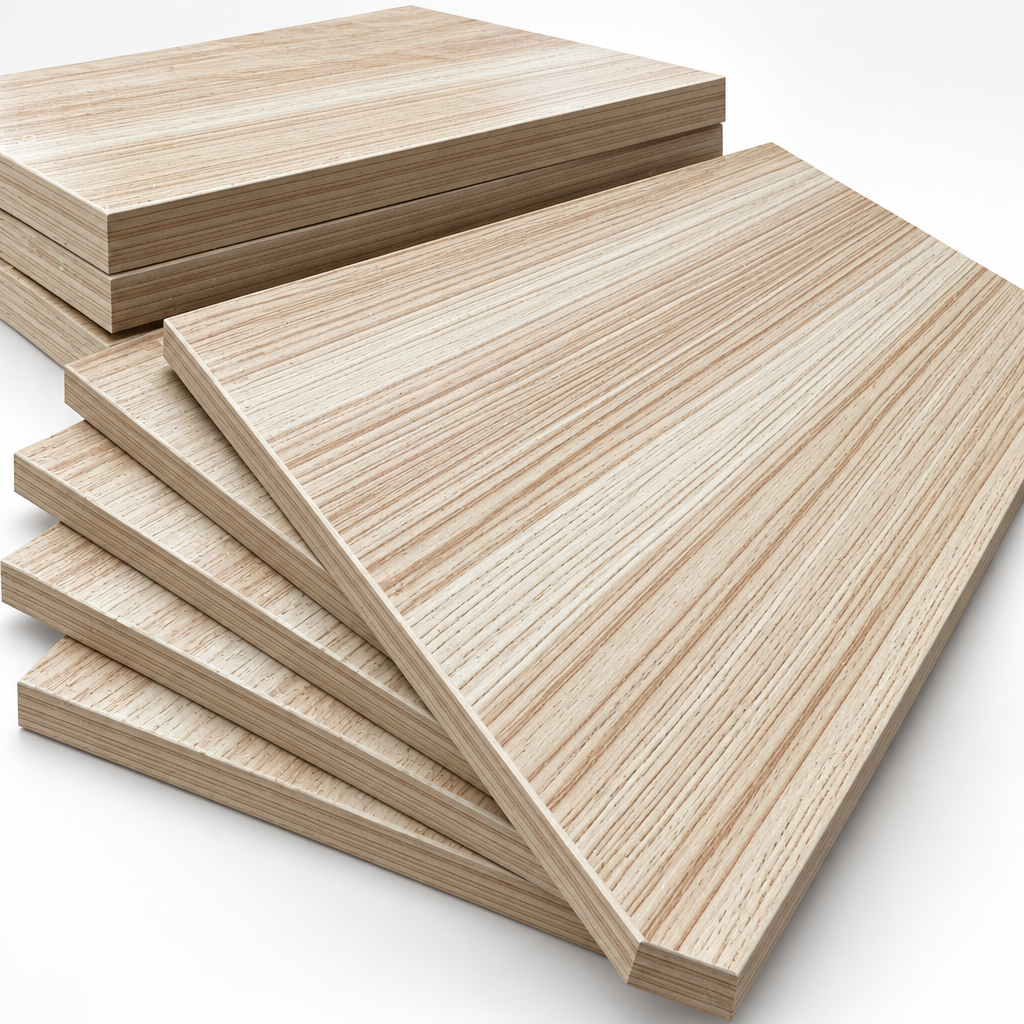
White melamine MDF is frequently specified alongside matching HPL surfaces, moisture-resistant cores, edge-banding and complementary panel products. These eight production-ready options from Fipdm’s range help buyers build a coordinated furniture, kitchen, wall-panel or mixed-container programme.

Why the “Top 10” List Must Be Treated as a Live Buyer Scorecard
White melamine MDF is a decorative engineered panel made by pressing melamine-impregnated paper onto a medium-density fibreboard core. It is not a single commodity. A white melamine MDF manufacturer may use standard E1 core, E0 core, HMR green core, different paper grammages, different resin systems and different press cycles. Two panels that look identical in a photo can behave very differently after edge-banding, routing, or six months in a humid kitchen. That is why the useful question is not simply “who is number one?” but “which factory, which line, which core, and which evidence?”
This white paper is written for B2B buyers comparing white melamine MDF manufacturers and factories for furniture, cabinetry, wall panels, wardrobes, office fit-outs and project supply. Ownership, capacity, export experience and certification status change frequently. A static ranking can quickly become misleading. A better approach is to shortlist ten credible manufacturer or factory candidates, then score them against the same technical, commercial and documentary criteria.
Methodology and disclosure. This guide combines common trade specifications for white melamine MDF with the inspection workflow used by Linyi Fipdm Import And Export Co., Ltd. in Linyi, Shandong, China. It is not a paid directory and does not claim that one factory is universally best. Buyers should verify certificates, test reports, production capacity, ownership and shipment records directly with the supplier before placing a deposit.
Our editorial approach follows the spirit of Google’s Search Quality Rater Guidelines: explain the method, show relevant experience, avoid unverifiable superlatives, and separate promotional claims from evidence. For a buyer, that means requesting samples, batch test data, surface bonding checks and loading inspection records before comparing price alone.
Top 10 White Melamine MDF Manufacturer & Factories: Ten Audit Lenses
Use these ten lenses to compare suppliers consistently. A factory that is strong in price but weak in surface consistency, moisture resistance or documentation can create costly rework at the cabinet line or on site.
Core Density and Profile
Ask about density tolerance, sanding allowance and core uniformity. A balanced density profile improves screw-holding, routing and edge finish.
Melamine Paper Quality
Confirm paper grammage, print resolution, color batch control and surface coating. Thin or inconsistent paper can show telegraphing after pressing.
Resin and Surface Cure
Resin formulation affects gloss, scratch resistance and adhesion. Ask how the factory checks surface cure, bonding strength and water spotting.
Calibration and Thickness
White melamine MDF should be calibrated before lamination. Consistent thickness helps CNC nesting, edge-banding and cabinet assembly.
Color and Gloss Consistency
White is one of the hardest colors to control. Request batch photos under D65 or natural light and compare gloss levels, not only color cards.
Moisture Resistance
For kitchens and bathrooms, ask for HMR or moisture-resistant core evidence. Clarify swelling tests, edge-sealing requirements and warranty limits.
Emission Documentation
Match E0, E1 or destination-market requirements with test reports. Do not accept a generic “green board” claim without batch traceability.
Edge and Bond Performance
Check edge chipping, saw tear-out, adhesive compatibility and whether the supplier recommends matching edge-banding for your decor.
Customization Capability
Ask about dimensions, thickness, packaging, logo, graphics, sample-based development and ODM support for distributor programmes.
Inspection and Export Records
Review loading photos, packing standards, inspection reports and export documents. Strong paperwork reduces claim risk when quality issues arise.
What B2B Buyers Typically Weight in a White Melamine MDF Shortlist
The weighting below is an illustrative planning model based on common white melamine MDF sourcing briefs. Use it to structure your own scorecard, then adjust according to market regulations, climate and end-use.
How to Use the Scorecard
Score each candidate from 1 to 5 for every lens. Give double weight to the three factors that directly affect your failure cost. For a kitchen cabinet factory, moisture resistance and edge performance may matter more than a small price difference. For a distributor, color consistency and packaging may be more important than maximum panel density.
Request one production sample from the actual line, not only a showroom board. Test cutting, edging, screw-holding, water spotting and cleaning. Keep the sample label with batch number, paper code and pressing date. This is the minimum evidence level for a serious B2B order.
White Melamine MDF Procurement Trends for 2025–2027
Buyers are moving away from lowest-piece-price sourcing toward supply programmes that reduce rework, claims and inventory risk. The strongest manufacturers and factories will be those that can prove consistency, not only capacity.
Compliance-First Buying
Emission class, test reports and destination-market rules are becoming non-negotiable. Importers increasingly ask for batch-linked documentation, not a one-off certificate PDF. This favours factories that can separate E0, E1 and HMR production clearly and keep records by batch.
HMR MDF in Wet Zones
White melamine HMR MDF is increasingly specified for kitchen carcases, vanity units, utility rooms and laundry furniture. Buyers are paying more attention to core color, swelling performance and edge sealing. A low-cost standard MDF substitute is not acceptable where humidity cycles are regular.
Mixed-Load, Lower Inventory
Distributors and furniture factories want to combine white melamine MDF with HPL, plywood, compact laminate, LVL and door cores in one shipment. Mixed-load sourcing reduces landed cost and stock risk, but it requires a supplier with real coordination and pre-shipment inspection capability.
Matching Surface, Edge and HPL
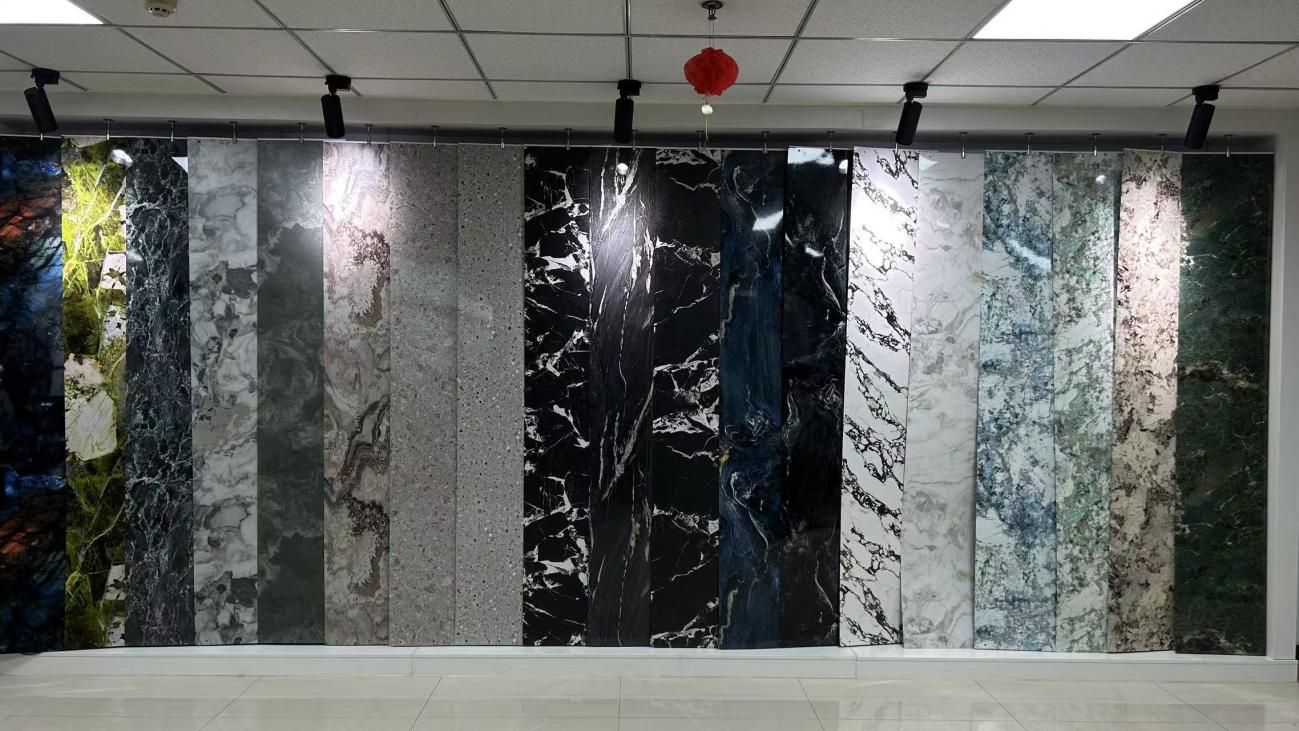
Buyers increasingly treat white melamine MDF as part of a visual system: matching edge-banding, HPL worktops, wall panels and cabinet doors. Suppliers that can help coordinate decor codes and surface finish reduce the risk of color mismatch between panels produced at different mills.
White Melamine MDF Product Development Trends Inside Leading Factories
Surface technology is advancing faster than core technology in many white melamine MDF factories. Differentiation increasingly comes from how the panel looks, feels, cleans and documents, not only from board density.
Super-Matte and Anti-Fingerprint White
Matte white surfaces are moving from basic low-gloss finishes to anti-fingerprint and easy-clean textures. Furniture buyers want fewer visible marks in showrooms and hotels. Factories with stable texture embossing and resin control will gain share in premium white melamine MDF programmes.
Synchronised Texture and Digital Decor
Digital printing and synchronised embossing let a factory match wood grain, stone and textile effects more closely. For white melamine MDF buyers, this creates opportunities for coordinating wall panels, wardrobe doors and worktops using one visual language without changing core board.
Low-Swelling, Low-Emission Cores
HMR formulations are being refined to reduce swelling while maintaining machining quality. At the same time, E0 and E1 requirements are becoming part of mainstream procurement. The winning supplier can provide stable core performance and test documents without sacrificing surface quality.
Traceability and Batch Discipline
Project buyers increasingly ask for batch photos, paper codes, production dates and loading inspection records. White melamine MDF claims are easier to resolve when the supplier can trace the panel back to the pressing line, paper roll and core batch. This is a practical information gain for both sides.
Which White Melamine MDF Specification Should You Buy?
Choose by end-use and failure cost, not only by panel thickness. The table below gives a practical starting point for a purchasing brief.
| Specification | Typical Core / Thickness | Best Application | Buyer Check |
|---|---|---|---|
| Standard White Melamine MDF | E1 or E0 MDF; 12–18 mm for cabinets, 3–9 mm for back panels | Office furniture, wardrobes, shelving, general interior cabinetry | Paper adhesion, surface gloss, thickness tolerance and edge chipping |
| White Melamine HMR MDF | Moisture-resistant green core; 15–18 mm common | Kitchen carcases, vanity units, laundry cabinets, bathroom furniture | Swelling test, edge sealing guidance and batch traceability |
| White Melamine MDF for Wall Panels | 9–12 mm or specified decorative thickness | Interior wall cladding, hotel fit-outs, retail displays | Color continuity across batches, flatness and fixing method |
| White HPL Faced MDF | MDF core with 0.6–0.7 mm HPL surface | Worktops, vanity tops, hotel furniture and high-wear surfaces | Impact resistance, bond strength, edge finish and HPL color match |
| White Melamine MDF + HPL Programme | Mixed panels and matching HPL sheets | Kitchen, wardrobe, wall-panel and countertop packages | Color coordination, packaging separation and mixed-load loading plan |
Why Linyi Fipdm Is a Practical Supply-Chain Partner for White Melamine MDF Buyers
Linyi Fipdm Import And Export Co., Ltd. is a verified trading company and multispecialty supplier based in Linyi, Shandong, China — one of the country’s largest wood-based panel clusters. We combine laminates, fibreboards, flakeboards, plywoods and new material boards from qualified partner mills into one managed supply chain, with on-site material and finished-product inspection before shipment.
Intertek-Verified Profile
Supplier assessment, product test reports and on-site verification help buyers start from a documented base rather than an unverified claim.
Two-Stage Quality Control
Material checks at the partner mill and finished-board inspection cover thickness, surface, edges and packing before loading.
Flexible Customization
Minor customization such as logo, packaging and graphics, plus sample-based, design-based, full customization and ODM support.
Multi-Category Consolidation
Combine white melamine MDF, HPL, compact laminate, plywood, LVL and door cores in one container to reduce freight and admin cost.
On-Site Technical Support
Engineer support for project buyers covers installation guidance, edge sealing, cladding and furniture application questions.
Export-Ready Logistics
Seaworthy pallet packing, export documents and loading photos help distributors and factories manage arrival and claim risk.

Inquiry
Share size, core, emission, finish and market.
Sampling
Confirm color, texture, thickness and edge match.
Production
Check materials and panel schedule at the mill.
Inspection
Review surface, thickness, edges and packing.
Shipping
Loading photos, documents and shipment release.
Frequently Asked Questions About White Melamine MDF Sourcing
Are you a manufacturer or a trading company?
Linyi Fipdm Import And Export Co., Ltd. is a verified trading company and multispecialty supplier. We source from vetted partner mills in Linyi and run on-site material inspection plus finished-product inspection before every shipment. This gives buyers one accountable contact across multiple panel categories.
What should I check when comparing top 10 white melamine MDF factories?
Check core density, paper grammage, resin cure, surface adhesion, gloss consistency, thickness tolerance, moisture resistance and emission documents. Then add commercial checks: sample response speed, batch traceability, packing, mixed-load ability and loading inspection. A factory that cannot provide a production-line sample and batch data should not be treated as equivalent to one that can.
What is the difference between white melamine MDF and white HPL faced MDF?
White melamine MDF uses melamine-impregnated paper pressed directly onto the MDF. White HPL faced MDF uses a separate high-pressure laminate sheet bonded to the MDF. HPL usually offers higher wear and impact resistance, while melamine MDF is more economical for cabinet interiors, shelving and general furniture.
Which formaldehyde emission grades can you supply?
MDF and plywood are available in E1 and E0 grades depending on the product line. Tell us your destination market standard in your inquiry so we can match the right board, documentation and packaging. For project orders, confirm that test reports correspond to the production batch.
Can I mix white melamine MDF with HPL, plywood or LVL in one container?
Yes. Mixed loads of HPL, compact laminate, MDF, plywood, LVL and door cores are a core part of our service. We help smaller importers and furniture factories reach full-container efficiency while keeping product groups separated and clearly labelled.
Can you customize sizes, colors, packaging and edge-banding?
Yes. We offer minor customization such as logo, packaging and graphics, plus sample-based, design-based and full customization, as well as ODM services. For white melamine MDF projects, share the decor code, edge-banding match, panel size and carton or pallet requirement before quotation.
What affects the lead time and price of white melamine MDF?
Core type, thickness, paper quality, surface finish, order quantity, packaging, inspection requirements and mixed-load complexity all affect price and lead time. HMR or E0 cores may require different scheduling from standard E1 MDF. During peak seasons, book production earlier and confirm the inspection date before releasing the deposit.
How do you control surface color consistency and moisture resistance?
We review paper lot, resin, pressing parameters and batch photos with the partner mill, then inspect finished boards for surface defects, gloss variation and edge condition before loading. For moisture-resistant applications, we ask buyers to confirm end-use, sealing method and test requirements so the board is not over-specified or under-specified.
Ready to Shortlist White Melamine MDF Suppliers?
Send your thickness, core type, E0/E1 requirement, white decor code, gloss level, edge-banding match, estimated volume and destination market. Our export team will reply with matched options, sample steps and inspection points for your programme.