8 Recommended Veneer Core & HPL-Laminated Products
These eight products are practical entry points for importers, distributors, furniture factories and project buyers comparing a top 10 veneer core plywood exporter & exporters shortlist. All product links are preserved exactly from the source catalogue.
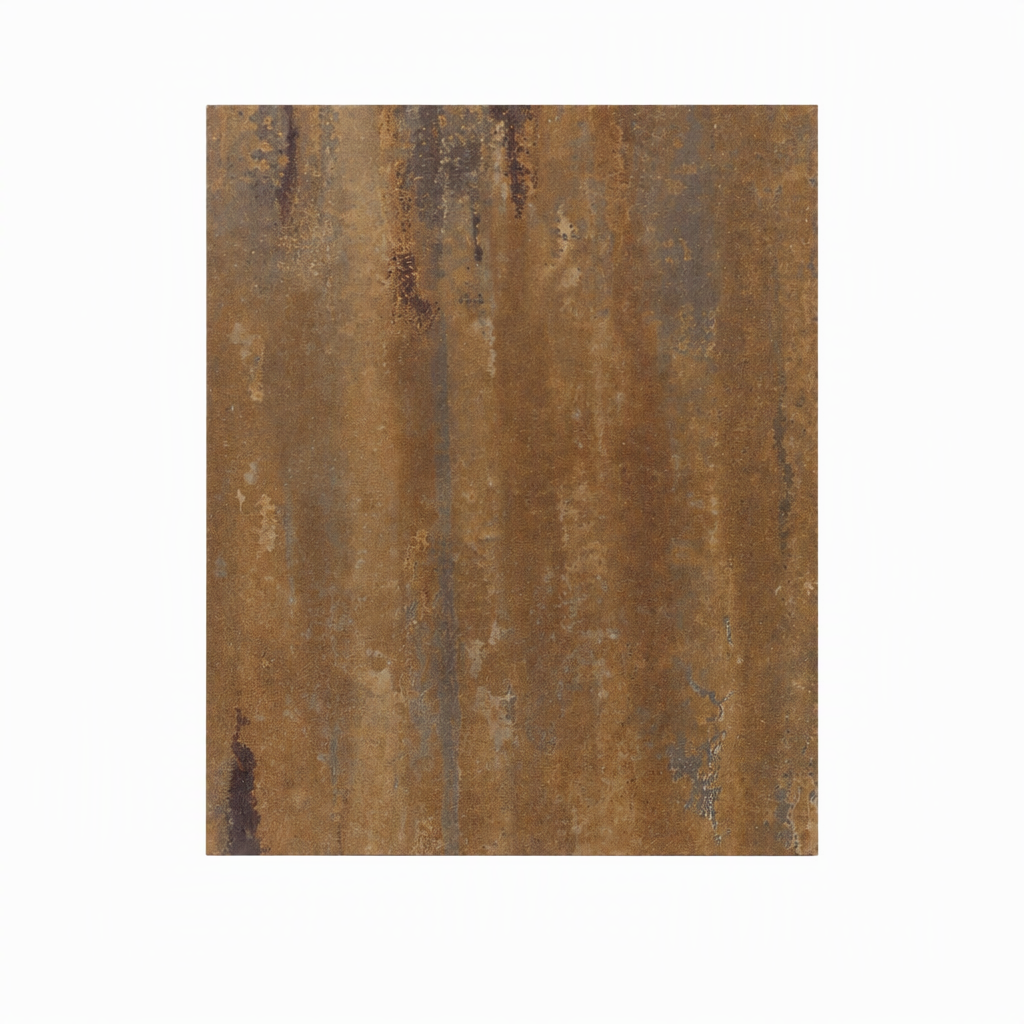
0.8 mm Brown Stone Look HPL Decorative Laminate Sheet
For hospitality, retail and lift interiors. A dense stone-look HPL face that combines visual depth with easy-clean performance.
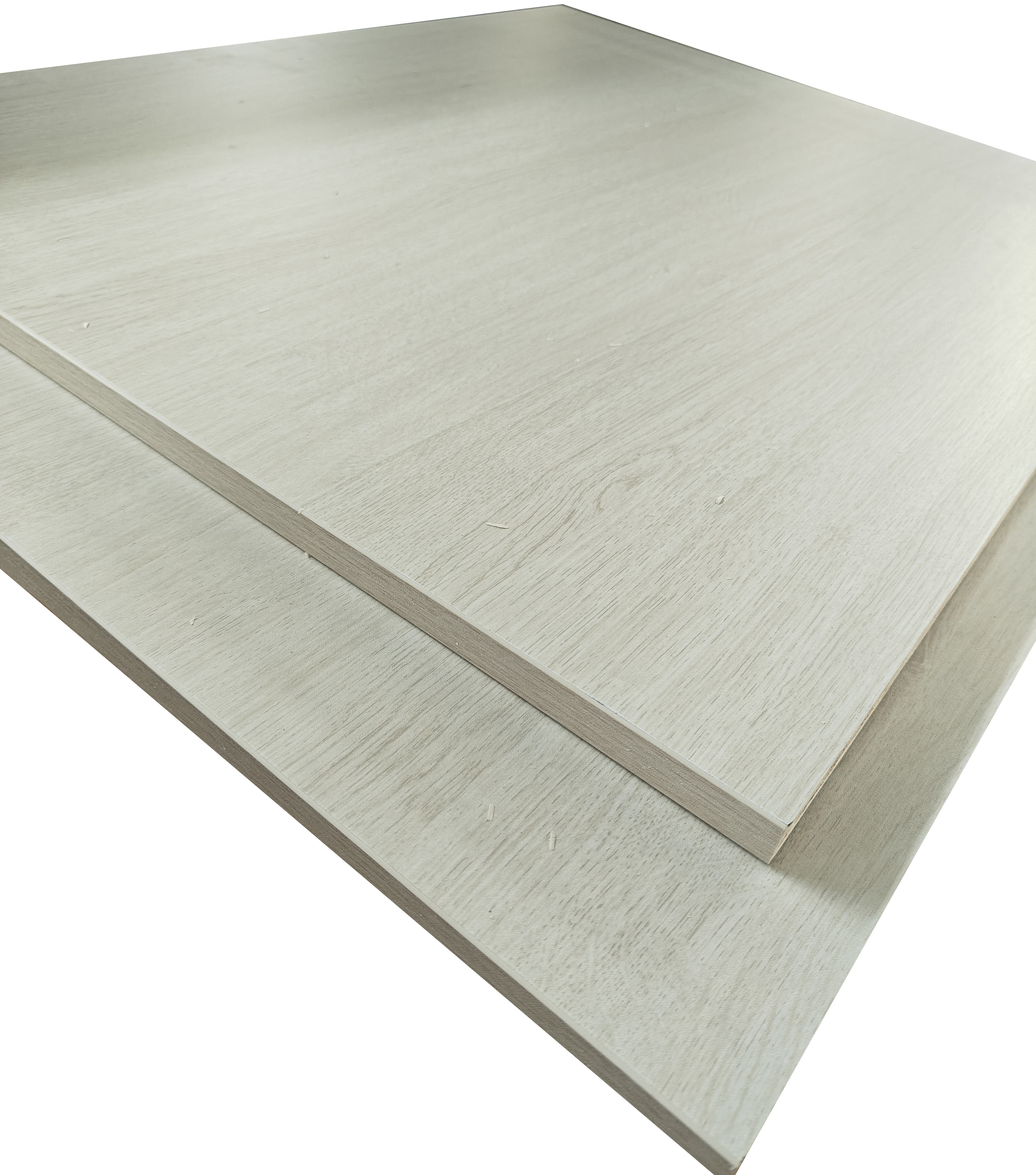
Professional HPL Formica Plywood for Furniture
High-pressure phenolic resin HPL compact laminate board for furniture makers that need consistent surface quality and press performance.
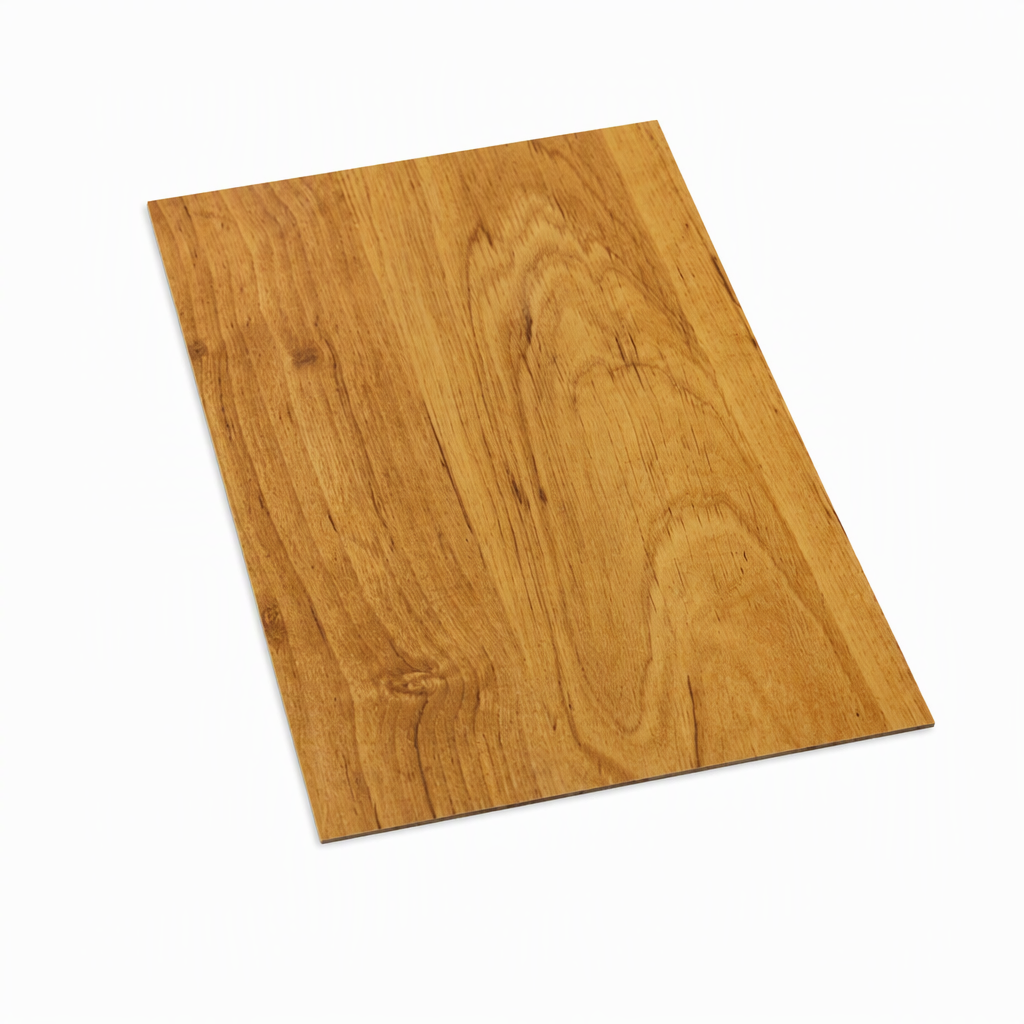
0.6 mm Brown Wood Grain HPL Decorative Laminate Sheet
Waterproof and fireproof surface board for hotel cabinetry, wall panels and case goods where warm wood grain is specified.
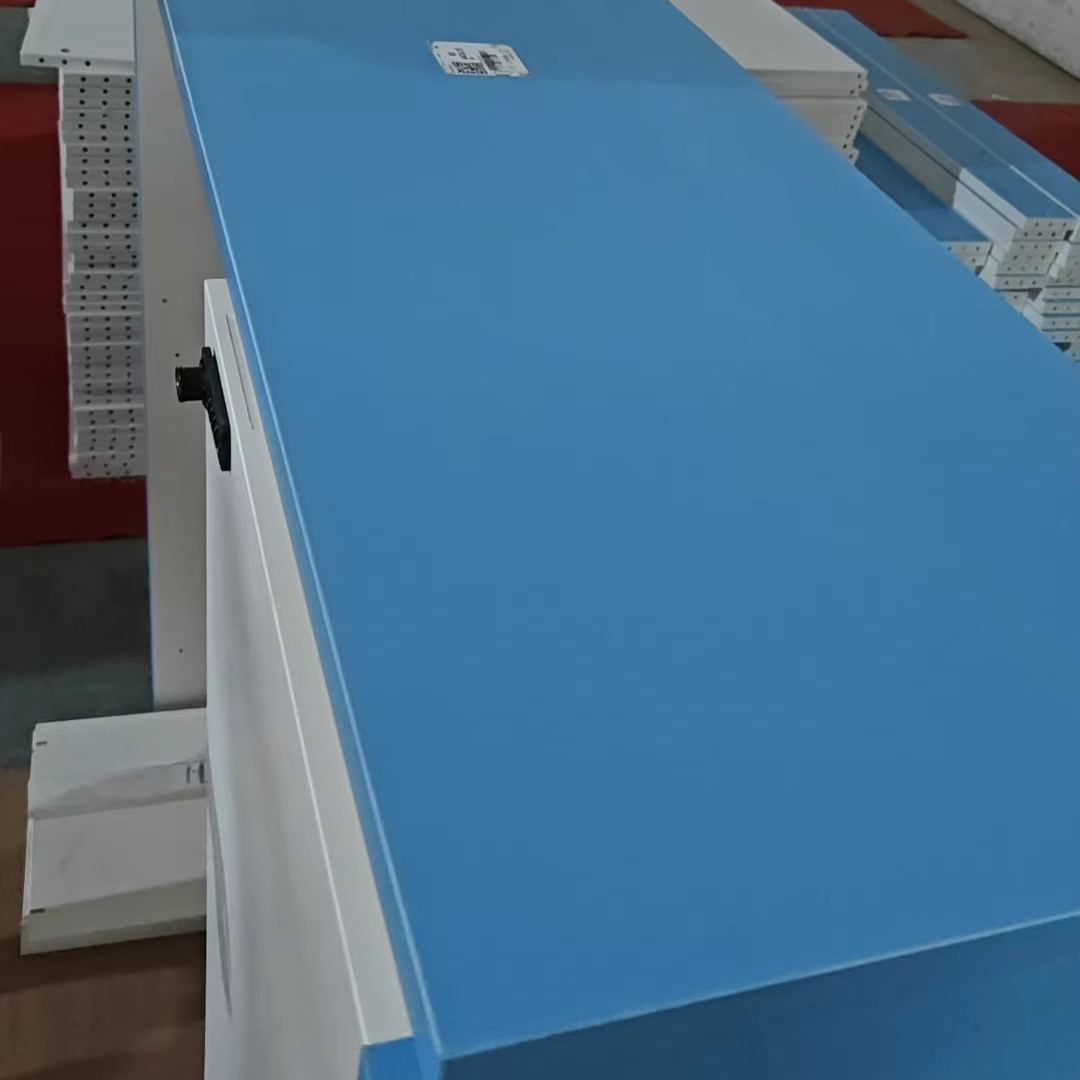
HPL Melamine Board Plywood Sheet 18 mm / 15 mm
Linyi HPL melamine laminated furniture board for cabinet carcasses, shelving and fit-out packages where thickness consistency matters.
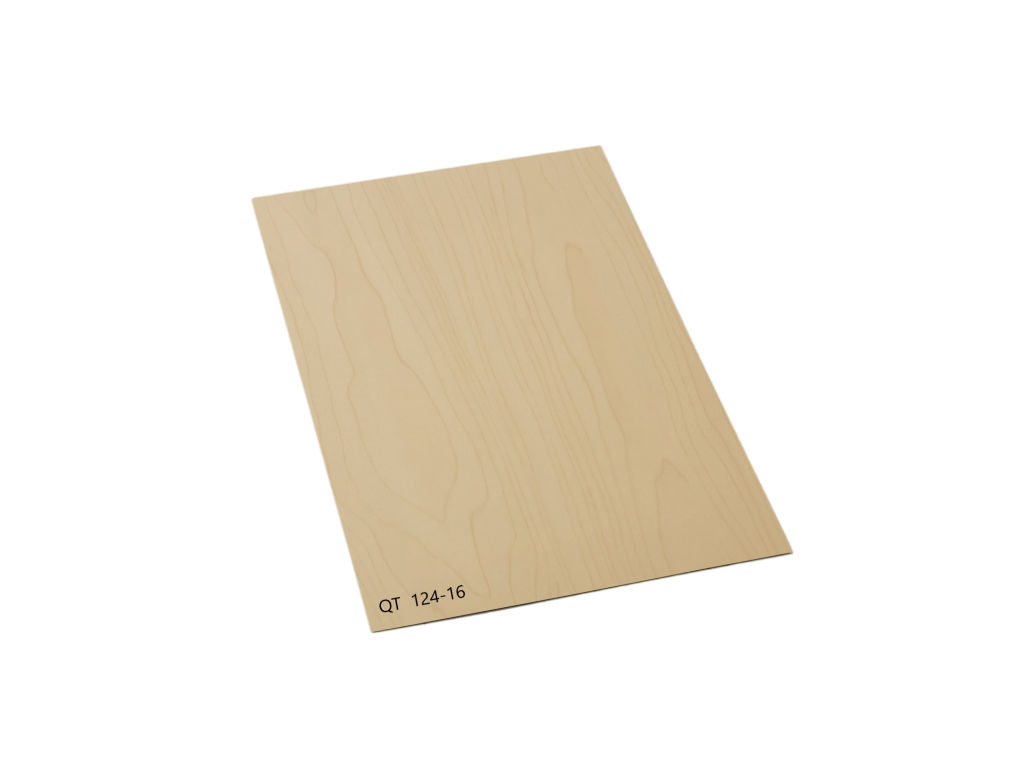
Light Wood Grain HPL Phenolic Interior Decorative Panel
A light wood-grain HPL sheet for interior walls, furniture fronts and display fixtures. Balances a natural look with phenolic resin durability.
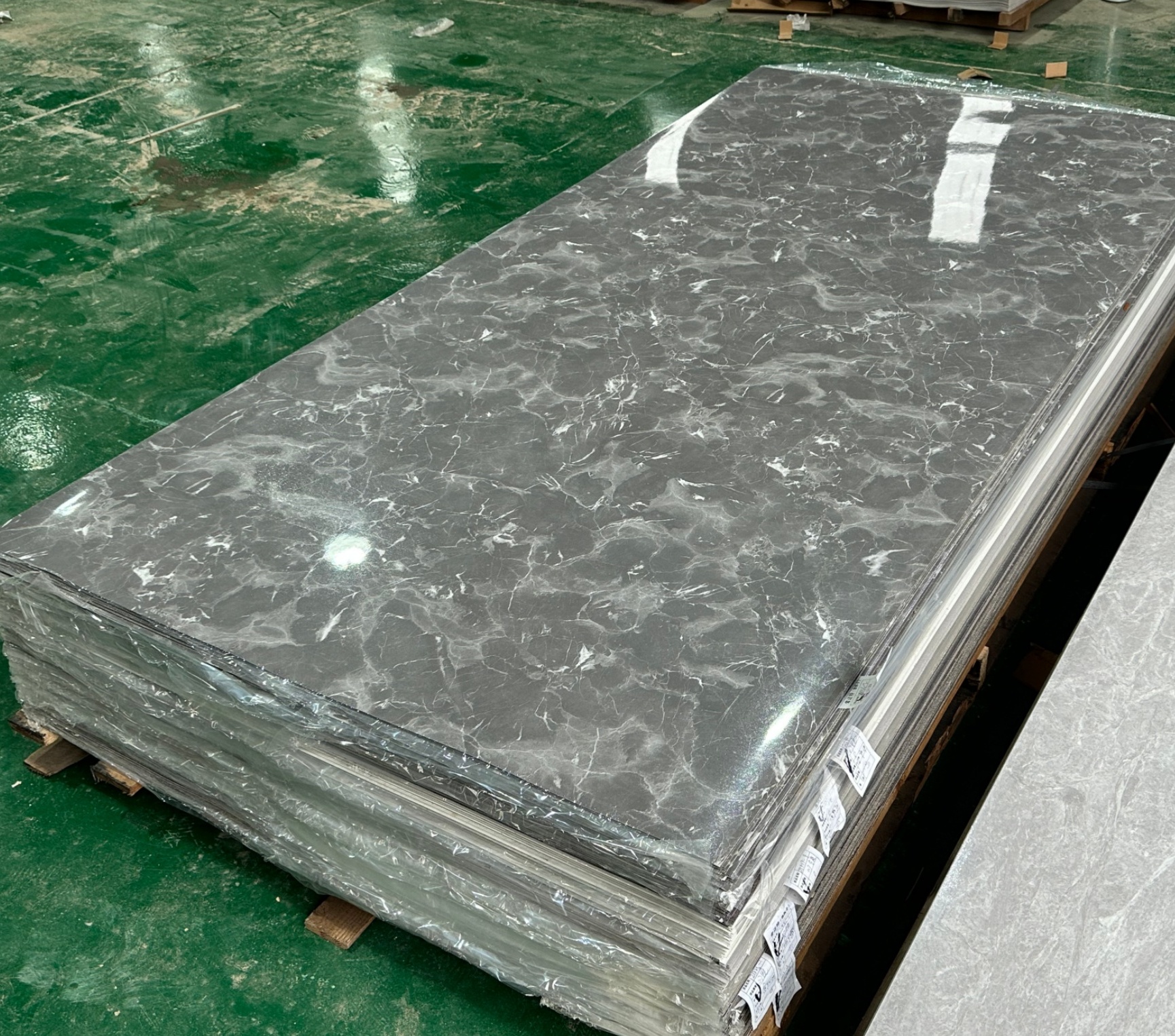
Wholesale Grade B Stock HPL Decorative Laminate
Grade B stock HPL for distributors and value-focused ranges where small surface variations are acceptable and fast availability is important.
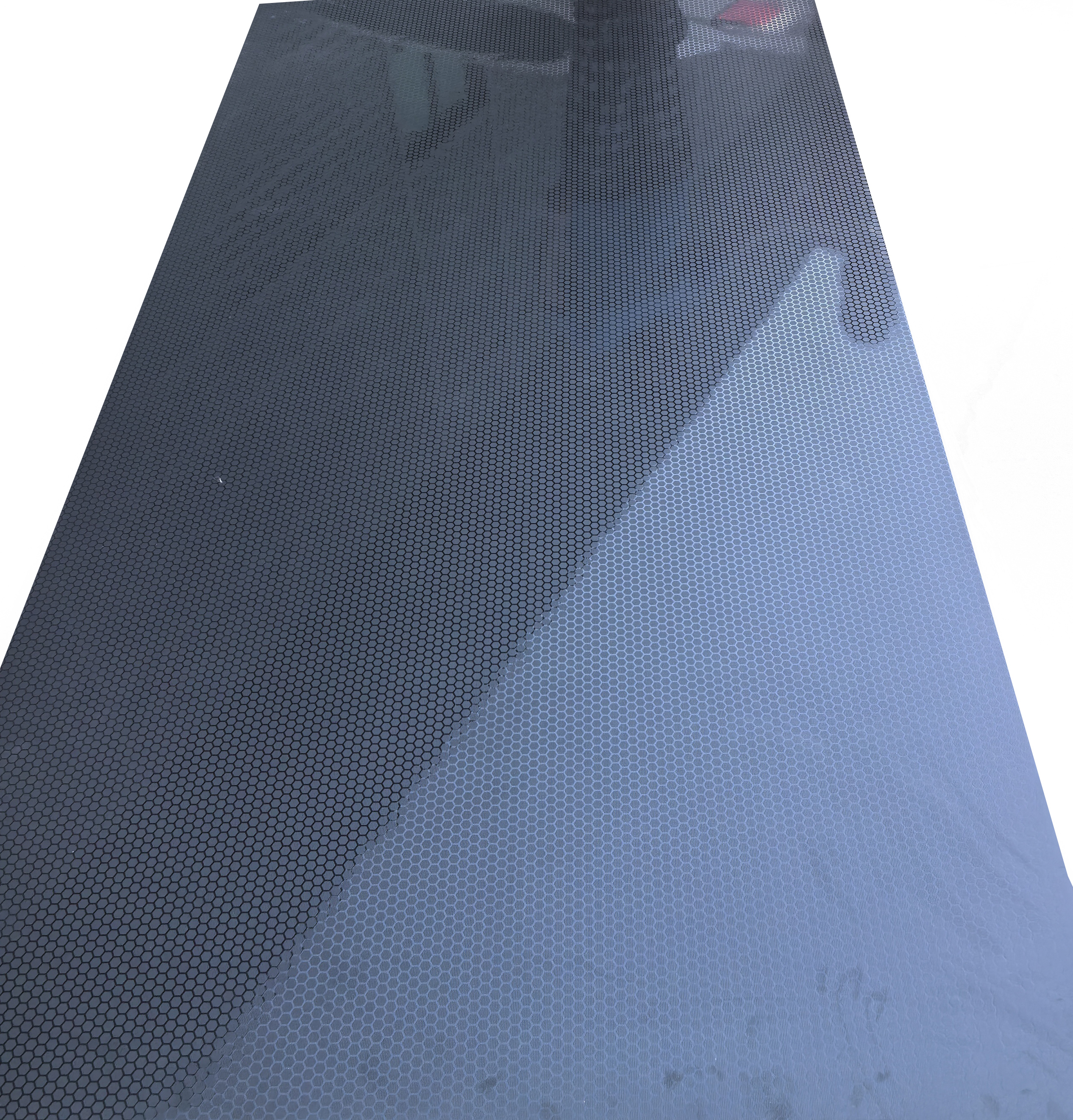
18 mm E0 Birch HPL Film Melamine Plywood
Modern-design birch laminated plywood for furniture and fit-out projects requiring E0 standard, stable core and a clean HPL film surface.
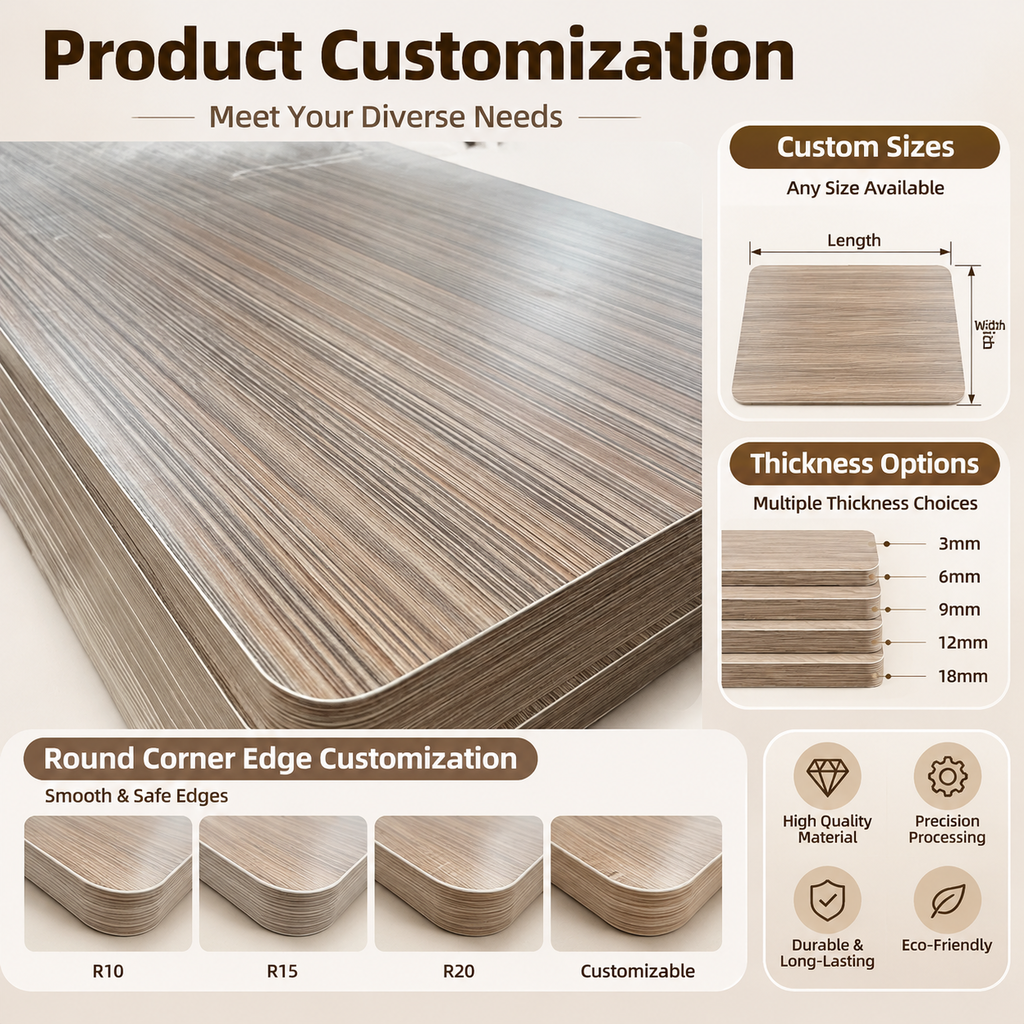
Wood Grain HPL Compact Sheet – Waterproof & Fire-Resistant
HPL compact sheet for high-moisture, high-traffic furniture and wall applications. Waterproof and fire-resistant performance in a wood-grain finish.
Why “Top 10 Veneer Core Plywood Exporter & Exporters” Is a High-Intent B2B Query
Importers, distributors, contractors and furniture factories use this phrase when they are close to shortlisting suppliers. They are not only looking for names; they are looking for evidence of core quality, export discipline and commercial fit.
When a buyer searches for a top 10 veneer core plywood exporter & exporters, the underlying intent usually falls into four stages: discover potential suppliers, validate whether the supplier really exports veneer core plywood, compare specifications and total landed cost, and reduce risk before paying a deposit. A list without verification criteria is therefore less useful than a practical scorecard.
This whitepaper reframes the query into a buyer decision model. Instead of treating “top 10” as an unverifiable popularity claim, serious buyers should compare exporters by core traceability, glue and emission standards, thickness tolerance, HPL bond quality, inspection evidence, mixed-container capability and export documentation. That is the information gain that separates a credible veneer core plywood exporter from a catalogue page.
Linyi Fipdm Import And Export Co., Ltd. prepared this guide from its position as a verified trading company in Linyi, Shandong, China’s large wood-based panel cluster. The company’s own profile lists 9 years in the industry, 8 dedicated staff, Intertek verification and on-site material plus finished-product inspection. For buyers building a shortlist, those operational details matter more than a decorative “top 10” badge.
Veneer Core Plywood vs HPL-Laminated Plywood: The Variables an Exporter Must Control
Price per sheet is only one data point. The real differences sit inside the core, at the glue line and in the surface bond.
Veneer core plywood is made from layers of wood veneer glued and pressed with the grain direction alternated between layers. Export-grade veneer core plywood is not a single commodity: core species, veneer grade, moisture content, glue type, sanding quality and thickness tolerance all change performance. Poplar, birch, pine and mixed hardwood cores behave differently in machining, screw-holding, weight and dimensional stability.
HPL-laminated plywood adds a decorative high-pressure laminate face to a plywood core. The HPL surface delivers colour, texture and wear resistance, but the bond between HPL and core is as important as the face itself. Buyers comparing a top 10 veneer core plywood exporter & exporters shortlist should ask for sample-based evidence of press bonding, edge quality, surface flatness and resistance to moisture cycling.
For furniture, cabinetry and project interiors, the best specification is rarely the heaviest board. It is the board that matches the application: stable core for doors, clean sanding for lamination, controlled emission for occupied spaces, and reliable HPL adhesion for visible surfaces.
A Credible Top 10 Shortlist Should Survive These Ten Checks
Use this scorecard when comparing veneer core plywood exporters. A supplier that performs well on price but poorly on evidence should not enter the final shortlist.
Core traceability
Can the exporter identify core species, veneer grade and board construction for each offer?
Glue & emission
Are E0, E1 or project-specific emission requirements confirmed in writing and supported by reports?
Thickness tolerance
Is the tolerance appropriate for lamination, CNC machining or furniture assembly, not just “nominal”?
Moisture content
Does the exporter control moisture before pressing, packing and container loading to reduce warping risk?
HPL bond quality
Are surface bond, edge finish and flatness checked on finished HPL-laminated plywood?
Veneer grade
Are face and back grades clearly defined, especially for visible furniture and door applications?
Inspection evidence
Can the exporter provide on-site material checks, loading photos and finished-product inspection records?
Mixed-container fit
Can HPL, MDF, plywood, compact laminate and door cores be consolidated to improve freight efficiency?
Export documentation
Are packing lists, invoice data, certificates and shipping marks prepared to the destination market?
After-sales response
Is there a named contact who can answer technical questions after the container has shipped?
Which Veneer Core and HPL-Laminated Products Belong in a 2025 Tender?
Selection should follow the application. These recommendations connect the product set above to real buyer scenarios.
Interior wall and hotel cabinetry
Specify 0.6–0.8 mm decorative HPL on a stable plywood or MDF core when visual finish and cleanability matter. The 0.8 mm Brown Stone Look HPL and 0.6 mm Brown Wood Grain HPL are practical for hotel wall panels, case goods and retail fixtures.
View stone-look HPLFurniture, cabinets and melamine plywood
For cabinet carcasses and furniture board, 15–18 mm HPL melamine plywood is a common starting point. Pair thickness control with edge quality and workshop-friendly machining, especially when the buyer supplies CNC factories.
View 18 mm furniture boardDistributor value and mixed loads
Grade B stock HPL and mixed-container consolidation help distributors test colours and finishes without overcommitting to one SKU. Confirm the acceptable surface variation before placing grade B stock into a retail range.
View Grade B HPLWaterproof and fire-resistant projects
For high-moisture or fire-sensitive furniture and wall applications, HPL compact sheet and E0 birch HPL film melamine plywood provide stronger specification logic than a generic interior board.
View compact HPL sheetWhat Veneer Core Plywood Procurement Will Look Like Through 2030
Buyers are moving from “find the cheapest sheet” to “secure a repeatable supply system with documentation and evidence.”
Compliance-first sourcing
Emission grades, destination-market declarations and traceability requests will be discussed earlier, before price negotiation. Suppliers that cannot answer these questions will be filtered out.
E0 / E1Mixed-container efficiency
Smaller importers increasingly ask for HPL, MDF, plywood and compact laminate in one shipment. Consolidation lowers freight pressure and reduces multi-supplier administration.
One containerDigital inspection evidence
Remote buyers now expect loading photos, inspection records and video updates. Evidence-based communication reduces disputes and supports faster repeat orders.
On-site QCTotal landed cost focus
FOB price alone is not enough. Damage rates, rework, delay risk and packing quality are being modelled into the total landed cost of veneer core plywood supply.
Landed costHow Veneer Core Plywood and HPL Products Are Evolving
Surface design is only one layer of development. Core stability, adhesive systems and application-specific performance are becoming the stronger differentiators.
Lower-emission cores
E0 and E1 plywood specifications will continue to expand in furniture, fit-out and interior projects, especially where occupied spaces and indoor air quality are priorities.
Low emissionDeeper HPL textures
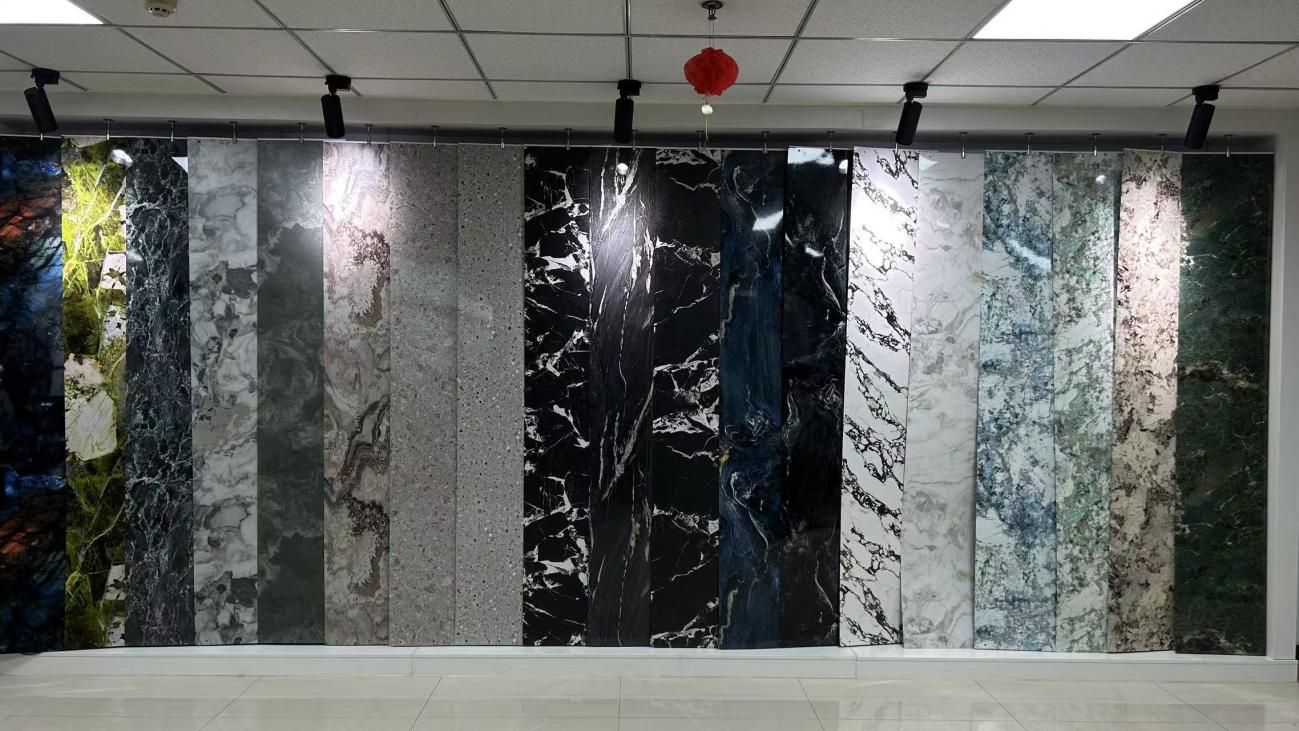
Stone look, synchronised wood grain, matt and soft-touch finishes are replacing flat colour as buyers seek tactile differentiation without changing the substrate.
Surface designThinner HPL, smarter cores
0.6–0.8 mm decorative HPL can reduce weight and resin cost when paired with a well-controlled plywood or MDF core. The value comes from the system, not the sheet alone.
0.6–0.8 mmMulti-performance panels
Waterproof, fire-resistant and high-impact requirements are increasingly combined in one brief. Compact HPL and phenolic systems are likely to grow in wet and high-traffic applications.
PerformanceQuality Verification: Evidence to Request Before a Deposit
Experience, expertise, authority and trust are not built by adjectives. They are built by records, photographs, inspection procedures and accountable people.
Before any wire transfer, ask for evidence that matches the specific order. For veneer core plywood, this means core construction photos, glue and emission data, thickness measurements, moisture checks and a packing plan. For HPL-laminated plywood, add surface bonding checks, edge inspection and finish comparison against the approved sample.
A credible exporter should not be afraid of process questions. The strongest suppliers use a two-stage inspection logic: material checks at the partner mill and finished-product inspection before loading. This is especially important when one container mixes HPL, MDF, plywood, LVL or door cores from more than one production line.
- ✓Core species, veneer grade and board construction confirmed in the quotation.
- ✓E0 / E1 or other requested emission grade supported by current test documents.
- ✓Thickness tolerance and moisture content checked before packing.
- ✓HPL surface bond, colour and texture compared with the approved sample.
- ✓Loading photos, pallet packing and container protection reviewed before shipment.
- ✓Named export contact for technical questions and after-sales follow-up.



How Fipdm Supports Veneer Core Plywood and HPL Buyers
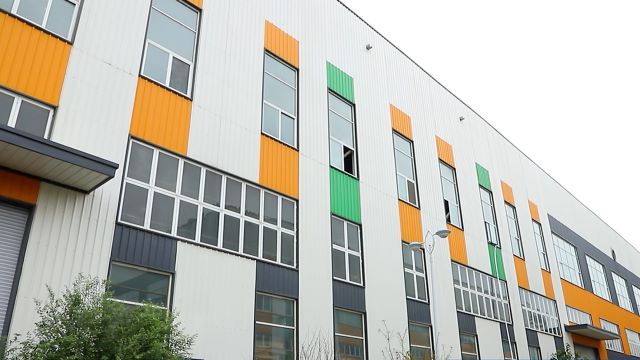
Linyi Fipdm Import And Export Co., Ltd. is a verified trading company and multispecialty supplier based in Linyi, Shandong. The company consolidates laminates, fibreboards, flakeboards, plywoods and new material boards from vetted partner mills into one managed supply chain.
Two-stage quality control
Material checks at the partner mill and finished-board inspection for thickness, surface, edges and packing before loading. This reduces the risk of mixing unverified boards into an export order.
OEM, ODM and customization
Minor customization such as logo, packaging and graphics is available, along with sample-based, design-based, full customization and ODM development for distributors.
Mixed-category consolidation
HPL, compact laminate, MDF, plywood, LVL and door cores can be combined in one container, helping importers reach better freight efficiency without managing many suppliers.
On-site technical support
Engineer support is available for project buyers who need guidance on cladding, partition, table-top and furniture applications before and after shipment.
Low-emission board options
E0 and E1 formaldehyde grades are available for MDF and plywood product lines, subject to the final specification and destination-market requirement.
Export-ready logistics
Export documentation, seaworthy pallet packing and loading photos are shared with buyers. The goal is fewer surprises at destination and a repeatable supply rhythm.
For buyers comparing a top 10 veneer core plywood exporter & exporters list: Fipdm’s public profile lists a #4 top-selling supplier ranking in the Plywoods category, a 5.0/5 buyer rating, Intertek verification and 9 years of wood-panel sourcing experience. These signals should still be verified against your own specification, sample approval and inspection checklist. Use the product links above and request a written quotation covering core, glue, emission grade, thickness, finish, packing and destination.
Send an InquiryQuestions Buyers Ask Before Choosing a Veneer Core Plywood Exporter
These answers focus on the checks that most often influence sample approval, purchase orders and repeat business.
What should I check in a veneer core plywood sample before ordering?
Check core species, veneer grade, thickness tolerance, moisture content, surface sanding and edge condition. For HPL-laminated plywood, inspect surface bond, colour consistency, edge finish and flatness. Keep the approved sample sealed and reference it in the purchase order.
What is the difference between veneer core plywood, HPL plywood and compact laminate?
Veneer core plywood is a layered wood panel. HPL plywood is veneer core plywood or another substrate faced with high-pressure laminate. Compact laminate is a solid phenolic panel used without a substrate for toilet partitions, lab tops, lockers and high-moisture furniture.
Which formaldehyde grade should I request for Europe or North America?
Requirements vary by market and application. For many European projects, E1 is a baseline and E0 is often specified; North American buyers may request CARB/TSCA-related documentation. Give the exporter your target market and ask for current test documents that match the offered board.
Can an exporter mix HPL, MDF, plywood and compact laminate in one container?
Yes, mixed loading is common for distributors and project buyers. The key is a written packing plan, clear separation by SKU, protection against edge damage and loading photos. Mixed containers can reduce freight cost but require disciplined order coordination.
How do I verify “top 10” claims from a veneer core plywood exporter?
Ask for company profile data, export records, product test documents, inspection procedures and contactable references. Compare the claim with the actual specification offered. A supplier that answers process questions clearly is more credible than one that repeats ranking claims without evidence.
Can HPL colours, sizes, packaging and documentation be customized?
Customization depends on the product line and order volume. Typical options include colour and texture selection, cut-to-size dimensions, private-label packaging, shipping marks and destination-specific documents. Confirm all customization points in the quotation and approved sample.
Build a Verified Veneer Core Plywood Shortlist
Send your sizes, core preference, HPL finish, emission target, application and container plan. The Fipdm export team can reply with matched product options, sample requirements and inspection points for your market.