Solid Color & Decorative Laminate Products for Buyer Evaluation
These eight product examples reflect current export demand across furniture, cabinetry, interior wall cladding, bathroom applications and laser-cut wood panels. Each product link is preserved for direct specification review.
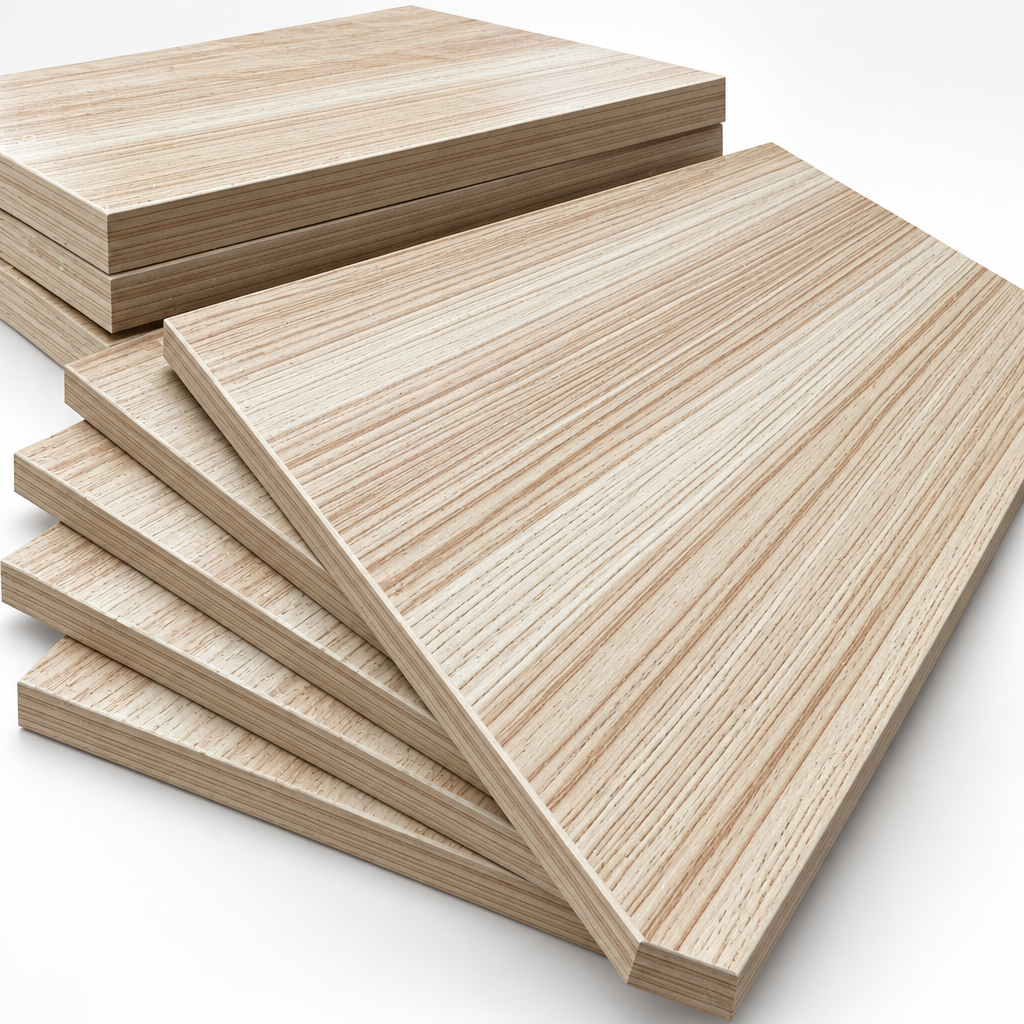
In Stock Wear-Resistant High Pressure Laminate HPL Plywood Sheets for Modern Kitchen Cabinets and Wooden Furniture Panels
Wear-resistant HPL plywood for kitchen cabinets, furniture panels and high-traffic interior surfaces.
View product →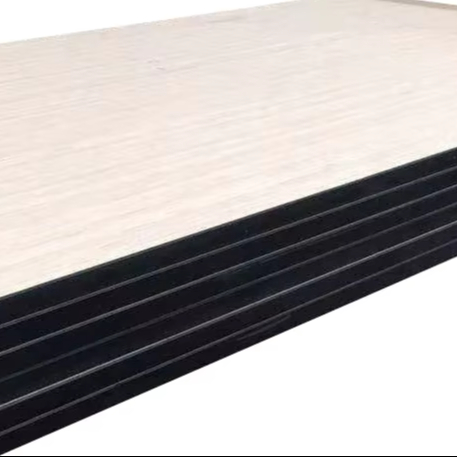
Best Price 1220x2440mm 1300X2800MM HPL Plywood HPL LAMINATE BLACK MDF for Cabinets Bathroom Cabinet Black Plywood
Black HPL on plywood or MDF for bathroom cabinets, dark-toned furniture and project interiors.
View product →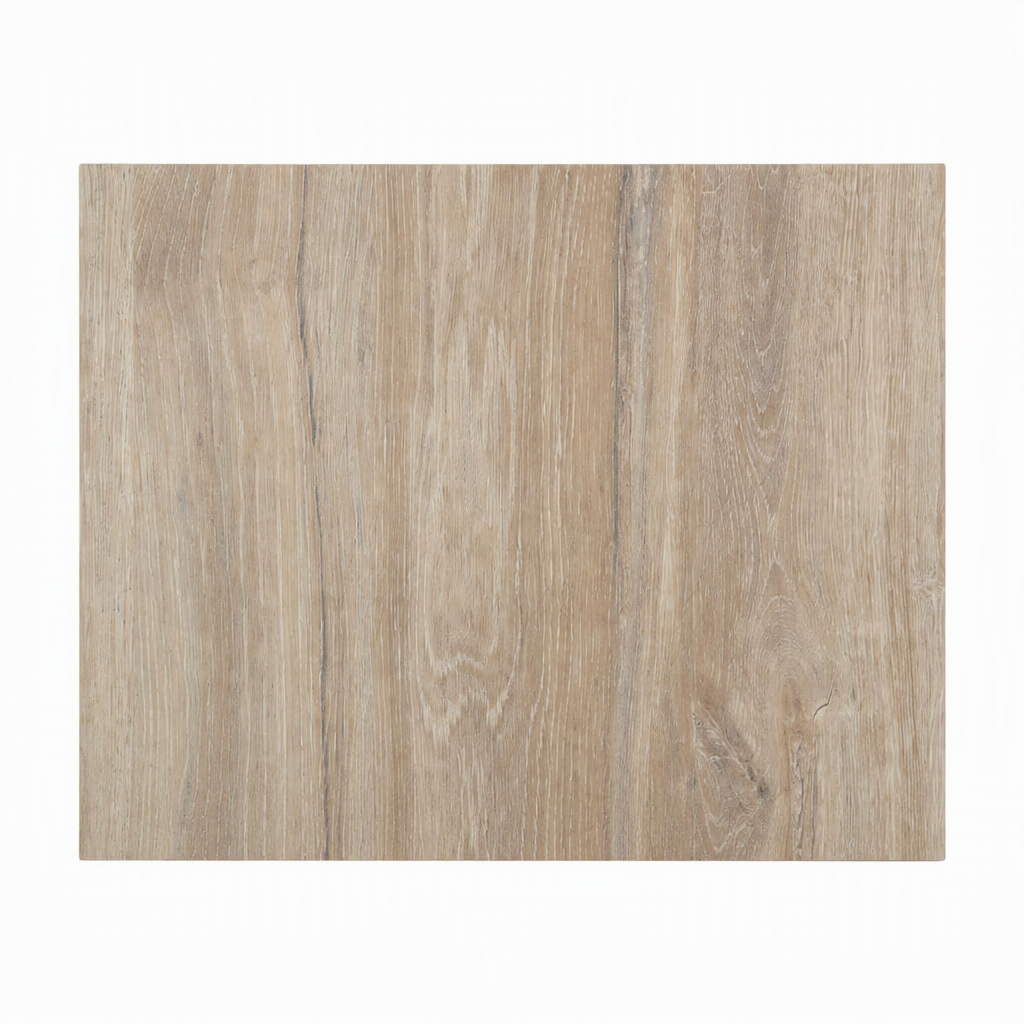
1mm Light Wood Grain HPL Decorative Laminate Panel Waterproof Fire Resistant Modern Design
Light wood-grain decorative laminate for modern waterproof and fire-resistant interior surfaces.
View product →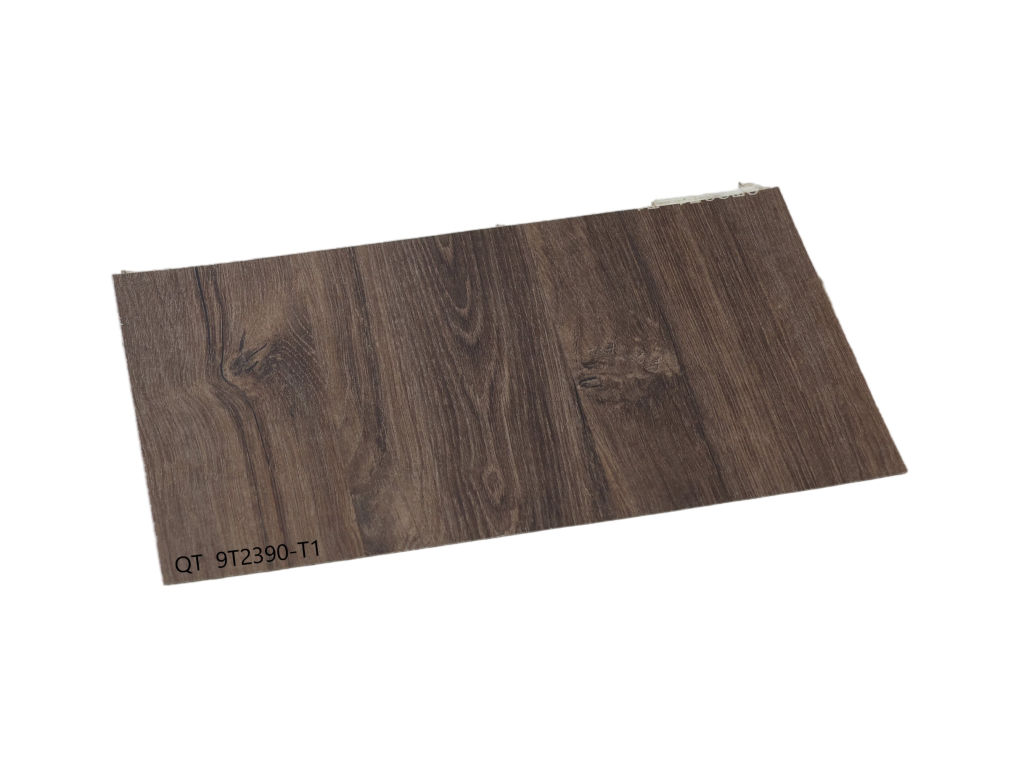
Dark Brown Decorative Panel HPL Sheet QT 9T2390-T1 Interior Wall Cladding
Dark brown decorative HPL for interior wall cladding, feature walls and furniture accents.
View product →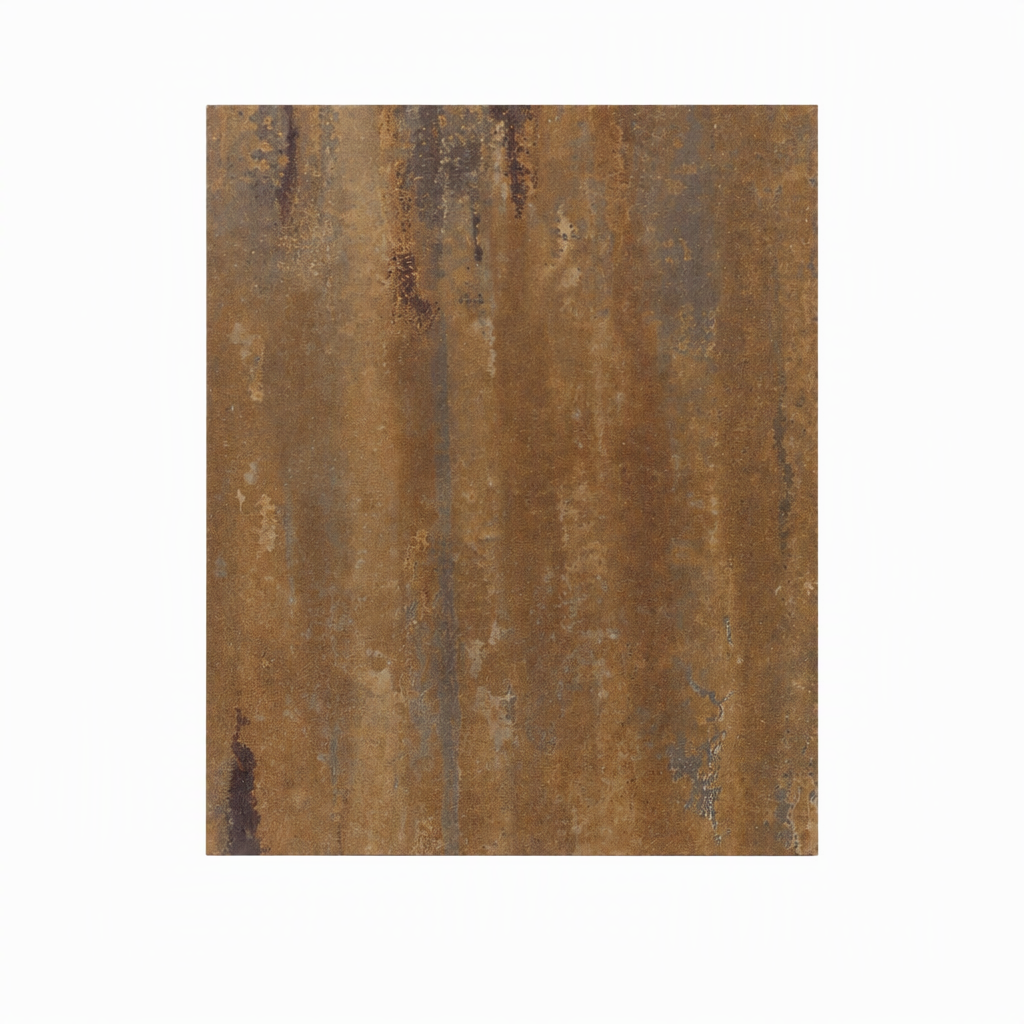
0.8mm Brown Stone Look HPL Decorative Laminate Sheet Interior Wall Panel
Brown stone-look HPL sheet for interior wall panels and low-maintenance decorative surfaces.
View product →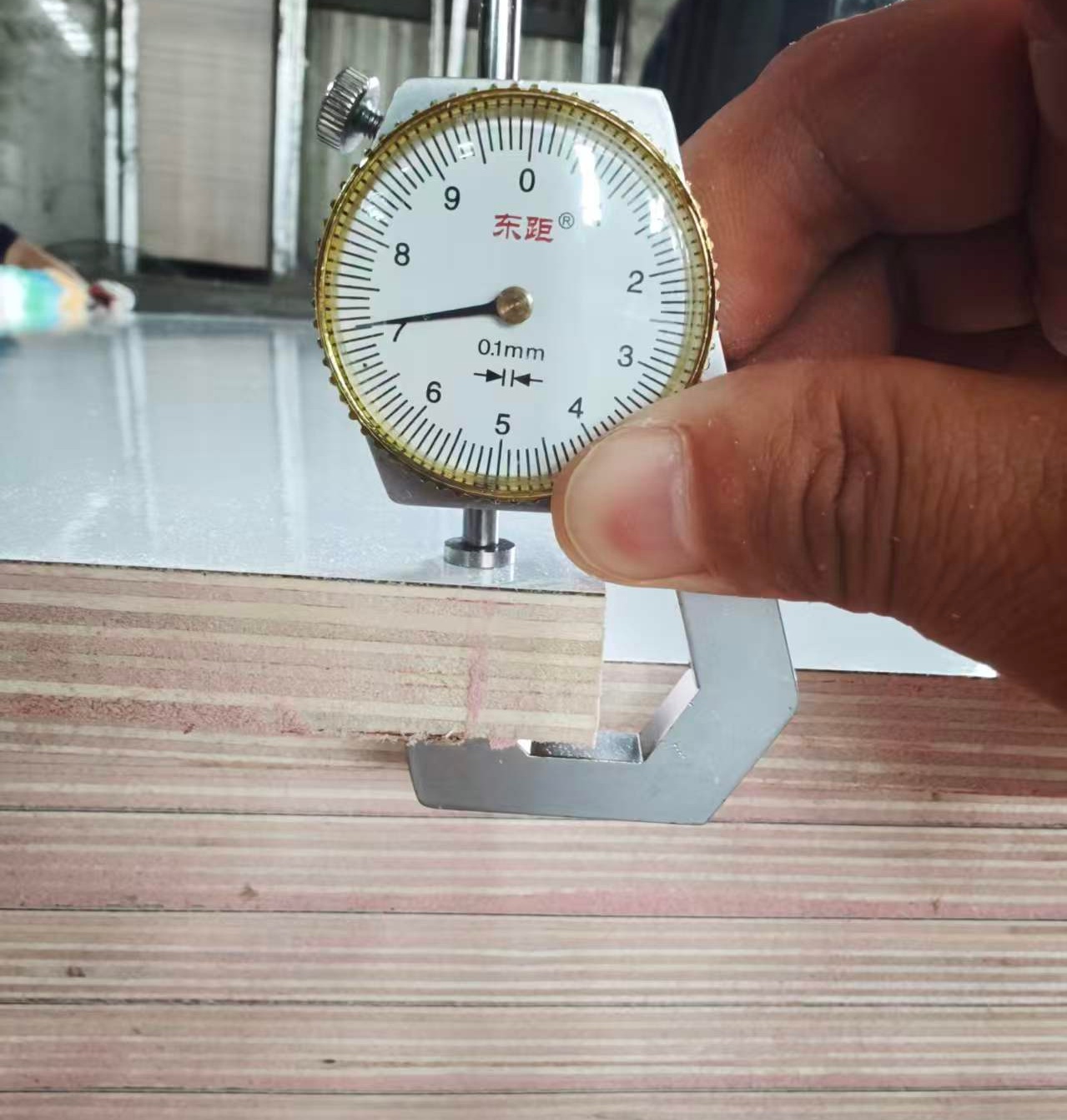
HPL Plywood Decorative Panels Stock HPL for Furniture Veneer
Decorative HPL plywood panels for furniture veneer, cabinetry and stock-supported programs.
View product →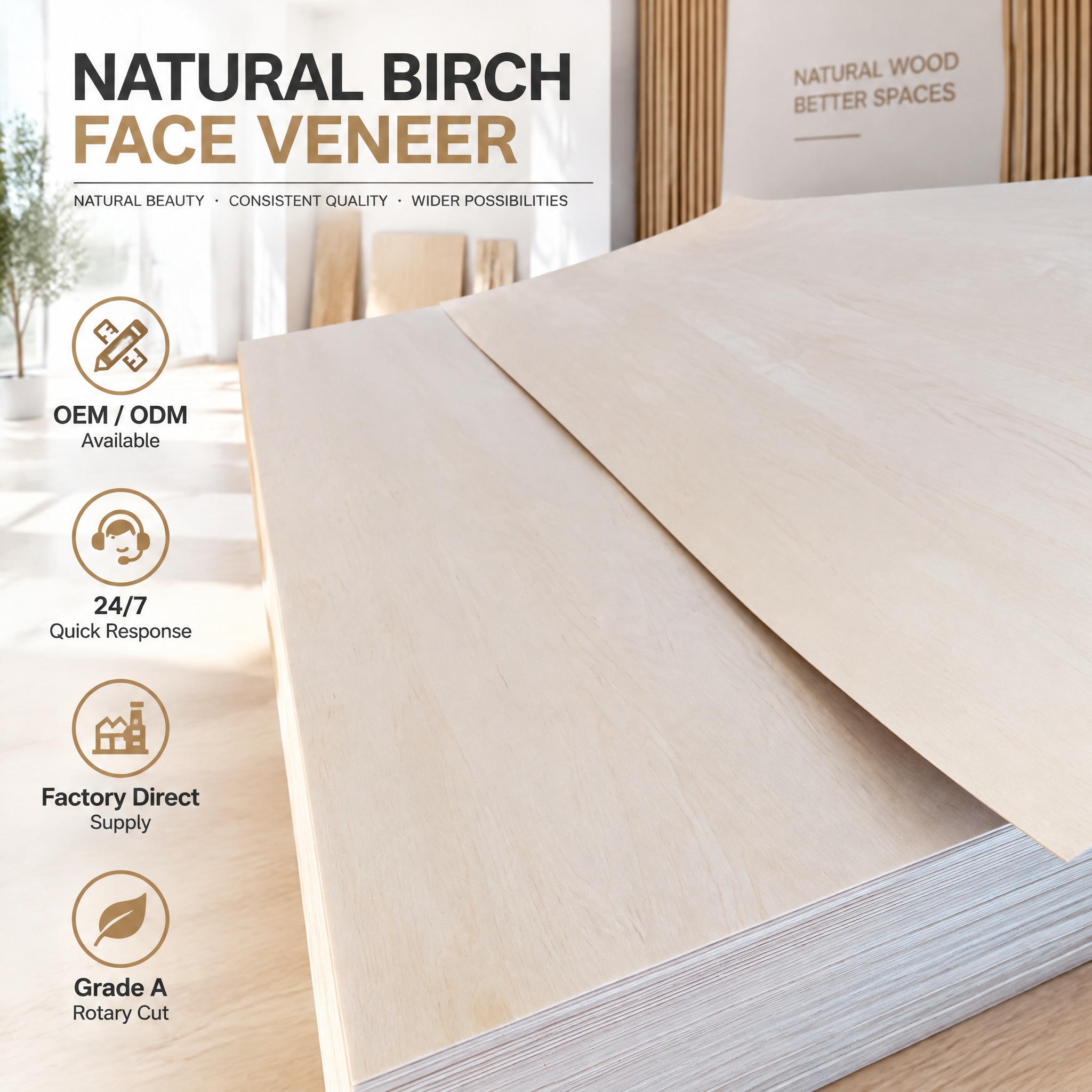
Sanded Basswood Plywood Sheets with Birch Veneer Double-Sided E0 Decorative Wood Panels for Laser Cutting Furniture
E0 basswood and birch veneer plywood for clean laser cutting, craft panels and furniture parts.
View product →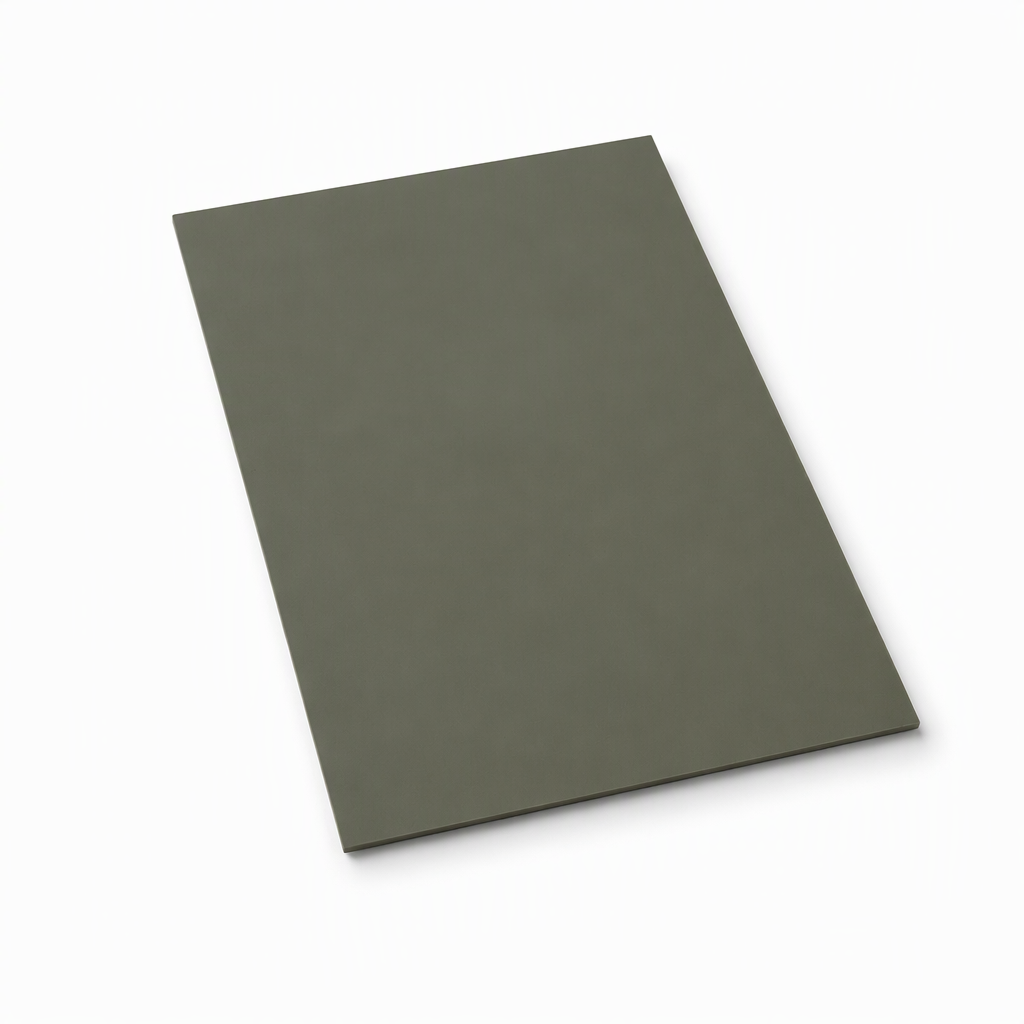
1230*2450mm Grey Green HPL Sheet Decorative High Pressure Laminate Panel for Furniture Interior
Grey-green decorative HPL sheet for furniture interiors and contemporary solid-color schemes.
View product →What Makes a Top 10 Solid Color Laminate Factory or Exporter?
Solid-color laminate is the most revealing product in the decorative panel market. Wood grains can hide small variations; a plain white, warm grey, sand, black or sage-green surface exposes differences in resin impregnation, press temperature, paper weight, surface texture, substrate flatness and batch control.
That is why serious importers do not buy solid colors from a catalogue alone. They qualify factories and exporters against a repeatable sourcing protocol. This guide is written for furniture factories, distributors, shopfitters, OEM cabinet makers, interior contractors and project buyers who need repeatable color, reliable lead times and export-grade documentation. Rather than publishing an unverifiable ranking, this buyer’s guide applies a ten-point qualification model that procurement teams can use when comparing solid-color laminate factories and exporters.
The strongest suppliers usually share one trait: they understand that a solid-color order is not only a color order. It is a specification order covering surface finish, laminate thickness, substrate, glue system, dimensional tolerance, packaging, sample retention, batch traceability and loading inspection. A supplier that can explain these variables clearly is usually safer than a supplier that competes only on price per sheet.
Color Consistency
Ask for retained master samples, batch identification and clear approval terms for white, grey, beige, black and other solid colors.
Surface Durability
Specify wear resistance, scratch resistance, impact performance and surface texture according to the final application.
Substrate Control
Confirm whether HPL will be laminated to MDF, particle board, plywood or supplied as compact laminate for wet areas.
Low Emission
For MDF and plywood programs, verify E0 or E1 formaldehyde grades against the requirements of the destination market.
Export Reliability
Check export documents, seaworthy packing, container loading photos and communication procedures before the first order.
Technical Support
Top exporters support installation questions, edge details, handling, cutting and material selection for projects.
Illustrative RFQ Scorecard
The weighting below is an example for internal buyer comparison, not an industry statistic. Adjust it to your project risk and landed-cost model.
Ten Signals That Separate Top Factories from Price-Only Suppliers
Use these questions in your next RFQ. A top-tier solid-color laminate factory or exporter should answer them with specific evidence, not vague assurances.
Color Approval System
Can the supplier retain approved samples, mark batch references and confirm how solid colors are matched?
Surface Specification
Ask whether the finish is matt, textured, super-matt, gloss or anti-fingerprint, and request a sample for approval.
Laminate Thickness
For decorative HPL, 0.7mm and 1mm options behave differently in edge visibility, postforming and handling.
Substrate Quality
Inspect MDF, plywood or particle board flatness, density, moisture level and formaldehyde grade before lamination.
Fire & Water Claims
Do not accept “waterproof” or “fire-resistant” as informal phrases. Ask for the exact scope and supporting documents.
Inspection Evidence
Top suppliers provide material checks, finished-product inspection notes and loading photos before shipment.
Customization Capability
Confirm options for size, color, packaging, logo, graphics, samples and ODM development when needed.
Mixed-Load Ability
Smaller importers benefit when HPL, compact laminate, MDF, plywood and door cores can be consolidated.
Documentation Discipline
Export-ready suppliers understand packing lists, commercial documents, pallet protection and container utilization.
Technical Communication
Clear answers on cutting, edge banding, installation, handling and material selection reduce project risk.
Match Solid Color Laminate to the Application, Not Only the Color
The same grey-green or black laminate can be specified very differently for cabinet doors, bathroom vanities, wall cladding, table tops or laser-cut furniture parts.
Kitchen & Furniture Panels
Use wear-resistant HPL plywood or HPL MDF for cabinet doors, drawer fronts and furniture panels. For solid-color programs, specify the surface finish, edge treatment and substrate grade before color approval. The wear-resistant HPL plywood product above is a relevant starting point for high-traffic interiors.
Bathroom & Wet Areas
Bathroom cabinets need more than “waterproof” wording. Consider compact laminate where self-supporting water resistance is required, or HPL-laminated plywood/MDF with sealed edges. Black HPL MDF and compact laminate can serve different parts of the same bathroom project.
Interior Wall Cladding
Dark brown, stone-look and grey-green decorative HPL panels work for feature walls, reception areas and interior cladding. Confirm substrate, installation method and fire performance requirements for the project location.
Laser Cutting & Craft Panels
E0 basswood or birch veneer plywood is suitable for clean laser cutting, furniture models, signage and decorative parts. Ask for veneer uniformity and sample cutting performance when the final surface will be visible.
Stock & Distribution Programs
Distributors should focus on repeatable colors, packing durability and mixed-container potential. Stock HPL plywood panels and common solid-color decorative laminates help reduce lead-time risk for local customers.
Project Specification Support
Send drawings, performance requirements, target market standards and color references together. A good exporter will return a specification sheet, sample proposal and inspection plan instead of a price-only quote.
How Solid Color Laminate Buying Will Change in 2025–2027
Procurement teams are moving from simple price comparison to risk-adjusted sourcing. The winning suppliers will be the ones that make quality, compliance and logistics visible.
Compliance-First RFQs
Buyers increasingly state formaldehyde grade, fire performance, wear requirements and destination-market expectations at the RFQ stage. Suppliers who cannot document these points will face longer approval cycles.
Digital Color Approval
Photographs alone are not enough for solid colors. Better programs use physical samples, retained master references and batch notes. Digital tools support communication, but the approved physical sample remains the anchor.
Landed-Cost Modeling
FOB price is only one part of the decision. Packaging strength, container loading efficiency, damage risk, inspection cost and re-order consistency all affect the real landed cost of solid-color laminate.
Mixed Containers & Lower Inventory Risk
Importers increasingly consolidate HPL, compact laminate, MDF, plywood and door cores. A supplier that mixes categories helps distributors test demand without overstocking one decorative color.
Traceability & Inspection Evidence
Buyers want loading photos, packing details and inspection records. These are practical risk controls, especially when solid-color surfaces show scratches, edge chips or batch variation.
Single Accountable Sourcing Partner
Instead of managing many small mills, buyers prefer a verified supplier that coordinates partner factories, performs inspection and consolidates exports while remaining accountable for the final shipment.
Where Solid Color Laminate Product Development Is Heading
Surface technology is becoming a differentiator. Solid colors are no longer sold only by color code; buyers increasingly specify texture, gloss level, anti-fingerprint behavior and edge appearance.
Super-Matte & Low-Gloss Surfaces
Low-gloss solid colors reduce reflection and hide fingerprints in residential and commercial interiors. Buyers should test cleaning behavior and scratch visibility before approving large orders.
Anti-Fingerprint & Easy-Clean Finishes
Matte black, grey and beige surfaces benefit from easy-clean performance. The specification should define the required cleaning method and the appearance after repeated wiping.
Warm Neutrals & Soft Solids
Warm grey, sand, taupe, sage green and soft white are expanding beyond traditional white and wood-grain combinations. Solid colors now support minimalist interiors and color-coordinated furniture systems.
Compact Laminate for Wet Areas
Compact laminate is increasingly specified for toilet partitions, lockers, lab worktops and table tops because it is self-supporting and can perform without a decorative substrate.
Exterior & Fire-Conscious HPL
Exterior HPL cladding and fire-resistant interior panels require careful documentation. Buyers should separate decorative HPL from exterior-grade or fire-rated products in the specification.
Low-Emission Substrates
E0 and E1 MDF and plywood remain important for furniture, cabinetry and interior projects. Laminate suppliers that control substrate sourcing can reduce compliance risk for importers.
Why Linyi Fipdm Is a Practical Solid Color Laminate Sourcing Partner
Linyi Fipdm Import And Export Co., Ltd. combines laminate, MDF, plywood, LVL and door-core sourcing into one accountable export relationship. This is particularly valuable for buyers who need solid colors alongside other panel categories in the same shipment.
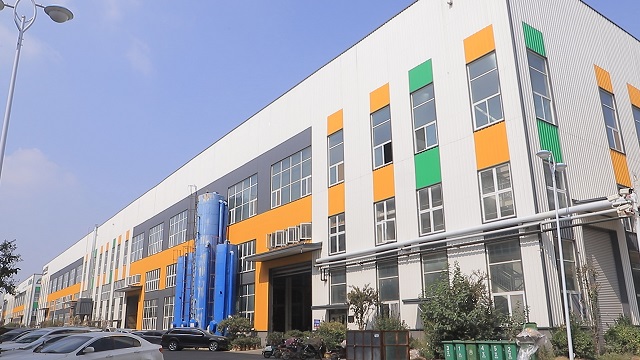
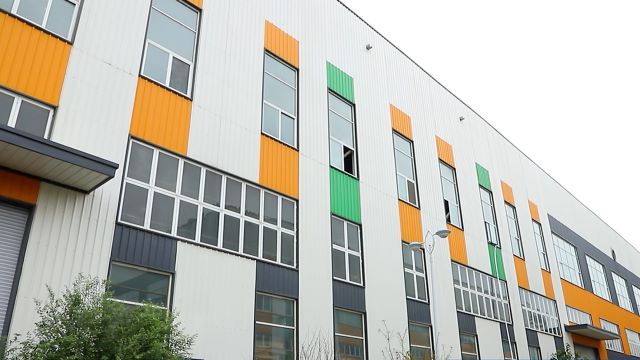
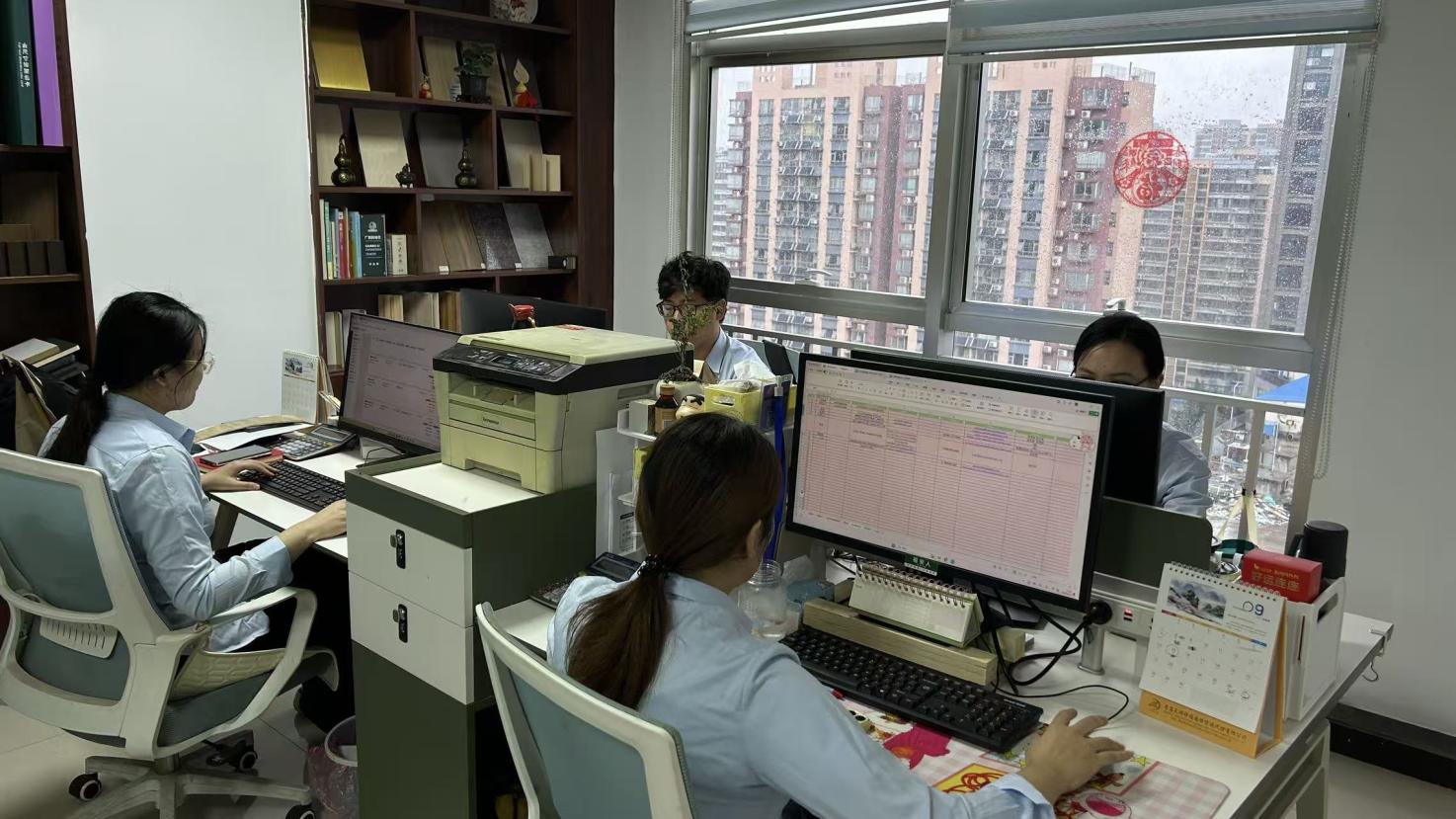
Based in Linyi, Shandong, China’s major wood-based panel cluster, Fipdm is a verified trading company and multispecialty supplier. The company sources from vetted partner mills and manages on-site material inspection plus finished-product inspection before every shipment. For solid-color laminate buyers, this means the supplier is not limited to one press line; it can match the right partner mill, substrate and packaging format to the application.
Fipdm is Intertek verified and has been recognized as a top-selling supplier in the Plywoods category. Its export team supports minor customization such as logo, package and graphics, as well as sample-based, design-based and full customization. ODM development is also available for distributors building a private range.
- On-site material inspection
- Finished-product inspection before loading
- Supplier assessment procedures
- ODM and full customization support
- E0 and E1 emission options
- Multi-category container consolidation
- Engineer support for project buyers
- Export documents and loading photos

A Practical Five-Step Order Workflow
A disciplined workflow matters more than a long catalogue when solid-color laminate must arrive consistently across repeat orders.
Inquiry
Share solid color, finish, substrate, size, thickness and target market.
Sampling
Approve physical samples for color, texture and edge appearance.
Production
Check raw materials and substrate at the partner mill.
Inspection
Review finished boards, packing and loading preparation.
Shipping
Issue documents, loading photos and shipment coordination.
| RFQ Parameter | What to Specify | Why It Matters |
|---|---|---|
| Color reference | Physical sample, color code or approved swatch; state whether batch consistency is critical. | Solid colors reveal batch variation more clearly than wood grains. |
| Surface finish | Matt, super-matt, textured, gloss, anti-fingerprint or easy-clean. | Finish affects appearance, cleaning, scratch visibility and price. |
| Laminate thickness | 0.7mm, 0.8mm, 1mm or compact laminate thickness. | Thickness influences edge appearance, handling and application suitability. |
| Substrate | MDF, plywood, particle board or self-supporting compact laminate. | Moisture, flatness, screw-holding and formaldehyde grade depend on substrate. |
| Compliance | E0/E1, fire performance, water resistance and destination-market requirements. | Clear documentation reduces customs, project and liability risk. |
| Packing & loading | Pallet protection, corner guards, moisture barrier, mixed-load requirements. | Solid-color surfaces can show scratches and edge damage after poor packing. |
Questions Buyers Ask Before Ordering Solid Color Laminate
These answers reflect the practical questions that importers, furniture factories and distributors ask during supplier qualification.
Are you a manufacturer or a trading company?
Linyi Fipdm Import And Export Co., Ltd. is a verified trading company and multispecialty supplier. We source from vetted partner mills in Linyi and manage on-site material inspection plus finished-product inspection before shipment. This structure gives buyers one accountable export contact across HPL, compact laminate, MDF, plywood, LVL and door-core products.
What is the difference between HPL sheets and compact laminate?
Standard HPL is a thin decorative sheet, often around 0.7mm, bonded to a substrate such as MDF, particle board or plywood. Compact laminate is a self-supporting solid phenolic panel, commonly 3–20mm thick, used without a substrate for toilet partitions, lab worktops, table tops and exterior cladding where water and impact resistance matter.
How should I specify solid colors to reduce batch variation risk?
Approve a physical sample, keep the approved reference, define the finish and substrate, and ask the supplier to retain batch records. For large projects, request a pre-production sample and confirm the inspection standard for surface defects, color and edge quality before mass production. Digital images help communication, but they should not replace a physical approved sample.
Which formaldehyde emission grades can you supply?
MDF and plywood are available in E1 and E0 emission grades depending on the product line. Please specify your destination market standard when sending an inquiry so the correct board and documentation can be matched to the order.
Can you customize sizes, colors and packaging?
Yes. Customization options include minor customization such as logo, package and graphics, as well as sample-based, design-based and full customization. ODM services are also available for distributors and brands developing their own product range.
Can I mix different products in one container?
Yes. Mixed loads of HPL, compact laminate, MDF, plywood, LVL and door cores are a core part of the service. Consolidation helps importers reach better container efficiency while testing several solid colors or panel categories in one shipment.
How is quality controlled before shipment?
The workflow includes supplier assessment, on-site material inspection at the partner mill and finished-product inspection before loading. Depending on the order, this can cover substrate condition, laminate surface, thickness, edge quality, packing and loading photos. Final inspection criteria should be confirmed in the order specification.
What should I include in my first inquiry?
Send the product type, solid color reference, surface finish, substrate, size, thickness, target quantity, destination market and any compliance requirements. If you need mixed products, list each item separately. Clear inputs shorten sampling, quotation and production approval.
Ready to Shortlist a Solid Color Laminate Supplier?
Send your solid-color references, substrate requirements, surface finish, target market and estimated volume. Linyi Fipdm’s export team will respond with matched product options, sample steps and inspection workflow.
Send an Inquiry HPL · Compact Laminate · HPL Plywood · MDF · E0/E1 · Mixed-Load Export