8 Export-Ready Panels for Phenolic Compact Laminate Buyers
Phenolic compact laminate is often purchased alongside decorative HPL, melamine-faced MDF, birch plywood and wall cladding. The eight products below reflect the current Fipdm export listing and show how a verified multi-category supplier can support one consolidated shipment rather than multiple disconnected orders.
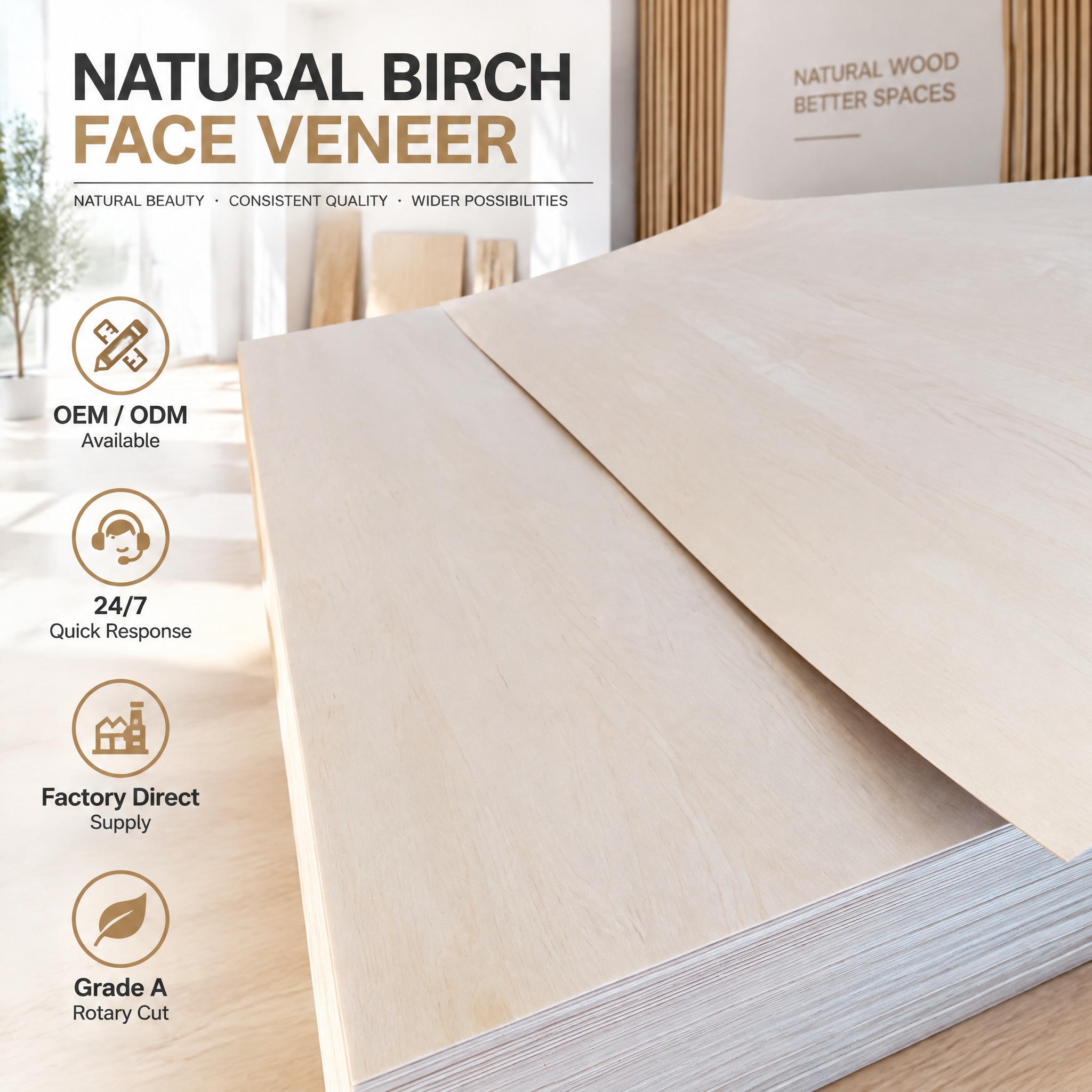
Sanded Basswood Plywood Sheets with Birch Veneer Double-Sided E0 Decorative Wood Panels for Laser Cutting Furniture
Recommended for precision laser cutting, decorative models and furniture components that require clean surfaces and E0-focused sourcing.
View Product →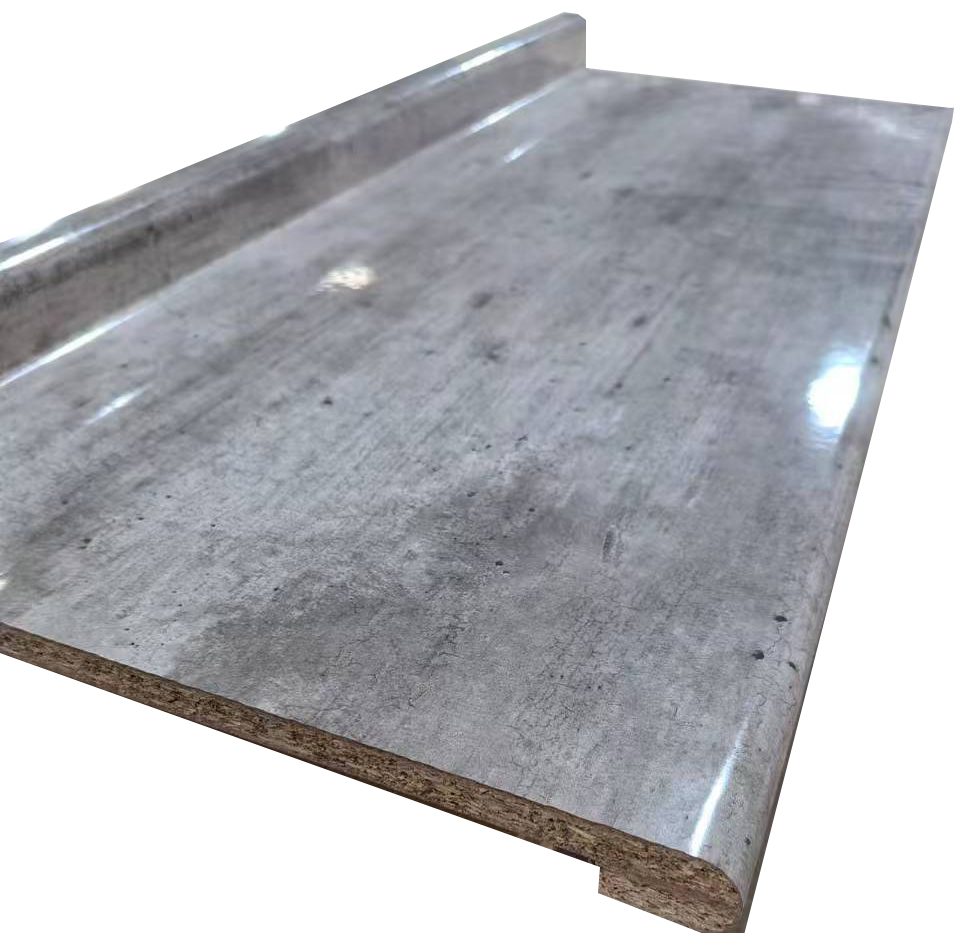
Linyi Hpl Melamine Board Plywood HMR MDF Sheet 18mm 25MM Melamine Board Furniture Board for KITCHEN COUNTERTOPS
Useful for kitchen, cabinet and interior fit-out buyers who need moisture-resistant core options with decorative melamine surfaces.
View Product →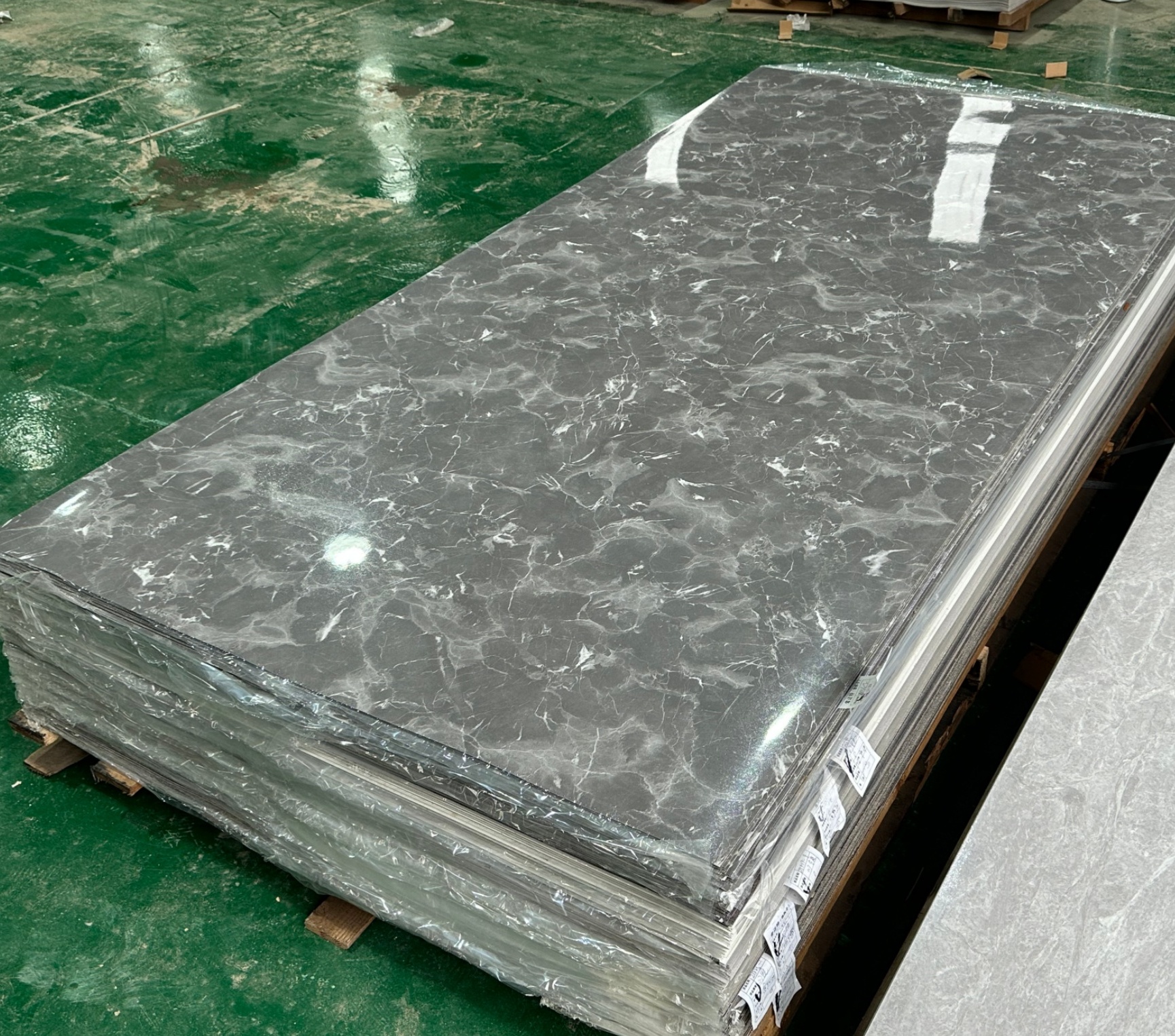
Wholesale Grade B HPL Stock HPL Decorative High Pressure Laminate
A practical option for distributors, sample rooms and price-sensitive furniture programs that still require genuine HPL construction.
View Product →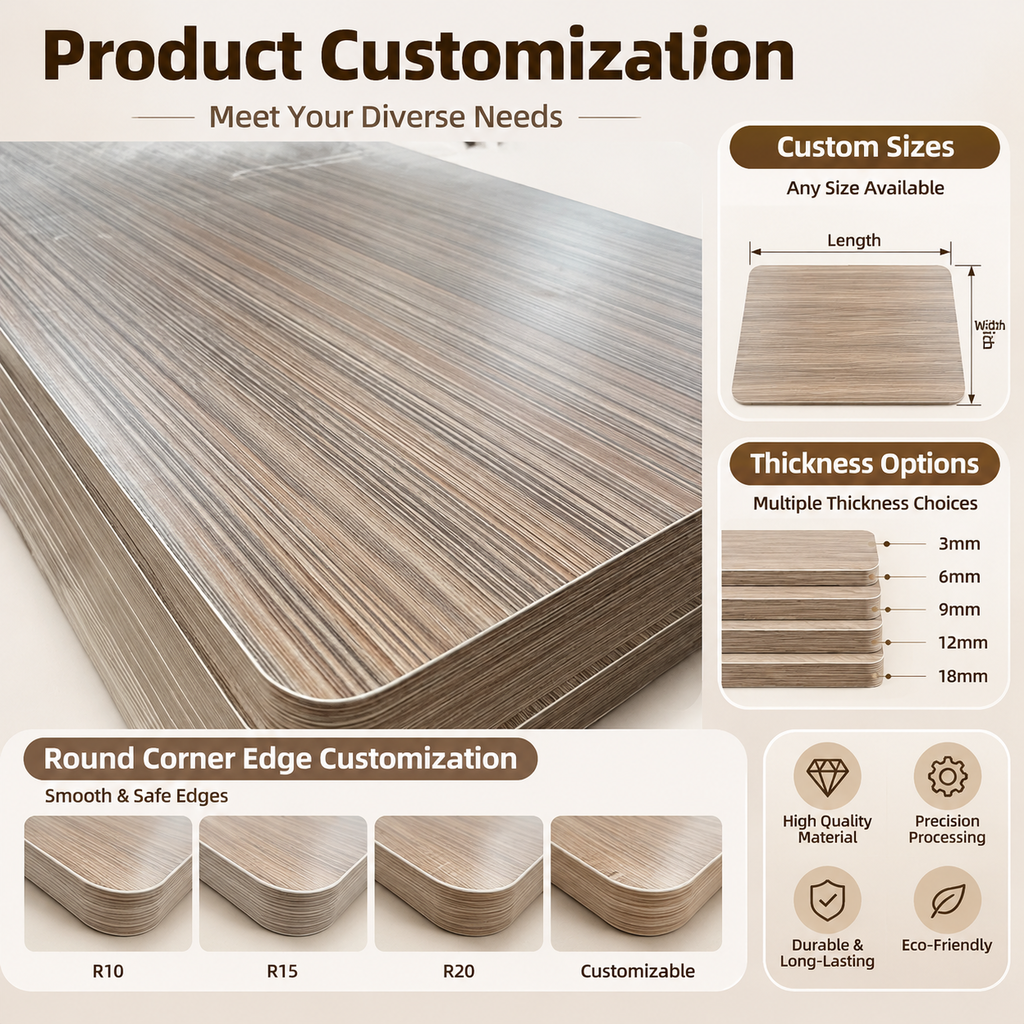
HPL Wood Grain Decorative High Pressure Laminate HPL Compact Sheet Waterproof Fire-Resistant Panel for Furniture
For furniture and interior projects that need a decorative wood-grain face with waterproof and fire-resistant performance claims.
View Product →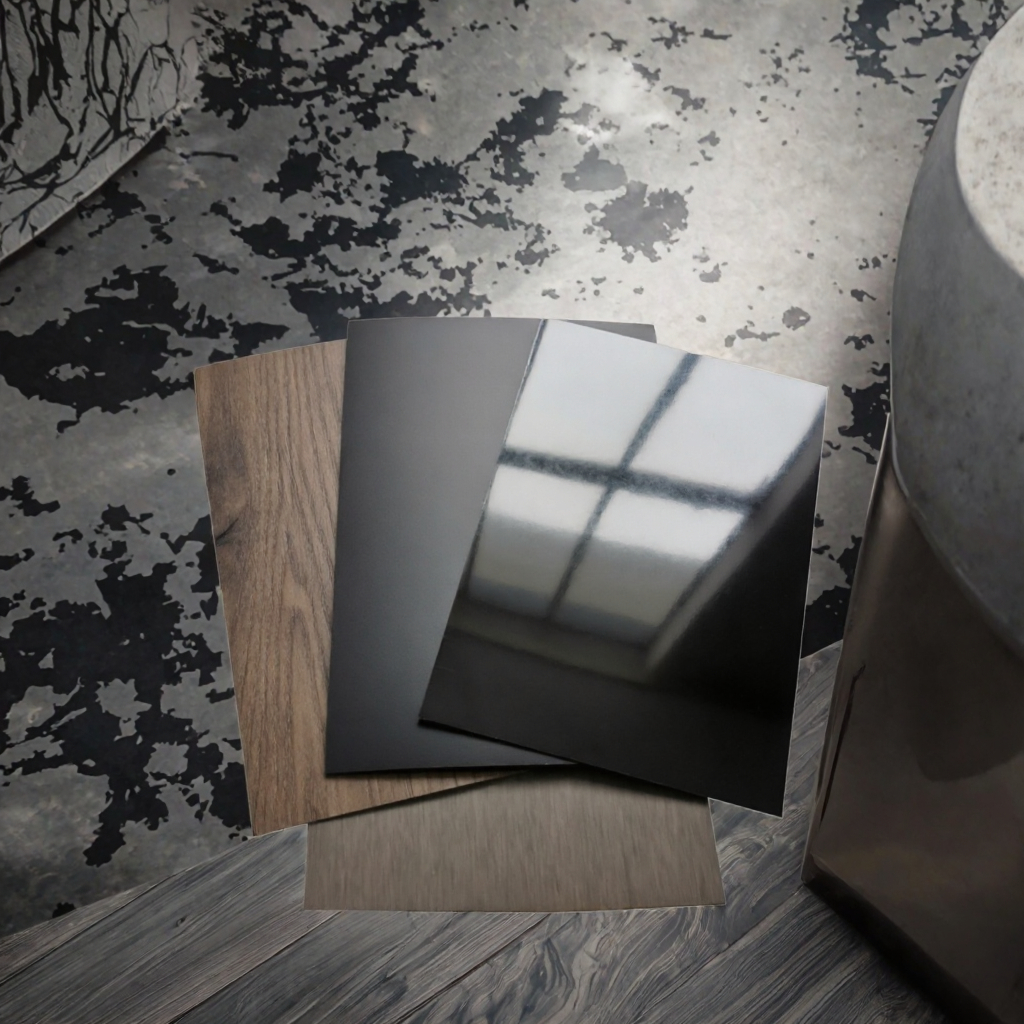
Glossy Black HPL Laminate Sheet Formica Decorative Panel for Interior Furniture Laboratory Table
An interior and laboratory-table surface option where dark gloss aesthetics, easy cleaning and decorative consistency matter.
View Product →
4x8 ft HPL High-Pressure Laminates Sheet Board Hpl Laminated Plywood Fire Retardant Decorative Plywood Panels
Designed for buyers comparing HPL-faced plywood against compact laminate in wall, ceiling and fit-out packages.
View Product →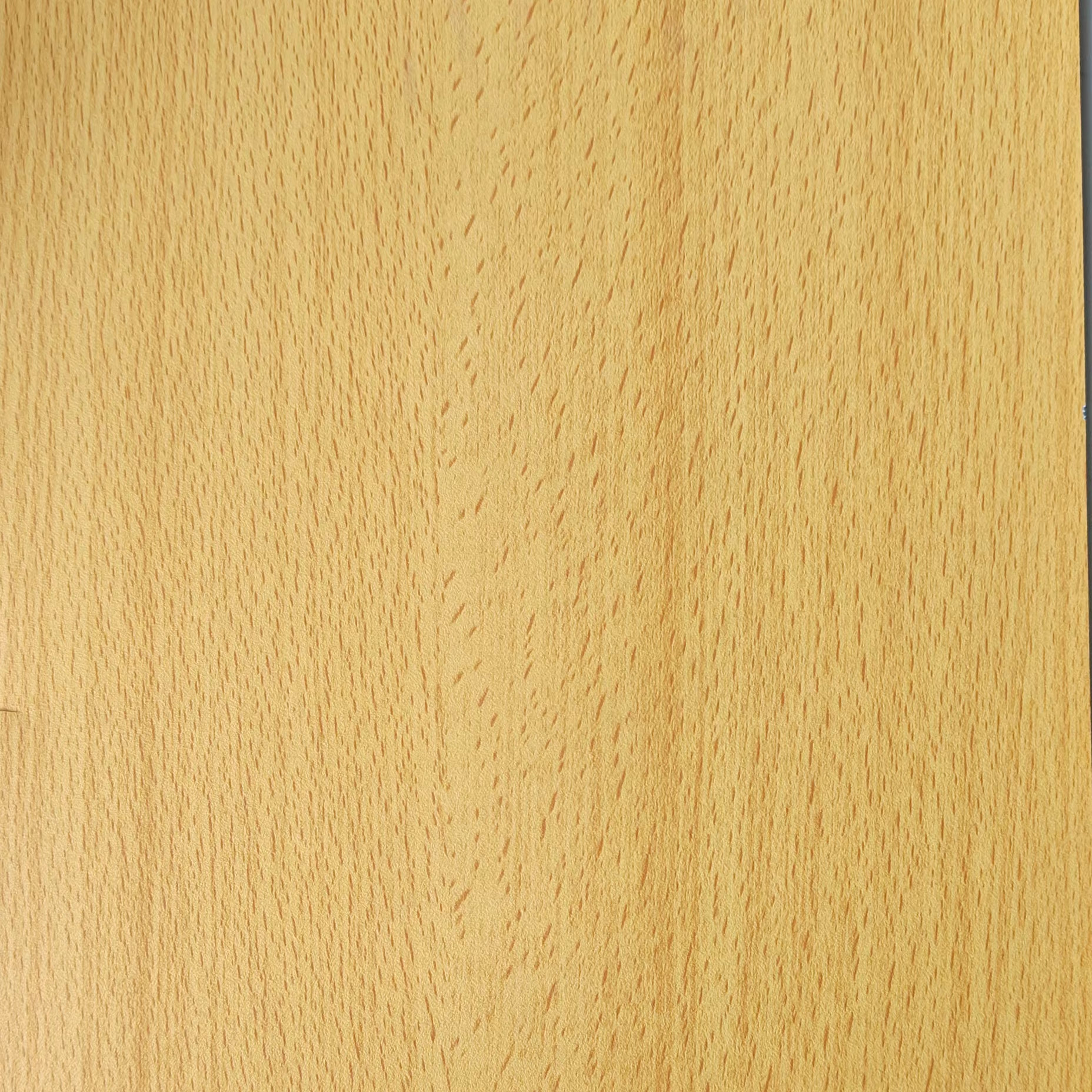
China Hpl Manufacture Lightweight Furniture Plywood with Wood Grain HPL Sheet Laminate for Cabinet Furniture
Suitable for cabinet and furniture makers seeking reduced panel weight without giving up a decorative HPL surface.
View Product →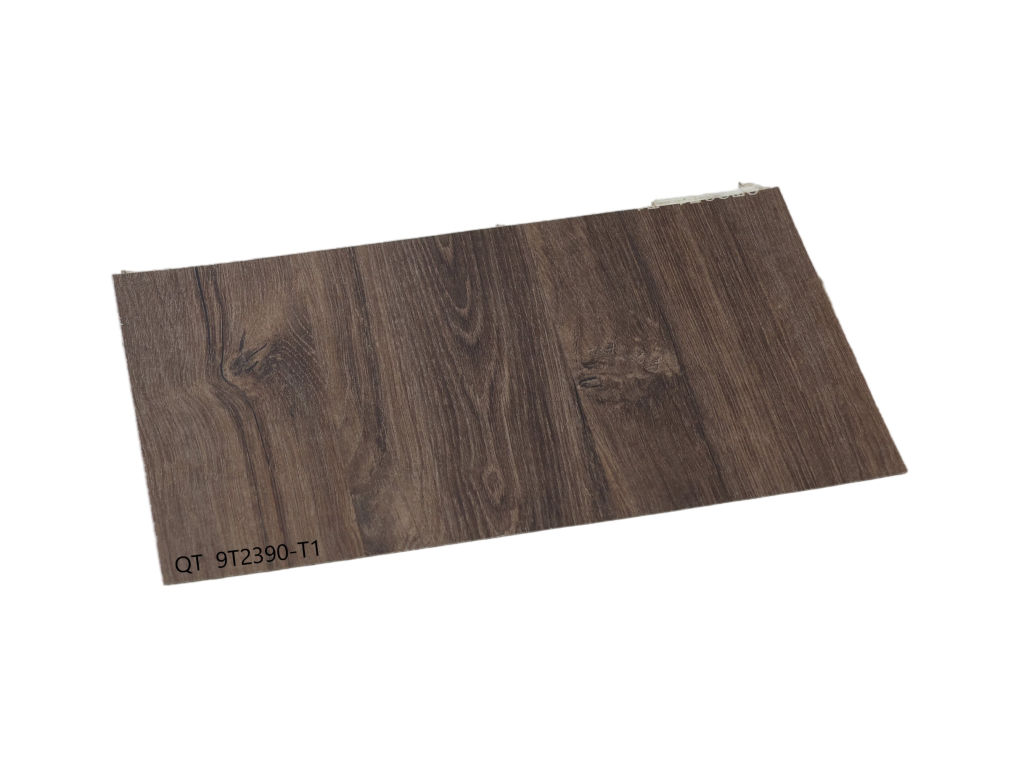
Dark Brown Decorative Panel HPL Sheet QT 9T2390-T1 Interior Wall Cladding
For interior wall cladding and feature surfaces where a dark brown decor, clean edges and consistent batch colour are important.
View Product →“Top 10” Now Means Evidence, Not Just Company Names
Phenolic compact laminate is a dense, self-supporting solid phenolic panel used in toilet partitions, lockers, laboratory worktops, table tops, wall protection and exterior cladding. Buyers searching for the “Top 10 Phenolic Compact Laminate Suppliers & Exporters” usually face a real procurement decision: a distributor building a private-label range, a contractor under pressure to submit test evidence, or a furniture/lab fit-out team trying to consolidate HPL, compact laminate, MDF and plywood in one container.
Because rankings change with freight, certification, project location and exchange rates, a credible white-paper approach should not invent ten company names. Instead, it should give procurement teams a defensible screening framework: what each supplier type does well, which evidence matters, and how to compare total landed cost without confusing decorative HPL with solid compact laminate.
“In compact laminate procurement, the supplier who can show inspection records, mixed-load capability and destination-market documentation is usually safer than the supplier who only quotes the lowest price.”
Fipdm Export Team — Linyi panel sourcing perspectiveTop 10 Phenolic Compact Laminate Supplier & Exporter Profiles to Screen
Use these ten profiles as an RFQ matrix. A strong exporter may combine several profiles, while a weak supplier often claims one profile but fails to provide evidence for it.
1. Linyi Multi-Category Exporters
Best for importers that need HPL, compact laminate, HMR MDF, plywood and door cores consolidated. Look for on-site material inspection, loading photos and export documentation.
2. Solid Phenolic Mills
Focused on densified phenolic compact laminate, often 3–20 mm. Verify EN 438 or ISO 4586 claims, impact data, water absorption and batch colour consistency.
3. Exterior HPL & Facade Partners
Offer UV-stable decorative surfaces and fixing systems. Ask for weather, colourfastness and installation guidance before comparing facade packages.
4. Toilet Partition Fabricators
Convert compact boards into cubicles, lockers and shower partitions. Valuable for project buyers who need cut-to-size panels, edge finishing, hardware and packing.
5. Laboratory Worktop Specialists
Supply chemical-resistant compact laminate with a resin-rich surface. Request reagent resistance lists, seam details, sink integration and cleaning instructions.
6. Fire-Rated Compact Producers
Provide reaction-to-fire evidence and smoke data. Match the standard to the destination market before tender submission, not after container loading.
7. OEM & ODM Surface Suppliers
Custom colours, textures, private-label packing and sample-based development. Require approval procedures, batch traceability and repeat-order quality control.
8. Container Consolidators
Combine products from multiple mills. Verify inspection responsibility, claim handling and whether mixed-load quality is documented before shipment.
9. Project Logistics & Support
Coordinate packing, documents and installation answers for hospitals, schools, labs and facades. Good technical support reduces site delays.
10. Low-Emission & Certified Suppliers
Supply E0/E1 boards, FSC/PEFC or equivalent documentation where required. Avoid vague green claims; request certificates and chain-of-custody evidence.
Fipdm fits the intersection of profiles 1, 8, 9 and 10: Linyi-based multi-category sourcing, mixed-container consolidation, export logistics support and E0/E1 availability across relevant product lines.
2026 Buying Trends for Phenolic Compact Laminate
The purchasing brief is changing. Buyers are moving from “Which panel is cheaper?” to “Which supplier can prove performance, manage mixed loads and protect the project schedule?”
From Stock Photos to Test Evidence
Procurement teams now request test reports, thickness tolerances, surface inspection criteria and packing photos before approving a supplier. Compact laminate claims should be tied to the exact grade, thickness and destination standard.
From Single SKU to Mixed Containers
Importers increasingly combine HPL, compact laminate, MDF, plywood and door cores. A supplier that can consolidate several product families reduces freight waste, administration cost and claim complexity.
From Lowest Price to Landed Cost
Cheap panels can become expensive after damage, colour mismatch, re-packing or site rejection. Total landed cost now includes inspection, seaworthy packing, documentation and after-sales response time.
Performance-Specific Compact Grades
Laboratories need chemical resistance. Hospitals need cleanable surfaces. Facades need UV stability. Toilet partitions need impact strength. A “top” supplier should ask where the panel will be used before quoting.
Batch Traceability and Loading Records
Buyers want more than a certificate image. They ask for batch identification, loading photos, pallet labels and inspection records that connect the approved sample with the shipped order.
Resilient Multi-Source Buying
Freight volatility and regional compliance changes encourage qualified multi-source strategies. A verified trading partner in a major panel cluster can coordinate mills while keeping one accountable contact.
Where Phenolic Compact Laminate Is Heading Next
The product is evolving from a simple “waterproof board” into a specification-driven surface system. These six development directions matter for future RFQs.
Thinner, Stronger Wall Protection
Thin compact grades are growing in wall protection, lift interiors and public transport interiors. Buyers should compare impact performance, flatness and edge finish, not thickness alone.
Exterior-Grade Surface Engineering
Exterior compact and HPL cladding demand UV stability, colourfastness and weather resistance. Project teams increasingly ask for facade samples exposed to real sun and rain conditions.
Chemical-Resistant Laboratory Surfaces
Lab and healthcare buyers are specifying resin-rich compact surfaces with documented reagent resistance, low porosity and easy disinfection. Standard decorative HPL is not a substitute.
Fire-Rated Systems and Documentation
Fire performance is moving from a single sheet claim to a system discussion involving substrates, adhesives, joints and installation. Documentation quality is becoming a supplier differentiator.
Matte, Tactile and Anti-Fingerprint Finishes
Interior designers are requesting soft matte, wood-grain, stone and textured surfaces with better fingerprint and glare performance. Batch colour consistency remains a key purchasing risk.
Lower-Emission and Circular Claims
E0/E1 boards, responsible fibre sourcing and recyclable packaging are increasingly part of tenders. Suppliers should provide verifiable documents instead of using broad “green” language.
Why Linyi Fipdm Is a Practical Benchmark for Buyers
Linyi Fipdm Import And Export Co., Ltd. is a verified trading company and multispecialty supplier based in Linyi, Shandong, China’s major wood-based panel cluster. Its role is to turn multiple board categories into one managed export supply chain.
- HPL, compact laminate, exterior HPL and chemical-resistant compact laminate sourcing.
- HMR MDF, melamine-faced MDF, birch/poplar plywood, LVL and tubular chipboard door cores.
- On-site material inspection and finished-product inspection before shipment.
- Supplier assessment procedures and export packing checks.
- Minor customization for logo, packaging and graphics.
- Sample-based, design-based and full customization plus ODM support.
- Mixed-container consolidation across product families.
- E0/E1 formaldehyde grade availability on relevant product lines.
- Engineer support for project buyers and installation questions.
- Export documentation and loading records shared with buyers.
Two-Stage Quality Control
Material checks at the partner mill and finished-board inspection for thickness, surface and edges before loading.
One Contact, Multiple Categories
Combine HPL, compact laminate, MDF, plywood, LVL and door cores in one container to reduce freight and administration cost.
Export-Ready Logistics
Seaworthy pallet packing, export documents and loading photos help buyers verify shipment condition before departure.
Verified Market Signals
Public profile indicators include Intertek verification, 9 years in industry, 5.0 buyer rating, #4 top-selling supplier in Plywoods and 4 years as a Gold Supplier.
Customization & ODM
Support for private-label packaging, sample-based development and design-based customization for distributors building a range.
Technical & Project Support
Engineer service for cladding, partition and furniture projects, with practical answers on substrates, edges and installation.
Need a Supplier That Can Document Quality?
Send your target thickness, colour, finish, quantity, destination port and required test standard. The Fipdm export team will match suitable compact laminate, HPL, MDF, plywood or mixed-load options from Linyi.
Common Procurement Questions Before Ordering
These are the questions international buyers ask most often when comparing phenolic compact laminate suppliers and exporters.
Are you a manufacturer or a trading company?
Linyi Fipdm Import And Export Co., Ltd. is a verified trading company and multispecialty supplier. It sources from vetted partner mills in Linyi and manages material inspection, finished-product inspection and export coordination. This structure gives buyers one accountable contact across several board categories.
What is the difference between HPL sheets and compact laminate?
Standard HPL is a thin decorative sheet, often around 0.7 mm, bonded to MDF, particle board or plywood. Compact laminate is a solid phenolic panel, commonly 3–20 mm thick, used without a substrate for toilet partitions, lab worktops, table tops and exterior cladding where water and impact resistance matter.
Which thickness should I choose for partitions or laboratory tops?
Toilet partitions and lockers commonly use thicker compact grades, while wall protection may use thinner panels. Laboratory worktops often require a denser, chemical-resistant grade and carefully detailed edges. Confirm the exact thickness, span, hardware and cleaning chemicals with the supplier before tender approval.
Which formaldehyde grades and documents can you supply?
MDF and plywood are available in E1 and E0 grades depending on the product line. Tell your supplier the destination market standard at inquiry stage, and request the appropriate test report, packing list, inspection record or certificate before shipment.
Can you customize sizes, colours, surfaces and packaging?
Yes. Typical customization includes logo, packaging, graphics, sample-based development and design-based customization. For compact laminate projects, approve the surface colour, texture, thickness, edge treatment and sample reference before bulk production.
Can I mix different products in one container?
Yes. Mixed loads of HPL, compact laminate, MDF, plywood, LVL and door cores are a core part of the Fipdm service. This helps distributors and smaller importers reach container efficiency while keeping one inspection and documentation process.
Planning a Phenolic Compact Laminate Tender?
Send your panel size, thickness, surface finish, quantity, destination port and required fire or chemical test standard. Fipdm can reply with matched compact laminate, HPL, MDF, plywood and mixed-container options.