Marble Effect Laminate Is Now a Procurement Category, Not a Decorative Fad
Buyers no longer judge a marble effect laminate supplier by one attractive sample. They judge the supplier by surface consistency, substrate control, documentation, packing and repeat-order discipline.
Marble effect laminate has crossed the threshold from trend-driven décor to a specification-led purchasing category. In 2020, many buyers treated it as a decorative upgrade: a stone-look HPL surface that could make a cabinet, table top or wall panel look premium without the cost of natural marble. In 2025, the inquiry is different. Importers, distributors, furniture factories and project specifiers now ask for calibrated gloss levels, repeatable vein scale, low-emission substrates, fire documentation, edge-banding compatibility and container-level consistency. The finish is no longer judged by a single sample; it is judged by how well the exporter or wholesaler can turn a visual idea into a repeatable procurement program.
Linyi Fipdm Import And Export Co., Ltd. operates inside this reality. Based in Linyi, Shandong, China, the company works as a verified trading company and multispecialty supplier of high-pressure laminates, compact laminate, MDF, plywood, LVL and related boards. For marble effect laminate buyers, that means the conversation can stay focused on the surface, substrate, application and delivery schedule rather than on managing five unrelated suppliers. The notes below combine catalogue-level product knowledge with the practical checks that separate a reliable marble effect laminate exporter from a supplier that only has a good color card.
What This Guide Adds
- Application-to-product mapping across 1mm decorative HPL, compact laminate, melamine board and fire-retardant laminated plywood.
- Procurement trends for 2025–2027: matte textures, compact-grade tabletops, low-emission tests and mixed-container sourcing.
- A ten-point scorecard for evaluating exporters and wholesalers, aligned with on-site inspection and finished-product inspection.
- FAQ answers structured for buyers who need to issue an RFQ quickly and compare quotations on the same basis.
Top 10 Marble Effect Laminate Exporters & Wholesalers: The Ten-Point Shortlisting Framework
A “top 10” search phrase usually hides a practical question: which exporters and wholesalers can be trusted with a repeat order? No responsible buyer should select a marble effect laminate supplier from an unverified list. The stronger method is to shortlist candidates against the same ten attributes and then request samples, references and inspection evidence.
Decor repeat control
Can the supplier keep vein direction, scale, gloss and texture close to the approved sample across batches? Ask for a sealed master sample and a written visual tolerance.
Substrate integration
Does the supplier understand how 0.7mm HPL behaves on MDF, particle board, plywood and compact cores, and when HMR or fire-retardant boards should be used?
Fire and emission files
Serious buyers request available test reports, E0/E1 options and clear statements on where the board can be used. Documentation should arrive before production, not after loading.
Water and impact logic
For table tops, partitions, lockers and wet areas, the correct answer may be compact laminate rather than thin decorative HPL on a moisture-sensitive core.
Batch color consistency
The strongest wholesalers treat color as a control variable, not a vague promise. Ask how they compare the approved sample with the production run and how they record deviations.
Mixed-container capability
Importers often need HPL, compact laminate, melamine board, plywood, LVL and door cores together. Consolidation reduces freight cost and supplier administration.
On-site inspection proof
Material inspection at the partner mill and finished-product inspection before shipment are stronger signals than a catalogue statement about quality.
Customization and ODM
Logo, packaging, graphics, sample-based, design-based and full customization matter to distributors building a local marble effect laminate range.
Export packing evidence
Corner guards, interleaving protection, seaworthy pallets and loading photos protect the surface and reduce claims after a long sea route.
Technical support
Engineer support for cladding, partition and furniture projects helps buyers avoid wrong fixing methods, edge profiles or substrate combinations.
8 Stock-Ready Marble Effect Laminate Products for Buyer Shortlists
The eight items below are sourced from the current Fipdm catalogue and are relevant to marble effect laminate programs. Some are direct decorative surfaces; others are substrates or complementary boards used to build a complete marble-look furniture, wall or table-top package. Each link preserves the original product URL.
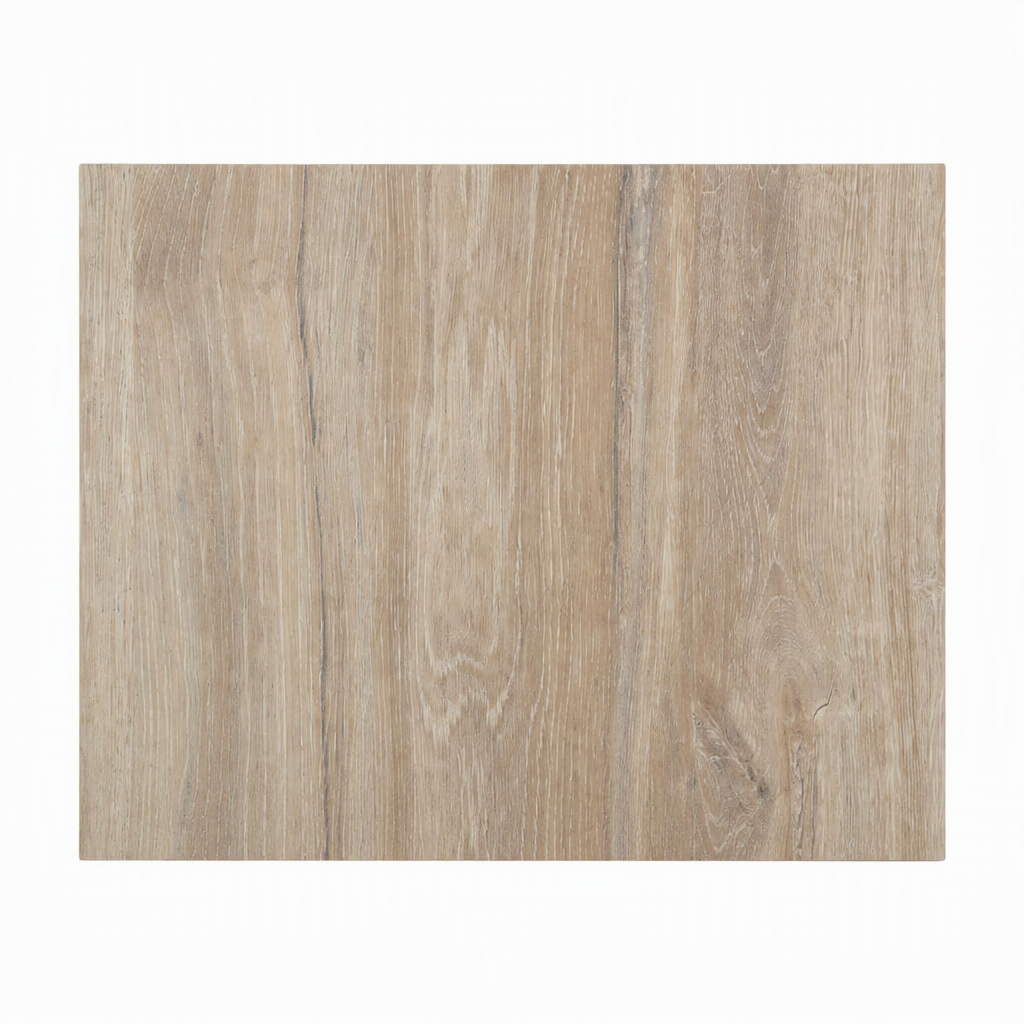
1mm Light Wood Grain HPL Decorative Laminate Panel Waterproof Fire Resistant Modern Design
A lightweight decorative HPL for furniture faces and interior panels; useful as a warm contrast to marble-look surfaces in mixed-material designs.
View product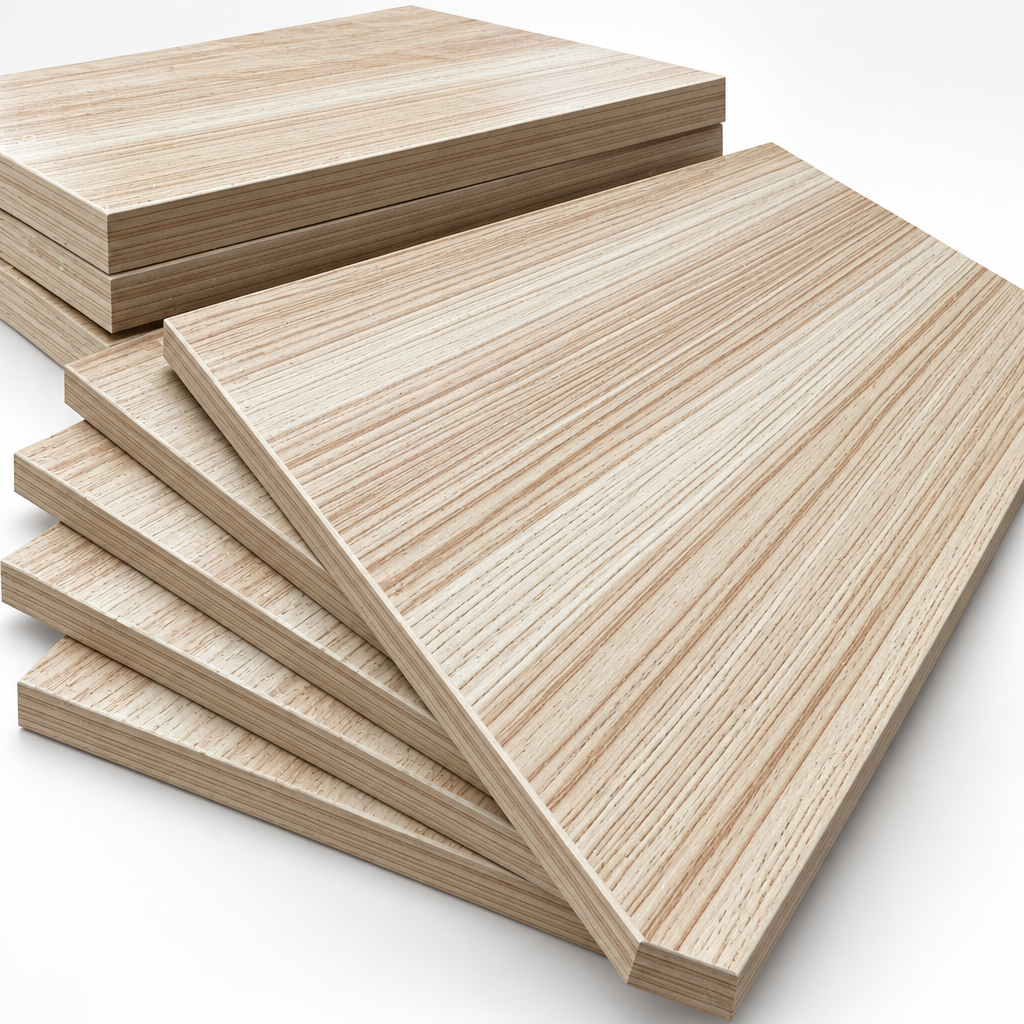
In Stock Wear-Resistant High Pressure Laminate HPL Plywood Sheets for Modern Kitchen Cabinets and Wooden Furniture Panels
Wear-resistant HPL plywood for kitchen cabinets and furniture panels; suitable where a marble effect HPL face needs a structural plywood core.
View product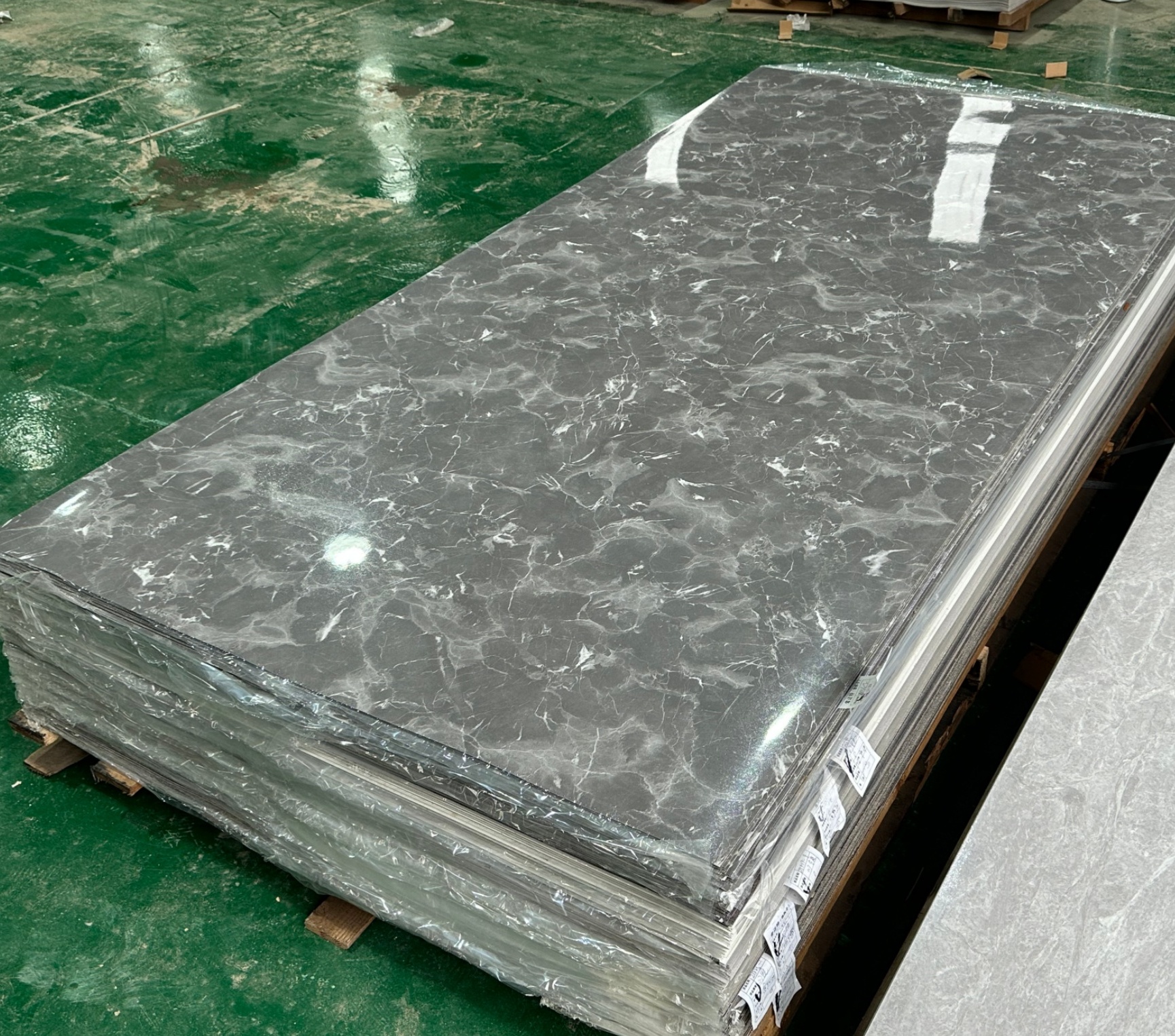
Wholesale Grade B HPL Stock HPL Decorative High Pressure Laminate
Wholesale Grade B stock HPL for price-sensitive projects, sampling and non-critical panel runs after visual inspection.
View product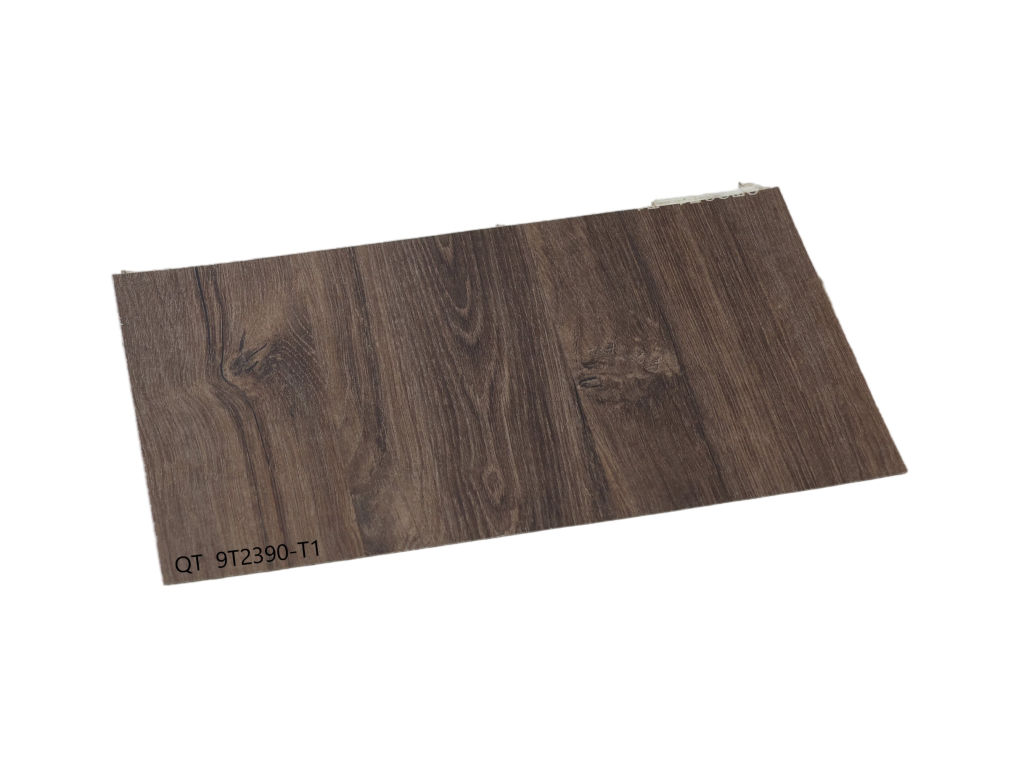
Dark Brown Decorative Panel HPL Sheet QT 9T2390-T1 Interior Wall Cladding
Dark brown decorative HPL for interior wall cladding; a stone-adjacent palette for lobbies, feature walls and hospitality interiors.
View product
4x8 ft HPL High-Pressure Laminates Sheet Board Hpl Laminated Plywood Fire Retardant Decorative Plywood Panels
Large-format HPL laminated plywood with fire-retardant decorative options for commercial fit-outs where fewer joints are preferred.
View product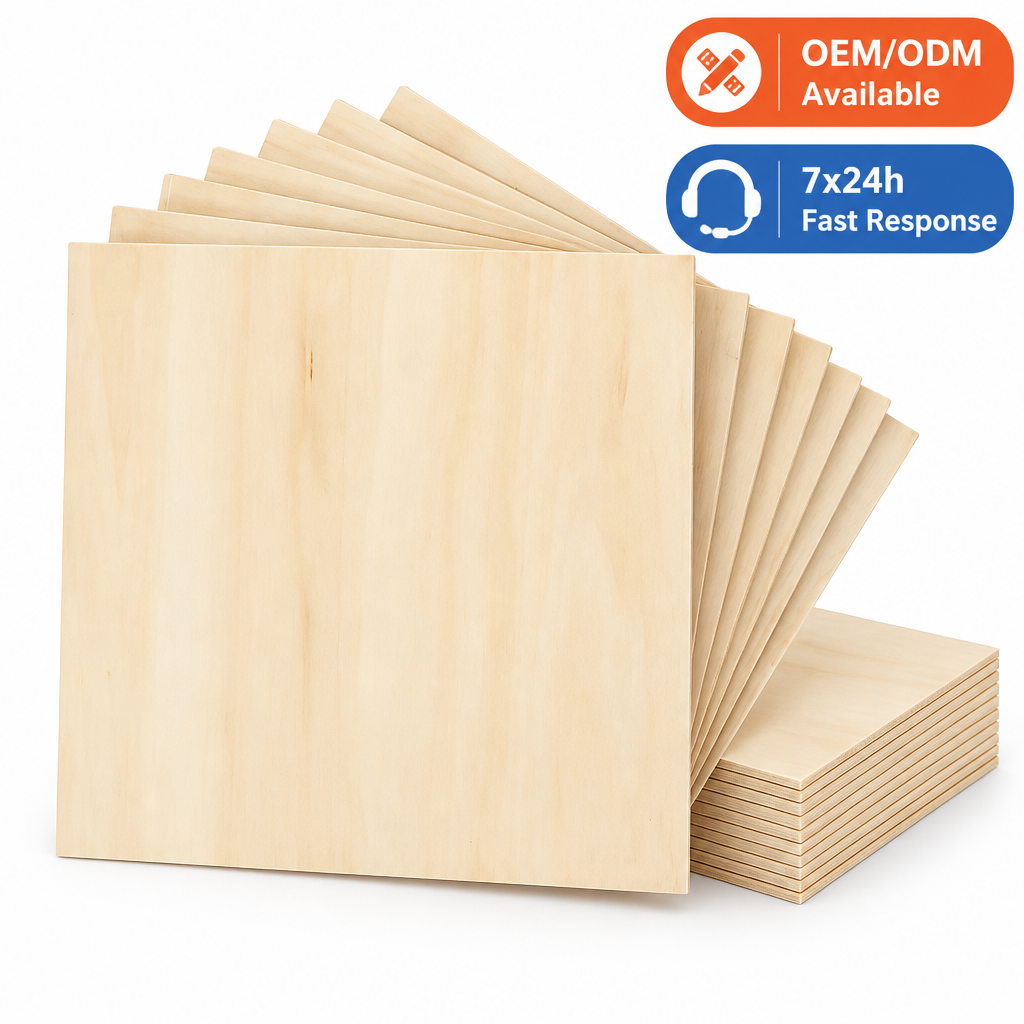
Eco-Friendly First-Class Basswood Plywood Sheet 12 X 12 X 1/8 Inch 3mm Sanded Polished Birch Veneer DIY Laser Cutting
Basswood plywood for laser cutting; useful for scaled marble-effect display models, signage and decorative components.
View product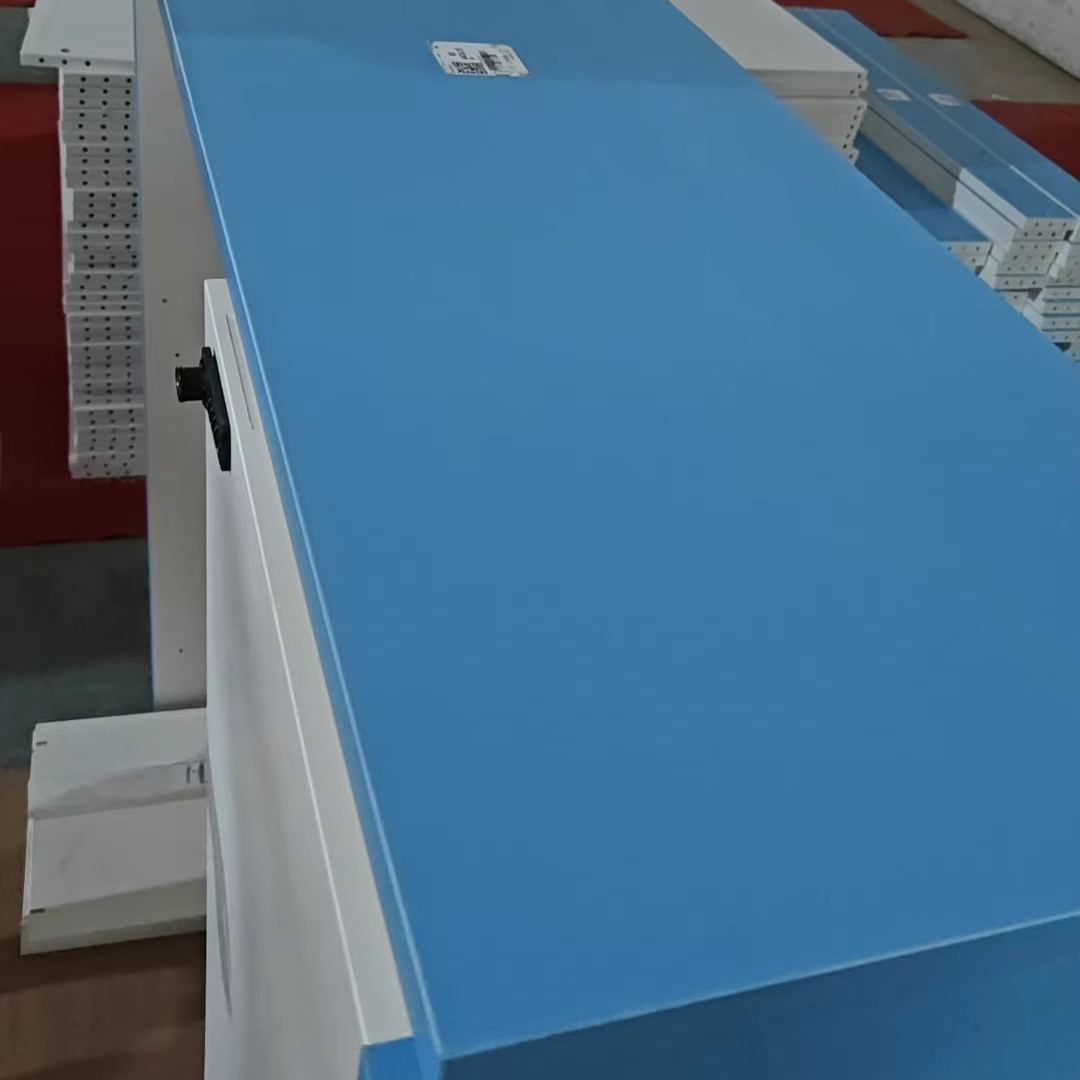
Linyi Hpl Melamine Board Plywood Sheet 18mm 15mm Melamine Board Hpl Laminated Furniture Board
HPL melamine laminated plywood furniture board for carcasses, shelving and work surfaces that require a decorative face and stable core.
View product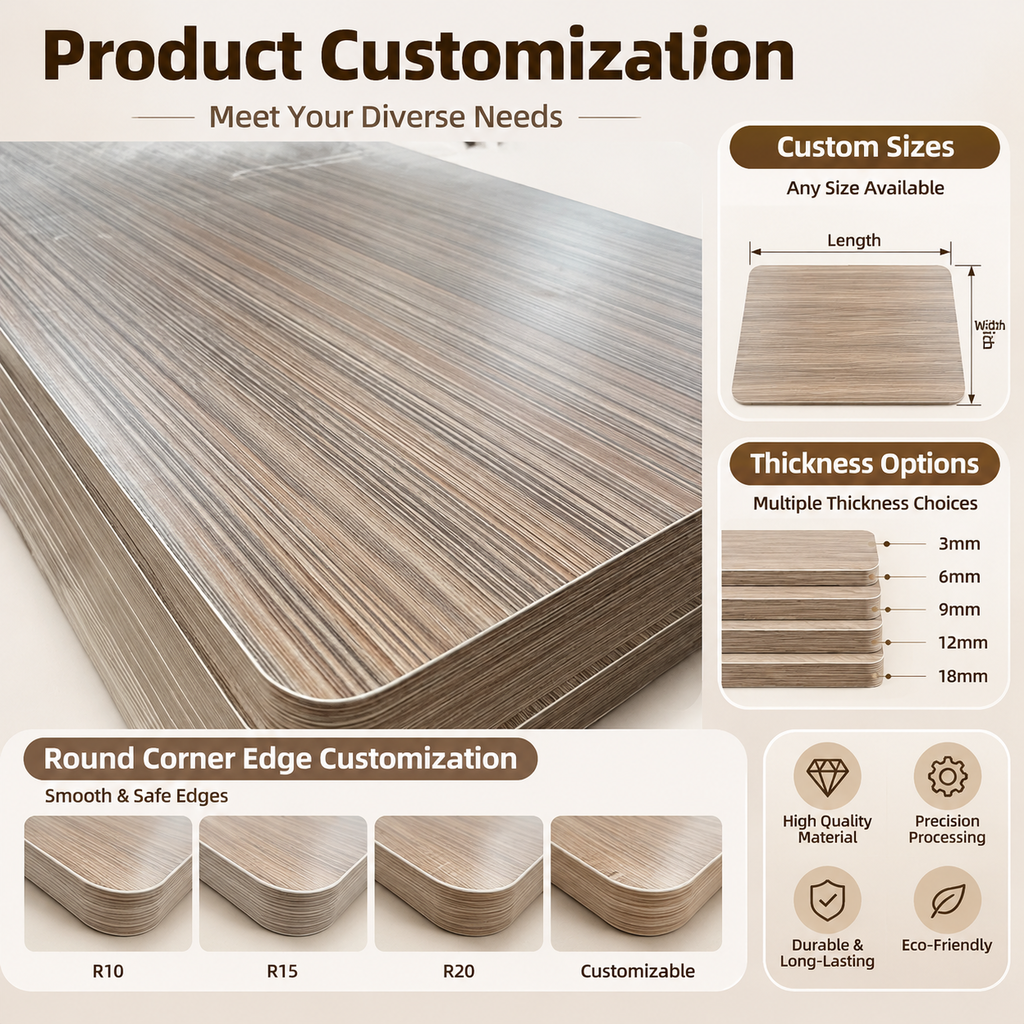
HPL Wood Grain Decorative High Pressure Laminate HPL Compact Sheet Waterproof Fire-Resistant Panel for Furniture
Waterproof and fire-resistant HPL compact sheet for furniture and wet-area applications where a decorative surface must also perform.
View productNeed to match a marble effect decor with the right substrate, thickness and packing specification? Share your target market, surface reference and container plan with our export team.
Contact UsMarble Effect Laminate Procurement Trends Buyers Should Plan For
Price will always matter, but the next buying cycle will be shaped by application risk, documentation quality and the supplier’s ability to consolidate a mixed order.
Specification convergence
Buyers increasingly ask for one visual language across HPL faces, compact table tops and edge details. Suppliers who understand the whole assembly will win repeat orders.
Texture over high gloss
Deep matte, soft-touch and low-fingerprint surfaces are replacing mirror gloss in many furniture and interior projects. Surface feel is now part of the specification.
Documentation-led buying
Emission grades, fire performance and substrate declarations are being requested earlier. A marble effect laminate quote without documentation is incomplete.
Mixed containers
Importers want to test marble effect HPL, compact laminate, MDF, plywood and door cores in one shipment. Mixed-container capability lowers inventory risk.
Where Marble Effect Laminate Products Are Heading
The next product cycle will reward suppliers who can translate stone aesthetics into manufacturable, installable and repeatable panel systems.
Book-matched veins and larger repeats
Project buyers want vein patterns that align across cabinet doors, wall panels and table tops. Larger repeat formats and book-matched layouts reduce visual interruption.
Soft-touch and anti-fingerprint finishes
Deep matte textures are being specified for high-contact surfaces. They hide minor marks, reduce glare and support a more natural stone feel.
Postforming and edge systems
Marble effect HPL must work with postforming, edge banding and compact edge profiles. Buyers now ask for a complete surface system rather than a loose sheet.
Buyer-Signal Index for Marble Effect Laminate Inquiries
Illustrative index based on common RFQ themes for decorative HPL, compact laminate and laminated boards; use it to structure your next supplier questionnaire, not as a market forecast.
Verified, Inspected and Built for Repeat Marble Effect Laminate Orders
Linyi Fipdm Import And Export Co., Ltd. combines local mill access in Linyi with inspection procedures, customization and export execution for global B2B buyers.
Intertek-verified supplier
Assessed on-site by a third party, supporting trust for buyers who cannot visit Linyi before placing an order.
Two-stage quality control
Material checks at the partner mill and finished-board inspection for thickness, surface and edges before loading.
Flexible customization
Minor customization, sample-based, design-based and full customization plus ODM development for distributor ranges.
Export-ready consolidation
HPL, compact laminate, MDF, plywood, LVL and door cores combined in one managed shipment with export documentation.
Your Sourcing Team in China’s Wood-Based Panel Cluster
Linyi Fipdm Import And Export Co., Ltd. is a verified trading company located in Linyi, Shandong — a major wood-based panel production cluster in China. The company has nine years of industry experience and a compact team of eight dedicated staff. Instead of acting as a single-mill storefront, it coordinates vetted partner mills, material inspection and finished-product inspection so importers, distributors and furniture factories can buy multiple board types through one accountable contact.
That structure is especially relevant for marble effect laminate. The decorative surface, core board, adhesive system, edge treatment and packing materials rarely come from one machine line. A supplier that understands the full assembly can flag risks earlier: an HPL face that is too glossy for a postforming radius, a compact panel that is over-specified for a dry cabinet, or a plywood core that needs a different emission grade for the destination market.
- On-site material inspection
- Finished-product inspection
- Supplier assessment procedures
- ODM and full customization
- Engineer support for projects
- Loading photos and export documents




Frequently Asked Questions About Marble Effect Laminate Sourcing
Are you a manufacturer or a trading company?
Linyi Fipdm Import And Export Co., Ltd. is a verified trading company and multispecialty supplier. We source from vetted partner mills in Linyi, one of China’s largest wood-based panel clusters, and run on-site material inspection and finished-product inspection before shipment. For buyers, this means one accountable contact across HPL, compact laminate, MDF, plywood, LVL and door cores rather than a fragmented supplier list.
What is the difference between marble effect HPL sheets and compact laminate?
Standard HPL is a thin decorative sheet, typically around 0.7 mm, bonded to a substrate such as MDF, particle board or plywood. Compact laminate is a self-supporting solid phenolic panel, commonly 3–20 mm thick, used without a substrate for toilet partitions, laboratory worktops, table tops and exterior cladding where water and impact resistance matter. Marble effect decors can appear in both product families, but the correct choice depends on the application and fixing method.
Which thickness should I choose for a marble effect table top?
Decorative HPL is usually around 0.7 mm and must be bonded to a substrate. For restaurant, café, laboratory or outdoor table tops, 12 mm compact laminate is a common self-supporting choice because it does not need a substrate and offers water and impact resistance. For cabinetry and wall panels, 0.7 mm HPL on MDF or plywood is often more cost-effective. Confirm the edge profile, fixing method and fire requirement before ordering.
Can you match a specific marble vein and finish?
Yes, within the limits of the available decor range. Share a high-resolution reference, the intended viewing distance, gloss level, vein direction and edge-banding requirement. We can propose samples from existing marble effect and stone-look HPL decors, or discuss design-based and full customization for larger programs. Always approve a physical sample under the lighting conditions of the final project.
Which formaldehyde emission grades can you supply?
MDF and plywood are available in E1 and E0 emission grades depending on the product line. Specify the destination market standard in your inquiry so we can match the board and documentation. For projects, combine the emission requirement with fire performance, moisture resistance and substrate thickness; one property should not be selected in isolation.
Can I mix marble effect laminate with other products in one container?
Yes. Mixed loads of HPL, compact laminate, melamine board, plywood, LVL and door cores are a core part of our service. This helps importers and distributors reach full-container efficiency while testing several marble effect finishes, substrate types or complementary products in the same market.
How do you control color and surface consistency across repeat orders?
We keep the approved sample and specification details as the reference for each order. Before production, the partner mill confirms the decor code, gloss level, texture and substrate. During inspection, we check surface defects, edge condition, thickness and packing. For repeat programs, buyers should retain a sealed master sample and state the acceptable visual tolerance in the purchase order.
How is marble effect laminate protected during export packing?
Panels are protected with interleaving film or paper where required, corner guards and seaworthy pallet packing. Loading photos are shared with the shipment. For high-gloss or textured surfaces, specify the protection level and unpacking instructions so that site teams avoid abrasive cleaning or stacking damage.
What documents and technical support can you provide?
We can provide commercial invoices, packing lists, loading photos and available product test reports. Engineer support is available for installation guidance on cladding, partitions and furniture projects. Tell us the destination port, target market standard and project schedule at the inquiry stage so the documentation and production plan can be aligned early.
Planning a Marble Effect Laminate Order for Your Market?
Send your surface reference, substrate requirement, thickness, finish, target market standard and estimated container plan. Our export team will reply with matched HPL, compact laminate or laminated board options and the next steps for sampling and inspection.
Contact Us