Top 10 Decorative Plywood Exporters & Wholesalers
A procurement-focused guide to decorative HPL, compact laminate, melamine board and plywood supply — how to rank suppliers, reduce quality risk and plan 2025–2030 buying.
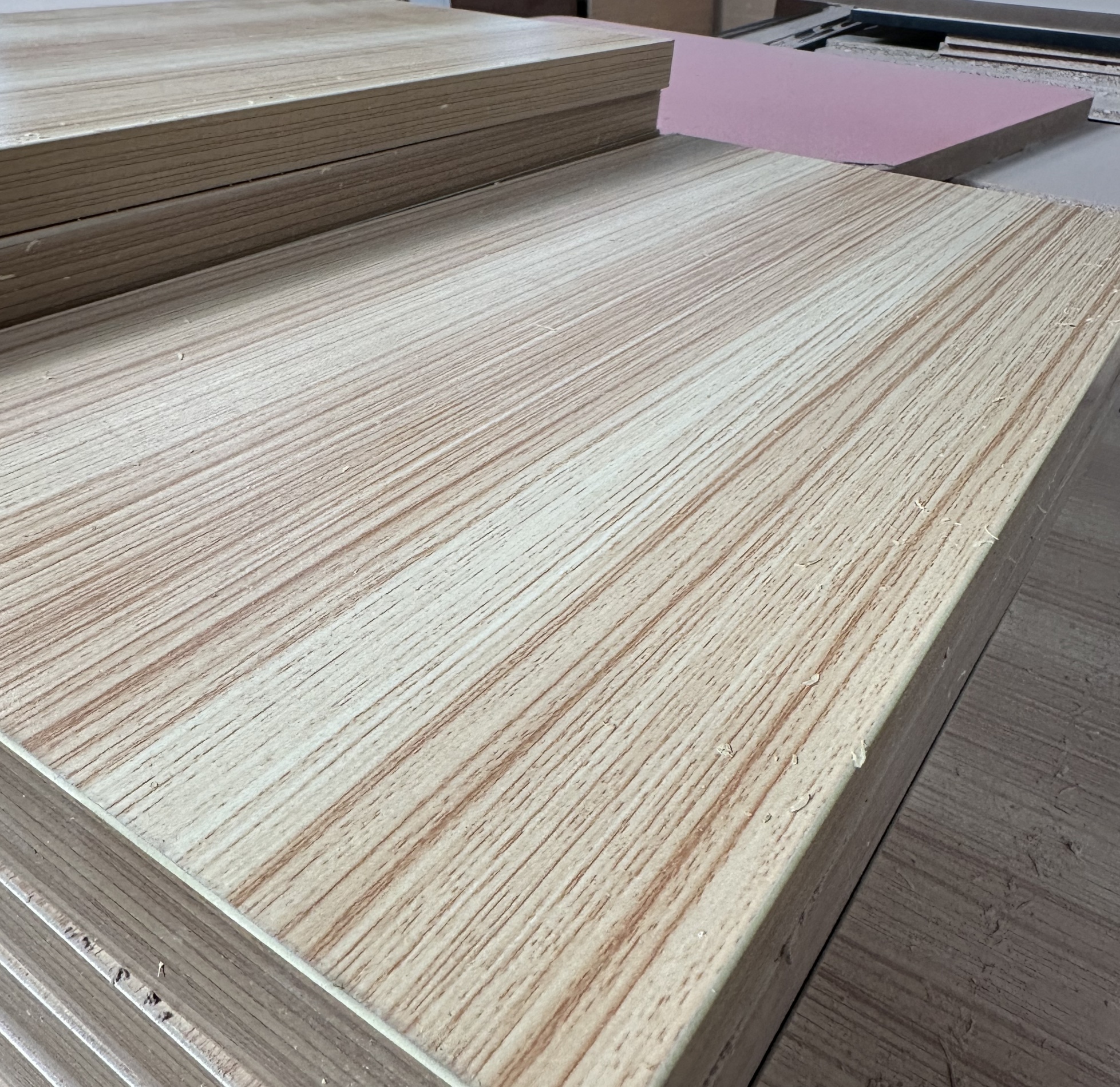
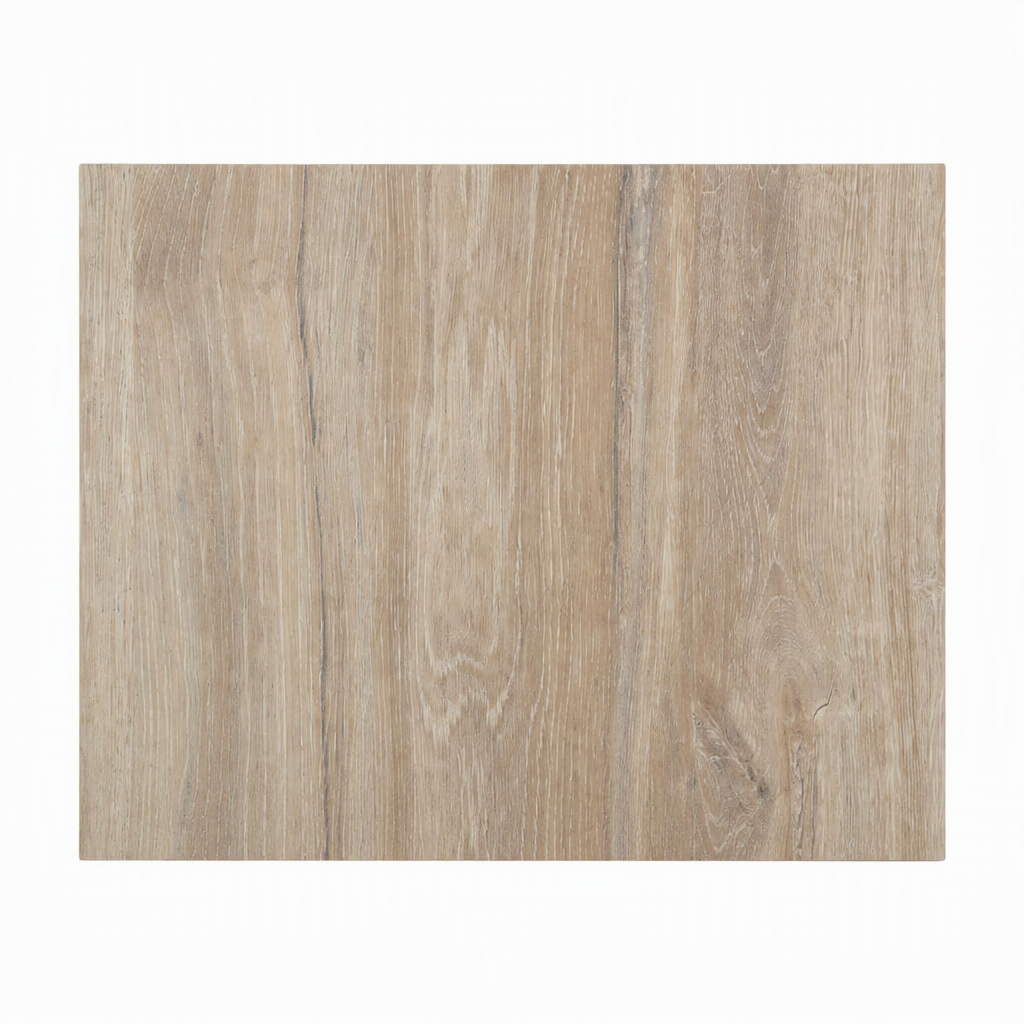
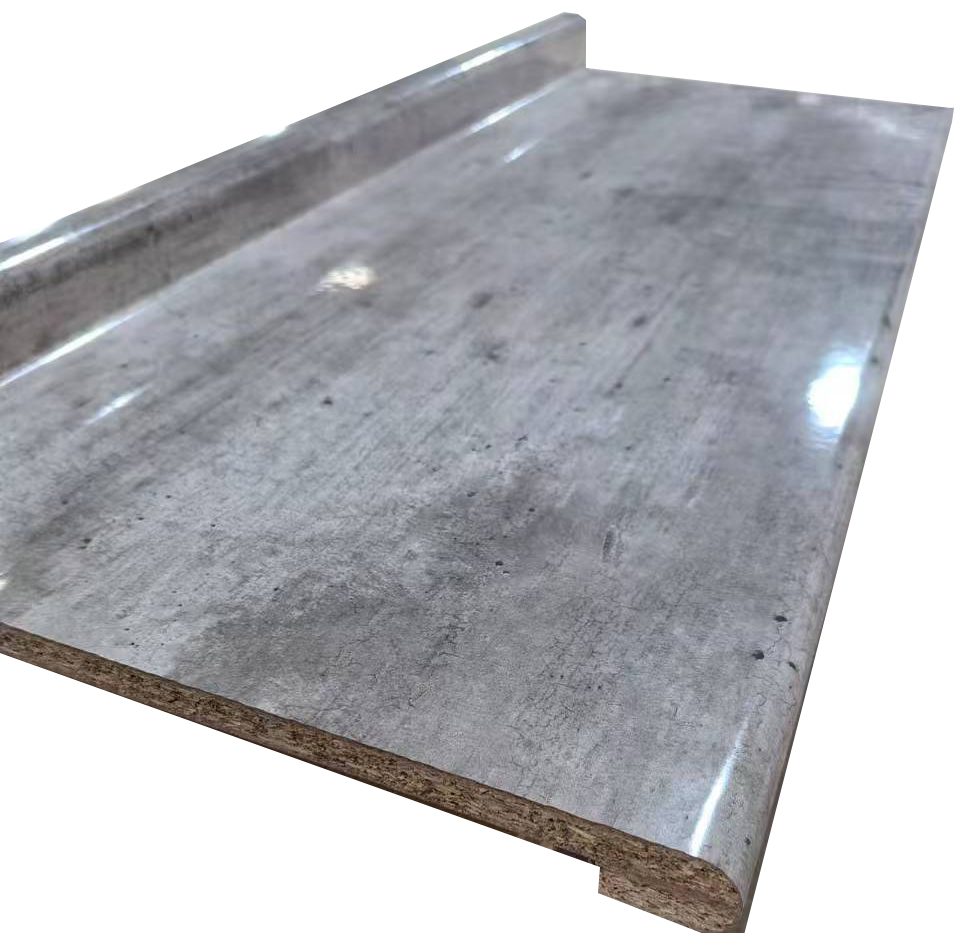
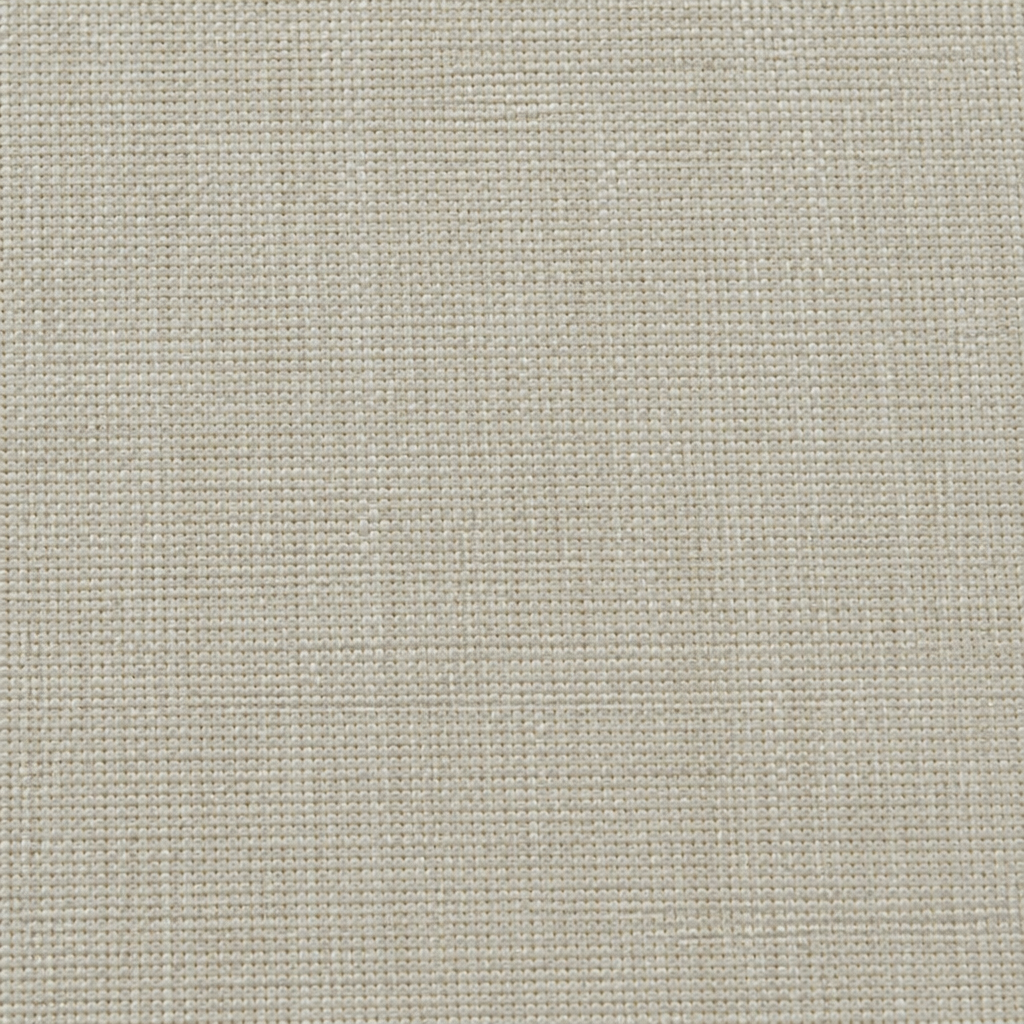
Featured Decorative Panel Products for Wholesale Buyers
The eight products below are high-intent starting points for importers, distributors, shopfitters and furniture factories. Each card keeps the original product URL, so your team can move from market research to specification review without losing context.
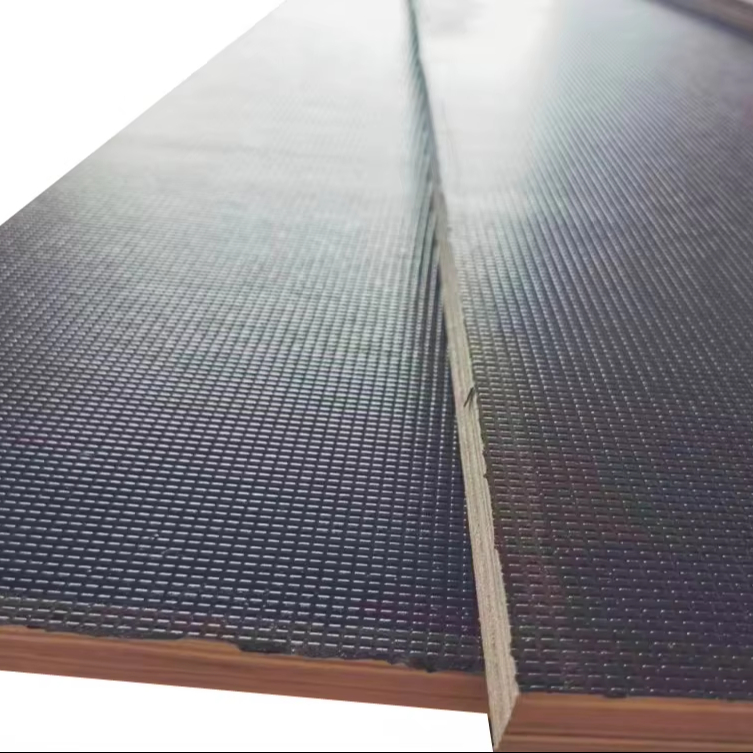
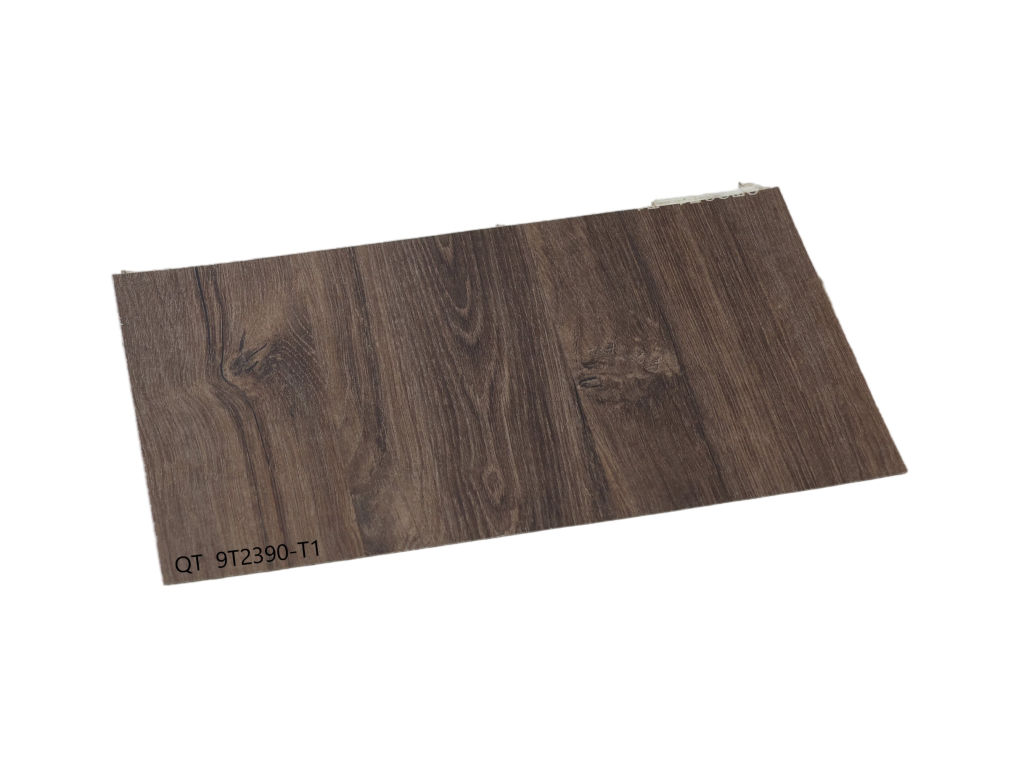
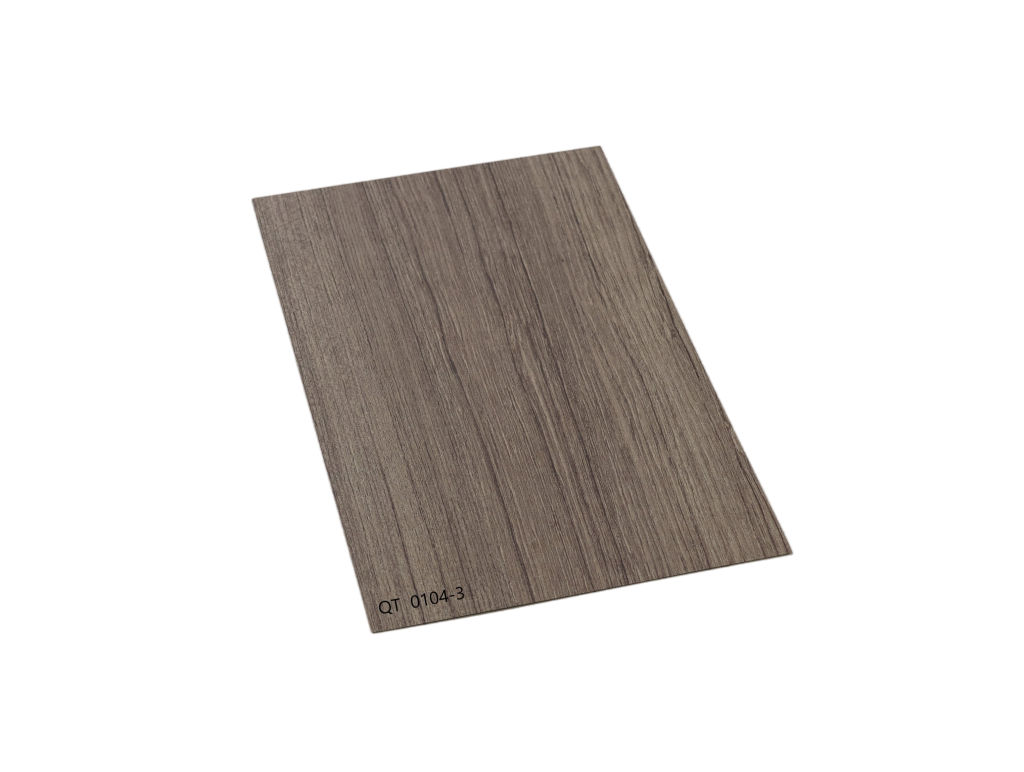
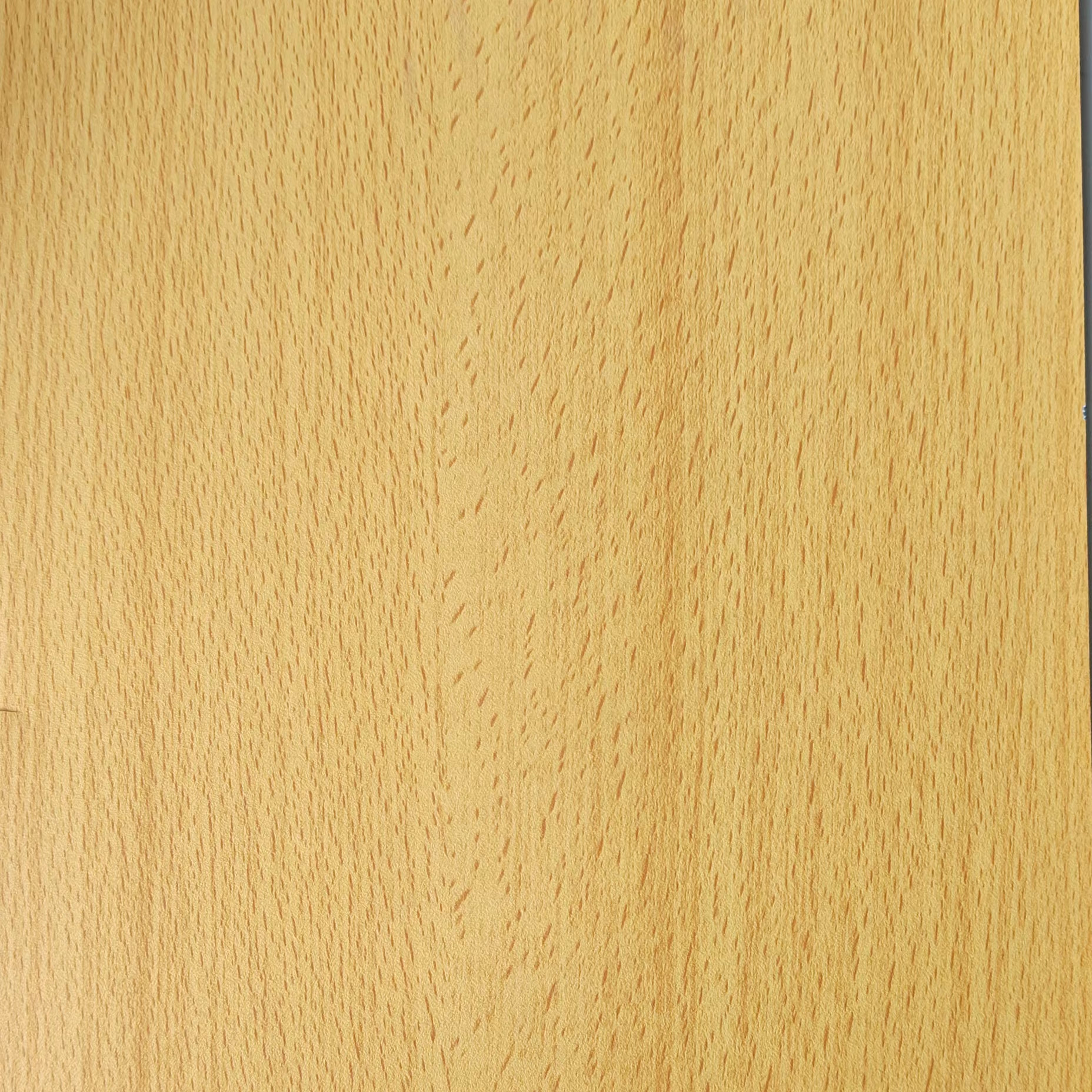
What “Top 10” Really Means in a Fragmented Decorative Panel Market
There is no single, independently audited global league table for decorative plywood exporters and wholesalers. Buyers should treat any top-10 claim as a starting point for due diligence, not as a substitute for commercial verification.
The phrase decorative plywood exporters and wholesalers is used broadly in international trade. It can refer to mills that produce plywood faced with natural veneer, factories that laminate plywood with high-pressure laminate (HPL), traders that consolidate melamine-faced MDF (HMR MDF), and suppliers that distribute compact laminate, exterior HPL and fire-retardant decorative panels. For procurement teams, the more useful question is not “who claims to be number one?” but “which supplier can prove consistent quality, traceable documents and reliable mixed-category supply?”
A decorative panel is rarely a single material. It is a system: substrate, adhesive, surface layer, edge treatment, packaging and application support. A plywood core might be poplar, birch, pine or mixed hardwood; the decorative face might be 0.7 mm HPL, 1 mm HPL, melamine-impregnated paper, compact phenolic laminate or natural veneer. The same visual finish can behave very differently in a bathroom, kitchen, laboratory, hotel corridor, retail display or exterior facade. That is why a genuine top-10 shortlist should be built around application fit, not around a generic catalogue photograph.
This guide uses “top 10” as a buyer’s scorecard. The ten checks below help importers, wholesalers, contractors and furniture manufacturers compare suppliers in a way that is consistent with E-E-A-T principles: experience in real applications, technical expertise, authority in documentation, and trustworthiness in inspection, communication and after-sales support. The objective is to reduce sample-to-container variance and make your specification easier to repeat from one order to the next.
For buyers in Europe, North America, the Middle East, Southeast Asia and Australia, the strongest suppliers are not necessarily the lowest bidders. They are the ones that can explain which board belongs in which application, supply coherent samples, verify batch consistency, prepare export documentation and react quickly when a container is being consolidated. That is the practical definition of an exporter worth keeping on your approved vendor list.
Contact UsInformation Gain: The 4 Layers Buyers Miss
- Substrate layer: plywood density, core species, glue line and thickness tolerance.
- Surface layer: HPL grade, wear resistance, gloss, texture and decor lot consistency.
- Compliance layer: E0/E1 formaldehyde, fire reaction, moisture resistance and test reports.
- Commercial layer: MOQ, mixed loading, packaging, inspection evidence and delivery communication.
Ten Criteria Serious Buyers Use to Rank Exporters & Wholesalers
This is the practical “top 10” list: ten evidence-based filters that separate a reliable decorative panel supplier from a catalogue with attractive photographs.
Verified Identity
Check business licence, company name, address, export experience and third-party assessment. Intertek verification or equivalent supplier assessment is useful evidence, but it should match the legal entity on the invoice.
Product Depth
A strong wholesaler can match substrate and surface: HPL, compact laminate, HMR MDF, plywood, LVL and door cores. Depth matters because your application may need one board for the face, another for the core and a third for wet areas.
Two-Stage Quality Control
Ask for material inspection at the partner mill and finished-product inspection before loading. Thickness, surface defects, edge condition, colour consistency and packing should be checked against the approved sample.
Emission & Fire Evidence
For MDF and plywood, specify E0 or E1 formaldehyde according to your market. For HPL and compact laminate, confirm fire-retardant options, moisture performance and any test reports promised in the quotation.
Surface Consistency
Decorative panels are visual products. Ask how the supplier controls decor lot, gloss level, texture depth, caliper and edge colour. A retained golden sample is more valuable than a screen image.
Customization Capability
Minor customization such as logo, packaging and graphics is often enough for distributors. Project buyers may need sample-based, design-based or full customization, plus ODM support for private-label ranges.
Mixed-Container Ability
Many importers need HPL sheets, MDF, plywood and door cores in one container. A wholesaler that consolidates multiple categories can reduce freight cost, inventory pressure and supplier administration.
Export Logistics
Confirm pallet packing, corner protection, moisture barrier, container loading plan and document accuracy. Loading photos and packing records are simple evidence that reduce disputes before they reach your warehouse.
Application Support
Cladding, toilet partitions, laboratory worktops and furniture edges all impose different demands. Technical guidance on cutting, edge banding, installation and substrate selection is a genuine differentiator.
After-Sales Discipline
Fast answers, clear responsibility and a process for claims matter more than polished marketing. Ask who will handle quality questions after shipment and how replacement or credit issues are documented.
2025–2030 Buying Trends for Decorative Plywood and Laminate Wholesalers
Procurement is moving away from “cheapest sheet per container” toward application-specific performance, documentation and lower total cost of ownership.
Compliance-Led Sourcing
Buyers are increasingly asking for E0/E1 formaldehyde evidence, fire performance documentation, legal wood information and clearer product declarations. A wholesaler that can supply consistent documents is easier to approve than one that must chase paperwork after the order.
Water and Fire Together
Projects in hospitality, healthcare, education and public transport often need both moisture resistance and fire-retardant performance. Dual-performance HPL, compact laminate and treated plywood are becoming specification defaults rather than optional upgrades.
Lightweight Furniture Boards
Furniture exporters are balancing panel strength with container weight. Lightweight plywood, HMR MDF alternatives, tubular chipboard door cores and LVL components help reduce freight and handling cost while keeping rigidity where it matters.
Mixed Loads and Lower Inventory Risk
Distributors prefer mixed-container programs that combine HPL sheets, compact laminate, melamine MDF and plywood. This reduces stock exposure and allows a wholesaler to test new decors without committing to a full container of one SKU.
Digital Sampling, Physical Approval
Online imagery speeds the shortlist, but physical samples still decide the order. Buyers now ask for digital mock-ups followed by retained physical samples, so colour, texture and reflection can be approved before production begins.
Total Cost, Not Sheet Price
Cutting waste, edge quality, replacement risk, installation speed and container utilization can matter more than a small per-sheet difference. Procurement teams are scoring suppliers on total landed value and repeatability rather than headline price alone.
Product Trends Shaping the Next Generation of Decorative Panels
Decorative plywood is becoming less of a commodity and more of an engineered interior system. These product directions are especially relevant for wholesalers building a differentiated range.
HPL as an Engineering Surface
High-pressure laminate is no longer used only for appearance. Wear resistance, moisture resistance, fire-retardant grades and exterior suitability are becoming selection criteria. Thin 0.7 mm to 1 mm HPL faces can upgrade a plywood or MDF core for cabinets, doors and wall panels.
Compact Laminate in Public and Wet Spaces
Self-supporting compact laminate is growing in toilet partitions, lockers, laboratory worktops and shower areas because it performs without a substrate. Thicknesses from 3 mm to 20 mm allow designers to specify a solid phenolic panel instead of a thin surface on wood.
Natural Texture, Deep Wood Grain
Digital décor and embossed surfaces are becoming more convincing. Buyers want synchronous wood grain, low-gloss finishes and tactile surfaces that look credible in close-up retail and hospitality environments, not just in catalogue photography.
Large Formats and Fewer Seams
Panels such as 1830 × 3660 mm reduce visible joints on walls and furniture. Larger formats require better handling, packing and installation planning, but they can create cleaner elevations and faster installation for commercial projects.
Low-Emission Substrates
E0 and E1 formaldehyde grades are now actively requested for MDF and plywood in many markets. Product development is focused on consistent resin systems, stable supply and documentation that lets importers answer regulatory questions with confidence.
Pre-Finished and Ready-to-Install
Factory-finished decorative panels reduce on-site coating, dust and labour. As construction schedules tighten, wholesalers will need to offer cut-to-size flexibility, edge-matched accessories and compatible installation details rather than only raw sheets.
Why Linyi Fipdm Is Built for B2B Panel Buyers
Linyi Fipdm Import And Export Co., Ltd. combines the product access of China’s largest wood-based panel cluster with a managed inspection and export process.
Located in Linyi, Shandong, Linyi Fipdm Import And Export Co., Ltd. is a verified trading company and multispecialty supplier serving global buyers of high-pressure laminates, compact laminate, chemical-resistant compact laminate, exterior HPL, fibreboards, flakeboards, plywoods, LVL timber, tubular chipboard and melamine-impregnated paper. Instead of asking you to coordinate many mills, we consolidate qualified partner factories into one accountable supply chain.
Our advantage is not simply access to boards. It is the process around the boards: on-site material inspection, finished-product inspection before loading, supplier assessment procedures, export-ready packaging and technical support for project buyers. For importers, distributors, shop fitters and furniture factories, this reduces the risk of receiving a container that looks correct in a photo but behaves differently on the production line.
How Our Supply Model Reduces Risk
- One contact: consolidate HPL, MDF, plywood, LVL and door cores without managing multiple mills.
- Two-stage QC: raw-material checks at the partner mill plus finished-board checks before loading.
- Project support: engineer service for cladding, partition and furniture installation questions.
- Custom programs: logo, package, graphics, sample-based, design-based and ODM development.
- Export documentation: seaworthy pallet packing and loading photos shared with every shipment.
Six Operational Advantages That Matter at Container Scale
A decorative panel supplier is only as strong as the controls behind the quotation. These are the capabilities that protect your repeat orders.
Two-Stage Quality Control
Material checks at the partner mill and finished-board inspection for thickness, surface, edges and packing before loading. This reduces the risk of colour drift, edge damage and substrate inconsistency.
Flexible Customization
Support for minor customization such as logo, packaging and graphics, plus sample-based, design-based and full customization. ODM support helps distributors build a private-label range without starting from zero.
Multi-Category Consolidation
Combine HPL, compact laminate, MDF, plywood, LVL and door cores in one container. Mixed loading cuts freight and administration costs and makes it easier for smaller importers to test several products at once.
On-Site Technical Support
Engineer support for installation guidance on cladding, partition and furniture projects. This is valuable when a buyer needs to confirm substrate selection, edge detailing or handling requirements.
Low-Emission Board Options
E0 and E1 formaldehyde grades are available for selected MDF and plywood lines. Tell us your destination market standard when requesting a quotation so the board and documentation can be matched to your compliance needs.
Export-Ready Logistics
Export documentation, seaworthy pallet packing and loading photos for every shipment. Clear communication at the loading stage protects both buyer and supplier when containers move through multiple ports.
Common Questions from Decorative Panel Importers
These are the questions buyers ask most often before requesting samples, confirming a mixed container or adding a decorative panel range to their catalogue.
Are you a manufacturer or a trading company?
Linyi Fipdm Import And Export Co., Ltd. is a verified trading company and multispecialty supplier. We source from vetted partner mills in Linyi and manage on-site material inspection plus finished-product inspection before shipment. This gives buyers one accountable contact across many board types.
What is the difference between HPL sheets and compact laminate?
Standard HPL is a thin decorative surface, typically around 0.7 mm, bonded to MDF, particle board or plywood. Compact laminate is a self-supporting solid phenolic panel, commonly 3–20 mm thick, used without a substrate for toilet partitions, laboratory worktops, table tops and exterior cladding.
Which formaldehyde emission grades can you supply?
MDF and plywood lines can be supplied in E0 and E1 emission grades depending on the product and market requirement. Include your destination country and target standard in the inquiry so we can match the right board, adhesive system and documentation.
Can you customize sizes, colours and packaging?
Yes. We support minor customization such as logo, packaging and graphics, as well as sample-based, design-based and full customization. ODM services are also available for distributors who want a consistent private-label program.
Can I mix different products in one container?
Yes. Mixed loads of HPL, compact laminate, MDF, plywood, LVL and door cores are a core part of our service. This helps smaller importers reach efficient container utilization while testing several product families in one order.
What quality evidence can I receive before shipment?
Evidence can include material inspection notes, finished-product inspection records, thickness and surface checks, packing photos and container-loading photos. The exact scope should be agreed in the quotation or purchase order so both sides know what will be documented.
Do you provide samples for colour and surface approval?
Yes. For decorative panels, a physical sample is strongly recommended before bulk production. Confirm the decor, gloss level, texture, substrate, thickness and edge requirements, then retain an approved sample as the reference for production and inspection.
What should I include in an inquiry?
Send the application, product type, size, thickness, substrate, surface finish, quantity, destination market, required emission or fire standard, packaging preference and delivery schedule. Clear input helps the export team respond with matched options instead of generic prices.
Planning a Lower-Risk Decorative Panel Order?
Send your sizes, thickness, finish, substrate, target market and mixed-container requirements. Our export team will compare suitable HPL, compact laminate, MDF, plywood and door-core options and reply with a practical specification path.