8 Panels to Shortlist for OEM/ODM Wood Grain MDF Programs
These eight products cover the practical buying routes around wood-grain MDF: decorative HPL surfaces, high-pressure compact boards, large-format laminates, laser-grade plywood and fire-resistant plywood. Product URLs and images are preserved so purchasing teams can move from search intent to a technical shortlist without losing the original item reference.
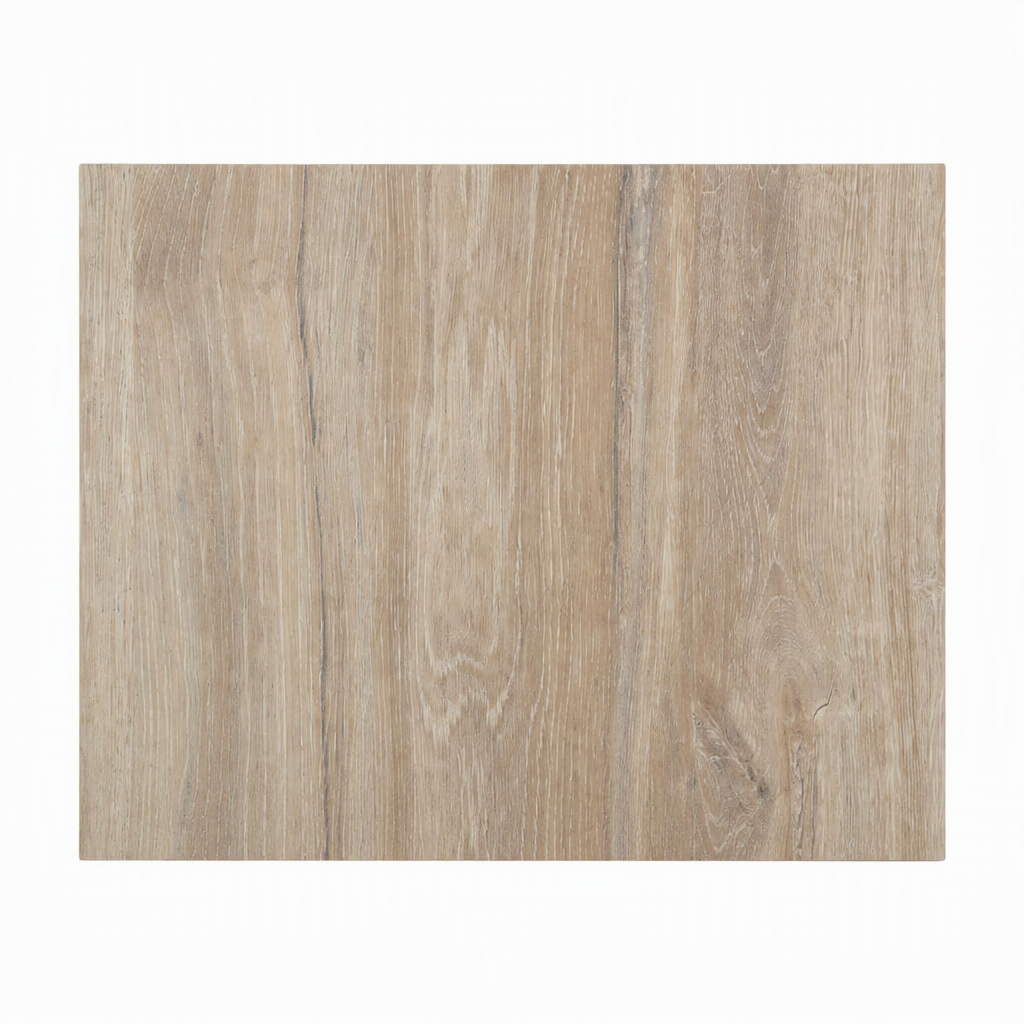
1mm Light Wood Grain HPL Decorative Laminate Panel Waterproof Fire Resistant Modern Design
A pale wood-grain decorative skin for cabinet doors, wardrobe fronts and retail fixtures. Pair it with a moisture-suitable MDF core and sealed edging to protect the full panel build.
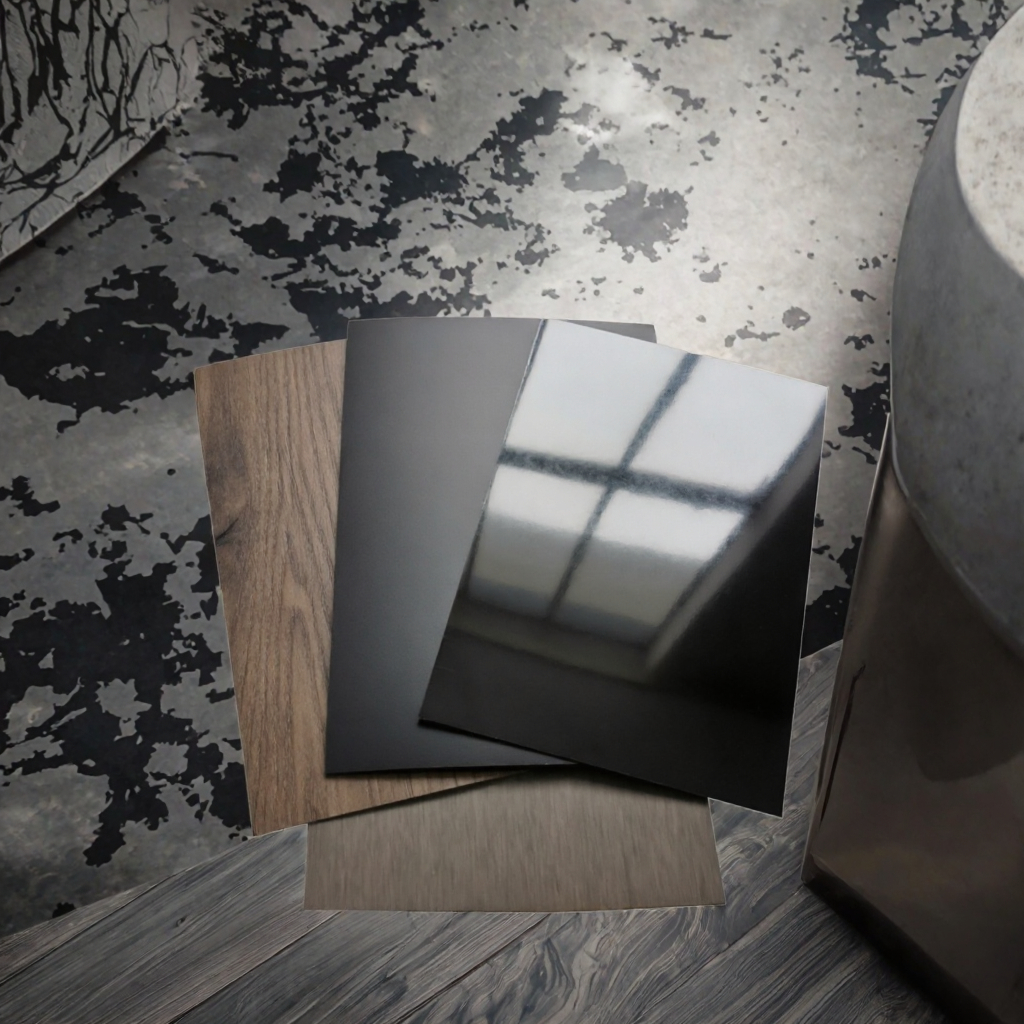
Glossy Black HPL Laminate Sheet Formica Decorative Panel for Interior Furniture Laboratory Table
A high-gloss black surface for laboratory tables, reception counters and dark furniture ranges. Sample-check fingerprint visibility, scratch expectations and cleaning-agent compatibility before production.
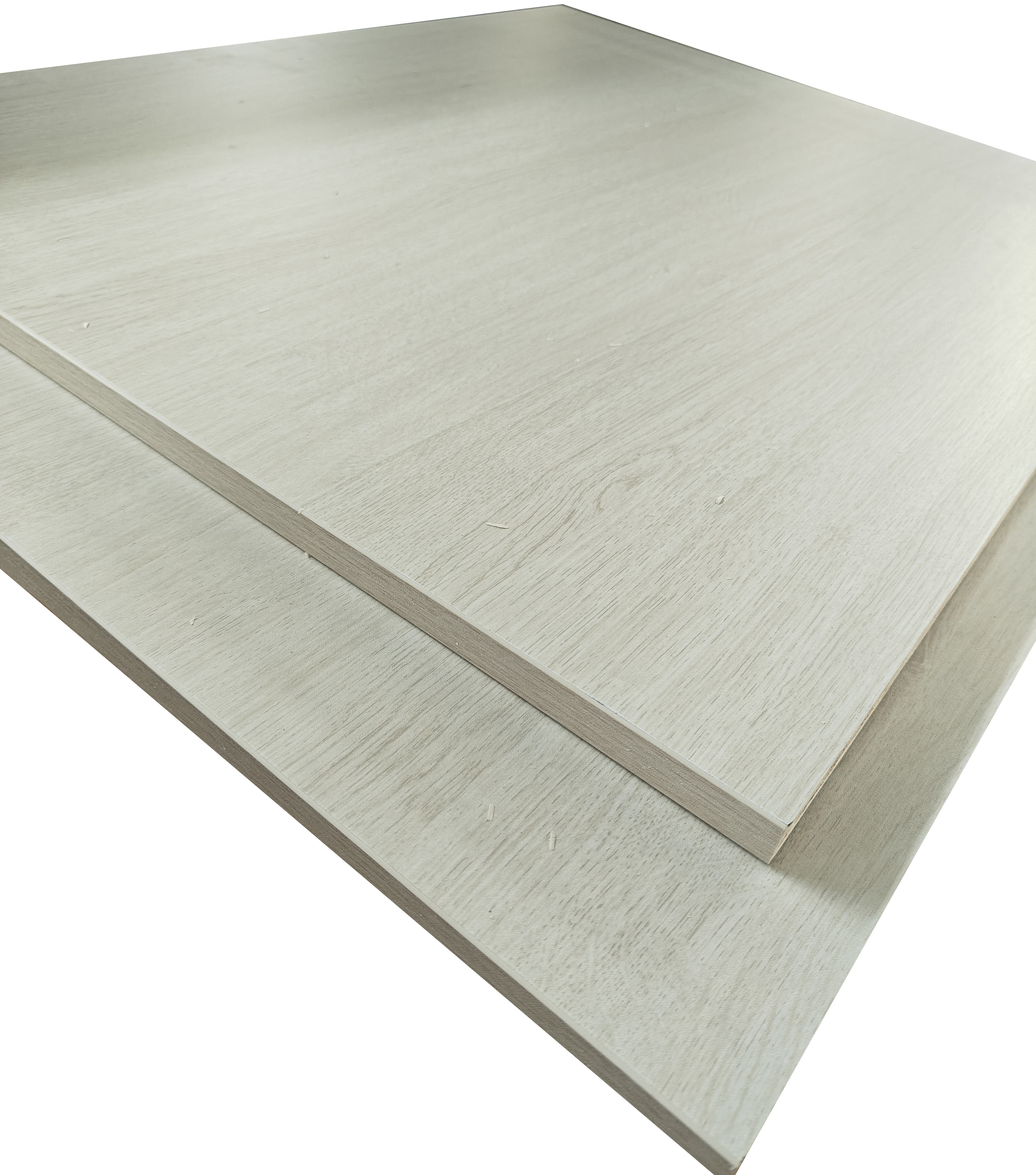
Linyi Supplier Professional HPL Formica Plywood for Furniture High Pressure Phenolic Resin HPL Compact Laminate Board
A compact HPL plywood option for furniture frames and wet-zone fixtures. Useful when a buyer needs to consolidate laminate, plywood and project-grade phenolic boards in one shipment.
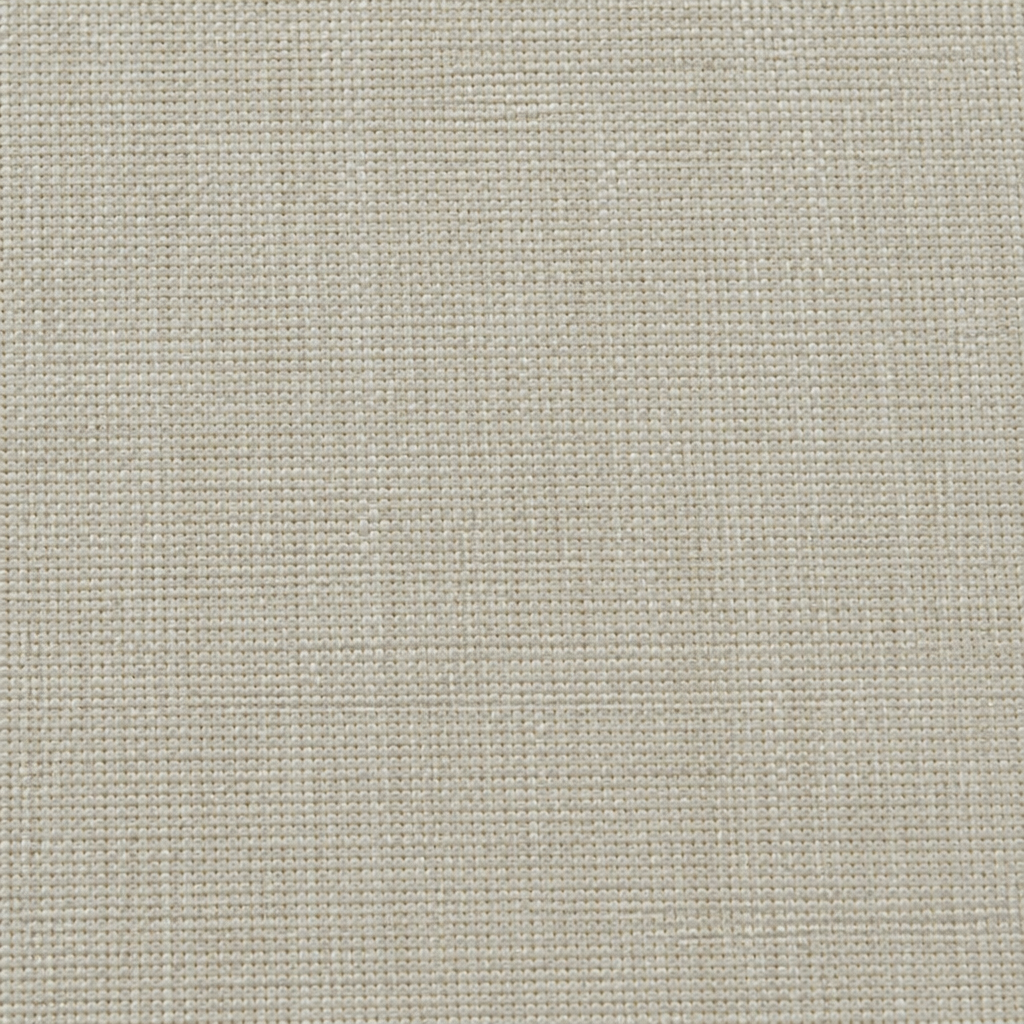
1830*3660mm Light Beige Gray Waterproof Fire Resistant Decorative Laminate Sheet
A large-format decorative sheet that reduces visible joints on wall panels, door faces and feature surfaces. Check lift access, cutting plan, grain direction and batch traceability before order confirmation.
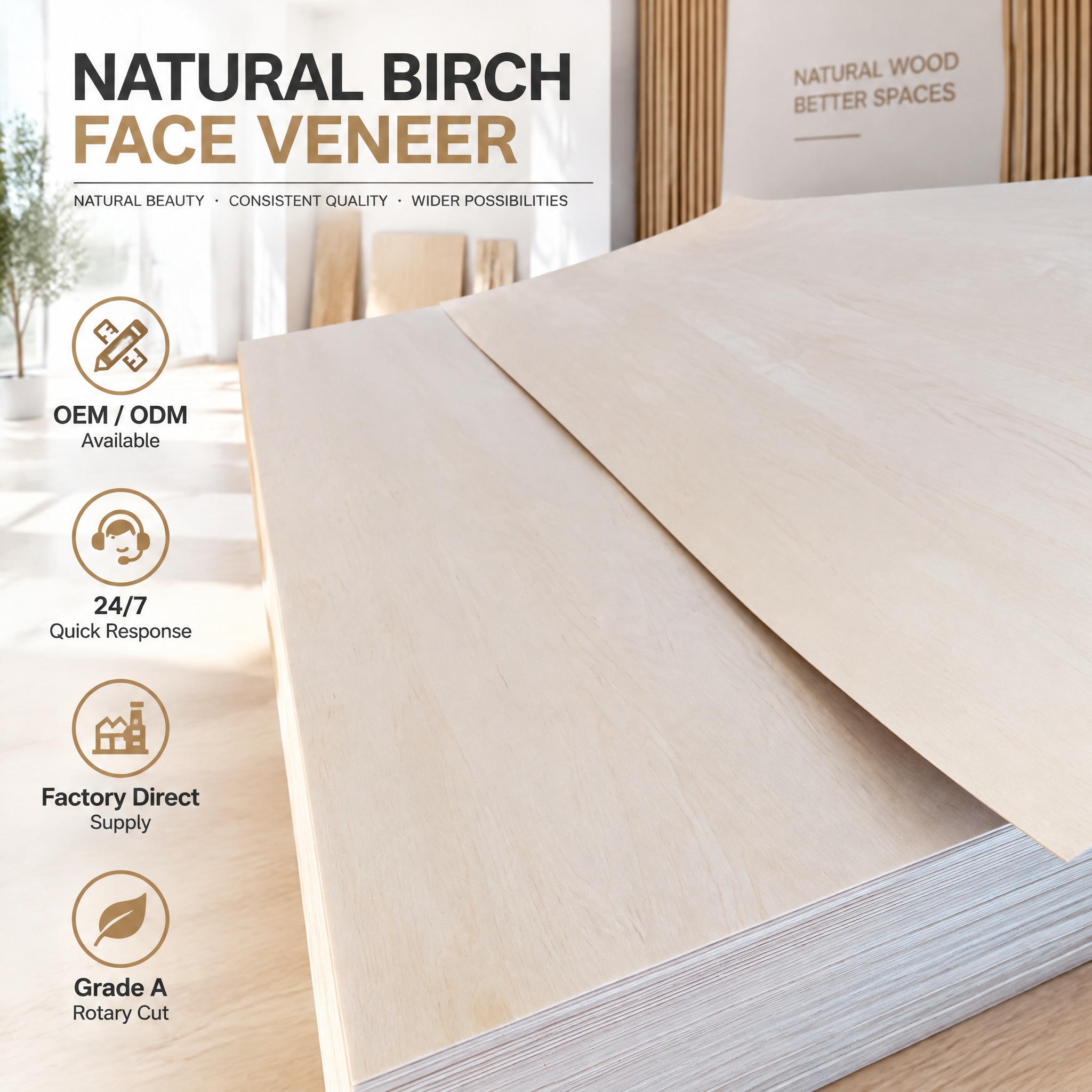
Sanded Basswood Plywood Sheets with Birch Veneer Double-Sided E0 Decorative Wood Panels for Laser Cutting Furniture
Thin basswood and birch veneer panels for laser-cut decorative layers, furniture details and craft products. The E0 option supports low-emission positioning for sensitive markets.

HPL Plywood E0 Fire Resistant Sanded Surface Double-Sided Decoration 4X8 18mm Furniture Plywood
An 18 mm E0 HPL plywood for furniture structures and load-bearing interior parts. Suitable for buyers who need fire-resistant decorative plywood and mixed-category consolidation.
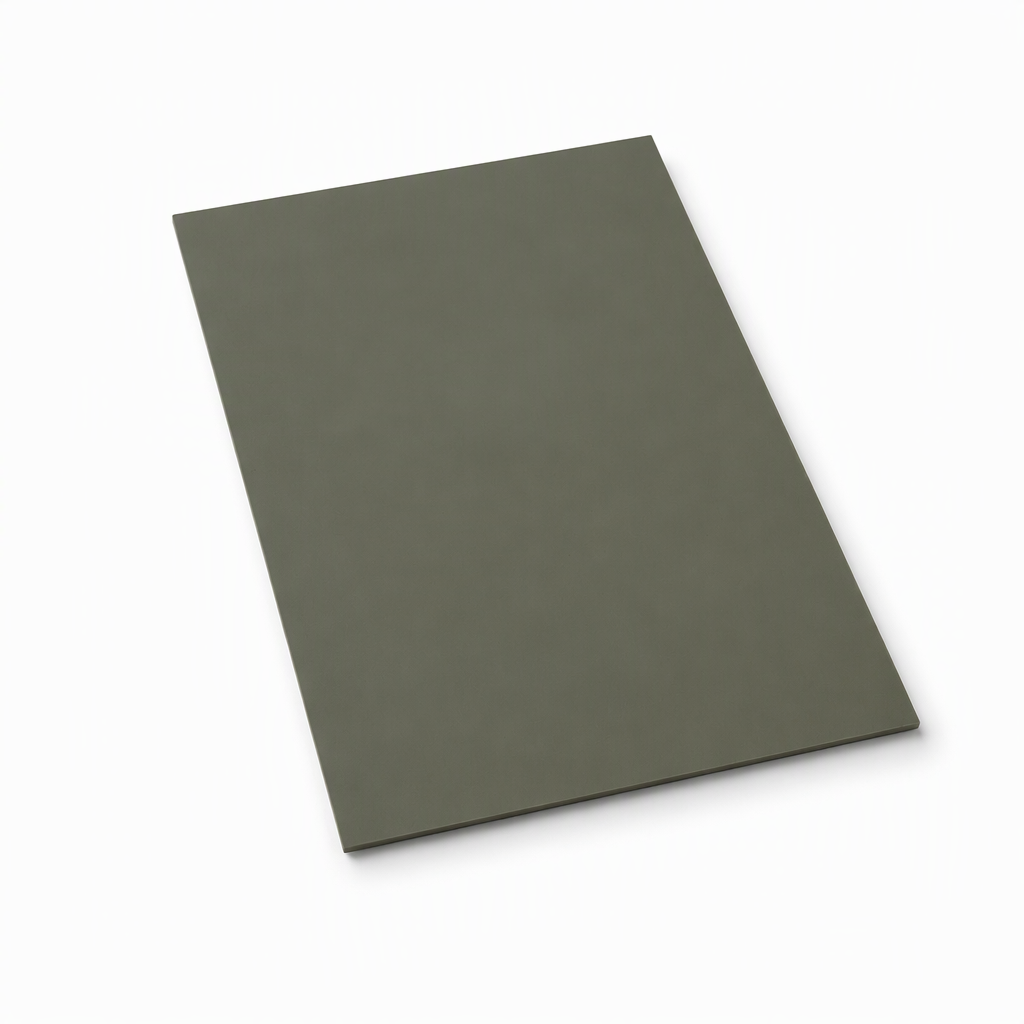
1230*2450mm Grey Green HPL Sheet Decorative High Pressure Laminate Panel for Furniture Interior
A muted grey-green HPL for furniture and interior cladding where tone consistency matters. A practical choice for office furniture, private-label palettes and coordinated MDF cabinet programs.
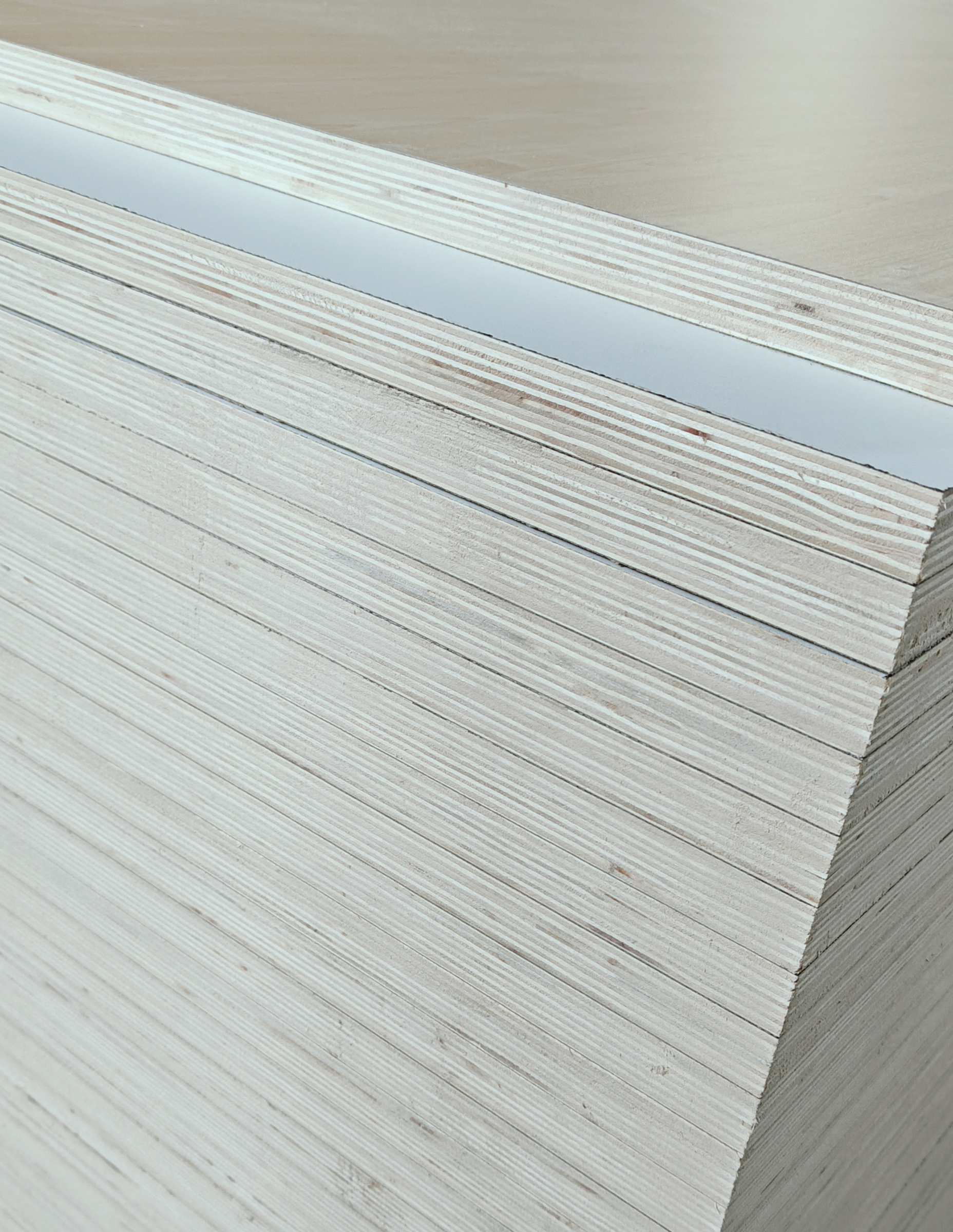
Modern Design Chinese Marine HPL Poplar Plywood E0 Fire Resistant Sanded Surface 4X8 15mm 1220X2440 Construction Sheet Price
Marine HPL poplar plywood for construction and furniture in humid environments. Confirm glue class, edge sealing and destination-market E0 documentation before final purchase.
What Serious Buyers Compare Before Choosing OEM/ODM Wood Grain MDF Exporters
The phrase OEM/ODM wood grain MDF exporter can hide very different business models: a single mill, a trading company with vetted mills, a stockist, or a project coordinator that combines boards, laminate and hardware. For a purchasing team, the real question is not only who can print a wood grain, but who can keep the substrate, surface, adhesive, dimensions and documentation aligned across repeated orders.
Wood grain MDF is a system product, not just a colour reference. The MDF core affects machining, screw-holding and thickness stability. The decorative surface — melamine paper, HPL, veneer or coating — controls visual depth, scratch resistance and cleanability. Edge banding, backing, packaging and moisture protection determine whether the panel arrives in the same condition as the approved sample. That is why experienced buyers compare export partners on specification control, not price alone.
A reliable exporter should be able to show how panels are inspected before loading, how colour lots are tracked, how E0 or E1 declarations are matched to destination regulations, and how mixed orders are consolidated. Linyi Fipdm Import And Export Co., Ltd. works from Linyi, Shandong, China’s large wood-based panel cluster, with intertek-assessed supplier verification and on-site material and finished-product inspection before shipment. For OEM and ODM buyers, that means one accountable contact can coordinate HPL, MDF, plywood, compact laminate, LVL and door-core materials while keeping the wood-grain programme consistent.
This guide is written as a practical white paper for importers and specifiers. It uses product recommendations, procurement trends, development trends and a buying FAQ to reveal what is often missed in a normal supplier catalogue: the hidden variables that decide whether a wood-grain MDF order is profitable after installation.
Six specification questions that change the quote
- Core density and thickness tolerance of the MDF substrate
- Decorative surface: melamine, HPL, veneer or UV coating
- Moisture resistance, fire performance and E0/E1 class
- Grain direction, synchronised texture and batch colour tolerance
- Edge-band match, backing face and machining trial requirements
- Inspection evidence, packing method and loading photographs
Product Recommendations by Real Use Case
Matching the panel to the application is the fastest way to avoid over-specification, under-specification and after-sales claims. The recommendations below connect wood-grain MDF programmes with the decorative and structural boards most often requested in the same container.
Cabinet doors and wardrobes
Use wood-grain melamine MDF or HPL-faced MDF where a consistent indoor grain and clean edge are priorities. The 1 mm light wood-grain HPL above is a strong reference for pale oak-style fronts when paired with a stable core and matching edge band.
Wet areas and vanity furniture
Standard MDF should not be treated as a bathroom solution unless the edge, back and fixing points are fully protected. Specify moisture-resistant MDF with a high-quality HPL skin, or step up to compact laminate where water, impact and cleaning agents are part of daily use.
Laboratory and shop worktops
For laboratory tables and shop counters, compact laminate and chemical-resistant HPL surfaces are more relevant than ordinary decorative MDF. The glossy black HPL product above is a good starting point for interior furniture and laboratory tables, subject to sample approval for the actual chemical and abrasion exposure.
Exterior and balcony panels
Exterior HPL cladding and marine HPL plywood belong in a different performance class from standard indoor MDF. Verify UV stability, water absorption, fixing details and edge protection. For facades, request a cutting plan and installation guidance before the laminate is produced.
Laser cutting and crafts
For laser-cut decorative panels, uniform veneer quality and a clean cut matter more than a decorative paper image. The sanded basswood plywood with birch veneer above is aimed at furniture details, models, signage and craft items where low char and consistent thickness are valued.
Door cores and lightweight interiors
Wood-grain MDF is often specified together with lightweight door cores, plywood and LVL. Buying these categories from one coordinated supply chain reduces container planning risk and makes it easier to maintain one set of inspection photos for the whole project.
Where Wood Grain MDF Wins — and Where It Should Not Be Used Alone
A technical comparison helps procurement teams separate decorative value from performance value. The table is intentionally practical: it focuses on the variables that create claims, delays and rework after delivery.
| Material route | Visual depth | Moisture / impact | Best-fit use | Procurement watch-out |
|---|---|---|---|---|
| Wood-grain melamine MDF | Good for coordinated furniture colour, repeated grain and cost-controlled ranges. | Moderate. Edge sealing and moisture-resistant core are essential in humid rooms. | Bedroom furniture, office storage, shop fixtures, interior wall panels. | Confirm paper weight, texture code, batch colour tolerance and substrate density. |
| HPL-faced MDF or HPL-faced plywood | Stronger tactile and visual realism; wider choice of gloss, matte and texture. | Higher surface durability when the HPL grade suits the application. | Contract furniture, laboratory tables, hotel interiors, high-use counters. | Check HPL thickness, adhesive line, backing balance and post-forming requirements. |
| Compact laminate | Solid-colour, wood-grain or textured phenolic surfaces with a technical appearance. | High water and impact resistance; suitable for wet and public environments. | Toilet partitions, lockers, lab worktops, shower cubicles, exterior furniture. | Specify thickness, fixing method, edge finish and fire test evidence. |
| Marine HPL plywood | Wood-grain or coloured HPL over a plywood core. | Good structural performance with suitable glue and edge protection. | Construction sheets, humid interiors, transport and marine-adjacent projects. | Verify glue class, E0/E1 claim, void content and loading protection for export. |
For OEM/ODM wood-grain MDF programmes, a sample approved on a small chip may not represent a full 4×8 or 1830×3660 mm sheet. Always approve a production-size sample with the intended edge band, backing and finish.
Why Linyi Fipdm Is a Practical OEM/ODM Partner
Linyi Fipdm Import And Export Co., Ltd. is a verified trading company and multispecialty supplier based in Linyi, Shandong, China. The company combines laminates, fibreboards, flakeboards, plywoods, LVL and new-material boards from qualified partner mills into one managed supply chain for importers, distributors and furniture factories.
The commercial value of working with an experienced exporter is not simply an extra layer between buyer and mill. It is the ability to match the right mill to the right board, inspect material before it becomes a finished order, coordinate several product families in one container, and provide documentation and loading evidence that a project buyer can use. Linyi Fipdm’s operating model is built around that coordination role.
Current trust signals include an Intertek-assessed supplier profile, a #4 top-selling position in the Plywoods category, nine years in the industry, eight dedicated staff and a 5.0 buyer rating. The company offers on-site material inspection, finished-product inspection, supplier assessment procedures, minor customization for logo, packaging and graphics, sample-based customization, design-based customization, full customization and ODM services. For wood-grain MDF and matching decorative boards, these capabilities matter because so many claims fail at the interface between substrate, surface and packing.
Technical support is also available for project buyers, including installation guidance for cladding, partition and furniture applications. Low-emission E0 and E1 options are available depending on the product line, so the correct board can be matched to the destination market rather than forced into a single default specification.




Two-stage quality control
Material checks at the partner mill plus finished-board inspection for thickness, surface and edges before loading.
Flexible OEM/ODM
Logo, packaging, graphics, sample-based, design-based and full customization, plus ODM development for distributors.
Multi-category consolidation
Combine HPL, MDF, plywood, LVL and door cores in one container to reduce freight and administrative cost.
On-site technical support
Engineer guidance for project buyers working with cladding, partition, table-top and furniture applications.
Low-emission options
E0 and E1 formaldehyde grades are available depending on the MDF and plywood product line.
Export-ready logistics
Export documents, seaworthy pallet packing and loading photos shared with the shipment file.
Future Procurement Trends for Wood Grain MDF and Decorative Panels
Buyer behaviour is shifting from “find the lowest price per sheet” toward “secure a predictable programme with evidence.” The strongest exporters will be those that can support compliance, colour consistency and mixed-category logistics without slowing down the buyer’s product development cycle.
Compliance-first sourcing
Low-emission E0/E1 boards, fire-resistant specifications, water-resistant cores and project documentation are becoming part of the normal inquiry rather than a premium request. Buyers want to know which standard is being claimed, which product line supports it, and what evidence will be included in the shipment file. A wood-grain MDF exporter that cannot explain the difference between a board test report, a supplier declaration and a project-specific certificate will struggle in regulated markets.
Smaller buyers need container intelligence
Distributors and furniture factories increasingly want mixed loads: some HPL for a wood-grain range, some compact laminate for wet areas, some plywood for structural parts and some door cores for a separate customer. Mixed-container consolidation reduces inventory risk and lets a buyer test several materials in one shipment. The export partner must therefore be strong in load planning, pallet labelling and product segregation, not only in manufacturing one panel.
Sampling speed becomes a growth lever
Colour chips are no longer enough. Buyers want a production-size sample with the intended texture, edge band, backing and substrate. Fast sampling shortens the approval loop and reduces the risk of a container arriving with a grain direction, gloss level or colour batch that the customer’s design team rejects.
Data-led supplier scorecards
Buyers are tracking sample approval time, inspection findings, loading accuracy and repeat-order colour consistency.
Thin HPL over engineered cores
Designers continue to combine thin decorative HPL with MDF or plywood for a premium look without solid-panel weight.
Shorter development cycles
Private-label ranges need repeatable wood grains and fast sample turns rather than long, single-product development.
One supplier, multiple materials
Procurement teams are consolidating HPL, MDF, plywood and door cores to reduce supplier administration and freight waste.
What the Next Wood-Grain MDF and HPL Range Will Look Like
The next buying cycle will reward exporters who can translate design language into reproducible specifications. “Looks like oak” is not a specification. A production-ready brief needs surface code, grain direction, gloss level, texture depth, substrate class and packing protection.
Synchronised wood grain
Texture and printed decor alignment creates a more convincing natural wood effect. Buyers should request a close-up sample under both warm and cold lighting, because the same grain can look very different in a showroom and a finished interior.
Super-matte and anti-fingerprint surfaces
Matte and low-reflection finishes continue to grow in furniture and interior design. For high-touch surfaces, verify cleaning behaviour, scratch resistance and whether the anti-fingerprint effect is in the surface or only a temporary coating.
Larger formats and fewer joints
Sheets such as 1830×3660 mm reduce visible seams on doors, wall panels and feature surfaces. The trade-off is handling, cutting loss and transport protection. Confirm access to the installation site before choosing a large format.
Exterior, wet-zone and fire-rated systems
Decorative surfaces are moving into more demanding environments. Exterior HPL, compact laminate and fire-resistant plywood require different fixing and edge-protection logic from ordinary indoor MDF furniture.
Information gain: the eight lines a serious RFQ should contain
To compare OEM/ODM wood-grain MDF exporters fairly, write the inquiry in a way that reveals total programme risk. Include: (1) target application and daily exposure, (2) substrate type, density and thickness, (3) decorative surface and texture code, (4) E0/E1, fire or moisture claim, (5) sheet size and grain direction, (6) edge-band or backing requirement, (7) sample approval process and (8) destination-market documentation. Buyers who provide these details receive faster, more comparable quotations and avoid the common trap of comparing an indoor decorative chip with a technically different project panel.
Procurement Checklist Before Releasing an OEM/ODM Wood Grain MDF Order
Use this checklist as a pre-order control. It is especially useful when the same supplier is also providing HPL, plywood, compact laminate or door cores in the same container.
| Stage | What to specify | Evidence to request | Commercial reason |
|---|---|---|---|
| Brief | Application, environment, substrate, size, thickness, surface texture, grain direction and emission class. | Written datasheet, product code, sample availability and packing method. | Prevents quotation on a board that cannot survive the intended use. |
| Sample | Production-size sample with matching edge band, backing, gloss level and texture. | Sample approval record, batch reference and lighting notes. | Reduces colour, gloss and grain-direction disputes after delivery. |
| Production | Material batch, thickness tolerance, adhesive line and surface protection. | In-process check sheet and material inspection note. | Keeps repeat orders consistent and gives the buyer a traceable quality trail. |
| Inspection | Surface, edges, dimensions, moisture protection, pallet strength and label accuracy. | Finished-product inspection photos and loading photos. | Reduces hidden damage and supports a cleaner claim process if an issue appears. |
| Shipping | Container mix, pallet plan, moisture barrier, corner protection and document set. | Packing list, loading sequence and export documents. | Improves arrival quality and helps the buyer plan unloading and storage. |
Questions Buyers Ask Before Working With Wood Grain MDF Exporters
These answers are written for purchasing teams who need practical decision support, not sales language. Final specifications still need to be confirmed against the approved sample and destination-market requirements.
Are you a manufacturer or a trading company?
Linyi Fipdm Import And Export Co., Ltd. is a verified trading company and multispecialty supplier. The company sources from vetted partner mills in Linyi and coordinates on-site material inspection and finished-product inspection before shipment. For buyers, the advantage is one accountable contact across HPL, MDF, plywood, compact laminate, LVL and door-core categories.
What is the difference between HPL sheets and compact laminate?
Standard HPL is a thin decorative sheet, often around 0.7 mm, bonded to a substrate such as MDF, particle board or plywood. Compact laminate is a self-supporting solid phenolic panel, commonly 3–20 mm thick, used without a substrate for toilet partitions, laboratory worktops, table tops and exterior cladding where water and impact resistance matter.
Which formaldehyde emission grades can you supply?
MDF and plywood are available in E1 and E0 grades depending on the product line. Buyers should state the destination market and the exact compliance route in the inquiry so the correct board, documentation and packing file can be matched. Do not assume that every decorative panel in a mixed load has the same emission class.
Can you customize sizes, colours and packaging for OEM/ODM programmes?
Yes. The company offers minor customization such as logo, packaging and graphics, as well as sample-based, design-based and full customization and ODM services. For wood-grain MDF ranges, the most important customization inputs are surface code, texture, grain direction, substrate class, thickness, edge-band match and private-label packaging.
Can different products be mixed in one container?
Yes. Mixed loads of HPL, compact laminate, MDF, plywood, LVL and door cores are a core part of the service. This is particularly useful for distributors and furniture factories that want to test several materials or serve more than one customer segment without over-ordering a single SKU.
How can a buyer control wood-grain colour variation between batches?
Approve a production-size sample, record the surface code and supplier batch reference, and define an acceptable colour tolerance against a physical master sample. Ask for grain direction, gloss level and texture to be written into the order confirmation. For repeat programmes, keep a sealed reference sample and compare each new production lot under the same lighting.
What should be included in an RFQ for wood grain MDF?
Include the application, indoor or humid exposure, substrate type and density, thickness, sheet size, grain direction, surface type, E0/E1 or fire requirement, edge-band requirement, packing method, target market and expected order pattern. If the board will be machined or laser-cut, say so, because machining behaviour and edge quality can change the correct substrate choice.
How is quality checked before shipment?
A practical control process covers material inspection at the partner mill and finished-product inspection before loading. Buyers should request evidence for thickness, surface defects, edge quality, labels, pallet packing and loading photos. For HPL and compact laminate, confirm the face and back are protected, and for MDF confirm that edges and corners are packed against shipping moisture.
Do you provide samples and technical guidance for project buyers?
Yes. Sampling and technical discussion are part of the pre-order process. Provide drawings, application photos, target performance and market standard where possible. The more context the export team receives, the easier it is to recommend the correct combination of wood-grain MDF, HPL, compact laminate, plywood or door core for the project.
Planning an OEM/ODM Wood Grain MDF Programme?
Send your sizes, thickness, surface code, grain direction, E0/E1 or fire requirement, edge-band match, packing preference and target market. The export team can return matched options across HPL, MDF, compact laminate, plywood, LVL and door cores — including mixed-container consolidation and inspection evidence before loading.
info@fipdmplywoods.com