8 Focused Products for Wood Grain Laminate OEM/ODM Buyers
This shortlist is designed for importers, distributors, furniture factories and project buyers who need more than a color card. Each product below represents a different application logic: thin decorative HPL for wall panels, HPL-faced plywood for cabinets, marine plywood for construction, lightweight furniture boards and wear-resistant laminates for kitchens. Product links and image paths are preserved so your team can move from evaluation to specification quickly.
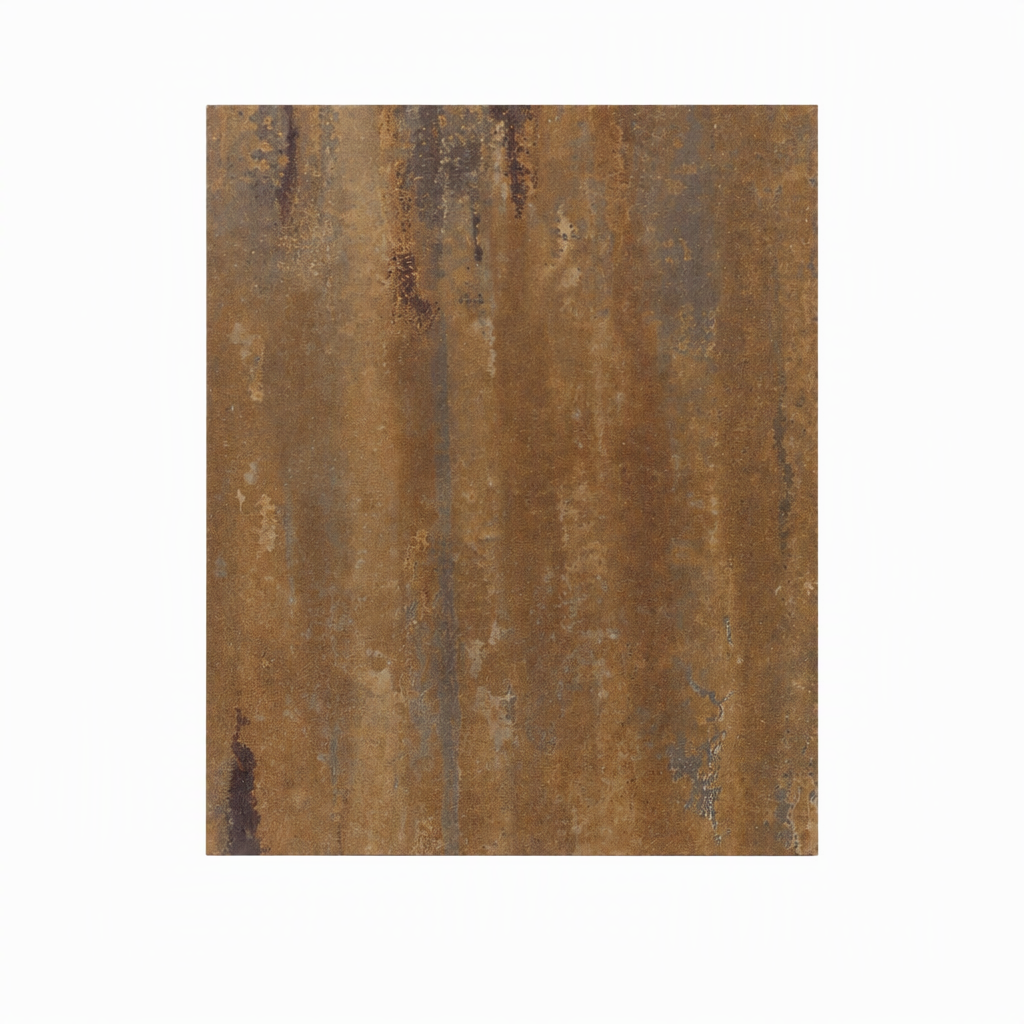
0.8mm Brown Stone Look HPL Decorative Laminate Sheet Interior Wall Panel
A thin decorative laminate for interior wall surfaces where a stone-inspired brown tone must combine with laminate cleanability and efficient panel yield.
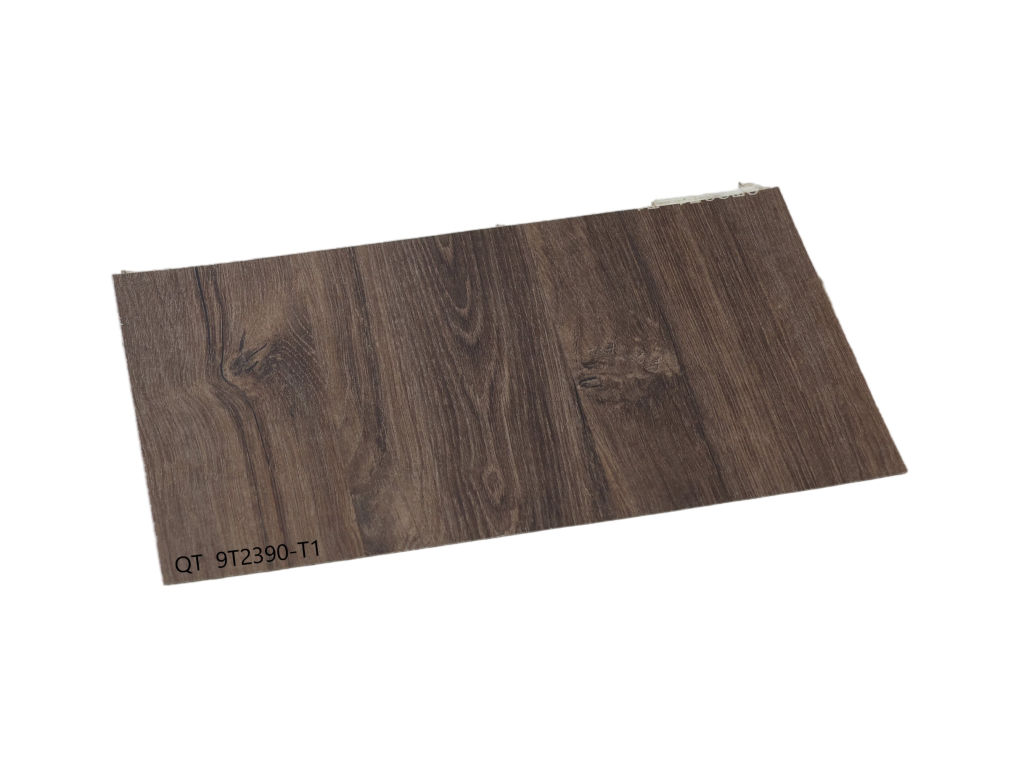
Dark Brown Decorative Panel HPL Sheet QT 9T2390-T1 Interior Wall Cladding
A deep brown decorative HPL for wall cladding and interior feature surfaces in hospitality, retail and office environments where visual noise must stay low.

Modern Design Chinese Marine HPL Birch Plywood Construction 4X8 15mm Glossy Sheet E1 Faced Faced 1220X2440 Price
A 15 mm glossy HPL-faced birch marine plywood in a 1220×2440 mm format, positioned for furniture and construction applications that need a bright finish and a stable core.
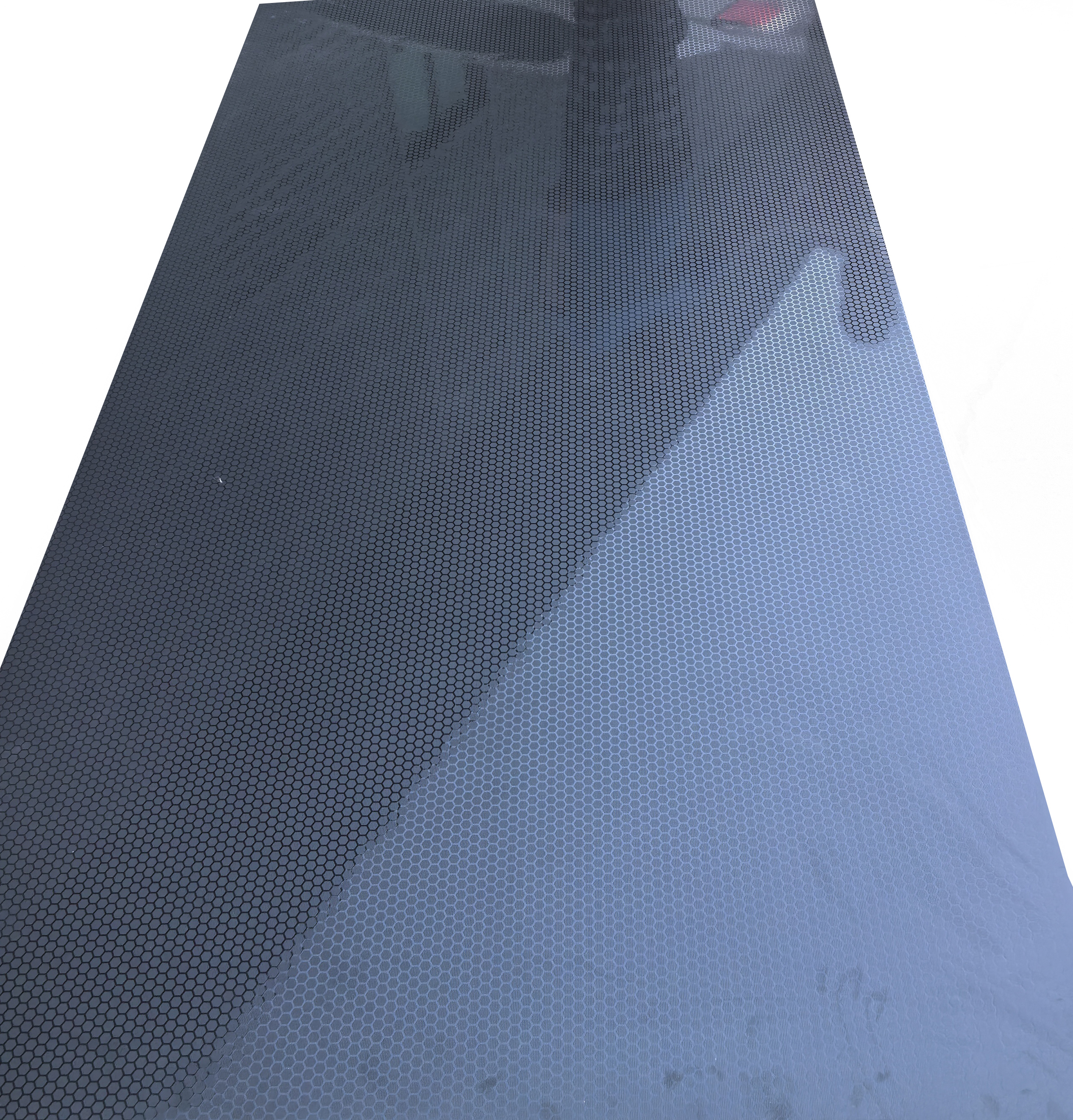
Factory Wholesale 18mm HPL Film Melamine Plywood Modern Design Style 1-Year Warranty E0 Standard Birch Laminated Plywood
An 18 mm E0 birch HPL/melamine plywood offered through factory wholesale channels, suitable for furniture makers seeking a ready-to-use decorative board.
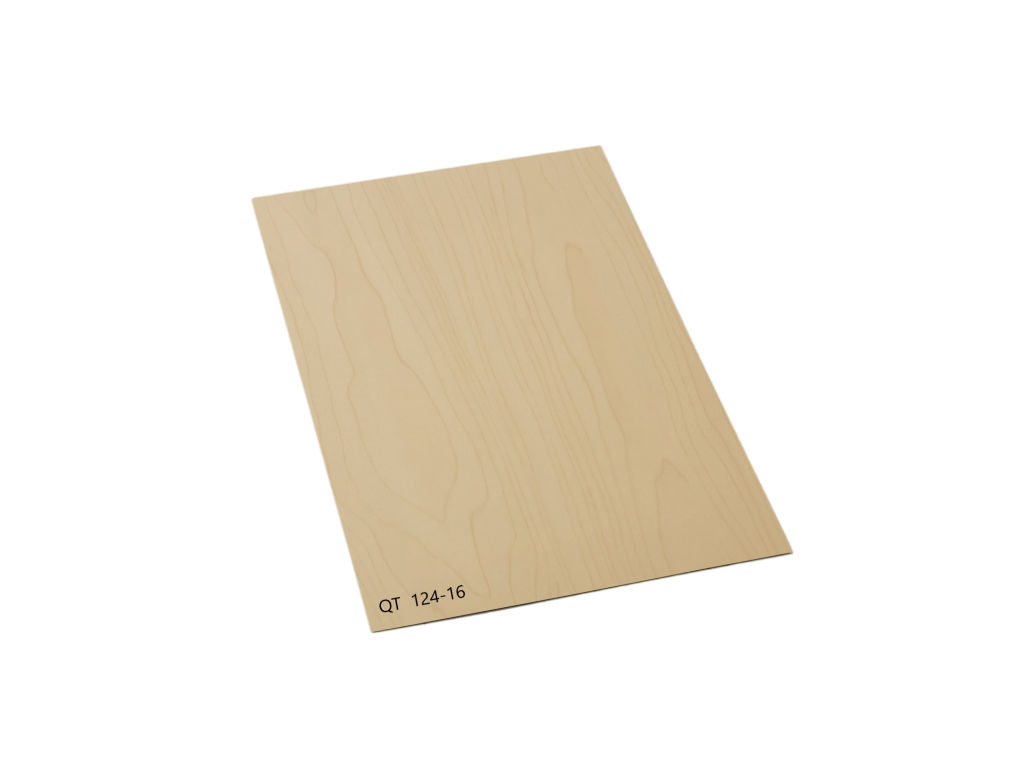
Light Wood Grain HPL Decorative Laminate Sheet Phenolic Resin Panel for Interior Wall and Furniture
A light wood grain HPL with phenolic resin, recommended for Scandinavian-style interiors, retail fixtures and cabinet fronts that need a natural pattern without solid timber maintenance.
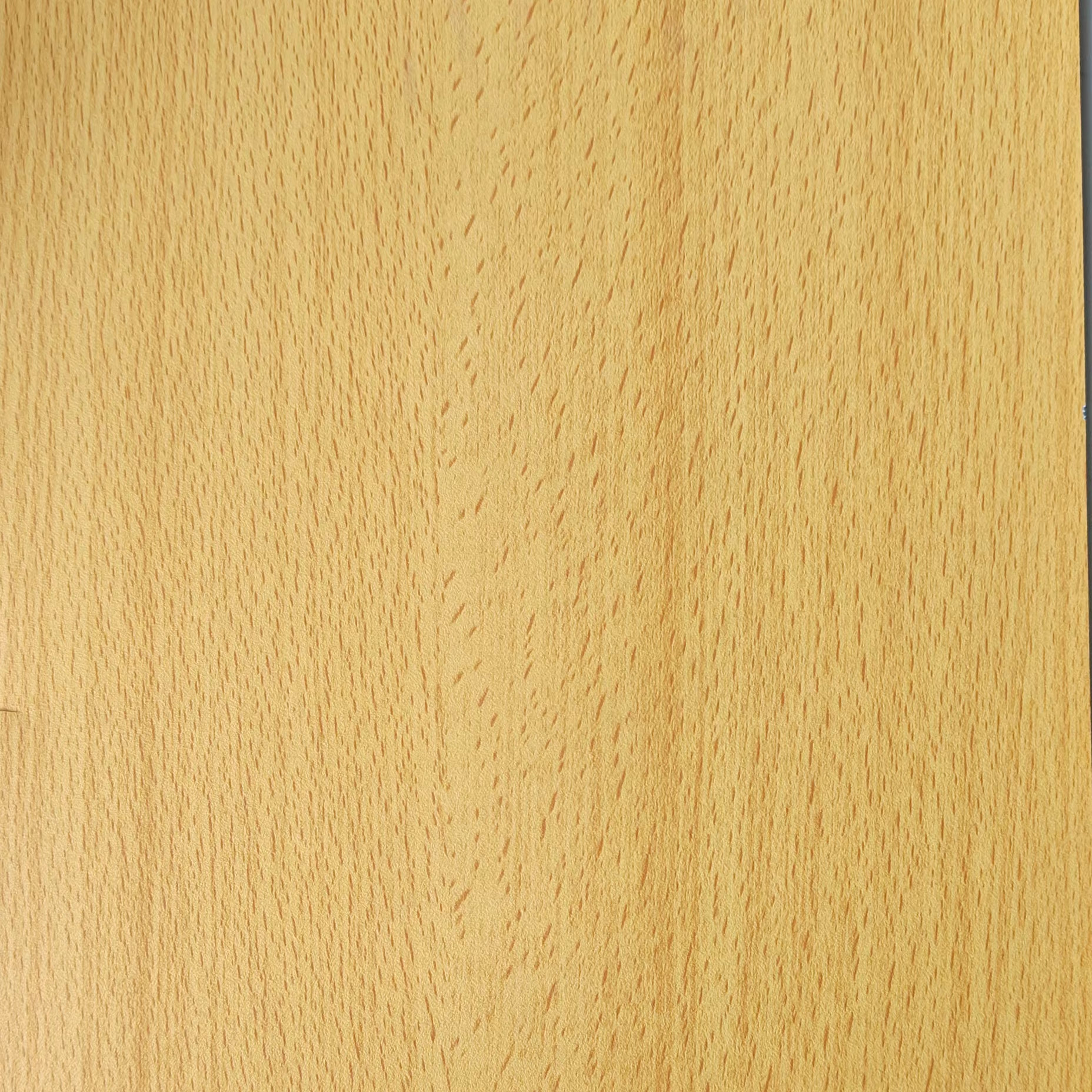
China Hpl Manufacture Lightweight Furniture Plywood with Wood Grain HPL Sheet Laminate for Cabinet Furniture
A lightweight furniture plywood faced with wood grain HPL for cabinet furniture, useful where panel weight must be controlled while maintaining a coordinated decorative surface.
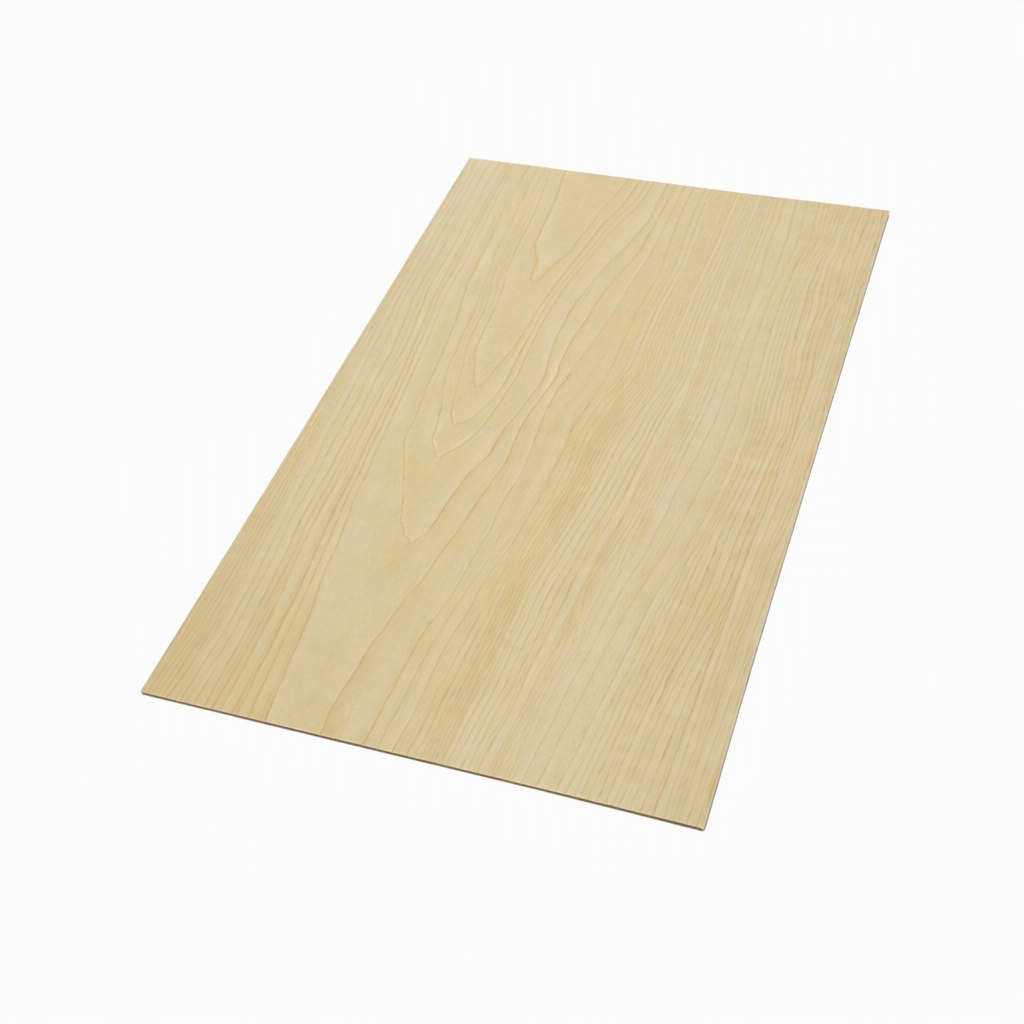
0.7mm Light Wood Grain High Pressure Laminate HPL Decorative Panel Sheet for Wall and Furniture
A 0.7 mm light wood grain HPL for walls and furniture, positioned for efficient yield in flat-panel furniture, interior cladding and coordinated laminate programs.
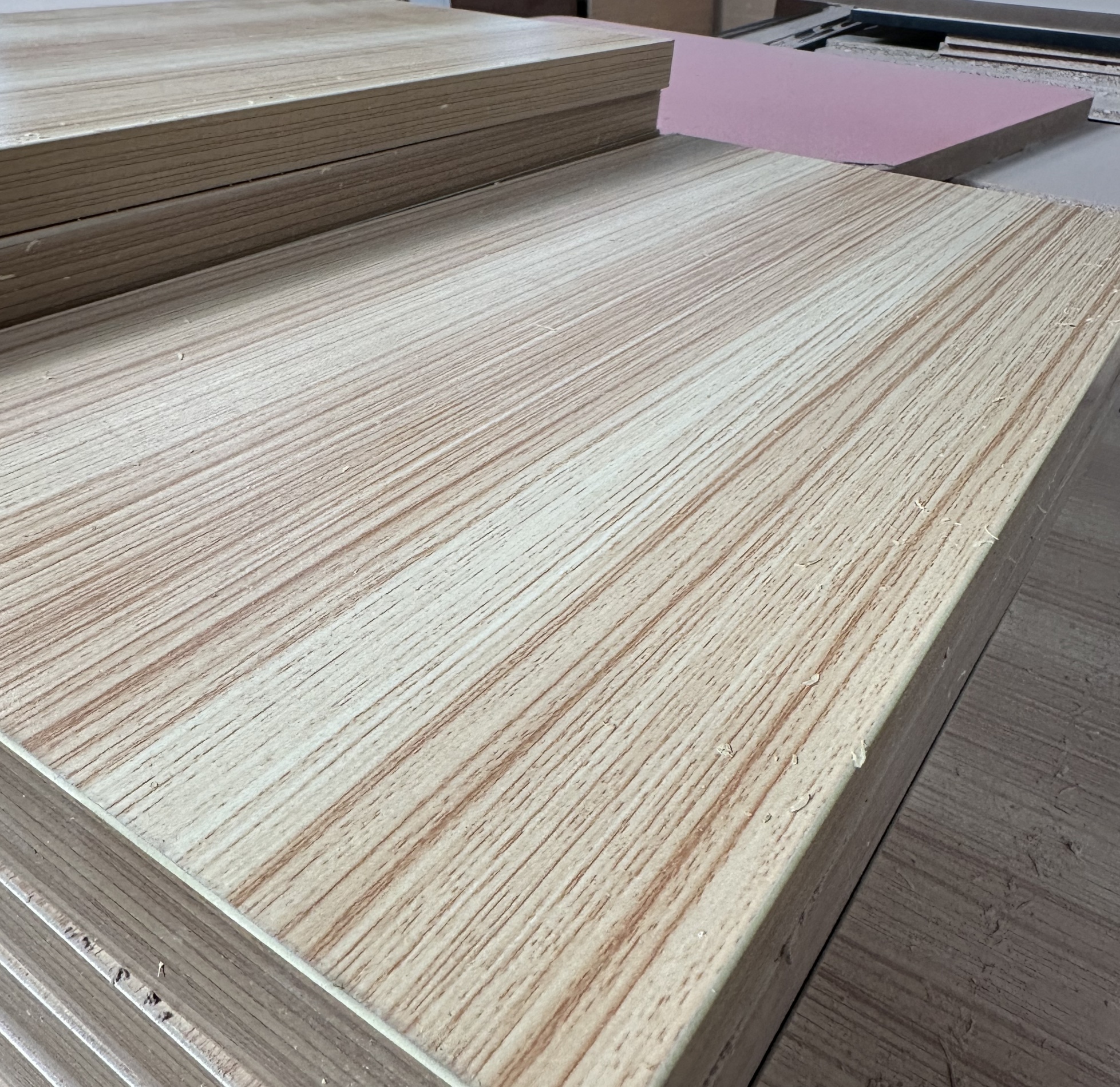
Stock HPL Wear-resistant Laminate HPL Plywood for Kitchen Cabinets
A wear-resistant HPL plywood for kitchen cabinets, shelving and utility cabinetry where high-touch surfaces must resist abrasion, cleaning and daily use.
Product details reflect active Fipdm listings and should be confirmed against your final RFQ, target market standard and current stock.
How to Evaluate Wood Grain Laminate Beyond the Surface Image
Prepared by the Fipdm export team for B2B buyers who compare products across HPL, melamine-faced boards, compact laminate and exterior panels. The goal is information gain: clearer specification decisions before price negotiation begins.
Wood grain laminate is often discussed as a decorative print, but a reliable purchase decision depends on the entire material stack. The visible grain is created by decor paper, resin impregnation, pressing pressure, plate texture and, in many cases, the substrate beneath the surface. Two panels can look similar in a photograph yet behave very differently in a kitchen, bathroom, hotel corridor, laboratory or exterior facade. For OEM/ODM buyers, the first question is not “which grain is most popular?” but “which laminate system fits the application, market regulation and installation method?”
Decorative HPL is typically a thin high-pressure laminate sheet bonded to MDF, particle board or plywood. Melamine-faced plywood or MDF may use a melamine-impregnated paper surface directly on the board. Compact laminate is a self-supporting phenolic panel used without a substrate where water, impact and cleaning resistance matter. Exterior HPL is formulated and tested for weather and UV exposure. These categories are related, but they are not interchangeable. A buyer who treats them as one commodity category may discover the difference only after installation, when edge swelling, color mismatch or surface wear becomes visible.
The specification stack that determines perceived quality
A convincing wood grain finish begins with the decor paper and resin system. Surface texture matters as much as color: synchronized embossing can align the tactile grain with the printed pattern, while a smooth matt surface may be more appropriate for a modern interior. The substrate controls flatness, screw-holding strength, moisture behavior and weight. Thickness tolerance influences machining and edge finishing. The adhesive and pressing cycle affect bond integrity. Packaging and loading conditions determine whether the panel reaches the customer in the same condition it left the mill.
For that reason, a professional RFQ should specify the end use, substrate, laminate type, thickness, sheet format, grain direction, finish, gloss level, color target, formaldehyde emission class, fire performance requirement if applicable, moisture exposure, abrasion expectation, edge treatment and packing method. When a buyer supplies only a picture and a size, the supplier must make assumptions. Those assumptions are where project risk begins. The stronger approach is to convert the design intent into a written specification that both the mill and the buyer can inspect against.
Why Linyi mill access matters to an OEM/ODM program
Linyi, Shandong is one of the world’s most concentrated wood-based panel clusters. That density gives buyers access to a wide range of presses, decor paper suppliers, plywood mills, MDF lines and finishing capabilities. It also creates a new problem: not every supplier in a dense cluster offers the same quality discipline. A verified trading company with mill-level visibility can add value by matching the product to the right production source, checking raw materials before production, inspecting finished boards before loading and consolidating multiple panel families into one shipment.
Fipdm operates from this environment as a verified trading company and multispecialty supplier, not as a single-mill sales office. That distinction should be stated clearly because it changes the way buyers evaluate the relationship. The advantage is coordination: HPL sheets, compact laminate, MDF, plywood, LVL and door core boards can be sourced through vetted partner mills while the buyer keeps one accountable contact for specifications, inspection, documentation and export loading.
- Application first: choose the laminate category after defining moisture, impact, fire, wear and installation conditions.
- Surface second: confirm grain repeat, texture direction, gloss level and color approval method before mass production.
- Substrate third: balance weight, flatness, screw-holding, moisture resistance and formaldehyde class according to the destination market.
- Verification last: agree on inspection points, packing photos, loading records and test documentation before the deposit is paid.
Future Procurement Trends Reshaping Wood Grain Laminate Buying
The next buying cycle will reward importers who reduce supplier risk, consolidate mixed loads and specify performance rather than appearance alone.
Supplier Consolidation
Buyers are reducing the number of active suppliers and asking one partner to combine HPL, MDF, plywood, LVL and door cores. Mixed-container programs lower freight friction and improve inventory planning for distributors that cannot dedicate a full container to one SKU.
Verification Before Price
Intertek verification, on-site material inspection and finished-product inspection are becoming part of the commercial conversation. A low unit price has limited value if the shipment fails on thickness, surface defects, edge quality or documentation after a long production cycle.
Low-Emission Compliance
E0 and E1 formaldehyde grades are increasingly requested for MDF and plywood, especially when products enter furniture, interiors or projects with indoor-air-quality requirements. Buyers should state the destination market standard at the inquiry stage rather than assuming one board grade fits every country.
Private-Label Customization
Distributors want a range that carries their own brand logic: packaging, labels, color collections, sample books and graphics. Minor customization, sample-based development, design-based customization and full ODM support help convert a commodity panel into a market-specific program.
Data-Driven Quality
Purchase teams increasingly ask for thickness records, surface checks, packing photos, loading images and product test references. Photographic evidence and documented inspection points reduce disputes and make remote sourcing more predictable for buyers who cannot visit every mill.
Market-Specific Engineering
A laminate that suits a dry retail interior may fail in a bathroom, facade or laboratory. Exterior HPL, compact laminate, marine plywood and chemical-resistant compact laminate are separate engineering choices. The procurement trend is toward asking the supplier to map the product to the environment, not simply to quote the lowest price per sheet.
What the Next Wood Grain Laminate Range Should Include
Design trends change faster than press capacity. The practical answer is a modular range that combines proven textures with a few high-value performance upgrades.
Synchronized Wood Grain
Embossed textures aligned with the printed grain are moving from premium collections into mainstream furniture and wall panel ranges. Buyers should review texture direction, repeat length and lighting conditions, because a synchronized surface can look natural on one panel and mismatched when panels are joined in the wrong direction.
Super-Matt and Anti-Fingerprint
Matt surfaces with low reflectivity and improved fingerprint resistance are attractive for handleless kitchen fronts, office furniture and retail fixtures. The commercial value depends on cleaning behavior and scratch visibility, so a sample should be tested with common household and commercial cleaning agents before a full range is launched.
Thin HPL and Lightweight Panels
As furniture makers look for material efficiency, 0.7 mm and 0.8 mm decorative HPL sheets remain important, alongside lightweight plywood for cabinet furniture. The benefit is not only weight reduction; it is better yield, simpler logistics and the ability to pair a decorative surface with a tailored core.
Compact and Exterior HPL Growth
Waterproof compact laminate, chemical-resistant compact laminate and exterior HPL cladding continue to expand beyond specialist projects. Toilet partitions, lockers, laboratory worktops, facades and balcony applications require different performance evidence, so product development is shifting toward application-specific grades rather than one general-purpose panel.
Low-Emission Material Choices
E0 and E1 plywood and MDF options are becoming a normal part of product planning, not a special request. For OEM/ODM ranges, the supplier should be able to discuss the substrate, adhesive system and documentation together, because the laminate surface alone does not determine the emission profile of the finished board.
Digital Color Consistency
Buyers increasingly manage color across multiple product families: HPL, melamine-faced MDF, plywood and edge banding. A digital color target and approved physical sample reduce mismatch risk. The most reliable process is to approve a master sample under agreed lighting, then compare production against that reference rather than against a screen image.
A Practical OEM/ODM Partner in China’s Panel Cluster
Fipdm combines multi-category sourcing, inspection discipline and export coordination for buyers who need consistent laminate programs rather than isolated shipments.
Linyi Fipdm Import And Export Co., Ltd. is a verified trading company and multispecialty supplier based in Linyi, Shandong, China. The company works with vetted partner mills in the Linyi wood-based panel cluster and supplies high-pressure laminates, compact laminate, exterior HPL, MDF, plywood, LVL, melamine-impregnated paper and related board products to B2B buyers worldwide. With 9 years in the industry, 8 dedicated staff and a 5.0 buyer rating, the operating model is built around coordination rather than pretending that every product comes from a single production hall.
That model is useful for OEM/ODM buyers because the product mix often crosses categories. A furniture factory may need wood grain HPL for cabinet fronts, E0 plywood for carcasses, melamine-faced MDF for shelving and compact laminate for wet areas. A distributor may want a private-label sample book that combines several finishes and substrates. A project buyer may need exterior HPL cladding, compact laminate partitions and marine plywood in one delivery plan. Fipdm’s advantage is the ability to consolidate these requirements, match them to qualified partner mills and manage inspection, packing and export documentation through one contact point.
Two-stage inspection and on-site visibility
Quality control begins before the finished panel is pressed. Material inspection at the partner mill checks the inputs; finished-product inspection reviews thickness, surface, edges and packing before loading. This two-stage approach is more credible than a generic “100% quality guaranteed” statement because it identifies where the checks happen. For remote buyers, loading photos and packing records provide additional evidence that the order has been handled as agreed.
The company’s Intertek-verified status and supplier assessment procedures support this process. Buyers should still confirm the exact test report, certification and acceptance criteria required for their market, but the presence of a verification framework makes the first conversation more concrete. Instead of starting from an unverified price list, the buyer can start from a defined product, a known inspection path and a documented shipping plan.
Customization without losing control of the specification
OEM/ODM value comes from customization that remains manufacturable. Fipdm supports minor customization such as logo, packaging and graphics, sample-based customization, design-based customization, full customization and ODM services. The most successful projects define which elements are fixed and which are flexible: the laminate grade, substrate, thickness and performance class should normally remain fixed, while color, texture, packaging, labels and sample-book layout can be adapted to the buyer’s market position.




Linyi Cluster Access
Direct access to the largest wood-based panel cluster in China for HPL, MDF, plywood, LVL and related boards.
Intertek-Verified Framework
Supplier assessment and inspection procedures support a more accountable sourcing process for international buyers.
Mixed-Category Consolidation
Combine HPL, compact laminate, MDF, plywood, LVL and door cores in a single managed shipment.
OEM / ODM Customization
Logo, packaging, graphics, sample-based, design-based and full customization plus ODM development.
Low-Emission Options
E0 and E1 formaldehyde grades are available across selected MDF and plywood lines to match market requirements.
Technical and Export Support
Project guidance, export packing, loading photos and documentation support for cladding, partitions and furniture programs.
A Clear Path from Inquiry to Container Loading
A repeatable process helps keep custom colors, mixed SKUs and inspection points under control.
Send the RFQ
Share application, destination market, panel size, thickness, finish, substrate, quantity and target performance class.
Match the Material
Select HPL, melamine-faced board, compact laminate or plywood based on moisture, impact, fire and wear requirements.
Approve the Sample
Confirm color, texture, gloss level, grain direction and substrate before production planning begins.
Produce with Checks
Material inspection at the partner mill reduces the risk of substrate or surface deviations before pressing.
Inspect Before Loading
Review thickness, surface, edges and packing. Loading photos create a shared record for remote buyers.
Ship and Follow Up
Coordinate export packing, documentation and after-sales communication for the next replenishment order.
Common Questions Before Ordering Wood Grain Laminate
Direct answers help shorten the first evaluation cycle and reduce avoidable specification errors.
Are you a manufacturer or a trading company?
Linyi Fipdm Import And Export Co., Ltd. is a verified trading company and multispecialty supplier. We source from vetted partner mills in Linyi and manage on-site material inspection plus finished-product inspection before shipment. This allows buyers to consolidate HPL, compact laminate, MDF, plywood, LVL and door core products through one accountable contact instead of managing many separate suppliers.
What is the difference between HPL sheets and compact laminate?
Standard HPL is a thin decorative sheet, often around 0.7 mm or 0.8 mm, bonded to a substrate such as MDF, particle board or plywood. Compact laminate is a self-supporting phenolic panel, commonly 3–20 mm thick, used without a substrate for toilet partitions, lockers, laboratory worktops, table tops and exterior cladding where water and impact resistance are important. They serve different engineering purposes and should not be specified interchangeably.
Which wood grain finishes can be discussed for an OEM/ODM range?
Light wood grains, dark brown tones, stone-look decor, matt surfaces, textured surfaces and synchronized embossed patterns can be reviewed depending on the product family and current mill availability. The best approach is to provide a reference image, target application, lighting condition and expected price positioning. We then match the decor and substrate options that are realistic for production rather than promising an unlimited color library.
Can you customize packaging, labels and sample books?
Yes. Minor customization such as logo, packaging and graphics is available, along with sample-based, design-based and full customization. ODM services can support distributors that want their own range identity. For best results, separate the fixed performance requirements from the flexible branding elements, so that customization does not create ambiguity in the technical specification.
Can I mix different products in one container?
Mixed loads are a core part of the service. HPL sheets, compact laminate, MDF, plywood, LVL and door core boards can be consolidated to help importers and distributors reach better container efficiency. The exact mix depends on packing dimensions, weight distribution, destination requirements and current production schedules, so it should be discussed during quotation.
Which formaldehyde emission grades are available?
Selected MDF and plywood lines are available in E1 and E0 emission grades. The correct grade depends on your destination market, product application and customer requirements. State the target standard in the inquiry so the substrate, adhesive system and documentation can be matched before production. The laminate surface alone does not define the emission class of the finished board.
How is quality controlled before shipment?
The process uses two main checkpoints: material inspection at the partner mill and finished-product inspection before loading. Finished-board checks can review thickness, surface appearance, edges and packing. Loading photos and records can be shared for remote buyers. For project orders, agree in advance which defects, tolerances and test references will be used for acceptance.
What information should I include in a quotation request?
Include the product type, application, substrate, thickness, sheet size, quantity, wood grain or color reference, surface finish, grain direction, formaldehyde grade, fire or moisture requirements if applicable, destination market, packing preference and expected delivery schedule. A clear RFQ reduces back-and-forth and allows the export team to propose a more accurate product mix.
Do you support exterior and moisture-prone applications?
Yes. Exterior HPL, compact laminate, chemical-resistant compact laminate and marine plywood can be reviewed for facades, wet areas, laboratories, toilet partitions and other demanding environments. The key is to define the exposure conditions: direct rain, UV, cleaning chemicals, humidity, impact or fire performance. The recommended product should be based on those conditions rather than on surface appearance alone.
How do I start an OEM/ODM laminate project?
Send your target application, market, reference image, preferred substrate, estimated quantity and required performance class. The Fipdm export team can then recommend a starting product family, discuss sample direction and outline the inspection and packing plan. For buyers who already have a product link from this page, include that link in the inquiry so the conversation begins from a known specification.
Planning Your Next Wood Grain Laminate Order?
Send your sizes, thickness, substrate, finish, target market and mixed-load requirements. The Fipdm export team will reply with matched options, inspection points and a practical next step for your OEM/ODM program.
Get a Quote HPL · Compact Laminate · Wood Grain Plywood · MDF · LVL · OEM / ODM Supply