OEM/ODM Cabinet Grade Plywood Factory & Wholesalers
HPL-faced plywood, fire-retardant boards, melamine MDF and decorative laminate panels for furniture factories, distributors and project buyers who need repeatable quality from Linyi, China.
Eight Cabinet-Grade Panel Options for OEM and Wholesale Programs
Shortlist decorative HPL, fire-retardant plywood, melamine MDF and waterproof phenolic boards using the current product pages below. Each item preserves its original product URL and image so buyers can compare specifications without losing context.
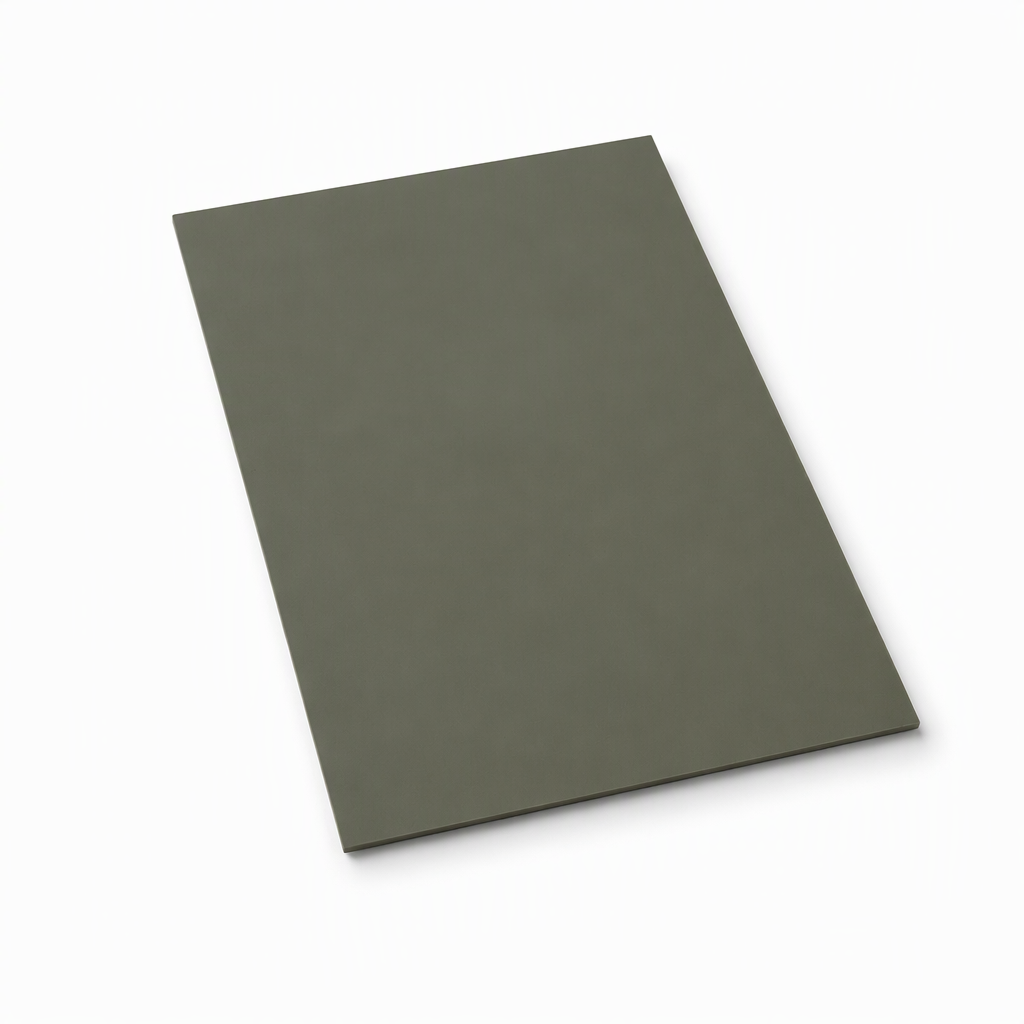
1230*2450mm Grey Green HPL Sheet Decorative High Pressure Laminate Panel for Furniture Interior
Large-format decorative laminate for cabinets, wardrobes and coordinated interior fit-outs where consistent color and a calm grey-green finish are important.

HPL Plywood E0 Fire Resistant Sanded Surface Double-Sided Decoration 4X8 18mm Furniture Plywood
A double-sided decorative plywood option for furniture factories that need an E0-focused board, sanded surface and fire-resistant performance in one specification.
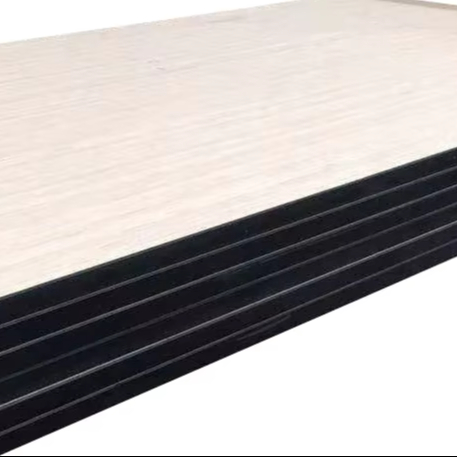
Best Price 1220x2440mm 1300X2800MM HPL Plywood HPL LAMINATE BLACK MDF for Cabinets Bathroom Cabinet Black Plywood
Black HPL laminated plywood and MDF for bathroom cabinets and darker interior schemes where moisture resistance, edge quality and visual consistency matter.
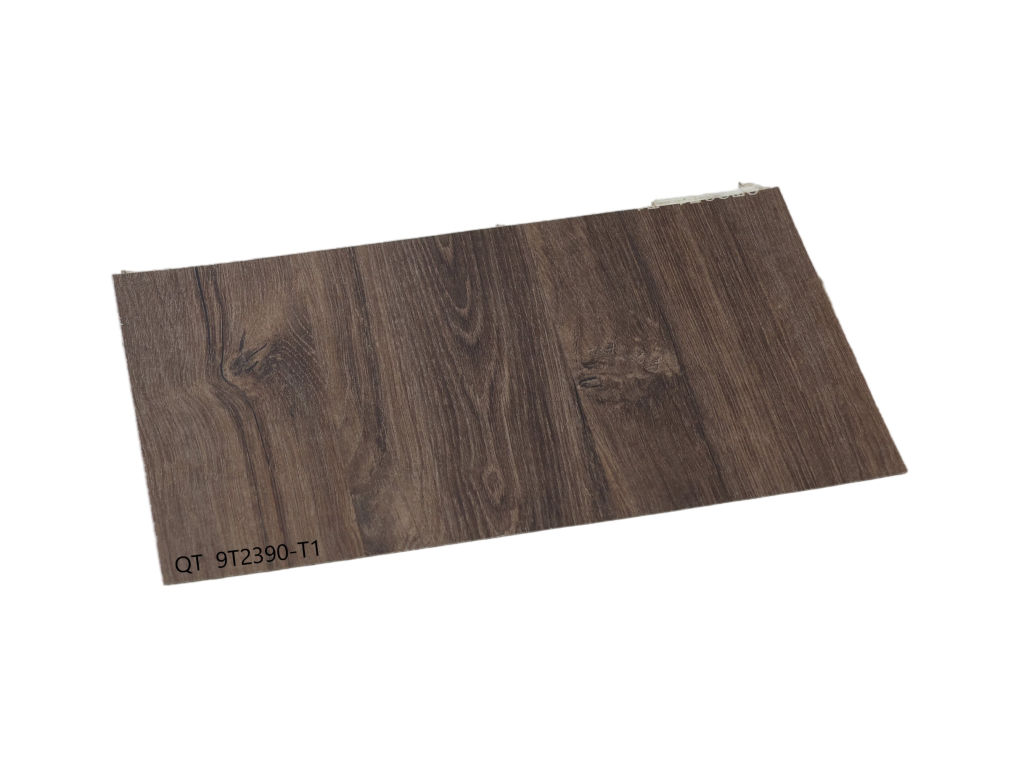
Dark Brown Decorative Panel HPL Sheet QT 9T2390-T1 Interior Wall Cladding
Dark brown decorative HPL for interior wall cladding, feature panels and commercial interiors where a deep wood-tone surface is required.

4x8 ft HPL High-Pressure Laminates Sheet Board Hpl Laminated Plywood Fire Retardant Decorative Plywood Panels
Fire-retardant decorative plywood for furniture, wall panels and commercial interiors that need a specified HPL face and improved reaction-to-fire performance.
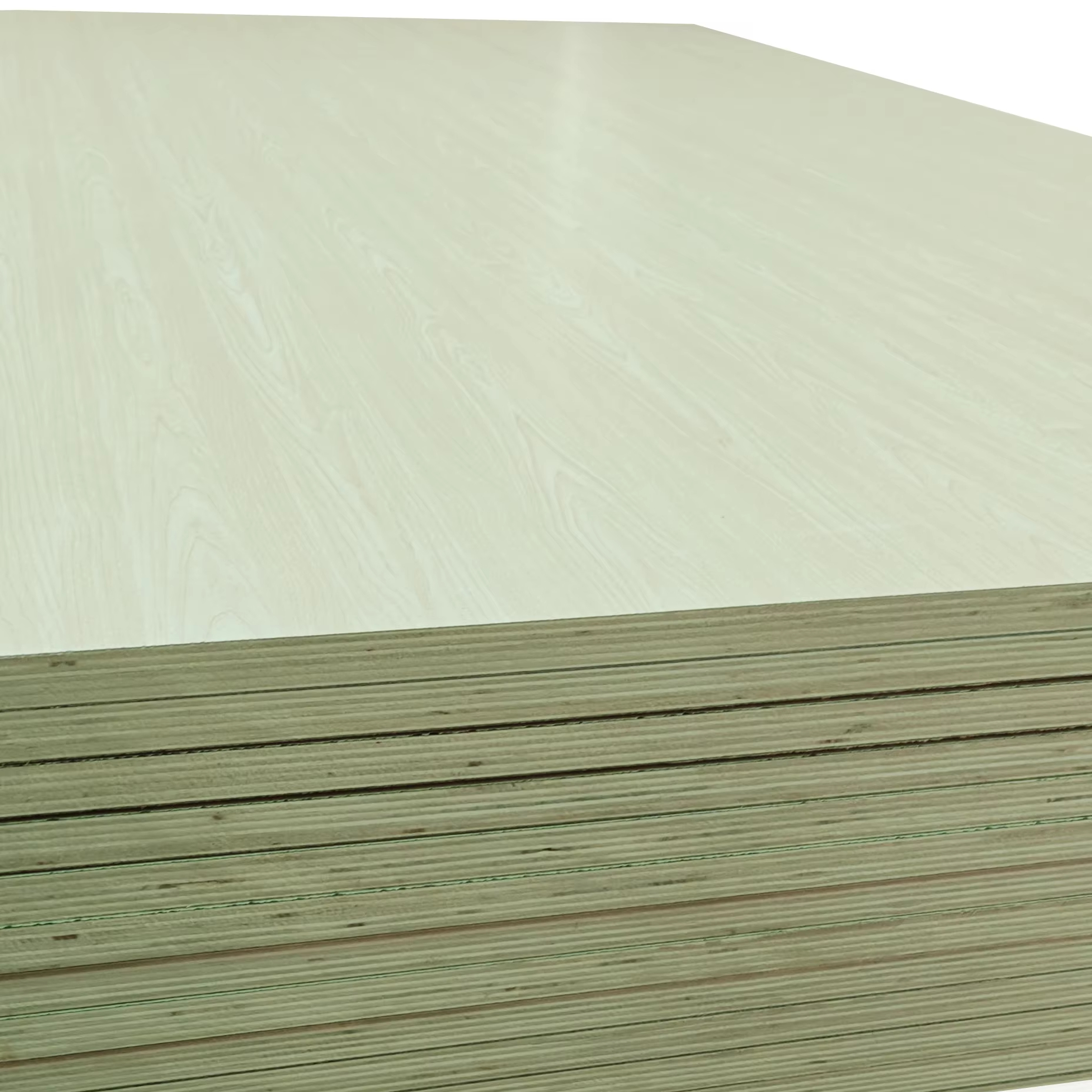
18mm Fire Retardant HPL Faced Plywood School Classroom 1220x2440mm Desk Top
A practical panel for school desks, classroom furniture and contract tables where surface durability, cleaning and fire-retardant requirements are central.
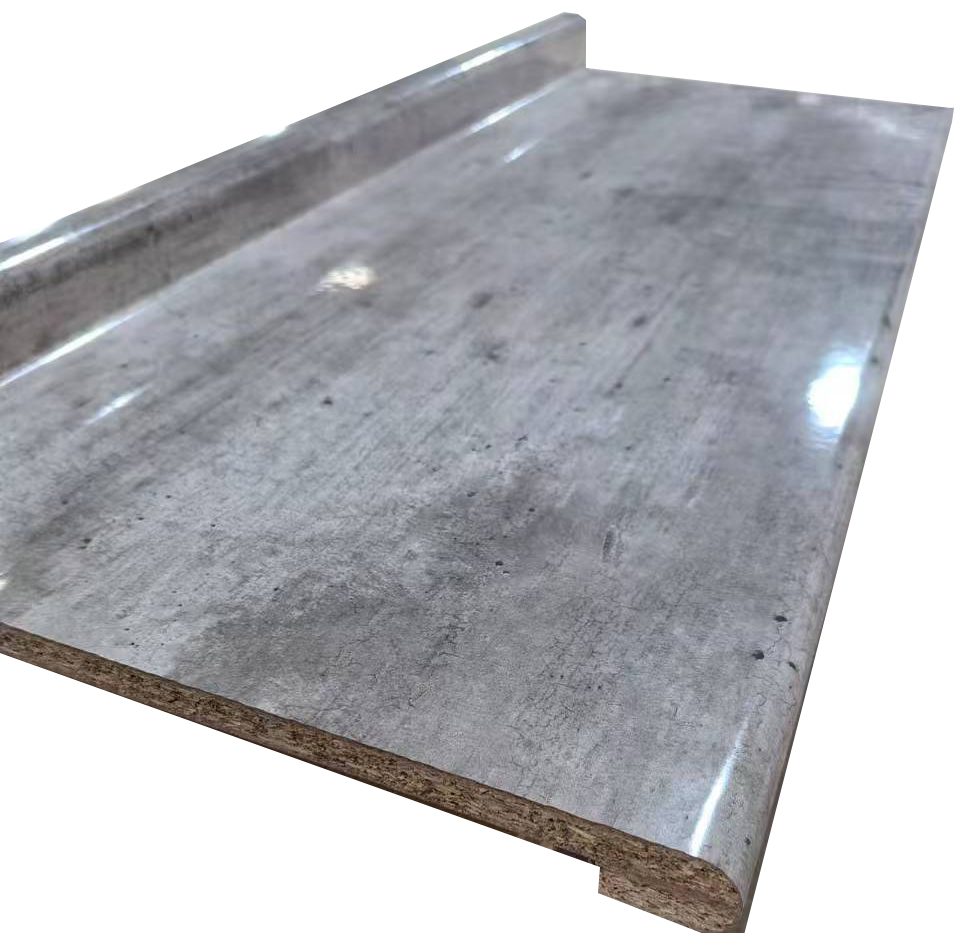
Linyi Hpl Melamine Board Plywood HMR MDF Sheet 18mm 25MM Melamine Board Furniture Board for KITCHEN COUNTERTOPS
HMR MDF and melamine-faced furniture board for kitchen countertops, cabinet carcasses and interior projects where moisture resistance and decoration are combined.
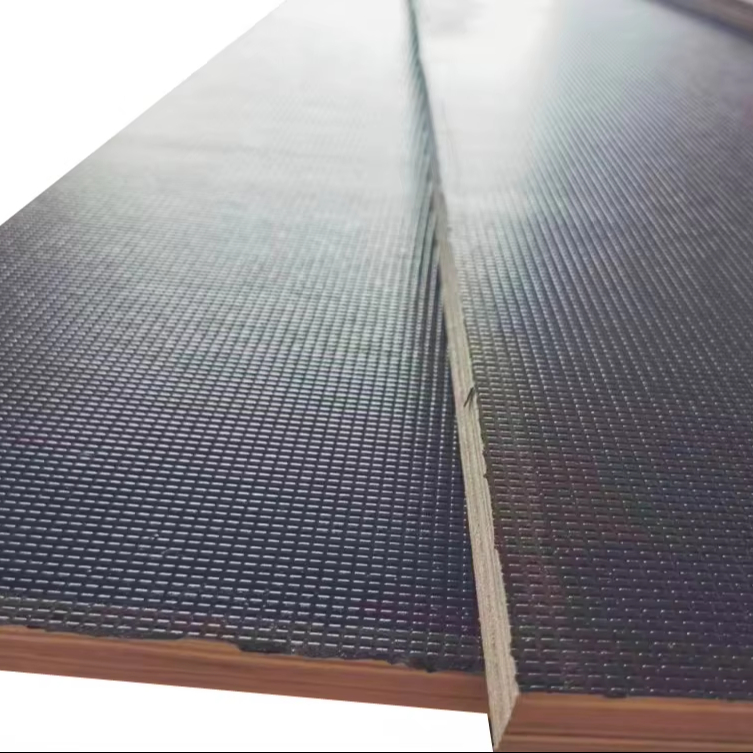
1220x2440 HPL Waterproof Laminate Sheet Board Fire Retardant Decorative High-Pressure Plywood E0 Formaldehyde Marine Phenolic
Waterproof, fire-retardant decorative HPL phenolic plywood for wet areas, marine-style applications and projects requiring a stronger E0 formaldehyde position.
Need a specification that is not listed on this page? Send your target size, core, surface, emission grade and volume to the export team.
Get a QuoteWhat Cabinet Grade Really Means for Repeatable Furniture Production
For professional buyers, cabinet-grade plywood is not a single global standard. It is a procurement expectation shaped by five practical requirements: a stable core, controlled thickness and density, consistent face and back, compliant formaldehyde emission for the destination market, and predictable machining behavior. A board can look correct in a sample photograph and still fail on a CNC router, edge-banding line or high-humidity installation if the core is unbalanced or the surface is under-cured.
That is why an OEM cabinet program should be built around a written specification rather than a generic product name. The specification should define core species, glue type, number of plies, thickness tolerance, surface material, HPL thickness, color and texture approval, formaldehyde class, fire performance, moisture resistance, packing method and inspection criteria. When those points are fixed, a factory and its wholesale panel supplier can repeat the same result across multiple production batches.
Linyi Fipdm Import And Export Co., Ltd. works from Linyi, Shandong, one of China’s largest wood-based panel clusters. The company’s published supplier profile highlights Intertek verification, on-site material inspection, finished-product inspection, supplier assessment procedures, on-site technical support and ODM or full customization. For cabinet manufacturers, those capabilities matter because the buying decision is rarely about one sheet. It is about whether the same panel arrives in the same condition, with the same documentation, on the next order.
Typical Specification Window
Buyer Checkpoints Before Approving a Panel
- Confirm the core species and the balance of face and back veneers.
- Verify actual HPL thickness, surface texture and color against a retained sample.
- Match formaldehyde and fire documentation to the destination market.
- Test screw pull-out, edge-banding adhesion and CNC cutting behavior.
- Agree packing, loading photos and inspection evidence before shipment.
Recommended Panel Matches by Cabinet Application
Use this quick-reference guide to align product selection with the real service condition, not just the lowest unit price.
| Application | Recommended Board | Why It Fits | Buyer Check |
|---|---|---|---|
| Kitchen and bathroom cabinets | HPL-faced plywood, HMR MDF or waterproof HPL phenolic board | Balances moisture resistance, decorative choice and impact durability. | Confirm glue line, edge sealing, screw pull-out and surface adhesion. |
| Dry interior cabinet carcasses | Melamine MDF, HMR MDF or decorative plywood | Offers consistent faces, efficient machining and broad color availability. | Check density, thickness tolerance and paper adhesion after cutting. |
| School, office and contract desks | 18 mm fire-retardant HPL faced plywood | Combines a hard decorative face with improved fire performance. | Request test reports, edge treatment details and cleaning guidance. |
| Interior wall cladding and feature panels | Decorative HPL sheet or HPL laminated panel | Provides a wide design range and a clean architectural surface. | Approve color, texture, direction and fixing method before production. |
| Wet areas and marine-style use | Waterproof phenolic HPL plywood or compact laminate | Targets water exposure, impact and dimensional stability. | Confirm phenolic core, E0 option and project-specific test requirements. |
| Private-label OEM/ODM ranges | HPL or melamine boards with customized color, logo and packing | Supports brand differentiation and distributor-specific product lines. | Retain an approved sample and define batch color tolerance. |
Six Buying Shifts Reshaping Cabinet Plywood Procurement
Search behavior reflects the change. Serious buyers increasingly look for an OEM cabinet-grade plywood factory, an E0 HPL plywood wholesaler or a fire-retardant HPL plywood supplier instead of only searching for the cheapest plywood price. That intent signals a shift from price-only purchasing to specification-led purchasing.
Compliance-First RFQs
Buyers now send an emission class, target-market regulation, fire requirement and documentation list with the first inquiry. Suppliers who can match E0 or E1 board options and supporting test reports reduce back-and-forth and avoid shipment risk.
Mixed-Container Efficiency
Smaller importers and distributors increasingly combine HPL, compact laminate, MDF, plywood, LVL and door cores in one shipment. A supplier with multi-category consolidation helps them reach container efficiency while keeping the product mix aligned to local demand.
Landed-Cost Thinking
Experienced buyers compare more than FOB price. They evaluate packing strength, loading efficiency, claim history, inspection evidence and the cost of replacing defective panels. A reliable cabinet-grade panel should protect the total project margin, not only the purchase order line.
Digital Inspection Evidence
Remote buying is now normal. Loading photos, finished-board inspection records, packing details and material checks before shipment are becoming expected parts of the supplier relationship, especially for first orders and private-label programs.
CNC-Ready Supply
Furniture factories want boards that behave predictably on CNC routers, edge-banders and drilling centers. Suppliers that understand cutting tolerance, chip-out control, panel flatness and edge quality become more valuable than suppliers that only quote a thickness.
Design Speed and Color Consistency
Cabinet brands refresh finishes more frequently and expect suppliers to keep approved colors stable across repeats. Color matching, texture approval and retained samples are becoming part of the commercial agreement, not an afterthought.
Where Cabinet Panel Technology Is Moving Next
Product development is moving toward lower emission, higher surface realism, better moisture performance and more engineered core options. The winning specification is the one that balances all four with the project budget.
Low-Emission Board Programs
E0 and E1 formaldehyde options continue to move from premium request to standard question, particularly for furniture exported to markets with stricter indoor-air expectations. Buyers should still confirm the exact test method and documentation required by their destination market.
Fire-Retardant Decorative Surfaces
Fire-retardant HPL faced plywood is increasingly specified for schools, offices, public interiors and contract furniture. The practical focus is not only the fire classification but also whether the panel still machines cleanly and keeps its decorative face after cutting.
Waterproof and HMR Solutions
HMR MDF, waterproof HPL phenolic plywood and compact laminate continue to expand into kitchens, bathrooms, laboratories and service counters. The buyer’s task is to separate true wet-area performance from a general-purpose moisture-resistant claim.
Surface Realism and Textures
Decorative HPL and melamine surfaces are moving toward deeper wood grain, synchronized textures, matt finishes and anti-fingerprint effects. For cabinets, the surface must be approved visually and also tested for cleaning, wear and edge-bonding performance.
Engineered Cores and Lightweight Boards
Poplar, birch and mixed hardwood cores, LVL components and lightweight door cores allow furniture makers to tune strength, weight and cost. For cabinet components, the best core is the one that holds fasteners and keeps flatness across the installed environment.
Better Documentation and Traceability
Future panel supply will be judged on documentation quality as much as board quality. Batch identification, inspection records, material declarations, packing lists and loading evidence help importers answer customer questions and manage claims with more confidence.
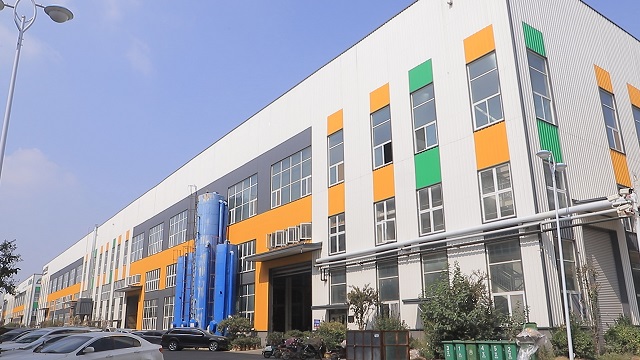
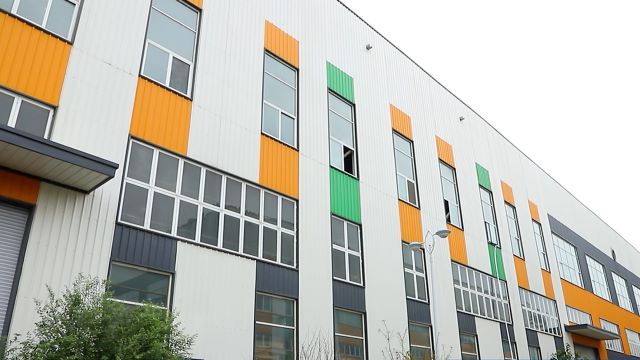

Why Fipdm Is a Practical OEM/ODM Panel Partner
Linyi Fipdm Import And Export Co., Ltd. is presented in its company profile as a verified trading company and multispecialty supplier based in Linyi, Shandong. The practical advantage for cabinet-grade plywood buyers is a managed supply chain across vetted partner mills rather than a single-product sourcing point.
The published profile includes Intertek verification, on-site material inspection, finished-product inspection, supplier assessment procedures, multi-category consolidation, on-site technical support and ODM or full customization. The company also reports 9 years in the industry, 8 dedicated staff, a 5.0 buyer rating and a top-selling supplier position in its plywoods category.
- Intertek-verified supplier profile
- On-site raw material inspection
- Finished-board inspection before loading
- Supplier assessment procedures
- Minor, sample-based and full customization
- ODM support for distributor ranges
From Inquiry to Container Loading, the Process Is Controlled in Stages
For OEM cabinet programs, the value of a supplier is often visible in the handoffs: how the sample is approved, how the mill is checked, how the finished board is inspected and how the shipment is documented.
Specification Review
Confirm size, thickness, core, surface, emission, fire requirement, packing and target market.
Sample Approval
Approve color, texture, edge detail, HPL thickness and physical sample before production.
Material Check
Inspect raw materials at the partner mill and verify key parameters against the approved order.
Final Inspection
Check finished boards, packing, pallet condition and loading photos before shipment release.
| Panel Type | Typical Thickness | Surface / Core | Best-Fit Output | Specification Note |
|---|---|---|---|---|
| HPL-faced plywood | 9–21 mm | HPL decorative face over plywood core | Kitchen cabinets, wardrobes, furniture fronts | Confirm HPL grade, core species, glue line and edge-sealing method. |
| Melamine MDF / HMR MDF | 3–25 mm | Melamine or UV surface over MDF / HMR MDF | Dry interior cabinets, shelves, countertops | Check density, paper adhesion, moisture resistance and thickness tolerance. |
| Fire-retardant HPL plywood | 18 mm and project-specific | HPL face over fire-retardant plywood core | School desks, office furniture, public interiors | Request the relevant fire test evidence and confirm edge treatment. |
| Waterproof phenolic HPL plywood | 9–25 mm | High-pressure laminate over phenolic plywood | Wet areas, marine-style furniture, heavy-duty cabinets | Confirm E0 option, water exposure class and long-term installation conditions. |
| Decorative HPL sheet | Typically around 0.7 mm | High-pressure decorative laminate | Cabinet faces, wall panels, interior surfaces | Approve color, texture, sheet size and postforming requirements. |
Final tolerances, test reports and certification requirements should be confirmed in the quotation and order confirmation.
Cabinet Plywood OEM/ODM Questions Buyers Ask Before Ordering
Are you a manufacturer or a trading company?
Linyi Fipdm Import And Export Co., Ltd. is a verified trading company and multispecialty supplier. The company sources from vetted partner mills in Linyi and states that it uses on-site material inspection and finished-product inspection before shipment. For buyers, this model can provide one accountable contact across multiple board types while still accessing the local mill ecosystem.
What does cabinet-grade plywood mean in a purchase specification?
It usually means the board is expected to have a stable core, controlled thickness, consistent faces, compliant formaldehyde emission, predictable machining behavior and suitable surface adhesion. Because the term is not one universal global standard, the best practice is to define the core, glue, thickness tolerance, HPL or melamine surface, emission class, fire requirement and inspection standard in writing.
What is the difference between HPL-faced plywood and melamine MDF?
HPL-faced plywood uses a high-pressure decorative laminate bonded to a plywood core, which is often chosen for cabinets, furniture fronts and applications needing good impact resistance. Melamine MDF uses a melamine-impregnated paper pressed onto MDF or HMR MDF, which is efficient for dry interior cabinets, shelves and furniture panels where uniform color and machining are priorities.
Which formaldehyde emission grades can be supplied?
MDF and plywood can be discussed in E0 and E1 emission grades depending on the product line and order specification. Buyers should always match the requirement to the destination market and request the relevant test documentation before production. If a project has a specific regulation or customer standard, include it in the inquiry.
Can I mix HPL, MDF, plywood and other panels in one container?
Yes, mixed-category consolidation is a practical option for distributors and furniture factories that do not need a full container of a single panel. HPL, compact laminate, MDF, plywood, LVL and door-core products can be reviewed together in one order discussion, subject to packing, minimum quantities and loading efficiency.
Do you offer OEM and ODM customization?
The published company profile lists minor customization such as logo, package and graphics, as well as sample-based, design-based and full customization, plus ODM services. For cabinet panel programs, customization may involve size, thickness, surface color, texture, core selection, private-label packing or a distributor-specific product range.
How is quality controlled before loading?
The stated process includes on-site material inspection and finished-product inspection. In practice, a buyer should also confirm the approved sample, batch identification, inspection records, packing method and loading photos. For first orders, these checkpoints are especially important because they create a shared reference for the next repeat order.
How do I request a quotation for a cabinet panel program?
Send the panel type, size, thickness, core, surface, color or texture reference, emission requirement, fire requirement if any, estimated quantity, packing preference and destination market. The export team can then match the most suitable board options and confirm the commercial details. You can start with the inquiry button below.
Ready to Brief Your Next Cabinet Panel Program?
Share your sizes, core, surface, emission target, fire requirement, estimated volume and destination market. The team can review HPL plywood, melamine MDF, fire-retardant panels, waterproof phenolic boards and other cabinet-grade options against your program.
Email: info@fipdmplywoods.com · Linyi, Shandong, China