8 Phenolic Plywood & HPL Formats for Custom Wholesale Programs
The shortlist below mirrors live catalogue items. Each product link is preserved exactly as published, so wholesale buyers, furniture factories, importers and project specifiers can move from research to quotation without losing product context.
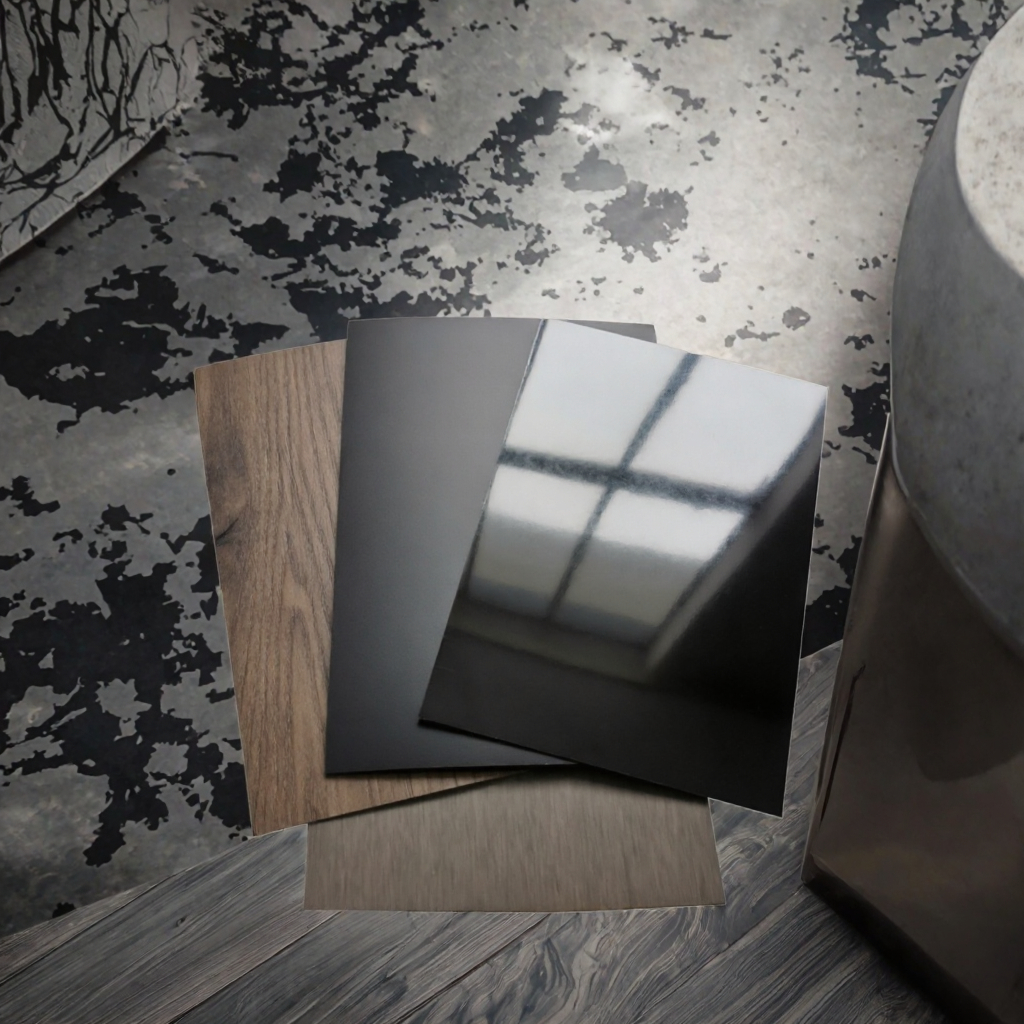
Glossy Black HPL Laminate Sheet Formica Decorative Panel for Interior Furniture Laboratory Table
OEM fit: high-gloss black surface for interior furniture, laboratory-facing casework and design-led cabinetry.

Linyi Supplier Professional HPL Formica Plywood for Furniture High Pressure Phenolic Resin HPL Compact Laminate Board
OEM fit: compact phenolic construction for furniture, partitions and wet-area projects requiring a dense, self-supporting board.
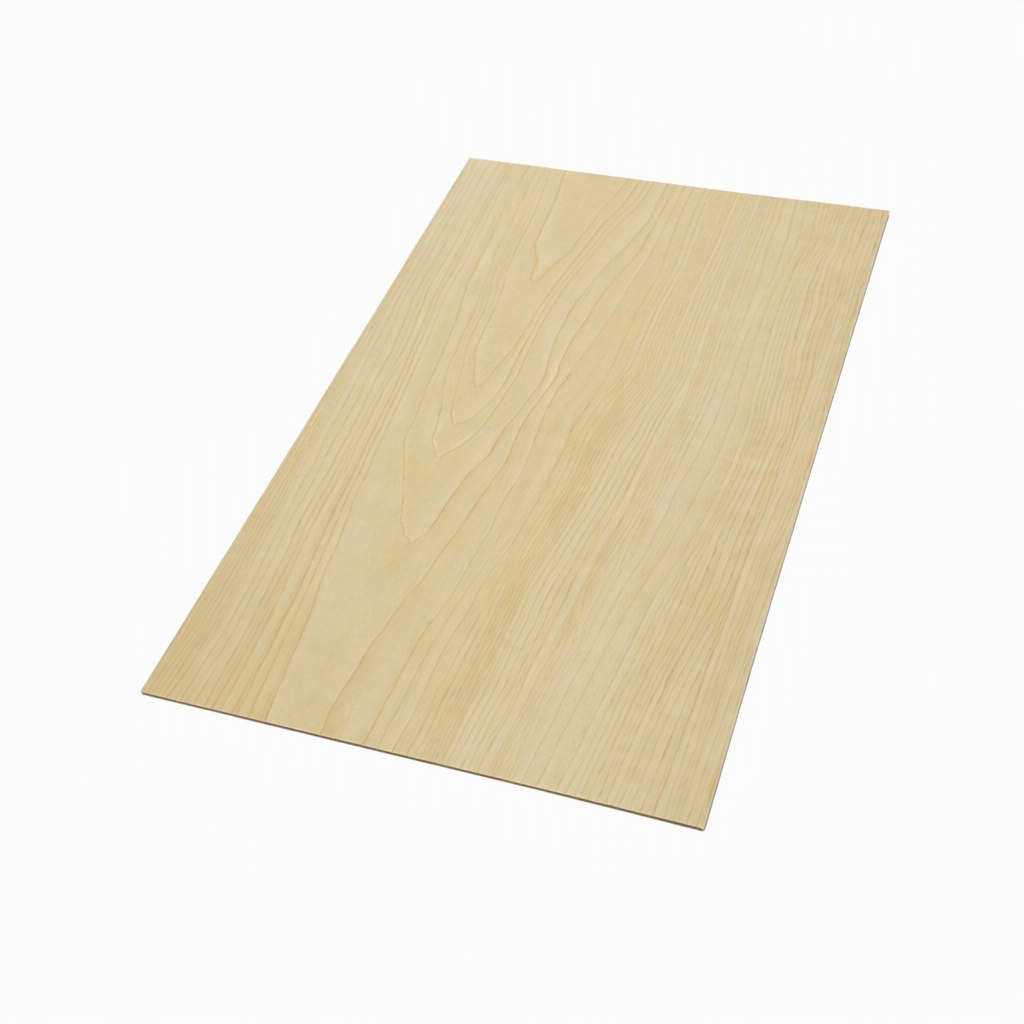
0.7mm Light Wood Grain High Pressure Laminate HPL Decorative Panel Sheet for Wall and Furniture
OEM fit: thin decorative HPL for wall panels, furniture faces, cabinet doors and coordinated wood-grain interiors.
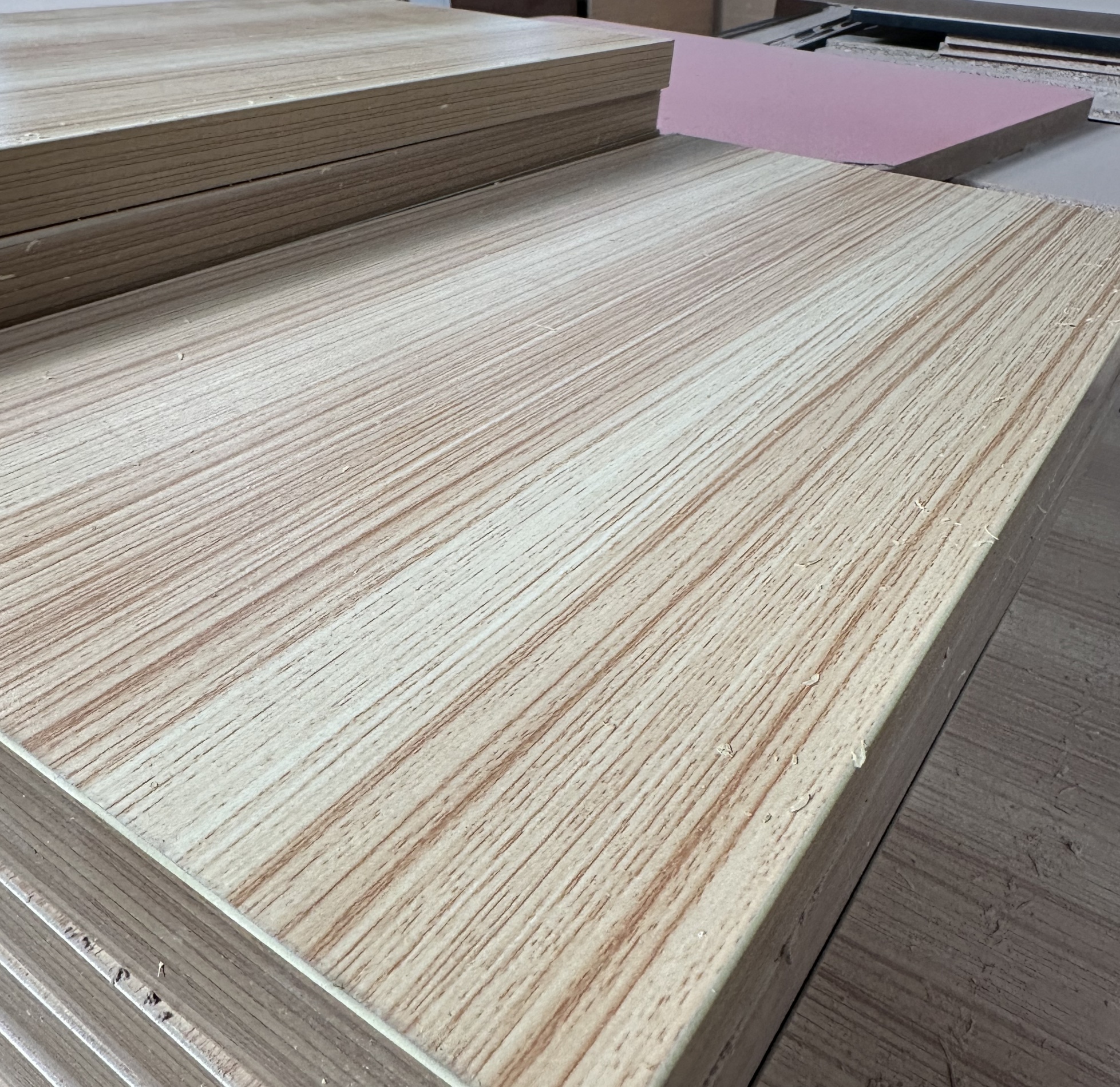
Stock HPL Wear-resistant Laminate HPL Plywood for Kitchen Cabinets
OEM fit: durable HPL-faced plywood for kitchen cabinets, shop fitting and furniture surfaces exposed to daily handling.
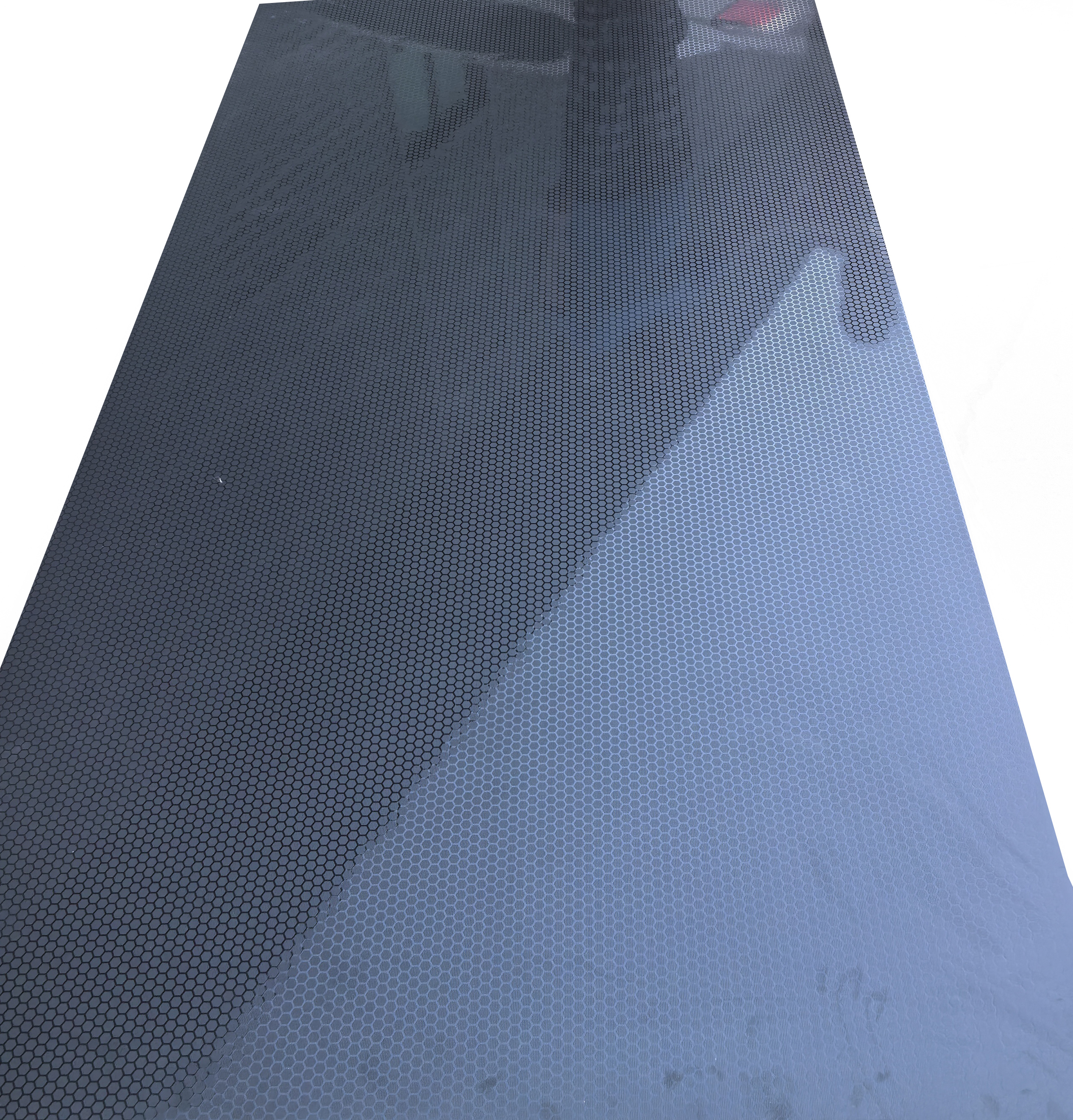
Factory Wholesale 18mm HPL Film Melamine Plywood Modern Design Style 1-Year Warranty E0 Standard Birch Laminated Plywood
OEM fit: 18 mm birch laminated plywood with E0 standard positioning for furniture, cabinetry and specification-driven projects.
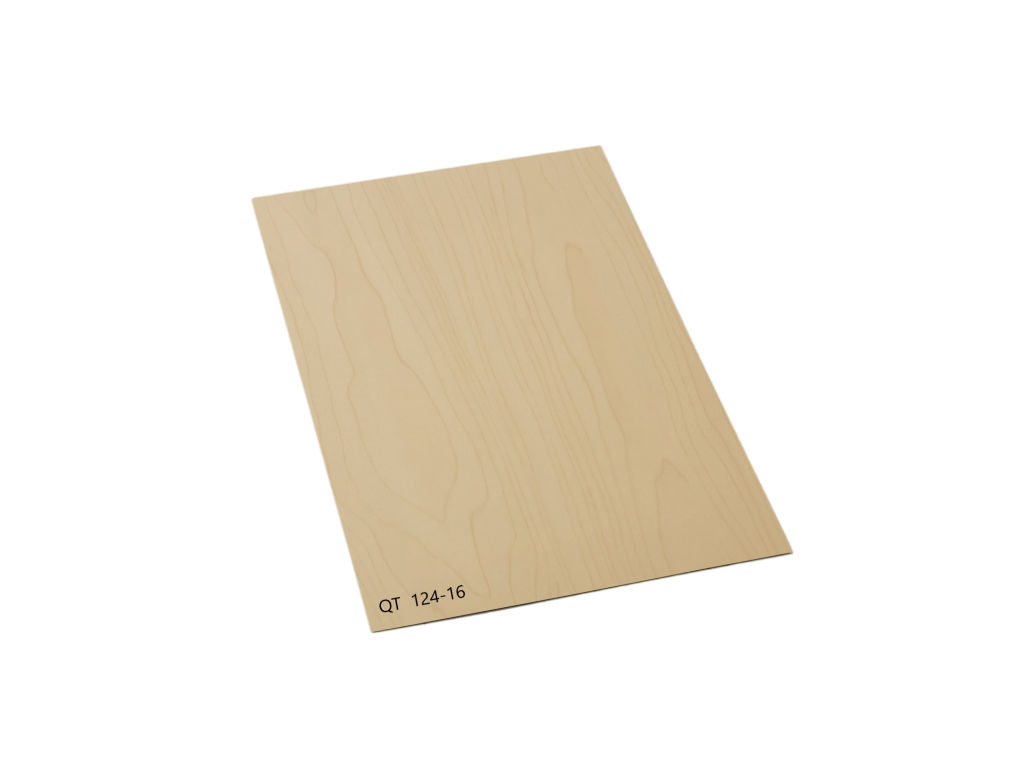
Light Wood Grain HPL Decorative Laminate Sheet Phenolic Resin Panel for Interior Wall and Furniture
OEM fit: warm wood-grain phenolic decorative panel for interior walls, furniture fronts and coordinated design schemes.
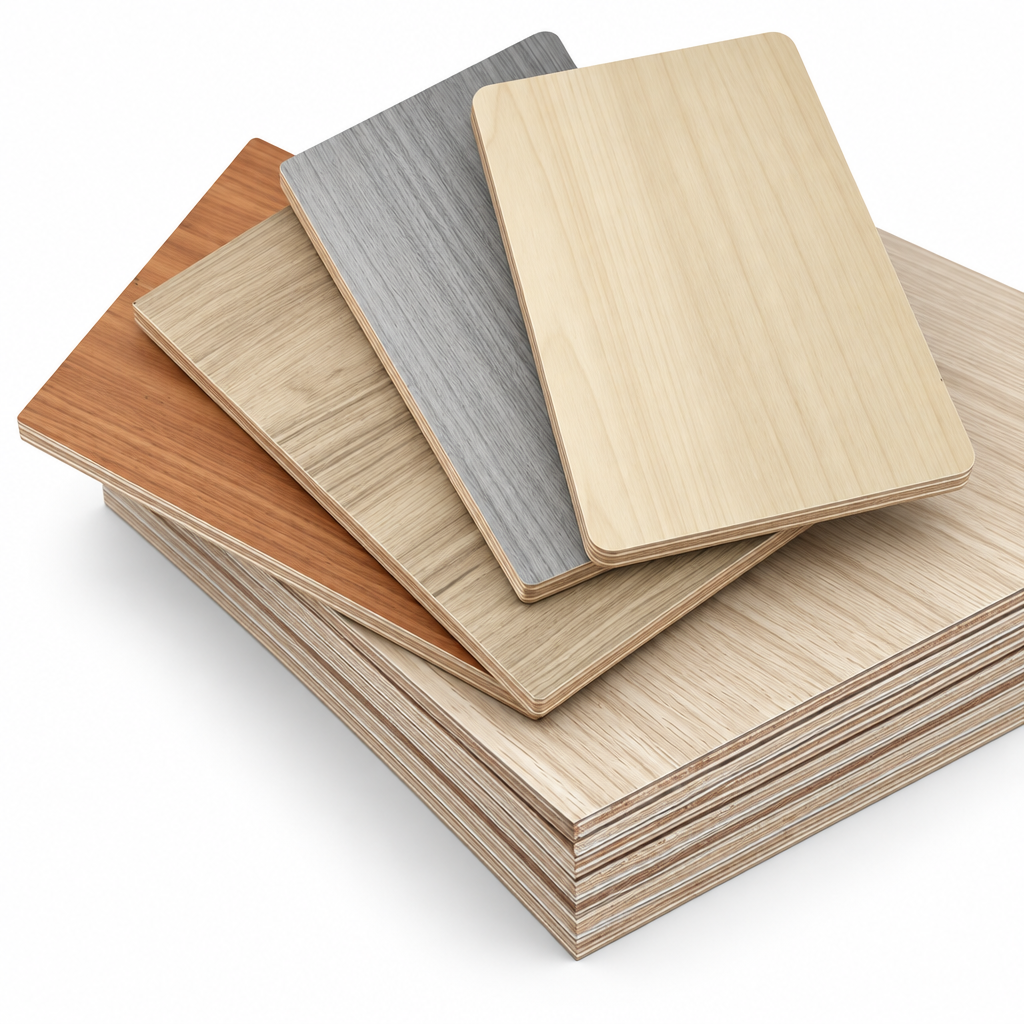
Factory Direct Wood Grain Decorative High Pressure Laminate Sheets HPL Panel for Furniture Cabinet Wall Cladding
OEM fit: wood-grain HPL sheets for cabinet faces, wall cladding and wholesale ranges requiring consistent decorative surfaces.
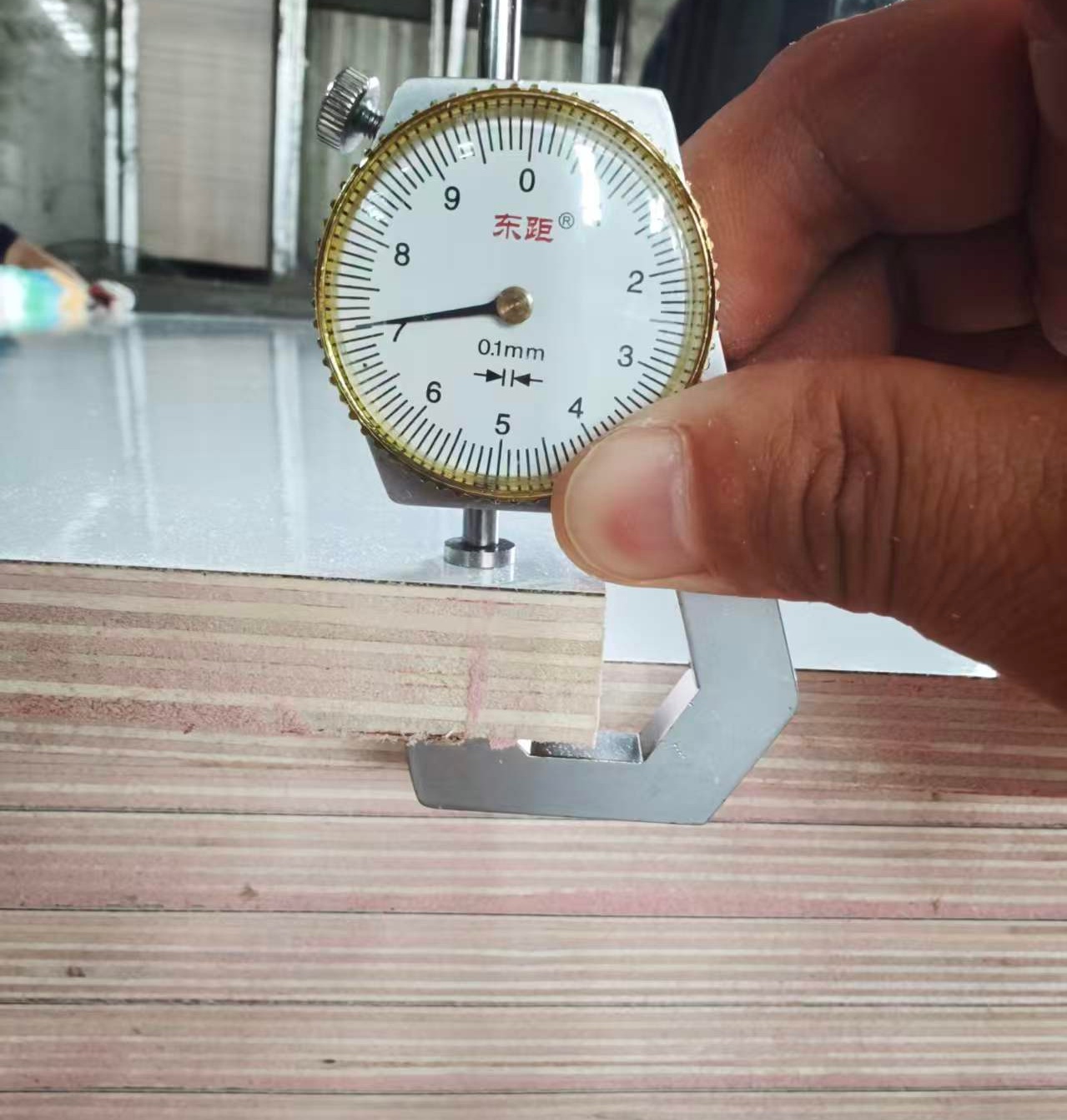
HPL Plywood Decorative Panels Stock HPL for Furniture Veneer
OEM fit: decorative HPL plywood panels for furniture veneer, interior fit-out and stock-supported wholesale programs.
For OEM dimensions, color matching, private-label packaging or mixed-product containers, use the quote button and share your target market, substrate, thickness, finish and estimated order mix.
What Custom OEM Phenolic Plywood Really Means in 2025–2030
In B2B sourcing, “phenolic plywood” is often used as a broad commercial term. It can describe plywood bonded with phenolic resin, plywood faced with a phenolic film, or a decorative HPL-faced plywood panel where the face is a high-pressure laminate. Compact laminate is a different construction: a solid, self-supporting phenolic board used without a plywood substrate. These distinctions matter because a buyer who specifies only the product name can receive three technically different panels with different moisture performance, impact resistance, edge treatment, screw-holding behavior and total installed cost.
For furniture factories and wholesalers, the more useful specification is application-led. A kitchen cabinet door, a laboratory worktop, a toilet partition, a retail display and an exterior cladding panel do not share the same stress profile. The winning procurement strategy is to define the exposure condition first, then lock the substrate, face grade, adhesive system, thickness tolerance, surface finish, edge sealing and packaging method. This is where a factory-linked OEM supply partner adds value: it converts a loose product request into a repeatable bill of materials.
Linyi is the largest wood-based panel cluster in China, and our operating model is built around that reality. As a verified trading company and multispecialty supplier, Linyi Fipdm Import And Export Co., Ltd. combines HPL, compact laminate, MDF, plywood, LVL and door cores from vetted partner mills into one managed supply chain. That does not mean every buyer needs a catalogue of everything. It means the purchasing team can reduce supplier count, consolidate inspection, and compare material options before committing to a container.
Specification Checklist for OEM Buyers
- Define the exposure: interior, wet area, laboratory, furniture surface or exterior facade.
- Choose construction: decorative HPL sheet, HPL-faced plywood or solid compact phenolic laminate.
- Lock thickness, sheet size, face/back pairing and visible-edge treatment.
- Confirm resin/glue system, formaldehyde grade and documentation for the destination market.
- Approve color, gloss level, texture, sample direction and batch tolerance.
- Plan packing, pallet protection, mixed-load sequence and loading-photo records.
How Wholesalers and OEM Buyers Will Source Phenolic Plywood Next
The direction is clear: less opportunistic spot buying, more documented supply programs. The following shifts are especially relevant for importers, distributors and furniture manufacturers building ranges for 2025 and beyond.
From Spot Orders to Frame Agreements
Buyers who once ordered one container at a time are moving toward annual or seasonal frame agreements with approved finishes, tolerances and packing standards. This reduces color drift, protects production schedules and gives the supplier time to reserve capacity across partner mills. For custom OEM phenolic plywood, the frame agreement should define the sample reference, face/back match, substrate grade and acceptable substitutes before the first production run.
From Unit Price to Landed Cost
Procurement teams increasingly compare landed cost, damage rate, installation speed and claim risk rather than the lowest FOB price. A lower-priced HPL plywood panel that warps, chips at the edge or fails a finish match can cost far more than a correctly specified board. Supplier consolidation, seaworthy pallet packing and pre-shipment inspection are becoming part of the commercial evaluation, not an afterthought.
From Generic Import to Private Label
Distributors want their own brand identity, packaging, edge banding, sample books and QR-linked product data. OEM and ODM support is no longer limited to large factories. A flexible supplier can coordinate logo printing, custom package quantities, mixed finish assortments and design-based customization while keeping the underlying board specification stable across repeat orders.
From Single Material to Mixed Containers
Smaller importers rarely need a full container of one thickness and one decor. They need a practical mix: HPL sheets, HPL-faced plywood, compact laminate offcuts for sample programs, MDF for cabinets and LVL for structural components. Mixed-load consolidation helps buyers reach efficient container utilization without carrying excessive inventory in slow-moving SKUs.
For the purchasing team, the implication is simple: select suppliers that can support a repeatable specification, not only a one-off quotation. A documented product baseline is the foundation of reliable wholesale growth.
Where Phenolic Plywood, HPL and Compact Laminate Are Heading
Material development is being driven by lower emissions, better surface realism, more demanding wet-area use and the need for faster installation on site.
Lower-Emission, Document-Ready Boards
E0 and E1 formaldehyde grades are now part of the specification conversation for MDF and plywood in many markets. Buyers increasingly ask for documentation that matches the destination country and the project’s indoor-air requirements. The practical trend is not simply “lower emission,” but traceable emission grades linked to the exact board, glue system and production batch.
Thin HPL With Higher Visual Value
Decorative 0.7 mm HPL continues to move into furniture, wall panels and cabinet doors where visual consistency matters. Matt, textured, synchronized wood-grain and super-matt finishes are helping designers replace solid wood and paint with a more durable surface. The next competitive edge is matching face, edge and backer so the finished panel looks intentional from every angle.
Compact Phenolic for Wet and Public Spaces
Compact laminate is gaining ground in toilet partitions, lockers, laboratory worktops and public furniture because it is self-supporting, impact-resistant and suitable for repeated cleaning. Buyers should still specify the correct thickness, fixing method and edge finish. A dense phenolic core performs best when the installation system is engineered for the panel, not adapted after delivery.
Texture, Color Consistency and Edge Logic
Surface realism is now a buying criterion. Wood-grain directions, gloss levels, tactile textures and color consistency across production runs can decide whether a wholesale range is accepted by retailers. The winning suppliers will be those that treat color matching and edge coordination as part of the product, not as a decorative afterthought.
Why Buyers Use Fipdm for Custom Phenolic Plywood Sourcing
Our role is to make multi-category panel sourcing more accountable. We combine vetted partner mills in Linyi with on-site inspection, export documentation and direct communication for international B2B buyers.
Intertek-Verified Supply Chain
We operate as a verified trading company and multispecialty supplier, assessed on site by a third party. For buyers who cannot visit China, this creates a documented starting point for supplier due diligence before a sample order or container program begins.
Two-Stage Quality Control
Material inspection takes place at the partner mill, followed by finished-product inspection for thickness, surface, edges and packing before loading. The goal is to catch specification drift before the container leaves, not after the goods arrive at the warehouse.
OEM, ODM and Flexible Customization
We support minor customization such as logo, packaging and graphics, plus sample-based, design-based and full customization. Distributors can build a private-label range while keeping the underlying technical specification and finish reference under control.
Multi-Category Consolidation
HPL, compact laminate, MDF, plywood, LVL and door cores can be combined in one managed shipment. This is especially useful for wholesalers testing new finishes or smaller importers who need a broader product mix without multiplying supplier contacts.
Low-Emission Options
MDF and plywood are available in E1 and E0 grades depending on the product line. When you send an inquiry, state the destination market, intended application and documentation requirement so the right board can be matched before quotation.
Technical Support and Export Logistics
Engineer support is available for project buyers working on cladding, partitions and furniture applications. Export documentation, seaworthy pallet packing and loading photos are part of the shipment record, giving the buyer a clearer view of what was loaded and how it was protected.
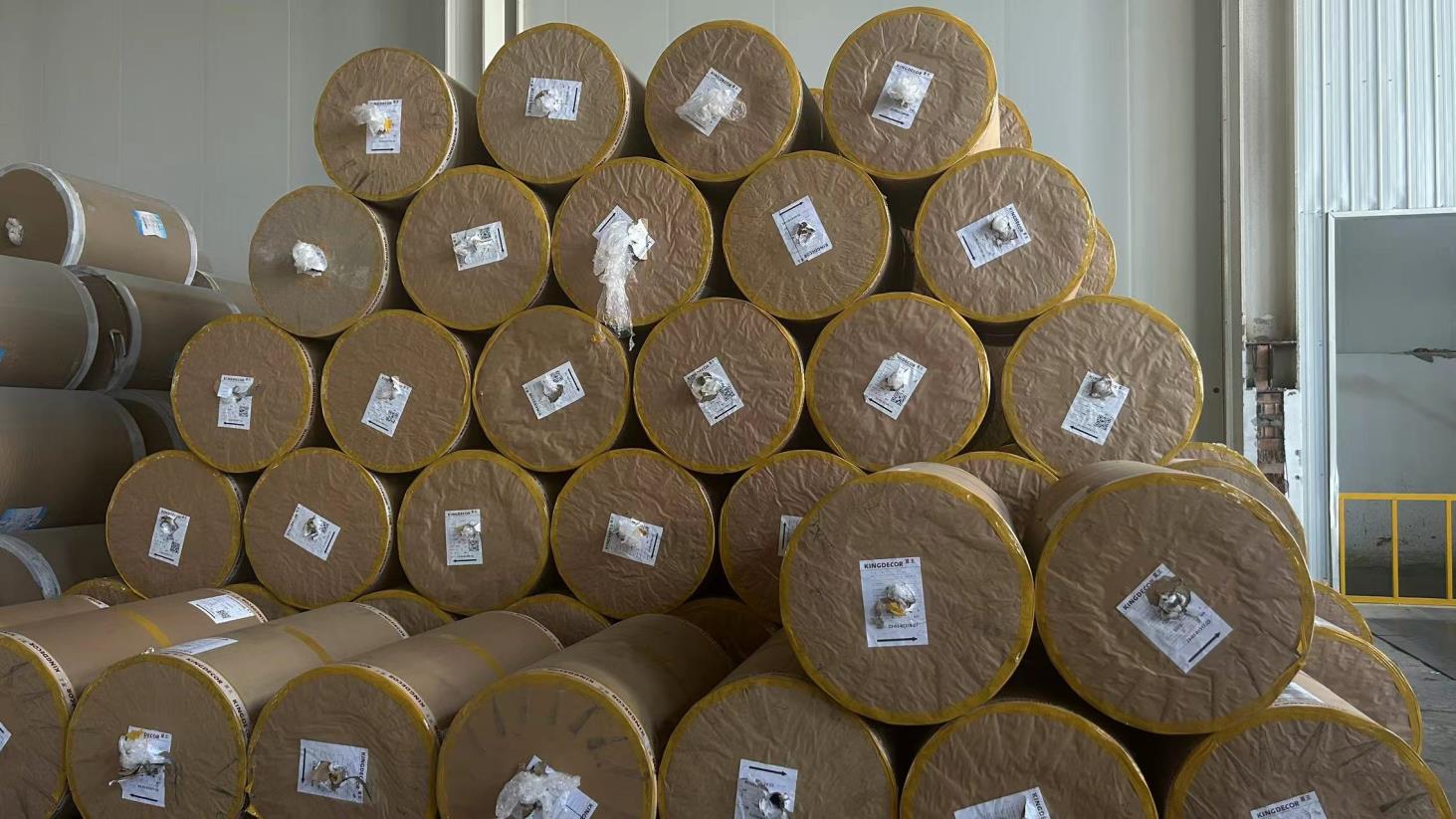
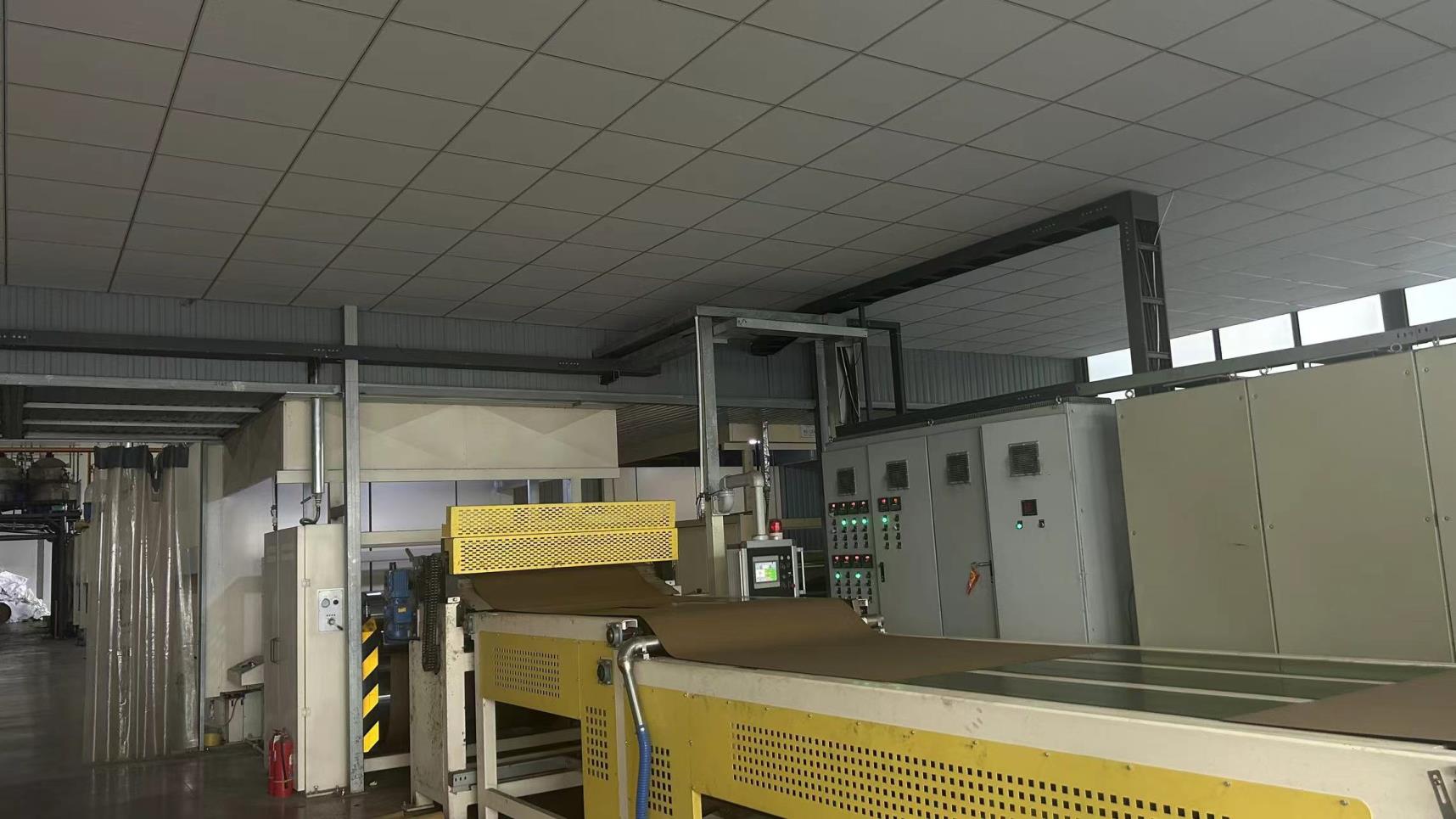

Partner production line, export loading record and the Linyi-based export team behind the sourcing process.
A Clear Path From Inquiry to Container
A disciplined process keeps custom OEM phenolic plywood projects from becoming a chain of assumptions.
Inquiry & Application Review
Share the product, substrate, thickness, finish, target market and estimated quantity. We clarify the application before recommending a construction.
Sample & Specification Lock
Approve color, texture, face/back pairing, edge treatment, emission grade and packing. The approved sample becomes the reference for production.
Production & Inspection
Partner mills produce to the locked specification. Material checks and finished-board inspection are completed before shipment.
Consolidation & Shipping
Mixed loads are sequenced, pallets protected and loading photos recorded. Export documents are prepared for the destination market.
Quick Reference for Phenolic Plywood & HPL Purchasing
Use this practical matrix to align the product format with the application before requesting a quotation.
Decorative HPL Sheet
Typical use: furniture faces, cabinet doors, wall panels and retail displays. Specify thickness, decor code, gloss level, texture, face direction and matching edge options.
HPL-Faced Plywood
Typical use: kitchen cabinets, furniture veneer, interior fit-out and stock-supported wholesale ranges. Confirm plywood core, face grade, balancing backer and edge sealing.
Compact Phenolic Laminate
Typical use: toilet partitions, lockers, laboratory worktops, table tops and public furniture. Specify thickness, fixing method, impact requirement and cleaning exposure.
Wear-Resistant HPL Plywood
Typical use: kitchen cabinets, shop fitting and high-touch furniture surfaces. Clarify wear layer, surface texture and expected cleaning agents.
Birch Plywood With HPL / Melamine
Typical use: furniture, cabinetry and specification-led interior projects. Confirm E0/E1 grade, thickness tolerance, core quality and packaging protection.
Wood-Grain Decorative HPL
Typical use: interior walls, furniture fronts, cabinet faces and wall cladding. Approve grain direction, color batch, gloss level and coordinated edge banding before production.
Common FAQ From Custom OEM and Wholesale Buyers
These are the questions our export team answers most often before a phenolic plywood or HPL order moves to sampling.
Are you a manufacturer or a trading company?
Linyi Fipdm Import And Export Co., Ltd. is a verified trading company and multispecialty supplier. We source from vetted partner mills in Linyi and manage on-site material inspection plus finished-product inspection before shipment. This gives buyers one accountable contact across several board categories.
What is the difference between HPL, compact laminate and phenolic plywood?
HPL is a thin decorative high-pressure laminate sheet, commonly around 0.7 mm, usually bonded to MDF, particle board or plywood. Compact laminate is a solid phenolic board, often 3–20 mm thick, used without a substrate where water and impact resistance matter. Phenolic plywood usually refers to plywood bonded with phenolic resin or faced with a phenolic film/HPL. The correct choice depends on exposure, structure and installation method.
Can you customize sizes, colors, textures and packaging?
Yes. We support minor customization such as logo, packaging and graphics, plus sample-based, design-based and full customization. For wholesale ranges, we can discuss private-label packing, finish assortments, sample books and repeat-order specification control.
Which formaldehyde emission grades are available?
MDF and plywood are available in E1 and E0 grades depending on product line. Tell us the destination market, application and required documentation when you send the inquiry so the board and paperwork can be matched correctly.
Can different products be mixed in one container?
Yes. Mixed loads of HPL, compact laminate, MDF, plywood, LVL and door cores are a core part of our service. This helps smaller importers and distributors reach practical container utilization while testing new finishes or product families.
How do you control quality before shipment?
Our process uses two-stage quality control: material inspection at the partner mill and finished-product inspection before loading. The check covers thickness, surface, edges, packing and the approved reference sample. Loading photos are recorded so the buyer has a shipment record.
Build a Repeatable OEM Phenolic Plywood Program
Send your application, target market, substrate, thickness, finish, packaging preference and estimated order mix. Our export team will respond with matched product options, specification notes and a quotation path.