8 Products for Commercial Plywood & HPL Buyers
Factory-direct options for furniture, wall cladding, wet areas, laser cutting and fire-retardant projects. Product links are preserved from the original catalogue; image ratios are fully displayed without compression.
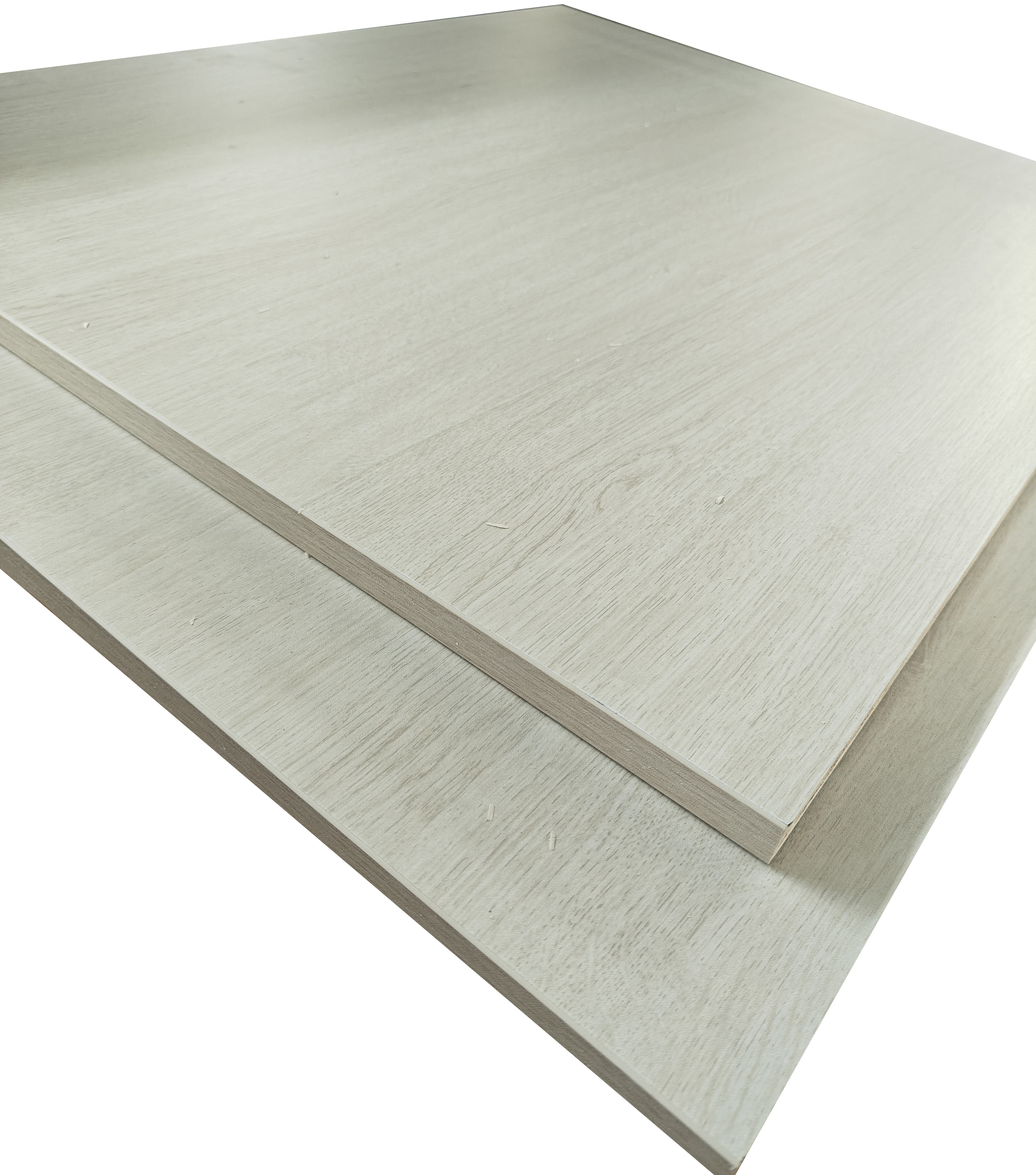
Professional HPL Compact Laminate Plywood for Furniture
High-pressure phenolic HPL surface over plywood for cabinets, worktops and commercial furniture. OEM colors, textures and thicknesses available.
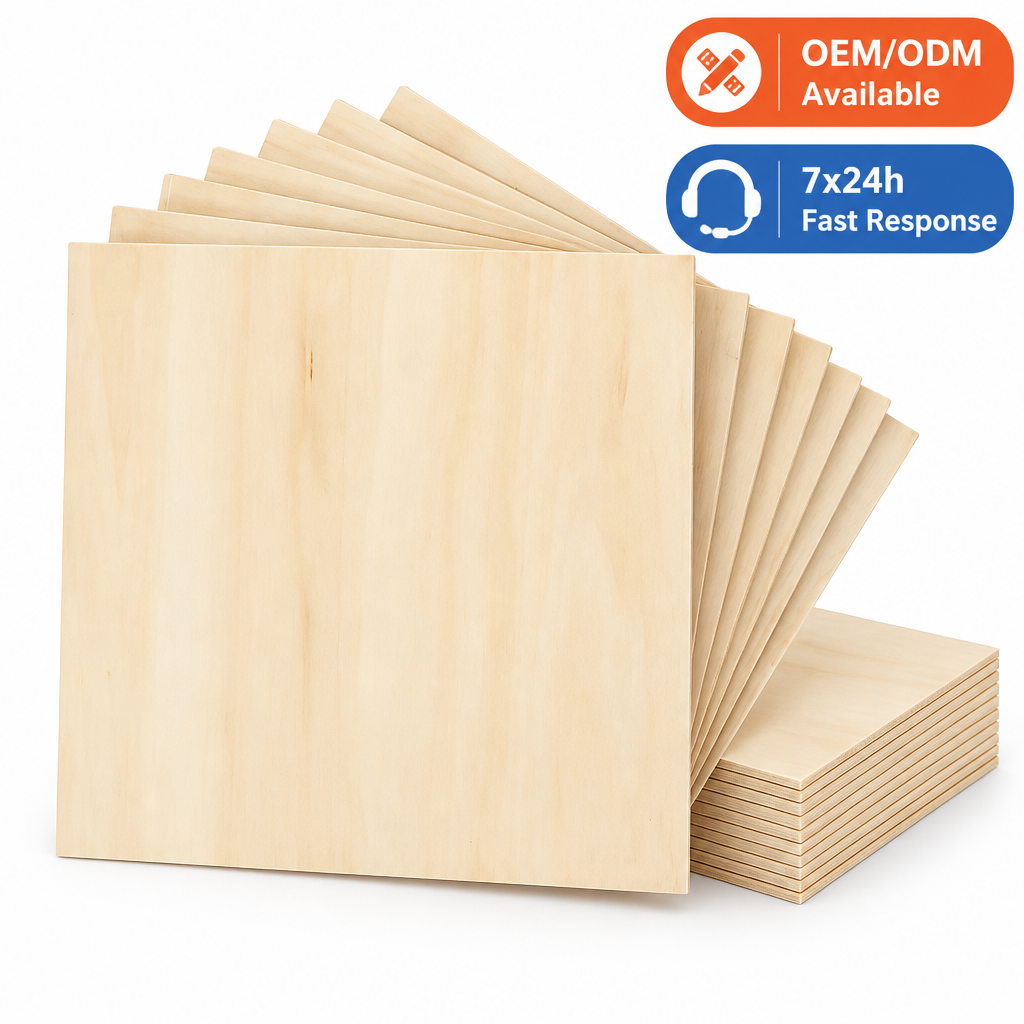
Eco-Friendly Basswood Plywood Sheet for Laser Cutting
12 x 12 x 1/8 in (3 mm) sanded basswood with birch veneer, selected for clean laser cutting, models and DIY production.
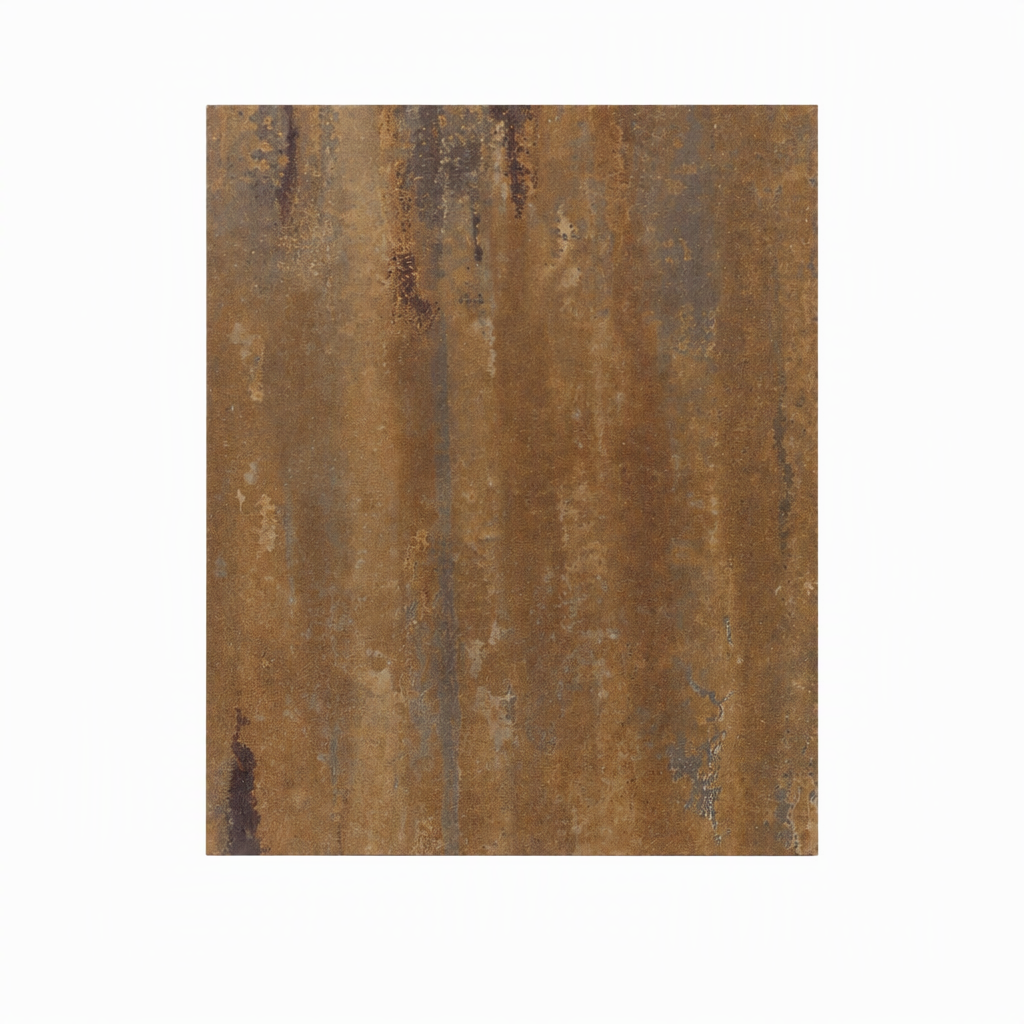
0.8 mm Brown Stone Look HPL Decorative Laminate
Decorative HPL wall panel with stone-look surface for interior cladding, lift lobbies, retail fit-outs and feature walls.
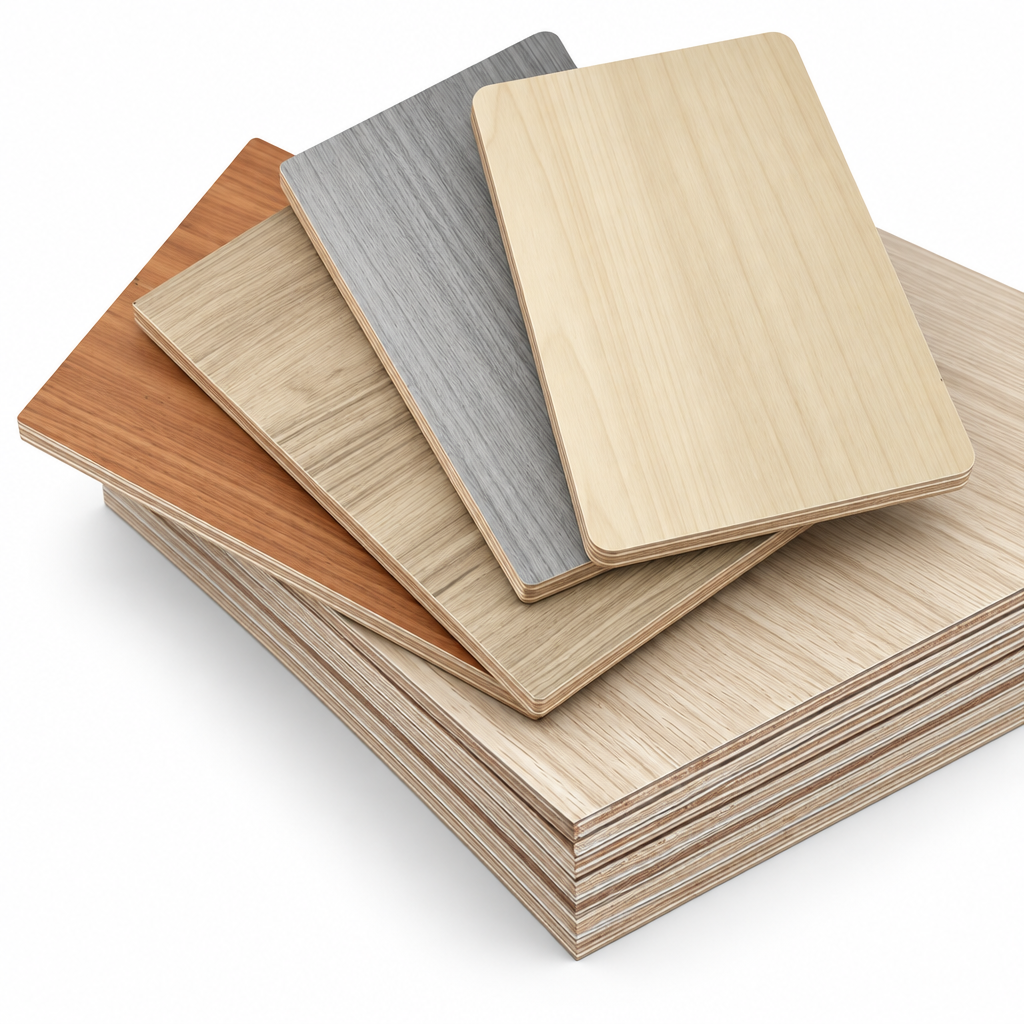
Wood Grain Decorative HPL Sheets for Furniture & Wall
Factory-direct HPL panel in wood grain designs for cabinets, wall cladding and furniture surfaces with consistent batch color.
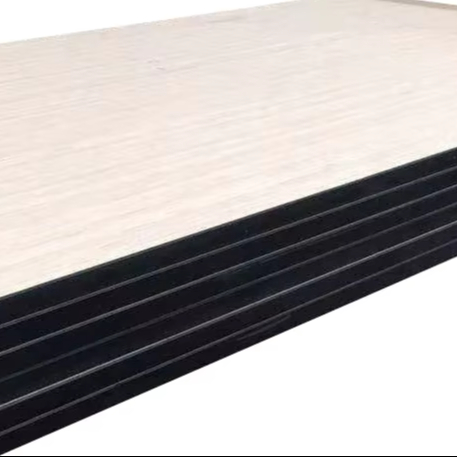
1220x2440 / 1300x2800 mm HPL Plywood & MDF for Cabinets
Black HPL laminated plywood and MDF panels for bathroom cabinets, kitchen units and commercial joinery.
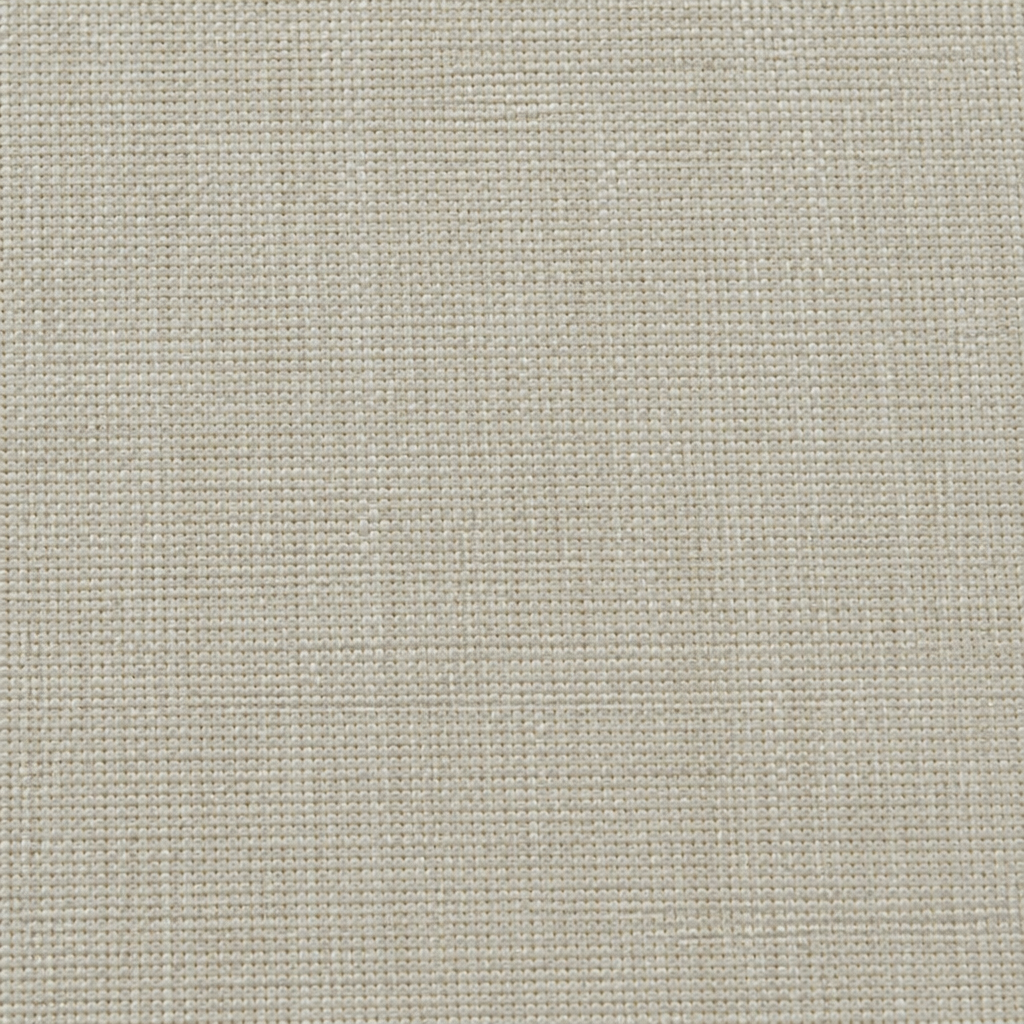
1830x3660 mm Waterproof Fire-Resistant Laminate
Large-format beige-gray decorative laminate for wall panels and wet areas requiring waterproof and fire-resistant performance.

4x8 ft Fire-Retardant HPL Decorative Plywood Panel
High-pressure laminate faced plywood panel for public interiors, wall linings and furniture requiring fire-retardant performance.
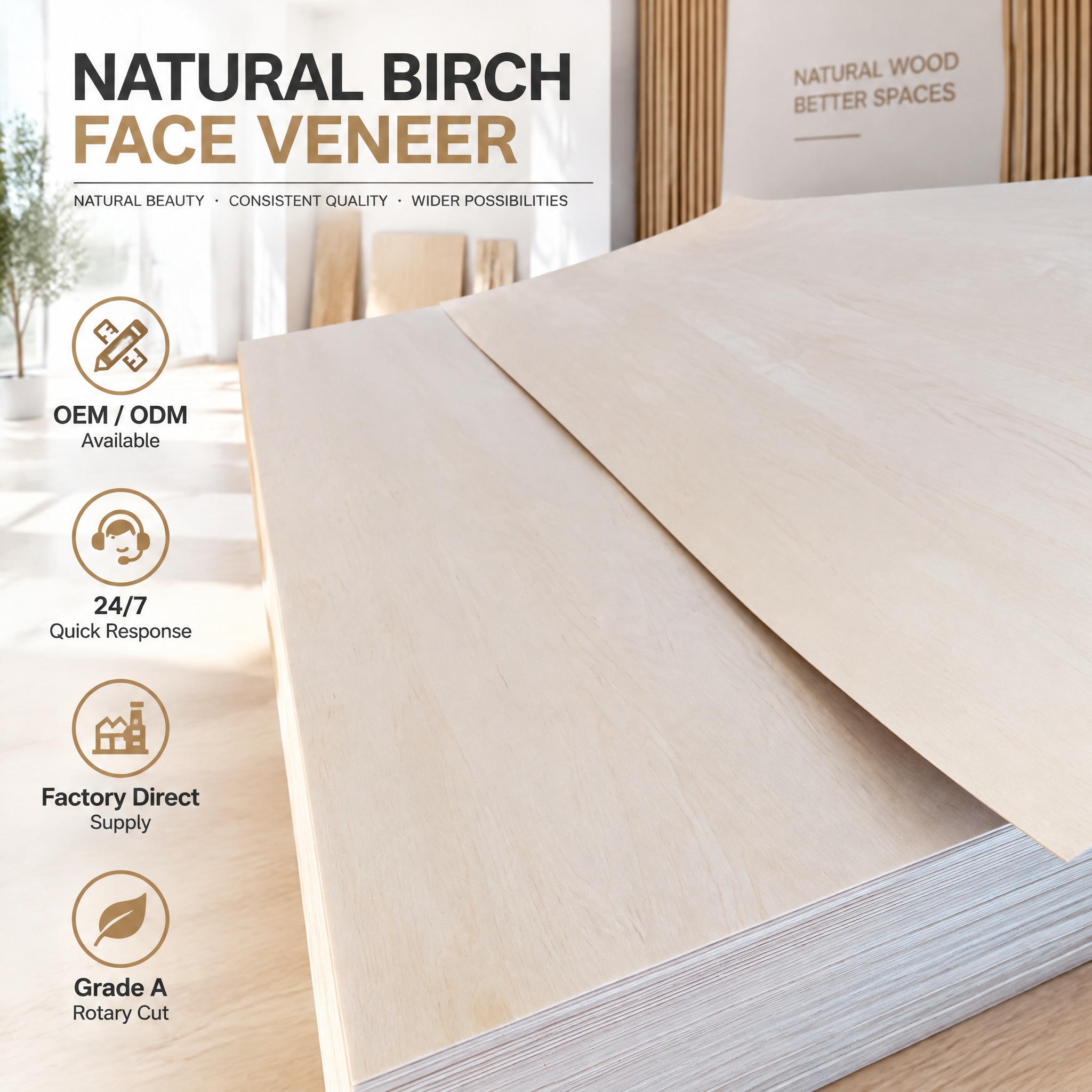
Sanded Basswood Plywood with Birch Veneer for Laser Cutting
Double-sided E0 decorative wood panel with sanded basswood core and birch veneer for laser cutting, models and furniture parts.
Commercial Plywood OEM Sourcing Is a Specification Discipline
The search phrase “Custom OEM Commercial Plywood Factories & Factory” usually combines three buyer intents: finding a factory-facing supply partner, verifying whether customization is real, and reducing risk before a container is loaded. For importers, distributors, furniture factories and project contractors, commercial plywood is rarely a single product. It is a specification stack made of face and back veneers, core species, glue bond, thickness tolerance, moisture content, surface finish, emission class, packaging and documentation.
A credible commercial plywood factory should be able to explain not only what it sells, but why a particular construction suits your application. A 3 mm basswood sheet for laser cutting has different tolerances from an 18 mm poplar-core panel for kitchen cabinets. A fire-retardant HPL-faced panel for a hospital corridor is not interchangeable with a decorative wall laminate for retail display. That is why experienced buyers evaluate the specification ownership of a supplier: who defines the construction, who checks raw materials, who audits the finished board, and who is accountable when the container arrives.
Linyi, Shandong, is one of China’s largest wood-based panel clusters. The concentration of veneer peeling, plywood pressing, HPL lamination, MDF production and export packing creates real advantages in speed, variety and mixed-load flexibility. It also creates a noisy market. Two quotations may look similar while differing in veneer grade, glue type, sanding quality, thickness tolerance or packaging. The useful question is not simply “Are you a manufacturer or trading company?” but “How do you control the specification across partner mills?”
Information gain for serious buyers: ask for a construction sheet, not a price alone. The construction sheet should list face/back veneer, core species, glue line, nominal and actual thickness, moisture range, emission target, surface treatment, edge condition, packaging method and loading photos.
Linyi Fipdm Import And Export Co., Ltd. operates as a verified trading company and multispecialty supplier. That model is useful when a buyer needs HPL, compact laminate, MDF, plywood, LVL and door cores from one accountable contact. The company sources from vetted partner mills in Linyi and runs on-site material inspection plus finished-product inspection before shipment. For OEM buyers, this is the difference between buying a board and managing a repeatable supply chain.
Match Commercial Plywood and Laminate to the Application
Use this selection matrix to narrow the factory conversation before requesting samples. Final tolerances and certification scope should be confirmed against your destination market and project specification.
| Application | Recommended Panel | Key Specification Focus | Commercial Reason |
|---|---|---|---|
| Furniture & cabinetry | HPL-faced commercial plywood; MDF with HPL or melamine | 12–18 mm, poplar/birch/eucalyptus core, MR or WBP glue, E0/E1 target | Balances screw-holding, surface durability and color consistency for repeat furniture orders. |
| Wet areas & bathroom cabinets | Waterproof HPL plywood, compact laminate or moisture-resistant MDF | Dense core, sealed edges, waterproof HPL, low water absorption | Reduces swelling risk at sinks, vanity units and commercial washrooms. |
| Public interiors | Fire-retardant HPL decorative plywood | Fire-retardant treatment, HPL face, smoke/flammability documentation | Supports corridors, reception areas, hospitals, schools and transport interiors. |
| Retail wall panels | 0.8 mm decorative HPL; large-format laminate | Stone/wood décor, surface texture, batch color, panel flatness | Faster fit-out with fewer joints and better visual continuity. |
| Laser cutting & craft | 3 mm basswood/birch plywood, sanded double-sided | Uniform veneer, low char, clean core, thickness consistency | Improves cut quality, reduces sanding time and supports small-batch OEM production. |
| Large wall & facade support | 1830x3660 mm laminate; exterior HPL where specified | UV/weather resistance, fixing method, substrate compatibility | Reduces visible seams and supports project-scale cladding schedules. |
Buyer note: “commercial plywood” is a market term, not a single standard. Always convert it into a measurable construction sheet before comparing factory quotations.
Six Shifts Reshaping Panel Buying Through 2030
Price remains important, but procurement teams are being measured on compliance, traceability, speed and total landed cost.
Verifiable compliance, not certificate photos
Buyers increasingly ask for test scope, batch linkage, emission targets and destination-market documentation. A PDF certificate without a matching order specification is less valuable than a documented inspection routine.
Total landed cost replaces FOB-only comparison
Mixed containers, seaworthy packing, loading efficiency and damage reduction now sit beside unit price. One consolidated shipment of HPL, plywood, MDF and LVL can lower freight and administration cost.
Supply-chain diversification without losing depth
Many buyers keep a Linyi panel partner for breadth while qualifying secondary sources for specific lines. The winning supplier is the one that can document raw-material sources and communicate alternatives quickly.
Low-emission specifications become mainstream
E0, E1, CARB/TSCA-aligned and project-specific low-emission requirements are moving from premium options to standard RFQs, especially for furniture, interiors and institutional projects.
Technical support influences supplier selection
Cladding, partition and furniture projects need fixing guidance, substrate recommendations and edge-sealing advice. Engineer support reduces installation risk and rework, particularly for HPL and compact laminate.
Smaller, faster, more customized orders
Distributors want their own color range, logo, packaging and mixed loads. OEM/ODM flexibility, sample speed and minimum order discipline are becoming competitive factors alongside factory capacity.
What the Next Generation of Commercial Panels Must Deliver
Panel development is moving toward higher performance in a thinner, cleaner and more consistently finished format.
Lower-emission adhesive systems
E0/E1 plywood, low-emission MDF and cleaner glue lines are becoming baseline requirements for furniture and interior projects. Documentation must match the actual production batch.
HPL integration and thinner decorative skins
0.7–0.8 mm HPL and compact laminate surfaces are being matched to engineered cores to deliver durability with less weight and faster installation.
Fire, moisture and weather in one panel
Public and semi-exterior applications increasingly ask for combined fire-retardant, waterproof and UV-resistant performance, supported by test reports and fixing guidance.
Digital décor and synchronised texture
Stone, wood and solid-color HPL designs are moving toward shorter runs, faster sampling and texture alignment that mimics natural materials more convincingly.
Intertek-verified supplier assessment
Third-party assessment supports the company profile and gives overseas buyers a starting point for due diligence. The trading-company-plus-partner-mill model is transparent when specifications and inspection records are shared.
Two-stage quality control
Material checks at the partner mill are followed by finished-board inspection for thickness, surface, edges, color and packing before loading. This reduces the risk of a specification drift between sample and container.
Multi-category consolidation
HPL sheets, compact laminate, HMR MDF, birch plywood, poplar LVL and tubular chipboard can be combined in one shipment. This helps importers reach container efficiency without holding excess stock in every category.
OEM, ODM and full customization
Minor customization such as logo, packaging and graphics is available, alongside sample-based, design-based and full customization. Distributors can build a private-label panel range without managing every mill directly.
On-site technical support
Project buyers can request guidance on cladding, partition and furniture applications. For HPL and compact laminate, fixing method, substrate and edge protection often determine the final result as much as the panel itself.
Export-ready logistics
Export documentation, seaworthy pallet packing and loading photos are part of the shipment routine. Buyers receive a clearer record of what left the factory and how it was protected for ocean transport.

Office & export team in Linyi

Panel warehouse & stock control

Partner-mill production line

Company video & factory evidence
How to Compare OEM Commercial Plywood Factories
A practical due-diligence sheet for purchasing managers, importers and project buyers.
| Verification Area | What to Ask | Why It Matters |
|---|---|---|
| Supplier role | Are you a factory, trading company or multispecialty supplier? Which mill produces this line? | Clarifies accountability and whether the quoted specification is controlled or passed through. |
| OEM capability | Can you customize size, thickness, face/back, color, logo, packaging and private-label documents? | Separates genuine OEM support from simple resale of standard stock. |
| Raw material traceability | What veneer grade, core species and glue are used? Can the batch be linked to inspection records? | Veneer grade and glue line directly affect strength, appearance, moisture resistance and claims risk. |
| Emission and compliance | Which E0/E1, CARB/TSCA-aligned or project-specific documentation can be supplied? | Destination-market requirements differ; documentation must match the actual order, not a generic brochure. |
| Thickness & moisture | What is the nominal versus actual thickness tolerance? What moisture range is controlled before packing? | Poor thickness control affects machining, laminating and installation speed; excess moisture increases swelling risk. |
| Surface & edge quality | How are sanding, veneer defects, HPL bond, edge chipping and shade variation checked? | Surface defects become visible after finishing or installation and are expensive to remedy overseas. |
| Packing & loading | Can you provide pallet photos, corner protection, moisture barrier and container loading records? | Most transit damage is preventable through packing discipline and documented loading practice. |
| Technical support | Who advises on substrate, fixing, edge sealing and application limits? | Good technical guidance reduces failure risk for cladding, wet areas and fire-rated interiors. |
Questions Buyers Ask Before Ordering
Practical answers for importers, distributors, furniture factories and project procurement teams.
Are you a manufacturer or a trading company?+
Linyi Fipdm Import And Export Co., Ltd. is a verified trading company and multispecialty supplier. We source from vetted partner mills in Linyi and manage on-site material inspection plus finished-product inspection before shipment. For buyers, the benefit is one accountable contact across HPL, compact laminate, MDF, plywood, LVL and door cores rather than negotiating separately with every mill.
What is custom OEM commercial plywood?+
Custom OEM commercial plywood is a panel built to a buyer’s specification rather than a generic stock description. The specification may define face and back veneer grade, core species, glue type, thickness, panel size, sanding level, moisture range, emission target, surface treatment, edge condition, private-label packaging and loading marks. A real OEM quotation should translate your application into a measurable construction sheet before price is finalized.
Which core, glue and face options can be discussed?+
Depending on the product line and partner mill, buyers can discuss poplar, birch, eucalyptus or mixed hardwood cores; MR and WBP glue systems; E1 or E0 emission targets; and faces such as HPL, melamine, veneer, UV coating or phenolic film. For wet or exterior-adjacent applications, glue selection and edge sealing are critical. Always confirm the final construction in writing because “commercial plywood” alone does not define performance.
How do you control formaldehyde emission and compliance?+
MDF and plywood can be supplied in E1 and E0 grades depending on the product line and order. Buyers should state the destination market and target standard at inquiry stage, such as E0/E1, CARB/TSCA-aligned requirements or a project-specific specification. We match the appropriate board and documentation from the selected partner mill, and we recommend confirming test scope, sampling method and batch linkage before placing a repeat order.
Can I mix commercial plywood with HPL, MDF, compact laminate or LVL in one container?+
Yes. Mixed loads are a core part of the Fipdm service model. A distributor might combine HPL sheets, HMR MDF, birch plywood, poplar LVL and door cores to reach container efficiency without overstocking a single category. The key is to confirm thickness, packing method, pallet height and loading sequence early so the container is stable and easy to unload.
What MOQ and lead time should I expect?+
MOQ and lead time vary by panel type, size, finish, customization level and partner-mill schedule. Standard HPL, MDF and common plywood specifications may be faster, while custom colors, private-label packaging, fire-retardant treatment or large-format laminate can require additional production planning. Share your target quantity, destination port and required delivery date so the quotation can reflect realistic production and consolidation time.
Can you customize sizes, colors, logos and packaging?+
Yes. Available customization includes minor customization such as logo, packaging and graphics, as well as sample-based, design-based and full customization. ODM services are also available for distributors building their own range. For color-sensitive orders, request a physical sample or approved color chip before production and confirm the lighting condition used for approval.
How is quality checked before shipment?+
The routine is two-stage: material inspection at the partner mill and finished-product inspection before loading. Checks typically cover thickness, dimensions, surface appearance, edge condition, HPL bond, color consistency, packing and loading protection. Loading photos and inspection records can be shared so the buyer has a shipment record. For project orders, agree the acceptance criteria in the purchase order rather than relying on general “good quality” language.
When should I use commercial plywood instead of compact laminate?+
Commercial plywood is usually the better choice when the project needs a structural or furniture substrate with a decorative face, good screw-holding and efficient machining. Compact laminate is a solid phenolic panel used without a substrate where water, impact and cleaning resistance are priorities, such as toilet partitions, lab worktops and table tops. For wet areas, compare total installed cost and edge detail, not just panel price.
How should I compare quotations from different Linyi suppliers?+
Normalize the quotation before comparing price. Ask every supplier to state face/back veneer, core species, glue, nominal and actual thickness, tolerance, moisture target, emission class, surface finish, packing method, loading quantity and documentation. Then compare sample quality, inspection evidence and communication speed. A low unit price can disappear quickly if the panel needs extra sanding, suffers edge damage or fails the destination market’s documentation requirement.
Planning a Custom OEM Commercial Plywood Order?
Send your sizes, thickness, core preference, face/back specification, finish, target market and estimated quantity. Our export team will respond with matched options, sampling guidance and a practical production route from Linyi.