China Wholesale MDF Board Wholesaler & Wholesalers
A buyer-focused sourcing guide for E0/E1 MDF, HMR MDF, melamine-faced MDF, HPL-faced panels, plywood and compact laminate from Linyi, China — built for importers, distributors, furniture factories and project buyers.
Eight Wholesale Products for Furniture, Fit-Out and Project Procurement
The products below are real catalogue items from our panel and laminate range. They help wholesale buyers compare surface performance, substrate options and finishing routes before requesting an MDF, HPL or plywood quotation.
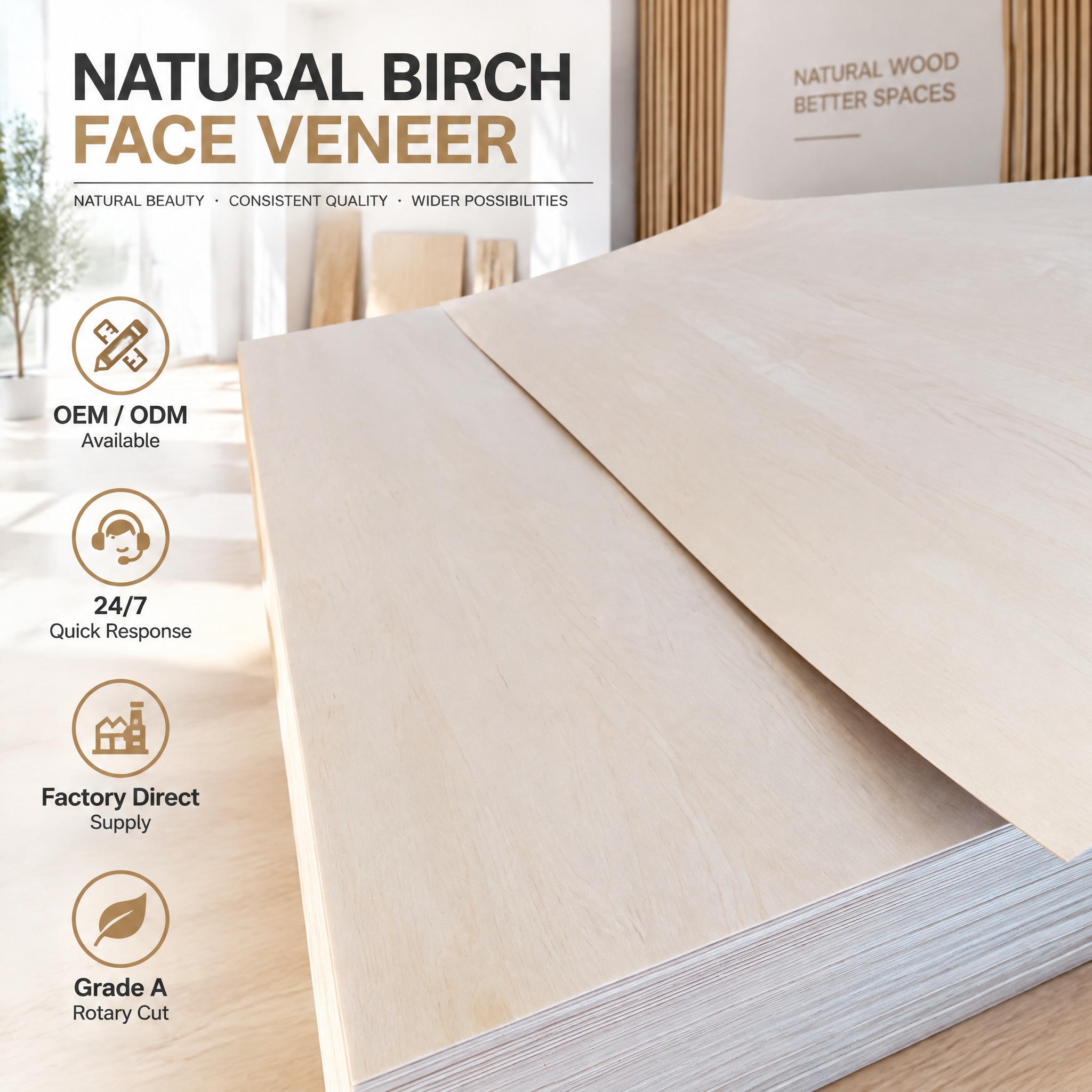
Sanded Basswood Plywood Sheets with Birch Veneer Double-Sided E0 Decorative Wood Panels for Laser Cutting Furniture
View wholesale details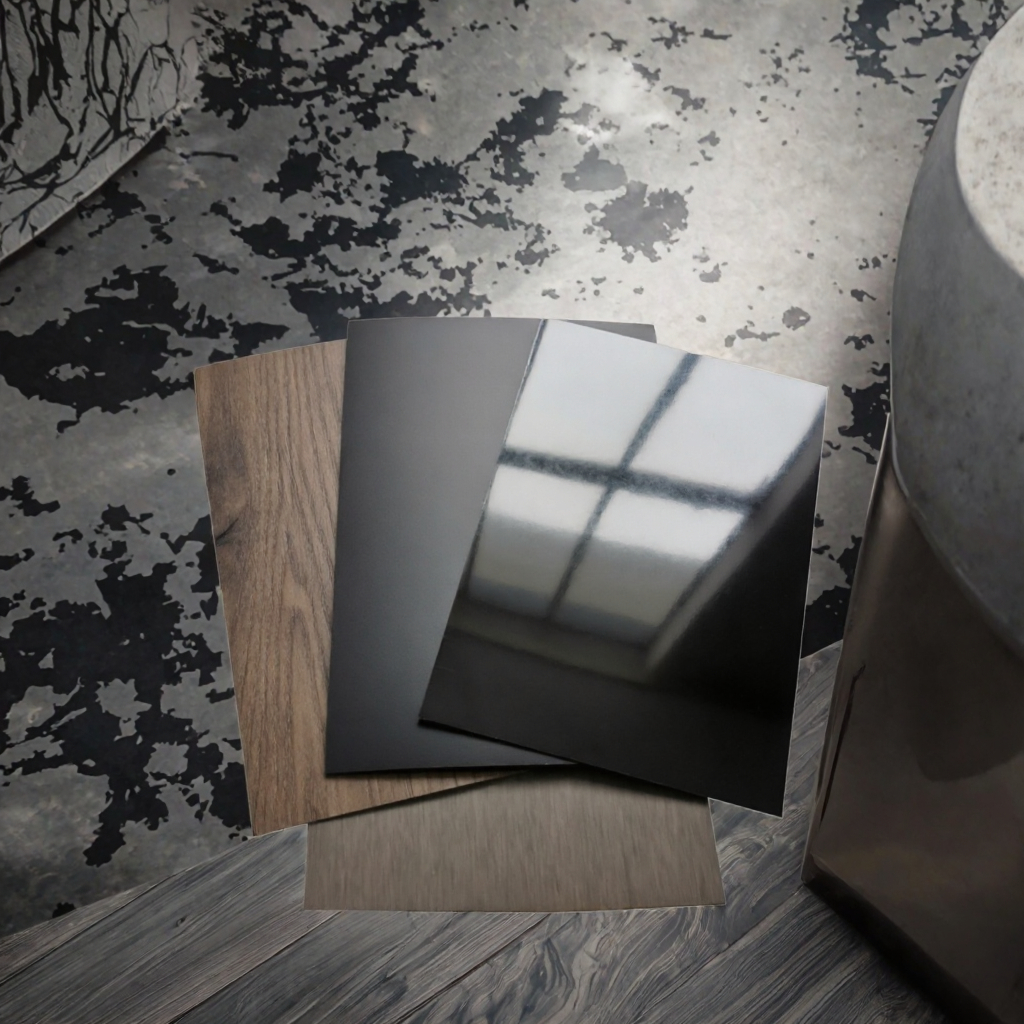
Glossy Black HPL Laminate Sheet Formica Decorative Panel for Interior Furniture Laboratory Table
View wholesale details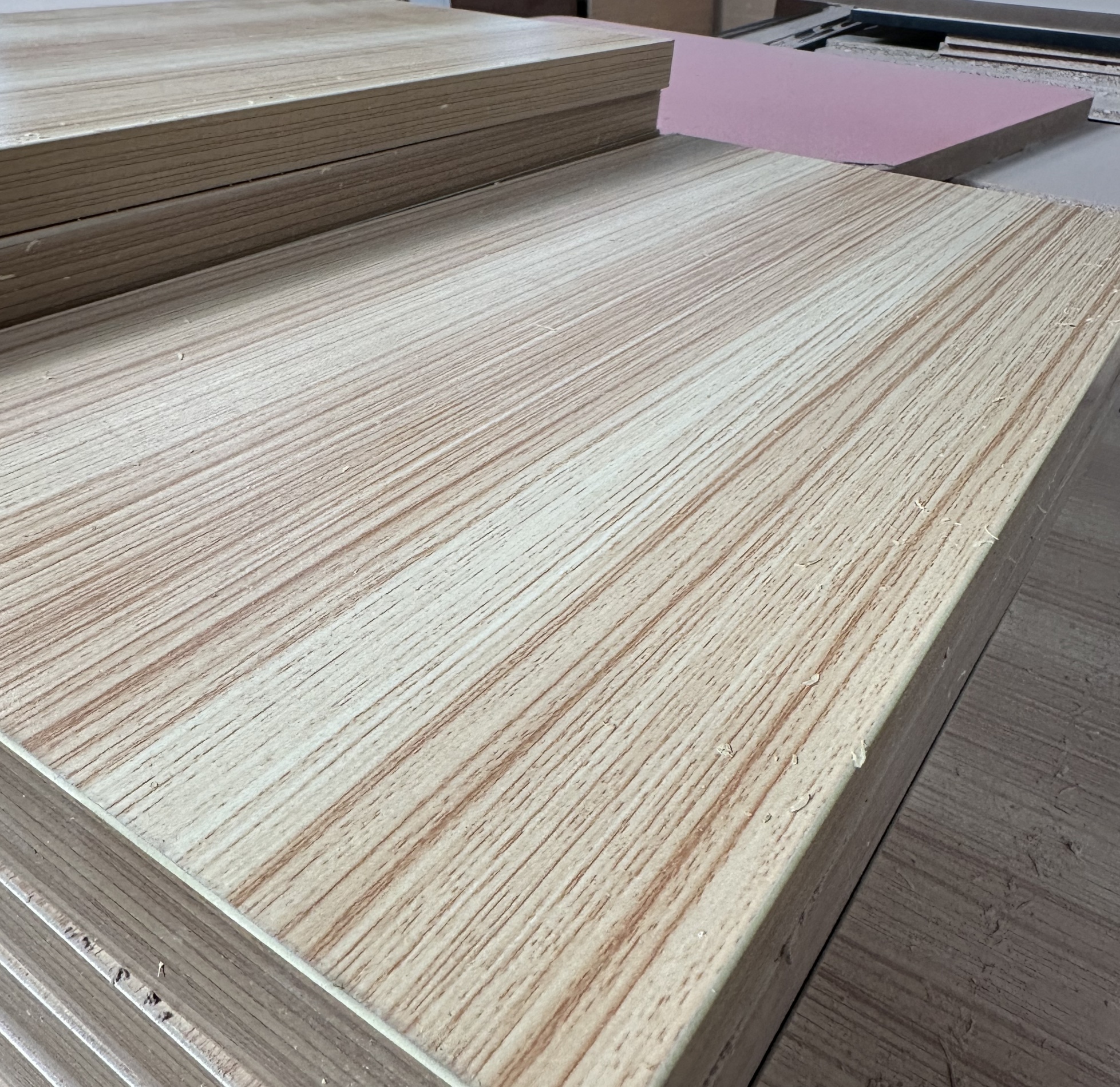
Stock HPL Wear-resistant Laminate HPL Plywood for Kitchen Cabinets
View wholesale details
4x8 ft HPL High-Pressure Laminates Sheet Board Hpl Laminated Plywood Fire Retardant Decorative Plywood Panels
View wholesale details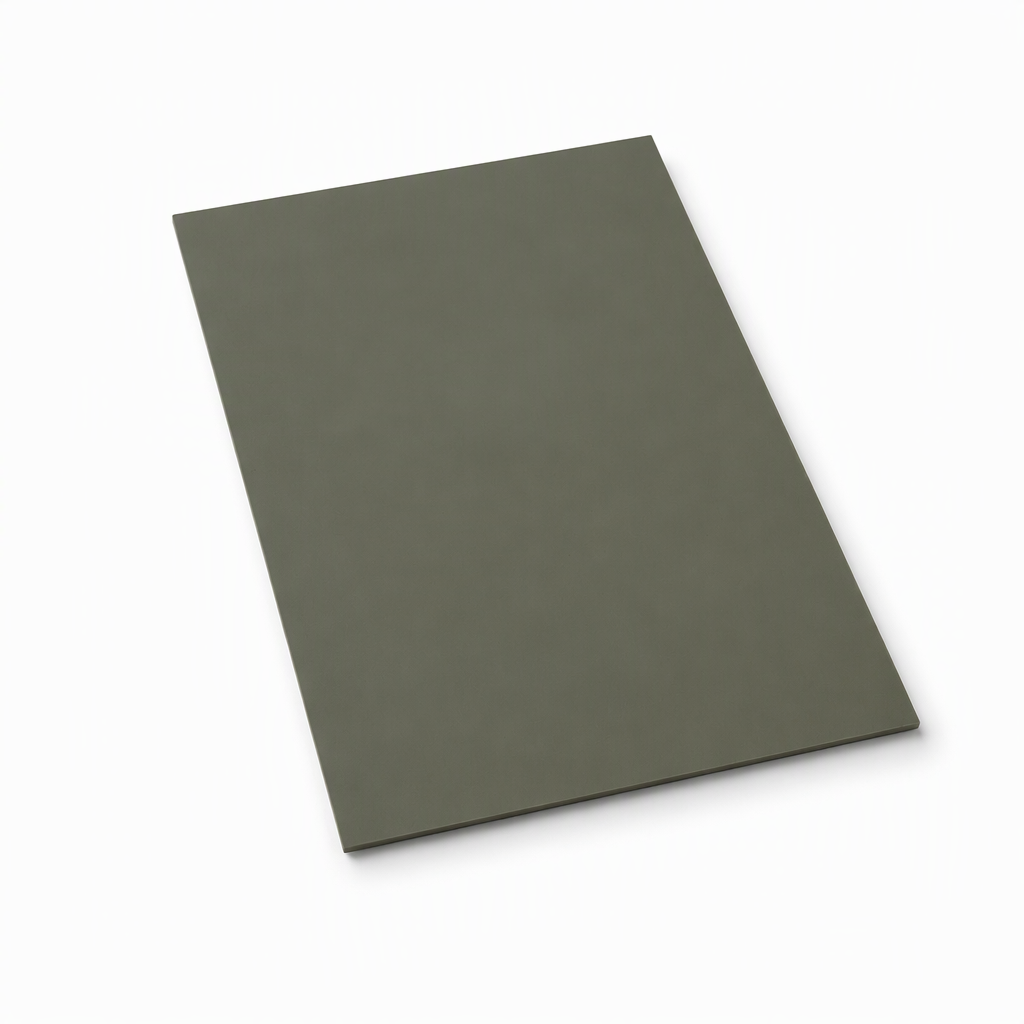
1230*2450mm Grey Green HPL Sheet Decorative High Pressure Laminate Panel for Furniture Interior
View wholesale details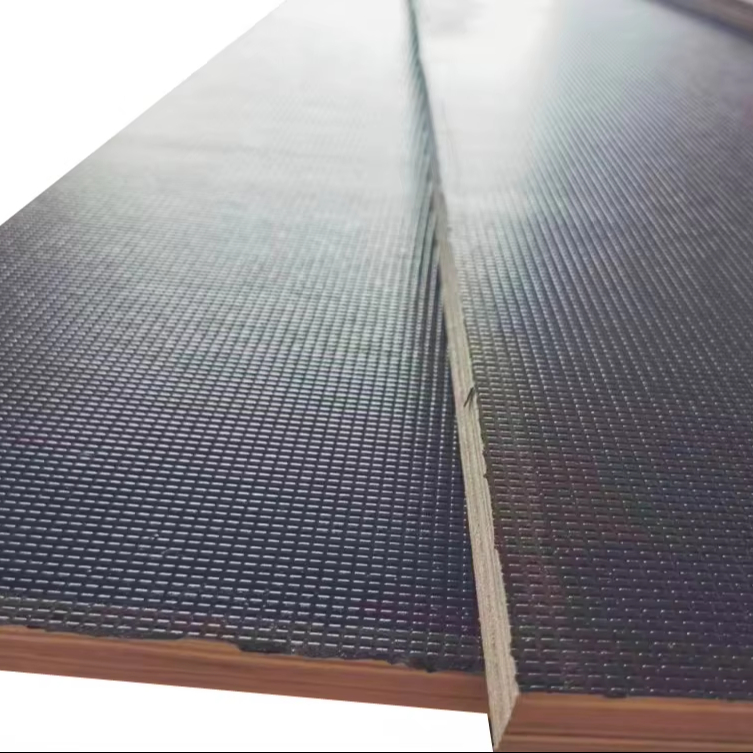
1220x2440 HPL Waterproof Laminate Sheet Board Fire Retardant Decorative High-Pressure Plywood E0 Formaldehyde Marine Phenolic
View wholesale details
HPL Plywood E0 Fire Resistant Sanded Surface Double-Sided Decoration 4X8 18mm Furniture Plywood
View wholesale details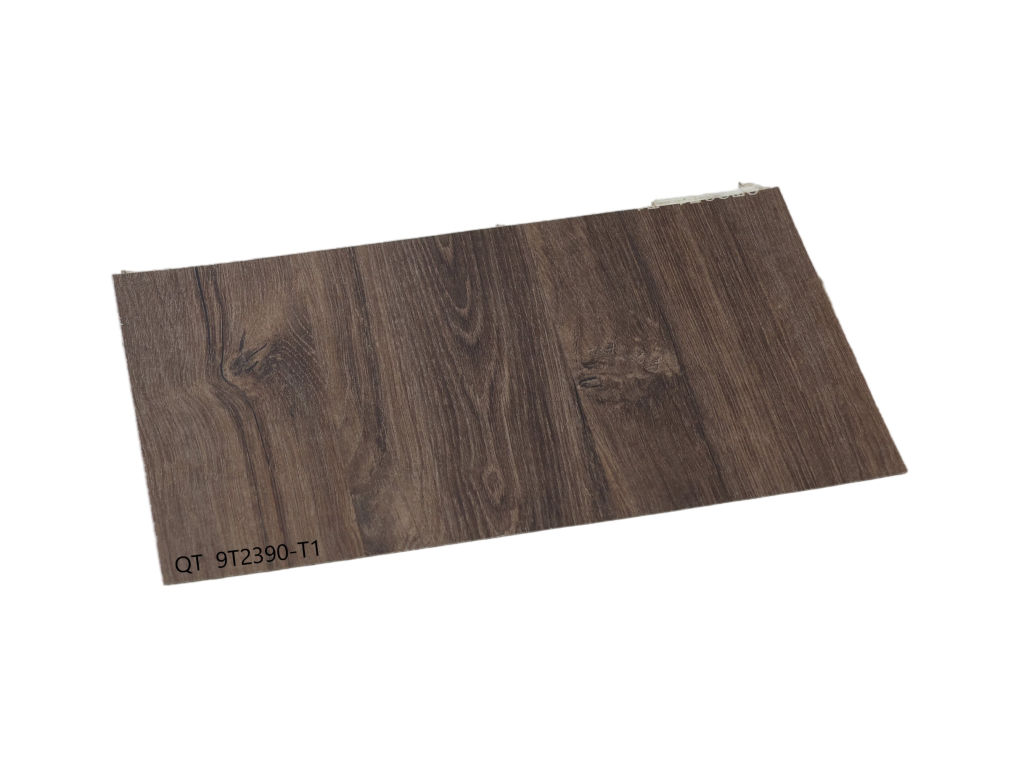
Dark Brown Decorative Panel HPL Sheet QT 9T2390-T1 Interior Wall Cladding
View wholesale detailsChina Wholesale MDF Board Wholesaler & Wholesalers: What the Search Really Means
The query combines a country, a product and two commercial role terms. Behind it are very different buyers: a furniture factory checking raw MDF supply, a distributor comparing wholesalers, a project contractor sourcing HPL-faced boards, and an importer testing whether a China supplier can manage consistent quality across mixed panel categories.
For MDF specifically, the buying decision is rarely just a price per sheet. Professional buyers evaluate density consistency, thickness tolerance, sanding quality, formaldehyde emission class, moisture resistance, fibre uniformity, edge machining behaviour and packaging strength. A board that appears cheap at the quotation stage can become expensive if it creates CNC downtime, edge-banding defects, coating failures or moisture swelling in transit and storage. That is why a credible China wholesale MDF board wholesaler should function as a specification translator, not only a sales channel.
Search results for “wholesaler” and “wholesalers” often mix mills, trading companies, stockists and export consolidators. The practical difference is accountability. A mill may offer strong pricing on a narrow range; an export-focused wholesaler can usually combine MDF, HPL, plywood, LVL and door cores, coordinate inspection and documentation, and protect the buyer from managing many separate factories. For repeat wholesale orders, the stronger model is a verified trading company with deep access to local mills, documented inspection procedures and the ability to match a product specification to the destination market.
This is also where information gain matters. A useful supplier page should tell buyers how to compare E0 and E1 grades, when HMR MDF is worth the premium, how melamine-facing and HPL-facing change the total cost of ownership, and what can go wrong if moisture, fire or wear resistance is treated as a last-minute upgrade. The sections below translate those decisions into practical procurement guidance for importers, distributors, contract furniture makers and project buyers.
Recommended MDF and Panel Configurations for Wholesale Buyers
Rather than treating MDF as a single commodity, match the board specification to the end use, climate, machining route and compliance requirement. These four configurations cover the most common wholesale buying briefs.
HMR MDF for Kitchens and Bathrooms
For kitchen cabinets, bathroom vanities, door skins and fitted furniture, specify HMR MDF when humid conditions are predictable. The moisture-resistant core helps reduce swelling at cut edges and around fixings, but it does not replace edge sealing. Buyers should confirm density, thickness tolerance and the intended melamine or UV finish before ordering a full container.
E0 / E1 Melamine-Faced MDF
Melamine-faced MDF is a strong choice for wardrobes, office furniture, shelving, shop fitting and interior panels where a consistent decorative surface matters. Confirm the emission class required by the destination market, the paper weight, the pressing quality and the matching edge band. For distributors, colour consistency across repeat orders is as important as the initial sample match.
HPL-Faced Panels for Wear and Wet Areas
When the surface must resist impact, cleaning agents, abrasion or frequent use, HPL-faced plywood or HPL-faced MDF can outperform standard melamine. Typical applications include kitchen cabinets, laboratory tables, restaurant furniture, toilet partitions and wall cladding. For severe wet or exterior conditions, compact laminate or phenolic HPL panels should be evaluated as a separate product category.
Mixed-Container MDF + HPL + Plywood
Distributors and furniture factories often need several panel categories in one shipment. A mixed load can combine MDF, HPL sheets, plywood, LVL and door cores to improve container utilisation and reduce administrative workload. The key is early confirmation of pallet planning, stack heights, moisture protection, loading sequence and the inspection plan for each product family.
Procurement Trends Reshaping China MDF Board Wholesale
Wholesale buyers are moving away from single-price comparisons toward supply reliability, compliance evidence and total landed cost. These four trends are visible in enquiries for MDF, HPL-faced panels, plywood and project-grade laminates.
Compliance-Led Sourcing
Formaldehyde emission, fire performance, moisture resistance and documentation are now part of the buying brief, not an afterthought. Buyers increasingly ask for E0 or E1 MDF and expect specifications to be confirmed before the deposit stage.
Mixed-Container Consolidation
Smaller importers cannot always fill a container with one board type. Consolidating MDF, HPL, plywood and LVL from one accountable supplier helps lower freight friction and improves access to full-container economics.
Inspection and Traceability
Pre-shipment photos, material checks, finished-product inspection and loading records reduce disputes at destination. Buyers want evidence that the board they approved is the board that was loaded.
OEM / ODM and Packaging Control
Distributors increasingly request logo, packaging, graphics, sample-based and design-based customisation. A flexible supplier can support private-label development without losing control of board quality.
MDF Product Development Trends: From Commodity Board to Engineered Panel System
The next procurement cycle will reward buyers who look beyond thickness and price. MDF is becoming a platform product, combined with moisture resistance, fire performance, engineered surfaces and better machining consistency.
Lower Formaldehyde and Cleaner Indoor Air
E0 and E1 MDF options are now a routine part of furniture and interior procurement. Buyers should connect the emission grade to the destination market, the final application and the documentation the project requires.
HMR and Fire-Retardant Performance
Moisture-resistant and fire-retardant board grades are moving from niche project specifications into mainstream furniture and fit-out enquiries. The practical value depends on correct edge sealing, installation and use conditions.
Engineered Decorative Surfaces
Melamine, HPL, UV coating and textured finishes turn MDF into a finished furniture panel. Colour consistency, surface durability and edge details matter more than ever for distributors building repeatable ranges.
Precision, CNC Stability and Packaging
Furniture factories rely on MDF that machines cleanly, holds edges and maintains thickness consistency. Buyers increasingly evaluate sanding quality, density uniformity, pallet protection and loading photos as part of the purchasing decision.
Why Linyi Fipdm Supports Repeat Wholesale Orders
Linyi Fipdm Import And Export Co., Ltd. is a verified trading company and multispecialty supplier based in Linyi, Shandong — China’s major wood-based panel cluster. We combine laminates, fibreboards, flakeboards, plywoods and new material boards from qualified partner mills into one managed supply chain for global B2B buyers.
Linyi Panel-Cluster Access
Our location gives buyers access to a dense supplier base for MDF, HPL, compact laminate, plywood, LVL and door cores. That local access supports faster sampling, spec matching and mixed-category consolidation.
Intertek-Verified Trading Company
We are a verified trading company and multispecialty supplier assessed by a third party. Buyers get one accountable contact across multiple panel categories, with supplier assessment procedures behind the quotation.
Two-Stage Quality Control
We inspect raw materials on site at partner mills and check finished boards for thickness, surface, edges and packing before loading. Loading photos and inspection records are shared to reduce destination disputes.
Flexible Customisation and ODM
We support minor customisation such as logo, packaging and graphics, plus sample-based, design-based and full customisation. ODM services help distributors build a private range without starting from a blank sheet.
Multi-Category Consolidation
Combine MDF, HPL sheets, compact laminate, plywood, LVL and door cores in one container. This reduces freight friction and administrative workload for importers and distributors that sell several product lines.
Export Logistics and Technical Support
Export documentation, seaworthy pallet packing and on-site technical support for project buyers are part of the service model. For cladding, partitions and furniture projects, early installation guidance can prevent costly site errors.
How Professional Buyers Weight MDF Wholesale Decisions
Price is important, but it is rarely the only factor in a repeat wholesale order. The weighting below is a practical planning example based on common B2B sourcing conversations; adjust it to your market, project and risk tolerance.
A lower unit price can be erased by poor thickness control, moisture damage, rework or delayed documentation. Buyers should compare the specification behind the quotation, not only the number at the bottom.
Before You Request a Quote, Confirm These Details
A concise specification brief helps a China MDF board wholesaler match the correct board, surface and inspection plan. Use this checklist to reduce back-and-forth and avoid ordering the wrong grade.
- Board type: plain MDF, HMR MDF, melamine-faced MDF, HPL-faced MDF or plywood.
- Emission grade: E0 or E1, with destination-market documentation requirements.
- Thickness and tolerance: 3 mm to 25 mm or project-specific thickness, plus accepted tolerance.
- Panel size: 1220×2440 mm, 4×8 ft, 1830×2750 mm or custom cutting requirements.
- Density and machining: CNC routing, drilling, edge-banding and screw-holding expectations.
- Surface finish: wood grain, solid colour, matt, textured, gloss, melamine, HPL or UV coating.
- Moisture and fire performance: HMR, fire-retardant or standard interior use.
- Application: kitchen cabinet, wardrobe, office furniture, wall panel, laboratory table or fit-out.
- Packaging: pallet protection, corner guards, moisture barrier, logo or neutral export packing.
- Order and logistics: MOQ, mixed-container plan, target ETD, destination port and inspection needs.
Frequently Asked Questions from MDF Wholesale Buyers
These are the questions buyers ask most often when comparing China MDF board wholesalers, HPL suppliers and mixed panel programmes.
Are you a manufacturer or a trading company?
What is the difference between MDF, HMR MDF and HPL-faced MDF?
Which formaldehyde emission grades can you supply?
Can I mix different products in one container?
How do you control quality before shipment?
Can you customise sizes, colours and packaging?
Planning a Wholesale MDF or HPL Panel Order?
Send your sizes, thickness, surface finish, emission grade, application and destination market. Our export team will reply with matched options, inspection details and a practical quotation route for your next container.