8 Products for Furniture-Grade Plywood Wholesale Buyers
Start with the application, not the lowest price. These eight products cover kitchen and bathroom cabinetry, lightweight furniture, fire-retardant furniture panels, wear-resistant kitchen cabinet surfaces, interior wall décor, stone-look HPL and waterproof phenolic boards. Each listing is linked to its original product page.
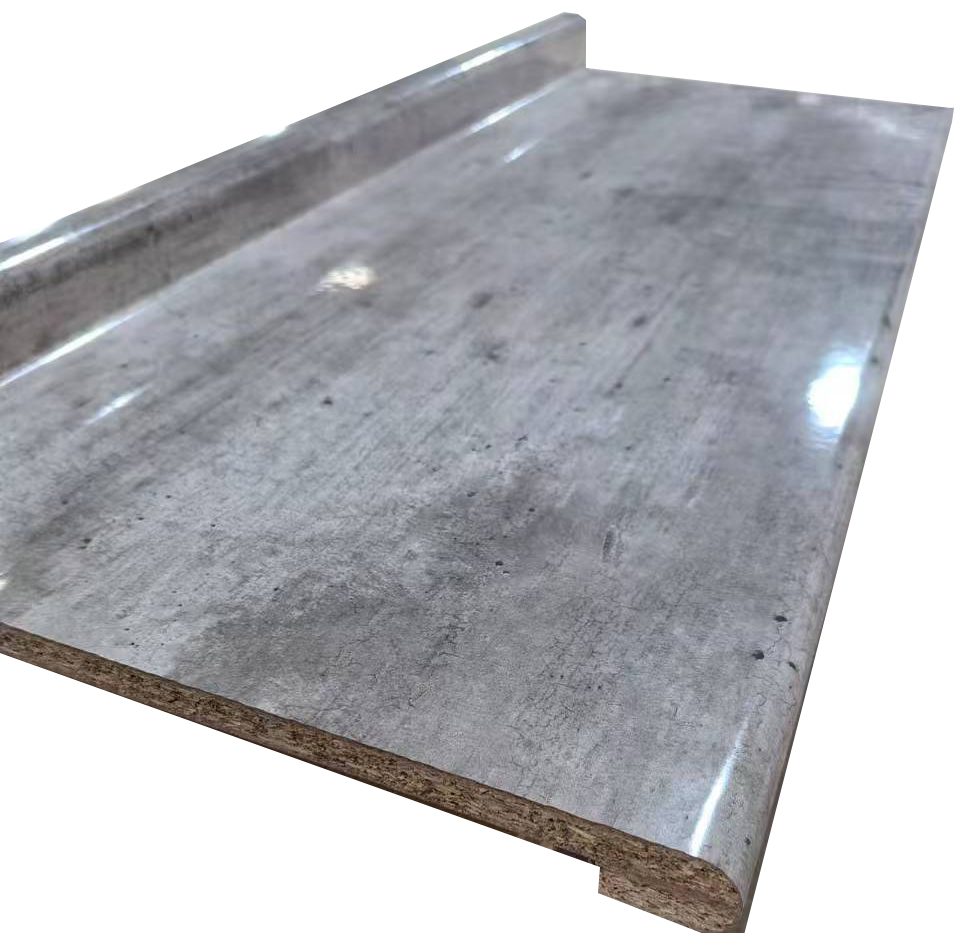
Linyi Hpl Melamine Board Plywood HMR MDF Sheet 18mm 25MM Melamine Board Furniture Board for KITCHEN COUNTERTOPS
A countertop and wet-area cabinet choice: HPL/melamine surface over HMR MDF for wipe-clean hygiene and better moisture resistance when edges are sealed. Confirm face/back balance, 18 mm or 25 mm thickness tolerance and edge-band quality before ordering.
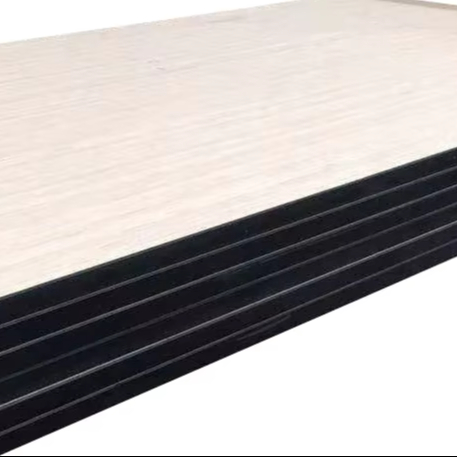
Best Price 1220x2440mm 1300X2800MM HPL Plywood HPL LAMINATE BLACK MDF for Cabinets Bathroom Cabinet Black Plywood
Black HPL on plywood/MDF for bathroom vanities, hotel cabinets, retail counters and dark bathroom cabinet programs. Large 1220×2440 mm and 1300×2800 mm formats reduce joints. Check gloss level, scratch resistance and batch-to-batch color control.
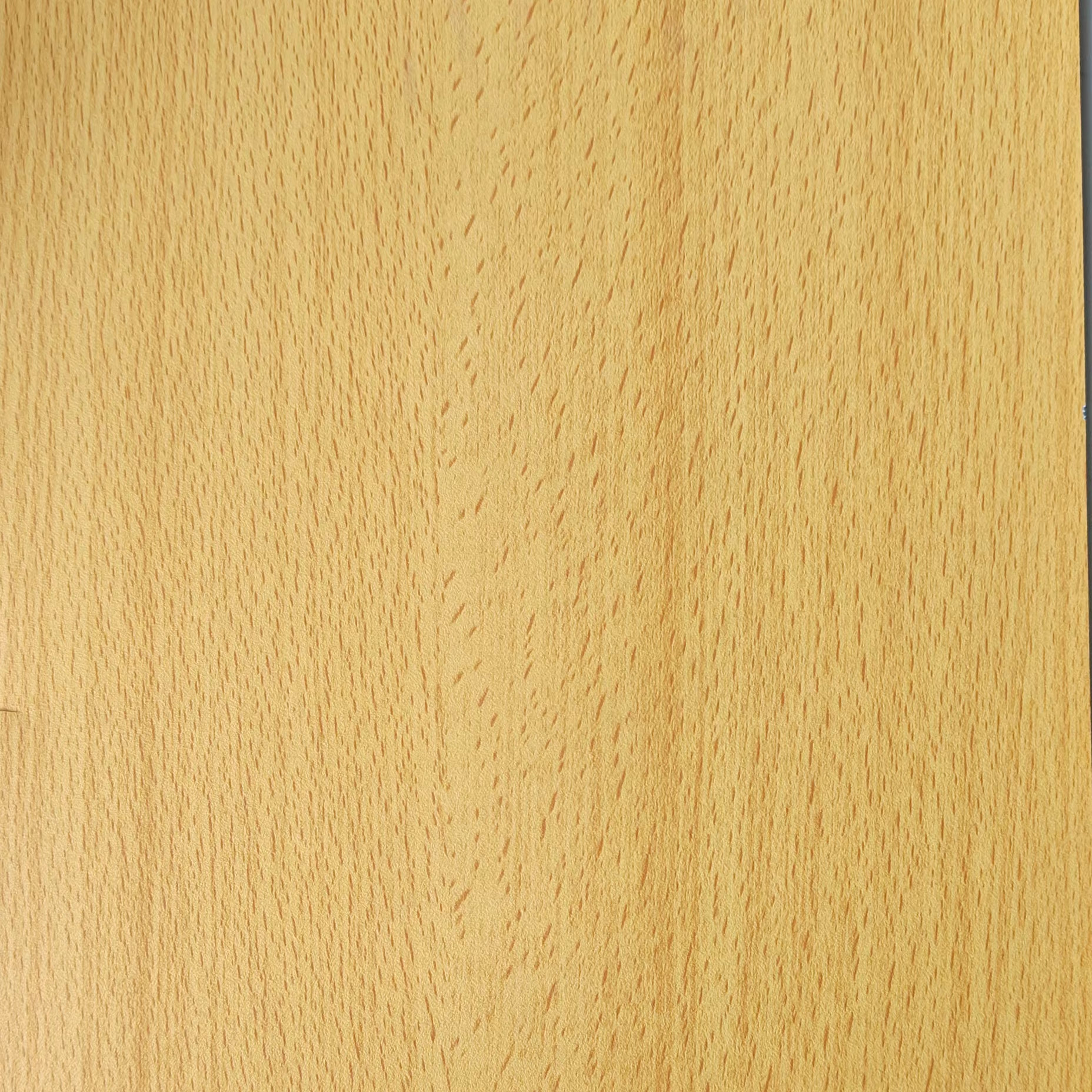
China Hpl Manufacture Lightweight Furniture Plywood with Wood Grain HPL Sheet Laminate for Cabinet Furniture
Wood-grain HPL on lightweight plywood for wardrobes, flat-pack furniture, desks and interior cabinetry. The lighter panel lowers freight and handling costs; engineering should confirm load-bearing requirements, screw holding and edge support.

18mm Fire Retardant HPL Faced Plywood Birch Core 1220x2440mm Furniture Panel
18 mm fire-retardant HPL-faced birch plywood for schools, hospitals, offices, public seating and commercial fit-outs. Ask for the fire test method and report, core species, glue type, formaldehyde grade and surface wear rating.
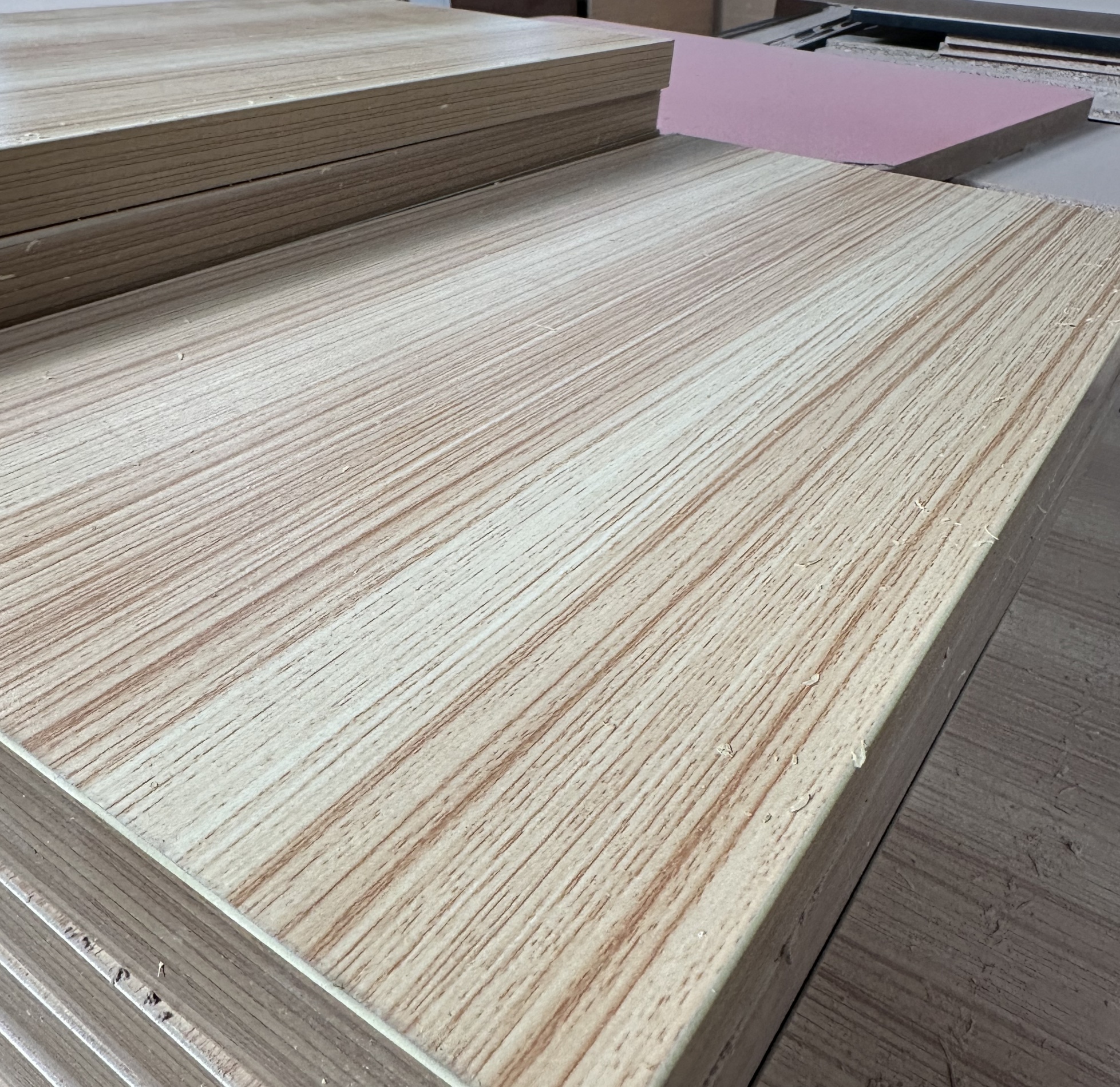
Stock HPL Wear-resistant Laminate HPL Plywood for Kitchen Cabinets
Stock wear-resistant HPL plywood for kitchen cabinet carcasses, doors and contract furniture. Fast stock availability shortens project lead times; verify surface resistance, adhesive, core and thickness tolerance against the specification.
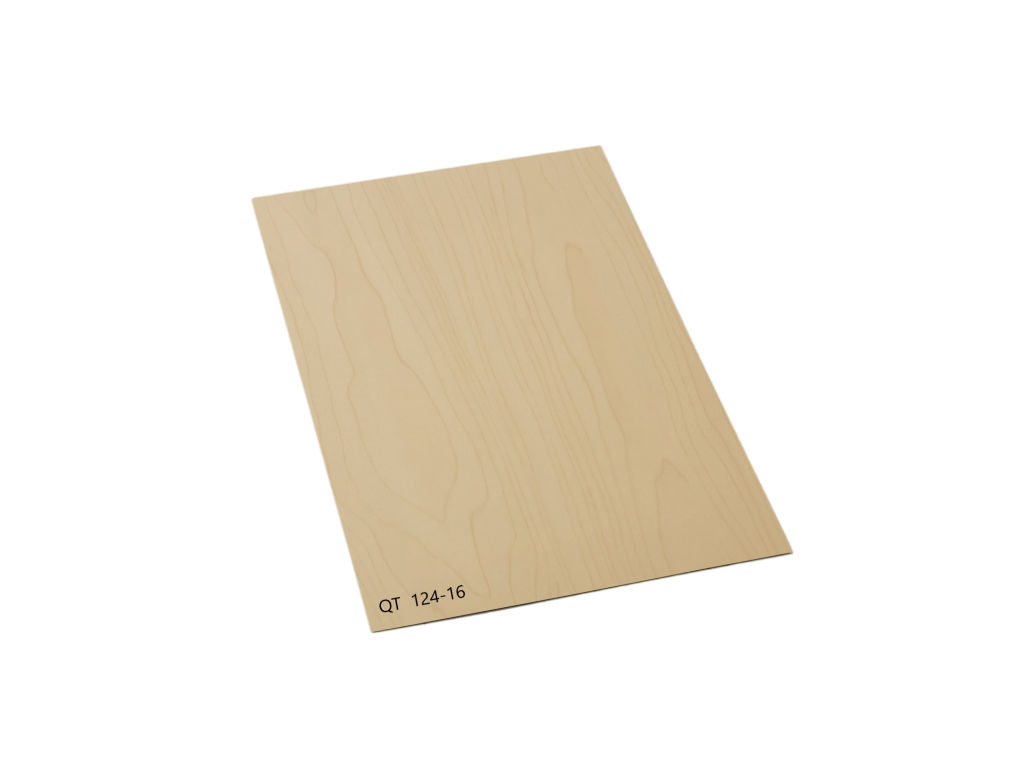
Light Wood Grain HPL Decorative Laminate Sheet Phenolic Resin Panel for Interior Wall and Furniture
Light wood-grain HPL decorative laminate for interior walls, furniture fronts, reception areas, wardrobes and panel systems. Use it to maintain visual continuity across cabinetry and wall panels; confirm the substrate and bonding method.
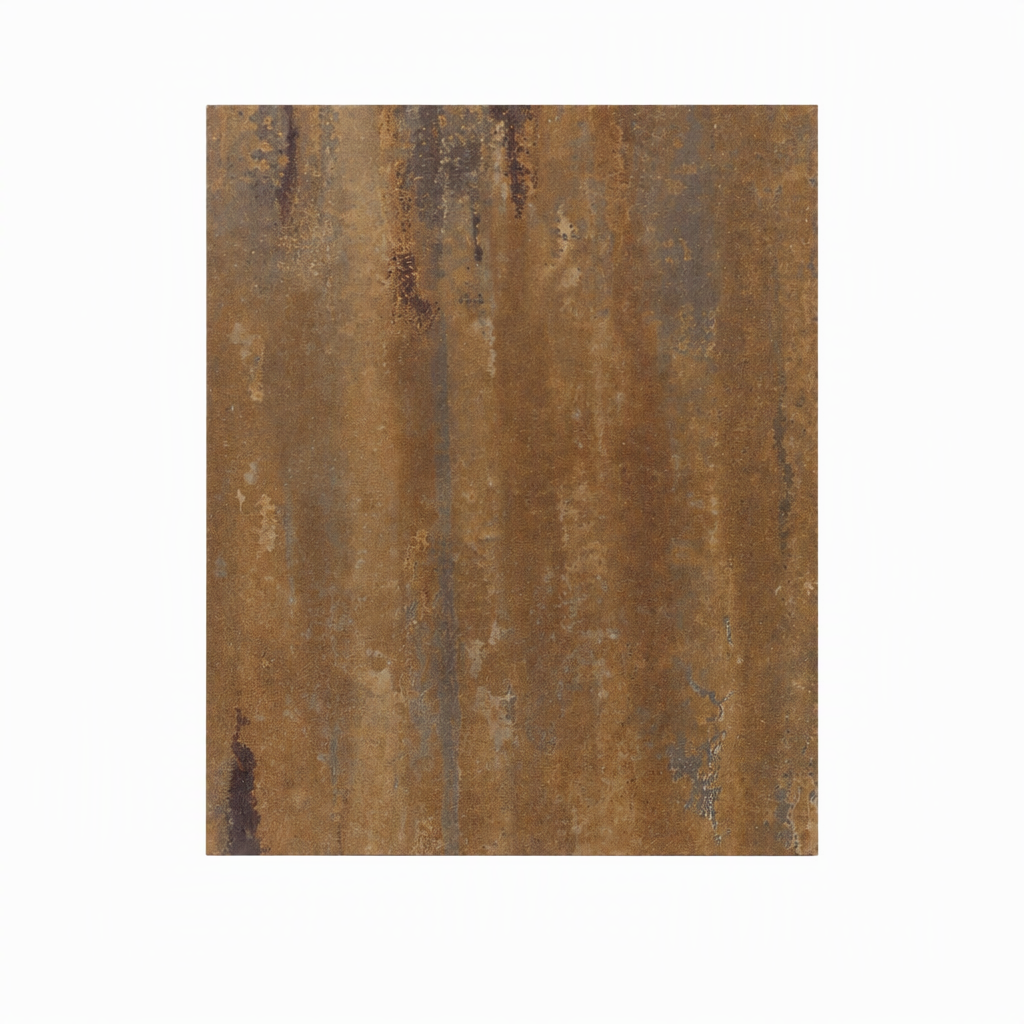
0.8mm Brown Stone Look HPL Decorative Laminate Sheet Interior Wall Panel
0.8 mm brown stone-look HPL for feature walls, reception desks, lift interiors, retail displays and furniture surfaces. This is a decorative skin; the substrate, edge treatment, adhesive and joint layout determine final performance.
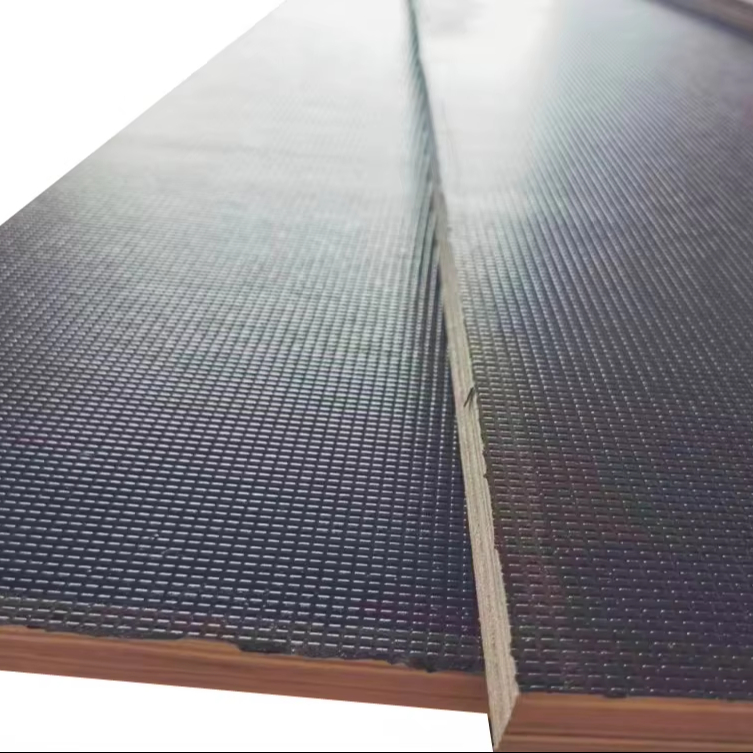
1220x2440 HPL Waterproof Laminate Sheet Board Fire Retardant Decorative High-Pressure Plywood E0 Formaldehyde Marine Phenolic
Waterproof and fire-retardant decorative HPL phenolic board with E0 formaldehyde options for wet areas, marine interiors and high-traffic projects. Request certification, water absorption data, fire classification and cut-edge sealing guidance.
Need a mixed specification or a custom size not shown here?
Get a QuoteWhy the Best China Wholesale Furniture Grade Plywood Suppliers Compete on Specifications
Search demand for “China wholesale furniture grade plywood factory” and “suppliers” continues to grow, but the real buyer intent is risk reduction. Importers are not only comparing FOB prices; they are comparing compliance evidence, thickness consistency, surface durability, packing quality and mixed-container flexibility.
Queries such as China wholesale furniture grade plywood factory look transactional, but B2B buyers use them to solve four recurring risks: inconsistent thickness, surface color drift, formaldehyde compliance and moisture failure at cut edges. These risks rarely appear in a quoted price. They appear after the container is loaded, when a furniture line stops or a project inspector rejects a batch.
A useful factory comparison therefore begins with a written specification sheet: core species, veneer grade, glue line, formaldehyde emission class, nominal and calibrated thickness, face and back build, HPL or melamine grade, surface finish, edge sealing, pallet packing and the inspection method used before shipment. Once these details are fixed, quotes become comparable and hidden quality costs become visible.
Linyi Fipdm Import And Export Co., Ltd. operates inside the Linyi wood-based panel cluster in Shandong, China. That location matters because it provides access to multiple specialist mills instead of one narrow production line. For buyers, the advantage is not simply choice; it is the ability to combine HPL sheets, compact laminate, MDF, plywood, LVL and door cores under one inspection and export workflow.
What “Furniture Grade” Really Means in a Wholesale Specification
“Furniture grade” is not a single certificate. It is a bundle of performance decisions that must match the final application, the destination market and the installation method.
Core and veneer build
Furniture-grade plywood should have a controlled core, consistent veneer thickness and minimal overlap, gaps or putty repair. Poplar, birch, eucalyptus and pine solve different problems: poplar is economical and light, birch gives a tighter face and better machining, while eucalyptus improves stability. Ask for the core map, not just “plywood.”
Resin and emission class
E0 and E1 are not marketing labels; they are compliance claims that need a test method, sample and report. For export markets, clarify whether the buyer requires EN 717-2, ASTM, CARB/EPA TSCA or another local standard. A low-emission claim without documentation is a procurement risk.
Surface system
HPL thickness, melamine grammage, finish, texture, gloss level and color batch all influence the final furniture. For HPL-faced plywood, confirm the laminate grade, adhesive, press cycle and whether the back is balanced. For melamine board, ask for paper weight and scratch resistance.
Thickness and format
Nominal 18 mm is not the same as calibrated 18 mm. Buyers should agree on tolerance, sanding allowance, diagonal difference and edge squareness. Common formats include 1220×2440 mm, 1300×2800 mm and project-specific sizes. Large formats reduce visible joints but require careful handling.
Moisture, fire and wear
HMR MDF, WBP glue, fire-retardant treatment, compact laminate and wear-resistant HPL are different tools. For a wet area, specify moisture resistance and edge sealing. For public projects, request fire classification and test reports. Do not substitute one performance claim for another.
Packaging and loading
Damage often happens after QC, during packing and loading. Confirm corner protection, moisture barrier, pallet strength, strapping, container loading plan and photo documentation. A supplier that shares loading photos and batch labels is easier to audit.
Procurement Trends Shaping China Wholesale Furniture Plywood Orders
Buying behavior is moving from “find a cheap supplier” to “build a repeatable, auditable specification.” These six trends are visible in inquiries from importers, distributors, contract furniture makers and project buyers.
Compliance-first sourcing
E0/E1 formaldehyde grades, fire performance, low-emission adhesives and destination-market documentation are now specified earlier. Buyers increasingly reject vague claims and ask for test reports before samples are approved.
Mixed-container consolidation
Importers want one container to carry HPL, plywood, MDF, compact laminate, LVL and door cores. Consolidation reduces freight and administrative cost while allowing distributors to test multiple SKUs without over-ordering one item.
Surface integration
Buyers prefer HPL-faced boards over loose laminate sheets when they need consistent color, faster production and fewer adhesive variables. Wood grain, stone look, super-matt and anti-fingerprint surfaces are increasingly specified by designers.
Multi-performance boards
Fire-retardant, moisture-resistant, wear-resistant and low-emission requirements are converging. A single panel may need to satisfy several project clauses, so the supplier must explain which performance comes from the core, the glue and the surface.
Traceability and evidence
Loading photos, batch labels, inspection records and retained samples are becoming normal buyer expectations. Procurement teams need evidence they can share with project owners, customs brokers and after-sales teams.
Project kitting and customisation
Cut-to-size panels, edge banding, drilled holes, matched colors and packaging for flat-pack furniture are moving from optional services to expected capabilities. Buyers want fewer suppliers and fewer hand-off risks.
Product Development Trends Buyers Should Watch
Panel development is being driven by regulation, furniture design, freight economics and installation speed. The direction is clear: lower emissions, lighter structures, more durable surfaces and better documented performance.
Low-emission and NAF options
E0, E1 and no-added-formaldehyde positioning continue to expand as markets tighten indoor-air requirements. Buyers should ask for the exact emission class, test method and batch-level consistency, not only a generic “green board” claim.
Lightweight engineering
Lightweight plywood, tubular chipboard and optimized core structures help flat-pack furniture reduce freight and handling costs. The trade-off is engineering: connector strength, load-bearing capacity and edge support must be validated before mass production.
High-fidelity decorative surfaces
Wood grain, stone, metal, textile and super-matt HPL surfaces are becoming more realistic. Designers want visual consistency across cabinets, walls and fixtures, so color-batch control and sample retention are increasingly important.
Exterior-grade HPL and compact laminate
Facades, balconies, public furniture and wet interiors are driving demand for exterior HPL, compact laminate and chemical-resistant phenolic boards. UV stability, impact resistance and installation detailing matter as much as the decor.
Precision manufacturing for flat-pack
Calibrated thickness, square edges, consistent sanding and stable dimensions are critical for flat-pack furniture. Buyers are moving toward suppliers who can connect panel quality with machining, edge banding and packaging requirements.
Sustainable sourcing and circular design
Responsible wood sourcing, recycled content, lower-waste cutting plans and durable products are becoming commercial differentiators. Buyers should ask what can be documented, what is a design claim and what will be verified in the loading inspection.
Match the Board to the Application Before You Request a Quote
This matrix helps purchasing teams translate an application brief into a panel specification. It is not a substitute for project testing, but it reduces the most common mismatches between price, performance and installation method.
| Application | Recommended Panel Direction | Primary Reason | Procurement Check |
|---|---|---|---|
| Kitchen cabinets and countertops | HPL/melamine-faced HMR MDF or plywood; 18 mm or 25 mm; wear-resistant HPL where specified | Moisture, stain and daily wear resistance | Confirm HMR core, balanced face, edge-band quality, countertop support and surface wear rating |
| Bathroom vanities | Black HPL on plywood/MDF; waterproof HPL phenolic for heavy wet use | Design contrast plus water resistance | Check substrate, screw holding, cut-edge sealing, color batch and adhesive system |
| School, office and public furniture | 18 mm fire-retardant HPL-faced birch plywood | Fire performance plus durable surface | Request fire test report, E0/E1 option, impact and wear data, and fixing guidance |
| Flat-pack wardrobes and desks | Lightweight wood-grain HPL plywood | Lower freight and easier handling | Validate load-bearing capacity, connector strength, surface abrasion and edge support |
| Interior feature walls and reception areas | 0.8 mm stone-look HPL or light wood-grain HPL on MDF/plywood | Design consistency and clean installation | Agree substrate flatness, adhesive, joint plan, batch color and cleaning method |
| Marine and wet interiors | Waterproof fire-retardant phenolic HPL board with E0 option | Water, fire and emission risk control | Confirm certification, water absorption, fire classification, edge sealing and fixing method |
Why Linyi Fipdm Is a Practical Partner for Wholesale Buyers
Linyi Fipdm Import And Export Co., Ltd. is an Intertek-verified trading company and multispecialty supplier based in Linyi, Shandong, China. The business combines HPL sheets, compact laminate, chemical-resistant compact laminate, exterior HPL, HMR MDF, birch plywood, poplar LVL and tubular chipboard into one managed supply chain. For buyers, that means one contact for mixed specifications, one inspection workflow and one export documentation process.




Verified supply, not blind sourcing
Intertek-verified supplier status, on-site material inspection and finished-product inspection before loading. We source from vetted partner mills in the Linyi panel cluster rather than relying on unverified listings.
Two-stage quality control
Raw material checks at the partner mill and finished-board inspection for thickness, surface, edges and packing. The aim is to catch problems before a container leaves, not after a claim is raised.
Mixed-container consolidation
Combine HPL, compact laminate, MDF, plywood, LVL and door cores in one shipment. Smaller importers can reach container efficiency without over-ordering a single SKU.
Customisation and ODM
Minor customisation such as logo, packaging and graphics, plus sample-based, design-based and full customisation and ODM support for distributors building a private range.
On-site technical support
Engineer guidance for cladding, partition and furniture projects helps reduce installation errors, especially where HPL, compact laminate and moisture-resistant boards meet.
Export-ready logistics
Seaworthy pallet packing, export documents, loading photos and batch labels. Buyers can share evidence with their own QC team, project owner or customs broker.
Inquiry
Share sizes, thickness, core, surface, emission class, target market and annual volume.
Sampling
Confirm color, finish, laminate grade, substrate and packaging before a production order.
Mill material check
Verify raw board, glue, face/back build and dimensions at the partner mill.
Finished-board inspection
Check thickness tolerance, surface defects, edges, flatness and pallet packing.
Loading and documents
Capture loading photos, container plan and export documents for traceability.
Buyer Questions for China Wholesale Furniture Plywood Suppliers
These are the questions purchasing teams ask most often when comparing furniture-grade plywood, HPL boards and mixed-container programs from China.
Are you a manufacturer or a trading company?
Linyi Fipdm Import And Export Co., Ltd. is a verified trading company and multispecialty supplier based in Linyi, Shandong, China. We source from vetted partner mills and run on-site material inspection plus finished-product inspection before shipment. This model lets one buyer combine HPL, MDF, plywood, LVL and door cores under one accountable contact.
What is the difference between HPL sheet, HPL-faced plywood and compact laminate?
HPL sheet is a thin decorative surface, often around 0.7 mm, bonded to a substrate. HPL-faced plywood is that surface already pressed onto plywood. Compact laminate is a solid phenolic panel, commonly 3–20 mm, used without a substrate for toilet partitions, lab tops and table tops. The right choice depends on water, impact, fire and installation requirements.
Which formaldehyde emission grades can you supply?
MDF and plywood are available in E0 and E1 grades depending on the product line. Buyers should state the destination market and required test method in the inquiry, because compliance requirements differ between regions. We match the board and documentation to that requirement.
Can I mix different products in one container?
Yes. Mixed loads of HPL, compact laminate, MDF, plywood, LVL and door cores are a core part of the service. Mixed-container consolidation helps importers and distributors reach freight efficiency while testing several SKUs or supplying multiple project phases.
Can you customise sizes, colours and packaging?
Yes. We support minor customisation such as logo, packaging and graphics, as well as sample-based, design-based and full customisation and ODM services. Share drawings, target selling price, destination market and packaging requirements so the proposal can be matched to the application.
How do you control colour and thickness consistency?
Consistency starts with a written specification: surface brand or decor code, batch reference, calibrated thickness, tolerance, sanding method and edge-sealing requirement. Before shipment, we check surface, edges and packing and share loading photos. For large projects, retained samples and batch labels are recommended.
Planning a Wholesale Furniture Plywood Order?
Send your application, panel size, core, surface, formaldehyde grade, fire requirement, target market and estimated volume. Our export team will reply with matched options from the Linyi panel cluster and a clear next step for sampling, inspection and loading.
Get a QuoteEmail: info@fipdmplywoods.com