China Wholesale Black MDF Manufacturers & Manufacturer
A procurement-grade white-paper guide to black MDF supply, HPL-matched decorative surfaces, plywood cores, low-emission boards, and export-ready sourcing controls for importers, distributors, furniture factories, and project buyers.
8 Wholesale Panel Products Frequently Specified with Black MDF Programs
Black MDF is rarely bought in isolation. Furniture factories, shopfitters, and distributors usually pair it with HPL surfaces, plywood cores, fire-retardant boards, or decorative laminates. The eight products below are retained from the active catalogue with their original product URLs so buyers can move from research to specification without losing context.

4x8 ft HPL High-Pressure Laminates Sheet Board Hpl Laminated Plywood Fire Retardant Decorative Plywood Panels
Check specification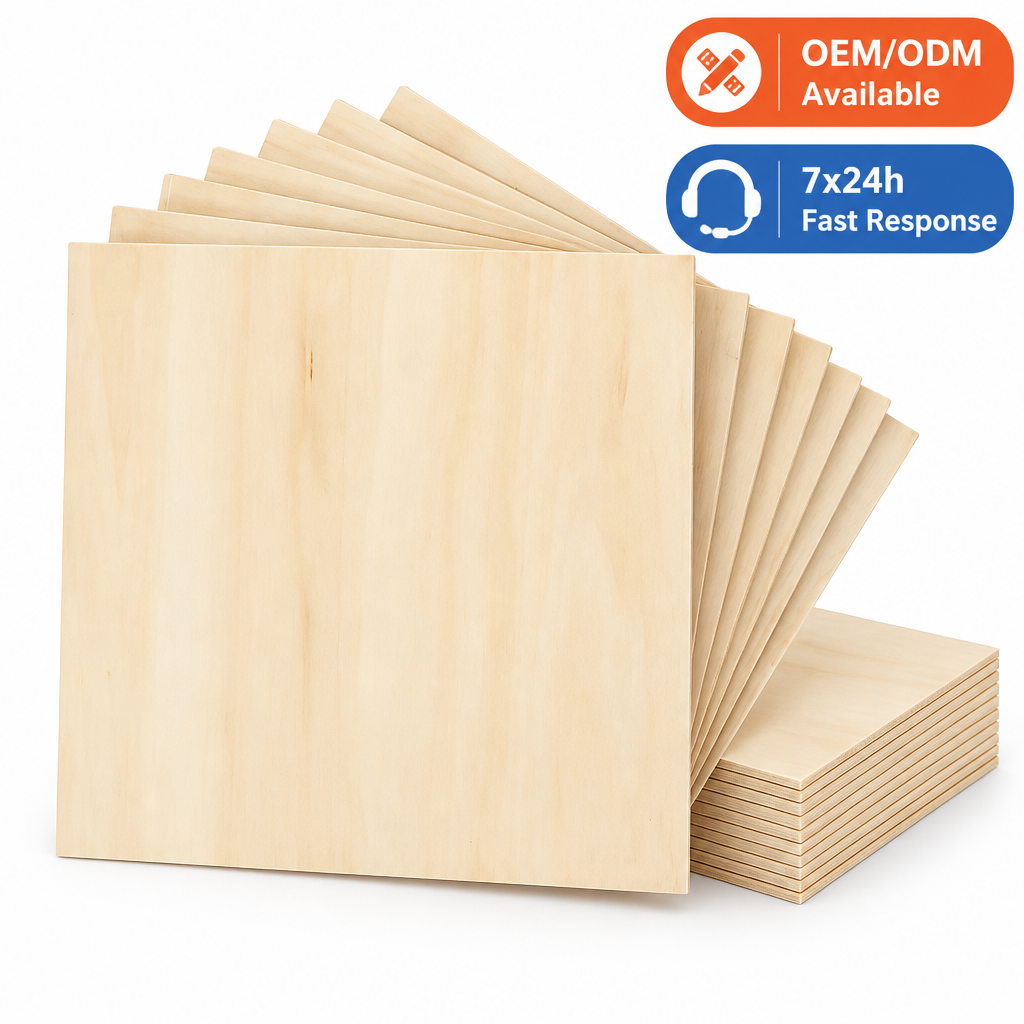
Eco-Friendly First-Class Basswood Plywood Sheet 12 X 12 X 1/8 Inch 3mm Sanded Polished Birch Veneer DIY Laser Cutting
Check specification
Factory Wholesale 18mm HPL Film Melamine Plywood Modern Design Style 1-Year Warranty E0 Standard Birch Laminated Plywood
Check specification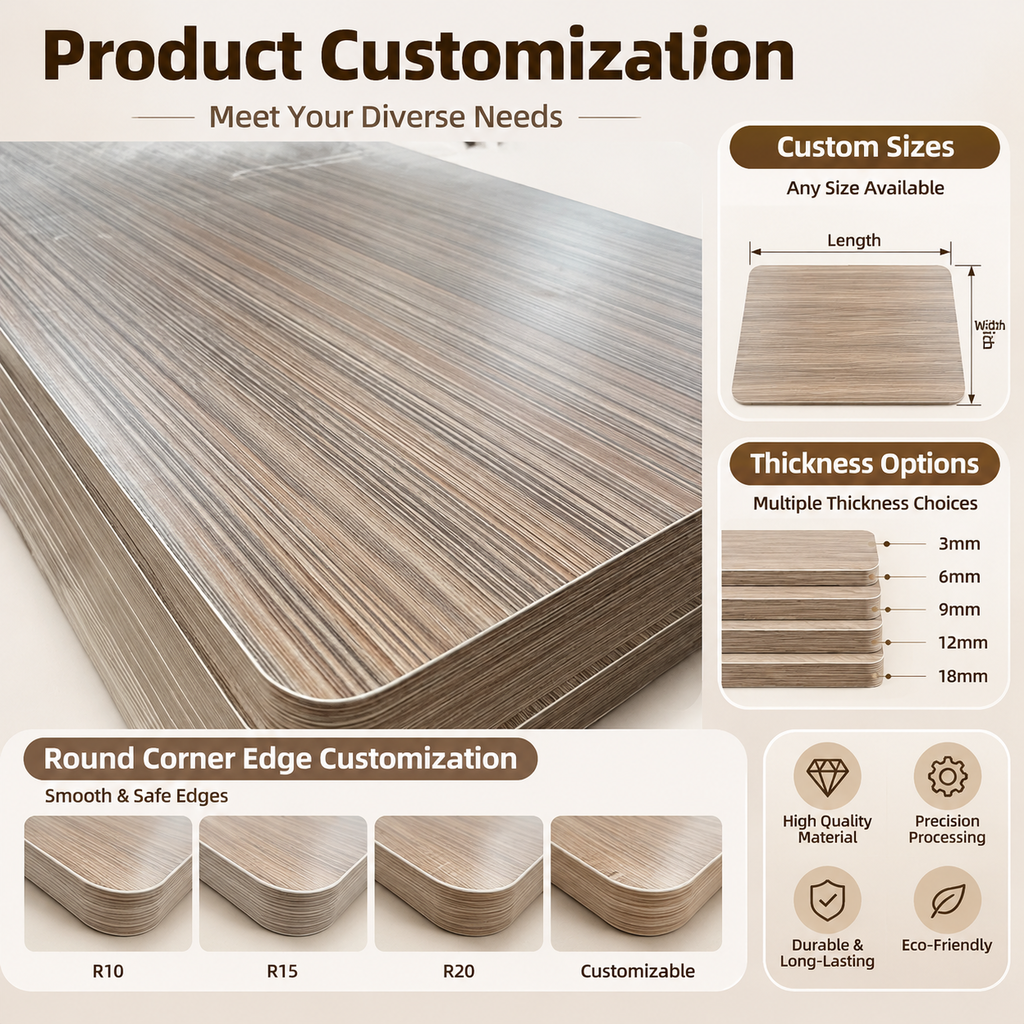
HPL Wood Grain Decorative High Pressure Laminate HPL Compact Sheet Waterproof Fire-Resistant Panel for Furniture
Check specification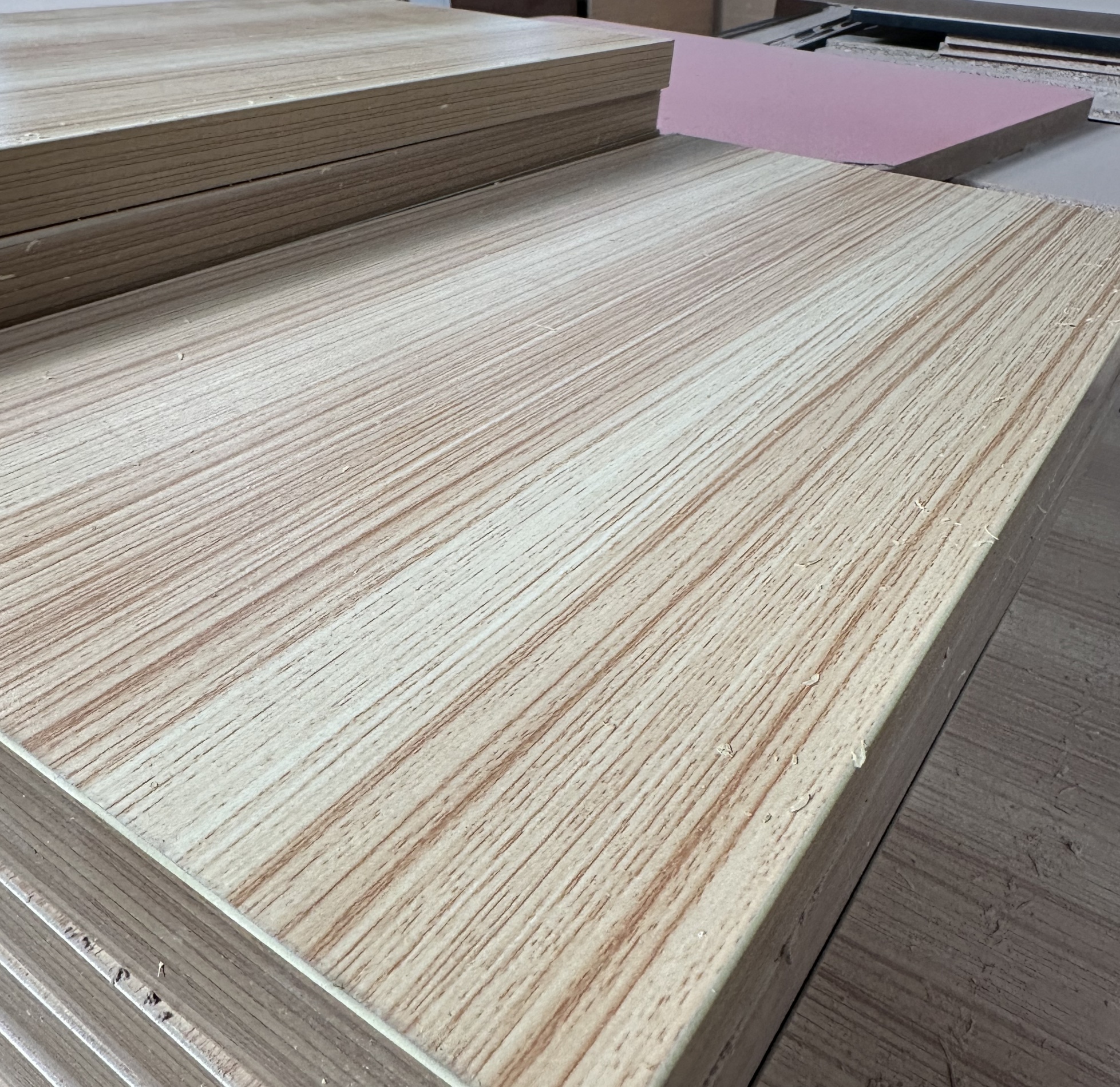
Stock HPL Wear-resistant Laminate HPL Plywood for Kitchen Cabinets
Check specification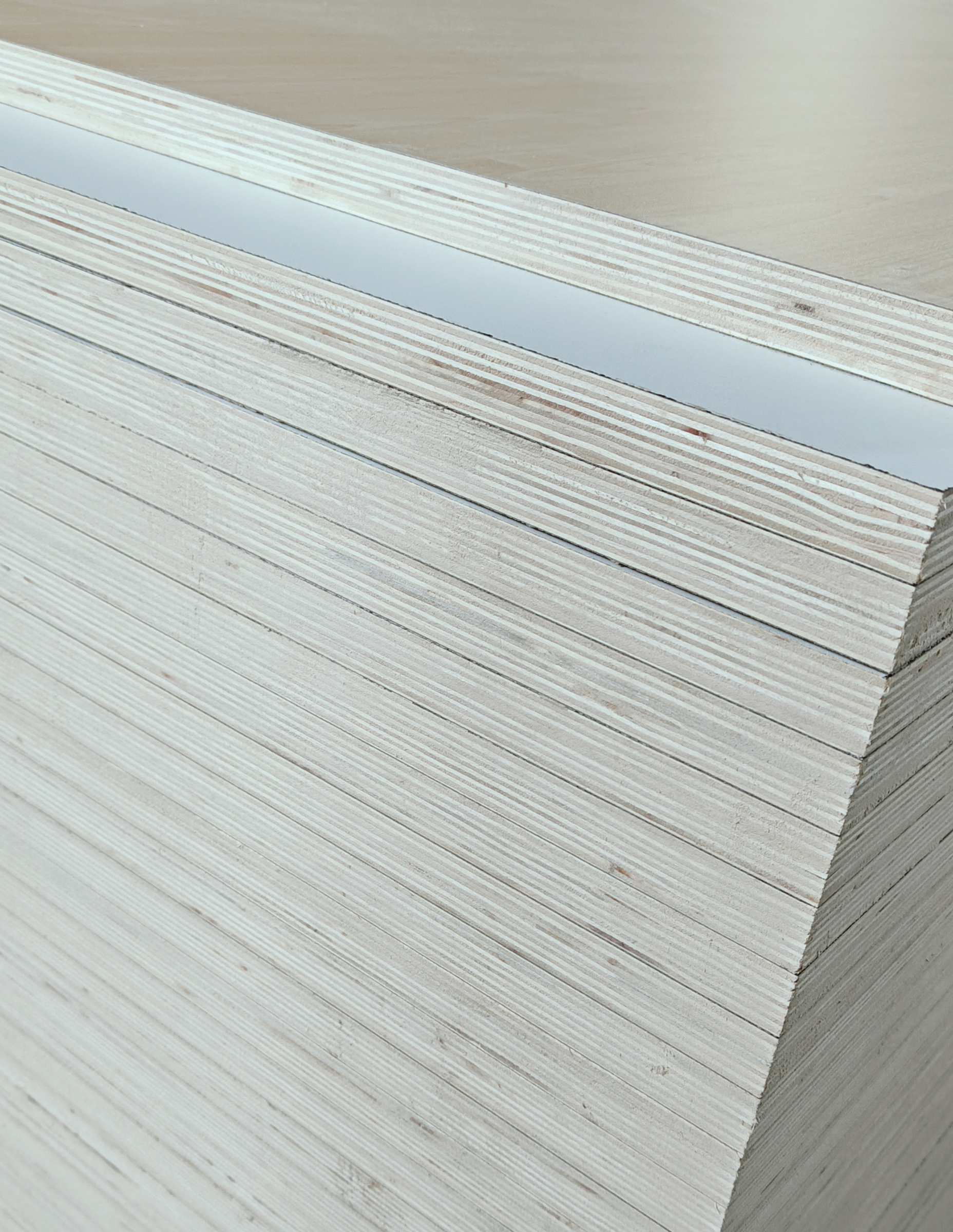
Modern Design Chinese Marine HPL Poplar Plywood E0 Fire Resistant Sanded Surface 4X8 15mm 1220X2440 Construction Sheet Price
Check specification
Modern Design Chinese Marine HPL Birch Plywood Construction 4X8 15mm Glossy Sheet E1 Faced Faced 1220X2440 Price
Check specification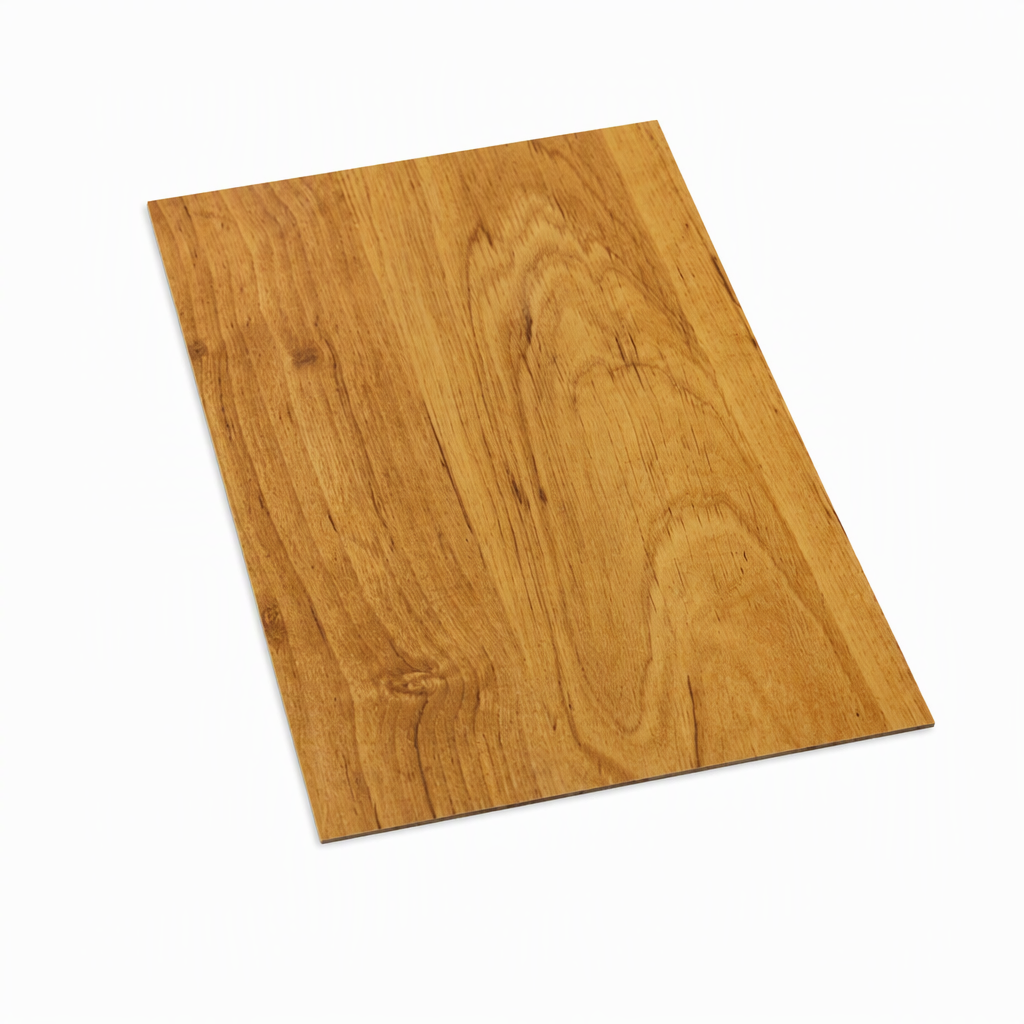
0.6mm Brown Wood Grain HPL Decorative Laminate Sheet Surface Board for Hotel Cabinet Wall Panels Waterproof Fireproof
Check specificationWhat Buyers Really Mean by “Wholesale Black MDF”
In search results, “China wholesale black MDF manufacturers” can describe several different products: black melamine-faced MDF, black HPL-faced MDF, black painted MDF, black PET-faced MDF, or a black-core MDF board used for CNC-cut components. The first information-gain step is to separate the surface colour from the core performance. A buyer who needs a matte black display panel for retail fixtures may not need the same board as a buyer who needs moisture-resistant black MDF for bathroom cabinetry or fire-retardant black MDF for a commercial project.
For B2B purchasing, black MDF should be specified by density, thickness tolerance, surface finish, substrate grade, formaldehyde emission class, screw-holding strength, edge-sealing method, and packing method. Common export formats include 1220 × 2440 mm, 1830 × 2440 mm, and project-specific cut-to-size panels. Typical thickness ranges from 3 mm to 25 mm, with 18 mm remaining a practical benchmark for furniture carcasses, cabinets, shopfitting, office partitions, and display systems.
Search intent also matters. A distributor searching “black MDF manufacturer” usually wants repeatable colour, stable supply, and mixed-container flexibility. A furniture factory searching “wholesale black MDF” often needs CNC consistency, low dust, clean edges, and matching edge banding. A project buyer may prioritise fire performance, moisture resistance, documentation, and loading inspection. A useful supplier response should answer all three intents without forcing every buyer into a single catalogue page.
Information gain comes from showing the difference between low-cost black board and a controlled black MDF program: surface colour consistency under different lighting, batch-to-batch density stability, edge chip risk during CNC machining, packaging protection against corner damage, and pre-shipment inspection evidence. These are the details that separate a commodity quotation from a reliable wholesale supply relationship.
- Clarify black surface versus black core
- Confirm E0 or E1 emission target
- Check HMR or standard MDF grade
- Request matching edge band samples
- Review CNC and drilling tolerances
- Validate packing and loading photos
Search-intent map for black MDF buyers
Black MDF Procurement Trends: From Sheet Price to Total Landed Value
Wholesale buyers are moving away from a single “price per sheet” comparison. The stronger evaluation model combines compliance, colour consistency, damage rate, mixed-load efficiency, supplier responsiveness, and documentation quality.
Compliance-led sourcing
E0 and E1 formaldehyde grades, moisture-resistant grades, and test-report availability will increasingly decide which supplier reaches the shortlist.
Mixed-container efficiency
Distributors want black MDF consolidated with HPL, plywood, LVL, door cores, or melamine boards to reduce freight and supplier administration.
Colour consistency contracts
Buyers will request approved samples, lighting checks, and batch references before repeating a black surface program across multiple orders.
Traceable pre-shipment QC
Material inspection, finished-board inspection, packing photos, and loading evidence are becoming normal expectations rather than premium services.
Illustrative buyer-priority index for 2026 panel sourcing
Planning index based on common B2B panel inquiry priorities; validate against your own RFQ and destination-market requirements.
What a stronger RFQ should include
To compare China wholesale black MDF manufacturers accurately, send the intended application, board thickness, panel size, surface type, emission target, colour reference, edge-banding requirement, annual volume, packing preference, and destination port. A clear RFQ reduces sample cycles and exposes specification gaps before production.
Where Black MDF Product Development Is Heading
The next generation of black MDF is less about “black” as a colour and more about surface performance, CNC reliability, compliance, and integration with decorative laminate systems.
Super-matte and anti-fingerprint surfaces
Retail, office, and hotel interiors are moving toward low-gloss black surfaces that resist fingerprints and maintain a clean visual line.
Low-emission and HMR cores
E0/E1 boards and moisture-resistant MDF cores are increasingly requested for kitchens, bathrooms, and markets with stricter indoor-air expectations.
CNC-ready component supply
Buyers want cut-to-size panels, drilled components, matching edge band, and protective packaging rather than loose sheets only.
Hybrid panel systems
Black MDF is increasingly paired with HPL surfaces, plywood cores, compact laminate, and exterior HPL for hybrid furniture and project designs.
| Panel route | Best fit | Buyer check | Risk control |
|---|---|---|---|
| Black melamine-faced MDF | Furniture, cabinets, shopfitting, display fixtures | Surface colour, paper weight, edge chip, E0/E1 grade | Approved sample and batch colour reference |
| Black HPL-faced MDF | High-use horizontal surfaces, hospitality furniture, wall panels | HPL thickness, adhesive quality, impact resistance | Surface inspection before loading |
| Black HMR MDF | Kitchen and bathroom cabinets, damp interiors | Moisture resistance test, density, edge sealing | Confirm grade and end-use before quotation |
| Black MDF with plywood core | Structural furniture, marine applications, project partitions | Core type, glue line, screw holding, face grade | Inspect raw material and finished board |
| Black compact laminate | Lockers, toilet partitions, laboratory surfaces, wet areas | Thickness, fire rating, chemical resistance, impact grade | Confirm application and installation method |
How to Verify China Wholesale Black MDF Manufacturers Before You Pay a Deposit
A search for “China wholesale black MDF manufacturers” often mixes factory results, trading companies, and multi-specialty suppliers. Each model can work, but the verification method should match the business model.
Supplier identity check
Confirm whether the seller owns a factory, sources from partner mills, or both. Ask for a clear explanation of production responsibility, inspection responsibility, and export documentation.
Batch and density control
For repeat wholesale orders, density variation affects machining, screw holding, weight, and surface flatness. Ask how batches are controlled and how colour consistency is checked.
Documentation review
Request the available formaldehyde emission documentation, product test reports, and material descriptions that apply to the exact board you are buying.
Sample and customisation
Approve a physical sample before mass production. Confirm whether minor customisation, logo, package, graphics, design-based, or full ODM support is available.
Packing and loading evidence
Black surfaces show scratches and edge damage. Confirm corner protection, pallet packing, moisture protection, and whether loading photos are shared before departure.
Mixed-category capability
If you buy more than black MDF, test whether the supplier can consolidate HPL, plywood, LVL, melamine paper, or door cores in one managed shipment.



Quality, Compliance and Company Advantages for Repeat Wholesale Orders
Linyi Fipdm Import And Export Co., Ltd. is a verified trading company and multispecialty supplier based in Linyi, Shandong, China. The company sources from vetted partner mills and applies on-site material inspection plus finished-product inspection before shipment.
For black MDF buyers, this model is practical because one accountable contact can coordinate multiple board families, including HPL, compact laminate, exterior HPL, MDF, plywood, LVL, melamine paper, and door core boards. The company reports 9 years of industry experience, a dedicated team of 8 staff, a 5.0 buyer rating, and third-party verification by Intertek.
Its stated capabilities include two-stage quality control, minor to full customisation, ODM service, mixed-category consolidation, on-site technical support for project buyers, low-emission E0/E1 options for MDF and plywood, and export-ready logistics with documentation, seaworthy pallet packing, and loading photos.
That combination supports the core procurement question behind “China wholesale black MDF manufacturers”: can the supplier provide a repeatable black panel program, document the grade, protect the surface during transport, and combine it efficiently with other materials? The answer should be visible in samples, inspection records, and loading evidence — not only in a price sheet.
- Intertek-verified supplier
- On-site material inspection
- Finished-product inspection
- ODM and full customisation
- Mixed-container consolidation
- Export packing and loading photos

Evidence-oriented sourcing
Use the certificate, inspection, and sample evidence relevant to your exact order. Specifications and compliance claims should always be confirmed against the final product, destination market, and contract documents.
Inquiry
Share size, thickness, surface, emission target, and application.
Sampling
Approve colour, finish, edge band, and board grade.
Material check
Inspect raw materials at the partner mill before production.
Production
Control board grade, dimensions, and surface requirements.
Inspection
Check finished boards for thickness, surface, and edges.
Shipping
Confirm packing, documents, and loading photos before departure.
Wholesale Black MDF FAQ for Importers and Project Buyers
These answers address the questions that commonly appear after a buyer searches for China wholesale black MDF manufacturers, suppliers, or factory partners.
Are you a manufacturer or a trading company?
Linyi Fipdm Import And Export Co., Ltd. is a verified trading company and multispecialty supplier. It sources from vetted partner mills in Linyi, the large wood-based panel cluster in China, and runs on-site material inspection plus finished-product inspection before shipment. This model gives buyers one accountable contact across multiple board categories, while production remains with qualified partner mills.
What is the difference between black MDF and black HPL?
Black MDF usually refers to an MDF board with a black surface finish, such as melamine, PET, paint, UV coating, or HPL. Black HPL is a high-pressure laminate sheet that can be bonded to MDF, plywood, or particle board. In simple terms, MDF is the core or substrate, while HPL is a decorative surface layer. Buyers should specify whether they need raw black MDF, faced black MDF, or HPL sheets for local lamination.
Which formaldehyde emission grades can be supplied?
MDF and plywood are available in E1 and E0 grades depending on the product line. Because market requirements differ, buyers should state the destination country, target application, and required documentation in the inquiry so the supplier can match the correct board and paperwork.
Can sizes, colours, packaging, and edge banding be customised?
Yes. Customisation can range from minor changes such as logo, package, or graphics to sample-based, design-based, and full customisation, plus ODM services. For black MDF programs, the most useful early discussion points are panel size, thickness, surface finish, colour reference, edge band match, carton or pallet packing, and whether cut-to-size or CNC components are required.
Can black MDF be mixed with HPL, plywood, LVL, or door cores in one order?
Mixed loads are a core part of the supplier’s service model. HPL, compact laminate, MDF, plywood, LVL, melamine paper, and door core boards can be consolidated to help importers and distributors reach efficient container utilisation. The final mix depends on product dimensions, weight, packing, and destination requirements.
What should I include in an RFQ to receive an accurate quotation?
Include the application, board type, thickness, panel size, surface finish, colour reference, emission target, moisture or fire requirement, edge-banding details, estimated order quantity, packing preference, destination port, and required documentation. If you need a sample, state the sample size and the property you want to evaluate, such as colour, density, machining behaviour, or surface durability.
Planning a Black MDF Wholesale Program?
Send your target specifications, surface reference, annual volume, and destination market. The export team can respond with matched panel options, adjacent HPL and plywood recommendations, and the next steps for sampling or inspection.
Get Catalog