China Top HPL Sheets Supplier & Exporter
Specification-led high-pressure laminate, compact phenolic panels and HPL-faced plywood for importers, distributors, furniture factories and project contractors.
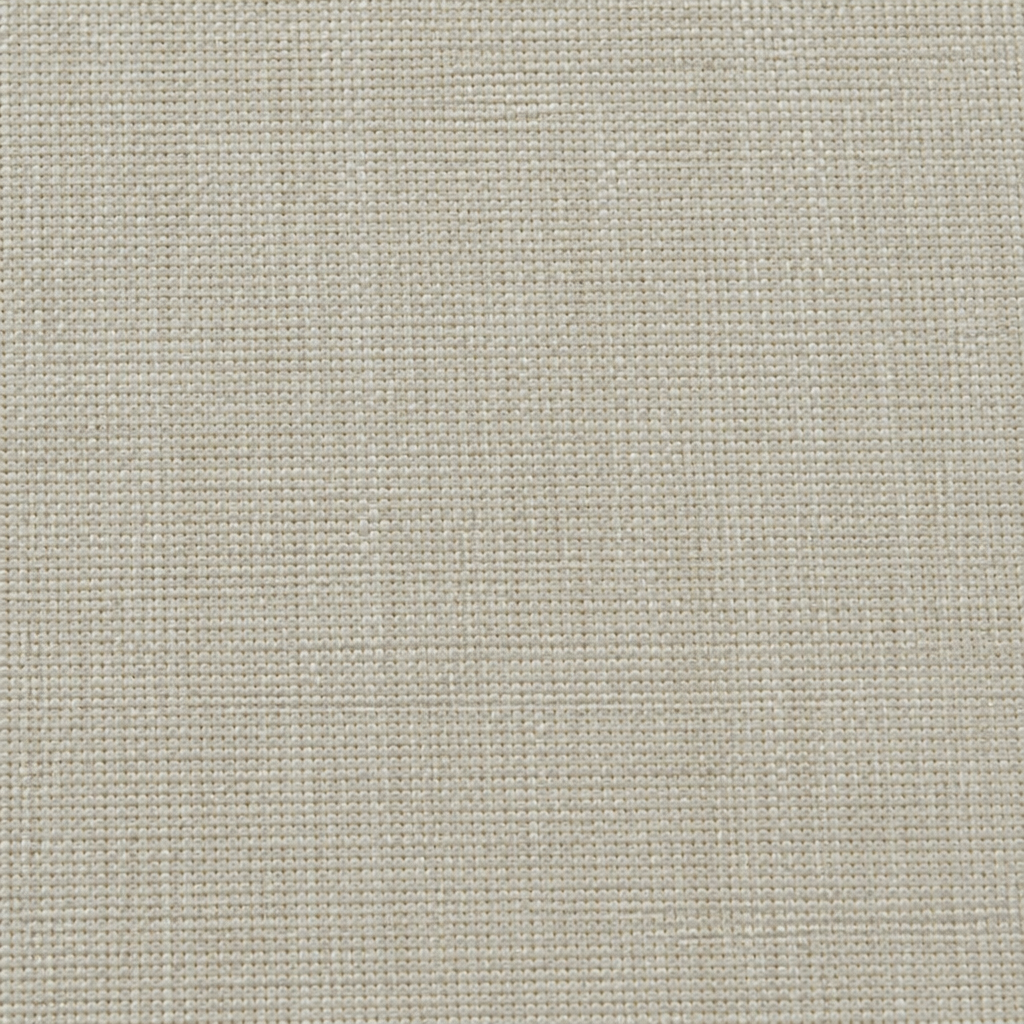
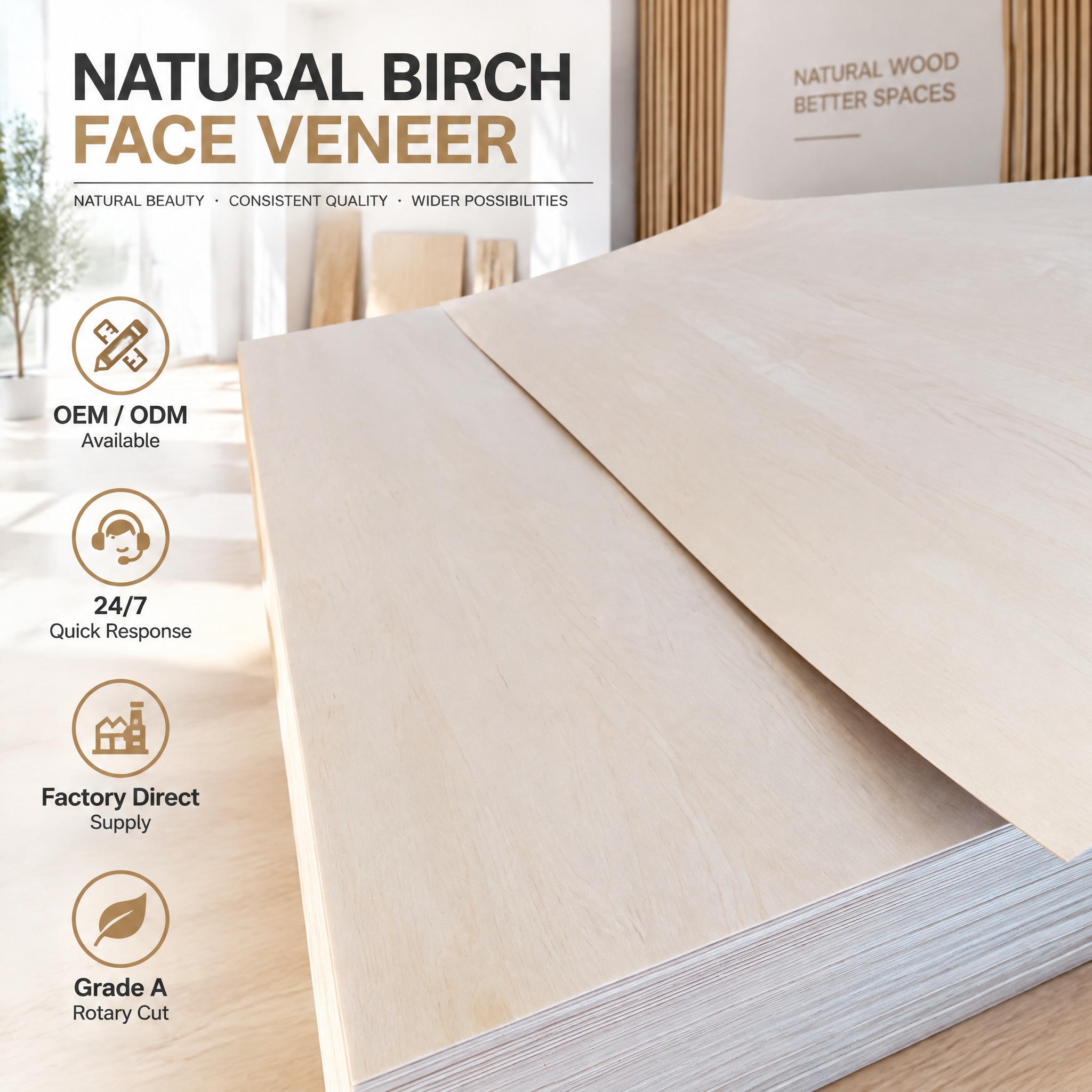
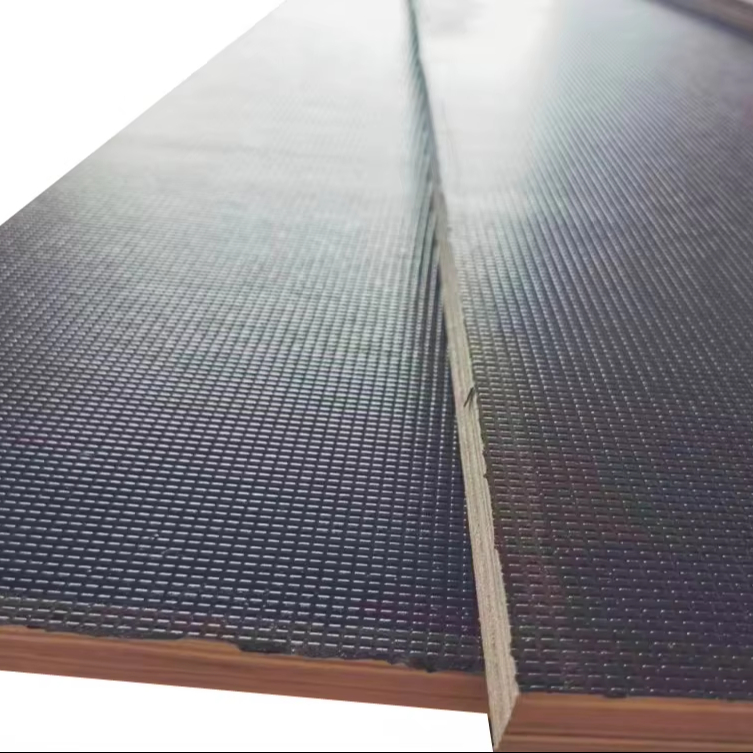
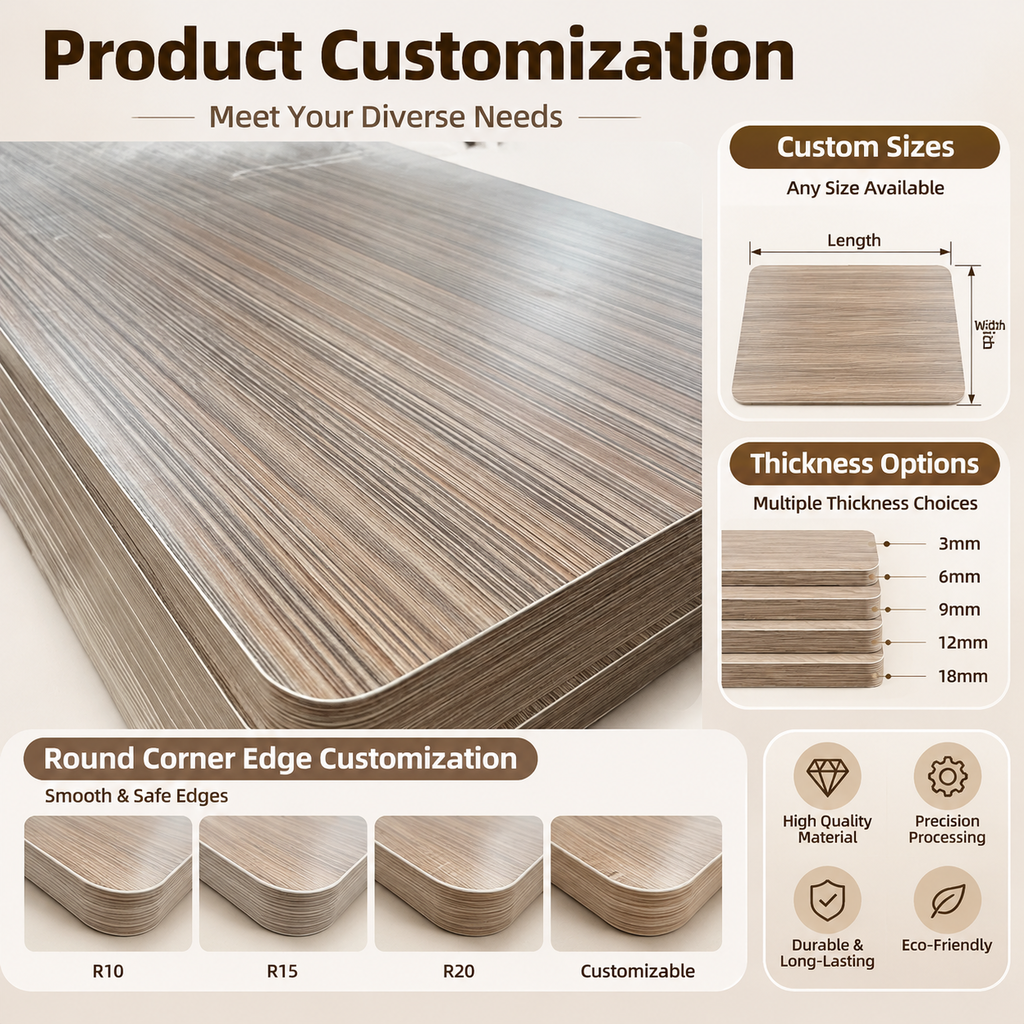
Featured HPL Sheets, Compact Laminate and HPL-Faced Plywood
Eight catalogue products selected for interior furniture, wet areas, fire-rated school furniture, laser-cutting applications and exterior-ready decorative surfaces.

What Global Buyers Compare When They Shortlist a China HPL Sheets Supplier
High-pressure laminate is not a single commodity. Buyers compare resin systems, surface finishes, substrate bonding, fire performance, formaldehyde emission, thickness tolerance, packaging and the supplier’s ability to document every batch.
The phrase China top HPL sheets supplier and exporter means different things to a furniture factory, a building contractor, a distributor and a private-label brand. The most reliable suppliers do not quote only a price per sheet. They translate an application into a total panel system: decorative HPL, compact laminate, HPL-faced plywood, matching edge treatments, adhesive strategy and shipment-level quality evidence.
Linyi Fipdm Import And Export Co., Ltd. is a verified trading company and multispecialty supplier based in Linyi, Shandong, one of China’s largest wood-based panel clusters. Our role is to combine laminates, fibreboards, plywoods, LVL and door-core boards from vetted partner mills into one managed supply chain. That model matters because global buyers increasingly want fewer suppliers, fewer surprises and more traceability, not simply the lowest quoted sheet price.
Our team works with buyers who need HPL for kitchen cabinets, wardrobe doors, restaurant tables, school desks, toilet partitions, laboratory worktops, exterior cladding and modular interior projects. Every inquiry starts with the same practical questions: What is the substrate? Is the panel exposed to water, fire, chemicals or sunlight? Which emission class must be documented? What surface texture will survive daily cleaning? What packing method protects edges during ocean transport? These details separate a repeatable supply program from a one-off purchase.
Years in Industry
Buyer Rating
Dedicated Staff
Years Gold Supplier
HPL Sheets vs Compact Laminate vs HPL-Faced Plywood
A useful rule for procurement teams is to specify the complete panel, not only the decorative surface. Each product family solves a different engineering problem.
Decorative HPL Sheet
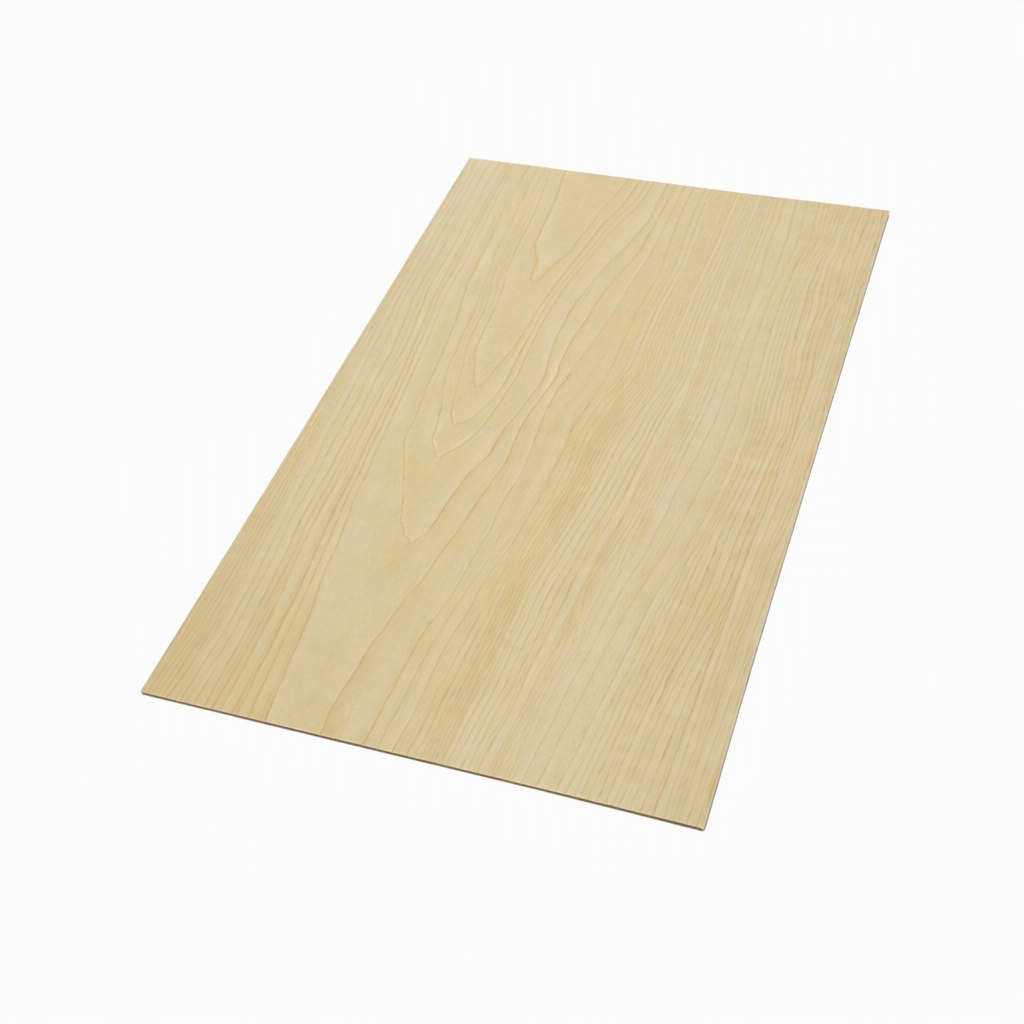
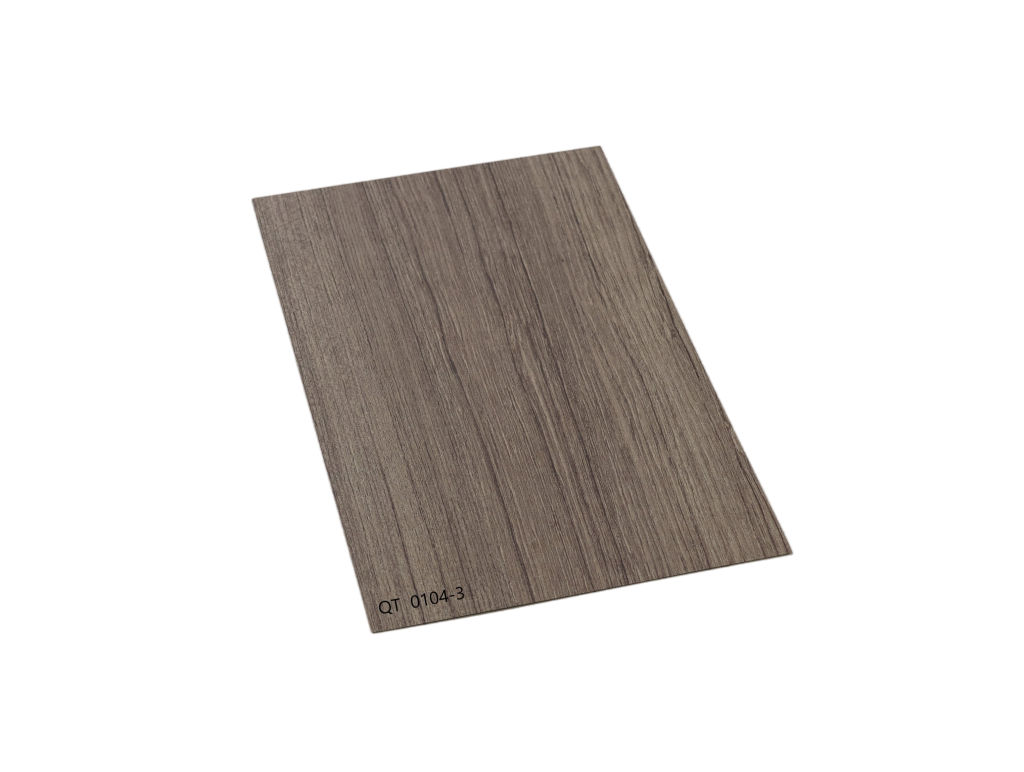
Typically around 0.7 mm to 1.2 mm, decorative HPL is made from melamine-impregnated papers pressed under heat and pressure. It is bonded to MDF, particle board or plywood. Buyers should confirm paper grammage, wear resistance, surface texture, postforming ability and colour consistency before approving a batch.
Compact Laminate
Compact laminate is a solid phenolic panel, commonly 3 mm to 20 mm thick, and can be used without a separate substrate. It suits toilet partitions, lockers, benchtops, laboratory surfaces and wet areas because the core is dense, waterproof and impact-resistant when correctly specified.
HPL-Faced Plywood
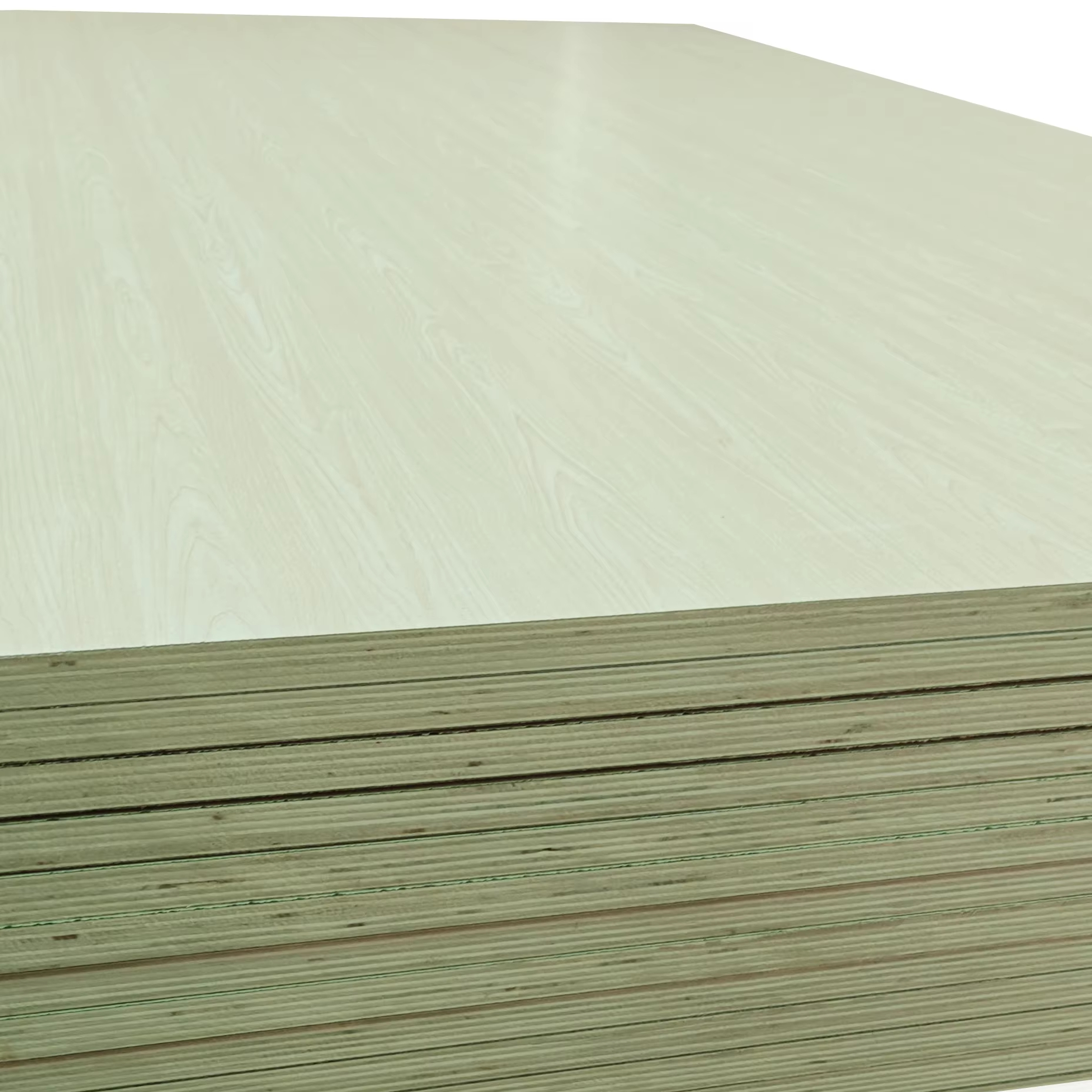
HPL-faced plywood combines a decorative or compact HPL surface with a plywood core. Birch, basswood and poplar cores support furniture, school desks, cabinetry and structural interior applications. The critical variables are core quality, glue line, thickness tolerance, HPL adhesion and edge protection.
Fire & Emission Option
Fire-retardant HPL, HPL-faced plywood and low-emission boards must be matched to the destination market. When a tender requires E0, E1, fire-retardant core or marine-grade phenolic construction, the supplier should confirm the exact board construction and documentation rather than rely on a generic label.
Product Recommendation Matrix for Interior, Wet, Exterior and Fire-Rated Projects
Use this recommendation framework to shortlist the correct HPL or compact laminate family before requesting samples.
Interior Furniture & Cabinetry
Choose 0.7 mm decorative HPL in wood grain, solid colour, super-matt or textured finish. For cabinet doors, wardrobes, reception desks and interior wall panels, confirm substrate quality, edge banding compatibility and scratch resistance. This is the most common volume programme for distributors serving furniture factories.
Wet Areas, Partitions & Lockers
Specify compact laminate, usually 6 mm to 12 mm, for toilet cubicles, shower partitions, lockers and washroom vanities. The panel should be self-supporting, moisture-resistant through the core and compatible with the proposed fixing system. Many buyers also request anti-fingerprint or easy-clean surfaces for commercial cleaning routines.
Exterior & Balcony Surfaces
Exterior HPL and exterior-grade compact panels require UV-stable decor, suitable resin formulation and verified installation details. For facades, balcony cladding and outdoor furniture, discuss substrate, expansion gaps, fixings and cleaning. A decorative interior sheet should never be substituted into an exterior specification without written confirmation.
Schools, Labs & Fire-Rated Projects
HPL-faced plywood with fire-retardant treatment is widely used for school desk tops, classroom furniture and institutional work surfaces. Chemical-resistant compact laminate is more appropriate for laboratory benches and technical rooms. Always request test reports, board construction details and a pre-production sample for approval.
Future Procurement Trends for HPL Sheets, 2025–2030
HPL buying is shifting from transactional sheet purchasing toward multi-product programmes supported by documentation, surface innovation and supply-chain resilience.
Consolidation and Mixed Containers
Importers increasingly combine HPL, compact laminate, MDF, plywood, LVL and door cores in one container. Mixed-container sourcing reduces freight administration and allows smaller distributors to reach better container utilisation without holding excessive stock of a single SKU.
Compliance-First Specifications
Tenders now ask for E0 or E1 emission, fire-retardant performance, low-VOC claims and project-specific test evidence. Buyers who treat compliance as a last-minute document request create delays. The stronger approach is to make emission class, fire grade and substrate part of the initial RFQ.
Digital Traceability and Pre-Shipment Proof
Container loading photos, batch labels, packing lists, inspection records and surface samples are becoming normal parts of supplier evaluation. Traceability protects both the buyer and the factory when colour, thickness or edge quality issues arise after arrival.
Private-Label Surface Programmes
Distributors increasingly want their own wood-grain range, embossed texture, packaging and catalogue presentation. Minor customization such as logo, packaging and graphics, plus sample-based or design-based development, is becoming a competitive differentiator rather than a premium extra.
Project-Based and Shorter Lead-Time Pressure
Construction and fit-out schedules leave less room for quality disputes. Buyers are shifting toward suppliers who can confirm stock, reserve production capacity, pre-approve surfaces and provide export documentation before the vessel booking is finalised.
Whole-Life Carbon and Circular Sourcing
While HPL remains a durable petrochemical and paper-based composite, buyers increasingly ask about recycled content, lower-emission resins, responsible wood sourcing and waste reduction in cutting and packing. Suppliers that can discuss trade-offs honestly will win more technically demanding accounts.
Product Development Trends: The Next Generation of HPL and Compact Laminate
Surface performance is where decorative laminate competition is moving fastest. The sheet that looks correct in a sample folder may not be the sheet that survives five years of commercial cleaning.
Super-Matt and Anti-Fingerprint Finishes
Interior designers continue to specify low-gloss surfaces with soft-touch or anti-fingerprint performance. For suppliers, the challenge is to maintain texture consistency, scratch resistance and cleanability while avoiding fingerprints on dark colours in showroom conditions.
Chemical-Resistant and Antibacterial Surfaces
Laboratories, clinics, schools and commercial kitchens require surfaces that tolerate disinfectants and reagents. Compact laminate with a chemical-resistant surface is likely to gain ground where standard decorative HPL would fail under repeated exposure.
Exterior Durability and Fire Performance
Demand is growing for exterior HPL cladding and compact panels that combine UV stability, moisture resistance and fire performance. Buyers should request installation guidance because facade performance depends on ventilation, fixings, joint design and substrate preparation, not only the sheet itself.
Thin and Large-Format HPL
Thinner decorative HPL and larger panel formats can improve yield and reduce joint lines in wall panels and furniture. However, thinner sheets demand better substrate flatness and careful handling. Specification should balance design intent against fabrication capability.
Compact Laminate in Modular Construction
Prefabricated bathrooms, modular classrooms, laboratories and commercial fit-outs are creating new demand for self-supporting compact panels. The product is attractive because it can combine structure, surface finish and water resistance in one panel thickness.
Digital Print and Synchronised Embossing
Digital decoration is expanding design possibilities beyond standard wood grains and solids. Synchronised embossing can align texture with print, creating convincing stone, timber and abstract surfaces. The key procurement question is whether the visual effect survives wear, cleaning and edge processing.
Why Linyi Fipdm Fits a Multi-Category HPL Export Programme
Our strength is not a single mill line. It is the ability to match a buyer’s application to a vetted production source, then inspect, consolidate and document the shipment before it leaves China.
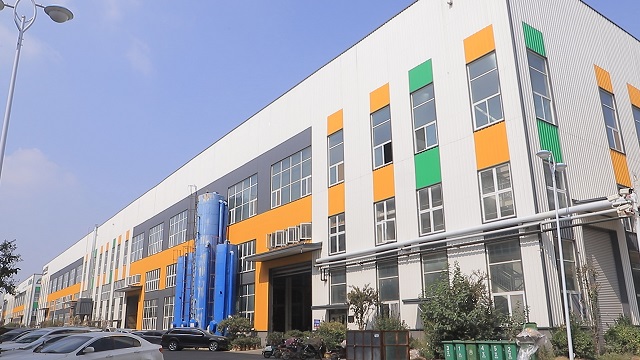
Linyi Fipdm Import And Export Co., Ltd. operates inside the Linyi panel cluster, where decorative laminate, compact laminate, plywood, MDF, LVL and door-core production are deeply concentrated. For global B2B buyers, that means access to a broad product base, faster sample coordination and more practical alternatives when one specification or finish is unavailable.
We are a verified trading company and multispecialty supplier, not a single-product brand. This model creates information gain for buyers: one contact can compare HPL, compact laminate, MDF, plywood and LVL; consolidate several product families in one shipment; and coordinate inspection before loading. That is especially useful for importers and distributors who sell to furniture factories, contractors and retail brands.
Our supplier profile records Intertek verification, a 5.0 buyer rating, nine years in the industry, four years as a Gold Supplier and a dedicated team of eight staff. More importantly, our working method is built around supplier assessment, on-site material inspection, finished-product inspection, export packing checks and loading evidence.
- ✓Intertek-assessed supplier profile
- ✓On-site material inspection
- ✓Finished-board quality checks
- ✓Mixed-category container consolidation
- ✓Custom sizes, colours and packaging
- ✓ODM and private-label support
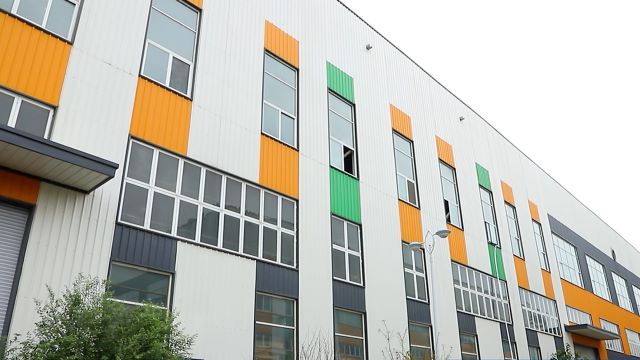

Two-Stage Quality Control
Material checks at the partner mill are followed by finished-board inspection for thickness, surface, edges, colour and packing before loading. This reduces the risk of receiving a container that meets the invoice but fails the application.
Multi-Category Consolidation
Combine HPL, compact laminate, MDF, birch plywood, LVL and door cores in one shipment. For distributors, this simplifies supplier administration and can improve container economics without forcing every product to come from one factory.
Export-Ready Documentation
Export documents, seaworthy pallet packing and loading photos are part of the service. Clear packing and labelling matter for HPL because edge damage, moisture exposure and mixed-SKU handling can create costly claims after arrival.
Customization and ODM
Minor customization such as logo, packaging and graphics, plus sample-based, design-based and full customization, supports distributors building their own surface range. Buyers can test colours, textures and board builds before committing to a container.
Project Technical Support
We support project buyers with practical guidance on cladding, partitions, furniture panels and desk tops. The aim is to align the sheet specification with joining, fixing, cleaning and edge-processing methods used on site.
Low-Emission Board Options
MDF and plywood are available in E1 and E0 grades depending on product line. Buyers should state the destination market standard early so the correct board, adhesive system and documentation can be matched before production.
Quality Control, Documentation and Procurement Risk Reduction
For HPL buyers, quality is not only a lab property. It is the combination of surface consistency, dimensional accuracy, core integrity, packaging and the supplier’s ability to resolve exceptions quickly.
Illustrative HPL Buyer Evaluation Weighting
Illustrative weighting for a specification-led B2B purchase. Actual priorities vary by market, project and product family.
RFQ Review
Clarify substrate, thickness, finish, fire and emission requirements, target market and packing method.
Sampling
Approve colour, texture, gloss level, edge appearance and board construction before bulk production.
Inspection
Check material at the mill and finished boards for thickness, surface, adhesion, edges and labelling.
Loading Evidence
Share packing and loading photos, confirm pallet protection and prepare export documents for shipment.
For buyers comparing suppliers, the most valuable question is not “Can you supply HPL?” It is “Can you show how you will control this specification from sample approval to container loading?” A supplier who can answer that question with a documented process usually creates far less risk than a lower quote without evidence.
Quick Reference for HPL Sheets, Compact Laminate and HPL-Faced Plywood
Typical specifications for initial sourcing discussions. Confirm final tolerances, test reports and packing requirements before order confirmation.
| Product Family | Typical Size / Thickness | Key Performance Focus | Common Applications |
|---|---|---|---|
| Decorative HPL Sheet | 0.7 mm; 1220×2440 mm and large formats | Wood grain, solid colour, matt, textured, postforming | Kitchen cabinets, wardrobes, furniture, interior wall panels |
| Compact Laminate | 3–20 mm; 6 mm, 12 mm widely used | Waterproof phenolic core, impact resistance, self-supporting | Toilet partitions, lockers, washroom vanities, table tops |
| Chemical-Resistant Compact | 12–20 mm project-dependent | Resistance to reagents and repeated cleaning | Laboratory worktops, technical rooms, healthcare surfaces |
| Exterior HPL Panel | Thin cladding sheets and compact panels | UV-stable decor, moisture resistance, fixing compatibility | Facades, balconies, outdoor furniture, public spaces |
| HPL-Faced Plywood | 18 mm; 1220×2440 mm | Birch core, HPL adhesion, fire-retardant options | School desks, furniture panels, cabinetry, interior fit-out |
| Laser-Cutting Plywood | 1–7 mm basswood or birch | Uniform veneer, clean cut, low char, E0 options | Crafts, models, signage, decorative laser-cut furniture |
| HPL Table Top | 600×800 mm, 800×800 mm, 12 mm common | Waterproof surface, edge sealing, impact resistance | Restaurant, cafe, canteen and outdoor furniture |
| Fire-Retardant HPL Panel | Project-specific board construction | Fire performance, emission class, documented test evidence | Schools, public buildings, transport interiors, contract furniture |
Specifications are for sourcing reference only. Final product selection should be confirmed against drawings, destination-market regulations, test reports and approved samples.
Frequently Asked Questions from HPL Sheet Buyers
Direct answers to the questions that most often appear during HPL, compact laminate and HPL-faced plywood sourcing.
Are you a manufacturer or a trading company?
Linyi Fipdm Import And Export Co., Ltd. is a verified trading company and multispecialty supplier. We source from vetted partner mills in Linyi, one of China’s largest wood-based panel clusters, and coordinate on-site material inspection plus finished-product inspection before shipment. This model allows buyers to combine HPL, compact laminate, MDF, plywood, LVL and door cores through one accountable contact.
What is the difference between HPL sheets and compact laminate?
Standard HPL is a thin decorative sheet, commonly around 0.7 mm, bonded to a substrate such as MDF, particle board or plywood. Compact laminate is a solid phenolic panel, often 3 mm to 20 mm thick, used without a separate substrate. Compact laminate is generally preferred for toilet partitions, laboratory worktops, lockers and wet areas where the core must resist moisture and impact.
Which formaldehyde emission grades can you supply?
MDF and plywood are available in E1 and E0 emission grades depending on the product line. Because documentation requirements differ by destination market, buyers should state the target standard at the inquiry stage. This allows the correct board, adhesive system and test documentation to be matched before production.
Can you customize sizes, colors and packaging?
Yes. We support minor customization such as logo, packaging and graphics, as well as sample-based, design-based and full customization. ODM services are also available for distributors and brands developing their own surface range. For colour and texture approval, a physical sample should be approved before bulk production.
Can I mix different products in one container?
Yes. Mixed loads of HPL, compact laminate, MDF, plywood, LVL and door cores are a core part of our service. Combining product families helps importers and distributors reach practical container utilisation without committing to excessive stock of a single SKU. Packing and labelling should be agreed in advance for mixed-SKU shipments.
How do you control quality before shipment?
Our process includes material inspection at the partner mill and finished-product inspection before loading. Checks typically cover thickness, dimensions, surface appearance, colour consistency, edge condition, adhesion, packing and labelling. Loading photos and export documents are prepared so the buyer has evidence of the shipment condition before the container departs.
Can you provide test reports and project documentation?
Test reports and product documentation depend on the selected board and destination market. Fire-retardant, E0/E1, exterior and chemical-resistant specifications should be confirmed in writing during the RFQ stage. We can coordinate the relevant documentation with partner mills so the buyer receives the paperwork required for tender review or customs clearance.
What information should I include in an HPL inquiry?
Please include the application, panel type, size, thickness, colour or texture, quantity, substrate, fire or emission requirement, destination market, packing preference and target delivery window. If you have a drawing, sample photo or tender specification, include it in the inquiry. The more complete the brief, the faster our team can recommend a suitable HPL or compact laminate option.
Request a Specification-Matched HPL Quotation
Send your sizes, thickness, surface finish, fire and emission requirements, quantity and destination market. Our export team will reply with matched HPL, compact laminate or HPL-faced plywood options, sample guidance and packing recommendations.