8 HPL Faced MDF & Decorative Panel Products for 2025–2026 Buyers
The shortlist below is drawn from current Fipdm product pages and is organized by application rather than by catalogue order. Each link preserves the original product URL so buyers can verify specifications, finishes, and imagery. For a custom HPL faced MDF construction—such as an E0 moisture-resistant MDF core with a 0.8 mm exterior-grade HPL face—send your performance target, quantity, and destination port through the inquiry button.
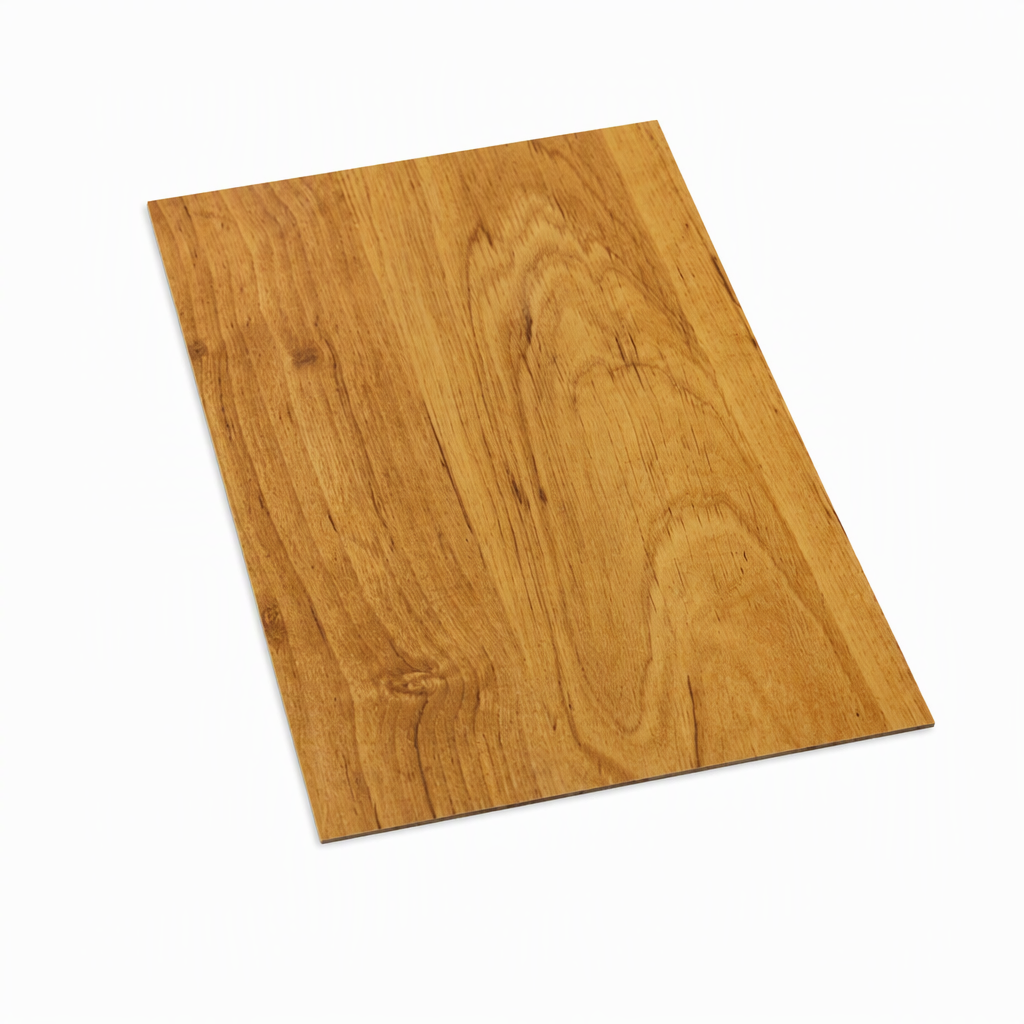
0.6 mm Brown Wood Grain HPL Decorative Laminate for Hotel Cabinets
- 0.6 mm decorative HPL face
- Waterproof and fireproof options
- For cabinet doors and wall panels
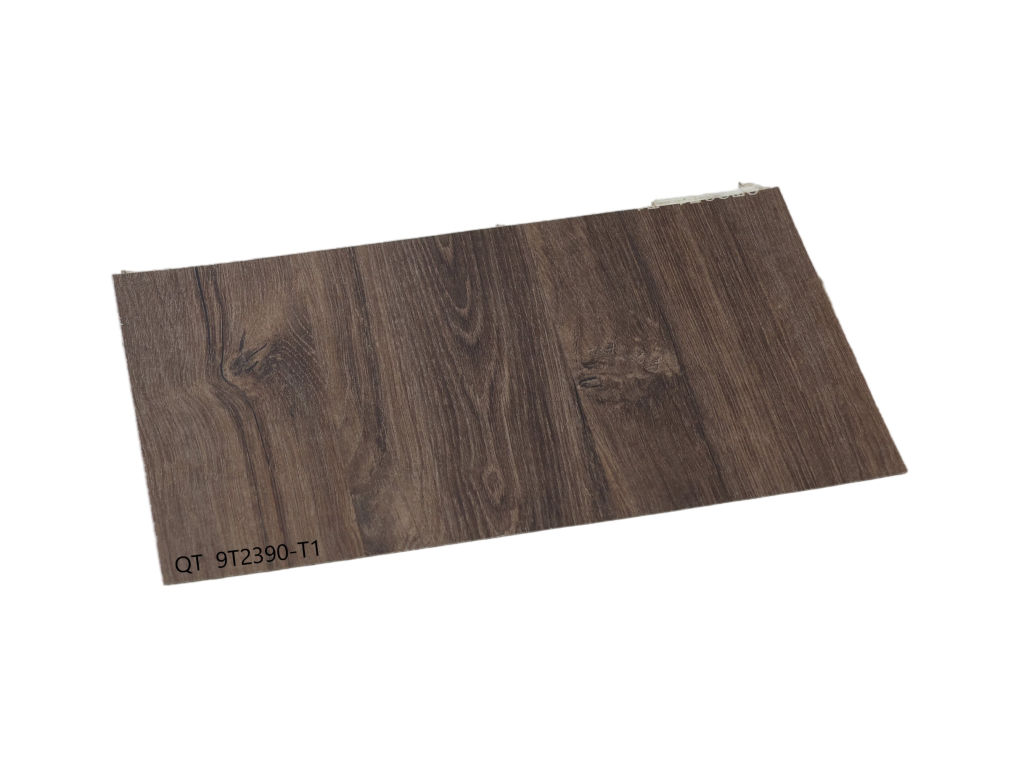
Dark Brown Decorative HPL Wall Panel QT 9T2390-T1
- Deep brown project color
- Interior wall cladding
- Color matching available
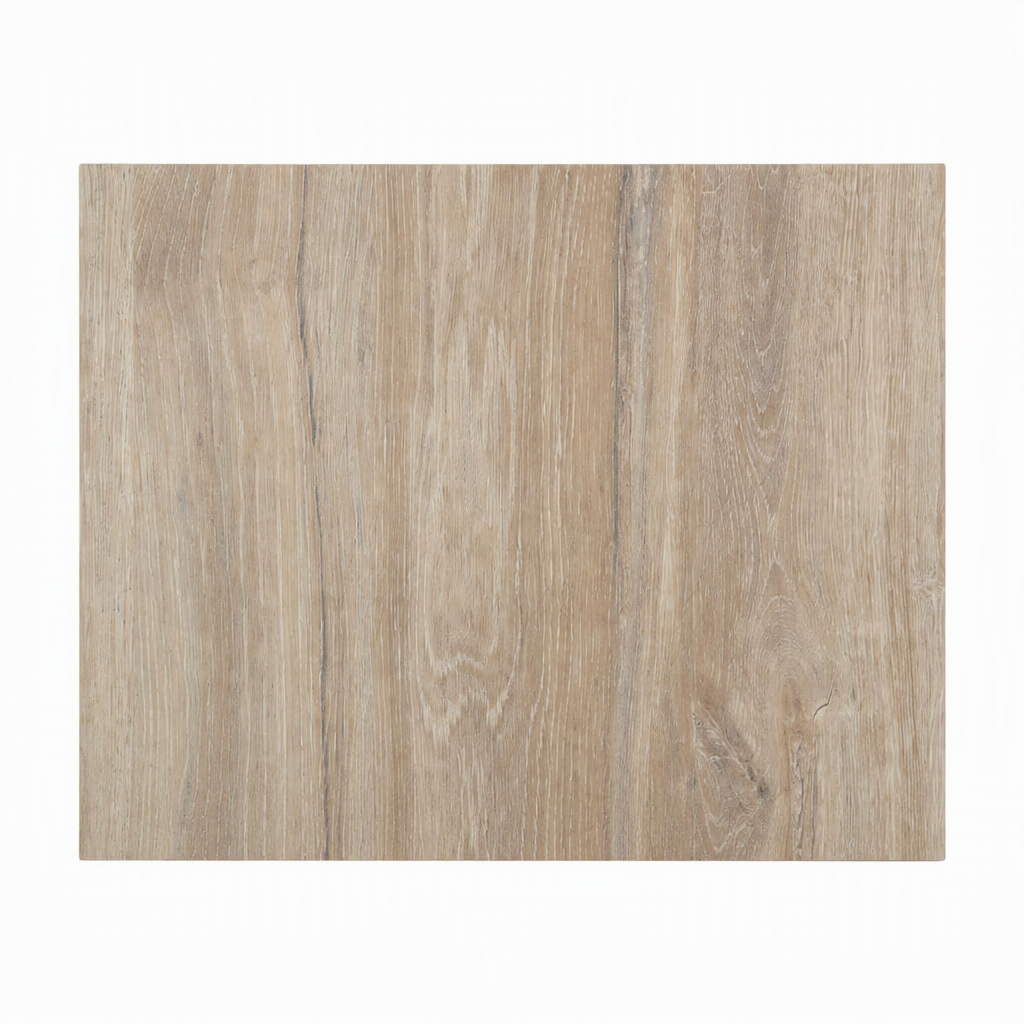
1 mm Light Wood Grain HPL Fireproof Decorative Laminate
- 1 mm face for heavy use
- Fire-resistant construction
- Modern light wood finish
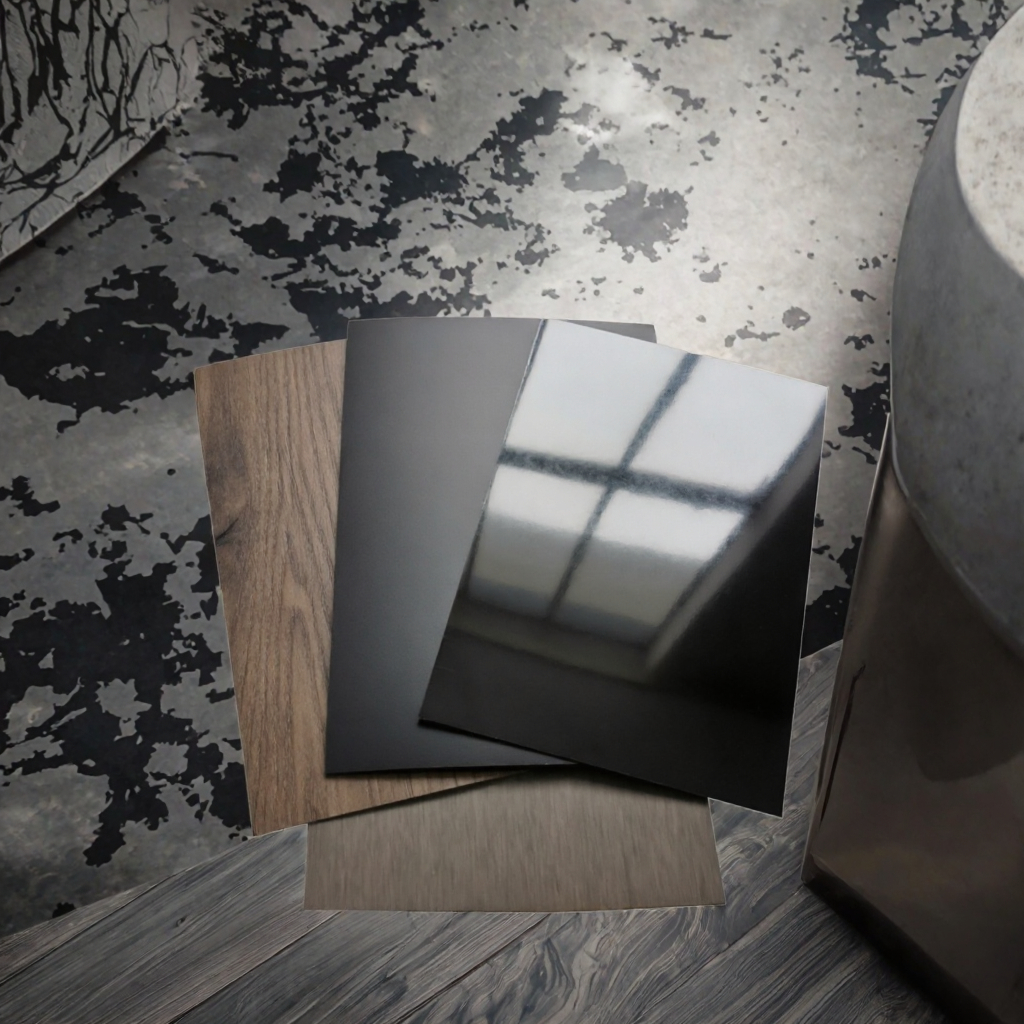
Glossy Black HPL Laminate for Furniture & Laboratory Tables
- High-contrast black finish
- Furniture and bench tops
- Fingerprint management options
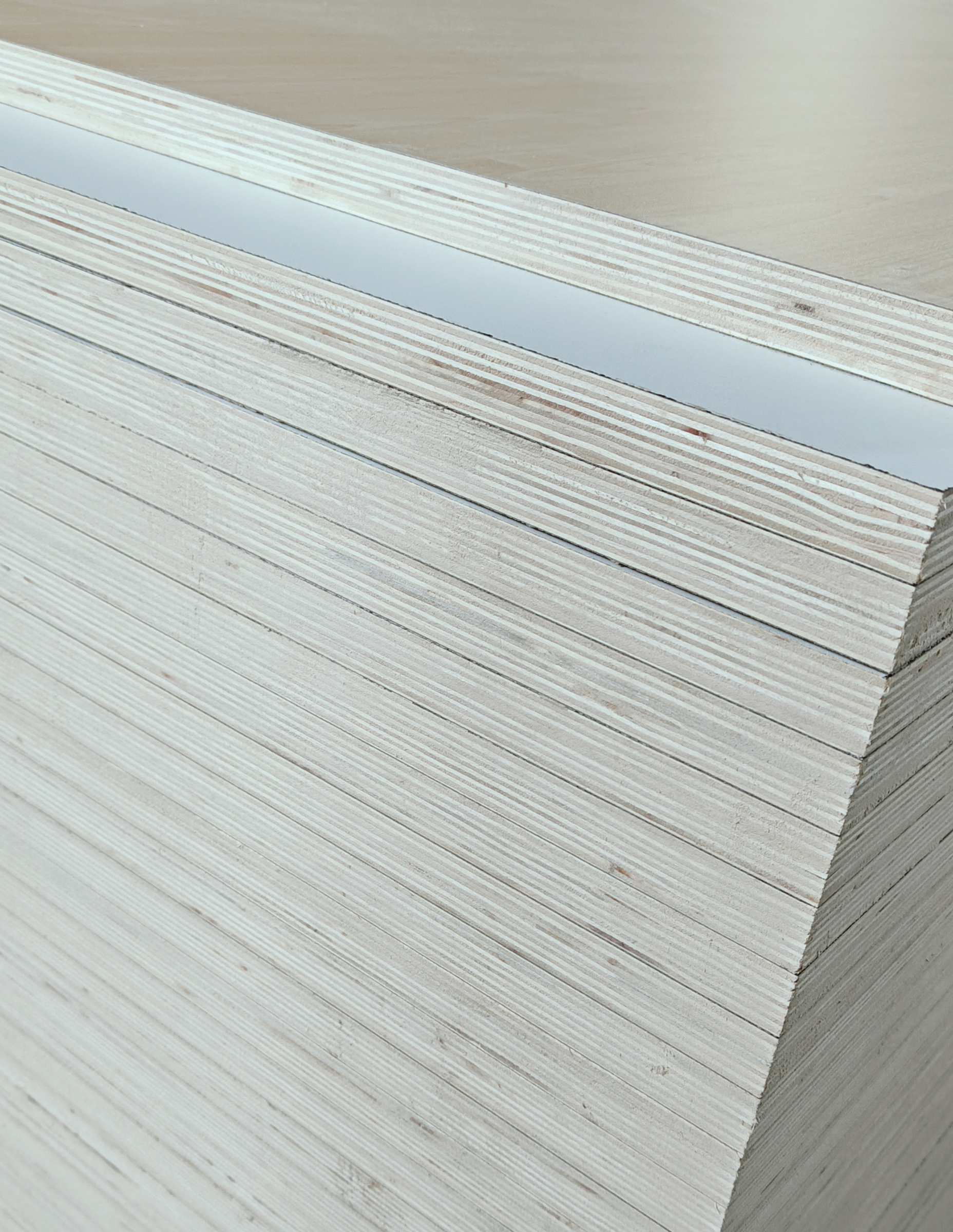
Marine HPL Poplar Plywood, E0 Fire-Resistant, 4×8 ft
- 15 mm / 1220×2440 mm
- Sanded E0 poplar core
- Construction and wet-area use
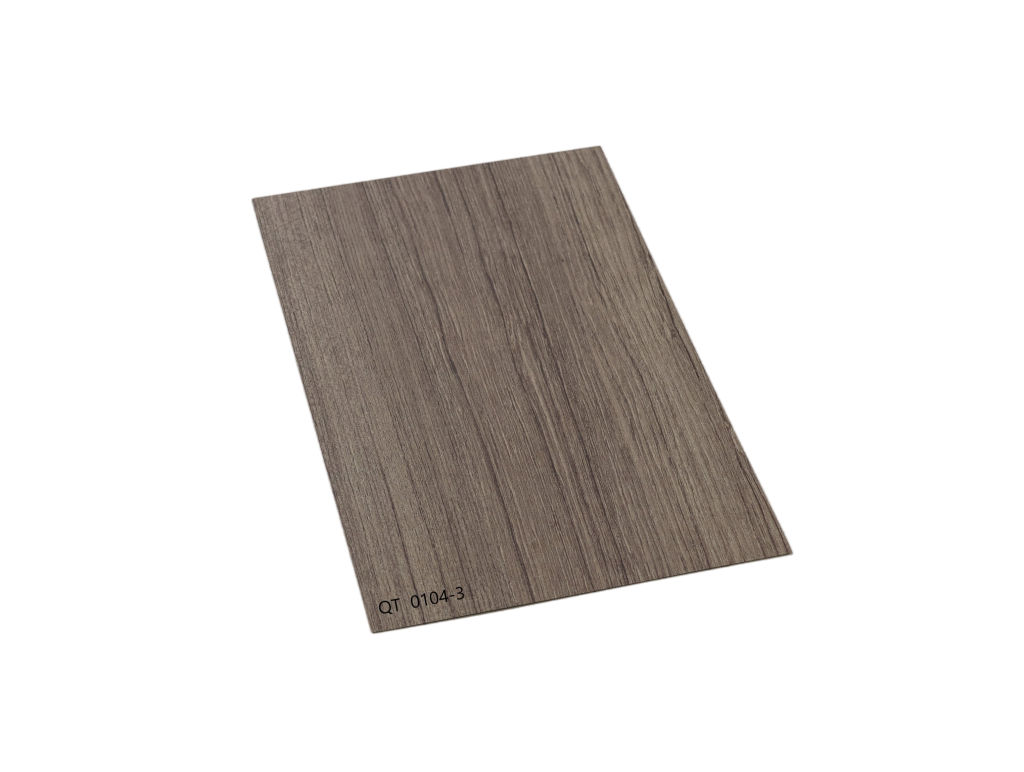
Wood Grain HPL Decorative Laminate for Cabinets & Walls
- Natural wood-grain decor
- Cabinet and wall applications
- Batch color consistency
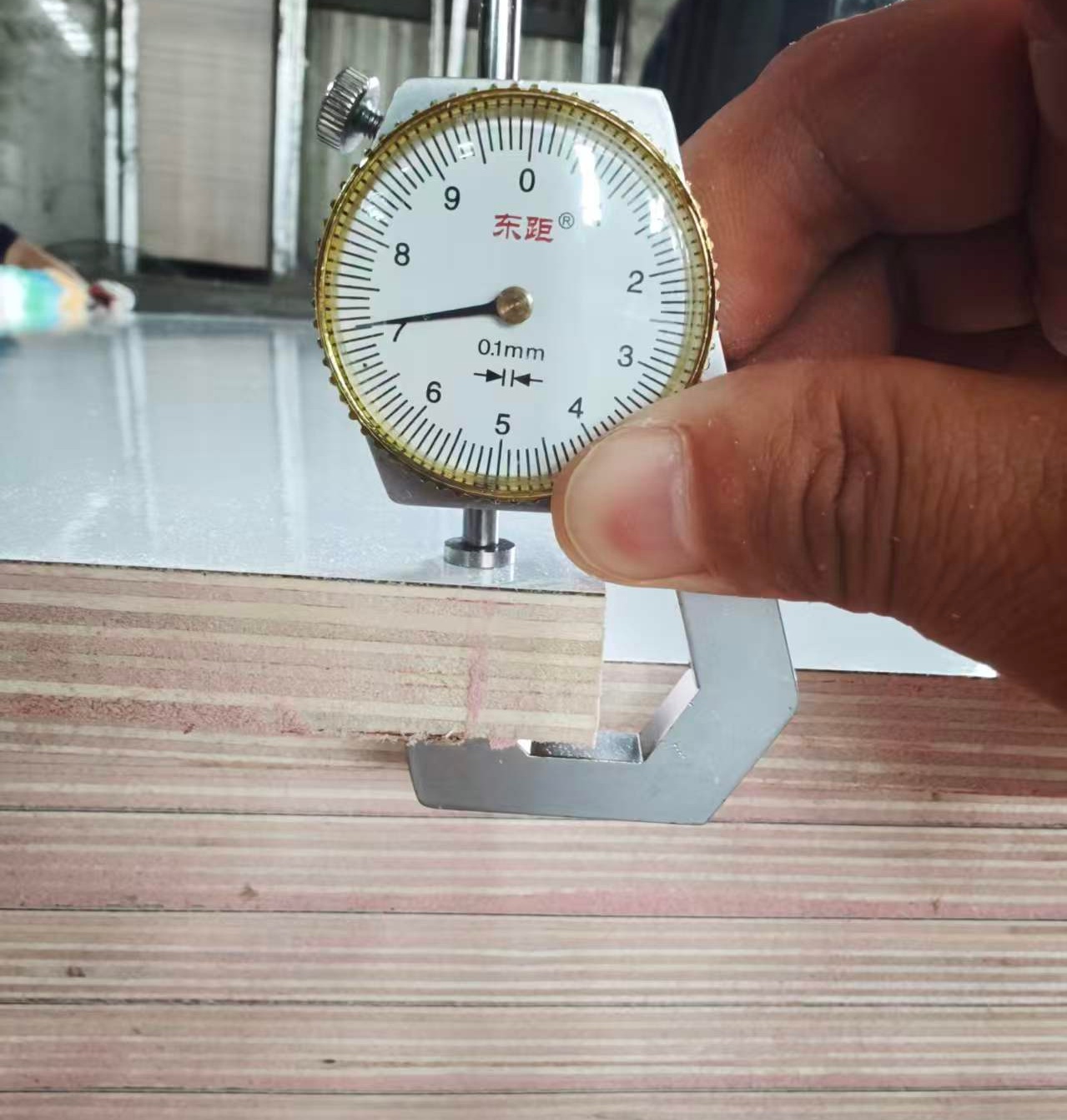
Decorative HPL Plywood Panels for Furniture Veneer
- Stock HPL plywood program
- Furniture and veneer panels
- Mixed-load friendly

15 mm Glossy HPL Birch Marine Plywood, 4×8 ft
- 15 mm / 1220×2440 mm
- E1 birch marine core
- Glossy HPL faced surface
Need a specification not listed? Send an Inquiry and our export team will reply with a matched HPL faced MDF construction, sample plan, and loading proposal.
HPL Faced MDF Buying Guide for Importers Who Need More Than a Price List
HPL faced MDF is a composite panel with a medium-density fiberboard core and a high-pressure laminate surface. It is not the same as melamine faced MDF. The HPL face is a separately pressed decorative laminate, usually 0.5–1.0 mm thick, bonded to the MDF core with an adhesive system that must be matched to the final application. This distinction matters because two quotations can look identical on paper yet differ in wear resistance, edge stability, color consistency, and moisture performance.
Linyi Fipdm Import And Export Co., Ltd. is a verified trading company and multispecialty supplier based in Linyi, Shandong, China’s largest wood-based panel cluster. We consolidate HPL sheets, compact laminate, MDF, plywood, LVL, and new material boards from qualified partner mills into one managed supply chain. Our team inspects raw materials on site, checks finished boards before loading, and provides engineer support for project buyers. That model is designed for importers, distributors, and furniture factories that need one accountable contact without managing multiple factories.
The most expensive mistake in HPL faced MDF procurement is not paying a few cents more per sheet. It is rejecting a container because the face color drifts, the core swells at edges, or the HPL surface lacks sufficient wear resistance for the intended traffic. We therefore recommend building a specification sheet before comparing quotations: core type and density, formaldehyde emission grade, HPL face thickness, surface finish, balancing veneer, panel size, edge treatment, and packing method. This guide gives purchasing teams the vocabulary and decision criteria to do that faster.
What Is HPL Faced MDF—and When Should You Specify It?
HPL faced MDF combines a smooth, uniform MDF core with a durable high-pressure laminate face. It is specified when the project needs a flatter substrate than plywood, better surface durability than melamine paper, and more design depth than painted MDF. For dry interior furniture, standard MDF may be sufficient. For kitchens, bathrooms, hotel vanities, laboratory support furniture, and commercial wall panels, moisture-resistant or fire-retardant MDF cores should be evaluated.
- Core density typically 720–850 kg/m³ for stable CNC machining
- HPL face 0.5–0.8 mm for standard furniture; 0.8–1.0 mm for heavy use
- Balanced face and back construction to reduce warping
- E0 or E1 formaldehyde emission depending on destination market
- Moisture-resistant core for wet areas and edge-sealing discipline
- Fire-retardant core option for public and commercial projects
HPL faced MDF should not be selected solely by color. The buyer should ask for the HPL grade, adhesive line, core moisture content, sanding tolerance, and packing method. For exposed edges, the edge-banding strategy is as important as the panel itself: a premium HPL face on a poorly sealed edge will still fail in humid service. For high-traffic reception desks, hotel casework, and laboratory benches, a thicker HPL face and higher-density core usually deliver a lower total cost of ownership than a cheaper panel that requires replacement.
HPL faced MDF vs melamine MDF vs compact laminate vs HPL plywood
| Panel Type | Surface | Best Use | Procurement Note |
|---|---|---|---|
| HPL Faced MDF | 0.5–1.0 mm high-pressure laminate on MDF | Hotel cabinets, wardrobe doors, reception desks, wall panels | Confirm balancing, core density, edge sealing, and HPL wear grade |
| Melamine Faced MDF | Melamine impregnated paper | Dry interior furniture, shelving, low-traffic cabinetry | Lower cost; verify print quality, surface hardness, and chipping resistance |
| Compact Laminate | Solid phenolic core, self-supporting | Toilet partitions, lockers, lab worktops, wet areas | Higher cost; specify thickness, impact resistance, and fixing method |
| HPL Plywood | HPL face on plywood core | Marine furniture, transport interiors, structural furniture | Check core grade, glue line, screw-holding strength, and moisture exposure |
What B2B Buyers Will Demand from HPL Faced MDF Suppliers by 2027
Procurement teams are moving from “lowest price per sheet” to “lowest risk per project.” The following trends are already visible in buyer inquiries and are likely to become standard evaluation criteria for HPL faced MDF and decorative panel sourcing.
Compliance-First Sourcing
E0/E1 emission declarations, fire performance reports, and low-VOC adhesive documentation will be requested earlier in the buying cycle, especially for school, hospital, hotel, and public projects.
Total Cost of Ownership
Buyers will compare yield, edge waste, replacement rate, and installation labor—not only the invoice price. A slightly thicker HPL face can reduce after-sales claims in high-traffic areas.
Mixed-Container Flexibility
Smaller importers and project contractors increasingly need one container to combine HPL faced MDF, decorative HPL sheets, plywood, and compact laminate without sacrificing full-container efficiency.
Digital Color Consistency
Brands want repeatable decor across multiple production runs. Suppliers will need retained samples, batch records, and digital color references to reduce lot-to-lot variation.
Traceability & Remote Inspection
Loading photos, material inspection records, and finished-product checklists will become standard evidence in supplier scorecards, particularly for first-time orders.
Design-Led Short Runs
Digital printing and synchronized textures will make short-run decor programs more practical, allowing distributors to test new wood grains and solid colors with lower inventory risk.
Surface and Core Innovation in HPL Faced MDF
The next generation of HPL faced MDF will be specified by performance data, not just decor codes. Expect more requests for deep embossed wood grain, super-matte anti-fingerprint surfaces, synchronized texture, fire-retardant cores, and low-emission MDF. For buyers, the opportunity is to lock a specification that works across multiple product lines rather than chasing the lowest sample price.
Deep-Texture HPL
Embossed surfaces that follow the wood grain create a more convincing natural feel for hotel and residential casework.
Super-Matte & Anti-Fingerprint
Matte finishes with easy-clean properties are growing in kitchens, offices, and retail fixtures where glare and fingerprints are a concern.
Fire-Retardant Cores
Public projects increasingly require fire-rated MDF cores and documented surface performance, not only a decorative finish.
Thinner Face, Better Yield
Improved HPL resins and calender control allow thinner faces to deliver reliable wear performance when matched to the right core and application.
A practical development trend is the shift toward application-specific HPL faced MDF: moisture-resistant MDF for bathroom vanities, high-density MDF for CNC-machined furniture, fire-retardant MDF for commercial wall panels, and exterior-grade HPL for facade-adjacent details. This is where a supplier’s technical support becomes valuable. Instead of offering one generic board, the supplier should help the buyer map performance requirements to core type, HPL grade, adhesive, and packaging.
Why Fipdm Is a Lower-Risk HPL Faced MDF Supply Partner
Fipdm is built for B2B buyers who cannot afford surprises. Our advantage is not a single factory line; it is the ability to qualify, inspect, consolidate, and document multiple panel categories from Linyi’s mature supplier network. That matters when an order includes HPL faced MDF, decorative HPL sheets, marine plywood, and compact laminate for the same project.
Intertek-Verified Trading Partner
Assessed as a verified trading company and multispecialty supplier, with access to vetted partner mills in the Linyi panel cluster.
Two-Stage Quality Control
On-site material inspection at the partner mill plus finished-product inspection for thickness, surface, edges, and packing before loading.
Multi-Category Consolidation
Combine HPL, MDF, plywood, LVL, door cores, and compact laminate in one container to reduce freight, paperwork, and supplier management costs.
Customization & ODM
Minor customization such as logo, packaging, and graphics, plus sample-based, design-based, and full customization for distributors building their own range.
On-Site Technical Support
Engineer support for installation guidance on cladding, partition, and furniture projects, helping buyers avoid edge-sealing and fixing errors.
Export-Ready Logistics
Export documentation, seaworthy pallet packing, and loading photos shared with each shipment. E0/E1 board options support different market regulations.



Address: Room 1206, Building B, Yigao Shanghai Street, Linyi, Shandong, China. Email: info@fipdmplywoods.com. The company’s current public profile lists 9 years in industry, 8 dedicated staff, a 5.0 buyer rating, and Intertek verification—three signals that support a more careful, evidence-based sourcing decision.
Quality Control Workflow for Every HPL Faced MDF Order
Quality is not a final inspection step. It begins when the specification is written. The following four-stage workflow is designed to catch mismatches before they become container-level claims.
Specification Lock
Confirm core type, density, E0/E1 grade, HPL face thickness, finish, size, edge banding, and packing. Clarify moisture and fire requirements at this stage.
Sampling & Approval
Approve color, texture, gloss level, and thickness against a retained sample. For repeat orders, reference the original approved sample and batch record.
Material Inspection
Check MDF density, moisture content, surface sanding, and HPL batch consistency at the partner mill before production starts.
Finished-Product QC
Inspect dimensions, adhesion, flatness, edge quality, and packaging. Share loading photos and inspection records before shipment.
HPL Faced MDF Buying Questions Answered
These are the questions buyers ask most often before requesting samples or placing a first order. If your application is not covered, send the specification and target market for a more precise recommendation.
Are you a manufacturer or a trading company?
Linyi Fipdm Import And Export Co., Ltd. is a verified trading company and multispecialty supplier. We source from vetted partner mills in Linyi, the largest wood-based panel cluster in China, and manage on-site material inspection plus finished-product inspection before shipment. For buyers, this means one accountable contact across HPL faced MDF, decorative HPL, plywood, LVL, and compact laminate.
What is HPL faced MDF, and how is it different from melamine MDF?
HPL faced MDF uses a separately pressed high-pressure laminate surface bonded to an MDF core. Melamine MDF uses melamine impregnated paper directly pressed onto the board. HPL typically offers better wear resistance, deeper texture, and stronger design options; melamine is usually more economical for dry interior furniture. The right choice depends on traffic, moisture exposure, edge detailing, and budget.
Which formaldehyde emission grades can you supply?
MDF and plywood are available in E1 and E0 grades depending on the product line and destination market. Because requirements vary by country and project, please state the target standard in your inquiry so we can match the board, adhesive system, and documentation. Fire-retardant and moisture-resistant cores can also be discussed for suitable applications.
What sizes, thicknesses, and finishes are available?
Common panel sizes include 1220×2440 mm and other project-specific dimensions depending on the product family. HPL faced MDF thickness depends on the core and application, while HPL face options include wood grain, solid color, matte, textured, glossy, and synchronized embossed finishes. Send your target size, thickness, and finish so we can confirm availability and production route.
Can you match a specific color or texture?
Yes. We support sample-based and design-based customization. For color-sensitive projects, provide a physical sample, decor code, gloss target, and lighting conditions. We will compare the proposed HPL surface against the approved reference and discuss batch consistency, minimum quantity, and sampling lead time before production.
What is the MOQ, and can I order samples?
MOQ depends on the HPL finish, core type, thickness, panel size, and whether the decor is a stock item. We support trial orders and mixed-container consolidation for buyers who want to test the market before scaling. Sample arrangements and courier costs are confirmed after the specification is clear. Please include your destination port for a practical quotation.
Can I mix HPL faced MDF with other products in one container?
Yes. Mixed loads of HPL faced MDF, decorative HPL sheets, compact laminate, plywood, LVL, and door cores are a core part of our service. This helps smaller importers and project contractors reach full-container efficiency while testing multiple product lines. Share the target quantities and packing requirements so we can propose a balanced loading plan.
How do you protect quality before shipment?
We use a two-stage inspection approach: material checks at the partner mill and finished-product checks before loading. Depending on the order, checks cover dimensions, thickness tolerance, surface defects, color consistency, edge quality, flatness, and packing. We also share loading photos and inspection records so buyers have evidence before the container leaves China.
Ready to Compare HPL Faced MDF Specifications?
Send your target size, core type, HPL face thickness, finish, formaldehyde grade, quantity, and destination port. Our export team will respond with matched options, sample guidance, and a practical loading proposal for your market.
Send an InquiryPlease include “HPL faced MDF” in your message so the sales team can route your request to the correct product specialist.