China Top High Gloss MDF Manufacturer & Factories
An E-E-A-T-focused procurement guide for acrylic, PET, UV and melamine high-gloss MDF — backed by Intertek-verified supplier assessment, two-stage quality control and mixed-container consolidation from China’s largest wood-based panel cluster.
8 Panel Products for High-Gloss Furniture, Cabinetry and Interior Projects
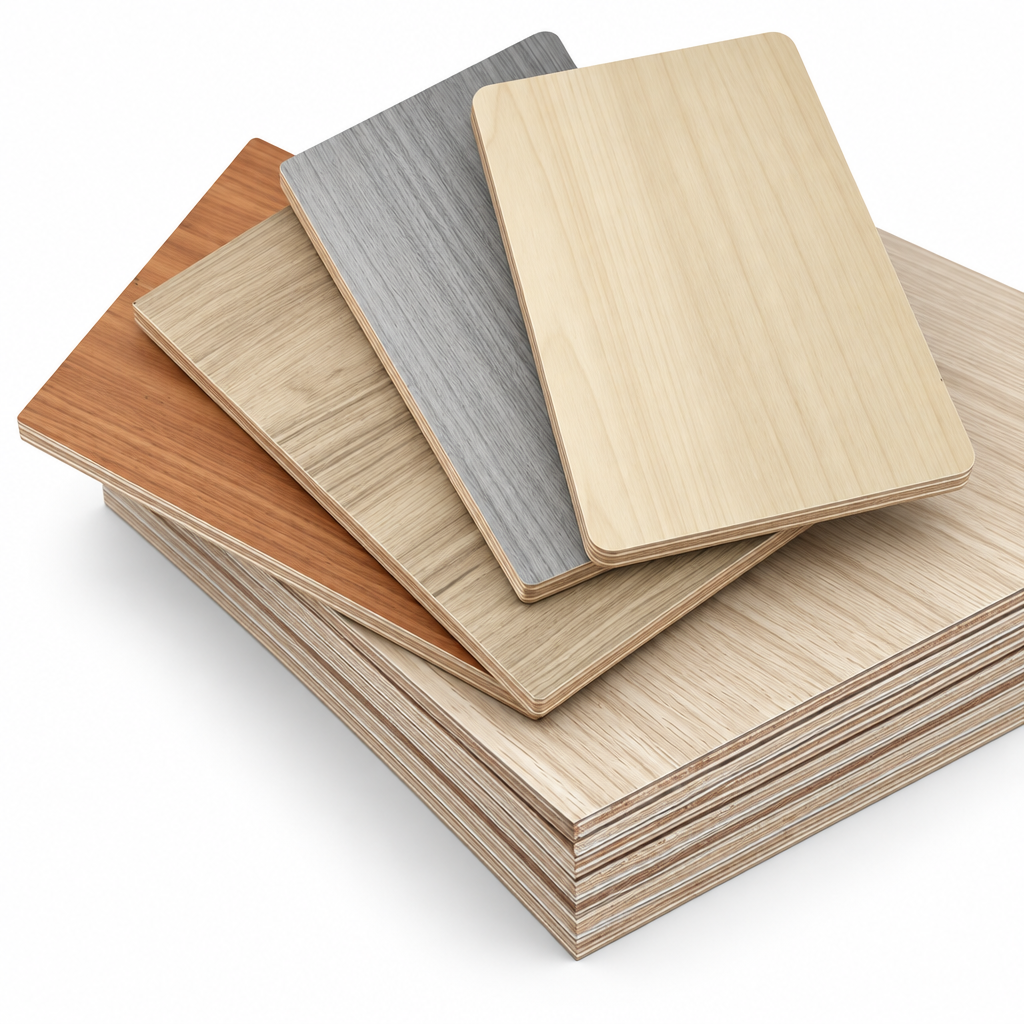
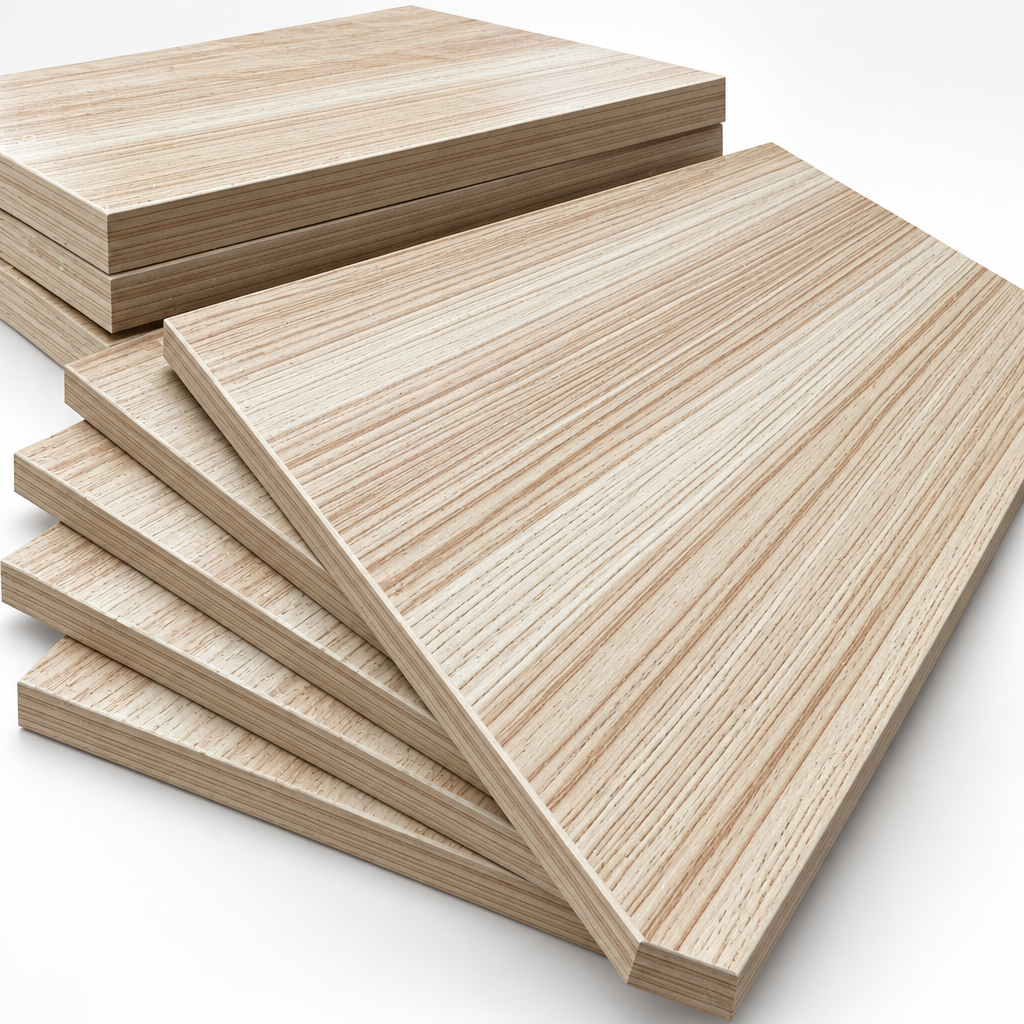
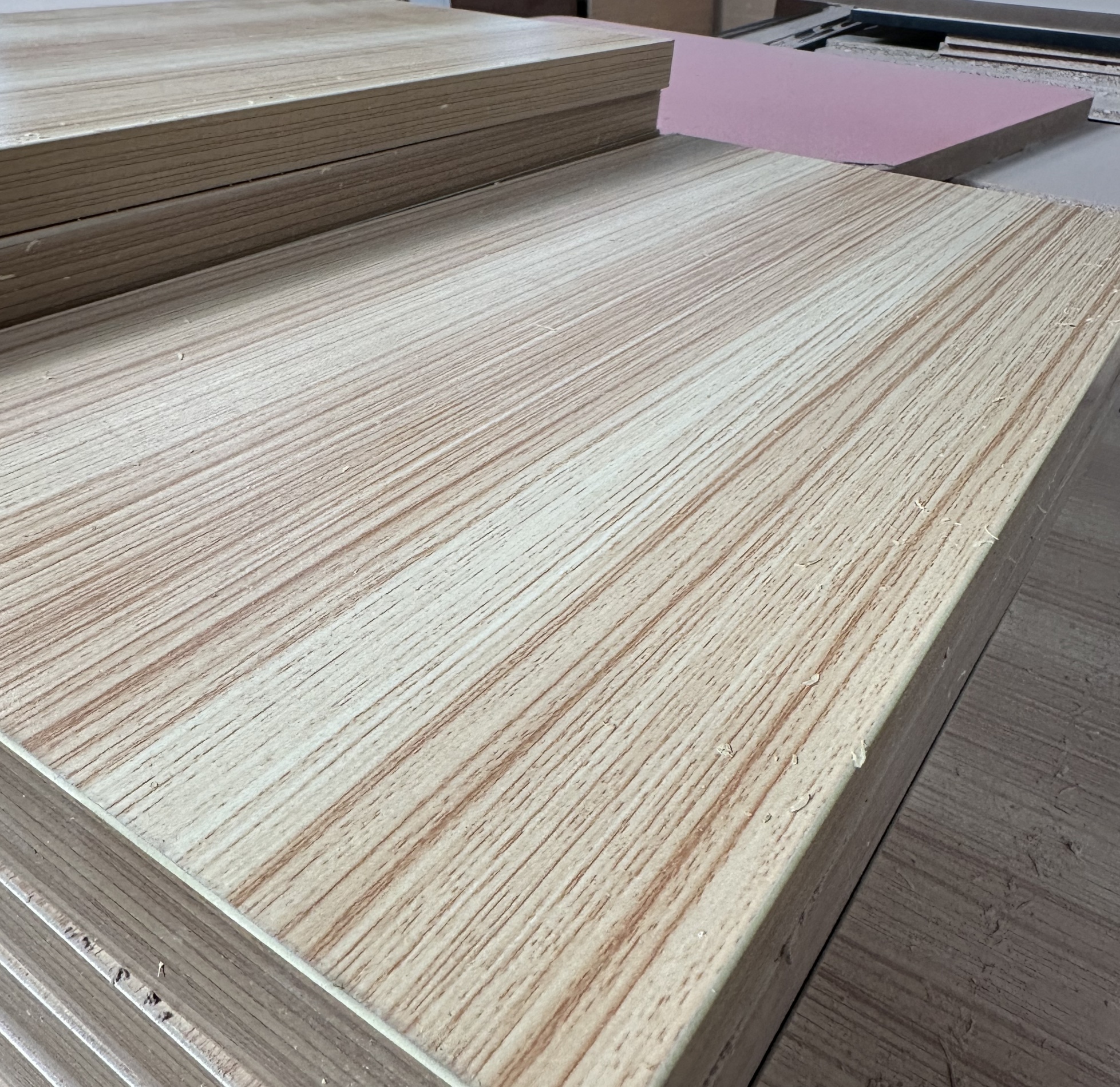
High-gloss MDF rarely performs alone. In real furniture and interior projects it is specified with HPL, HPL-faced plywood, decorative laminate, melamine plywood and fire-retardant boards. The eight products below are existing Fipdm panel listings, shown with their original product URLs so buyers can shortlist complementary materials alongside a high-gloss MDF inquiry. For a high-gloss MDF-only specification, use the Inquire Now button and include surface type, core grade, thickness, sheet size, colour and target market.

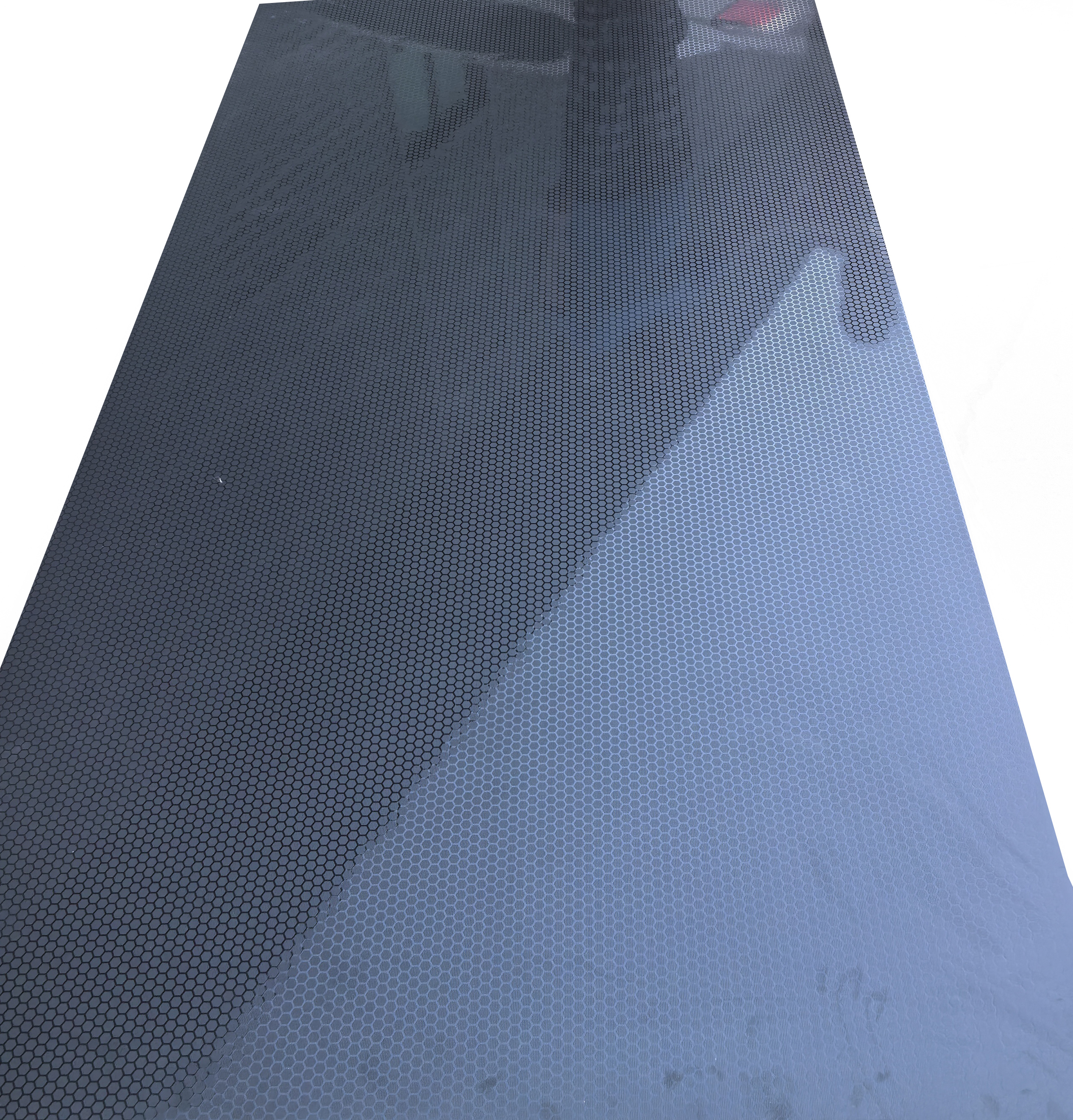

What “Top” Should Mean in High Gloss MDF Sourcing
A credible China high gloss MDF manufacturer and factory network should be judged by specification control, verified quality systems and export execution — not by a catalogue photo alone.
Verification before volume
Intertek-verified supplier assessment, on-site material inspection and finished-product inspection before every shipment matter more than unverifiable “top factory” claims. A high-gloss surface can look identical in photos while hiding differences in resin, film thickness, core density and adhesion.
Program cost, not sheet price
High-gloss MDF buyers increasingly compare total landed cost: colour consistency, damage rate, re-order lead time, documentation and mixed-container efficiency. A lower quoted sheet price can become expensive when the gloss batch varies or edges chip during ocean transport.
One sourcing partner, many boards
Fipdm’s practical advantage is consolidation: HPL, compact laminate, MDF, plywood, LVL and door-core boards can be coordinated through one team. For distributors and furniture factories, fewer suppliers means fewer quality languages, fewer loading delays and clearer accountability.
China remains the world’s most complete wood-based panel supply base, but the phrase high gloss MDF manufacturer covers many business models: single-line mills, coating specialists, trading companies with partner factories, and integrated furniture-panel groups. In Linyi, Shandong, the panel cluster is deep enough that a buyer can source MDF cores, melamine paper, HPL, plywood, LVL and packaging within a short radius. That density creates competitive pricing, but it also creates variation. The professional question is not “Who sells the cheapest high-gloss MDF?” It is “Which supplier can prove repeatable surface quality, formaldehyde compliance, packaging discipline and delivery reliability across multiple orders?”
This white paper sets out a buyer-focused framework. It explains the high-gloss MDF surface systems, the core grades that matter for kitchens, wardrobes, doors and commercial interiors, the procurement trends that will shape 2025–2027 purchasing, and the practical ways to verify a China high gloss MDF factory before placing a container order. It also introduces Fipdm’s verified supplier capabilities and the company’s existing panel listings, so buyers can combine high-gloss MDF with complementary HPL and plywood products in one sourcing program.
High Gloss MDF: Surface, Core, Grade and Finish
High-gloss MDF is a decorative panel system built from an MDF core and a high-gloss surfacing material. The same “high gloss” description can refer to melamine, UV coating, PET film, acrylic film or HPL lamination — each with different cost, durability and application fit.
Why the surface system decides the specification
For a furniture factory, the surface system determines cutting behaviour, edge-banding compatibility, scratch resistance, gloss retention and visual depth. For a distributor, it determines the claims that can safely be made to cabinet makers, shop fitters and interior contractors. For a project buyer, it determines whether the board can pass fire, formaldehyde and indoor-air-quality requirements in the destination market.
A high-gloss melamine MDF is economical and widely used for cabinet doors and wall panels, but its gloss level, pore texture and scratch performance vary by paper and press parameters. A UV-coated MDF can deliver a deep, uniform gloss and good surface hardness, yet the coating line, curing control and edge sealing strongly influence quality. PET and acrylic films provide excellent visual clarity and colour richness, but adhesion, film thickness and protection during transport are critical. HPL lamination is a robust option for horizontal surfaces and high-use interiors, with the added advantage of matching HPL colours and finishes across different substrates.
For buyers, the correct approach is to specify the end-use environment first: vertical cabinet door, horizontal worktop, bathroom vanity, wardrobe, shop fixture, door skin or wall cladding. Then select the core, surface, gloss level and edge treatment. This prevents overpaying for a surface that is not needed, or under-specifying a panel that will fail in a humid kitchen or high-traffic retail environment.
| Surface system | Typical visual / durability profile | Best-fit applications | Procurement note |
|---|---|---|---|
| High-gloss melamine MDF | Economic decorative gloss, broad colour range, good for vertical surfaces; scratch and moisture performance depend on paper, resin and press control. | Cabinet doors, wardrobe fronts, shop fixtures, wall panels. | Confirm gloss level, paper weight, colour batch and edge-banding match before volume order. |
| UV-coated high gloss MDF | Deep uniform gloss, good surface hardness when correctly cured; coating adhesion and edge sealing are key quality points. | Kitchen doors, bathroom furniture, retail displays, decorative panels. | Ask for cross-cut adhesion, gloss and stain-resistance data; protect from impact during shipping. |
| PET high gloss MDF | Rich colour, clean film surface, good resistance to common stains; heat resistance and film quality vary by grade. | Wardrobes, kitchen cabinetry, interior door panels, furniture fronts. | Verify film thickness, colour consistency, anti-scratch performance and edge quality. |
| Acrylic high gloss MDF | High visual depth, excellent colour clarity and premium feel; requires careful handling and suitable protective film. | Premium kitchens, wardrobes, hospitality furniture, exhibition fixtures. | Confirm acrylic thickness, adhesive system, protective film and replacement policy for transport damage. |
| HPL laminated MDF | Robust decorative surface with good wear and cleanability; heavier build and broader finish options. | Worktops, public furniture, laboratory furniture, high-use interiors. | Match HPL grade to horizontal or vertical use; specify adhesive and edge treatment. |
Typical profiles only. Confirm final gloss level, abrasion class, fire performance and formaldehyde grade with approved samples and test reports for your destination market.
How High Gloss MDF Buying Behaviour Is Changing
Buyers are shifting from “find a low price per sheet” to “build a repeatable, compliant, low-risk panel program.” The following trends are particularly relevant for importers, distributors and furniture factories sourcing from China.
Compliance-led sourcing
E0, E1, CARB Phase 2, EPA TSCA Title VI and project-specific low-emission requirements are increasingly written into purchase orders. Buyers want the MDF core, adhesive and surface film considered together, with test reports matched to the actual production batch — not a generic certificate from a different product line.
Mixed-container efficiency
Smaller importers and project buyers increasingly combine high-gloss MDF with HPL, compact laminate, plywood, LVL and door cores. Consolidation lowers freight and supplier-management costs, but it requires a sourcing partner with multi-category inspection capability and clear loading plans.
Dual-qualified supply chains
Tariffs, freight volatility and seasonal capacity have encouraged buyers to qualify more than one factory or finishing line. A credible China high gloss MDF manufacturer & factories partner should be able to explain which mill is suited to which surface, thickness and volume — and provide an alternative without changing the quality standard.
Customization at smaller runs
Brands want their own colours, textures, logos and packaging. High-gloss MDF suppliers are being asked to support sample-based, design-based and full customization with practical minimum order quantities. The winning model is not unlimited SKUs; it is disciplined colour management and clear sampling milestones.
Digital QC and traceability
Loading photos, batch labels, thickness records, gloss checks and inspection notes are becoming normal buyer expectations. Traceability reduces disputes and helps distributors answer end-customer questions. A supplier that can share structured pre-shipment evidence is easier to scale with than one that only sends a final invoice.
Performance beyond gloss
Buyers now ask about fingerprint resistance, scratch resistance, stain cleanability, edge chipping and colour stability under light. “High gloss” is no longer a sufficient specification on its own. The purchasing conversation is moving toward application-based performance: kitchen, bathroom, wardrobe, retail or commercial wall panel.
The Next Generation of High Gloss MDF Surfaces
Product development is moving in two directions at once: higher visual refinement and higher practical durability. The most successful high gloss MDF programs will combine premium appearance with verifiable performance and cleaner indoor-air credentials.
PET and acrylic film growth
Film-laminated MDF continues to gain share in premium cabinetry because it delivers rich colour, smooth surfaces and design flexibility. The next competition point is not only gloss, but film thickness, adhesion, anti-scratch performance and edge appearance.
Lower-VOC UV systems
UV-cured coatings are being refined for lower volatile organic compounds, better cure control and improved toughness. Buyers should ask for coating-system data, adhesion results and recommended cleaning methods rather than relying on a generic “UV board” label.
Super-matte and soft-touch hybrids
Not every premium interior wants mirror gloss. Super-matte, soft-touch and synchronised-texture surfaces are growing alongside high gloss. Manufacturers that can offer both gloss and matte systems with matching colours and core grades have an advantage in complete-project supply.
Anti-fingerprint and anti-scratch
High-gloss kitchen and wardrobe surfaces are judged daily by fingerprints, cleaning marks and abrasion. Anti-fingerprint coatings and harder clear layers are becoming differentiators. Procurement teams should specify the test method and acceptance level, not just the marketing term.
HMR and fire-retardant cores
Moisture-resistant and fire-retardant MDF cores are increasingly specified for kitchens, bathrooms, commercial fit-outs and public interiors. For export projects, the exact standard — such as a fire classification or formaldehyde limit — must be confirmed before production, not assumed from the surface name.
Synchronised texture and digital print
Digital printing and synchronised embossing allow wood grain, stone and abstract designs to be replicated with greater depth. The opportunity for high-gloss MDF is in combining print realism with a durable clear surface, especially for wall panels, furniture fronts and branded retail interiors.
Colour-management maturity
As ranges expand, colour consistency across batches becomes a product-development issue. Approved colour standards, light-source checks, batch reservation and repeat-order samples are becoming part of the supplier’s value proposition, especially for distributors building private-label collections.
Edge-banding and system fit
High-gloss MDF is only as good as its finished edge. Product development is increasingly focused on matching edge bands, adhesive systems and cutting recommendations. Suppliers who understand furniture production — not only board production — can reduce trial-and-error for cabinet makers.
How a High Gloss MDF Supplier Should Prove Performance
Inspection is not a final formality. It is a chain of evidence from raw material to container loading. The following checkpoints reflect the two-stage quality-control logic used in Fipdm’s supplier assessment and finished-product inspection process.
Two-stage control for high gloss MDF orders
Stage one happens at the partner mill: material checks cover MDF core density, thickness tolerance, sanding quality, moisture content, surface film or paper specification, and the formaldehyde grade declared for the order. Stage two happens before loading: finished-board inspection checks colour and gloss against the approved sample, surface defects, edge condition, dimensional accuracy and packing protection.
For high-gloss products, lighting is critical. A surface that looks clean under normal warehouse light may reveal haze, pinholes or polishing marks under directional light. Professional inspection should use a consistent viewing angle and agreed light source, then record results against the approved sample. Where required, test data for formaldehyde, fire performance, adhesion or abrasion should be linked to the production batch.
- Core density, thickness tolerance and moisture content
- Colour and gloss compared with the approved sample
- Surface defects, pinholes, haze and polishing marks
- Adhesion, scratch, stain and impact results where specified
- Edge condition, squareness and dimensional accuracy
- Packing, corner protection, pallet marking and loading photos
For B2B buyers, the most useful supplier is not the one that promises “no defects.” It is the one that defines the acceptance criteria, inspects against them, shares evidence and resolves exceptions before the container leaves. That is the practical meaning of E-E-A-T in panel sourcing: experience, expertise, authoritativeness and trustworthiness demonstrated through process.

Fipdm company introduction: a Linyi-based export team serving global panel buyers.

Warehouse and stock control: panel storage, handling and pre-shipment preparation.

Partner production lines: capacity for MDF, HPL, plywood and related panel categories.
Why Fipdm Is a Practical High Gloss MDF Manufacturer & Factories Partner in China
Linyi Fipdm Import And Export Co., Ltd. operates as a verified trading company and multispecialty supplier with access to qualified partner mills in Linyi, Shandong — China’s major wood-based panel cluster. The value is not a claim to own every production line; it is the ability to match specifications, inspect production and consolidate multiple board categories through one accountable export team.
Intertek-verified supplier assessment
Third-party assessment supports buyer due diligence. It should be treated as a starting point for supplier qualification, then combined with product-specific samples, test reports and pre-shipment inspection evidence.
Two-stage quality control
Material checks at the partner mill and finished-board inspection before loading focus on thickness, surface, edges, colour, gloss and packing. This helps catch issues while corrective action is still possible.
Multi-category consolidation
High-gloss MDF can be combined with HPL, compact laminate, plywood, LVL, melamine paper and door-core boards. This is especially useful for distributors and furniture factories seeking full-container efficiency.
Flexible customization and ODM
Minor customization such as logo, packaging and graphics, plus sample-based, design-based and full customization, can be discussed against the order quantity and destination market requirement.
Low-emission board options
E0 and E1 formaldehyde grades can be specified for MDF and plywood product lines, subject to the actual board and documentation available. Buyers should always state the destination-market standard in the inquiry.
Export-ready logistics
Export documentation, seaworthy pallet packing and loading photos are part of the shipment workflow. For project buyers, the team can also provide installation-related guidance for cladding, partitions and furniture applications.
Planning a High Gloss MDF Program: Price, Packing and Lead Time
A high-gloss MDF order should be planned like a production program, not a one-off spot purchase. The specification, packing and inspection plan determine the real cost of the panel when it reaches your warehouse.
Compare landed cost, not FOB only
Include freight, insurance, duties, port charges, inland transport and expected damage rate. A high-gloss panel with weak corner protection may look cheaper per sheet but create costly replacements. Ask suppliers to quote the packing standard explicitly.
Lock the approved sample
Colour, gloss, texture and edge appearance should be approved on a physical sample before mass production. Record the sample reference, light source, viewing angle and acceptable tolerance in the purchase order to reduce batch disputes.
Design the packing for gloss
High-gloss surfaces need protective film where appropriate, interleaving, corner guards, edge protection and moisture barriers. Pallet marking and loading sequence should match the consignee’s handling process. These details are part of quality, not administration.
Build realistic lead times
Lead time depends on surface availability, core grade, colour, quantity and inspection requirements. A practical schedule includes sample approval, material preparation, production, pre-shipment inspection, packing and document release. Confirm each milestone in writing.
Prepare complete documents
Commercial invoice, packing list, bill of lading, certificate of origin and product test reports should be aligned with the order specification. If your market requires formaldehyde, fire or environmental documentation, confirm the exact format before production.
Keep an inspection record
Loading photos, batch labels, thickness checks and surface inspection notes help resolve claims and support repeat orders. Over time, this record becomes a useful supplier-performance database for your purchasing team.
For buyers comparing China high gloss MDF factories, the strongest negotiation position is a complete specification. State the application, core type, thickness, sheet size, surface system, gloss level, colour reference, formaldehyde standard, fire requirement if any, edge-banding plan, packing requirement and expected order quantity. With that information, a supplier can quote a comparable product rather than an attractive but incomplete price.
High Gloss MDF Procurement FAQ
Practical answers for importers, distributors, furniture factories and project buyers preparing a China sourcing inquiry.
Are you a manufacturer or a trading company?
Linyi Fipdm Import And Export Co., Ltd. is a verified trading company and multispecialty supplier. We work with vetted partner mills in Linyi, Shandong, and manage on-site material inspection plus finished-product inspection before shipment. This model gives buyers access to multiple panel categories and factory options while keeping one accountable export contact.
What is high gloss MDF?
High gloss MDF is a medium-density fibreboard core finished with a high-gloss surface system such as melamine paper, UV coating, PET film, acrylic film or HPL. The core provides screw-holding strength and machinability; the surface provides colour, gloss and wear resistance. Performance depends on both the core grade and the surface system.
Which is better: acrylic, PET, UV or melamine high gloss?
There is no universal best choice. Melamine high gloss is economical and suitable for many vertical furniture applications. UV coating can offer a deep uniform gloss and good hardness when properly cured. PET provides rich colour and clean film performance. Acrylic delivers premium visual depth but needs careful handling. HPL lamination is robust for high-use surfaces. Select based on application, budget, cleaning regime and target market expectations.
Which MDF core should I choose for kitchens and bathrooms?
For moisture-prone areas, specify an HMR MDF core where available and confirm the surface system’s water resistance. For commercial projects, fire-retardant core grades may be required. Standard MDF can be suitable for dry interior vertical applications, but the full environment — humidity, cleaning chemicals, heat and mechanical impact — should be reviewed before specification.
Which formaldehyde grades can you supply?
MDF and plywood product lines can be supplied in E1 and E0 grades depending on the actual board and production availability. For destination markets with specific requirements, state the exact standard in your inquiry so the correct core, adhesive and documentation can be confirmed. Always match the test report to the product and batch being ordered.
Can you customize sizes, colours, gloss levels and packaging?
Customization can be discussed for minor changes such as logo, packaging and graphics, as well as sample-based, design-based and full customization. Availability depends on the surface system, quantity and partner-mill capability. For colour-sensitive projects, approve a physical sample and define the acceptable colour and gloss tolerance before production.
How do you control gloss and colour consistency across batches?
Control starts with an approved sample and a written specification. Production should use the same surface material, paper or film reference, press parameters and colour standard. Pre-shipment inspection should compare the finished boards with the approved sample under an agreed light source and viewing angle. For repeat orders, retain the original sample and record batch references.
Can I mix high gloss MDF with HPL, plywood and LVL in one container?
Mixed-container sourcing is a practical option for distributors and project buyers, subject to minimum quantities, packing compatibility and loading plan. Fipdm’s multi-category supplier profile includes HPL, compact laminate, MDF, plywood, LVL, door cores and melamine paper, which can help reduce supplier-management and freight costs. Send your full list with sizes, quantities and target application for evaluation. To start, use the Inquire Now button and include your specification.
Send Your High Gloss MDF Specification for a Factory-Matched Quote
Share your application, core type, thickness, sheet size, surface system, gloss level, colour reference, formaldehyde standard, order quantity and destination market. Our export team will match the requirement with suitable partner-mill options, propose complementary HPL or plywood products if needed, and confirm the inspection and packing plan before shipment.