China Top Exterior Grade Plywood Exporters & Wholesaler
How professional buyers compare exterior-grade plywood, HPL-faced panels, phenolic marine plywood, low-emission cores and factory inspection evidence before placing a container order.
8 Panel Products Buyers Shortlist for Exterior & High-Moisture Projects
The products below preserve the original catalogue images and URLs. Specifications should be confirmed against your target market, exposure class, glue line, overlay and installation method before approval.

4x8 ft HPL High-Pressure Laminates Sheet Board Hpl Laminated Plywood Fire Retardant Decorative Plywood Panels
A decorative HPL-faced plywood for wall linings, shop fitting and furniture where surface durability, cleanability and fire-retardant options matter. Confirm exterior exposure class and edge sealing before facade use.
View Product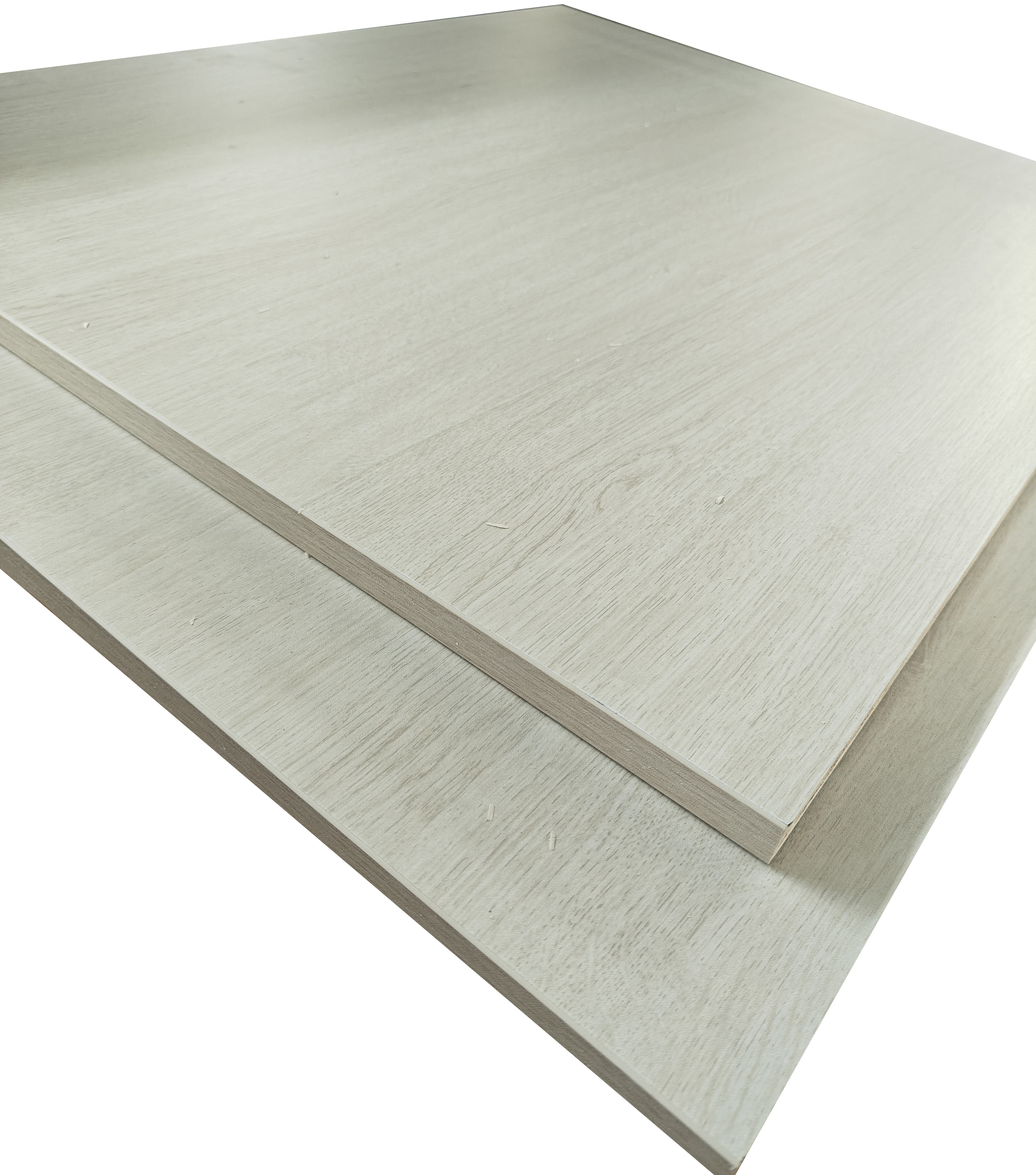
Linyi Supplier Professional HPL Formica Plywood for Furniture High Pressure Phenolic Resin HPL Compact Laminate Board
A professional HPL and compact laminate option for furniture, wet-area surfaces and fit-out components. Phenolic resin systems support impact resistance; thickness, substrate and surface grade should be specified per application.
View Product
Sanded Basswood Plywood Sheets with Birch Veneer Double-Sided E0 Decorative Wood Panels for Laser Cutting Furniture
Sanded basswood plywood with birch veneer and double-sided E0 decorative faces for laser cutting, models, signage and furniture components. For exterior use, verify the glue line and add a suitable protective coating.
View Product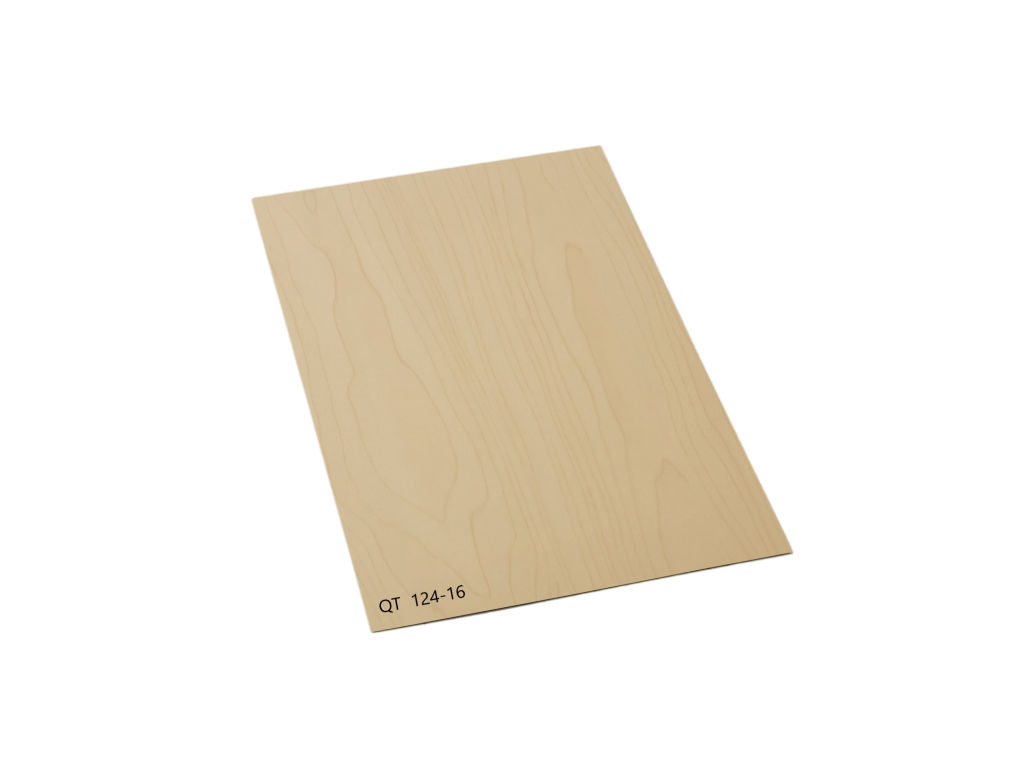
Light Wood Grain HPL Decorative Laminate Sheet Phenolic Resin Panel for Interior Wall and Furniture
A light wood-grain HPL decorative laminate on phenolic resin panel for interior walls, doors, partitions and furniture. A design-led choice for hospitality, retail and residential fit-out where a consistent wood aesthetic is required.
View Product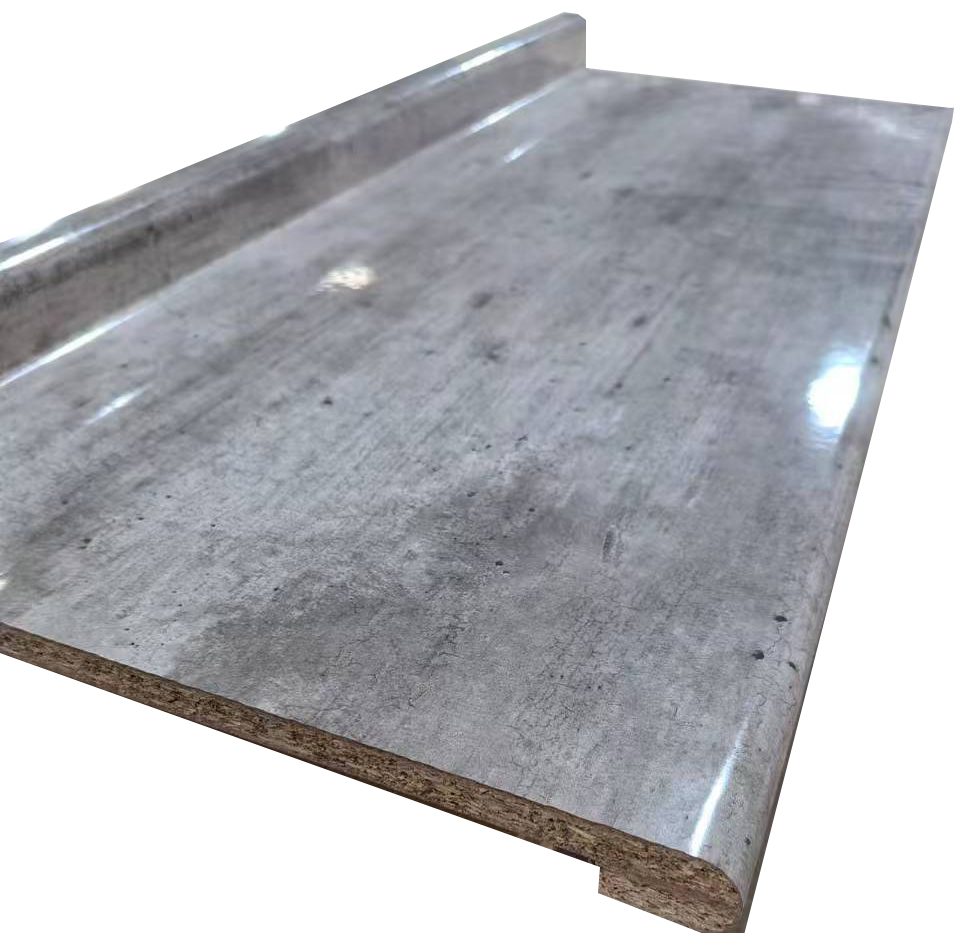
Linyi Hpl Melamine Board Plywood HMR MDF Sheet 18mm 25MM Melamine Board Furniture Board for KITCHEN COUNTERTOPS
HPL melamine-faced HMR MDF board for kitchen countertops and furniture, with 18 mm and 25 mm project options. High moisture resistance supports interior wet-zone performance when edges and joints are properly sealed.
View Product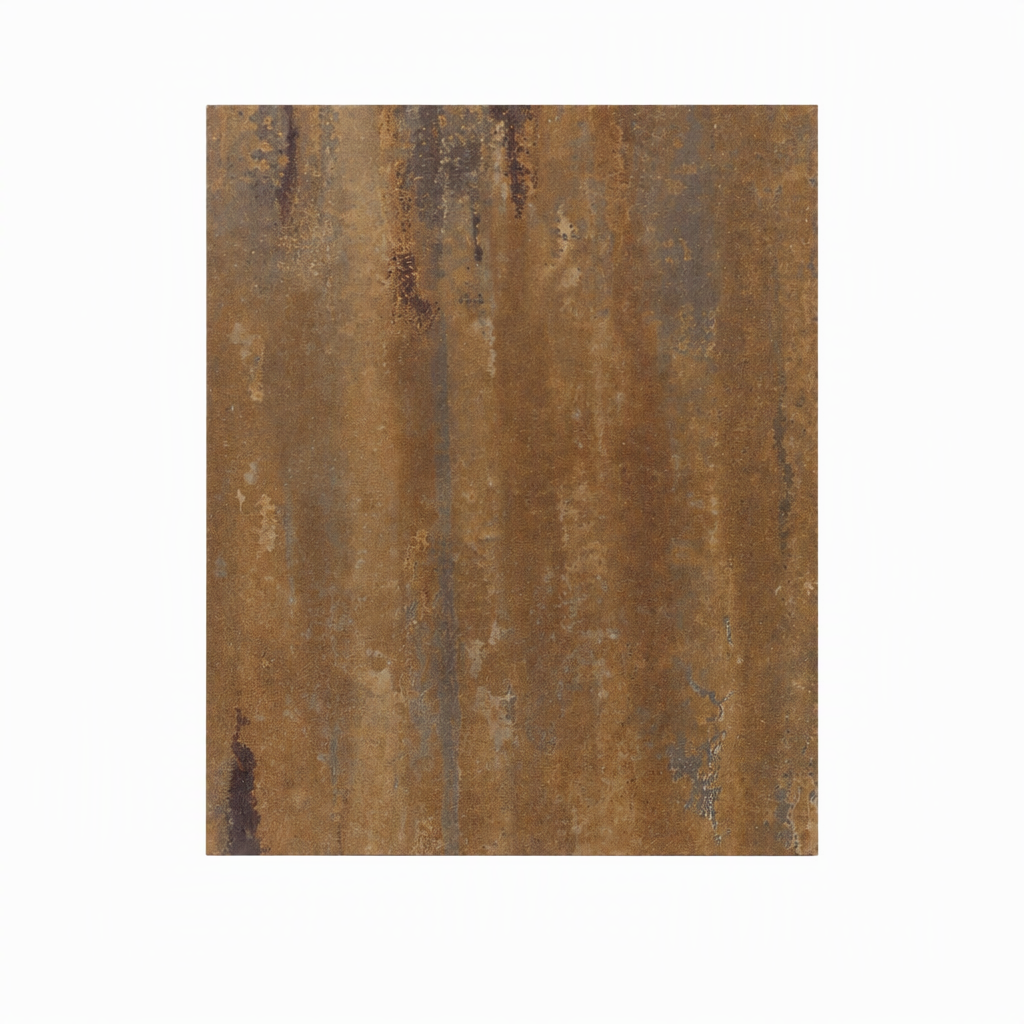
0.8mm Brown Stone Look HPL Decorative Laminate Sheet Interior Wall Panel
A 0.8 mm brown stone-look HPL decorative laminate for interior wall panels, doors and feature surfaces. It delivers a mineral appearance with lower weight than natural stone and is suitable for fast fit-out programmes.
View Product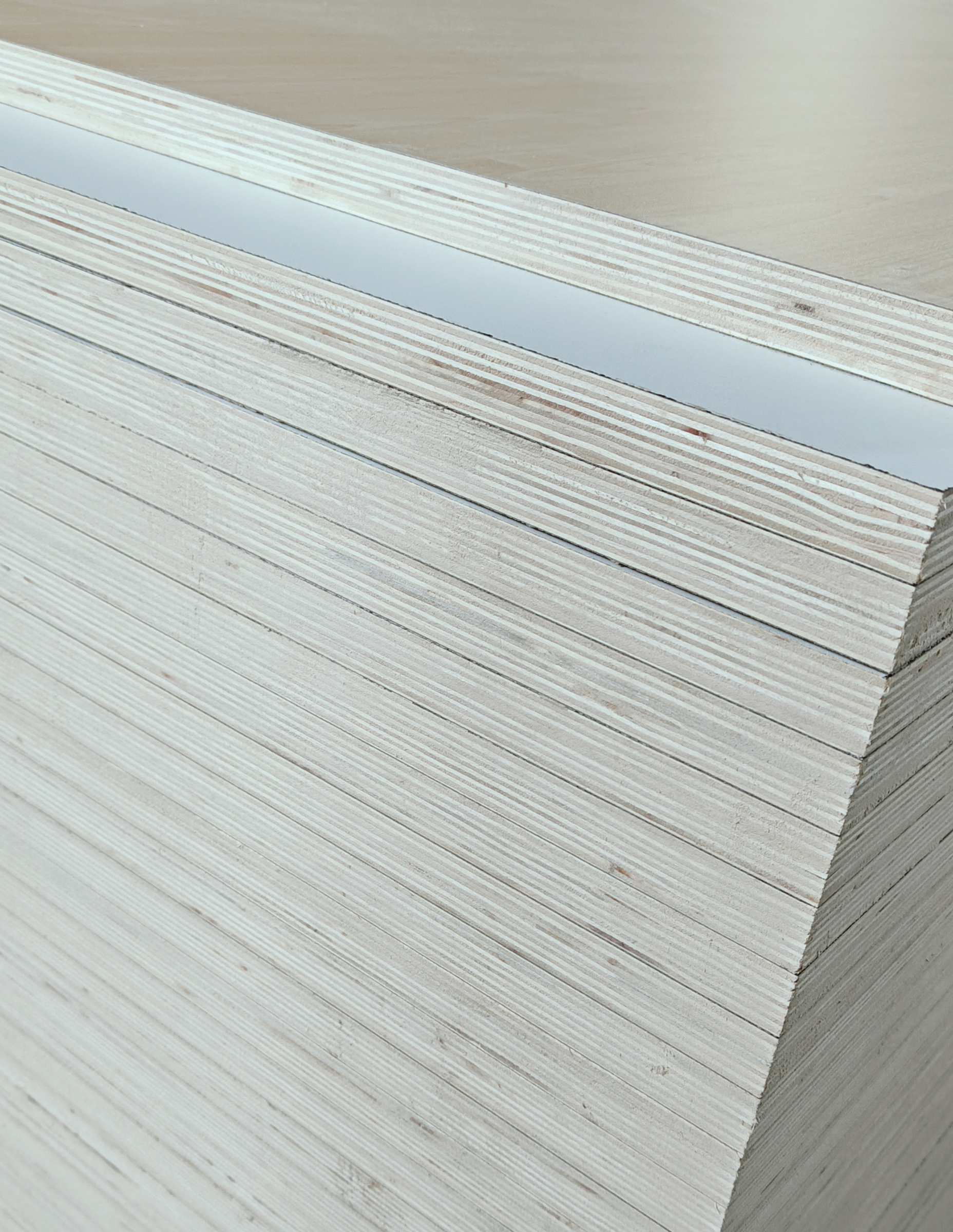
Modern Design Chinese Marine HPL Poplar Plywood E0 Fire Resistant Sanded Surface 4X8 15mm 1220X2440 Construction Sheet Price
Chinese marine HPL poplar plywood with E0, fire-resistant and sanded-surface options in 4x8 ft and 15 mm construction formats. For exterior or marine claims, verify glue-line class, veneer quality and third-party test reports.
View Product
HPL Plywood E0 Fire Resistant Sanded Surface Double-Sided Decoration 4X8 18mm Furniture Plywood
A double-sided decorative HPL plywood with E0 and fire-resistant options, sanded surface and 4x8 ft, 18 mm furniture-grade construction. Suitable where a durable decorative skin and low-emission board are requested together.
View ProductNeed a specification review before choosing between HPL-faced, phenolic, marine or decorative plywood?
Inquire NowWhat “Exterior Grade” Must Prove Before You Approve a Purchase Order
The phrase exterior grade plywood is often treated as a single product category. In practice, it is a performance promise that must be documented from glue line to loading bay.
A panel described as exterior grade should use a fully waterproof glue line—typically phenolic WBP—and be manufactured, pressed, sanded, packed and shipped so that moisture exposure does not cause delamination, face checking or edge swelling. For European projects, buyers commonly request evidence against EN 314-2 Class 3 bonding and, where applicable, EN 636-3 exterior plywood performance. For North American projects, buyers may ask for APA or equivalent product data, CARB Phase 2 / EPA TSCA Title VI compliance for composite wood components, and clear labelling.
HPL-faced and phenolic overlaid plywood can improve wear, UV, chemical and moisture resistance, but the overlay does not replace the need for a qualified core and glue line. A convincing supplier should separate three questions: what is the core, what is the glue line, and what is the surface system? When those answers are tested and traceable, a wholesaler can support repeatable exterior projects rather than one-off samples.
The Four Proofs Serious Buyers Request
Glue-Line Durability
Exterior exposure begins with adhesive performance. Do not accept “waterproof” as a slogan; ask for the glue type, bond class and the test method tied to your project standard.
Core Construction
Poplar, birch, pine, basswood and mixed hardwood cores behave differently under moisture and machining. Match the core to the application, not only to the price per cubic metre.
Surface & Overlay
HPL, phenolic film, melamine and paint systems deliver different wear, UV and chemical performance. The overlay must be compatible with the core and the final fixing detail.
Documentation
For importers, the product is not complete until the documents match the destination market: emission declarations, fire reports, inspection records and packing details.

A Sourcing Team Inside China’s Panel Cluster
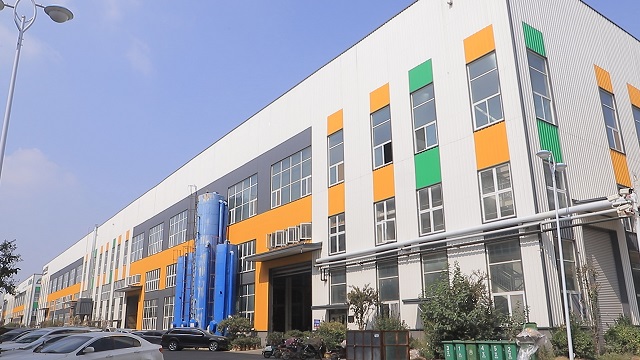
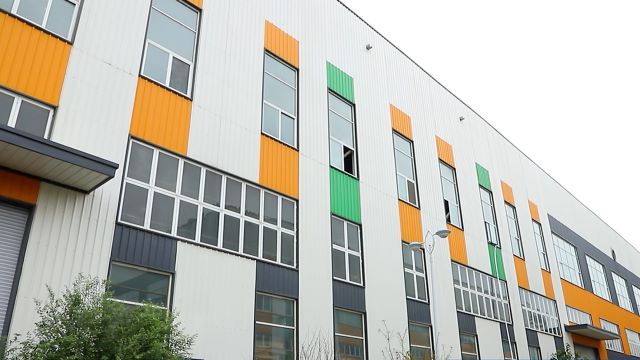
Linyi Fipdm Import And Export Co., Ltd. is a verified trading company and multispecialty supplier located in Linyi, Shandong—China’s largest wood-based panel production cluster. That location matters for exterior-grade plywood buyers because the region combines plywood mills, HPL and melamine overlay suppliers, MDF and particle board lines, packaging suppliers and experienced export loaders in one industrial ecosystem.
We consolidate high-pressure laminates, compact laminate, MDF, HMR MDF, plywood, LVL, door cores and new material boards from qualified partner mills into one managed supply chain. Our team inspects raw materials on site, checks finished boards before loading, and provides engineer support for project buyers—so importers, distributors and furniture factories can reduce supplier fragmentation without losing specification control.
Built for B2B Buyers Who Cannot Afford Surprises
Experience, authority and reliability are not claims on a banner. They are visible in inspection routines, communication speed, packing discipline and the ability to handle mixed specifications.
Two-Stage Quality Control
Material checks at the partner mill and finished-board inspection for thickness, surface, edges and packing before loading.
Flexible Customization
Minor customization such as logo, packaging and graphics, plus sample-based, design-based, full customization and ODM development.
Multi-Category Consolidation
Combine HPL, MDF, plywood, LVL, door cores and melamine paper in one container to reduce freight, paperwork and supplier management costs.
On-Site Technical Support
Engineer support for cladding, partition, worktop and furniture projects, including fixing and edge-sealing guidance where required.
Low-Emission Board Options
E0 and E1 formaldehyde grades are available across selected MDF and plywood lines to support different market regulations.
Export-Ready Logistics
Export documentation, seaworthy pallet packing and loading photos shared with every shipment for transparent buyer communication.
Inquiry & Specification
Share application, target market, size, core, overlay and compliance needs.
Sampling & Approval
Confirm color, thickness, finish, edge detail and packaging expectations.
Material & Finished QC
Check raw materials at the mill and finished boards before container loading.
Loading & Documents
Receive loading photos, packing records and export documents for clearance.
How Exterior Plywood Buying Will Change Through 2030
Price will remain important, but the purchasing decision is shifting toward verified durability, landed-cost control and documentation quality.
Compliance-First Supplier Selection
Importers increasingly shortlist suppliers by evidence: EN 314-2 bond class, EN 636 exterior performance, CARB/EPA declarations, FSC or PEFC availability and fire test reports. Buyers who collect this evidence before sampling reduce claim risk later.
Total Landed Cost Over FOB Price
A low FOB price can disappear through moisture damage, delamination claims, repacking, delay and rework. Professional buyers now compare container fill, packing quality, inspection cost and expected service life alongside the unit price.
Smaller, More Frequent Mixed Loads
Distributors want faster inventory turns. Mixed container loads of HPL, plywood, MDF, LVL and door cores reduce stock exposure while preserving the freight economics of a full container.
Digital Due Diligence
Factory videos, on-site inspection photos, loading reports and batch traceability are becoming normal parts of the quotation package. Buyers can verify more before deposit and monitor repeat orders remotely.
Where Exterior-Grade Panel Technology Is Moving
The next wave of exterior and semi-exterior plywood products combines better surfaces, lower emissions and installation-ready systems.
HPL and Phenolic Overlay Systems
HPL-faced plywood and phenolic film-faced panels continue to grow in façade, transport, wet-area and furniture applications because they combine decorative value with cleanable, impact-resistant surfaces.
Fire-Retardant & Weather-Resistant Multi-Function Panels
Projects increasingly request fire-retardant treatment, moisture resistance and decorative finish in one board. Buyers should verify that each performance claim is supported by the correct test standard and treatment process.
E0, E1 and Low-VOC Positioning
Furniture factories and interior contractors are tightening emission requirements. E0, E1, CARB Phase 2 and EPA TSCA Title VI documentation are becoming part of the purchasing specification rather than an afterthought.
Thinner High-Performance Surfaces
Thinner HPL overlays, stone-look laminates, wood-grain finishes and ready-to-install panel systems help projects reduce weight, improve installation speed and maintain a consistent design language.
Illustrative Buyer Scorecard for Exterior Plywood Sourcing
Professional buyers rarely rank suppliers on price alone. The weighting below shows how a typical project buyer might evaluate an exterior-grade plywood wholesaler. Adjust the weights for your market, application and risk profile.
Exterior Plywood & Panel Procurement FAQ
These are the questions buyers most often ask before requesting a quotation from a China-based exterior-grade plywood exporter or wholesaler.
QAre you a manufacturer or a trading company?
Linyi Fipdm Import And Export Co., Ltd. is a verified trading company and multispecialty supplier. We source from vetted partner mills in Linyi and use on-site material inspection plus finished-product inspection before shipment, giving buyers one accountable contact across multiple panel categories.
QWhat is the difference between HPL sheets and compact laminate?
Standard HPL is a thin decorative sheet, usually around 0.7 mm, bonded to MDF, particle board or plywood. Compact laminate is a self-supporting solid phenolic panel, commonly 3–20 mm thick, used without a substrate for toilet partitions, lab worktops, table tops and exterior cladding.
QWhich formaldehyde emission grades can you supply?
MDF and plywood are available in E1 and E0 grades depending on the product line. Please specify your destination market standard when you send an inquiry so we can match the appropriate board and documentation.
QCan you customize sizes, colors and packaging?
Yes. We offer minor customization such as logo, package and graphics, plus sample-based, design-based and full customization. ODM services are also available for distributors building their own product range.
QCan I mix different products in one container?
Yes. Mixed loads of HPL, compact laminate, MDF, plywood, LVL, door cores and melamine paper are a core part of our service. This helps smaller importers reach container efficiency without overstocking a single item.
QHow do you verify exterior-grade plywood performance?
We ask buyers to define the exposure class, glue-line requirement, core species, overlay and destination standard. For exterior applications, request WBP phenolic glue evidence, thickness and moisture checks, surface inspection and any required third-party bond or weather test report.
QDo you offer project technical support?
Yes. The team can support product selection, edge-sealing recommendations, packing plans and loading coordination. For cladding, partitions and furniture projects, share drawings or installation details so the specification can be reviewed before production.
QWhat should I include in my inquiry?
Include the application, size, thickness, core, overlay, glue class, emission grade, fire requirement, quantity, destination port, target standard and delivery schedule. Photos of the intended use or existing samples also help shorten the quotation process.
Send Your Exterior Plywood Specification
Share your application, size, thickness, core, overlay, glue class, emission grade, target market and shipment plan. The Fipdm export team will respond with matched panel options, inspection arrangements and a practical loading proposal for your next project.