China Best Sapele Plywood Suppliers & Wholesalers
A buyer-focused guide to Sapele faced plywood specifications, wholesale panel programs, E0/E1 compliance, mixed-container sourcing and verified export evidence from China.
8 Panel Programs Buyers Compare Before Ordering Sapele Plywood
These eight catalogue programs reflect the exact product URLs and images from our current plywood, MDF and HPL range. International buyers often consolidate them with Sapele plywood for furniture, kitchen, cabinetry and marine-adjacent applications. For a dedicated Sapele face specification, request a matched sample set through the inquiry button.
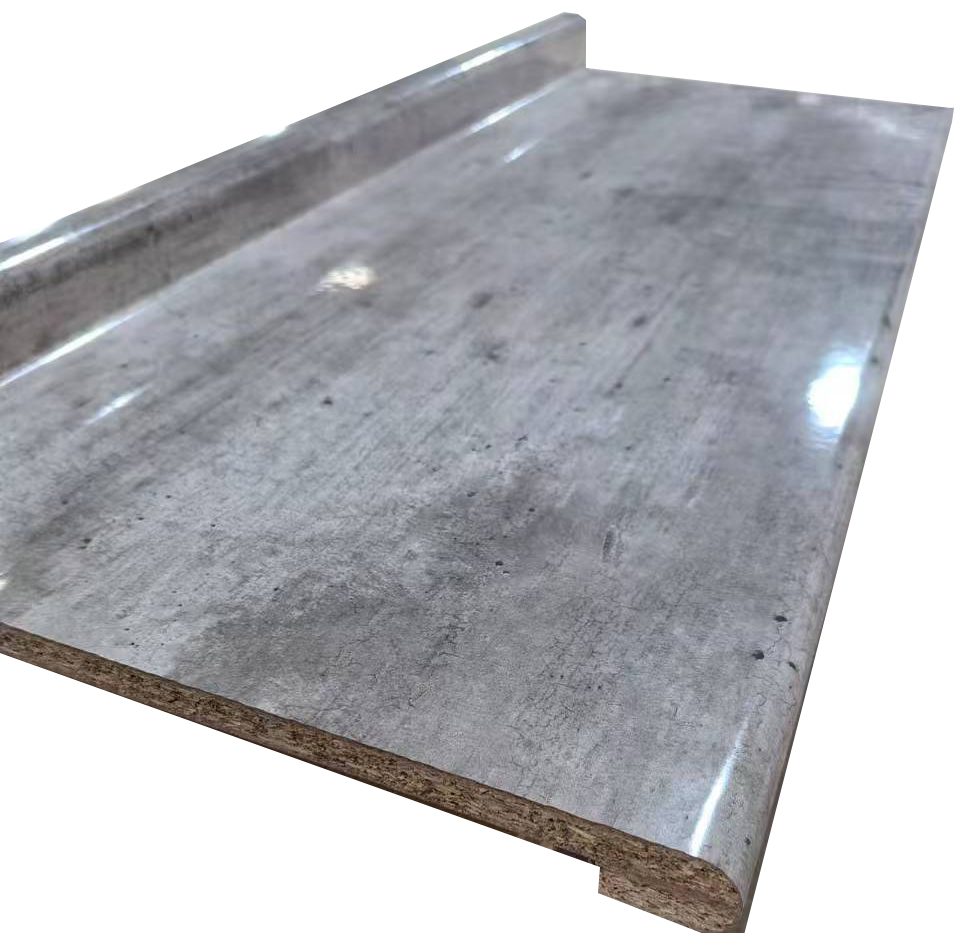
Linyi Hpl Melamine Board Plywood HMR MDF Sheet 18mm 25MM Melamine Board Furniture Board for KITCHEN COUNTERTOPS
Moisture-resistant furniture board for countertop build-ups and cabinet interiors.
View product details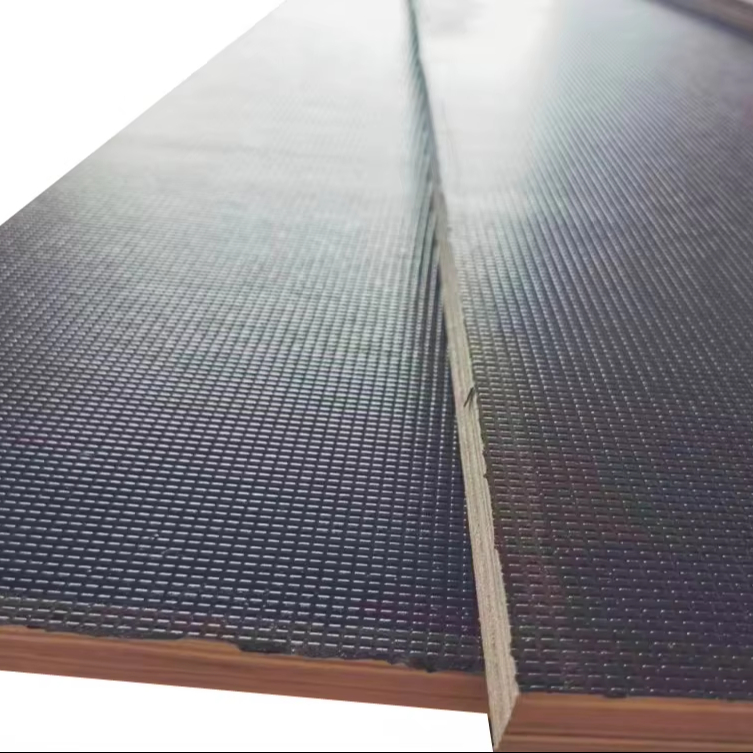
1220x2440 HPL Waterproof Laminate Sheet Board Fire Retardant Decorative High-Pressure Plywood E0 Formaldehyde Marine Phenolic
Decorative phenolic surface option for wet areas, fit-outs and marine-style interiors.
View product details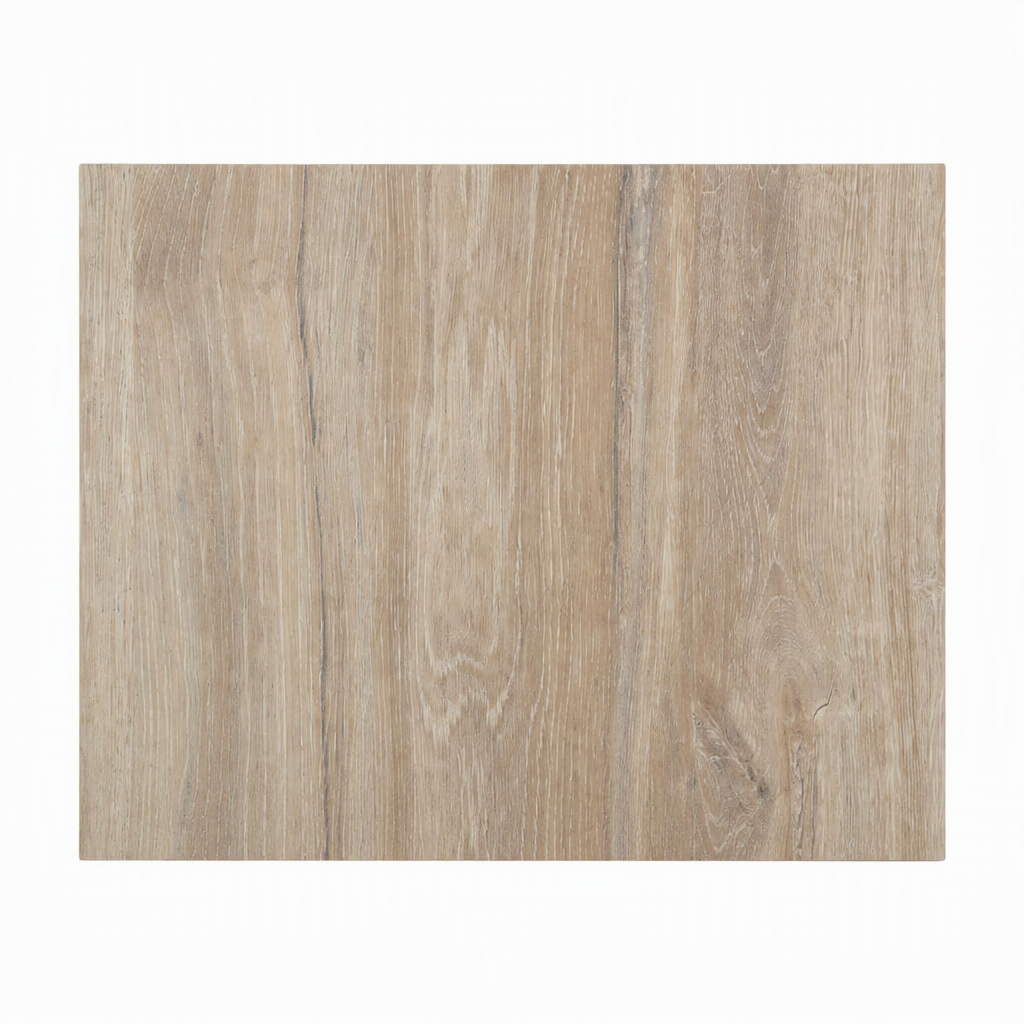
1mm Light Wood Grain HPL Decorative Laminate Panel Waterproof Fire Resistant Modern Design
Wood-effect laminate for cabinetry, wall panels and Sapele-color interior schemes.
View product details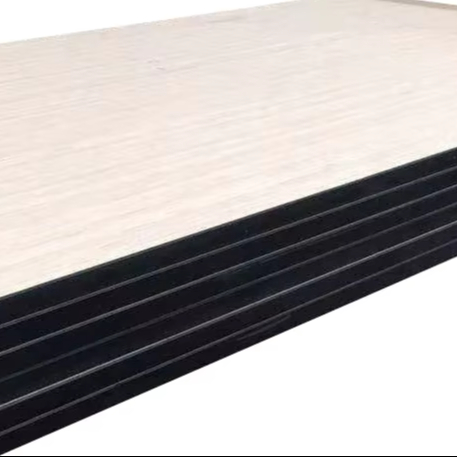
Best Price 1220x2440mm 1300X2800MM HPL Plywood HPL LAMINATE BLACK MDF for Cabinets Bathroom Cabinet Black Plywood
HPL laminated plywood and MDF for dark cabinet fronts and bathroom furniture.
View product details
HPL Plywood E0 Fire Resistant Sanded Surface Double-Sided Decoration 4X8 18mm Furniture Plywood
Sanded furniture plywood with double-sided decorative HPL for fit-out projects.
View product details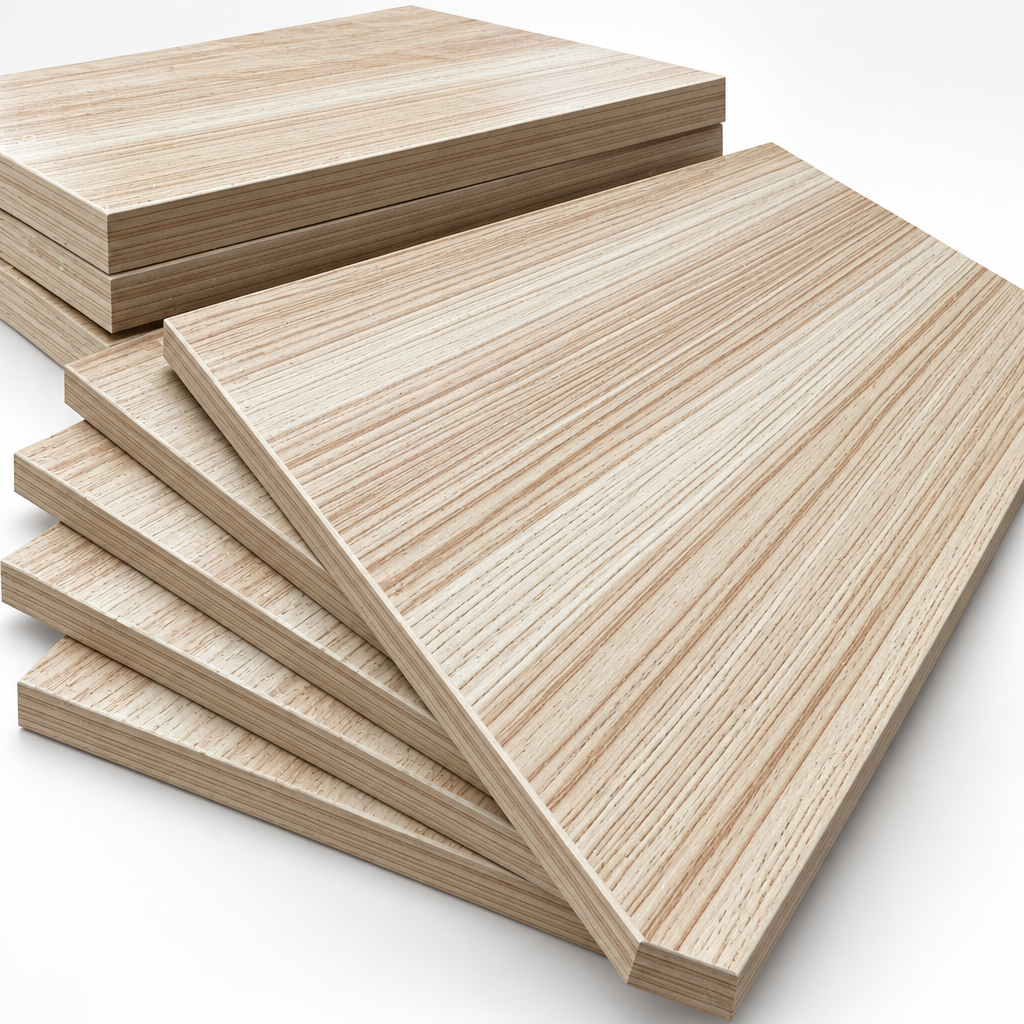
In Stock Wear-Resistant High Pressure Laminate HPL Plywood Sheets for Modern Kitchen Cabinets and Wooden Furniture Panels
High-traffic surface program for kitchen cabinets and contract furniture panels.
View product details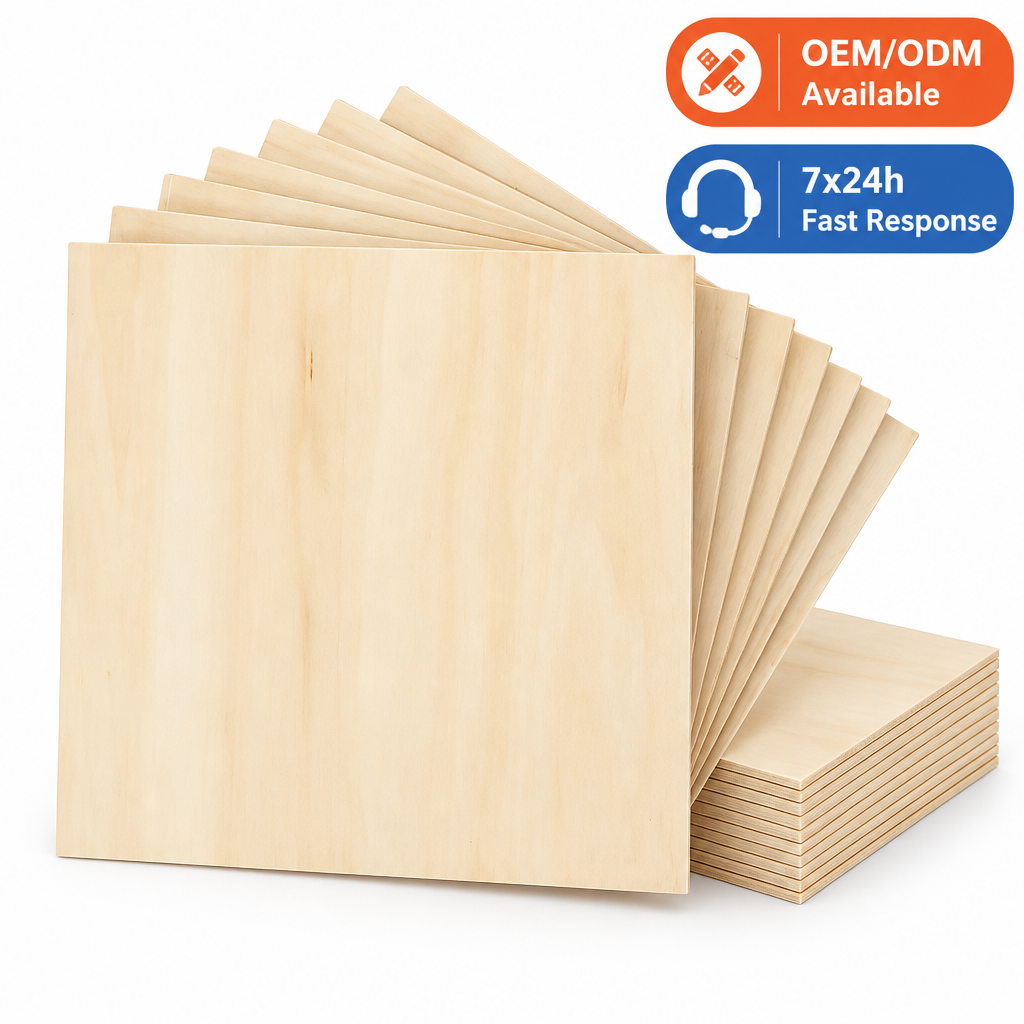
Eco-Friendly First-Class Basswood Plywood Sheet 12 X 12 X 1/8 Inch 3mm Sanded Polished Birch Veneer DIY Laser Cutting
Thin basswood and birch veneer sheet for models, crafts and signage prototypes.
View product details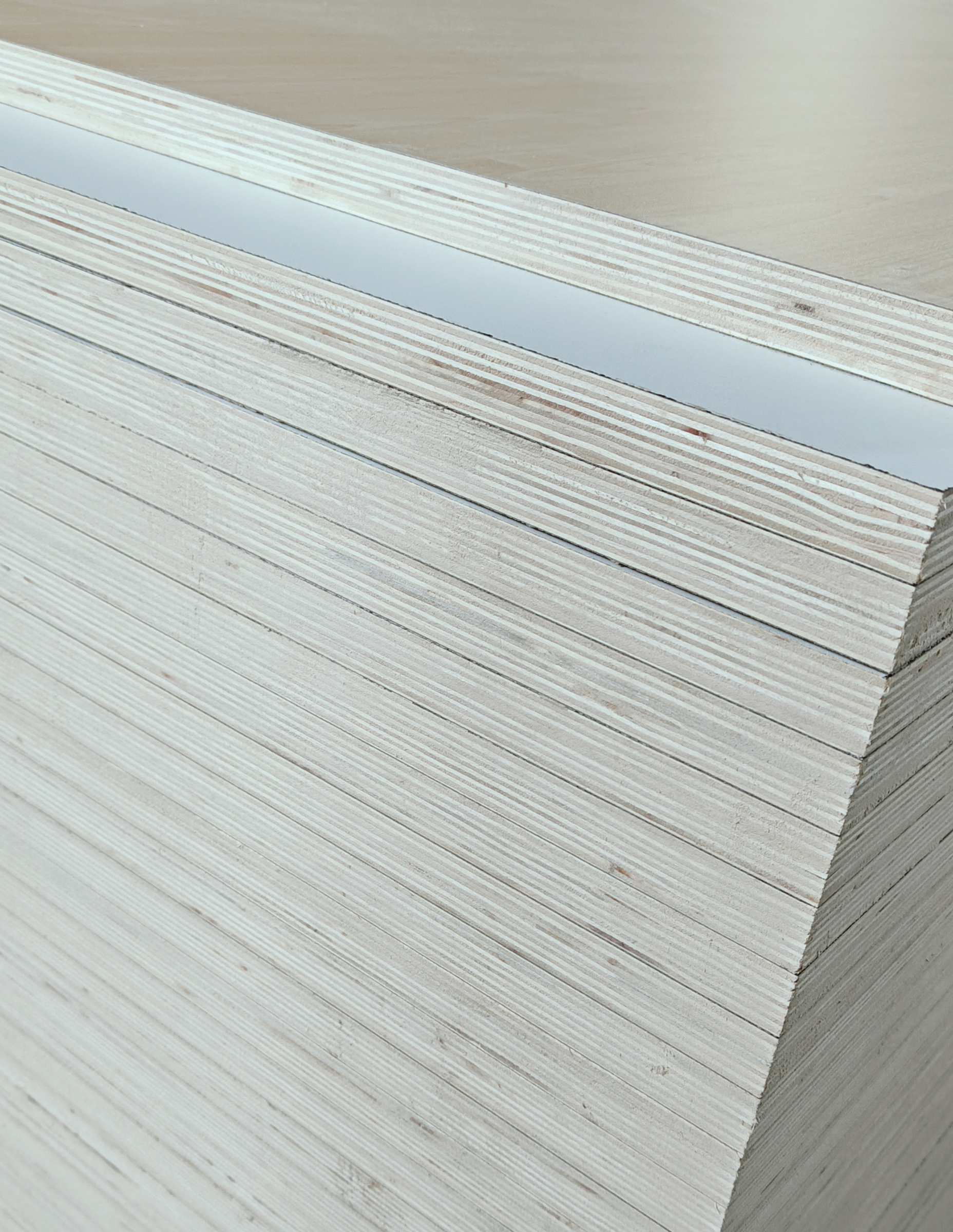
Modern Design Chinese Marine HPL Poplar Plywood E0 Fire Resistant Sanded Surface 4X8 15mm 1220X2440 Construction Sheet Price
Marine-style HPL poplar plywood for wet-area construction and vehicle interiors.
View product detailsNeed a dedicated Sapele face grade, core or glue specification? Send your target market, thickness, face grade, finish and packing requirement to our export team.
Contact UsSapele Plywood Sourcing: What a Specification Sheet Must Prove
China is not a single price point. It is a manufacturing cluster with different veneer sources, core species, press lines and export disciplines. Serious buyers compare evidence, not slogans.
Sapele plywood is a veneered panel, not a brand. Its commercial value comes from the face veneer grade and thickness, the core species and lay-up, the adhesive system, the formaldehyde emission class, the sanding quality, the thickness tolerance and the consistency of the press cycle. Buyers who compare only “Sapele plywood 4x8 price” often approve a sample that looks correct but later face claims after machining, finishing, packaging or humidity exposure.
A credible China Sapele plywood supplier or wholesaler should document the face grade (A, B, C or custom), veneer thickness, core type (poplar, birch, combi, eucalyptus or engineered core), glue line (MR, melamine or WBP phenolic), formaldehyde class where applicable, moisture content, thickness tolerance and packing method. For export buyers, the evidence trail should also include loading photos, pallet protection and market-specific compliance documents when required.
Linyi, Shandong is one of China’s largest wood-based panel clusters. That density gives buyers access to veneer selection, plywood pressing, HPL lamination, MDF, LVL and door-core programs in one sourcing region. The advantage is real, but it only becomes a commercial advantage when the supplier controls specification, inspection and shipment consolidation. Otherwise, “China sourcing” simply moves risk from the factory floor to the container.
Information gain: three specification traps that cause avoidable claims
- “Sapele” may describe colour rather than botanical species. Ask for the veneer source, grade and a physical sample under consistent lighting.
- E0 or E1 is a formaldehyde emission classification, not proof of waterproof performance. Marine or wet-area use needs the correct glue line, edge sealing and installation detail.
- Fire-retardant treatment can change weight, machining behaviour, adhesion and finishing. Validate the full build-up, not just the certificate headline.
Indicative Buyer Specification Weighting
Indicative weighting based on export buyer inquiry patterns. Actual priorities vary by market, application and contract.
What to Look for in China Sapele Plywood Suppliers & Wholesalers
Use these six filters to separate a true export partner from a price-only listing. Each one should be verifiable before a deposit is released.
Face Veneer Selection
Ask how the veneer is graded, whether bundles are colour-sorted, how grain matching is controlled and how thickness variation is measured. A clear face standard is the difference between a furniture-grade panel and a repaint problem.
Core & Glue Engineering
Poplar, birch and combi cores behave differently under machining and load. MR glue may suit interior cabinetry; WBP phenolic is typically specified where water exposure is credible. Match the build-up to the end use, not the label.
Emission & Market Compliance
State the destination market and required emission class at inquiry stage. Ask for product-specific test documents, not generic company certificates. For regulated markets, confirm what the mill can actually support before quoting.
Sample-to-Bulk Consistency
A single sample proves possibility, not repeatability. Request photographs of the production batch, edge close-ups, stack surfaces and loading layout. Verify that the approved sample reference is stored and used for the actual order.
Mixed-Container Discipline
Wholesalers often buy more than one panel type. Consolidating Sapele plywood, HPL faced plywood, MDF and door cores can reduce freight and supplier administration—if the loading plan prevents crushing, moisture and mixed-label errors.
Technical & After-Sales Support
Ask who answers machining, finishing, installation and claim questions after shipment. A supplier with practical panel experience can help prevent failures before they become discounts, replacements or lost repeat orders.
Sapele Plywood Procurement Trends Shaping 2025–2030
The buying model is moving from “find the lowest quote” to “qualify a repeatable supply chain.” For Sapele faced plywood, the pressure points are traceability, emission compliance, sample discipline and freight efficiency. Distributors want fewer surprises; furniture factories want stable colour and machining behaviour; project buyers want documentation that survives an audit.
First, evidence-based sourcing is becoming standard. Buyers increasingly request veneer source information, batch photos, glue-line declarations and market-specific test documents before placing a bulk order. Second, low-emission boards are moving from premium request to baseline expectation in many interior furniture and fit-out markets. Third, mixed-container consolidation is growing because importers need full-container economics without holding five unrelated supplier relationships.
Annual frame contracts are also returning as a risk-management tool. Rather than chasing spot prices every month, serious wholesalers lock specifications, inspect the first production run and schedule repeat orders against an approved standard. This is especially relevant for Sapele plywood, where face colour and grain consistency can affect customer acceptance more than a small unit-price difference.
Directional Buyer Priorities
Indicative weighting from export-inquiry patterns; confirm actual requirements for your market.
Product Development Trends in Sapele Plywood & Decorative Panels
Panel development is moving toward more controlled appearance, lower emission, better moisture performance and hybrid surfaces that reduce finishing risk.
Engineered Sapele Faces
Improved veneer slicing, colour sorting and face matching help reduce the natural variation that complicates large furniture runs. Engineered or reconstructed veneer can offer more predictable grain and yield.
Low-Emission Adhesives
E0 and E1 formaldehyde grades are increasingly specified for MDF and plywood. Buyers should connect the emission requirement to the destination market and request product-level documentation.
HPL Hybrid Build-Ups
HPL faced plywood and compact laminate hybrids are replacing some painted or veneered surfaces in wet areas, high-traffic furniture and commercial fit-outs where cleaning and wear resistance matter.
Fire & Moisture Performance
Fire-retardant and moisture-resistant treatments are being refined, but performance depends on the full panel build-up. Buyers should validate machining, fixing and finishing before committing to a specification.
Lightweight Cores
Tubular chipboard, lighter plywood lay-ups and engineered cores support door, furniture and modular construction programs where weight affects freight, handling and installation speed.
Digital Colour Consistency
Colour approval, finish references and batch photography are becoming part of routine order documentation. This reduces disputes when Sapele furniture panels are produced across multiple pressing cycles.
Why Linyi Fipdm Is a Practical Wholesale Partner for Sapele Plywood Programs
Linyi Fipdm Import And Export Co., Ltd. combines panel breadth, on-site inspection and export coordination from Linyi, Shandong—China’s major wood-based panel sourcing cluster.
Intertek-Verified Operations
Third-party supplier assessment supports the credibility of our trading and multispecialty supply model.
Two-Stage Quality Control
Material checks at partner mills plus finished-board inspection for thickness, surface, edges and loading.
Mixed-Container Supply
Combine HPL, compact laminate, MDF, plywood, LVL and door cores to improve container utilisation.
Customization & Technical Support
Minor, sample-based, design-based and full customization, plus ODM support and project-oriented engineering guidance.
- Supplier assessment procedures
- Export documentation support
- Seaworthy pallet packing
- Loading photos for every shipment
Company address: Room 1206, Building B, Yigao Shanghai Street, Linyi, Shandong, China. Email: info@fipdmplywoods.com.




From Inquiry to Loading: A Six-Step Quality Workflow
A repeatable process protects both the buyer and the supplier when Sapele plywood appearance, core performance and delivery timing all matter.
Inquiry & Specification
Share sizes, face grade, core, glue, emission class, finish, destination market and packing.
Sampling & Approval
Check colour, grain, thickness, edge quality and surface under agreed lighting conditions.
Production & Material Check
Inspect raw materials and press references at the partner mill before bulk production proceeds.
Finished-Board QC
Verify thickness, surface, edges, moisture, labelling and packing against the approved standard.
Loading & Documents
Confirm container loading, pallet protection, shipping marks, photos and export paperwork.
Sapele Plywood vs Adjacent Panel Options
Use this quick matrix to align material choice with application, finishing risk and project budget before requesting a quote.
| Option | Best Fit | Strength | Procurement Note |
|---|---|---|---|
| Sapele Faced Plywood | Furniture, cabinetry, wall panelling | Natural warm hardwood appearance | Define face grade, veneer thickness, core and finish; protect edges during installation. |
| HPL Faced Plywood | High-traffic furniture, wet areas, retail fit-outs | Wear-resistant decorative surface | Confirm substrate, HPL thickness, adhesion, fire or moisture requirement. |
| Compact Laminate | Toilet partitions, lockers, table tops, lab tops | Self-supporting and impact-resistant | Specify thickness, edge finish, fixing method and chemical exposure. |
| HMR MDF / Melamine MDF | Cabinet doors, interiors, shopfitting | Smooth routed surface and moisture resistance | Not a structural substitute for plywood; confirm emission class and screw-holding needs. |
| Basswood & Birch Plywood | Laser cutting, models, signage, crafts | Thin, clean-cutting veneer panels | Check core voids, surface sanding and laser compatibility before volume production. |
Sapele Plywood Supplier & Wholesale Buying FAQ
These are the questions serious buyers ask before requesting a quotation or sample set from China.
Are you a manufacturer or a trading company?
Linyi Fipdm Import And Export Co., Ltd. is a verified trading company and multispecialty supplier. We source from vetted partner mills in Linyi and coordinate on-site material inspection, finished-product inspection and export loading. This model gives buyers one accountable contact across HPL, compact laminate, MDF, plywood, LVL and door-core programs.
Can you supply genuine Sapele plywood to my specification?
We source plywood and veneered panel programs according to the agreed face grade, core, glue, thickness and finish. Because “Sapele” is sometimes used loosely in the market, buyers should request a clearly named veneer specification, physical sample and batch reference. For dedicated Sapele faced plywood, send your application and target market through the Contact Us button.
Which cores and glue systems are available?
Typical plywood discussions cover poplar, birch, combi and other core options based on the mill and order specification. Glue systems may include MR, melamine or WBP phenolic depending on moisture exposure and end use. Confirm the exact build-up in writing before bulk production.
Do you offer E0 or E1 formaldehyde grades?
E0 and E1 board options are available across selected MDF and plywood lines. Emission requirements should be linked to your destination market and product application. State the required standard at inquiry stage so we can match the appropriate board and documentation.
Can I mix Sapele plywood with HPL, MDF or door cores in one container?
Mixed loads are a core part of our service for importers and distributors. Combining Sapele plywood, HPL faced panels, MDF, LVL and door cores can improve container utilisation and reduce supplier administration. The loading plan must be approved to protect surfaces and avoid crushing.
What quality checks are performed before shipment?
Our process includes supplier assessment, material checks at partner mills and finished-product inspection. Checks typically cover thickness, surface, edges, moisture, labelling and packing according to the approved specification. Loading photos and shipment documentation are shared with buyers.
Can you customize sizes, colors, packaging or OEM labels?
Yes. We support minor customization such as logo, packaging and graphics, as well as sample-based, design-based and full customization plus ODM services. Provide artwork, packing requirements and market restrictions before quotation so the correct solution is priced.
What is the MOQ, lead time and sample process?
MOQ, lead time and sample availability depend on the panel type, veneer selection, order quantity and mill schedule. Send your target specification and destination port first; our team will confirm the practical sample route, production window and container plan rather than quoting a generic lead time.
Planning a Sapele Plywood or Mixed Panel Order?
Send your sizes, face grade, core preference, glue requirement, emission target and destination market. Our Linyi export team will respond with matched options, sample guidance and a practical inspection plan.