8 Panel Products Buyers Review Alongside Laser-Cutting Plywood
The following are real catalogue items from Linyi Fipdm Import And Export Co., Ltd. Product URLs are preserved so procurement teams can open the exact specification, compare surface options and request matched samples. For laser-cutting projects, these HPL and plywood products are commonly consolidated with thin birch/basswood plywood to reduce freight and supplier-management costs.
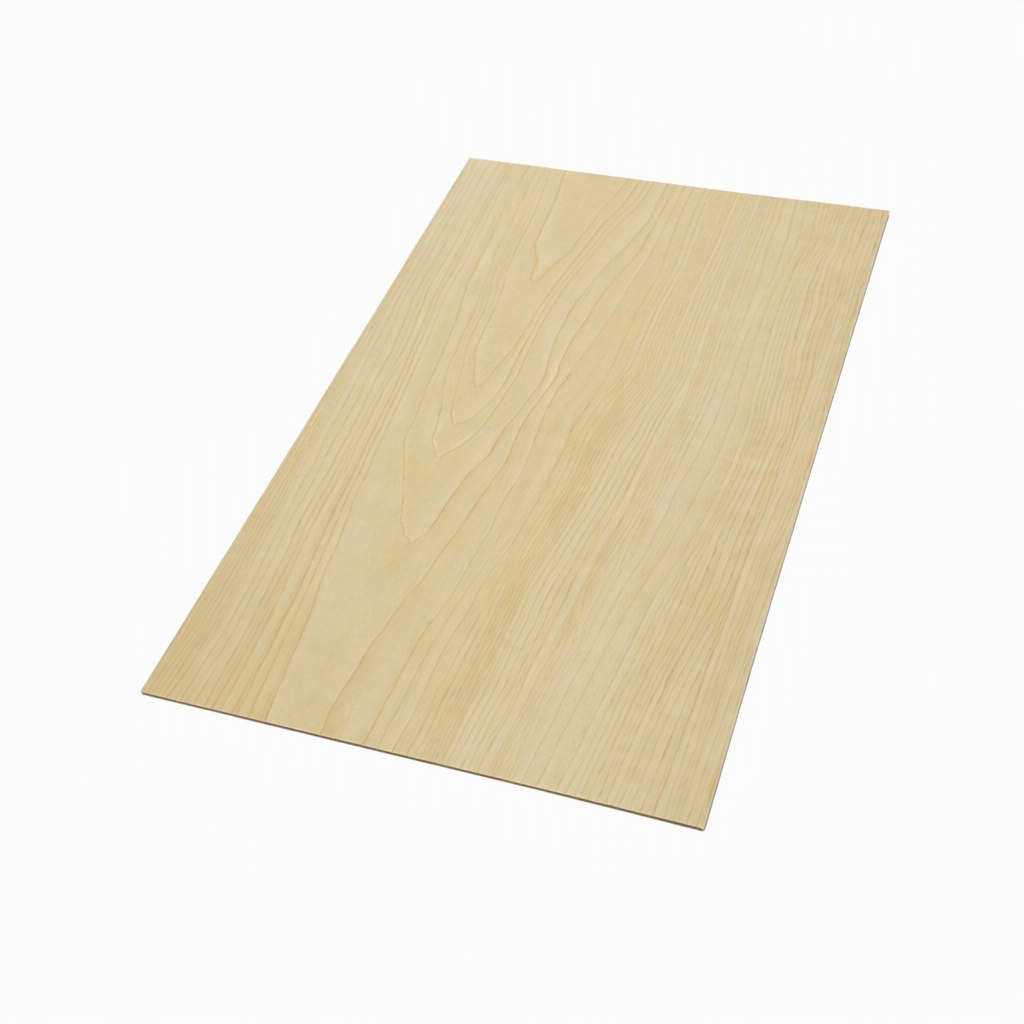
0.7mm Light Wood Grain High Pressure Laminate HPL Decorative Panel Sheet for Wall and Furniture
Thin decorative HPL for wall panels, furniture faces and laser-cut cabinetry where a consistent wood-grain surface is required.
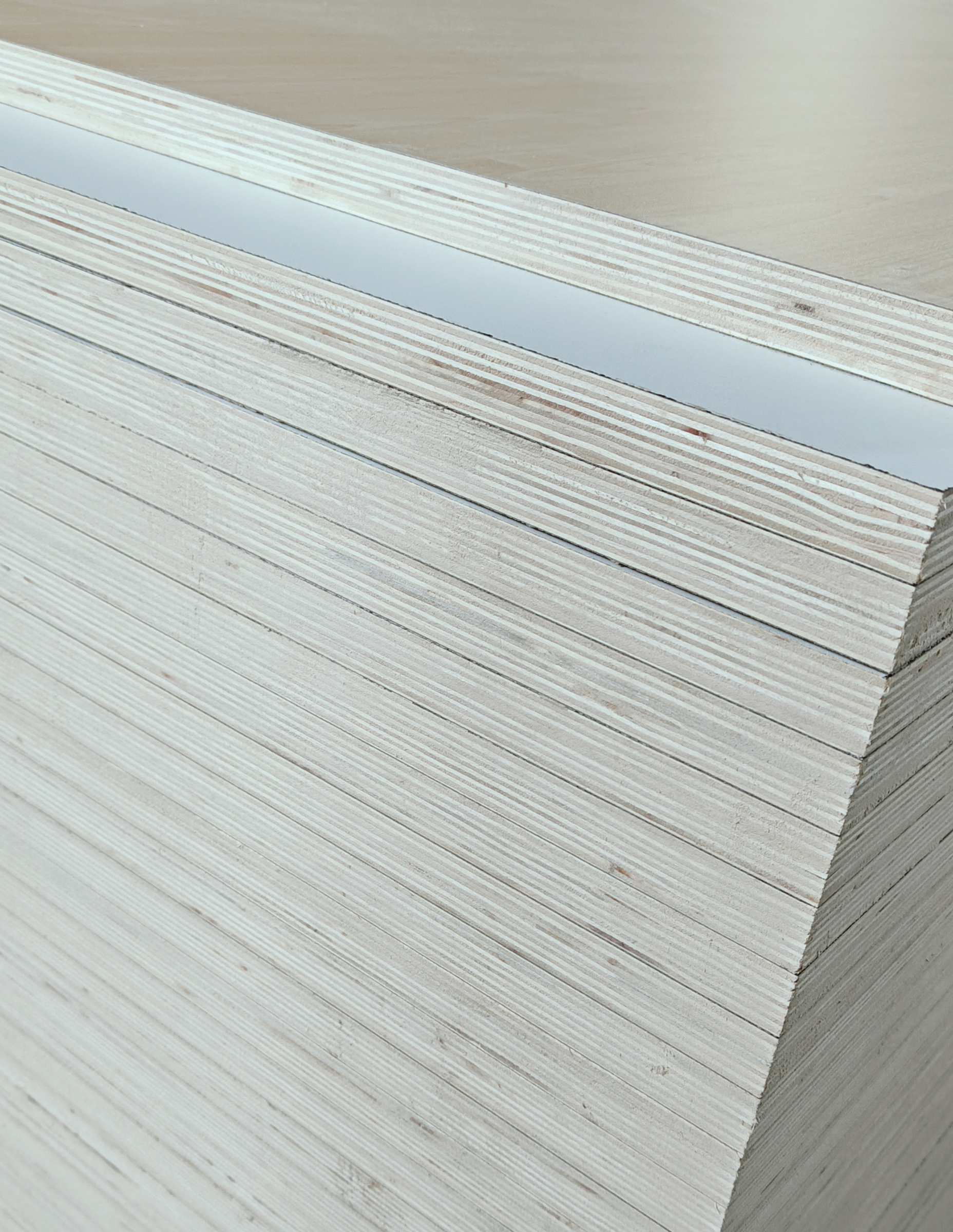
Modern Design Chinese Marine HPL Poplar Plywood E0 Fire Resistant Sanded Surface 4X8 15mm 1220X2440 Construction Sheet Price
Marine-grade HPL poplar plywood with E0 and fire-resistant options for construction sheets and humid interior projects.
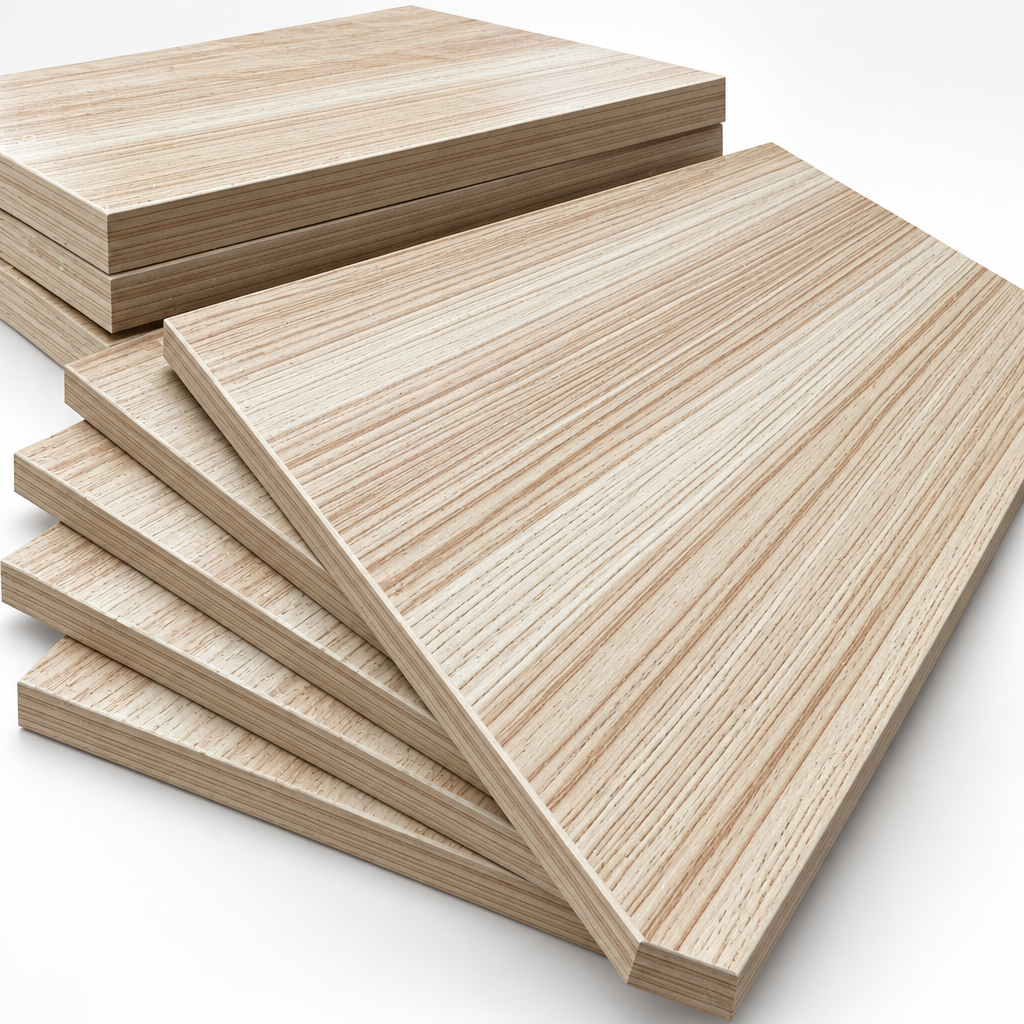
In Stock Wear-Resistant High Pressure Laminate HPL Plywood Sheets for Modern Kitchen Cabinets and Wooden Furniture Panels
Wear-resistant HPL plywood for kitchen cabinets, wardrobe panels and furniture fronts exposed to daily abrasion and cleaning.
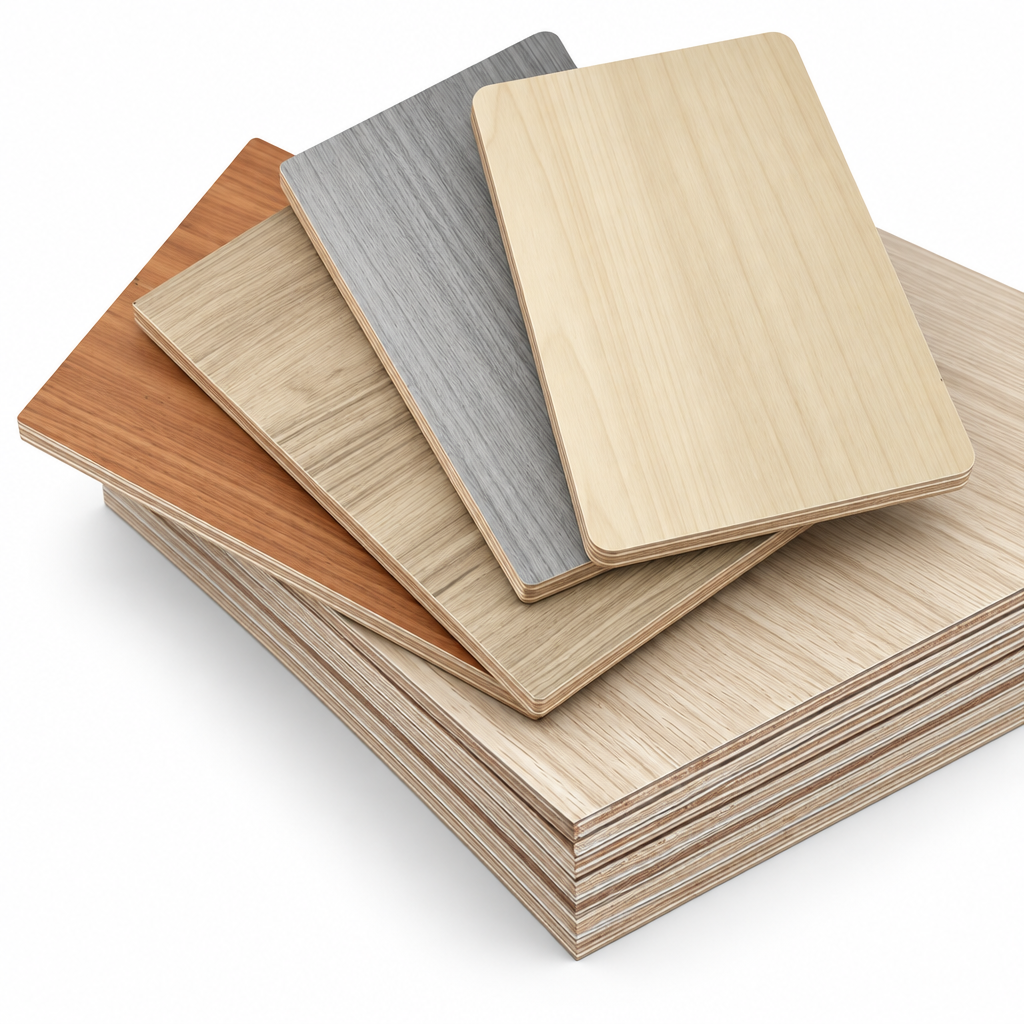
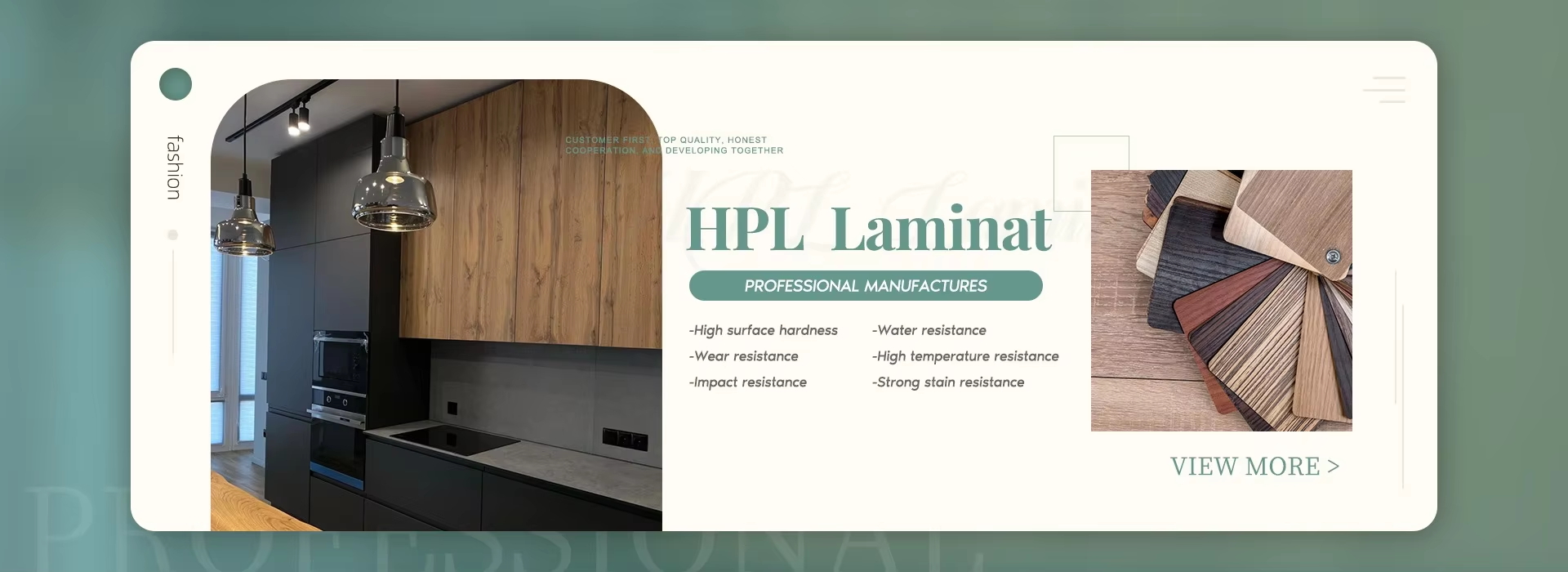
Factory Direct Wood Grain Decorative High Pressure Laminate Sheets HPL Panel for Furniture Cabinet Wall Cladding
Factory-direct wood-grain HPL for cabinet doors, wall cladding and furniture panels with project color flexibility.
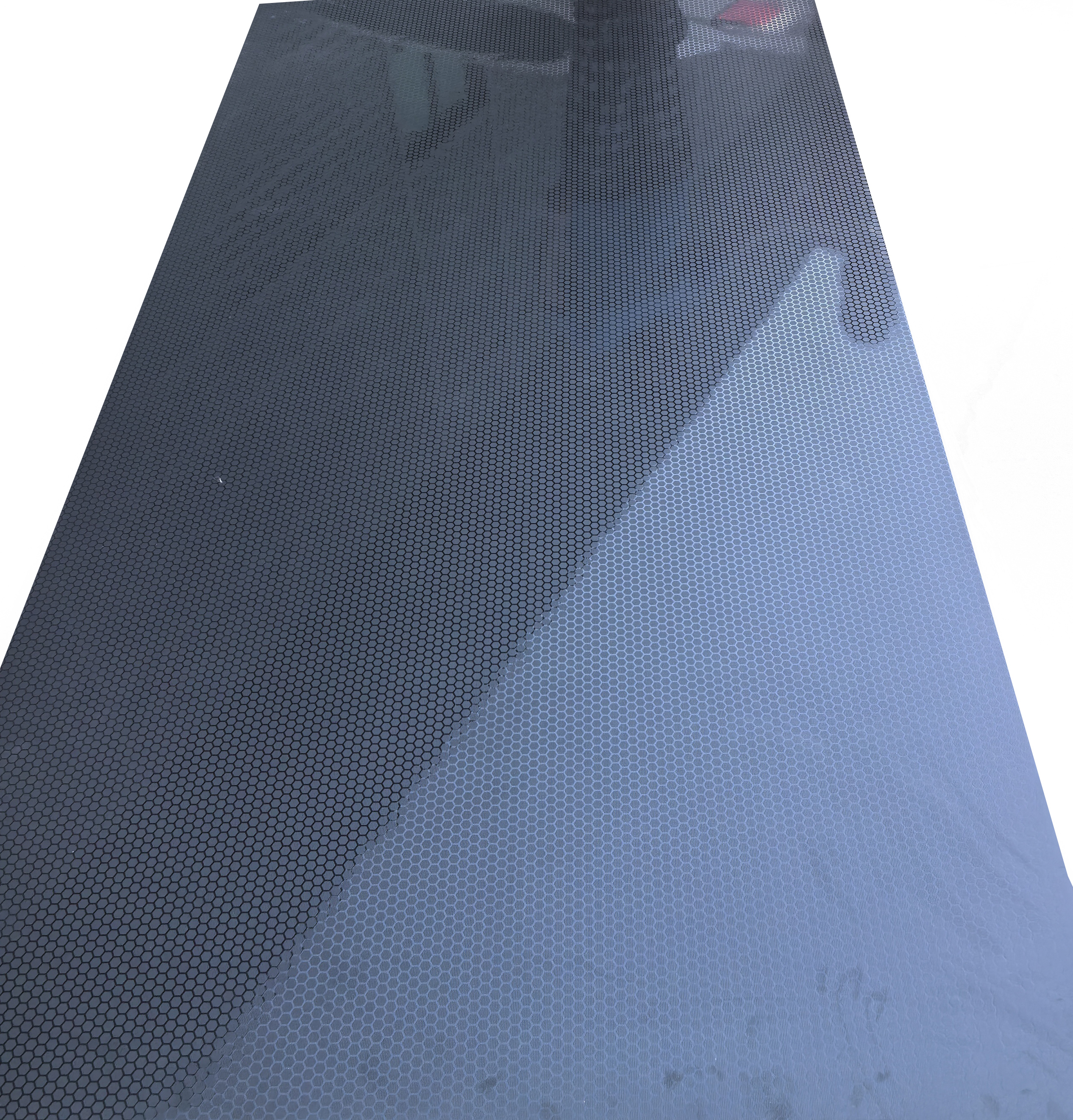
Factory Wholesale 18mm HPL Film Melamine Plywood Modern Design Style 1-Year Warranty E0 Standard Birch Laminated Plywood
18 mm E0 birch HPL melamine plywood for furniture, joinery and export projects requiring a stable low-emission substrate.
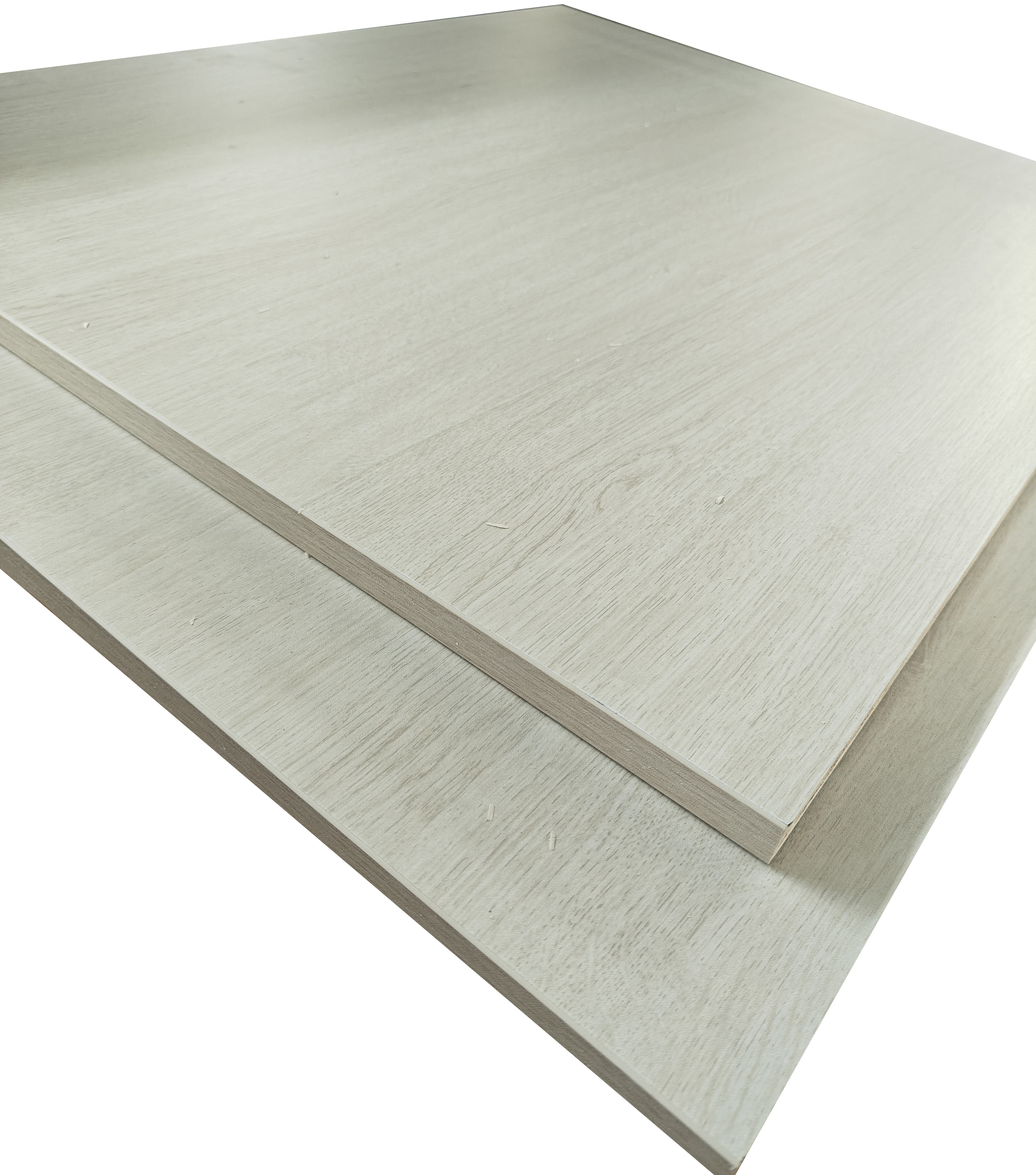
Linyi Supplier Professional HPL Formica Plywood for Furniture High Pressure Phenolic Resin HPL Compact Laminate Board
Professional HPL compact laminate plywood with phenolic resin surface for furniture and high-use interior fit-outs.
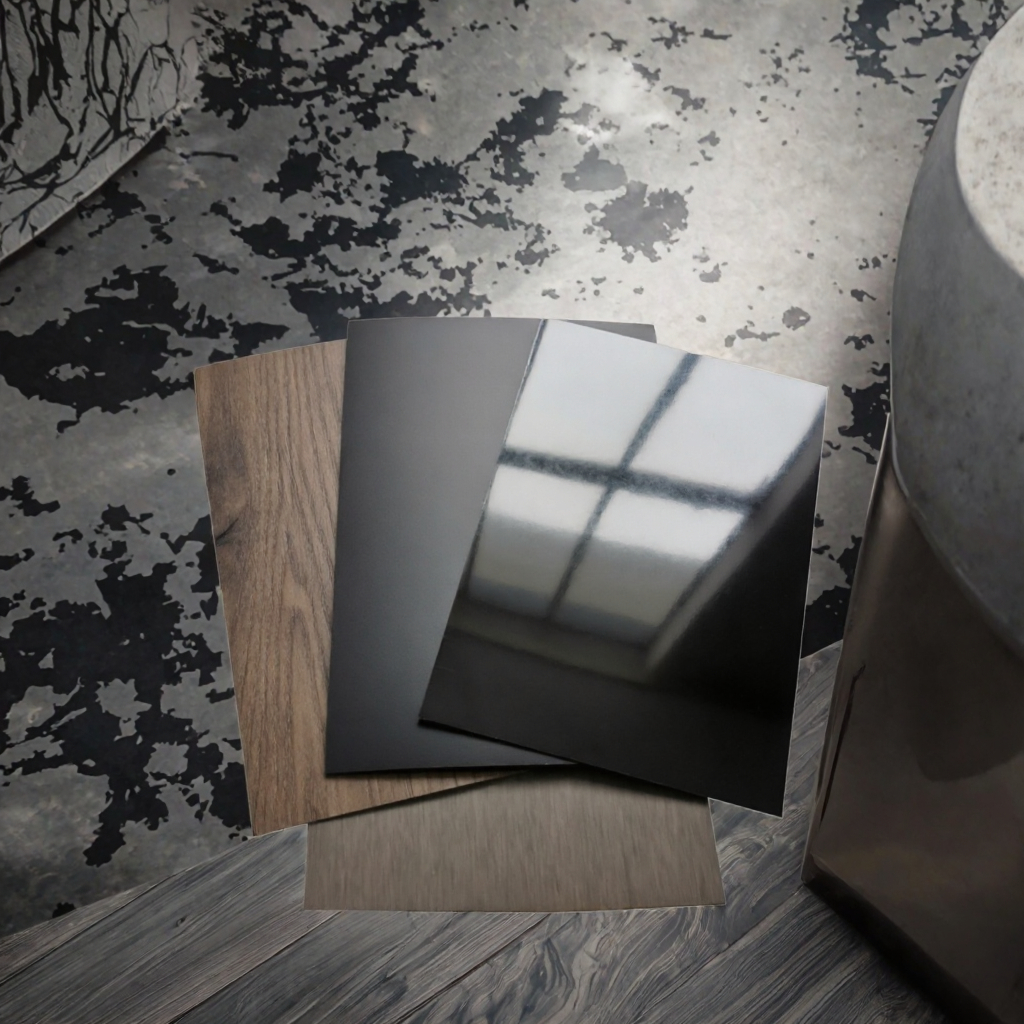
Glossy Black HPL Laminate Sheet Formica Decorative Panel for Interior Furniture Laboratory Table
Glossy black HPL decorative laminate for laboratory tables, reception counters and dark interior furniture schemes.
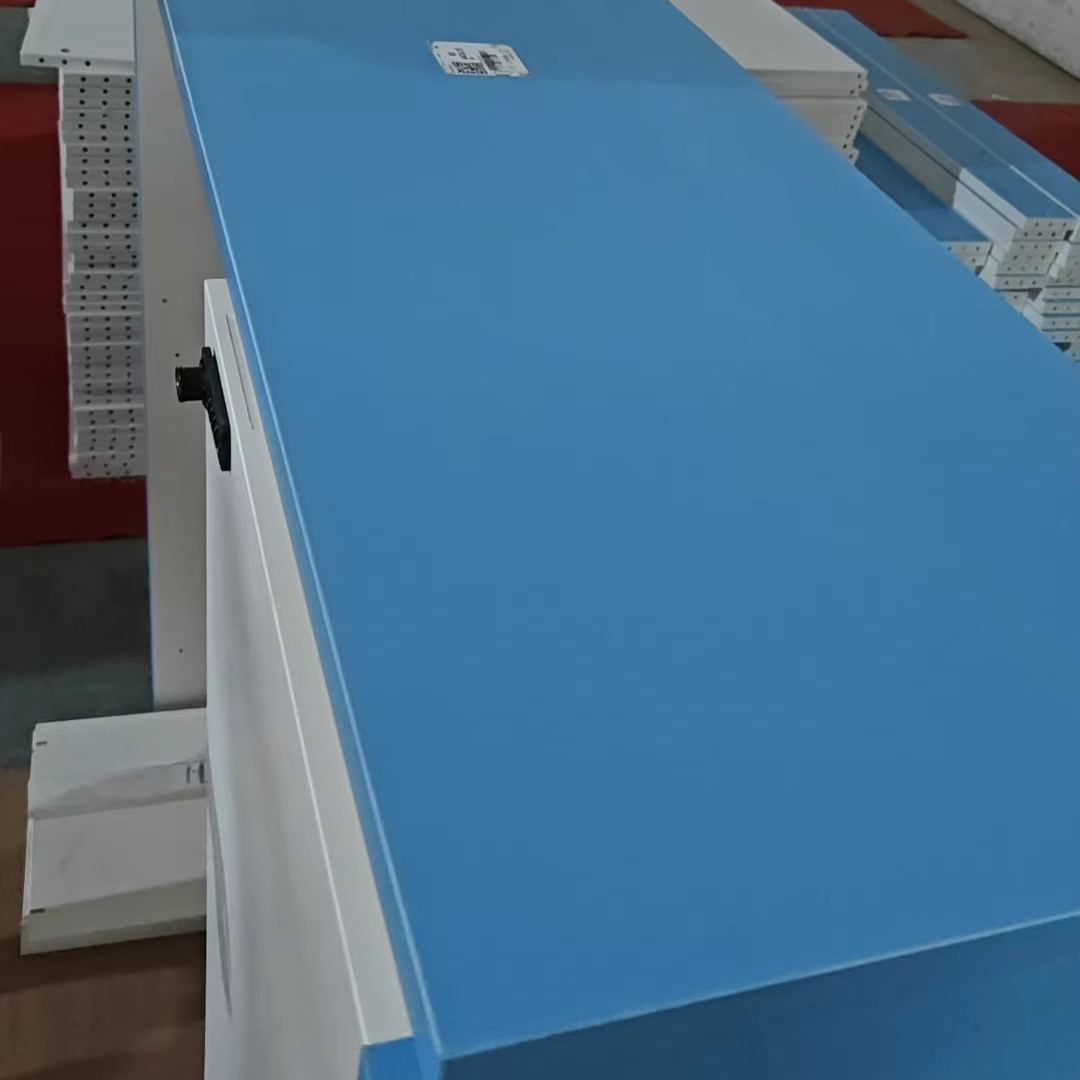
Linyi Hpl Melamine Board Plywood Sheet 18mm 15mm Melamine Board Hpl Laminated Furniture Board
Linyi HPL melamine board in 15 mm and 18 mm for furniture boards, cabinets and contract interiors.
Why Buyers Audit the Supplier Before the Quotation
In laser-cutting plywood sourcing, the cheapest sheet is rarely the lowest-cost sheet. Consistent thickness, stable moisture and verified batch quality protect yield, machine time and finished-product appearance.
What “Best” Means in a China Laser-Cutting Plywood Search
Buyers entering this query usually need four answers: which factory can supply consistent thin plywood, which supplier can prove compliance, how to test laser-cut edge quality, and how to combine plywood with decorative HPL panels without adding suppliers.
The most reliable shortlist is built from cut-edge tests, thickness measurements and batch-level inspection records—not from catalogue photos or a single certificate. This is the information gain serious buyers use to separate a true laser-compatible supplier from a commodity board trader.
Material Consistency
Calibrated thickness, controlled moisture and a void-free core determine whether a sheet stays flat during laser cutting and whether finished parts fit without rework.
Laser Compatibility
Uniform density, clean face veneer, suitable adhesive and stable moisture help reduce burnt edges, inconsistent kerf and smoke staining on thin birch or basswood plywood.
Factory Verification
A verified process should include on-site material inspection, finished-product inspection before loading, test reports and loading photos—especially for mixed HPL and plywood orders.
Product Recommendations: Match the Panel to the Production Job
Use this application-led shortlist to narrow the RFQ before requesting samples. For thin laser-cutting plywood, request a cut test on your own machine rather than relying on a generic sample photo.
Thin Birch / Basswood Laser Plywood
Specify 1.5–6 mm sheets with a low-void core, uniform face veneer, controlled moisture and thickness tolerance around ±0.15 mm. Best for models, crafts, signage, laser-cut décor and small furniture parts.
Get a Quote18 mm E0 Birch HPL Melamine Plywood
A stable 18 mm substrate with E0 low-emission performance for furniture, joinery and contract interiors. Pair with matching HPL surfaces for a complete cabinet-door program.
View ProductMarine HPL Poplar Plywood
Choose marine HPL poplar plywood with E0 and fire-resistant options for humid interiors, construction sheets and cabinetry exposed to cleaning and moisture.
View ProductGlossy Black HPL Decorative Laminate
Use glossy black HPL for laboratory tables, reception counters and dark furniture schemes where cleanability, visual depth and surface durability matter.
View ProductFuture Procurement Trends: What Buyers Will Audit From 2025 to 2028
Laser-cutting plywood is moving from a commodity purchase to a specification-driven engineered material. The following procurement shifts are already visible in RFQs from furniture factories, signage producers and contract interiors buyers.
Total Landed Yield Replaces FOB Price
Buyers now calculate usable parts per sheet, not just cost per cubic meter. Thickness tolerance, flatness and core voids directly affect laser speed, scrap rate and assembly fit.
Laser-Specific Specification Sheets
RFQs increasingly request species, thickness tolerance, moisture range, adhesive type, face veneer quality and expected edge-char performance for a defined laser power and speed.
Compliance Documentation Comes First
E0/E1 formaldehyde grades, fire test reports, FSC claims and destination-market documentation are being requested before samples, particularly for Europe, North America and the Middle East.
Mixed-Container Consolidation
Importers combine thin laser plywood with HPL sheets, compact laminate, MDF, LVL and door cores to reach efficient container loads while keeping one inspected supply chain.
Traceability and Batch Consistency
Batch codes, inspection records, packing photos and loading images are becoming standard buyer protections. One passing sample is no longer enough for repeat production.
Digital RFQ and Sample Libraries
Buyers send cut files, machine parameters and reference photos in the first inquiry. Suppliers that can respond with video verification and matched material options move to the shortlist faster.
Product Development Trends: From Commodity Plywood to Engineered Laser Substrates
The next generation of laser-cutting plywood will be judged by cut-edge quality, low emission, dimensional stability and compatibility with decorative HPL surfaces—not by low price alone.
Precision Thickness and Sanding
Calibrated sanding and tighter thickness control reduce focus variation, shadow gaps and inconsistent kerf in thin laser-cut parts.
Low-Emission Adhesives
E0/E1 formaldehyde grades and cleaner adhesive systems are becoming standard requirements for interior furniture, schools, retail and laboratory projects.
Engineered Void-Free Core
Uniform core construction limits resin-rich pockets and open gaps that cause flare-ups, charring and weak cut edges during laser processing.
Decorative HPL Integration
Laser-cut plywood cores are increasingly paired with HPL, melamine and compact laminate surfaces for a complete furniture, cabinet and wall-cladding package.
Cut-to-Size and CNC-Ready Panels
Buyers want factory-cut blanks, edge-sanded sheets and palletized kits that feed directly into laser, CNC and edge-banding lines.
Fire and Moisture Performance
Marine, fire-resistant and moisture-resistant plywood options are expanding beyond construction into retail fit-outs, laboratories and humid interior furniture.
Procurement Decision Matrix for Laser-Cut and HPL-Faced Projects
Use this matrix as a starting point for RFQ alignment. Final thickness, emission grade and surface performance should always be confirmed with a physical sample and cut-edge test.
| Application | Recommended Panel | Key Specification | Why It Matters |
|---|---|---|---|
| Laser-cut models, crafts and signage | Thin birch / basswood plywood | 1.5–6 mm, ±0.15 mm, low-void core, moisture 8–12% | Cleaner edge, consistent kerf and less warpage during cutting |
| Furniture doors and cabinet boxes | 18 mm E0 birch HPL melamine plywood | 18 mm, E0, melamine or HPL face, stable substrate | Dimensional stability, low emission and surface durability |
| Wet interiors and high-traffic fit-outs | Marine HPL poplar plywood | E0, fire-resistant option, 15 mm, 1220×2440 mm | Moisture resistance, impact performance and construction suitability |
| Laboratory tables and retail counters | Glossy black HPL or compact laminate | Wear-resistant, easy-clean surface, chemical resistance | Visual depth, cleanability and long service life |
| Mixed container program | HPL + plywood + MDF + LVL + door core | One inspection plan, seaworthy packing, loading photos | Lower freight and admin cost with verified batch quality |
Why Linyi Fipdm Is a Practical Factory-Side Partner for Overseas Buyers
Linyi Fipdm Import And Export Co., Ltd. is a verified trading company and multispecialty supplier based in Linyi, Shandong, China’s largest wood-based panel cluster. The company combines HPL sheets, compact laminate, exterior HPL, MDF, plywood, LVL and door core boards from vetted partner mills into one managed supply chain.
For buyers comparing “manufacturers and factories,” the practical question is not only who owns every machine, but who can control the mill, inspect the batch and ship a consistent specification. Fipdm applies on-site material inspection and finished-product inspection before every shipment, supported by an Intertek-verified supplier assessment, a #4 top-selling supplier ranking in the Plywoods category, a 5.0/5 buyer rating and 9 years of industry experience.
- Intertek-verified supplier assessment
- On-site material inspection at partner mills
- Finished-product inspection before loading
- Minor, sample-based, design-based and full customization
- ODM support for distributor ranges
- Multi-category consolidation in one container
- Export documentation and loading photos
- E0/E1 formaldehyde grades by destination market


How to Specify a Laser-Cutting Plywood RFQ That Factories Can Quote Accurately
A precise RFQ reduces sample rounds and protects your production schedule. Include machine parameters, material standards, packaging and inspection requirements in the first message.
Define Cut Performance
Share laser power, speed, kerf target, edge-char tolerance and whether the part will be sanded, painted or laminated.
Set Material Standard
Specify species, thickness, tolerance, moisture, adhesive, E0/E1 grade and any certification needed for the destination market.
Validate with a Coupon
Request 3–5 cut coupons from different sheet positions. Check edge color, smoke marks, warpage and dimensional consistency.
Protect Landed Cost
Plan mixed loading, seaworthy packing, loading photos and pre-shipment inspection. Confirm final yield before releasing production.
Questions Buyers Ask Before Ordering Laser-Cutting Plywood
These are the technical and commercial questions that appear most often in China plywood RFQs for laser cutting, furniture and HPL-faced panel programs.
What plywood is best for laser cutting?
Thin birch, basswood or poplar plywood with a void-free core, uniform density, stable moisture and clean face veneer is usually preferred. For decorative parts, 1.5–6 mm sheets are common; thicker boards may be needed for structural or furniture components.
What thickness tolerance should I request?
For thin laser-grade plywood, a tolerance around ±0.15 mm is a practical target. For 12 mm and thicker panels, ±0.2–0.3 mm may be acceptable depending on the application. Always tie tolerance to your laser focus and assembly requirements.
How can I prevent burnt edges and inconsistent kerf?
Control moisture, specify a consistent adhesive system, test the sheet on your own laser and request cut coupons from different positions. Air assist, focus distance and speed should be adjusted to the actual board batch.
Are E0/E1 and low-emission boards available?
Yes. MDF and plywood lines can be supplied in E1 or E0 grades depending on the product and destination market. State the required standard in the inquiry so the correct board and documentation can be matched.
Can I mix laser-cutting plywood with HPL panels in one container?
Yes. Mixed loads of thin plywood, HPL sheets, compact laminate, MDF, LVL and door cores are a core part of the supplier’s consolidation service. Keep packaging marks separate and confirm the loading plan before shipment.
How do I verify a China manufacturer or trading company?
Check business licensing, product test reports, third-party assessment such as Intertek, on-site inspection records and loading photos. For repeat orders, request batch-level inspection rather than a one-time sample certificate.
Planning a Laser-Cutting Plywood or HPL-Faced Plywood Order?
Share the thickness, species, emission grade, surface finish, monthly volume and destination market. The export team will reply with matched options, sample recommendations and an inspection plan for your project.