Eight Export-Ready Options for Flexible MDF & Decorative Panel Buyers
These are the active product routes most often specified with flexible MDF programs: HPL-faced plywood, fire-retardant decorative panels, marine boards, glossy laminate surfaces and wood-grain wall finishes.

4x8 ft HPL High-Pressure Laminates Sheet Board Hpl Laminated Plywood Fire Retardant Decorative Plywood Panels
A 4×8 ft HPL-faced decorative plywood route for feature walls, cabinetry and commercial fit-outs where surface durability and fire-retardant specifications are evaluated together.

Modern Design Chinese Marine HPL Birch Plywood Construction 4X8 15mm Glossy Sheet E1 Faced Faced 1220X2440 Price
Glossy 15 mm marine HPL birch plywood for wet areas, boat interiors, washrooms and furniture requiring a balanced E1 formaldehyde route and moisture-resistant core.

18mm Fire Retardant HPL Faced Plywood Birch Core 1220x2440mm Furniture Panel
An 18 mm birch-core furniture panel with fire-retardant HPL facing, suited to contract furniture, partitions and public-area millwork requiring a clean 1220×2440 mm format.

HPL Plywood E0 Fire Resistant Sanded Surface Double-Sided Decoration 4X8 18mm Furniture Plywood
Double-sided decorative HPL plywood with a sanded surface and E0-focused supply route for furniture factories serving markets with stricter indoor-air requirements.
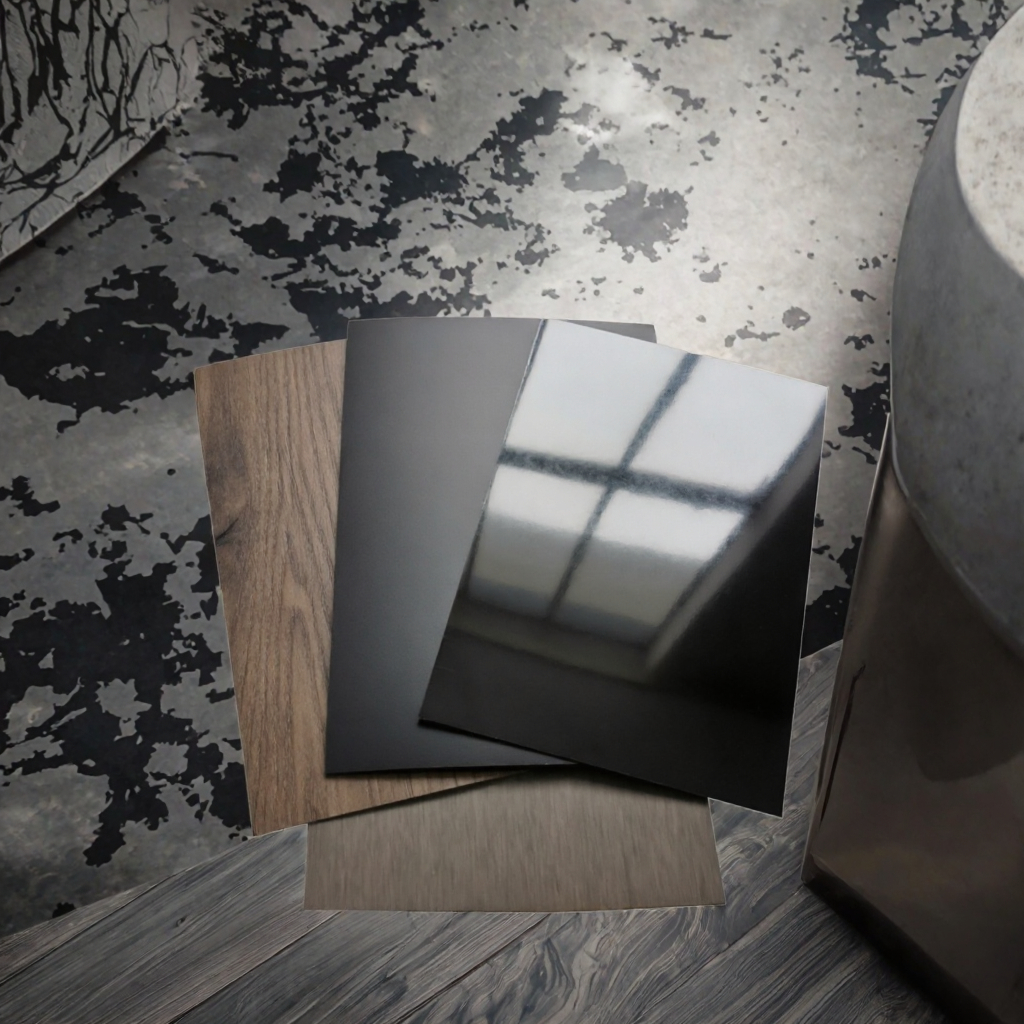
Glossy Black HPL Laminate Sheet Formica Decorative Panel for Interior Furniture Laboratory Table
A high-contrast glossy black HPL decorative surface for reception counters, laboratory tables, retail furniture and interior panels where visual depth and cleanability matter.
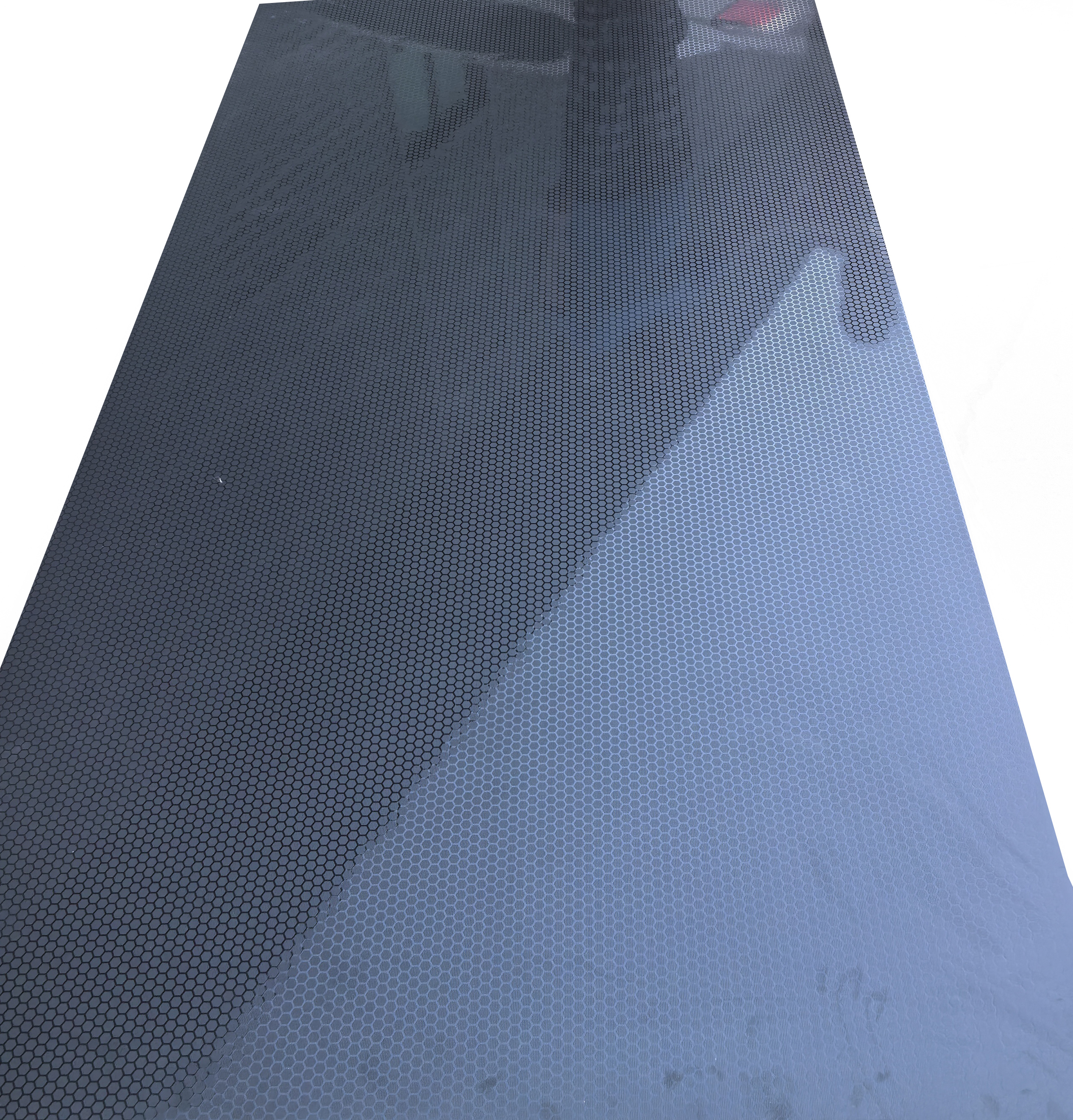
Factory Wholesale 18mm HPL Film Melamine Plywood Modern Design Style 1-Year Warranty E0 Standard Birch Laminated Plywood
A wholesale-oriented 18 mm E0 birch laminated plywood route with HPL film and melamine options for distributors, furniture plants and project buyers consolidating orders.
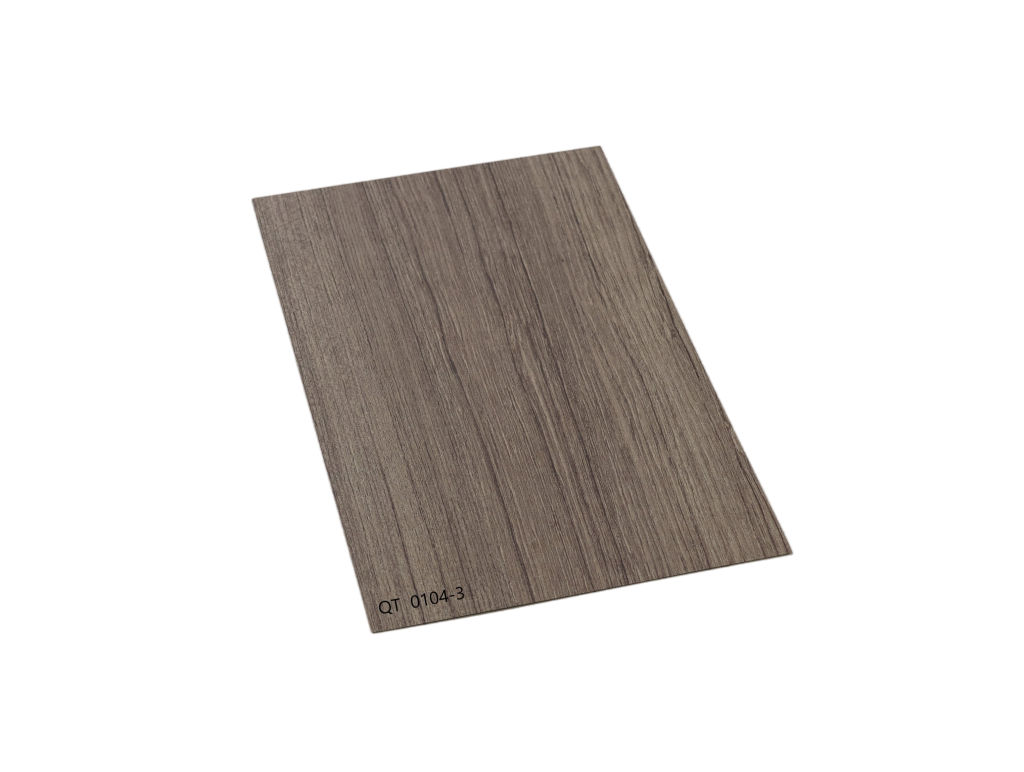
Wood Grain HPL Decorative Laminate Sheet Decorative Panel for Cabinet and Interior Wall
A wood-grain HPL decorative laminate for cabinets, wall panels and furniture faces where warm timber visuals are required without sacrificing the cleanability of a laminate surface.
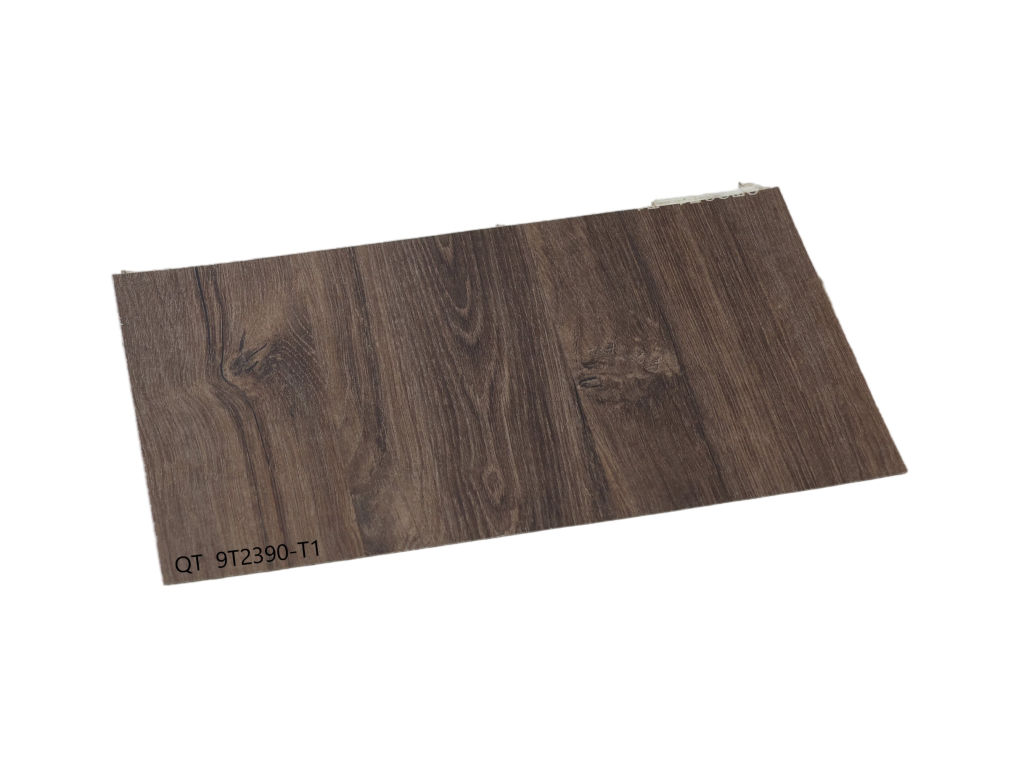
Dark Brown Decorative Panel HPL Sheet QT 9T2390-T1 Interior Wall Cladding
A dark brown HPL interior wall cladding panel for hotel corridors, retail interiors, office feature walls and joinery accents requiring a deep, low-glare decorative finish.
What “China Best Flexible MDF Exporters & Wholesaler” Really Means
The phrase looks simple, but the underlying intent is usually a supplier-risk decision rather than a single product search.
When an importer, distributor or furniture factory searches for China Best Flexible MDF Exporters & Wholesaler, the commercial question behind the query is usually: “Who can supply the right board consistently, at a workable landed cost, with documentation that will not create problems at customs, in fabrication, or on site?” That is why a high-quality supplier page cannot rely only on a product list. It must explain material fit, quality control, customization, export consolidation and the practical risks buyers face after the container arrives.
This white paper is prepared from the export and sourcing experience of Linyi Fipdm Import And Export Co., Ltd., a verified trading company and multispecialty supplier based in Linyi, Shandong — China’s major wood-based panel cluster. Fipdm works with vetted partner mills and combines HPL, compact laminate, MDF, plywood, LVL and door-core products into one managed supply chain. For flexible MDF buyers, that means the conversation should begin with application, substrate, surface, formaldehyde requirement, fire requirement, machining method and destination market — not merely with a price per sheet.
Flexible MDF is commonly specified where a designer or fabricator needs a thinner, bendable or grooved fibreboard route for curved reception counters, radius cabinets, fluted wall panels, shop-fitting details and CNC-formed furniture. It is rarely purchased in isolation. A single project may also need HPL-faced plywood for wet areas, fire-retardant decorative panels for public spaces, compact laminate for partitions, and melamine-faced boards for cost-controlled cabinetry. The strongest exporter is therefore not always the one with the lowest single-SKU quote; it is the supplier who can match the material route to the application and consolidate the order without hiding quality risks.
For Importers and Distributors
Stable supply, mixed-container flexibility, predictable packaging and export documents are more important than a one-time low unit price. Buyers want fewer suppliers and clearer accountability.
For Furniture Factories
Machining stability, consistent thickness, low-formaldehyde options, clean edges and reliable HPL bonding matter because every board defect becomes a visible finishing problem.
For Project and Contract Buyers
Fire-retardant routes, moisture-resistant cores, surface consistency and pre-shipment inspection evidence often decide whether a panel package is approved on site.
Where Flexible MDF Fits in a Modern Panel Specification
Flexible MDF is not a substitute for every board. It performs best when the specification recognises how the panel will be curved, routed, laminated and installed.
In practical B2B sourcing, “flexible MDF” can refer to thin MDF, bendable fibreboard, grooved MDF or a specially engineered fibreboard intended for curved surfaces. The important purchasing variables are density, fibre uniformity, surface sanding, thickness tolerance, moisture behaviour, adhesive compatibility and the quality of the HPL or veneer bond. A board that looks acceptable as a flat sample may fail when it is bent, machined or exposed to humidity. This is why experienced buyers ask for application-specific samples rather than relying only on a generic “flexible MDF” label.
For exterior-feeling interior areas, wet rooms, laboratories and public projects, the specification frequently shifts from flexible MDF to HPL-faced plywood, fire-retardant decorative plywood, compact laminate or melamine-faced boards. The right choice depends on whether the panel is decorative, structural, self-supporting, moisture-exposed, fire-rated or cost-sensitive. A supplier who understands those differences can reduce rework, rejected containers and site delays.
| Material Route | Best Fit | Moisture / Fire Notes | Procurement Caution |
|---|---|---|---|
| Flexible MDF / Bendable MDF | Curved counters, radius cabinets, fluted wall panels, CNC-formed furniture | Moisture resistance depends on grade; fire-retardant versions require documented specification | Check density, fibre uniformity, groove pattern, bending radius and laminate adhesion |
| HPL-Faced Plywood | Wet areas, furniture, interior wall panels, marine-style applications | Moisture-resistant cores available; fire-retardant and E0/E1 options should be specified | Confirm face/back balance, adhesive line, formaldehyde grade and edge sealing |
| Fire-Retardant HPL Panel | Public interiors, contract furniture, corridors, commercial fit-outs | Fire performance claims must be supported by test reports for the offered construction | Do not accept a generic fire label without matching the exact board and surface build |
| Compact Laminate | Toilet partitions, lockers, laboratory tops, table tops, exterior cladding | Self-supporting phenolic panel with strong moisture and impact performance | Check thickness, impact resistance, fabrication method and fixing system |
| Melamine-Faced MDF / Plywood | Cost-controlled cabinets, shelving, office furniture and fit-out panels | E0/E1 options are common; fire-rated routes need separate confirmation | Edge quality, surface density and protection during shipment are critical |
Why Linyi Fipdm Is a Lower-Risk Flexible MDF Export Partner
For B2B buyers, supplier advantage is not a slogan. It is the sum of verification, inspection, product breadth, customization and export discipline.
Intertek-Verified and Inspection-Led
Fipdm has been assessed by Intertek and operates with on-site material inspection plus finished-product inspection before shipment. That two-stage approach gives buyers a documented quality checkpoint before loading.
Located in China’s Panel Cluster
Linyi, Shandong is one of China’s largest wood-based panel production and trading clusters. Fipdm’s local presence supports faster sourcing, practical material matching and access to vetted partner mills.
Customization and ODM Support
Minor customization covering logo, packaging and graphics is available, along with sample-based, design-based and full customization plus ODM development for distributors building their own panel ranges.
Multi-Category Consolidation
HPL, MDF, plywood, LVL and door-core products can be consolidated in one container. This reduces freight inefficiency and admin workload for importers who would otherwise manage several suppliers.
Low-Emission and Fire-Safe Options
MDF and plywood routes can be matched to E1 or E0 formaldehyde requirements, while fire-retardant and moisture-resistant constructions are available where the destination market requires them.
Export-Ready Logistics and Engineer Support
Export documentation, seaworthy pallet packing, loading photos and on-site technical guidance help project buyers and distributors reduce surprises between factory release and final installation.
The company profile also records a #4 top-selling supplier ranking in the Plywoods category, a 5.0 buyer rating and four years as a Gold Supplier. These signals should not replace sample testing or third-party inspection, but they do provide useful context when a buyer is comparing China flexible MDF exporters and wholesalers at the shortlisting stage.
A Practical Supplier Scorecard for Flexible MDF Sourcing
Use a weighted scorecard before placing a trial order. The figures below are an illustrative buyer model, not a third-party ranking.
Many buyers focus too heavily on the FOB sheet price. A better model includes sample approval cost, reject risk, repacking risk, moisture damage, documentation gaps, delayed installation and the management time required to coordinate multiple mills. When those costs are included, the value of a verified, inspection-led exporter with mixed-load capability becomes easier to justify.
Flexible MDF Procurement Trends Buyers Should Plan For
The buying process for decorative panels is becoming more evidence-based, more compliance-aware and more consolidated.
Verification-First Shortlisting
Buyers increasingly ask for supplier assessment, inspection photos, test reports and reference shipments before placing a mixed trial order. Trust is being documented, not assumed.
Smaller Batches, Smarter Containers
Distributors want to test new finishes without committing to a full factory run. Mixed-container consolidation lets them combine flexible MDF, HPL-faced plywood and accessory boards.
Specifications as Data
Thickness tolerance, formaldehyde grade, moisture performance and fire documentation are moving into structured purchasing records. “Good quality” is no longer a sufficient specification.
Landed Cost and Compliance
Procurement teams now compare total landed cost, rejection cost and compliance risk rather than the lowest quote alone. Packaging, moisture protection and documentation directly affect this calculation.
How Flexible MDF and Decorative Panel Products Are Evolving
Product development is moving toward lower emissions, stronger surface systems, better dimensional stability and more design flexibility.
Lower-Emission Fibreboard
E0 and E1 expectations are becoming normal in furniture and interior fit-out supply. Future buyers will compare not only emission labels but supporting test documentation and batch consistency.
Fire-Safe Surface Systems
Public-space projects increasingly ask for integrated fire-retardant substrates and decorative surfaces. Suppliers who can match board construction to documentable performance reduce approval risk.
Curved and CNC-Ready Panels
Flexible MDF and routed fibreboard solutions support round edges, fluted wall panels and sculpted furniture. The focus is shifting from “bendable material” to predictably machinable material.
Digital Décor and Recycled Content
Wood-grain, stone-look, matt and textured HPL surfaces are becoming more consistent and more available in smaller batches, supporting faster collection updates for distributors and brands.
How to Compare Flexible MDF, HPL-Faced Plywood and Compact Laminate
Use the application first, then select the board route, then confirm the surface and documentation.
| Decision Area | Flexible MDF | HPL-Faced Plywood | Compact Laminate |
|---|---|---|---|
| Primary Use | Curved furniture, radius panels, fluted walls | Furniture, wall panels, wet-area fit-outs | Partitions, lockers, table tops, exterior cladding |
| Moisture Exposure | Depends on grade and edge protection | Good with marine or moisture-resistant core | Strong for wet and humid areas |
| Surface Options | Veneer, HPL, paint, melamine | Decorative HPL, fire-retardant HPL, glossy or textured | Solid phenolic colour, decorative surface, exterior grade |
| Fabrication | CNC, routing, bending, vacuum forming | Cutting, edge banding, drilling, laminating | Specialized cutting, drilling and fixing systems |
| Procurement Risk | Consistency of density, grooves and surface adhesion | Core quality, adhesive, formaldehyde and face balance | Thickness accuracy, impact performance and fabrication support |
For buyers, the most efficient approach is to provide the final application and installation environment, not only the board name. A reception counter, laboratory bench, hotel corridor and bathroom partition each require a different balance of moisture resistance, fire performance, weight, fixing method and surface durability. Matching those requirements at the inquiry stage is a key part of expert sourcing.
From Inquiry to Container: A Practical Quality and Documentation Workflow
A disciplined workflow protects both the buyer and the supplier when decorative panels travel across markets.
Define the Application
Share the end use, climate, installation method, target market, fire requirement and formaldehyde expectation before asking for a quote.
Match the Board and Surface
Select substrate, thickness, HPL finish, core material, adhesive route and edge treatment. Confirm what must be tested and documented.
Approve Samples
Review colour, gloss, texture, thickness, bending behaviour and machining. For curved applications, test the actual bending radius and lamination bond.
Inspect Before Loading
Use on-site material inspection and finished-product inspection for dimensions, surface, edges and packaging. Loading photos add transparency.
Plan Export and After-Sales
Confirm seaworthy pallets, moisture protection, documents, container loading sequence and the technical contact for installation questions.
Fipdm’s operating approach fits this workflow through supplier assessment procedures, on-site material inspection, finished-product inspection, engineer support for project buyers, export documentation and loading photos. For importers testing a new flexible MDF or HPL-faced panel range, these checkpoints are often more valuable than a broad catalogue because they reduce the cost of discovering a problem after the container has arrived.
Frequently Asked Questions About China Flexible MDF Exporters & Wholesalers
These are the questions that most often appear during supplier evaluation and sample approval.
Are you a manufacturer or a trading company?
Linyi Fipdm Import And Export Co., Ltd. is a verified trading company and multispecialty supplier. We source from vetted partner mills in Linyi, one of China’s largest wood-based panel clusters, and use on-site material inspection plus finished-product inspection before shipment. This gives buyers one accountable contact across several board categories.
What is flexible MDF, and how is it used in furniture projects?
Flexible MDF generally refers to a thin, bendable or grooved fibreboard used for curved surfaces, radius cabinets, reception counters, fluted wall panels and CNC-shaped furniture. The exact construction matters: buyers should confirm density, bending radius, groove spacing, surface quality and the recommended lamination method before ordering production quantities.
What is the difference between HPL sheets and compact laminate?
Standard HPL is a thin decorative surface, commonly around 0.7 mm, bonded to a substrate such as MDF, particle board or plywood. Compact laminate is a self-supporting solid phenolic panel, often 3–20 mm thick, used without a substrate for toilet partitions, lockers, laboratory worktops, table tops and exterior cladding.
Which formaldehyde emission grades can be supplied?
MDF and plywood routes can be available in E1 and E0 grades depending on the product line and destination market. Buyers should state the target regulation, test method and documentation requirement in the inquiry so that the correct board, adhesive route and supporting documents can be matched.
Can I mix flexible MDF, HPL-faced plywood and other boards in one container?
Mixed-load consolidation is a core part of the service. HPL, compact laminate, MDF, plywood, LVL and door-core products can be combined in one shipment, helping smaller importers and distributors reach container efficiency without overstocking a single SKU.
Can sizes, colours, packaging and branding be customized?
Yes. Minor customization is available for logo, packaging and graphics, along with sample-based, design-based and full customization. ODM services can support distributors and brands that want to build their own panel range with consistent surface presentation.
How should I choose between fire-retardant HPL, marine plywood and compact laminate?
Start with the application. Fire-retardant HPL-faced plywood is often used in public interiors and contract furniture. Marine HPL birch plywood suits moisture-exposed furniture and wet areas. Compact laminate is better for self-supporting partitions, lockers and high-impact table tops. The required test report, fixing method and cleaning regime should be confirmed before the final selection.
What information should I send to receive an accurate quotation?
Provide the application, size, thickness, core preference, surface finish, colour reference, formaldehyde grade, fire requirement, estimated volume, destination port, packaging requirement and any certification or inspection expectation. Clear input reduces sampling time and avoids a quotation that looks competitive but does not match the actual project specification.
How is quality checked before delivery?
The workflow can include supplier assessment, raw-material inspection at the partner mill, finished-product checks for thickness, surface, edges and packaging, container loading observation and loading photos. Buyers with critical projects should also specify their own third-party inspection requirements in advance.
Build a Lower-Risk Flexible MDF and Decorative Panel Program
Send your target application, size, thickness, surface finish, formaldehyde grade, fire requirement, estimated volume and destination market. The export team can then match the right board route, prepare a mixed-container proposal and share specification details for review.