8 Panel Products for Aluminum-Faced Plywood Projects
The eight live product links below are drawn from our current export catalogue. They are commonly specified alongside aluminum-faced plywood, used as decorative HPL surfaces, or selected as alternative panel systems for transport interiors, modular buildings, wet areas, furniture, laboratory benching, and commercial fit-outs.
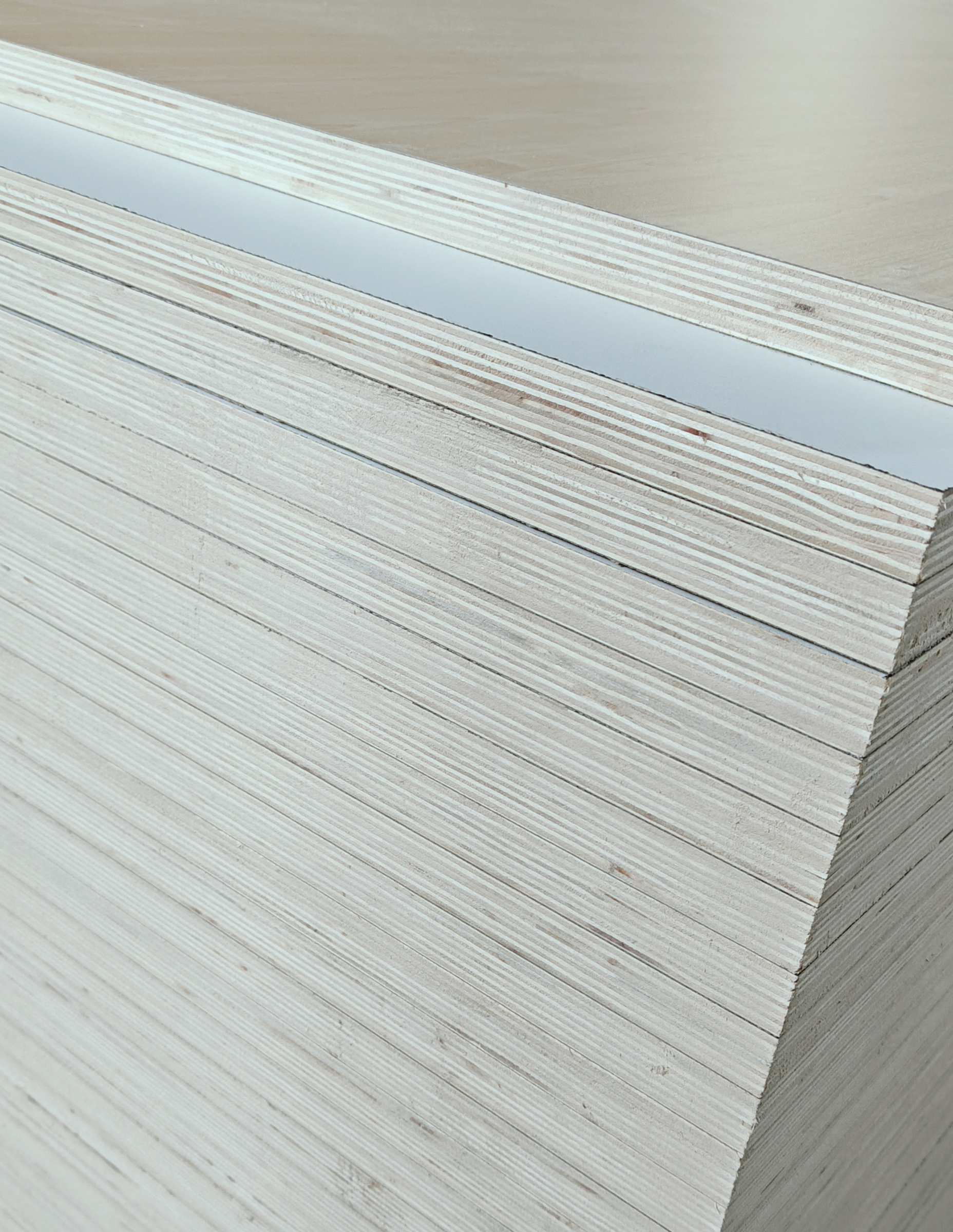
Modern Design Chinese Marine HPL Poplar Plywood E0 Fire Resistant Sanded Surface 4X8 15mm 1220X2440 Construction Sheet Price
Marine-grade poplar plywood with decorative HPL and E0 fire-resistant performance for wet-area construction and interior fabrication.
View specification →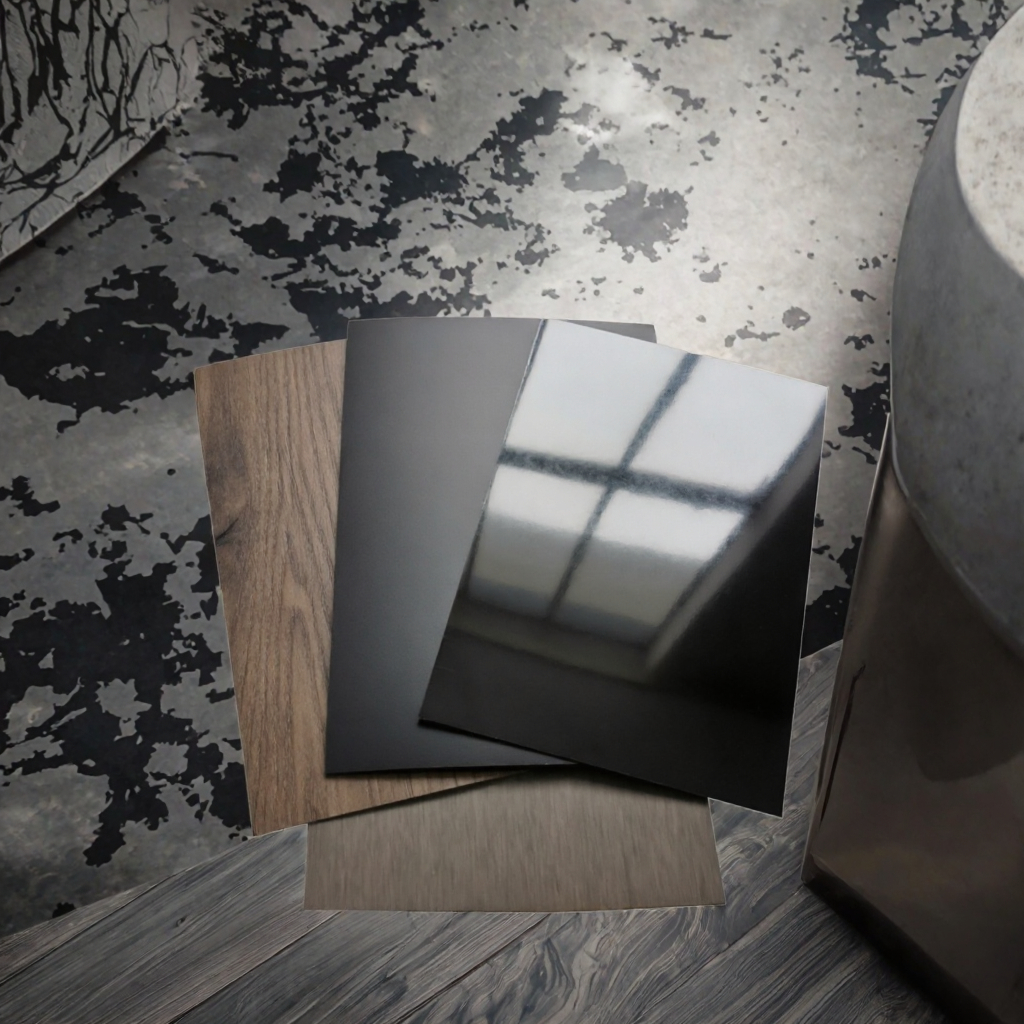
Glossy Black HPL Laminate Sheet Formica Decorative Panel for Interior Furniture Laboratory Table
A polished black HPL surface for laboratory tables, furniture fronts, and dark architectural interiors where chemical and wear resistance matter.
View specification →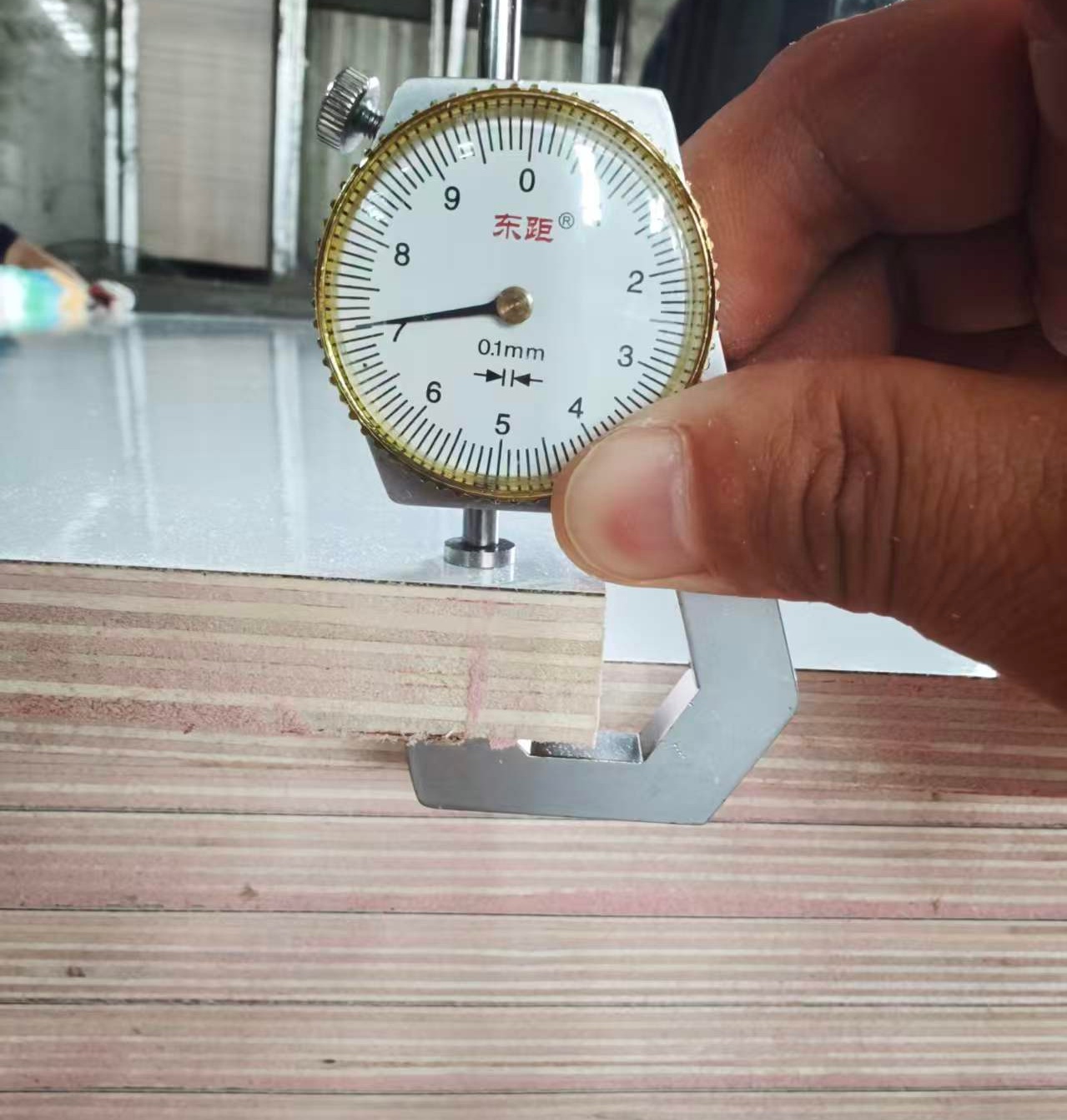
HPL Plywood Decorative Panels Stock HPL for Furniture Veneer
Stock decorative HPL plywood panels for furniture veneer, interior fit-outs, and buyers who need consistent surfaces with shorter lead times.
View specification →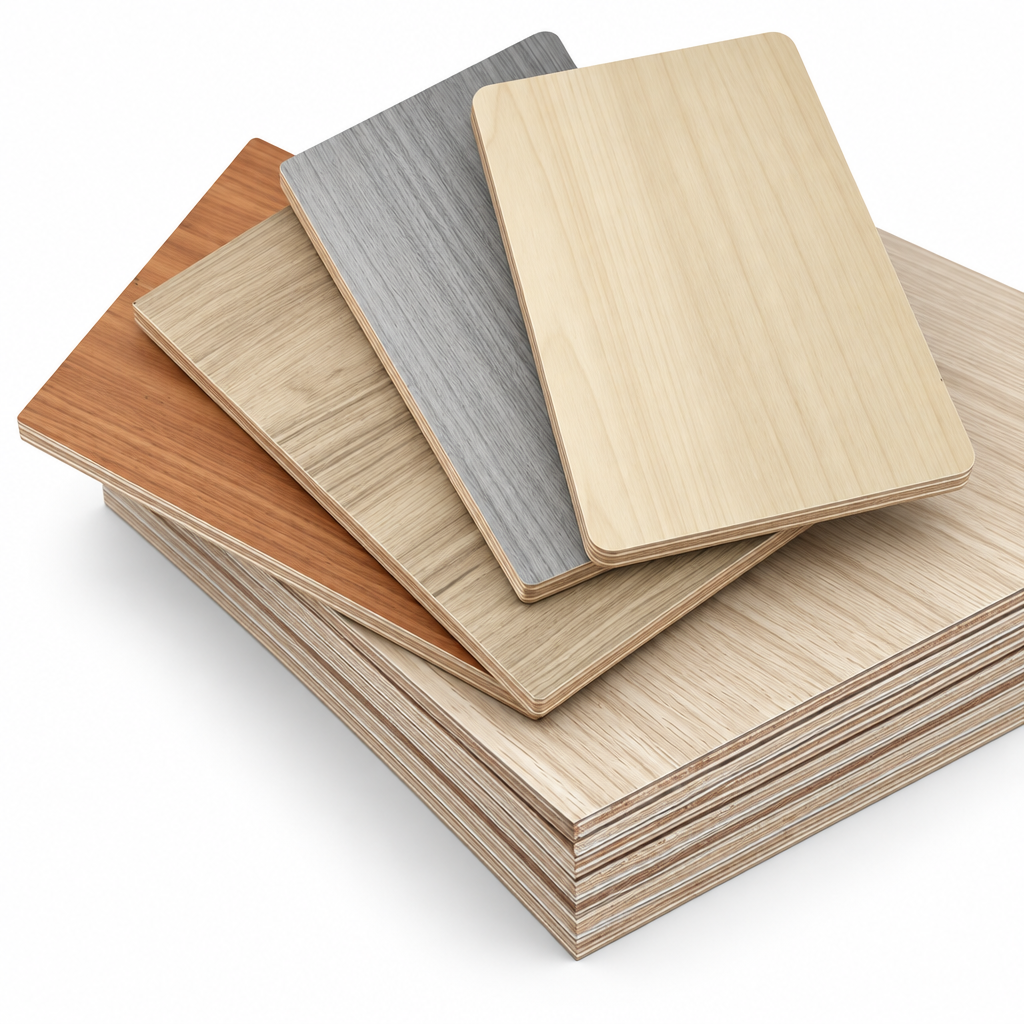
Factory Direct Wood Grain Decorative High Pressure Laminate Sheets HPL Panel for Furniture Cabinet Wall Cladding
Wood-grain HPL for cabinets, wall cladding, and commercial joinery where visual warmth must be paired with durable cleaning performance.
View specification →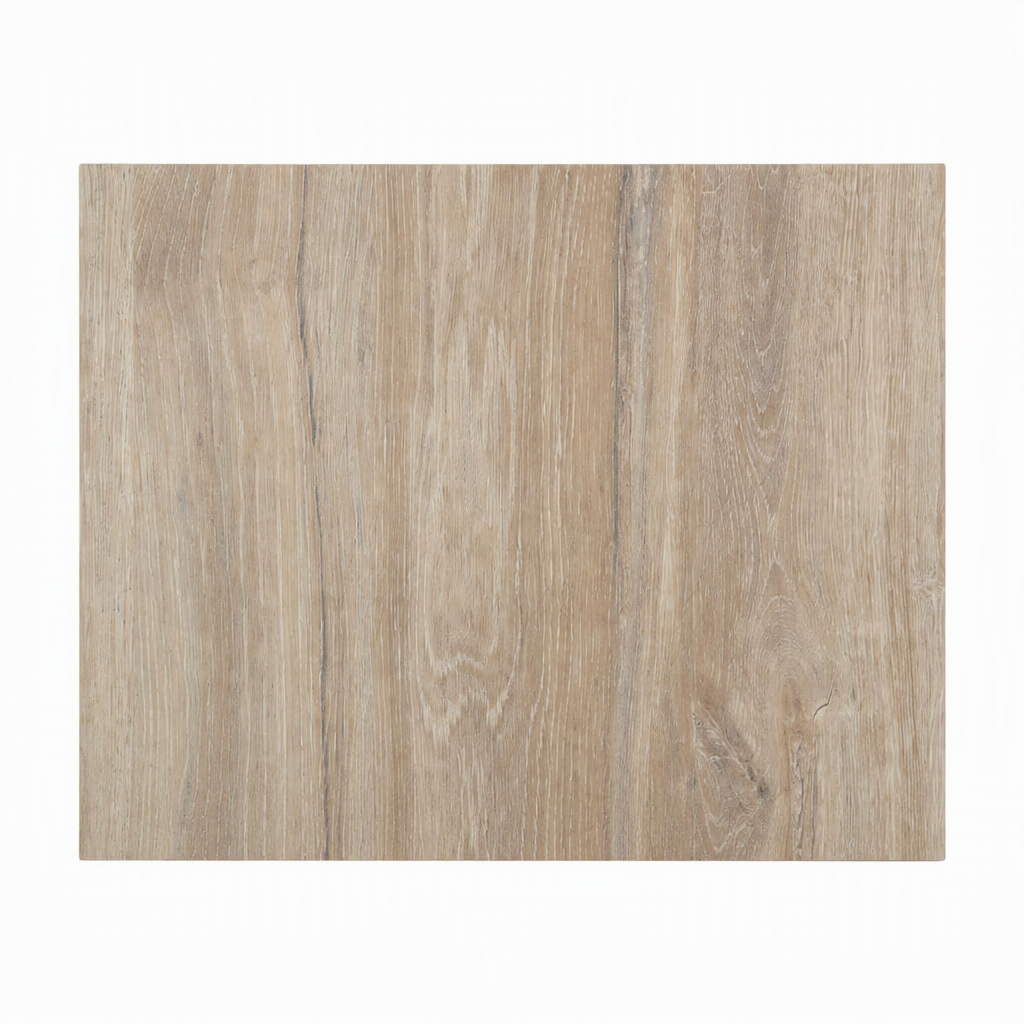
1mm Light Wood Grain HPL Decorative Laminate Panel Waterproof Fire Resistant Modern Design
A 1 mm light wood-grain HPL panel with waterproof and fire-resistant properties for modern interiors, doors, and modular units.
View specification →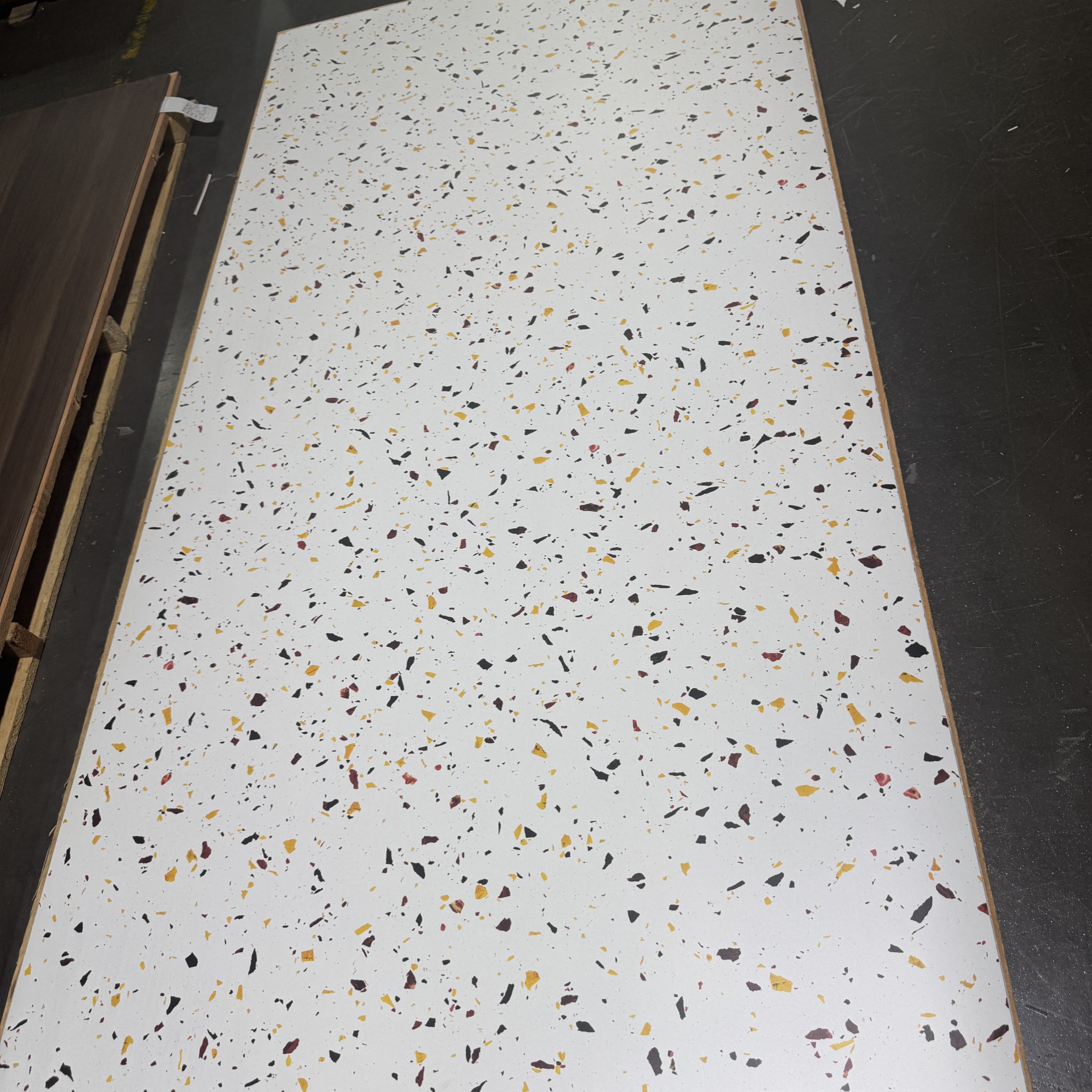
Fire Resistant HPL Plywood Double Sided Decorative Laminate Panel E0 Polished Surface 1220 x 2440 mm Indoor Furniture
Double-sided decorative HPL plywood with E0 emission and a polished surface for furniture, partitions, and indoor panel assemblies.
View specification →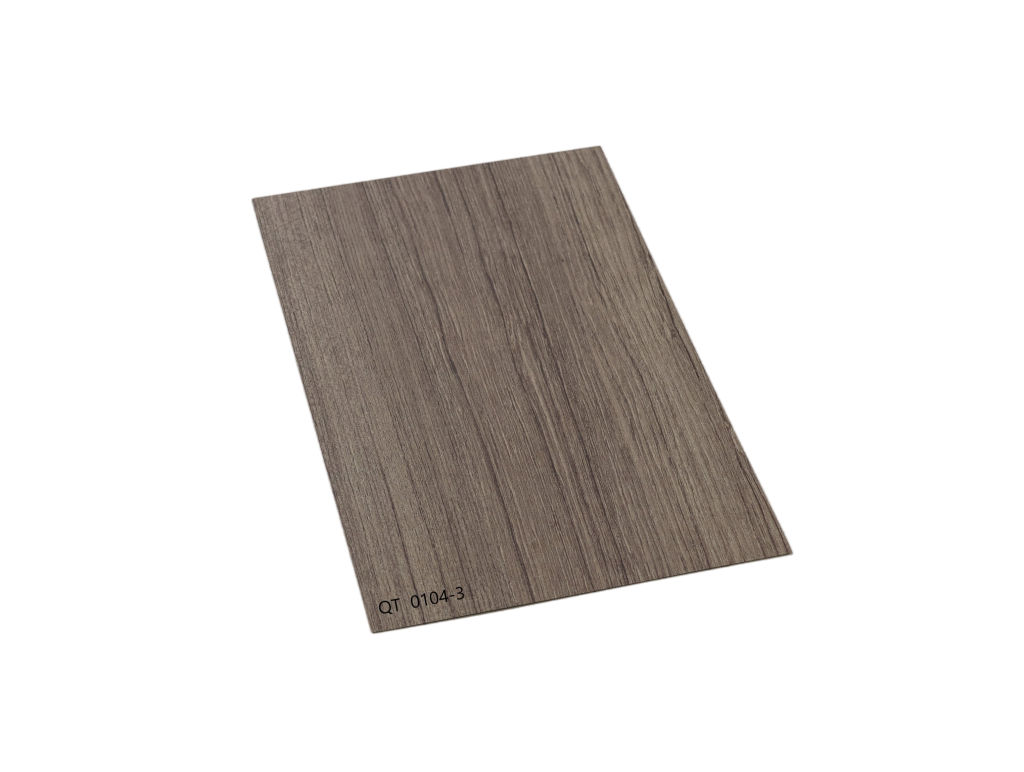
Wood Grain HPL Decorative Laminate Sheet Decorative Panel for Cabinet and Interior Wall
Decorative wood-grain HPL for cabinets and interior walls, suitable for projects that require repeatable color and easy maintenance.
View specification →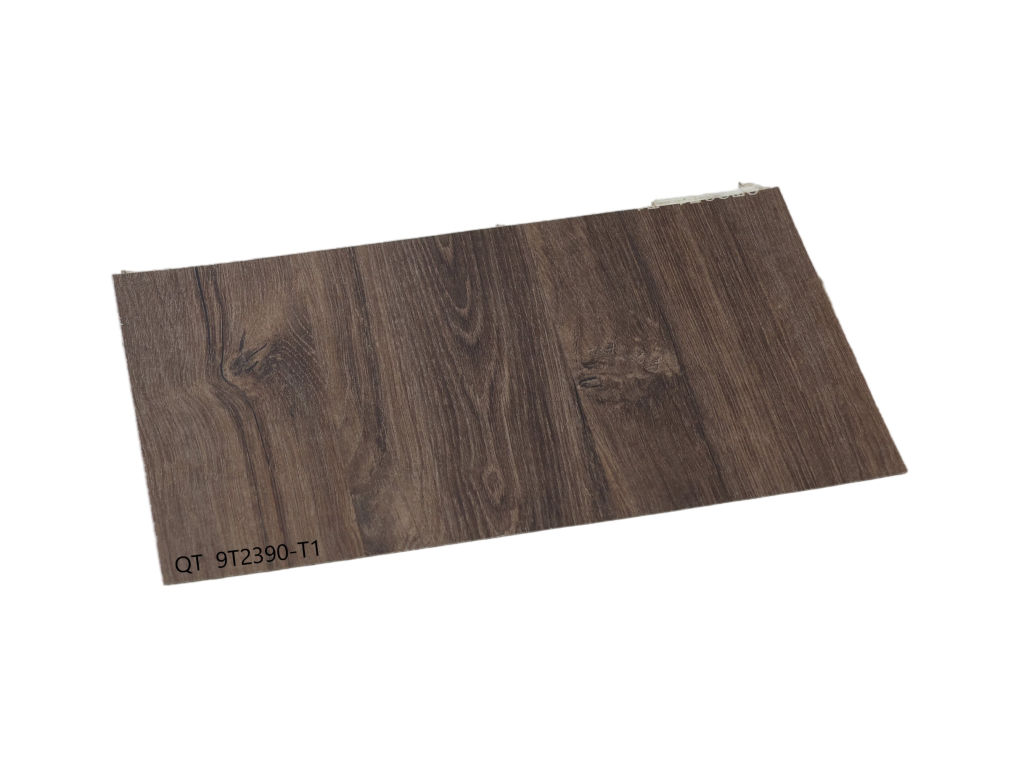
Dark Brown Decorative Panel HPL Sheet QT 9T2390-T1 Interior Wall Cladding
Dark brown HPL wall cladding for hospitality, retail, office interiors, and premium fit-outs requiring a deep, uniform finish.
View specification →For a quotation on actual aluminum-faced plywood, include alloy or foil temper, skin thickness, core species, glue line, panel size, destination market, and required test standard. The products above are complementary HPL and HPL-faced plywood surfaces from the same Linyi panel supply ecosystem.
Wood-panel sourcing experience built around Linyi’s dense mill network.
A track record built on inspection evidence, responsive service, and export follow-through.
HPL, compact laminate, MDF, plywood, LVL, door cores, and decorative surfaces.
A focused export team that answers specifications directly rather than passing buyers through layers.
Aluminum-Faced Plywood: What “Best” Should Mean to a Professional Buyer
Aluminum-faced plywood is an engineered sandwich panel. A plywood core is bonded to a thin aluminum skin, usually with a phenolic, WBP, or modified urea adhesive cured under heat and pressure. The aluminum skin contributes moisture resistance, abrasion resistance, light reflectivity, and a clean industrial appearance; the plywood core contributes stiffness, screw-holding strength, machinability, and cost efficiency. The interaction between these layers is what determines service life. A buyer who compares only the total panel thickness is comparing the least reliable variable.
China remains a globally important source for aluminum-faced plywood because the supply chain is unusually complete. In Linyi, Shandong, plywood mills, veneer peeling lines, adhesive suppliers, aluminum foil converters, hot-press capacity, packaging suppliers, and export logistics are concentrated within a practical radius. This density supports fast sampling, flexible order sizes, and mixed-product consolidation. However, density alone does not guarantee quality. It creates a wide range of supplier capability, from highly controlled export factories to small workshops with inconsistent glue lines and weak pre-shipment inspection.
That is why “best” should be treated as a verifiable process rather than an advertising claim. A credible China supplier should be able to explain the core species, aluminum skin thickness and temper, adhesive class, press parameters, surface treatment, tolerance, edge protection, packaging method, and destination-market compliance requirements. They should also provide inspection evidence before loading. Without these controls, even a competitive FOB price can become expensive after delamination, edge corrosion, warping, or failed project acceptance.
The Most Common Specification Error
Many quotations state “18 mm aluminum-faced plywood” without defining the aluminum skin. A panel with a 0.12 mm foil skin and a panel with a 0.30 mm skin are not interchangeable, even if both are sold as 18 mm boards. Alloy, temper, surface coating, core species, glue line, and edge sealing also change performance. Purchasing teams should require a construction break-down in the quotation and a matching sample retained for shipment comparison. This single habit reduces disputes more effectively than adding another supplier to the bidding list.
| Application | Typical Core | Aluminum Skin | Adhesive / System | Critical Buyer Check |
|---|---|---|---|---|
| Concrete formwork and shuttering | Poplar or eucalyptus plywood | 0.20–0.30 mm typical | Phenolic or WBP | Repeated-use cycling, edge sealing, flatness, screw-hole durability |
| Truck, trailer, and curtainsider | Poplar, birch, or eucalyptus | 0.20–0.50 mm typical | Phenolic / WBP | Flex resistance, rivet pull-through, surface coating, UV exposure |
| Marine and wet interiors | Birch or eucalyptus | 0.20–0.30 mm typical | WBP or phenolic | Glue-line integrity, edge sealing, salt-spray resistance, moisture content |
| Modular building and cleanroom | Poplar or eucalyptus | 0.10–0.25 mm typical | WBP / MUF | Flatness, skin adhesion, fire rating, VOC, dimensional stability |
| Signage and facade support | Birch or selected hardwood | 0.25–0.50 mm typical | Phenolic or PU | Alloy and temper, coating warranty, wind-load design, fixing detail |
What the Next Generation of Aluminum-Faced Plywood Will Include
Panel development is moving away from simple “thicker is better” logic. The next competitive advantages will come from engineered skins, cleaner adhesives, fire performance, surface functionality, and traceability.
Thinner, Stronger Aluminum Skins
High-strength foil and improved adhesive films allow thinner skins without sacrificing surface protection. Buyers will increasingly ask for alloy, temper, and coating data rather than a generic “aluminum faced” description.
Low-Emission Cores
E0 and E1 formaldehyde grades, cleaner resins, and documented emissions data are becoming procurement requirements in schools, healthcare, hospitality, and modular construction.
Fire-Retardant Cores and Coatings
B1, B-s1, and project-specific fire classifications are driving demand for treated cores, intumescent systems, and aluminum skins that work with certified assembly designs.
Surface Engineering
Anti-slip embossing, UV-cured coatings, fingerprint-resistant finishes, and easy-clean surfaces are expanding from transport and marine applications into commercial interiors.
Mixed-Material Cores
Birch, eucalyptus, poplar, and engineered core combinations are being optimized for weight, stiffness, screw-holding strength, and availability without distorting project budgets.
Digital Traceability
QR-coded batch records, loading photos, material certificates, and inspection reports are becoming part of the product itself, helping importers defend their sourcing decisions to downstream customers.
How Aluminum-Faced Plywood Buying Is Changing in 2025
The most effective importers are no longer optimizing only for the lowest FOB price. They are redesigning procurement around landed cost, compliance evidence, shipment consolidation, and supplier responsiveness.
Landed Cost Replaces Piece Price
Buyers now compare total landed cost, including damage rate, packaging quality, claims exposure, port delays, and installation labor. A low price per sheet can lose to a slightly higher quote with reliable tolerances and edge protection.
Mixed-Load Consolidation
Smaller distributors and furniture factories increasingly combine aluminum-faced plywood with HPL, compact laminate, MDF, LVL, and door cores to reach efficient container loads without overstocking one item.
Compliance Evidence
Customs, project tenders, and retail buyers ask for more than a product photo. They want formaldehyde data, glue-line claims, fire reports, moisture content, packing lists, and loading evidence.
Pre-Shipment Inspection as Standard
Importers are shifting quality control upstream. On-site material checks and finished-board inspection before loading reduce the need for costly third-party sorting after arrival.
Faster Samples and Short Runs
Project buyers want faster color, thickness, and surface samples. Suppliers with access to a dense Linyi mill network can coordinate smaller trial runs before committing to full container volumes.
Dual Sourcing and Resilience
Tariffs, freight volatility, and project deadlines push buyers toward suppliers who can offer alternative cores, substitute decorative surfaces, and maintain transparent communication when conditions change.
A Practical Checklist for Choosing a China Aluminum-Faced Plywood Exporter
Use this framework before placing a trial order. It helps separate a real export partner from a quotation-only intermediary.
Verify the Production Ecosystem
Ask which mills, hot-press lines, and surface suppliers are involved. A serious supplier can explain the production route and conduct on-site checks instead of forwarding an anonymous price list.
Demand a Construction Break-Down
Specify core species, veneer lay-up, aluminum alloy and thickness, adhesive type, surface treatment, nominal thickness, tolerance, and edge sealing. Vague specifications create hidden cost.
Review Inspection Evidence
Look for material inspection, finished-product inspection, thickness measurement, surface checks, and loading photos. Evidence should match your order, not a generic brochure image.
Check Certification Scope
Confirm whether certificates apply to the exact product, thickness, and manufacturing site. A certificate for a different panel or factory is not proof of conformity for your order.
Test Packaging and Loading
Ask how edges, corners, and aluminum surfaces are protected during container loading. Moisture barriers, pallet strength, and dunnage quality directly influence claim rates.
Evaluate Communication Before the Deposit
Technical questions, sample follow-up, and document clarity reveal how a supplier will behave after payment. Reliable communication is part of product quality in export procurement.
Why Fipdm Is a Practical Sourcing Partner in Linyi, China

Linyi Fipdm Import And Export Co., Ltd.
Fipdm is a verified trading company and multispecialty supplier based in Linyi, Shandong, one of China’s most concentrated wood-based panel clusters. Our service model is designed for importers, distributors, furniture factories, and project buyers who need multiple panel categories from one accountable contact.
We combine HPL, compact laminate, MDF, plywood, LVL, door cores, and decorative surfaces from vetted partner mills. Before every shipment, our team performs on-site material inspection and finished-product inspection for thickness, surface, edges, and packing. Our Intertek-verified profile, #4 top-selling supplier ranking in the Plywoods category, 5.0 buyer rating, 9 years of industry experience, and 4 years as a Gold Supplier reflect a consistent focus on export execution rather than one-off transactions.
Intertek-Verified Operations
Our supplier profile has been assessed on-site by a third party, giving international buyers a documented starting point for due diligence.
Two-Stage Quality Control
We check raw materials at the partner mill and inspect finished boards before loading. This reduces the risk of mixed thickness, surface defects, and packaging failures.
Multi-Category Consolidation
Mix HPL, aluminum-faced plywood, MDF, LVL, compact laminate, and door cores in one managed shipment to improve freight utilization and reduce supplier administration.
Customization and ODM
We support minor customization such as logo, packaging, and graphics, as well as sample-based, design-based, and full customization for distributors building their own ranges.
On-Site Technical Support
Project buyers can receive engineer-level guidance on installation, cladding, partitions, and furniture applications where panel performance depends on fixing and edge details.
Export-Ready Logistics
Our team coordinates export documentation, seaworthy pallet packing, loading supervision, and loading photos so buyers can see what left the warehouse.
Common Procurement Questions from Aluminum-Faced Plywood Buyers
Are you a manufacturer or a trading company?
Linyi Fipdm Import And Export Co., Ltd. is a verified trading company and multispecialty supplier. We source from vetted partner mills in Linyi and manage on-site material inspection plus finished-product inspection before shipment. This gives buyers one accountable contact across multiple panel categories rather than a single factory with limited product range.
What is the difference between aluminum-faced plywood and HPL-faced plywood?
Aluminum-faced plywood uses a thin aluminum skin bonded to a plywood core for moisture, abrasion, and weather protection. HPL-faced plywood uses decorative high-pressure laminate for surface wear resistance, color, texture, and interior design. HPL is not a universal substitute where metal skin conductivity, reflectivity, or specific project approval is required. Buyers should specify the actual facing system.
What aluminum skin thickness should I specify?
The skin should be selected by application and service life, not by habit. Thin foil may suit protected interior panels, while transport and exterior-adjacent uses often demand thicker skins and stronger edge details. Provide the expected exposure, fixing method, cleaning regime, and warranty target; a supplier should then recommend a construction and explain the trade-offs.
Which adhesive is best for exterior or wet use?
Phenolic and WBP adhesive systems are commonly specified for moisture-exposed plywood because they provide stronger glue-line durability than standard interior adhesives. The exact choice depends on the core species, press process, target standard, and cost. For project approval, confirm the adhesive designation in writing and request test evidence where needed.
Which formaldehyde emission grades can you supply?
MDF and plywood are available in E1 and E0 grades depending on the product line. Tell us your destination market and application standard at the inquiry stage so we can match the board and documentation. Emission requirements differ by country, buyer, and end use, so “low formaldehyde” should never be accepted as a vague claim.
What is your MOQ, sample policy, and lead time?
MOQ depends on whether the order is stock, customized, or part of a mixed-container program. Samples can be coordinated for color, surface, thickness, and construction review. Lead time varies by product family, quantity, and season. Provide a target arrival date and destination port so the quotation can be built around shipping reality rather than factory production alone.
Can I mix different products in one container?
Yes. Mixed loads of HPL, compact laminate, MDF, plywood, LVL, door cores, and related decorative panels are a core part of our service. Consolidation helps smaller importers and furniture factories reach efficient container use without overstocking one item. Packaging and loading plans should be agreed before production.
How do you inspect quality before shipment?
Our quality process includes on-site material checks and finished-product inspection for thickness, surface, edges, and packing. Depending on the order, we can document measurements, loading photos, pallet condition, and batch identification. For critical projects, a pre-shipment inspection protocol should be agreed in writing before production begins.
What documents and after-sales support do you provide?
We support export documentation, packing lists, loading photos, and product-related records available for the ordered specification. After shipment, our team can help resolve questions on storage, installation, panel handling, and future replenishment. Clear documentation and responsive communication are essential for repeat B2B business.
Send Your Aluminum-Faced Plywood or HPL Panel Specification
Share your panel size, thickness, core preference, aluminum skin or HPL surface, target market, required documents, and expected shipment date. Our Linyi export team will reply with matched options, inspection commitments, and a practical quotation path.
Send an Inquiry