8 Panel Products for Acrylic Faced Plywood Projects
These eight listings are part of our active export catalogue. Buyers often request them alongside acrylic faced plywood for cabinet interiors, laser-cut components, decorative surfaces, fire-retardant furniture and mixed-container orders. The original product URLs are retained below. For acrylic faced plywood itself, or a matched mixed quotation, use the inquiry button.
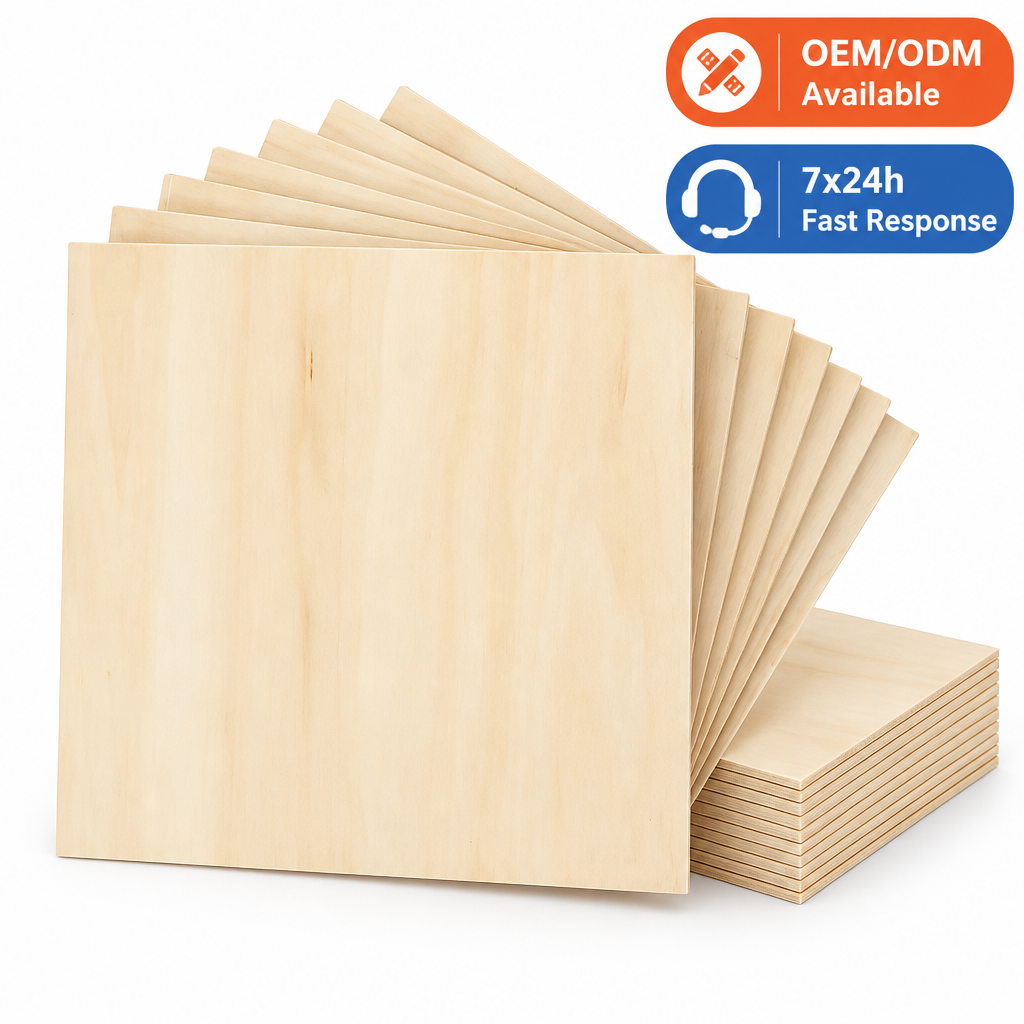
Eco-Friendly First-Class Basswood Plywood Sheet 12 X 12 X 1/8 Inch 3mm Sanded Polished Birch Veneer DIY Laser Cutting
Uniform basswood core with a sanded birch face, suited to laser cutting, craft components and clean-edge furniture parts where surface consistency matters.
View product →
18mm Fire Retardant HPL Faced Plywood Birch Core 1220x2440mm Furniture Panel
Birch-core, fire-retardant HPL faced panel for furniture and wall units where reaction-to-fire requirements and surface durability must be documented.
View product →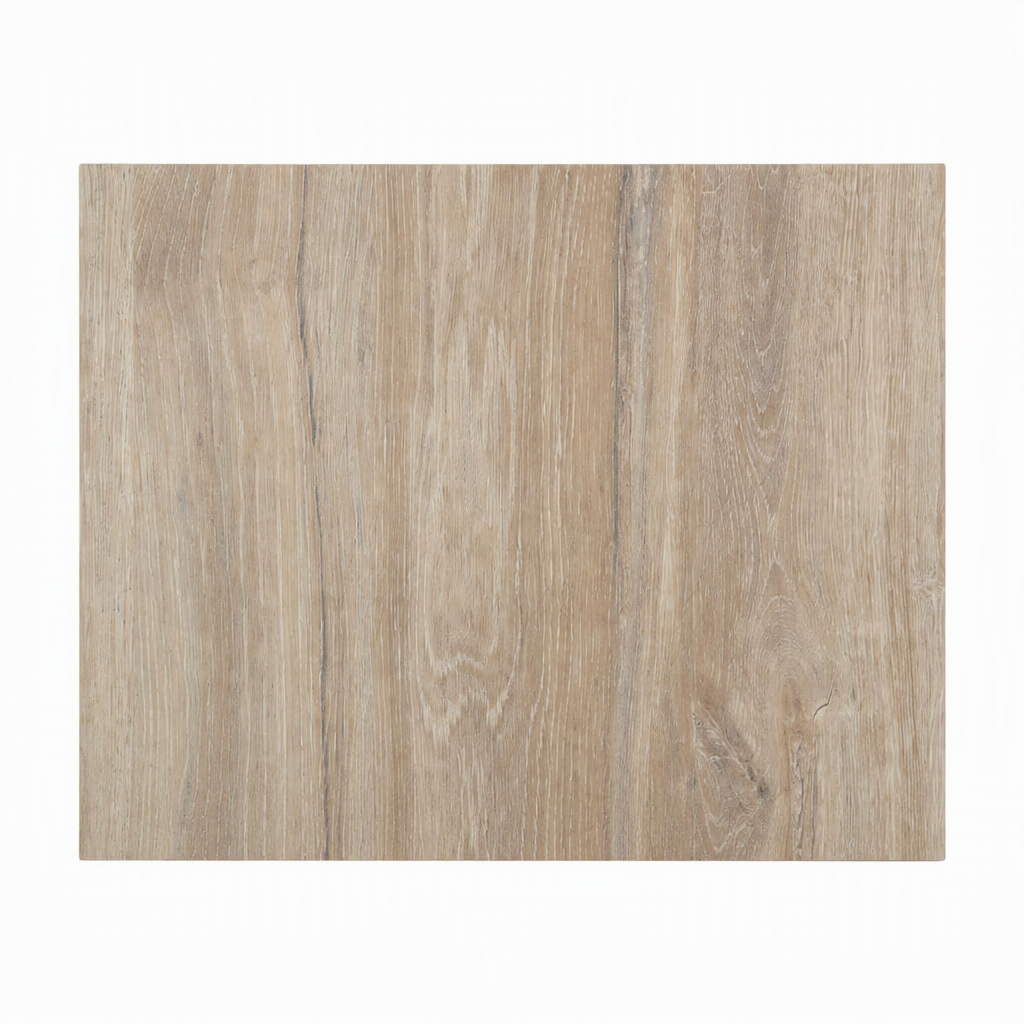
1mm Light Wood Grain HPL Decorative Laminate Panel Waterproof Fire Resistant Modern Design
Decorative HPL for cabinet fronts and wall panels when a thin, waterproof and fire-resistant surface is specified for modern interiors.
View product →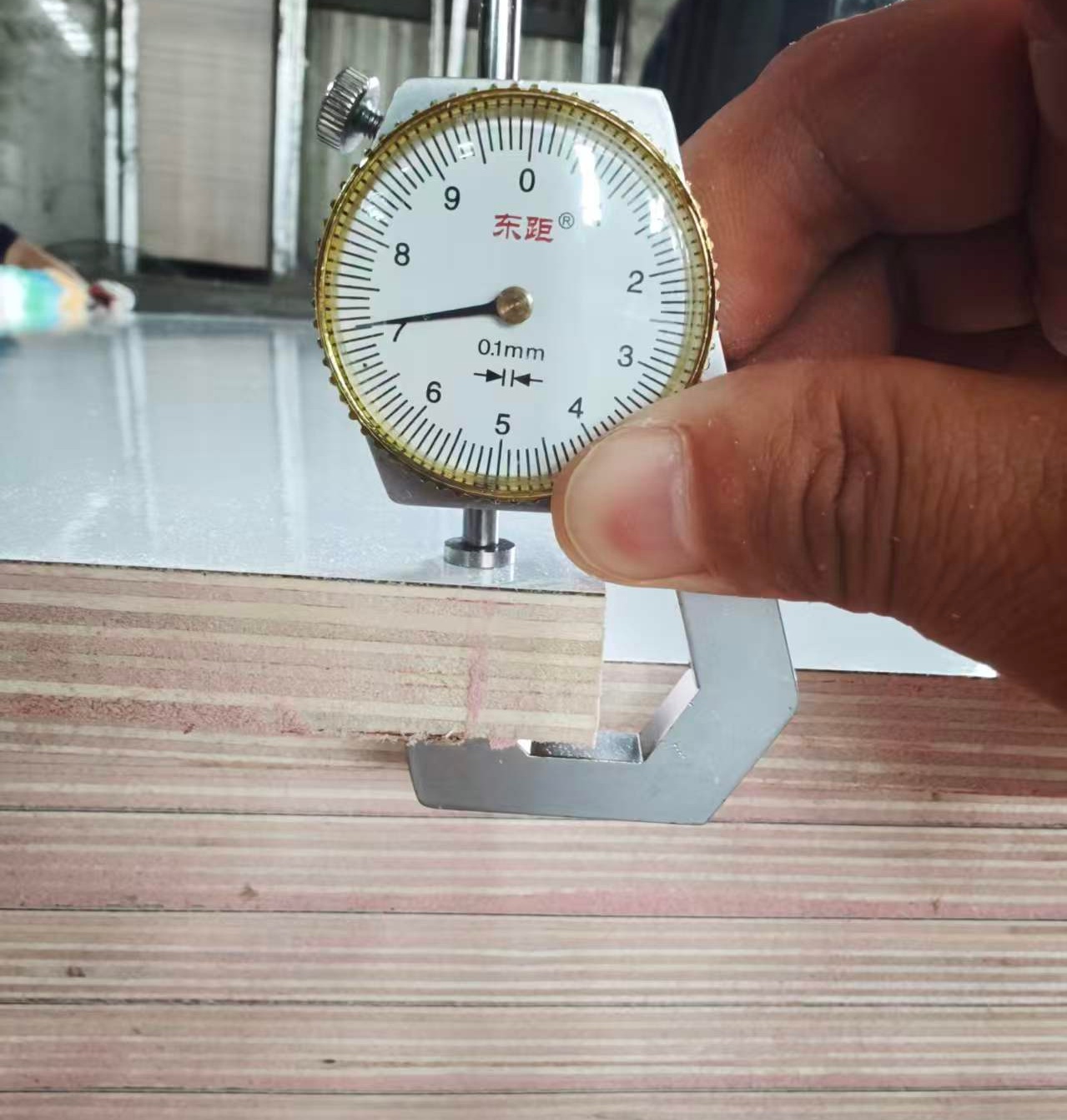
HPL Plywood Decorative Panels Stock HPL for Furniture Veneer
Stock decorative HPL plywood for furniture veneer programmes; pair with acrylic-faced panels for mixed gloss and matte surface schemes.
View product →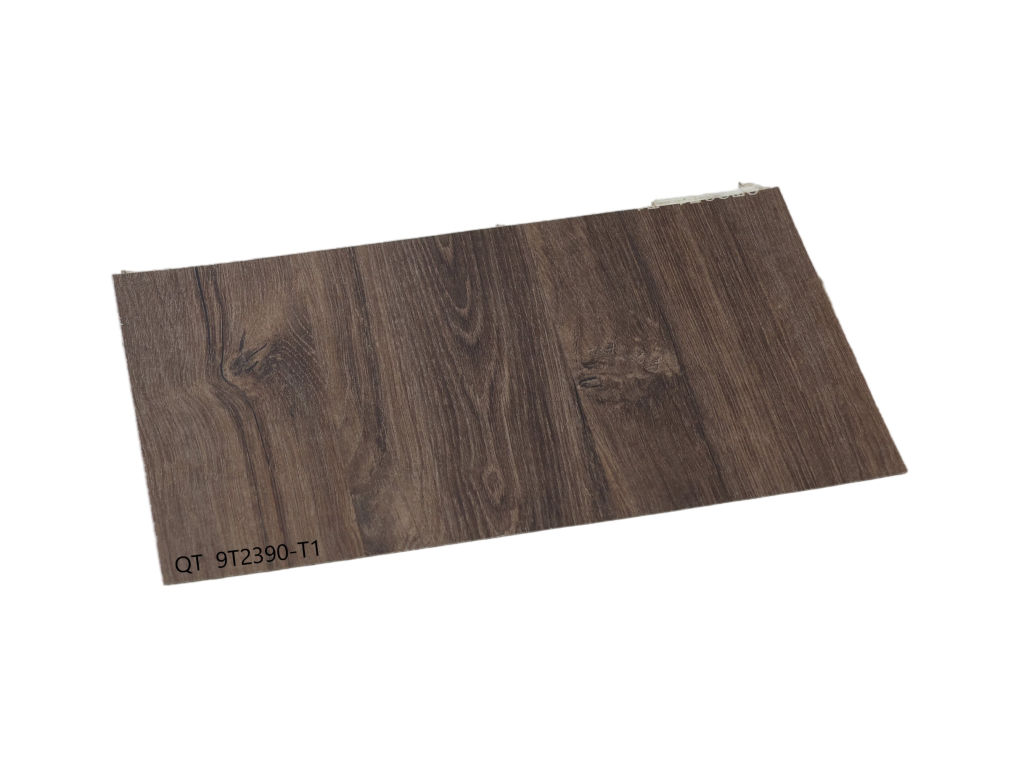
Dark Brown Decorative Panel HPL Sheet QT 9T2390-T1 Interior Wall Cladding
Deep-tone interior wall cladding for feature walls, reception areas and hospitality interiors where batch-to-batch colour consistency is critical.
View product →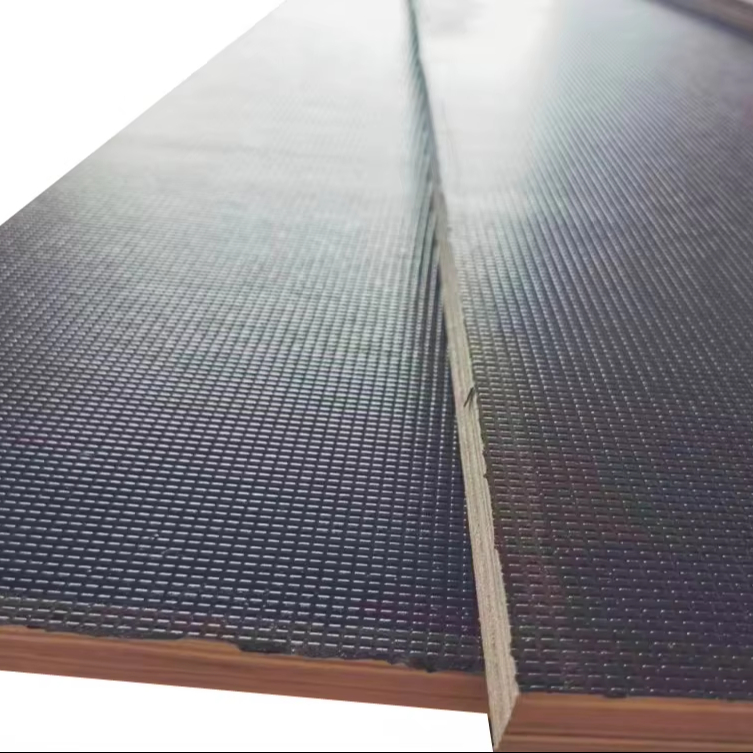
1220x2440 HPL Waterproof Laminate Sheet Board Fire Retardant Decorative High-Pressure Plywood E0 Formaldehyde Marine Phenolic
Waterproof, E0-focused decorative phenolic board for wet areas, commercial furniture and projects requiring more robust moisture performance.
View product →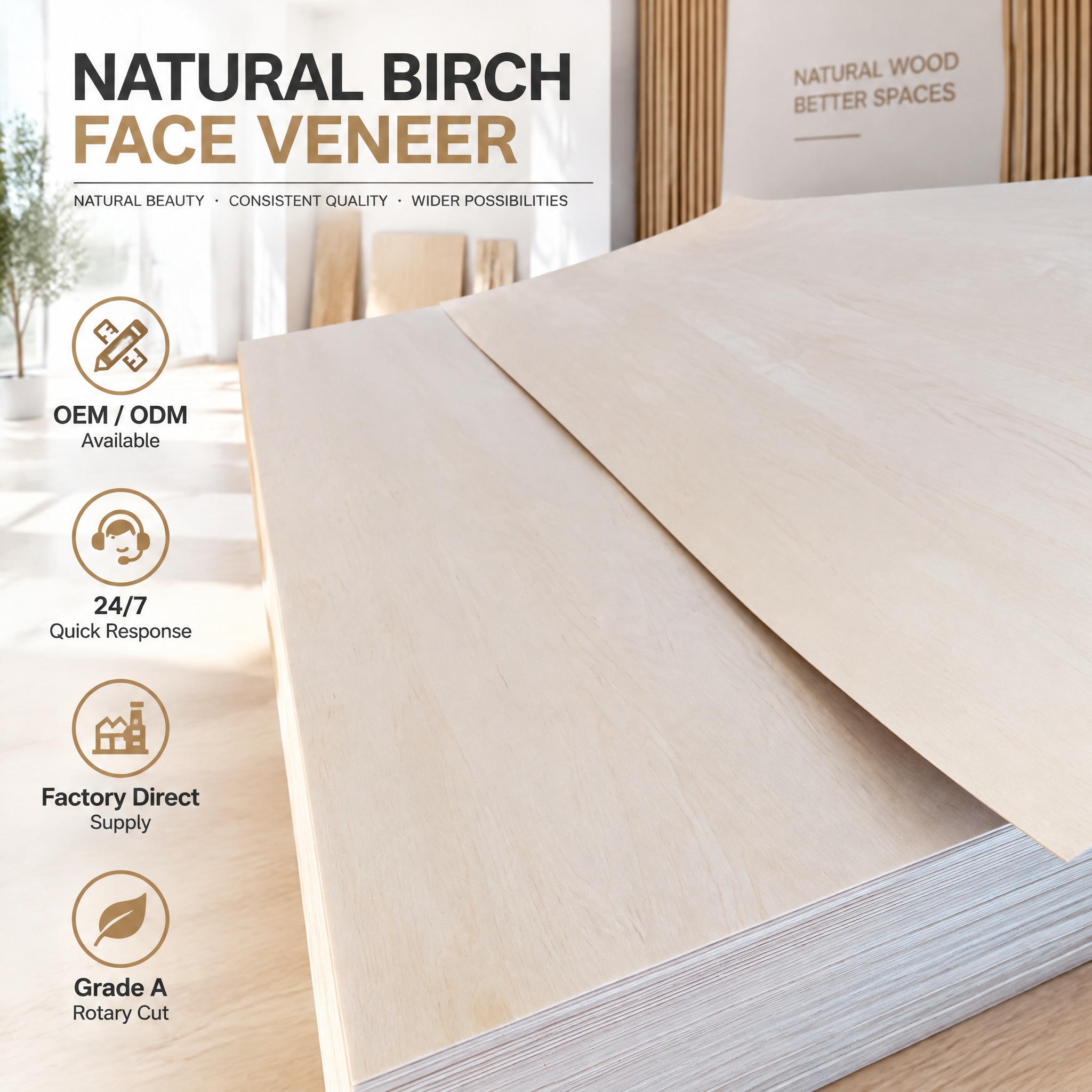
Sanded Basswood Plywood Sheets with Birch Veneer Double-Sided E0 Decorative Wood Panels for Laser Cutting Furniture
Double-sided E0 decorative basswood plywood for exposed furniture parts, laser-cut designs and applications needing a clean natural face.
View product →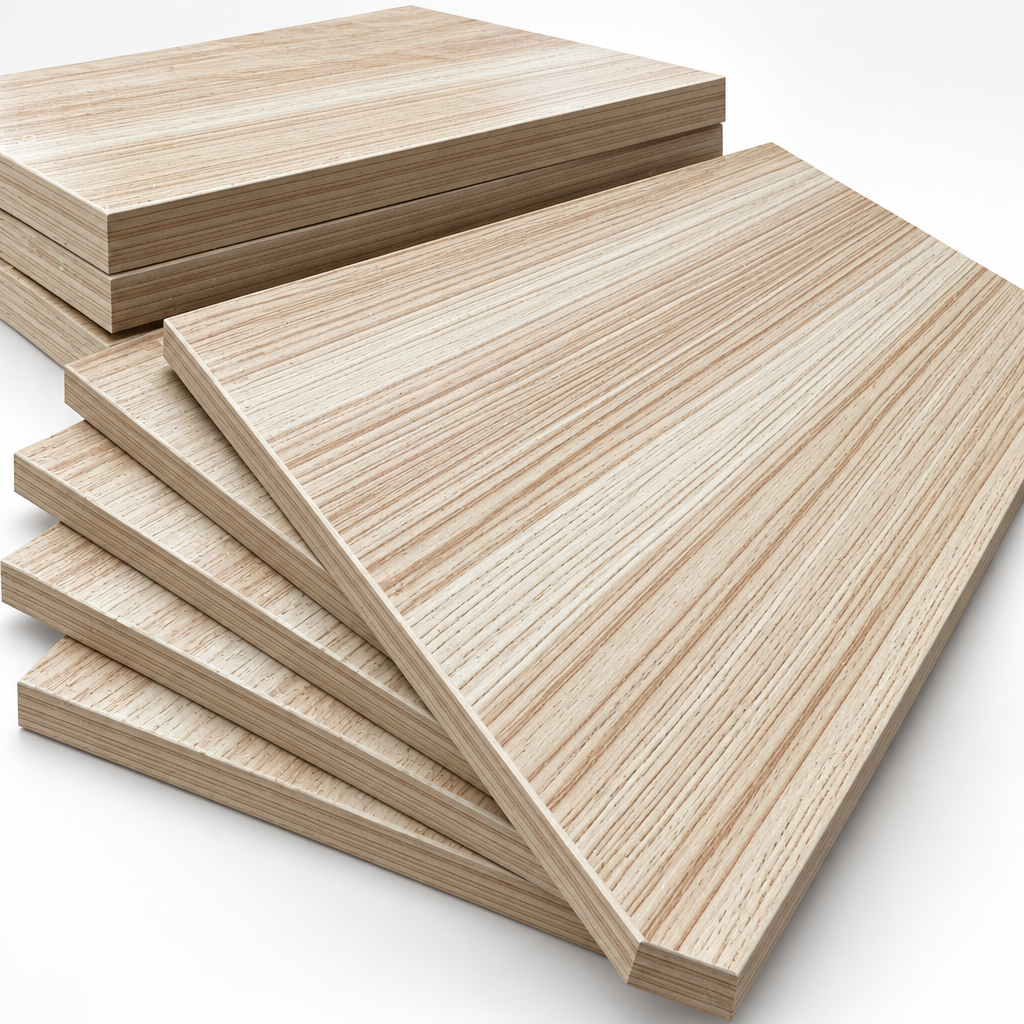
In Stock Wear-Resistant High Pressure Laminate HPL Plywood Sheets for Modern Kitchen Cabinets and Wooden Furniture Panels
Wear-resistant HPL plywood for kitchen cabinets and high-traffic furniture where daily cleaning, abrasion and impact resistance are priorities.
View product →Need acrylic faced plywood specifically? Send your substrate, thickness, film colour, gloss level, emission class, quantity and destination port. We will match the specification with a practical quotation.
Send an InquiryWhat “Best Supplier” Should Actually Mean
A credible acrylic faced plywood supplier is not defined by an advertising slogan. It is defined by measurable supply reliability, product control and commercial transparency. These company metrics give buyers a starting point for deeper due diligence.
Metrics reflect our company profile and buyer feedback. Ask for current trade capacity, inspection records and product test reports during your inquiry.
Acrylic Faced Plywood in 2025: Specification, Risk and Real Performance
Acrylic faced plywood is not a generic commodity that should be bought on a single price per sheet. It is a layered system: plywood core, adhesive line, acrylic film, surface treatment and edge sealing all influence the final result.
A high-gloss panel that looks correct in a showroom can still fail in a kitchen, bathroom vanity or commercial reception if the core is unstable, the film is too thin, the adhesive is mismatched or the edges are left unprotected. The real search intent behind “China best acrylic faced plywood supplier” is risk reduction, not simply the lowest quotation. Buyers want a supplier who can translate a design intent into a repeatable panel specification.
At its best, acrylic faced plywood combines a decorative acrylic film with a plywood substrate to create depth of colour, high gloss, cleanability and dependable screw-holding. It is used for cabinet doors, wardrobe fronts, island panels, retail display units, reception desks, bathroom vanities, hotel furniture and feature walls. The acrylic surface delivers visual impact; the plywood provides structure and fabrication behaviour. The supplier’s job is to make the two work together consistently, batch after batch.
For professional buyers, the most useful supplier conversation covers film thickness, gloss level, substrate species, panel thickness, adhesive class, formaldehyde emission, fire performance, edge treatment, packing and mixed-container capability. A supplier who avoids those details and quotes only “acrylic plywood” is leaving performance risk on your side of the purchase order.
Specification Intent
Which acrylic film, plywood core, glue line, thickness and finish will meet the application? Define gloss, colour, edge sealing and flatness before comparing prices.
Compliance Intent
What documentation is needed for E0/E1 emission, fire performance, VOC limits or destination-market requirements? Claims must match the actual board configuration.
Commercial Intent
How will samples be approved, how will colour be controlled, how are edges protected, and can acrylic faced plywood be consolidated with other panels in one container?
Why the Core Matters as Much as the Gloss
Poplar cores are cost- and weight-efficient for cabinet doors and furniture. Birch cores machine cleanly for exposed edges and precision components. Combi or eucalyptus cores may suit specific cost targets, but density, veneer quality and moisture behaviour must be controlled. For wet areas, the adhesive and edge protection can matter more than the acrylic face itself.
When a buyer compares acrylic faced plywood, the sample should be reviewed under project lighting, not only on a phone screen. Check reflection, orange-peel texture, colour depth, fingerprint visibility and edge sealing. Then confirm the production batch will use the same film grade and substrate construction.
How Serious Buyers Will Source Acrylic Faced Plywood
Purchasing is shifting from a narrow “price per panel” comparison to a wider evaluation of landed cost, documentation, surface function and supply visibility. These four trends are shaping supplier selection.
Total Landed Cost Focus
Freight, breakage, rework, colour rejection and delayed installation now sit beside the unit price. Mixed containers, stronger corner protection and pre-shipment inspection reduce hidden cost.
Evidence-Led Low Emission
E0/E1 claims are moving from brochure language to batch-linked documentation. Buyers increasingly ask for test reports, material traceability and a clear statement of the adhesive and core used.
Surface Function Beyond Gloss
Anti-fingerprint, anti-yellowing, antibacterial and super-matte finishes are being specified by kitchen, clinic, retail and hospitality projects. “High gloss” alone is no longer a complete brief.
Digital Sampling and Visibility
Close-up surface videos, colour cards, batch photos, loading images and document tracking shorten approval cycles. Exporters who communicate proactively win repeat orders.
Where Acrylic Faced Plywood Technology Is Heading
The next development cycle will be driven by durability, regulatory pressure and fabrication efficiency — not only by shinier surfaces.
Thin-Film and Hybrid Surfaces
Buyers want the depth of acrylic with tighter cost control. Thin-film acrylic, acrylic-PET hybrids and improved top coatings are being evaluated for scratch resistance and colour stability.
Fire-Retardant and Moisture-Engineered Cores
Commercial interiors require panels that combine decorative gloss with documented fire behaviour, moisture resistance and stable machining. Core treatment and adhesive selection become part of the selling proposition.
Low-Carbon and Recycled-Content Pressure
Green-building specifications are pushing suppliers to explain wood sourcing, recycled content, emission class and transport efficiency. Claims need evidence; greenwashing is a commercial risk.
Easier Fabrication and Edge Matching
Furniture factories want fewer rejects during cutting, drilling and edge banding. Consistent thickness, flatness, release properties and matching edge materials will matter as much as the face design.
How to Brief an Acrylic Faced Plywood Supplier Correctly
Use this practical specification framework to reduce sample rounds, avoid disputes and compare quotations on the same basis.
| Parameter | Practical Options | Why It Matters |
|---|---|---|
| Plywood Substrate | Poplar, birch, combi, eucalyptus or project-specific mixed hardwood core. | Controls weight, machining quality, screw-holding, flatness and cost. Birch machines cleanly; poplar is efficient for weight and price targets. |
| Panel Thickness | 3–25 mm; 18 mm is common for cabinets and furniture, while 5–12 mm suits wall panels and thinner components. | Thickness affects rigidity, hardware compatibility, door weight and packing efficiency. |
| Acrylic Film | Typically 0.5–1.5 mm, depending on appearance, impact and cost targets. | A thicker film can improve depth and impact resistance, but the film grade, colour layer and top treatment must be confirmed by sample. |
| Surface Finish | High gloss, matte, super-matte, anti-fingerprint, textured or solid-colour. | Gloss level and texture must be assessed under real lighting. Fingerprint visibility varies significantly between finishes. |
| Adhesive and Emission | E0 or E1 configurations depending on product line; moisture-resistant adhesive where required. | The core and adhesive determine emission and water performance. Ask for documentation tied to the actual product configuration. |
| Panel Size | 1220×2440 mm, 1250×2800 mm or custom sizes subject to production. | Optimised sizes improve yield and container loading. Confirm cutting tolerance before ordering large quantities. |
| Edge Treatment | Matching ABS/PVC edge band, laser edge, paint or sealed edge. | Edges are a common failure point in wet areas. Good edge sealing protects the plywood core and improves the finished appearance. |
| Export Packing | Corner protectors, foam interleaving, moisture barrier, pallet wrapping and seaworthy packing. | High-gloss surfaces are vulnerable to rubbing and edge impact. Packing quality directly affects claim rates and rework cost. |
Confirm final tolerances, certifications, film brand and packing method on the approved sample and order contract.
Where Acrylic Faced Plywood Performs Best
The product earns its place when visual depth, cleanability and structural support are required at the same time.
Kitchen Cabinets and Islands
High-gloss acrylic surfaces deliver strong visual depth and easy cleaning. Specify moisture-resistant cores and sealed edges around sinks, dishwashers and high-humidity zones.
Wardrobe Doors and Sliding Systems
Large, flat panels benefit from scratch-resistant acrylic faces and consistent colour. Confirm thickness, weight and hardware compatibility before production.
Retail and Exhibition Displays
Colour impact, sharp edges and repeatable batch colour are critical. Acrylic faced panels can create premium counters and display units with fewer visible joints.
Hospitality and Bathroom Vanities
Cleanability and moisture resistance matter. The acrylic face supports hygiene routines, while the plywood core provides structure for doors, drawers and vanity fronts.
Why Linyi Fipdm Is a Verified Acrylic Faced Plywood Supply Partner
Linyi Fipdm Import And Export Co., Ltd. is a verified trading company and multispecialty supplier based in Linyi, Shandong — China’s largest wood-based panel cluster. We combine laminates, fibreboards, flakeboards, plywoods and new-material boards from qualified partner mills into one managed supply chain.
That model is especially useful for acrylic faced plywood buyers because the product sits at the intersection of decorative surface and plywood engineering. Both sides of the specification need to be controlled: the acrylic film should match the approved appearance, while the plywood core and adhesive should deliver the required structure, emission class and moisture behaviour.
Our original company advantages include Intertek verification, a #4 top-selling supplier position in the Plywoods category, two-stage quality control, on-site material inspection, finished-product inspection, E0/E1 board options, customization and ODM services, on-site technical support, export documentation and seaworthy packing. Ask for the latest inspection records and trade-capacity data during your inquiry.
Intertek-Verified Supplier
Third-party supplier assessment supports your due-diligence process. We are also ranked as a #4 top-selling supplier in the Plywoods category.
Two-Stage Quality Control
Material inspection at the partner mill, then finished-board checks for thickness, surface, edges and packing before loading.
Multi-Category Consolidation
Combine HPL, compact laminate, MDF, plywood, LVL and door cores in one container to reduce freight and supplier-management workload.
Customization and ODM
Minor customization for logo, packaging and graphics, plus sample-based, design-based and full customization, as well as ODM development.
Low-Emission Board Options
MDF and plywood are available in E1 and E0 grades depending on product line. Tell us the destination market standard so the right board is matched.
Technical and Export Support
Engineer support for installation questions, plus export documentation, seaworthy pallet packing and loading photos for each shipment.



A Simple Five-Step Path from Sample to Shipment
A clear process reduces repeated samples, unexpected colour differences and loading surprises.
Inquiry
Share film colour, gloss, substrate, thickness, emission class, quantity and destination port.
Sampling
Compare gloss and texture under project lighting; confirm edge treatment and packing expectations.
Production
Acrylic film and plywood core are matched; material checks begin at the partner mill.
Inspection
Check thickness, surface, colour, edges and packing; share loading photos before departure.
Export
Prepare documents, seaworthy packing and mixed-load consolidation for a smoother arrival.
Frequently Asked Questions from Acrylic Faced Plywood Buyers
These are the questions professional buyers ask before approving a supplier, a sample or a mixed-container order.
Are you a manufacturer or a trading company?+
Linyi Fipdm Import And Export Co., Ltd. is a verified trading company and multispecialty supplier. We source from vetted partner mills in Linyi and run on-site material inspection plus finished-product inspection before every shipment. This gives buyers one accountable contact across many board types — without pretending that every product is made in a single factory.
What is the difference between acrylic faced plywood and HPL faced plywood?+
Standard HPL is a thin decorative laminate, often around 0.7 mm, bonded to MDF, particle board or plywood. Compact laminate is a solid phenolic panel. Acrylic faced plywood uses an acrylic film on a plywood core. The acrylic surface is chosen for deep gloss and cleanability, while the plywood core supplies structure. Film thickness, gloss, substrate and edge treatment must be specified because the product name alone does not define performance.
Which acrylic film thickness and substrate should I specify?+
For cabinet doors and furniture, a common request is 18 mm plywood with a 1 mm acrylic film. Thinner panels may suit wall cladding or laser-cut components. Poplar cores are cost- and weight-efficient; birch cores machine cleanly. Confirm the film grade, gloss level, adhesive and edge-sealing method with samples under your own lighting before production.
Which formaldehyde emission grades can you supply?+
MDF and plywood can be supplied in E0 and E1 grades depending on the product line. Please state your destination market standard when you send the inquiry so the correct board and documentation package can be matched. Do not accept a general “E0” claim without a report tied to the actual product configuration or batch.
Can you customize sizes, colours and packaging?+
Yes. We offer minor customization such as logo, packaging and graphics, plus sample-based, design-based and full customization and ODM services. For acrylic faced plywood, send a colour reference, gloss target, substrate preference, size list, edge requirement and packing instruction so the sample can be built to specification.
Can I mix acrylic faced plywood with other panels in one container?+
Yes. Acrylic faced plywood can be consolidated with HPL sheets, compact laminate, HMR MDF, birch plywood, LVL, tubular chipboard and other panel products, subject to packing and weight limits. Quality control covers on-site material inspection and finished-product checks for thickness, surface, edges and packing before loading.
Get a Spec-Matched Acrylic Faced Plywood Quote
Send your panel size, plywood core, acrylic film requirement, gloss level, colour reference, emission class, edge treatment, quantity and destination port. Our export team will reply with suitable options and the next steps for sampling or production.
Send an Inquiry