8 HPL Plywood Products Frequently Sourced With Red Oak Plywood
Red oak plywood orders rarely travel alone. Furniture factories, distributors and project buyers often consolidate red oak plywood with HPL-faced panels, marine plywood, decorative boards and laser-cutting plywood. The eight products below preserve their live product URLs and show each image in full without cropping; for red oak plywood specifications, use the inquiry button.
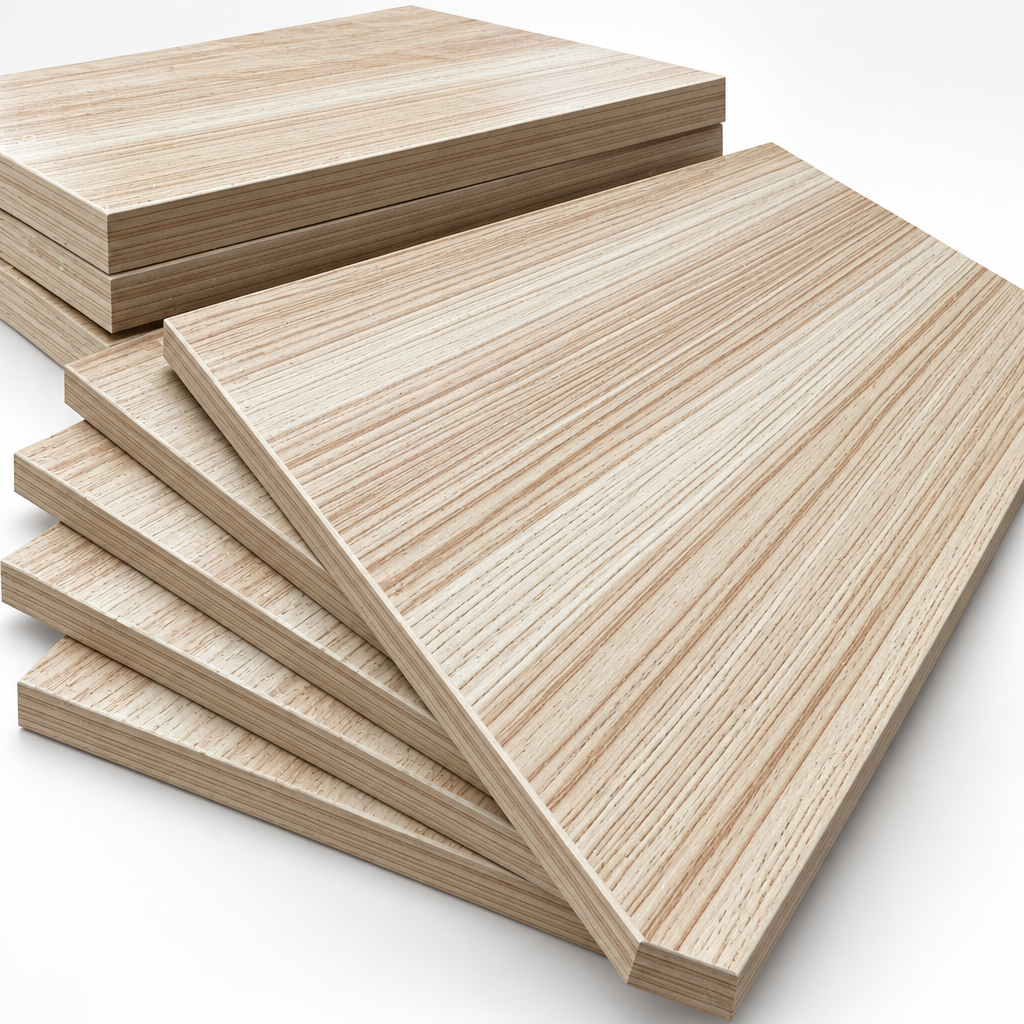
In Stock Wear-Resistant HPL Plywood for Cabinets
A hard-wearing HPL-faced panel for kitchen cabinets, furniture fronts and high-traffic joinery; suitable for mixed loads with red oak plywood carcasses.
View live product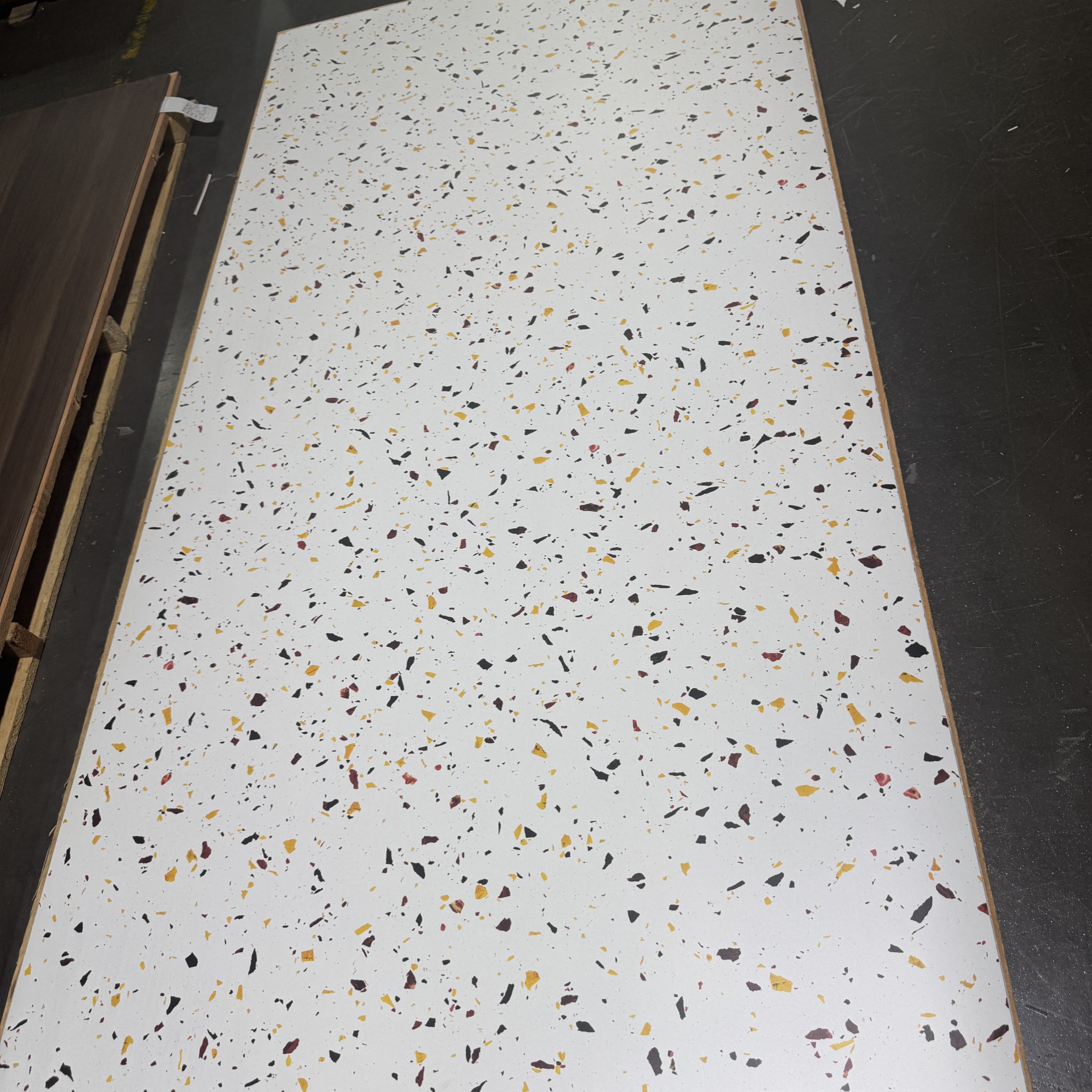
Fire-Resistant HPL Double-Sided Decorative Panel
E0 polished surface, double-sided decorative laminate and 1220×2440 mm format for interior furniture where reaction-to-fire performance is specified.
View live product
18mm Fire-Retardant HPL Faced Birch Plywood
Birch core with HPL face in 1220×2440 mm; a stable panel for furniture and project joinery when fire documentation and clean edges matter.
View live product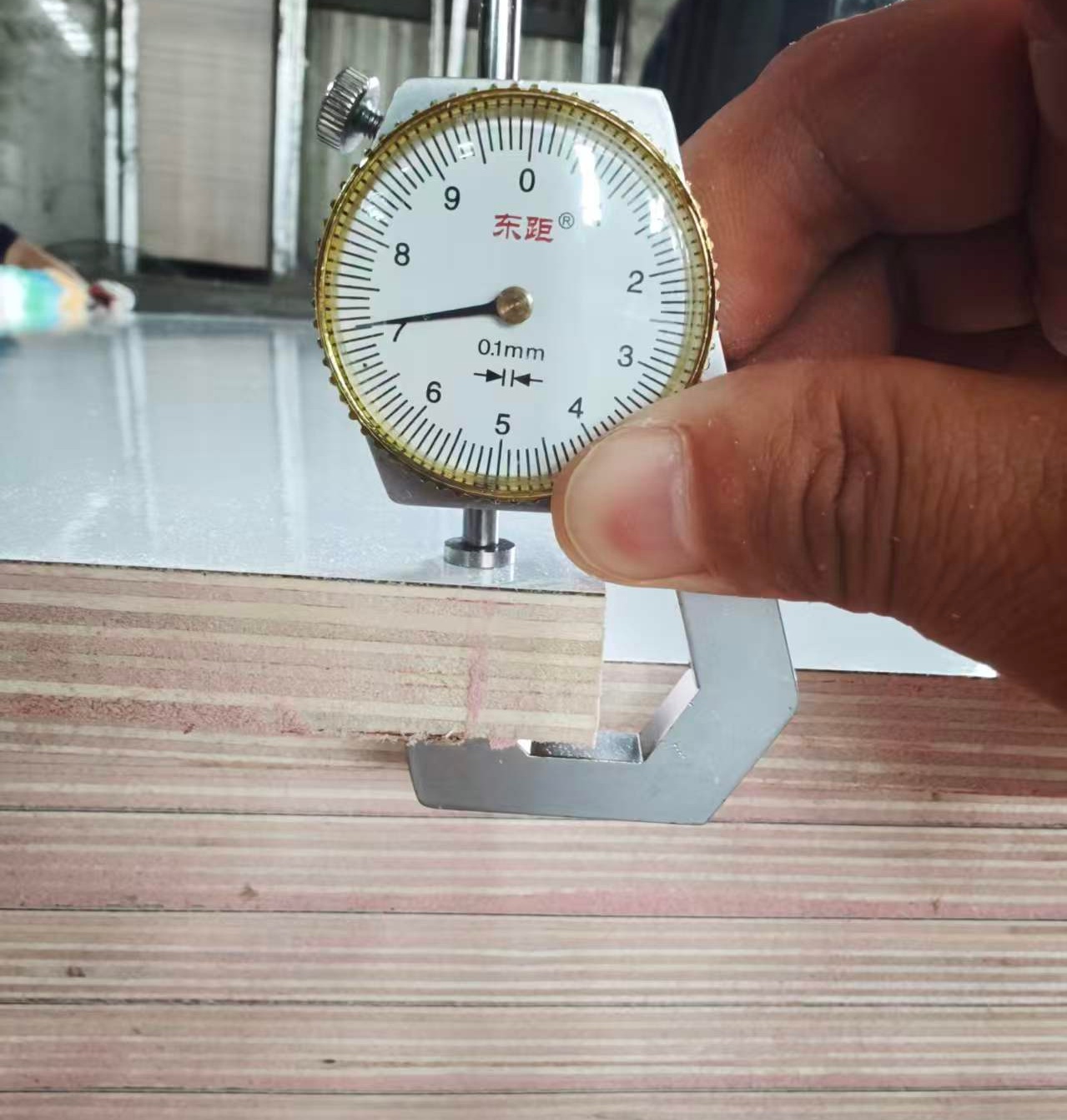
Decorative HPL Plywood Panels for Furniture Veneer
Stock decorative HPL panels for furniture surfaces and interior fit-out; practical for mixed containers alongside red oak veneered plywood.
View live product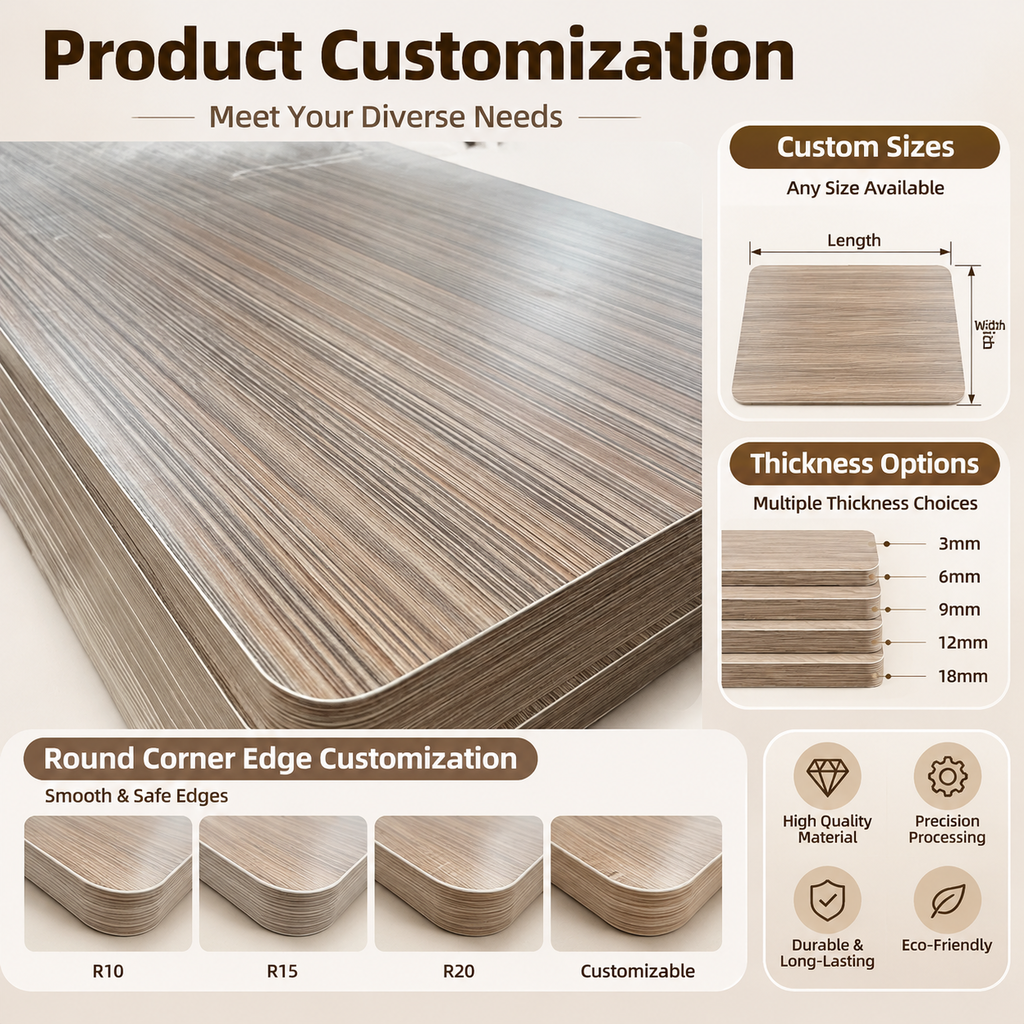
Wood Grain HPL Waterproof Fire-Resistant Furniture Panel
Wood-grain HPL surface with water and fire resistance for furniture, wet areas and wall linings where red oak warmth meets engineered durability.
View live product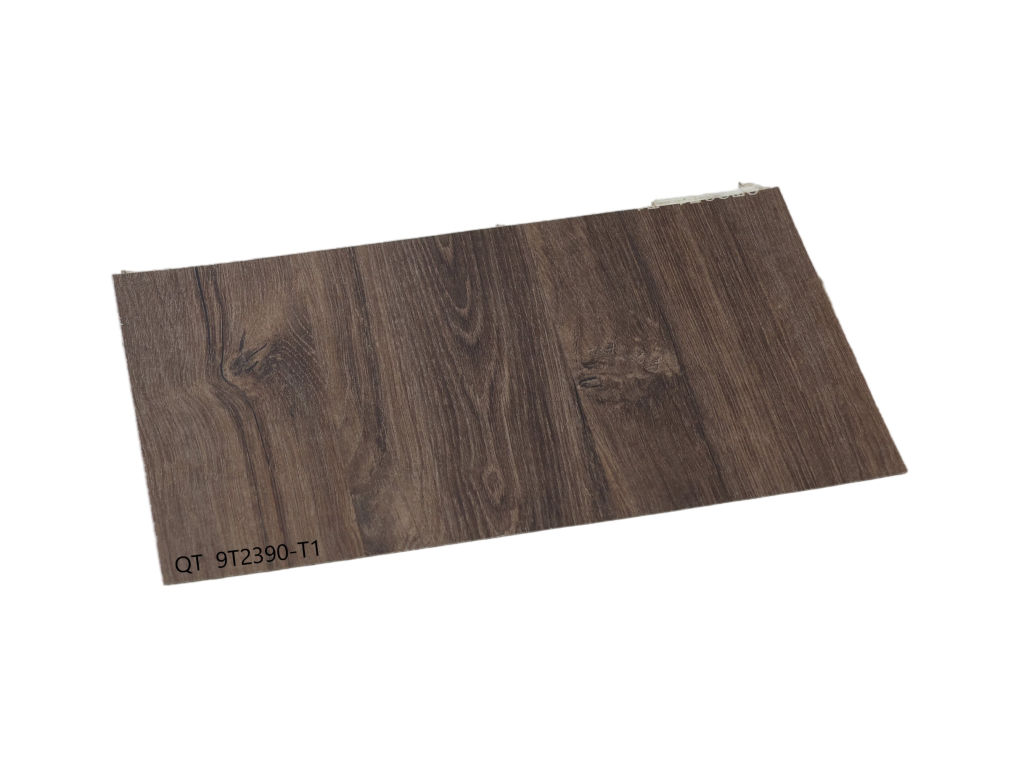
Dark Brown HPL Decorative Interior Wall Panel
QT 9T2390-T1 dark brown decorative sheet for interior wall cladding, feature walls and commercial fit-out with a deep timber appearance.
View live product
15mm Glossy Marine HPL Birch Plywood
Glossy HPL-faced birch marine plywood in 4×8 ft sheets for wet-area furniture, worktops and transport interiors; confirm exposure class before ordering.
View live product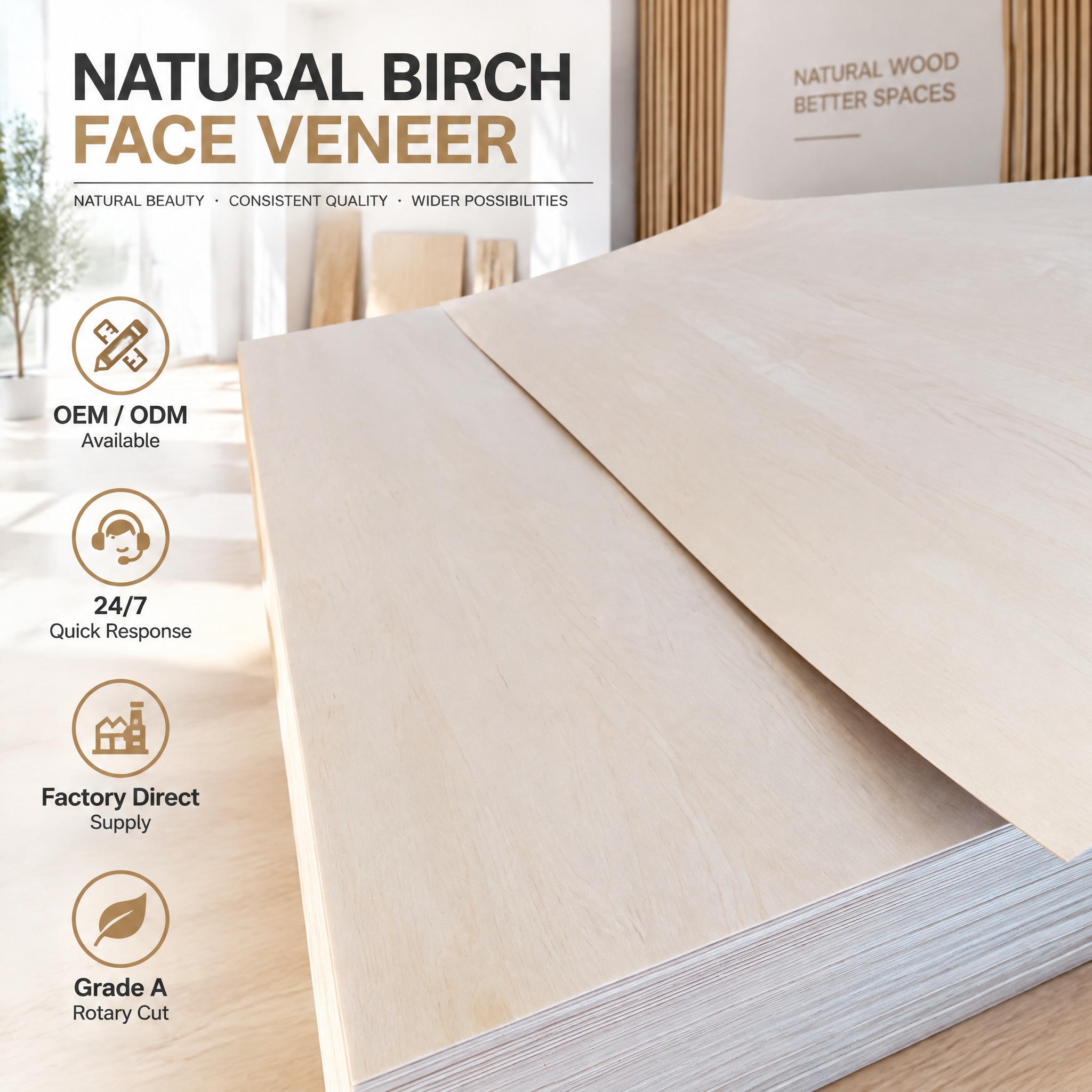
Sanded Basswood Plywood with Birch Veneer for Laser Cutting
Double-sided E0 decorative basswood plywood with birch veneer for precision laser-cut models, furniture parts and clean-edge signage.
View live productCE-Certified Red Oak Plywood: What Specifiers Need to Verify
CE-certified red oak plywood is not a single commodity. In European and UK supply chains, CE marking for plywood is tied to EN 13986 and a Declaration of Performance (DoP). The declaration should identify the intended use, the manufacturing route, reaction-to-fire performance where applicable, formaldehyde release, and the relevant assessment and verification of constancy of performance system. For furniture and interior joinery, CE marking may not be a legal prerequisite in every market, but serious buyers still request an EN 13986 DoP, dimensional tolerances, adhesive class and emission test reports because they reduce substitution risk.
Red oak (Quercus spp.) is valued for its open grain, machining response and warm colour. In plywood form, red oak face and back veneers are normally bonded to poplar, birch, eucalyptus or mixed hardwood cores. Face veneer may be sliced or rotary cut, and the visual grade should be agreed with a physical sample: sapwood presence, mineral streaks, knots, filler, grain alignment and colour range change from lot to lot. CE marking is a declaration of performance, not a decorative label, and it does not grade appearance. Purchase orders should separate structural performance from aesthetic acceptance.
Turn a price-only RFQ into an engineering brief
At Fipdm, red oak plywood inquiries are handled as an engineering brief. We ask for the end use, target market, formaldehyde class, adhesive exposure, face and back grade, thickness tolerance, sheet size, edge treatment and packing method. Our team is based in Linyi, Shandong, the largest wood-based panel cluster in China, and works with vetted partner mills. For buyers who need CE-marked red oak plywood, we coordinate factory documentation, third-party test reports and pre-shipment inspection. Linyi Fipdm Import And Export Co., Ltd. operates as a verified trading company and multispecialty supplier, with Intertek assessment and on-site inspection procedures, as described in our company profile.
Document checklist for a CE-controlled order
- Declaration of Performance with factory name, product scope, standard, AVCP system and issue date.
- EN 13986 test evidence for the exact board construction, adhesive and intended use.
- Formaldehyde report matching the board line and target market requirement.
- Veneer grade sample with sapwood, colour, filler and grain-direction acceptance.
- Thickness calibration record and moisture-content range before packing.
- Pre-shipment inspection photos of face, back, edges, pallets and container loading.
Recommended Red Oak Plywood Configurations by Application
These are practical starting points for quotation. Final construction, tolerances and documentation must be confirmed against the destination market and the exact end use.
Furniture and Cabinetry
18 mm red oak face and back, poplar or birch core, E0 glue line, WBP option, 1220×2440 mm. Specify grain direction and edge-filling policy for visible cabinet sides.
Doors and Millwork
15 mm or 18 mm sliced red oak veneer, matched face set, MR or WBP adhesive, custom length and width. Request a matched sample when adjacent door skins must read as a single elevation.
Interior Wall Panels
9 mm or 12 mm red oak plywood, book-matched or random grain, E0/E1 emission and optional UV pre-finish. Agree on colour range and sheen before production.
Export Project Packs
18 mm or 21 mm CE DoP red oak plywood, third-party inspection, seaworthy packing and mixed-container consolidation with HPL, MDF, LVL or door cores.
| Specification area | What to state in the purchase order | Why it changes the quotation |
|---|---|---|
| Intended use | Furniture, interior joinery, structural or non-structural use; target market and CE route | The DoP scope and test plan must match the declared application, not a generic catalogue sheet |
| Face and back | Veneer grade sample, grain direction, sapwood allowance, filler policy and colour range | Appearance acceptance is contractual and sits outside CE performance data |
| Core | Poplar, birch, eucalyptus or mixed hardwood; maximum core gaps and overlaps | Core quality affects screw-holding, stability, weight and CNC behaviour |
| Adhesive | E0/E1 emission; MR or WBP depending on moisture exposure | “Waterproof” marketing language is not a substitute for a declared adhesive class |
| Thickness | 9, 12, 15, 18, 21 mm and agreed tolerance; calibration requirement | Thickness tolerance drives edge banding, CNC nesting and cabinet assembly fit |
| Formaldehyde | E1, E0, CARB Phase 2/TSCA Title VI or other destination rule | The test report must match the board and factory; one line does not cover every product |
| CE DoP | EN 13986, AVCP system, reaction to fire and release class | Check factory name, product code, standard, scope and issue date |
| Packing | Seaworthy pallets, corner protection, moisture barrier and loading photos | Reduces edge damage, transit moisture and claim risk in mixed containers |
2025–2030 Procurement Trends for Red Oak Plywood Buyers
Buyers are moving from lowest-piece-price sourcing to total-risk sourcing. The six shifts below are visible in RFQs for CE-controlled red oak plywood and engineered wood panels.
Digital DoP and traceability
Buyers will expect searchable DoP files, factory identification, batch linkage and loading photos rather than a scanned certificate with no product scope.
EUDR due diligence
Wood importers need supplier information, geolocation and due-diligence evidence. Red oak plywood supply chains must be prepared to support these requests.
Low-emission specification
E0 is becoming a default request in furniture supply, while CARB Phase 2/TSCA Title VI remains essential for North America. Test reports must match the board.
Mixed-container efficiency
Distributors combine red oak plywood with HPL plywood, MDF, LVL and door cores to reach container efficiency without carrying excessive stock.
Engineered veneer economics
Engineered red oak veneer can improve yield, colour consistency and face quality while reducing dependence on premium log availability.
Pre-finished and CNC-ready
Factory-applied UV finishes and calibrated panels reduce labour, volatile organic compound exposure and rework in furniture plants.
Buyer Priority Index, 2025–2030
Composite planning view based on export inquiries for CE-controlled red oak plywood and engineered panel orders. Use as a directional signal, not a market forecast.
Product Development Trends Reshaping Red Oak Plywood
Red oak plywood is moving beyond a conventional furniture substrate. The next generation of products is engineered around appearance consistency, regulatory evidence and factory productivity.
Engineered red oak veneer
Reconstituted and engineered veneer helps stabilise grain pattern, colour and yield, especially for large furniture programmes that need repeatable face sets.
High-humidity adhesive systems
WBP and moisture-resistant glue lines are specified for kitchen, bathroom and utility furniture where edge swelling and delamination are costly.
Fire-retardant treatments
Treated red oak plywood can support reaction-to-fire requirements in public interiors, but the treatment, adhesive and finish system must be tested as a build-up.
Thermally modified red oak
Heat treatment can deepen colour and improve dimensional stability, creating opportunities for wall panels, furniture accents and interior joinery.
UV-cured factory finishes
Pre-finished red oak plywood reduces sanding, staining and coating labour while giving buyers a more consistent sheen and scratch resistance.
FSC and low-emission cores
Chain-of-custody claims and low-emission cores are becoming specification items for institutional, retail and office furniture projects.
Where Red Oak Plywood Delivers the Most Value
Red oak plywood performs best when appearance, machining and dimensional stability are balanced with the correct core, adhesive and finish.
Kitchen and pantry systems
Cabinet carcasses, visible end panels, open shelving and pantry joinery benefit from a stable core and a clean red oak face.
Furniture and millwork
Tables, display fixtures, reception desks and built-in furniture use red oak plywood for balanced grain and reliable edge screw-holding.
Doors and wall panels
Book-matched and sequence-matched red oak faces create a premium interior language for doors, panelling and feature walls.
Export project packs
Mixed loads with HPL plywood, MDF and LVL help distributors serve several customer segments without over-committing to one SKU.
Why Fipdm Is a Practical Export Partner for CE-Controlled Panel Orders
Red oak plywood buyers need more than a price list. They need a supplier who can document the product, inspect the shipment and combine categories efficiently.
Linyi panel-cluster access
Based in Linyi, Shandong, we work inside China’s largest wood-based panel cluster and can match red oak plywood, HPL, MDF, LVL and door cores from vetted mills.
Two-stage quality control
Material checks at the partner mill and finished-board inspection for thickness, surface, edges and packing before loading reduce surprise claims.
Customization and ODM
Minor customization for logo, packaging and graphics, plus sample-based, design-based and full customization for distributors building their own panel range.
Multi-category consolidation
Combine red oak plywood with HPL plywood, compact laminate, MDF, LVL and door cores in one container to reduce freight and administrative cost.
On-site technical support
Engineer support for project buyers on installation, cladding, partition and furniture applications where panel performance depends on detailing.
Export-ready logistics
Export documentation, seaworthy pallet packing and loading photos shared with every shipment help importers plan customs and warehouse handling.
From Inquiry to Container: A Clear Red Oak Plywood Order Path
A disciplined four-step process reduces sample disputes, documentation gaps and loading surprises.
Share the brief
Send end use, target market, thickness, face grade, core, adhesive, formaldehyde class, quantity and packing preference.
Match the configuration
We propose the red oak plywood build-up, document route and mixed-load options, then confirm sample and inspection requirements.
Approve and produce
Approve the face sample and tolerance plan. Material checks and finished-board inspection are scheduled before loading.
Load and document
Loading photos, packing list, invoice, Bill of Lading, DoP and test reports where applicable are compiled for shipment.
Frequently Asked Questions About CE-Certified Red Oak Plywood
Questions buyers ask before requesting a quotation for red oak plywood, CE documentation and mixed-container export orders.
Are you a manufacturer or a trading company?
Linyi Fipdm Import And Export Co., Ltd. is a verified trading company and multispecialty supplier based in Linyi, Shandong, China. We work with vetted partner mills in the Linyi panel cluster and manage material inspection, finished-product inspection and export documentation. For buyers who need a factory-specific audit trail, we can arrange factory verification and product-specific test reports before order confirmation.
What does CE certification mean for red oak plywood?
CE marking is a manufacturer’s declaration that the product meets the declared performance for its intended use under the applicable harmonised standard, normally EN 13986 for plywood. Ask for the Declaration of Performance, the AVCP system, reaction-to-fire and formaldehyde information where applicable. A CE certificate image alone is not enough; the declaration must match the factory, product, thickness and intended use.
How do red oak and white oak differ in plywood specification?
Red oak generally shows a warmer tone and more open grain, while white oak is often selected for tighter grain appearance and exterior applications. In practice, species identification, face grade, adhesive class and coating system matter more than colour marketing. For any exterior or high-humidity use, confirm the build-up and finish system instead of relying on a species name alone.
Which formaldehyde emission grades can you supply?
E1 and E0 are common requests, and CARB Phase 2/TSCA Title VI or other market-specific requirements can be targeted through partner mills. Confirm the test method, board construction and factory because a report for one product line does not automatically cover another. State the destination market in your inquiry so the documentation plan can be aligned.
What thicknesses and sheet sizes are available for red oak plywood?
Typical red oak plywood for furniture and joinery is 9, 12, 15, 18 and 21 mm, with 1220×2440 mm as a standard sheet. Other sizes and tolerances can be quoted subject to mill capability and minimum order. Always specify thickness tolerance, whether calibration is required, and the expected grain direction on visible parts.
Can I mix red oak plywood with HPL or other panels in one container?
Yes. Mixed loads of HPL plywood, compact laminate, MDF, red oak plywood, LVL and door cores are part of our multispecialty supply model. This helps distributors and furniture factories reach container efficiency. Share the full SKU list, packing preference and delivery schedule early so loading, labelling and documentation can be planned together.
How do you control colour and grain matching?
Appearance is controlled by an approved sample and an inspection plan. We check face grade, grain direction, sapwood allowance, colour range, filler and surface defects before loading. For project work, request a pre-production sample and loading photos; do not rely on a generic catalogue image when adjacent panels must match visually.
What documents are supplied with a red oak plywood shipment?
Depending on destination and order scope, documents can include commercial invoice, packing list, Bill of Lading, certificate of origin, CE Declaration of Performance and test reports where applicable, ISPM 15/fumigation evidence for wood packaging, and loading photos. Regulatory requirements vary by market, so list the required documents in your inquiry before production starts.
Send Your Red Oak Plywood Specification
Share thickness, face grade, core, adhesive, formaldehyde class, target market and quantity. Our team will respond with a matched configuration, CE documentation plan and mixed-container option.