Eight Project-Ready Panels for Oversized MDF and Interior Programs
Buyers searching for a CE Certified Oversized MDF Sheets Manufacturers & Exporter usually need more than one board type. The selected products below support MDF-led furniture, kitchen, wall-cladding and project programs with decorative HPL, fire-resistant plywood, HMR MDF, compact laminate and marine plywood options. Product URLs and images follow the original catalogue.
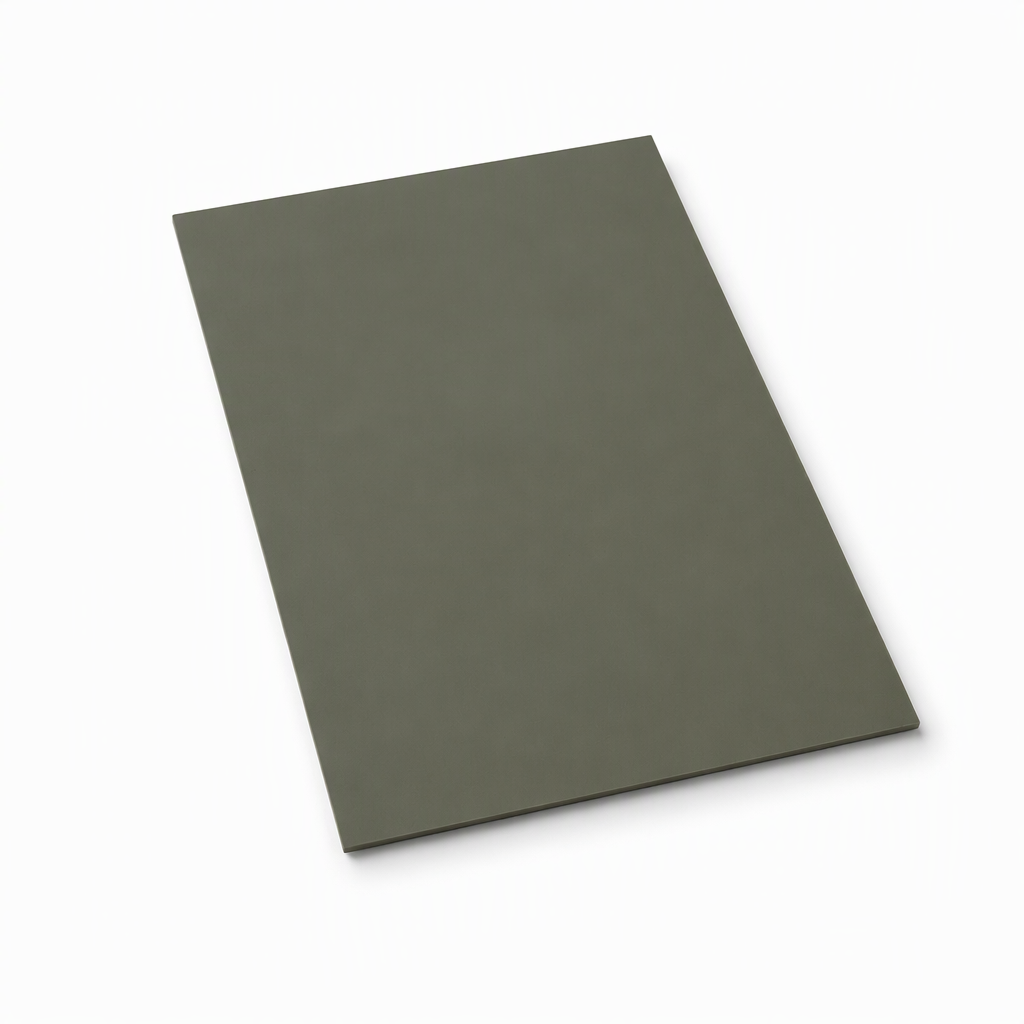
1230*2450mm Grey Green HPL Sheet Decorative High Pressure Laminate Panel for Furniture Interior
A muted grey-green decorative HPL sheet for furniture fronts, wardrobes and interior wall panels. It can be pressed onto oversized MDF cores to achieve a durable, easy-clean surface with architectural colour consistency.
- 1230 × 2450 mm decorative format
- Furniture, panel and interior use

HPL Plywood E0 Fire Resistant Sanded Surface Double-Sided Decoration 4X8 18mm Furniture Plywood
A double-sided decorative HPL plywood with E0 and fire-resistant positioning. It is suitable where an oversized MDF project also requires structural panels, wet-area companions or furniture components with reliable surface bonding.
- Sanded surface, 4×8 ft format
- E0 and fire-resistant program option
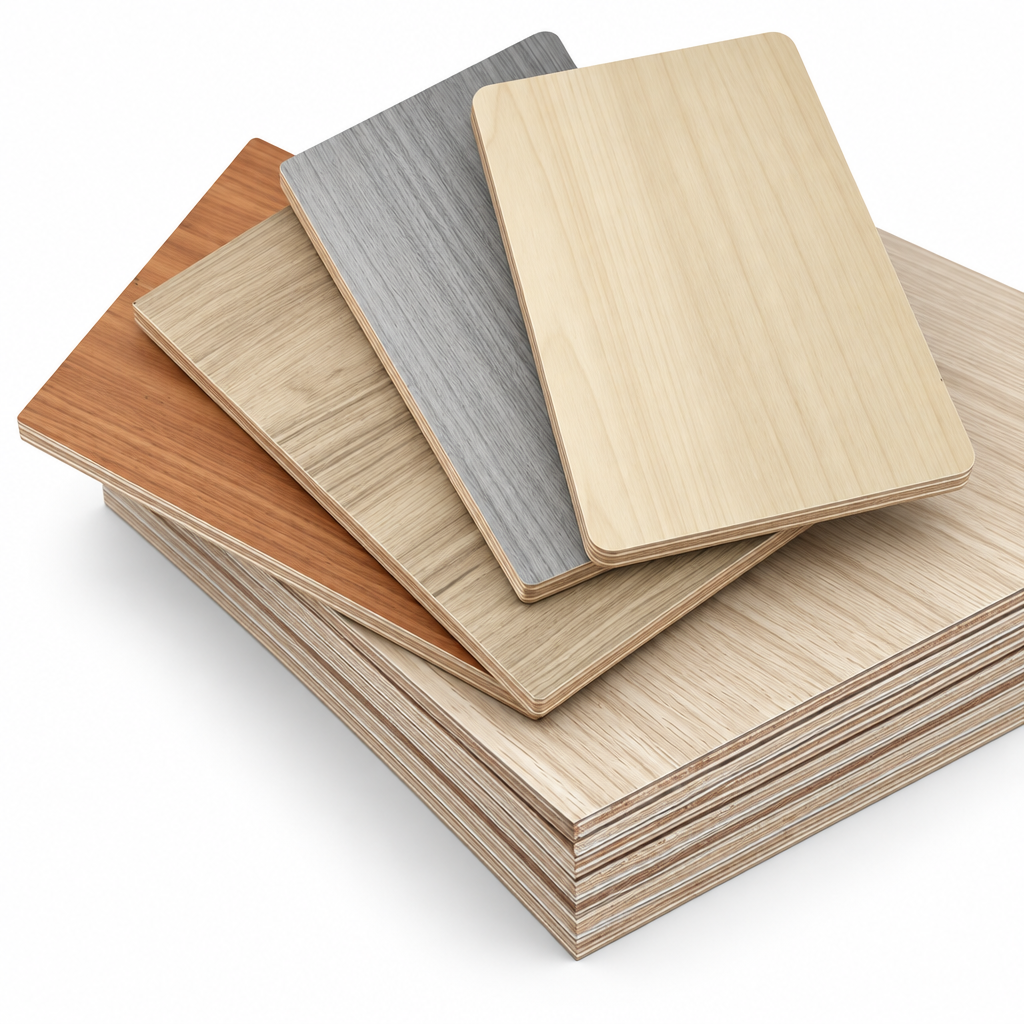
Factory Direct Wood Grain Decorative High Pressure Laminate Sheets HPL Panel for Furniture Cabinet Wall Cladding
Factory-direct wood-grain HPL for cabinets, wardrobes, wall cladding and shopfitting. Grain direction, batch colour and surface texture can be aligned with oversized MDF door and panel production.
- Decorative wood grain surface
- Furniture, cabinet and wall use
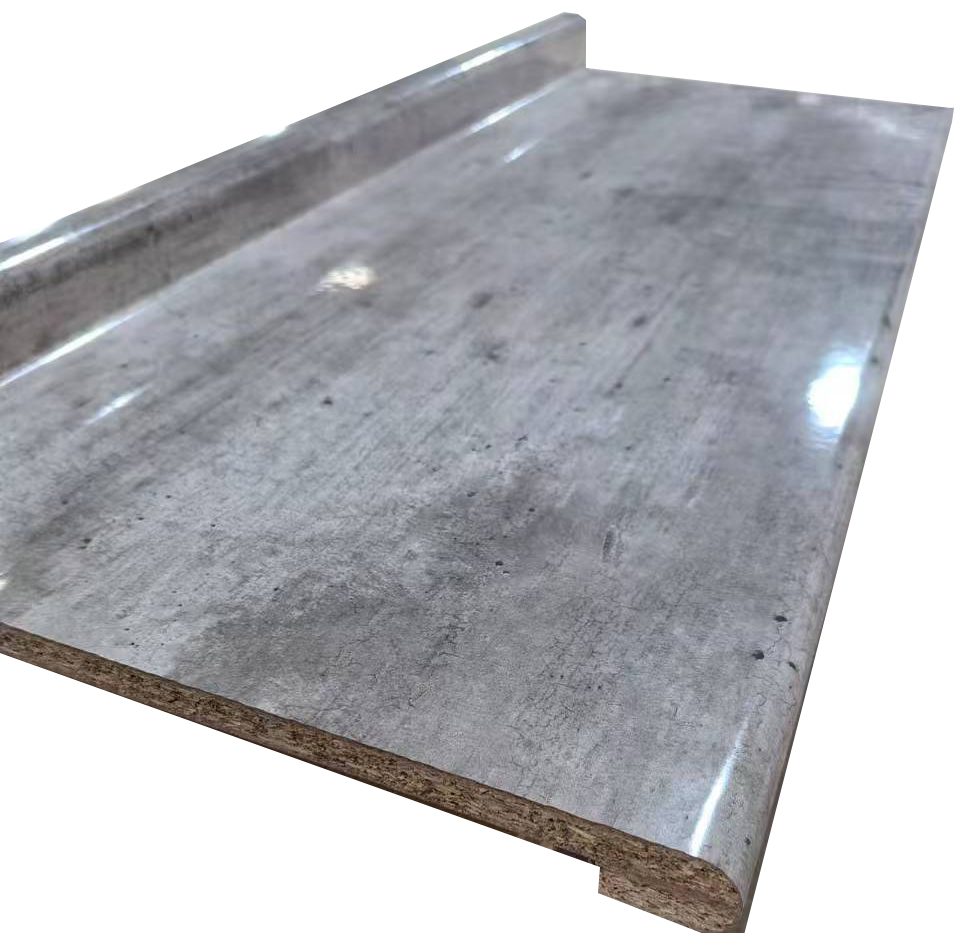
Linyi Hpl Melamine Board Plywood HMR MDF Sheet 18mm 25MM Melamine Board Furniture Board for KITCHEN COUNTERTOPS
A practical companion for oversized MDF procurement when moisture resistance is mandatory. HMR MDF with HPL or melamine faces is commonly specified for kitchen countertops, vanity units and wet-area cabinetry.
- 18 mm and 25 mm options
- HMR MDF, melamine and kitchen use
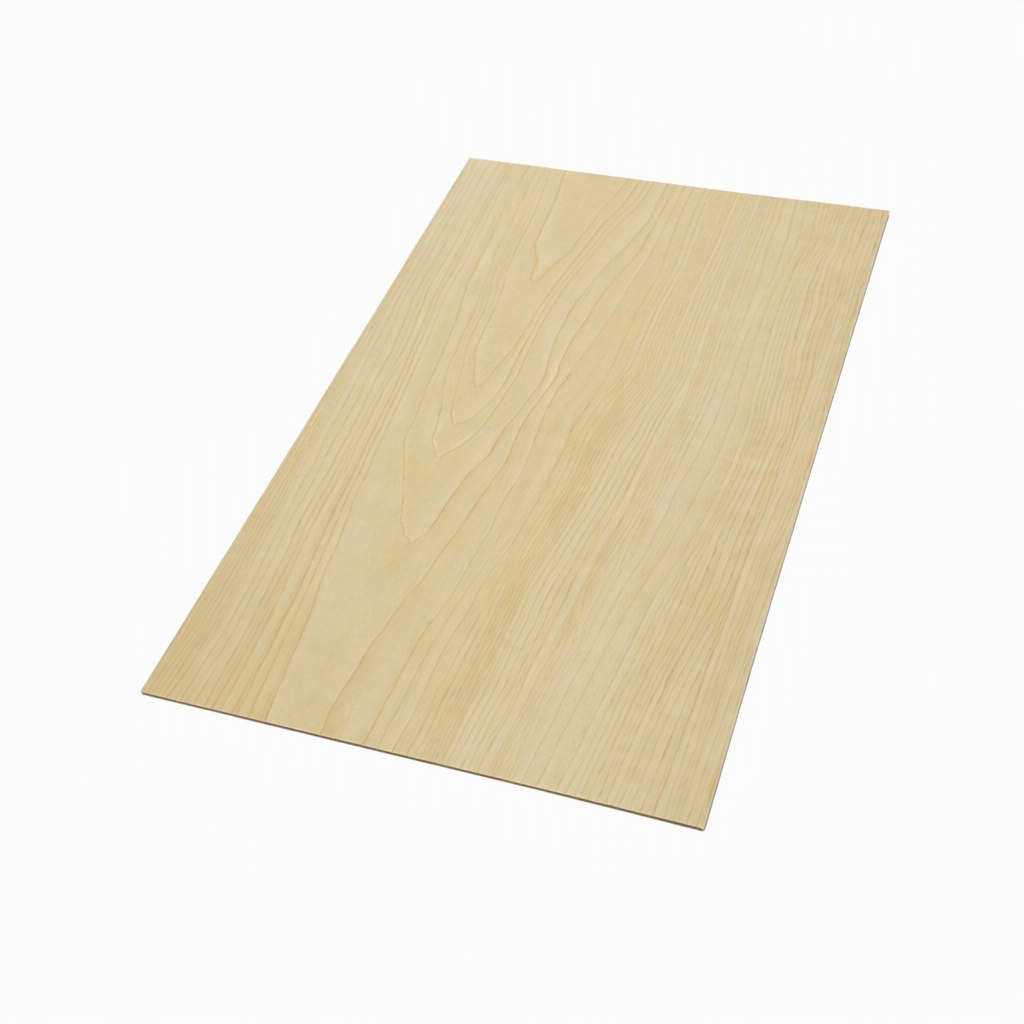
0.7mm Light Wood Grain High Pressure Laminate HPL Decorative Panel Sheet for Wall and Furniture
A thin decorative HPL that adds a light wood-grain finish to MDF faces while keeping panel weight and finishing cost under control. Suitable for furniture fronts, wall panels and interior fit-out.
- 0.7 mm high pressure laminate
- Light wood grain decorative finish
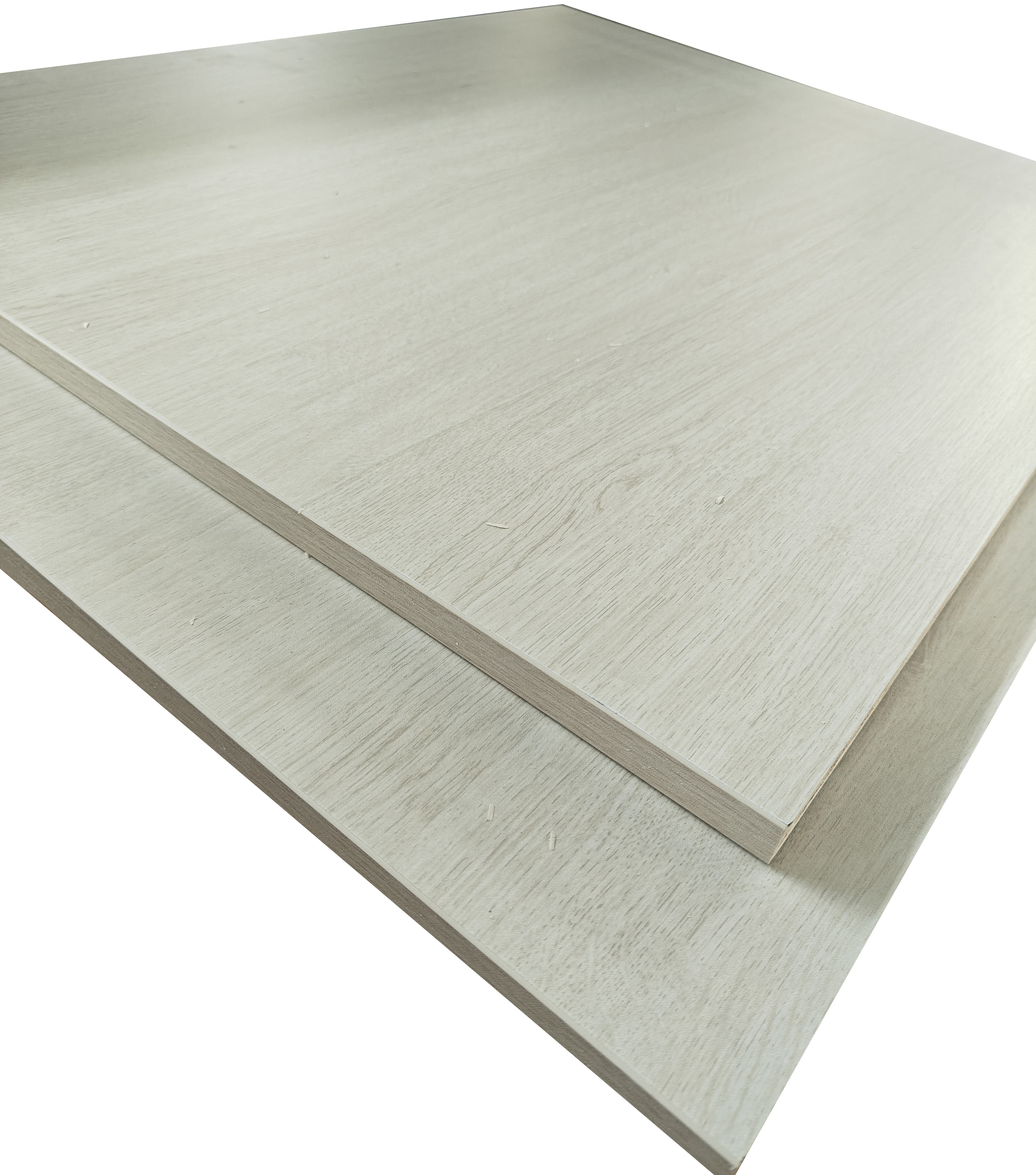
Linyi Supplier Professional HPL Formica Plywood for Furniture High Pressure Phenolic Resin HPL Compact Laminate Board
High-pressure phenolic compact laminate for demanding furniture and project surfaces. It is useful when the project brief requires a self-supporting, impact-resistant panel alongside oversized MDF components.
- Phenolic compact laminate board
- Furniture and high-use project surfaces

18mm Fire Retardant HPL Faced Plywood Birch Core 1220x2440mm Furniture Panel
A birch-core, fire-retardant HPL faced plywood for furniture and construction panels. It complements oversized MDF specifications in public buildings, transport interiors and commercial fit-outs.
- 18 mm, 1220 × 2440 mm
- Birch core and fire-retardant positioning
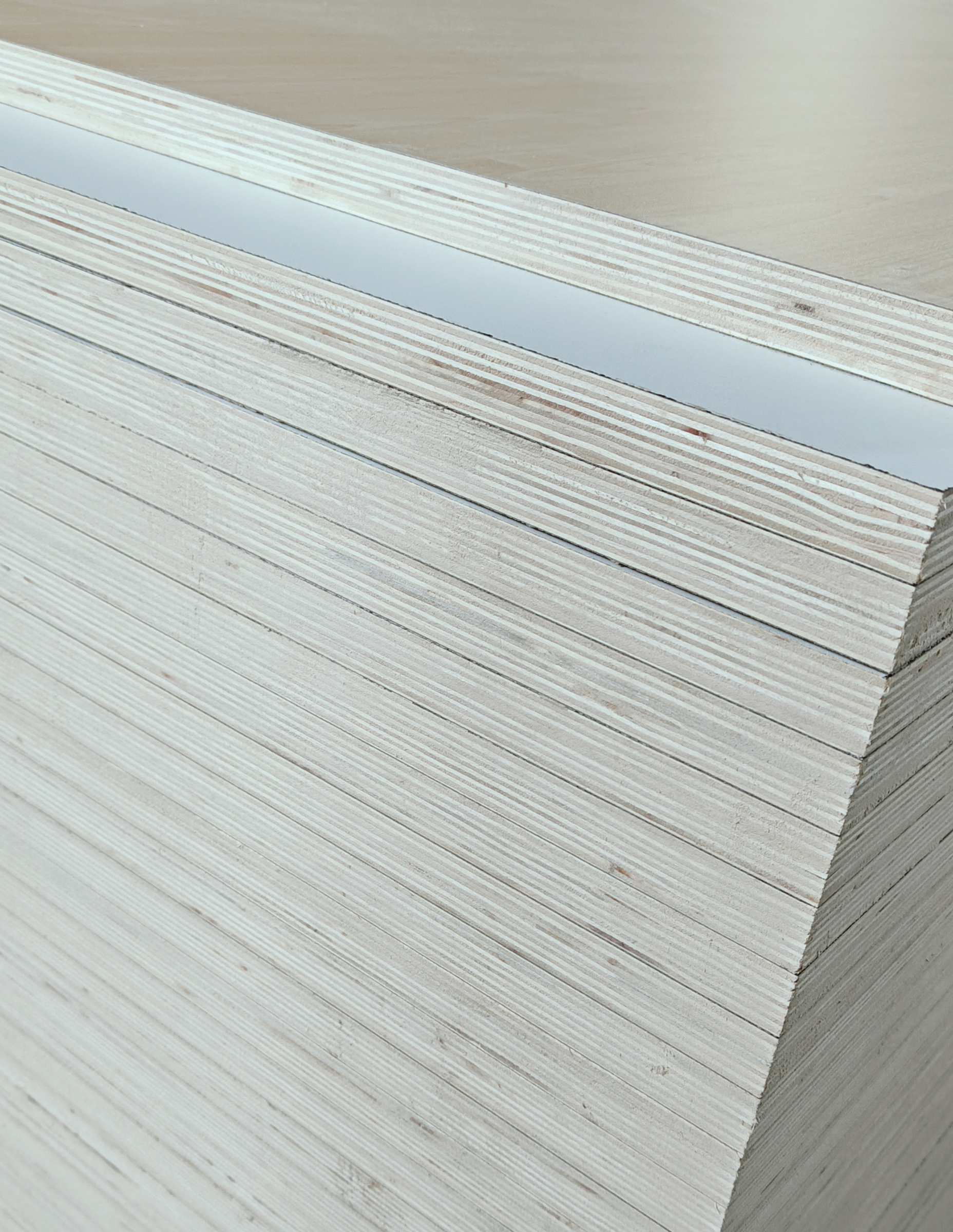
Modern Design Chinese Marine HPL Poplar Plywood E0 Fire Resistant Sanded Surface 4X8 15mm 1220X2440 Construction Sheet Price
A 15 mm E0 fire-resistant marine HPL poplar plywood for construction and interior applications. The sanded surface supports bonding, coating and laminate processing where moisture exposure is part of the project risk profile.
- 15 mm, 1220 × 2440 mm, 4×8
- Marine HPL poplar plywood, E0 positioning
CE Certified Oversized MDF Sheets: A Technical Buying Framework
CE certification is not a label that can be separated from the board, the factory and the evidence pack. For oversized MDF, the buying decision is a chain of verifiable specifications.
CRetified MDF is often discussed as if it were a single paper document. In practice, a defensible CE-marked MDF supply chain is an evidence chain. For MDF placed on the EU market under EN 13986, the manufacturer’s Declaration of Performance (DoP) should align with the actual board type, density, thickness, reaction-to-fire classification, formaldehyde release class and intended use. Factory production control (FPC) records must support the declared values, and test reports should match the production period and recipe rather than an obsolete sample from several years earlier.
Oversized MDF is normally understood as a board format beyond the conventional 1220 × 2440 mm sheet. Common project requests include 1830 × 2750 mm, 1830 × 3660 mm, 2100 × 2800 mm, 2440 × 3660 mm and custom cutting sizes. Larger formats reduce visible joints on tall wardrobe doors, kitchen islands, reception desks, wall panelling and retail fixtures. They also improve yield when a project has been designed around fewer panel seams. However, the real benefit is not the format alone; it is the combination of flatness, thickness tolerance, density consistency and machining stability across the entire batch.
Buyers should therefore evaluate total landed cost, not only the price per sheet. An oversized sheet that saves CNC time, edge-banding labour, visible joints and finishing work may be more economical than a lower-priced standard sheet with higher waste. Before ordering, request a cutting layout or nesting study, confirm the usable surface after trimming, and check whether the chosen thickness will remain stable under the intended humidity, load and fixing conditions. For high-end lacquered doors, ask for sanding consistency and patch-free face grades; for HPL-faced production, confirm press cycles and adhesive compatibility.
As a verified trading company and multispecialty supplier, Linyi Fipdm Import And Export Co., Ltd. works with vetted partner mills in Linyi, China. Our role is to match the buyer’s technical brief with the right mill, consolidate related boards such as HPL, plywood, HMR MDF and compact laminate, and inspect materials and finished products before shipment. This model helps importers and furniture factories reduce supplier risk without losing access to the product breadth of China’s largest wood-based panel cluster.
- CE scope: confirm that the DoP, board description, thickness and intended use refer to the product actually ordered.
- Formaldehyde: specify E1, E0, CARB Phase 2 or TSCA Title VI requirements according to the destination market.
- Moisture and fire: request HMR or FR performance evidence when the application requires it; do not rely on colour alone.
- Quality consistency: agree on a pre-shipment inspection checklist for dimensions, surface, edges, density and packaging.
Future Procurement Trends for Oversized MDF Buyers
Procurement teams are moving from transactional sheet buying to documented, traceable and application-specific panel programs. The following signals are increasingly visible in multi-market furniture and interior project briefs.
Digital DoP and Batch Traceability
Buyers increasingly ask for a CE DoP, test evidence and batch references in one file set. Digital documentation will become part of supplier qualification, not an afterthought at shipment.
Oversized Formats as Yield Strategy
6×10, 7×10 and custom oversized sheets are being specified to reduce seams on tall doors, feature walls and long counters. Layout drawings are becoming a standard part of the quotation request.
Low-Emission Specifications by Default
E0, CARB Phase 2 and TSCA Title VI language now appears in more briefs, even where local rules allow lower grades. Low-emission MDF is becoming a baseline requirement for export furniture.
MR and FR Grades in One Program
Kitchen, bathroom, laboratory and commercial fit-out buyers are combining HMR and FR MDF requirements in one annual program, reducing the number of suppliers they manage.
Mixed-Container Consolidation
Small and mid-size importers are combining oversized MDF with HPL, plywood, compact laminate, LVL or door cores to reach efficient container loads without overstocking one SKU.
Verified Suppliers Over Lowest Price
Third-party verification, on-site inspection and documented corrective action are gaining weight in supplier scorecards. The cheapest quotation is less attractive when the evidence pack is incomplete.
Product Development Trends in Oversized MDF and Decorative Panels
Panel development is moving toward flatter, lighter, more stable and more factory-finished products. For buyers, these trends affect tooling, finishing lines, packaging and project design.
Larger, Flatter Formats
Oversized MDF continues to move toward 1830 × 3660 mm, 2100 × 2800 mm and larger custom formats. Press uniformity, cooling control and caliper consistency are becoming differentiators.
Low-Density, High-Strength Cores
Furniture manufacturers want lighter panels without sacrificing screw-holding strength or machinability. Low-density MDF development is particularly relevant for wardrobe doors, panels and modular furniture.
Deep Embossed and Synchronised Surfaces
Matt, super-matt and synchronised-pore finishes are increasingly paired with matching edge banding. Surface texture, colour batch and grain alignment now matter as much as the board itself.
Factory-Faced Oversized MDF
HPL-faced, veneered and melamine-faced oversized MDF panels reduce in-house finishing steps. Buyers are asking for press-ready surfaces, controlled adhesive lines and consistent face quality.
Fire and Moisture Engineered MDF
FR and HMR MDF grades are moving from niche specification to mainstream project requirement. Suppliers must connect the product claim with test evidence, density control and consistent production.
CNC and Paint-Ready Surfaces
Consistent sanding, stable density and clean edges help reduce primer consumption and finishing defects. Oversized MDF that machines reliably can lower total labour cost for door and panel factories.
Why Linyi Fipdm Is a Reliable Oversized MDF Export Partner
Linyi Fipdm Import And Export Co., Ltd. is a verified trading company and multispecialty supplier based in Linyi, Shandong, China. The company combines HPL, compact laminate, fibreboards, flakeboards, plywoods, LVL, door cores and related surface materials from vetted partner mills into one managed supply chain.
For an overseas buyer, the challenge is not finding a board; it is finding a supplier who can keep a specification stable across repeated orders. Fipdm’s operating model is built around that need. The team reviews the buyer’s end application, target market, CE and formaldehyde requirements, surface direction and packing plan, then matches the order to the appropriate partner mill. Before shipment, the team checks material at the mill and inspects finished products for thickness, surface, edges, dimensions and packing. This two-stage approach is the practical difference between a quotation and a repeatable supply program.
The company’s platform profile and third-party assessment support the credibility of its export operations: Intertek-verified supplier status, a #4 top-selling supplier ranking in the Plywoods category, nine years of industry experience and a 5.0 buyer rating. The team also provides flexible customization, including minor logo, packaging and graphic changes, sample-based customization, design-based customization and ODM development. For buyers who need one accountable contact across multiple board families, this breadth reduces communication cost and shipment risk.
Two-Stage Quality Control
Material checks at the partner mill and finished-product inspection before loading. Checks cover thickness, surface, edges, dimensions and packaging consistency.
Flexible Customization
Minor logo, packaging and graphic changes, sample-based customization, design-based customization, full customization and ODM support for distributor programs.
Multi-Category Consolidation
Combine oversized MDF, HPL, compact laminate, MDF, plywood, LVL and door cores in one container to reduce freight and supplier administration cost.
On-Site Technical Support
Engineer support for project buyers on installation guidance, panel handling and surface application questions for cladding, partitions and furniture.
Low-Emission Board Options
E0 and E1 formaldehyde grades are available depending on product line, with matching documentation for destination market requirements.
Export-Ready Logistics
Export documentation, seaworthy pallet packing and loading photos shared with buyers before shipment. Mixed loads can be planned around container efficiency.
 Company Video Introduction
 Export Team Support
 Warehouse and Stock
 Partner Production Line
Quality Control, Testing and Export Workflow
A CE-certified oversized MDF program is only credible when the quality workflow produces evidence. Fipdm coordinates four practical checkpoints from specification to loading.
1. Specification Lock
Confirm format, thickness, density, emission class, surface, moisture or fire requirement, packaging and destination market documents before production.
2. Mill Material Check
Check raw board identity, thickness, surface condition and batch consistency at the partner mill before laminating, cutting or packing.
3. Finished Product Inspection
Inspect dimensions, face quality, edges, face bonding, colour and packing. Loading photos and inspection records are shared with the buyer.
4. Loading and Documents
Review packing, pallet protection, container loading plan and export documents. Provide the agreed compliance and inspection file set for the order.
Specification Snapshot for Purchasing Teams
Use this quick reference to structure an inquiry for CE-certified oversized MDF sheets and related surface boards. Final options depend on the chosen partner mill, destination market and order quantity.
| Specification Area | Typical Options to Discuss | Buyer Verification Point |
|---|---|---|
| Oversized format | 1220×2440 mm, 1830×2750 mm, 1830×3660 mm, 2100×2800 mm, 2440×3660 mm and custom cutting | Confirm usable size after trimming, container loading plan and CNC nesting efficiency. |
| Thickness range | Common furniture and project thicknesses, including 6 mm to 30 mm depending on product line | Ask for thickness tolerance and caliper consistency across the batch, not only the nominal value. |
| Density and machining | Standard density, low-density high-strength and project-specific machining grades | Match the board to screw-holding, edge-banding, painting and CNC requirements. |
| Formaldehyde class | E1, E0, CARB Phase 2 or TSCA Title VI compliance according to market | Check that the test report, production period and DoP reference align with the ordered board. |
| Moisture resistance | Standard MDF, HMR MDF and sealed-edge designs for kitchens and wet areas | Do not rely on core colour alone; request grade evidence and a sealing recommendation. |
| Fire performance | FR MDF or fire-retardant faced panels where the project requires classification | Ask for the applicable reaction-to-fire classification and confirm the tested product construction. |
| Surface and finish | Sanded, melamine-faced, HPL-faced, veneered, UV coated and paint-ready surfaces | Confirm face grade, grain direction, colour batch, edge banding match and press quality. |
| Documentation | CE DoP, factory production control evidence, formaldehyde report, FSC evidence where applicable | Agree the exact document list before deposit and keep a sample reference for repeat orders. |
Specifications are shown for purchasing discussion. Confirm final tolerances, test standards and documentation with your order confirmation.
Frequently Asked Questions from B2B Buyers
These are the questions that matter most when comparing suppliers for oversized MDF and related panel programs.
Are you a manufacturer or a trading company?
What does CE certified mean for oversized MDF sheets?
What sizes are considered oversized MDF?
Which formaldehyde emission grades can you supply?
Can I order HMR, FR, melamine or HPL-faced oversized MDF?
How do you control quality and shipment?
Request a CE-Compliant Oversized MDF Quotation
Send your sizes, thickness, surface direction, formaldehyde target, fire or moisture requirement, destination market and estimated annual volume. Our export team will respond with matched options, documentation checkpoints and a practical loading plan.