8 Recommended MDF and HPL Panel Products for 2025 Buyer Shortlists
These eight panel products are our current shortlist for buyers building CE MDF and decorative surface programs. Use HPL and compact laminate surfaces with MDF cores for cabinets, door skins, wall panels, contract furniture and wet-area applications. Every product link below is retained for direct specification review.
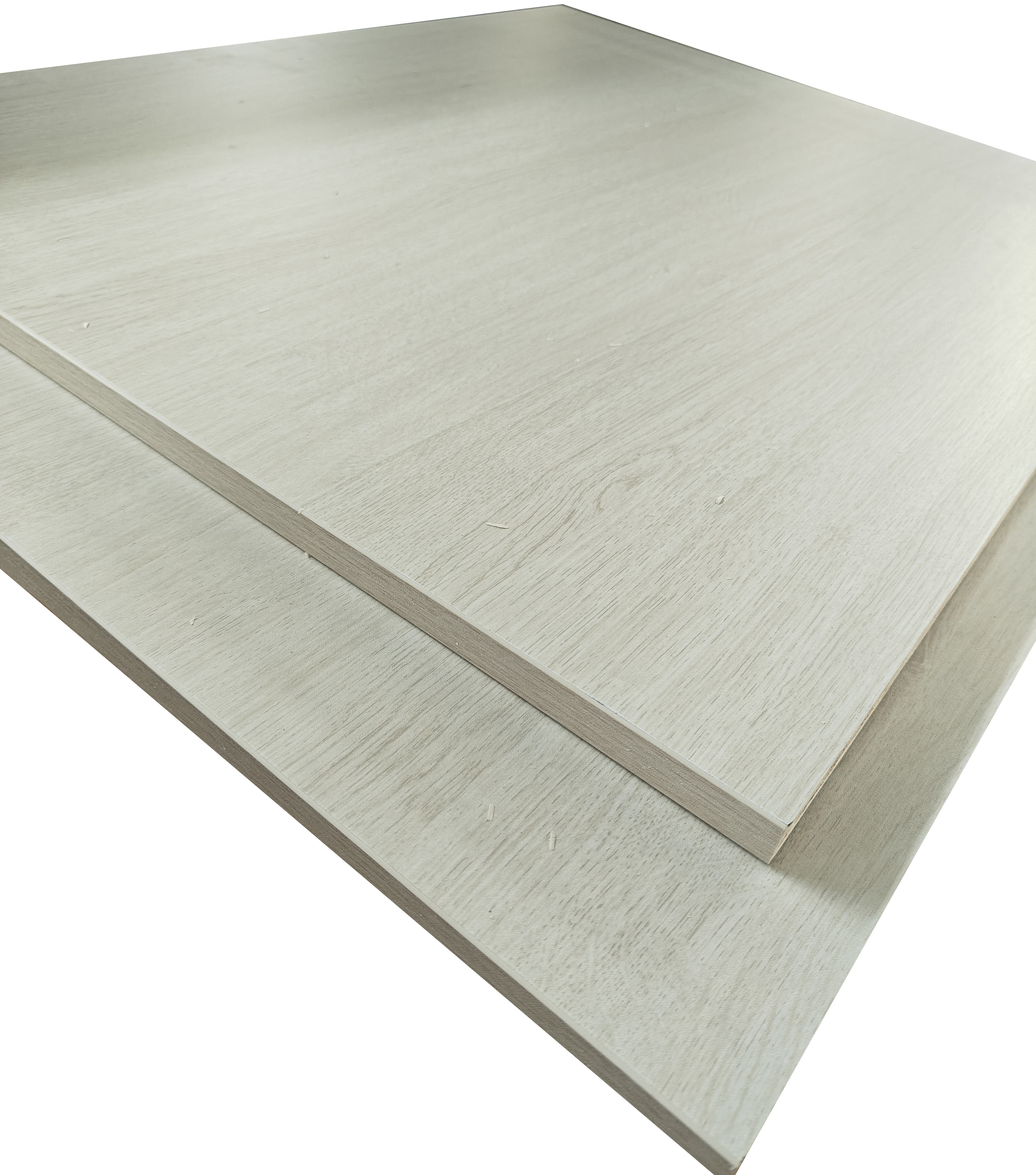
Professional HPL Compact Laminate Plywood for Furniture
High-pressure phenolic surface for contract furniture, vanities and wall panels; pairs with moisture-resistant MDF or plywood cores.
View product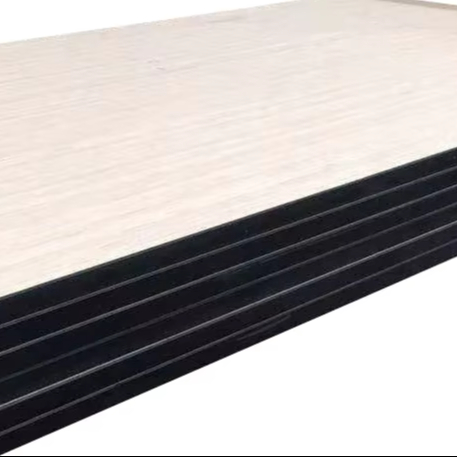
1300 × 2800 mm HPL Laminated MDF & Plywood for Cabinets
Large-format black HPL surface for bathroom cabinets and retail fixtures; available with MDF core for CE MDF programs.
View product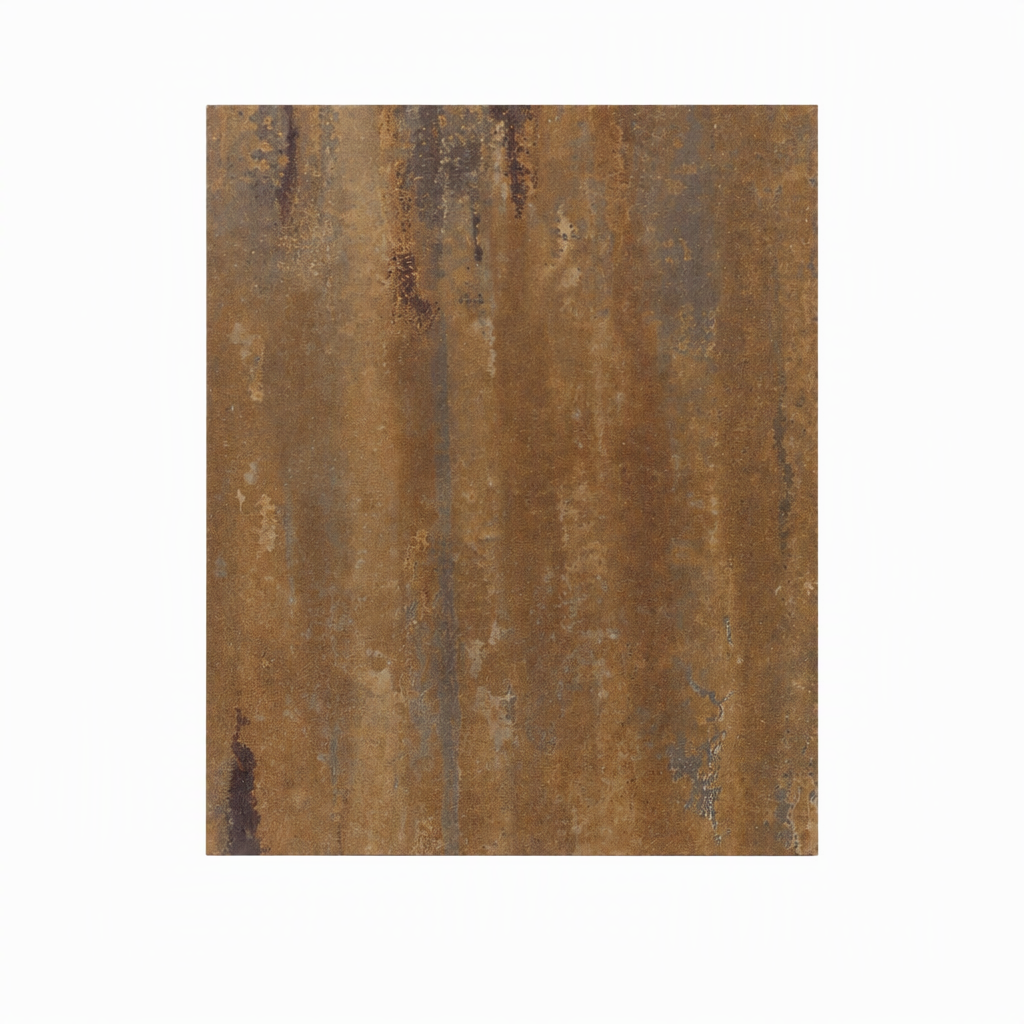
0.8 mm Brown Stone Look HPL Interior Wall Panel
Decorative stone-look laminate for feature walls, lift lobbies and retail interiors; a lighter alternative to solid stone.
View product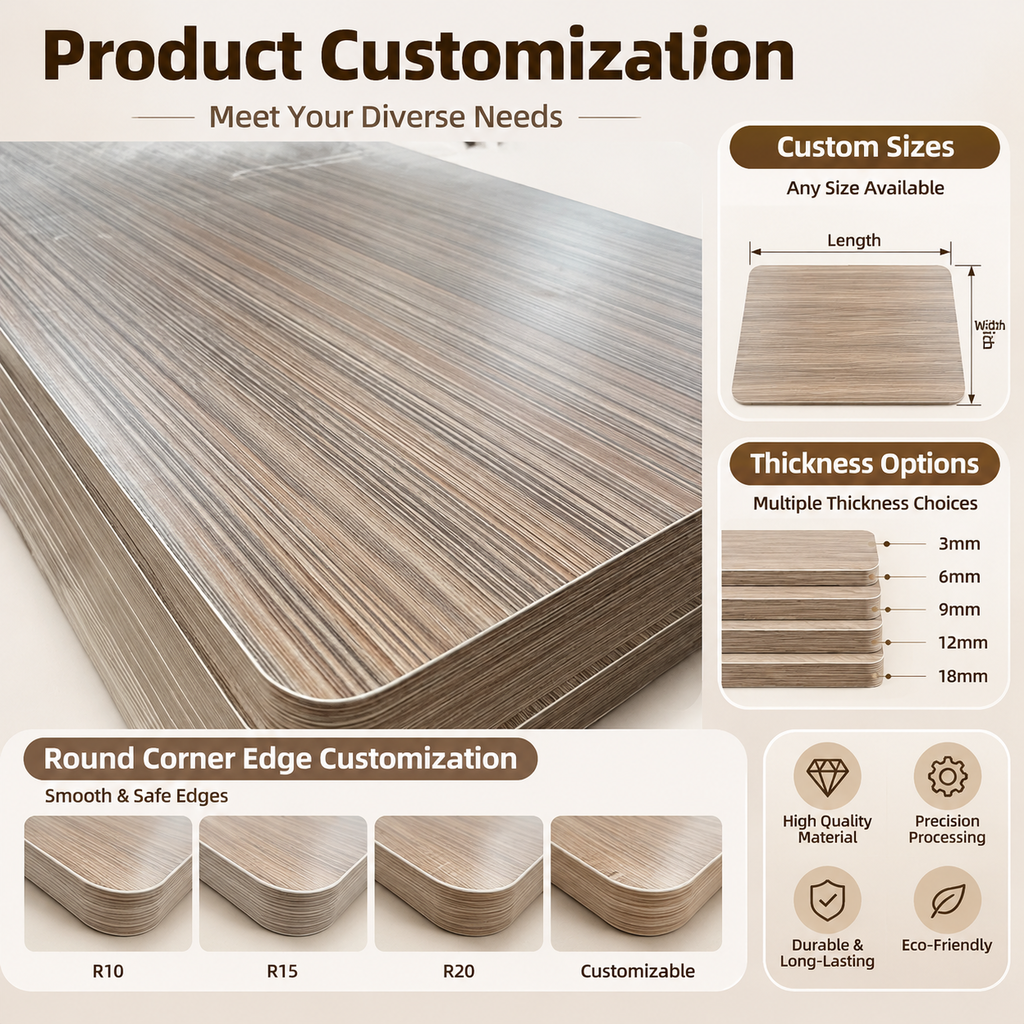
Wood Grain HPL Compact Sheet — Waterproof & Fire-Resistant
Wood-grain decorative surface for furniture and interior fit-out where water resistance and fire performance are specified.
View product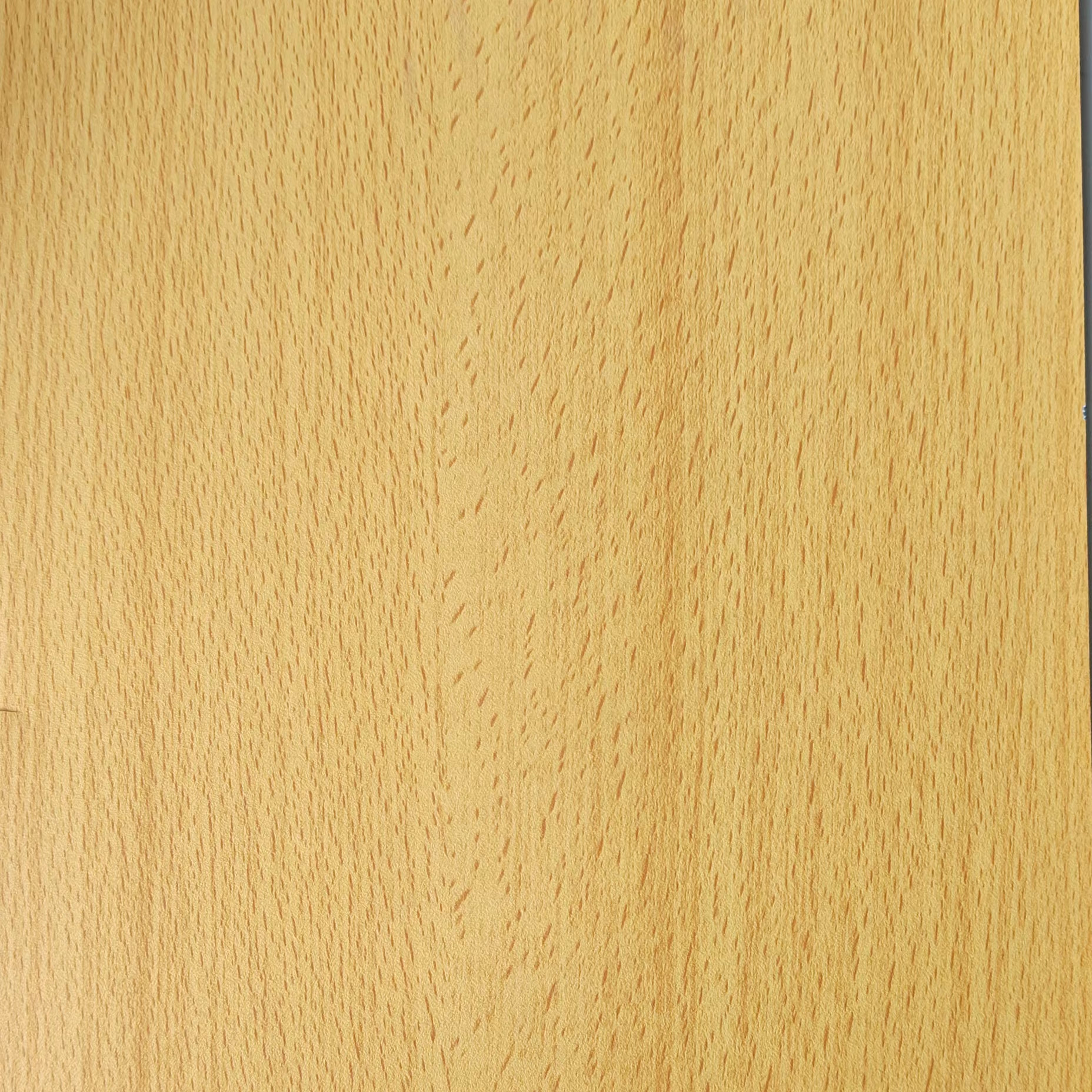
Lightweight Wood Grain HPL Plywood for Cabinet Furniture
Weight-conscious panel construction for cabinets, doors and furniture frames where freight and handling costs matter.
View product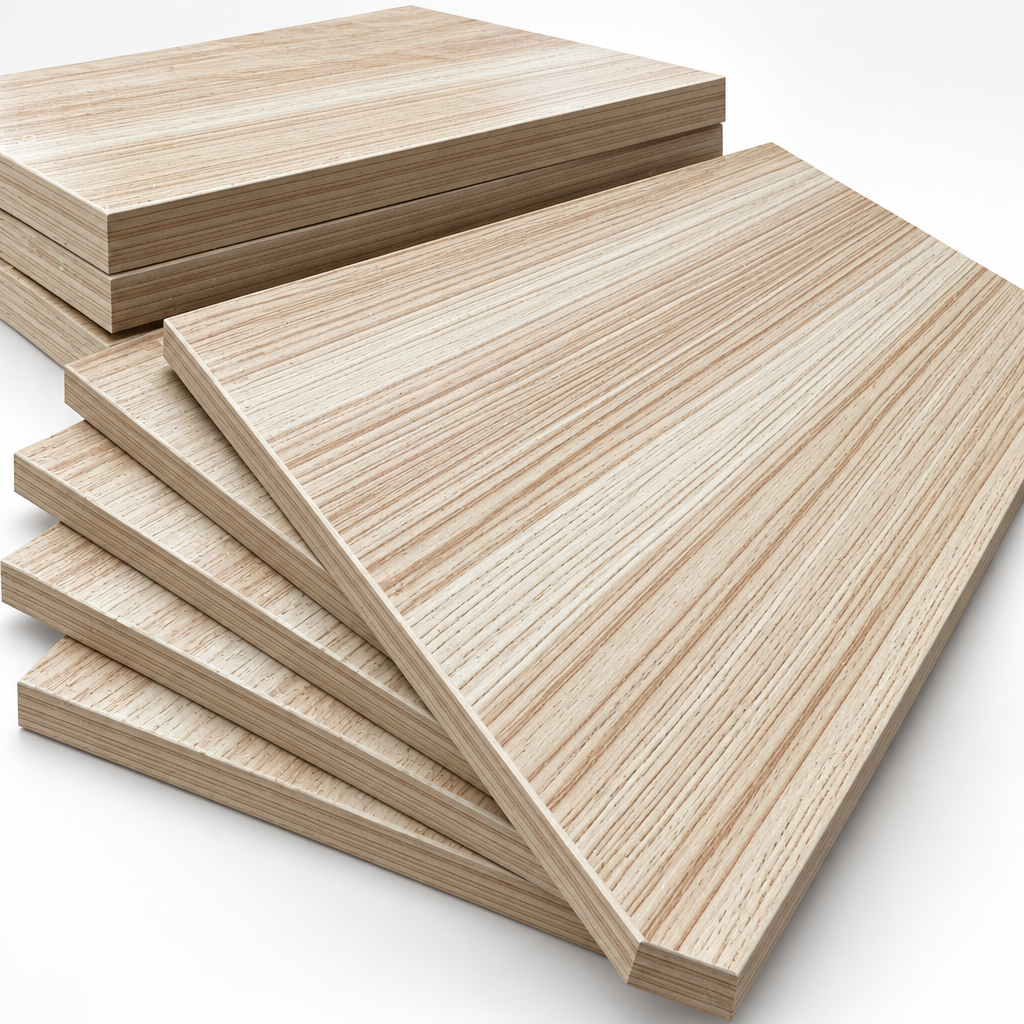
Wear-Resistant HPL Plywood for Kitchen & Furniture Panels
High abrasion resistance for kitchen cabinets, laundry units and education furniture exposed to daily use.
View product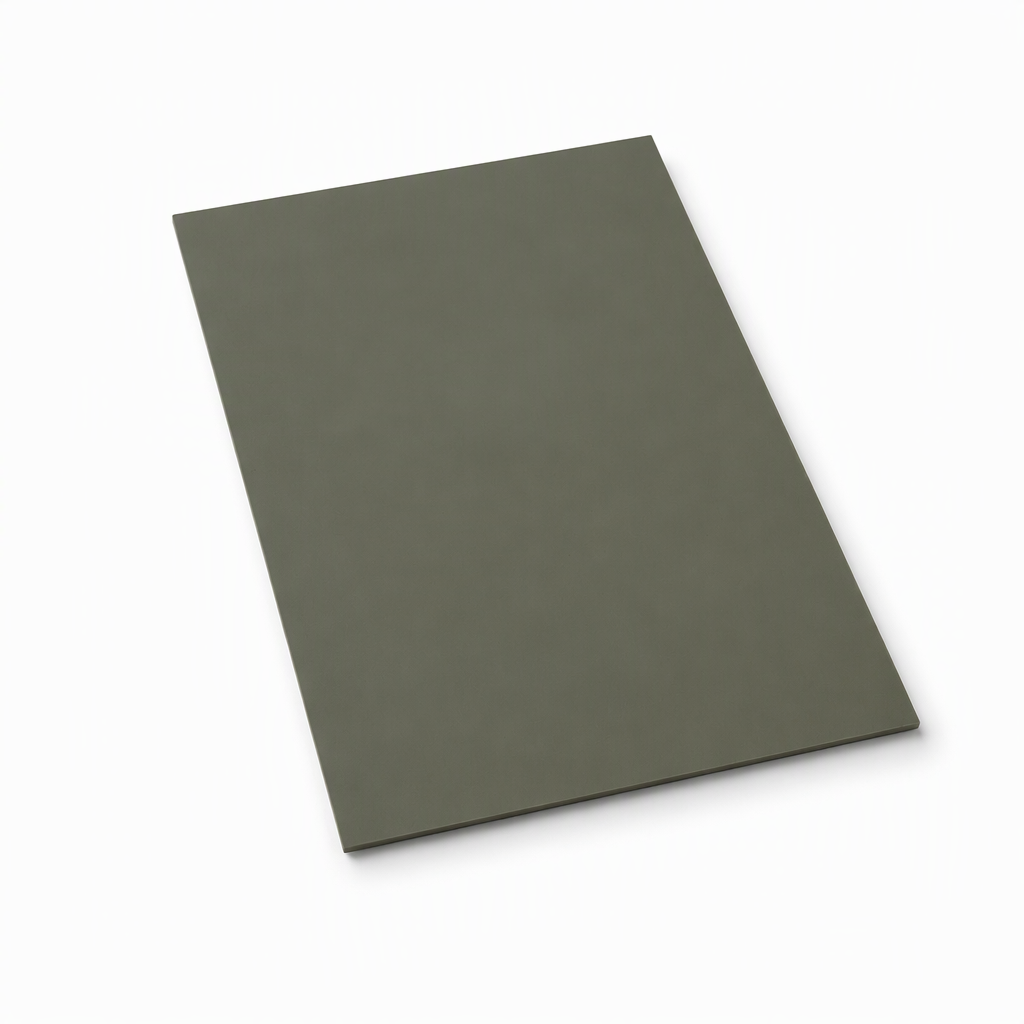
1230 × 2450 mm Grey-Green Decorative HPL Panel
Contemporary grey-green decor for interior fit-out, wardrobes and commercial furniture; can be bonded to MDF substrates.
View product
E0 Fire-Resistant HPL Plywood, 4×8 ft, 18 mm
Low-emission core and fire-resistant surface for public, residential and contract furniture projects with tighter specifications.
View productFacts Buyers Check Before Approving an MDF Wholesaler
Our current verified supplier profile, inspection process and consolidation model are built to reduce the hidden costs of inconsistent panels, missing documents and fragmented shipments.
What “CE Certified MDF” Should Mean to a Professional Buyer
CE marking is not a single marketing badge that can be applied to every board in a warehouse. For wood-based panels, the relevant harmonised standard is usually EN 13986, and a credible MDF exporter should be able to align each SKU with a Declaration of Performance, formaldehyde emission class, reaction-to-fire declaration where applicable, and factory production control evidence. European importers need to see how the declaration maps to the actual order: intended use, density or thickness class, surface finish, edge treatment and performance characteristics. A trustworthy supplier will clearly separate what is available from what is genuinely covered by the shipment documentation.
Medium density fiberboard is a homogeneous panel made from refined wood fibres, resin and additives, formed under heat and pressure. It machines cleanly, holds a crisp edge and accepts melamine paper, HPL, veneer, UV coating and paint. That is why MDF remains the default substrate for kitchen cabinets, wardrobe doors, shop fixtures, office furniture, acoustic panels, door skins and engineered flooring underlays. A professional CE MDF program should define density, thickness tolerance, moisture resistance, surface absorbency, screw-holding strength, sanding quality and formaldehyde emission before price is negotiated.
The practical question is not only “Can you supply CE MDF?” but “Which MDF grade is being declared for which application?” An E1 board may be the baseline for many European markets, while E0 is often a voluntary lower-emission specification requested by furniture brands and distributors. Buyers targeting the United States may ask for CARB Phase 2 or TSCA Title VI documentation. Buyers in the EU are also increasing due-diligence checks on wood origin and chain of custody. The strongest RFQ includes the destination market, target emission class, panel size, thickness, density expectation, surface finish, application and required documents.
Formaldehyde documentation
Request the declared emission class and test report. Confirm whether E1, E0, CARB Phase 2 or another route applies to your market.
Thickness and density
Typical furniture MDF sits within a practical density range, but thin HDF and specialty boards differ. Verify nominal density and tolerance in writing.
Moisture resistance
HMR MDF with a moisture-resistant core is common for kitchens, bathrooms and utility furniture. Do not assume standard MDF is suitable for wet areas.
Fire performance
Fire-retardant MDF and FR surface systems need clear reaction-to-fire evidence. Check the scope of the DoP and the intended end use.
Surface and machining
Check sanding caliper, surface absorbency, edge density and face quality before laminating, painting or CNC routing.
Packing and loading
Seaworthy pallets, edge protection, moisture barrier and loading photos reduce claim risk and protect the investment before arrival.
| MDF Grade / Format | Typical Application | Specify in RFQ | Compliance Note |
|---|---|---|---|
| Plain sanded MDF | Furniture, shop fitting, painted panels | Size, thickness, density, sanding grade | Request DoP, emission class and test report |
| HMR MDF | Kitchens, bathrooms, laundry and utility furniture | Moisture-resistant core, thickness, face quality | Confirm water-resistance claim and intended use |
| Melamine faced MDF | Cabinets, wardrobes, office furniture | Decor code, finish, substrate grade, glue line | Check core emission and laminate adhesion |
| Fire-retardant MDF | Commercial interiors, schools, hospitals, public spaces | FR class, density, thickness, surface | Verify reaction-to-fire statement and DoP scope |
| HDF / thin MDF | Door skins, drawer fronts, routed profiles | Thickness tolerance, density, machining quality | Confirm surface consistency and screw-holding data |
| Veneered MDF | Premium furniture, hotel and residential joinery | Veneer species, substrate, finish, edge details | Match veneer batch and substrate emission data |
The grades above are RFQ planning examples, not a substitute for the final product declaration. Confirm exact dimensions, tolerances and documents with your quotation.
Where MDF Product Development Is Moving Next
MDF is no longer a commodity-only conversation. Buyers are differentiating programs through emission performance, moisture resistance, surface design and machining consistency.
Low-emission becomes a baseline
E0, E1, CARB Phase 2 and TSCA Title VI documentation are moving from premium requests to standard RFQ attachments. Buyers want test reports before samples are approved.
HMR and FR MDF enter mainstream
Kitchen, bathroom, school and healthcare projects are specifying moisture-resistant and fire-retardant MDF more often, especially when MDF replaces more expensive substrates.
Surface differentiation beats plain board
Super-matte, anti-fingerprint, synchronised wood grain, stone look and textured finishes help distributors build a design-led range instead of competing on price alone.
Thin HDF and high-density MDF for CNC
Door skins, drawer fronts and routed profiles demand tighter density and thickness control. Consistent machining reduces chip-out, visible glue lines and rework.
Digital printing and UV coating
Small-batch color programs, short-run furniture collections and replacement panels are becoming more feasible when MDF surfaces are digitally printed or UV coated.
Lightweight composite door cores
Lightweight door cores, tubular chipboard and hybrid MDF frames help furniture makers reduce weight while maintaining stiffness, screw-holding and surface flatness.
How Professional Buyers Will Purchase CE MDF Panels
The next procurement cycle will reward suppliers who can prove material performance, origin and shipment consistency — not only quote the lowest price per cubic meter.
Documentation-first sourcing
Approved vendor lists will be built around DoP files, emission reports, fire statements and inspection records. Price will be reviewed after compliance is verified.
Mixed-container economics
Importers will combine MDF, HPL, plywood, compact laminate and door cores in one container to reduce freight, inventory and supplier-management overhead.
Wood-origin due diligence
EUDR planning, chain-of-custody questions and species-origin documentation are becoming part of supplier qualification for European importers.
Transparent remote inspections
Video factory checks, third-party inspection, loading photos and batch traceability help buyers qualify suppliers without visiting every mill.
Why Global Buyers Use Our Linyi MDF and Panel Export Team
Linyi Fipdm Import And Export Co., Ltd. is a verified trading company and multispecialty supplier based in Linyi, Shandong, China’s major wood-based panel production cluster. We combine vetted partner mills, on-site inspection and one accountable export contact.
Linyi cluster access
Direct access to a deep panel and laminate cluster helps buyers compare grades, colors, surfaces and packing options faster, with competitive sampling support.
Two-stage quality control
Material checks at the partner mill and finished-product inspection cover thickness, surface, edges and packing before loading. Loading photos are shared with buyers.
Export documentation discipline
CE DoP support, formaldehyde reports, packing lists, inspection records and shipment photos are managed through one export contact.
Mixed-load consolidation
Combine MDF, HPL, compact laminate, plywood, LVL and door cores in one shipment to improve container utilization and reduce inventory risk.
Customization and ODM
Minor customization such as logo, packaging and graphics is available, plus sample-based, design-based and full customization for distributor programs.
Technical and logistics support
Engineer guidance for cladding, partitions, worktops and furniture panels is paired with export packing and documentation support.

Company introduction and export team overview.

Warehouse stock coordination for consolidated panel orders.

Partner mill production line and material-check process.

Certificates and test reports are reviewed during RFQ qualification.
Questions Buyers Ask Before Ordering CE MDF
Use these answers to prepare a cleaner RFQ and reduce back-and-forth during sampling and quotation.
Are you a manufacturer or a trading company?
We are Linyi Fipdm Import And Export Co., Ltd., a verified trading company and multispecialty supplier based in Linyi, Shandong. We source from vetted partner mills in the Linyi panel cluster and manage on-site material inspection plus finished-product inspection before shipment. Buyers get one accountable export contact across MDF, HPL, compact laminate, plywood, LVL and door cores.
What documents should I request for CE-certified MDF?
Ask for the Declaration of Performance linked to EN 13986, the declared formaldehyde emission class and supporting test report, reaction-to-fire information where applicable, factory production control evidence and the scope of the quotation. For US-bound programs, request CARB Phase 2 or TSCA Title VI documentation where relevant. CE documentation should match the exact SKU and intended use.
Which MDF grades can you support for export projects?
Typical RFQs cover plain sanded MDF, HMR MDF, melamine faced MDF, fire-retardant MDF, veneered MDF and thin HDF or high-density MDF for door skins and routed profiles. E0 and E1 grades are available depending on product line and destination-market requirements. Share your application and target market so the correct board and paperwork can be matched.
Can I combine MDF with HPL, plywood and compact laminate in one container?
Yes. Mixed loads are a core part of our service. Importers often combine MDF cores, HPL decorative surfaces, compact laminate, plywood, LVL and door cores to reach better container efficiency. The packing plan should be confirmed early because panel sizes, weight distribution and moisture protection affect loading.
How do you control quality before shipment?
Our process uses two-stage checks: material inspection at the partner mill and finished-product inspection before loading. Checks can cover thickness, surface quality, edges, squareness, visible defects, packing and loading condition. Where required, third-party inspection can be arranged. We also share loading photos so buyers can review the shipment before departure.
Can you customize sizes, colors, packaging and MOQ?
Yes. We support minor customization such as logo, packaging and graphics, plus sample-based, design-based and full customization, including ODM development. MOQ and lead time depend on panel size, thickness, finish, substrate grade, packaging and whether the order is a mixed container. Send the target specification and shipment window for a practical quotation.
Send Your CE MDF Specification for a Fast Review
Share panel size, thickness, density class, surface finish, formaldehyde target, CE or destination-market requirements, estimated volume and target port. Our export team will reply with matched MDF options, compatible HPL surfaces and a practical packing plan.
info@fipdmplywoods.comLinyi Fipdm Import And Export Co., Ltd. · Room 1206, Building B, Yigao Shanghai Street, Linyi, Shandong, China