CE Certified Marine Plywood Factory & Suppliers
Factory-direct sourcing from Linyi, Shandong for EN 636 / EN 314 marine plywood, WBP moisture-resistant cores and decorative HPL surface systems. Intertek-verified supplier with two-stage inspection, E0/E1 options, mixed-container consolidation and export-ready documentation.
Marine Plywood Product Recommendations & Decorative HPL Surfaces
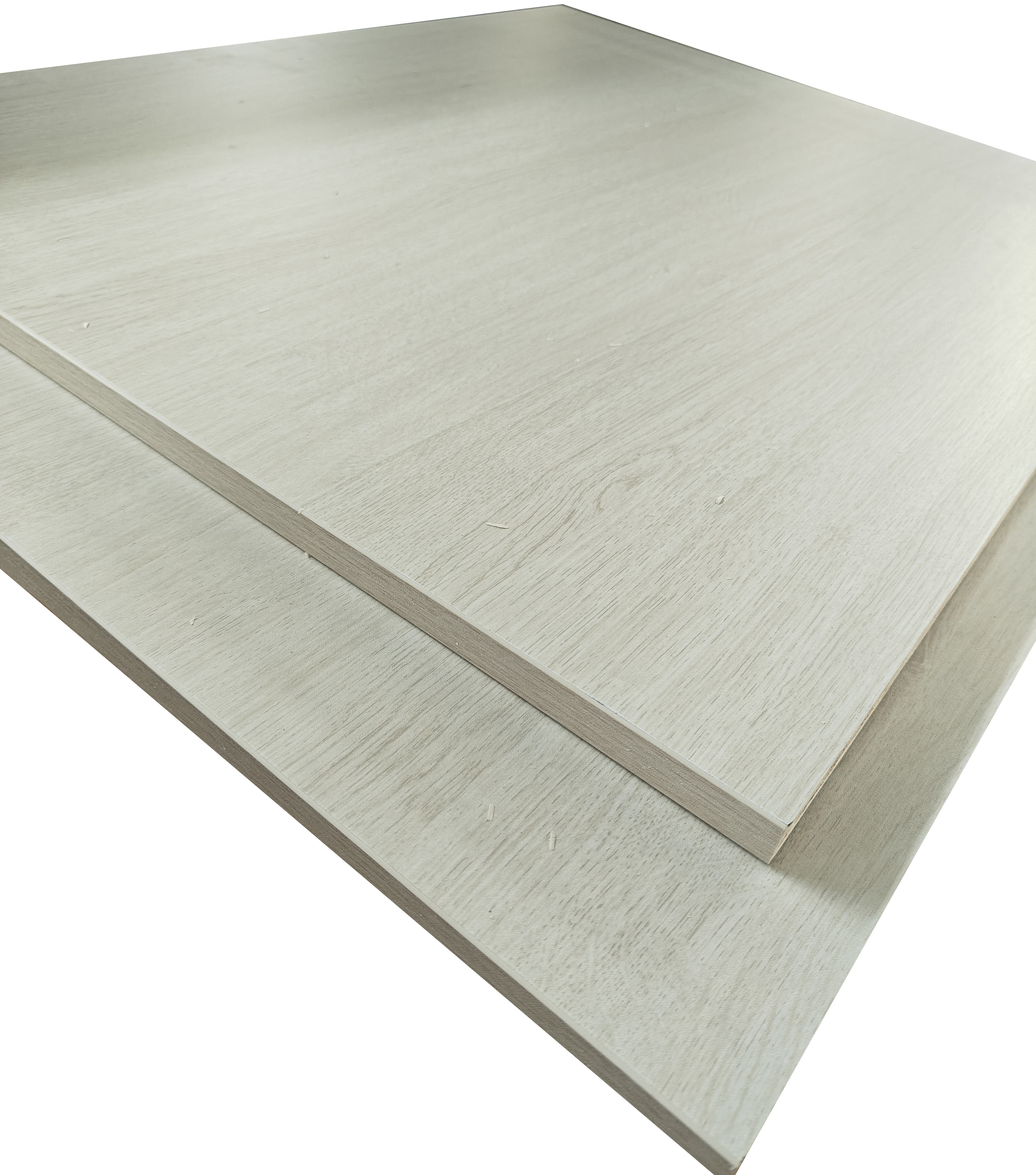
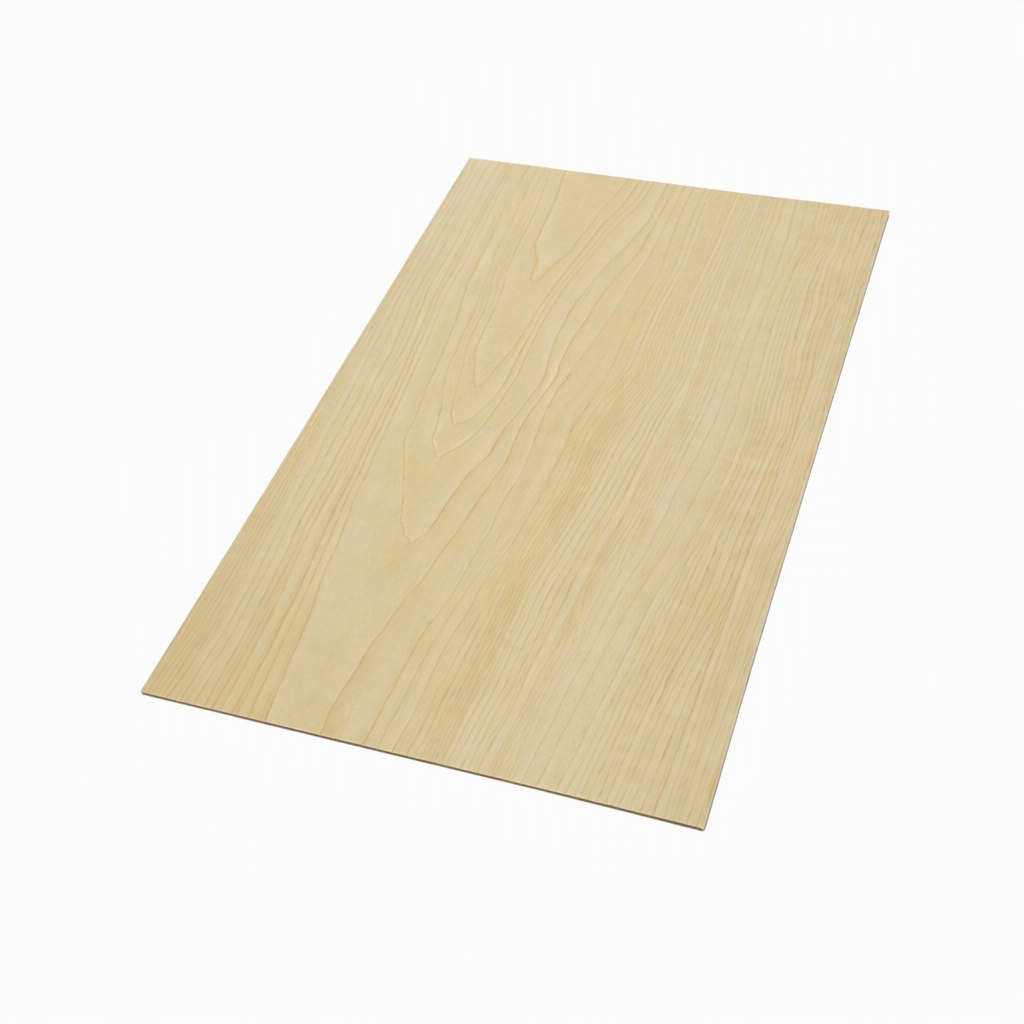
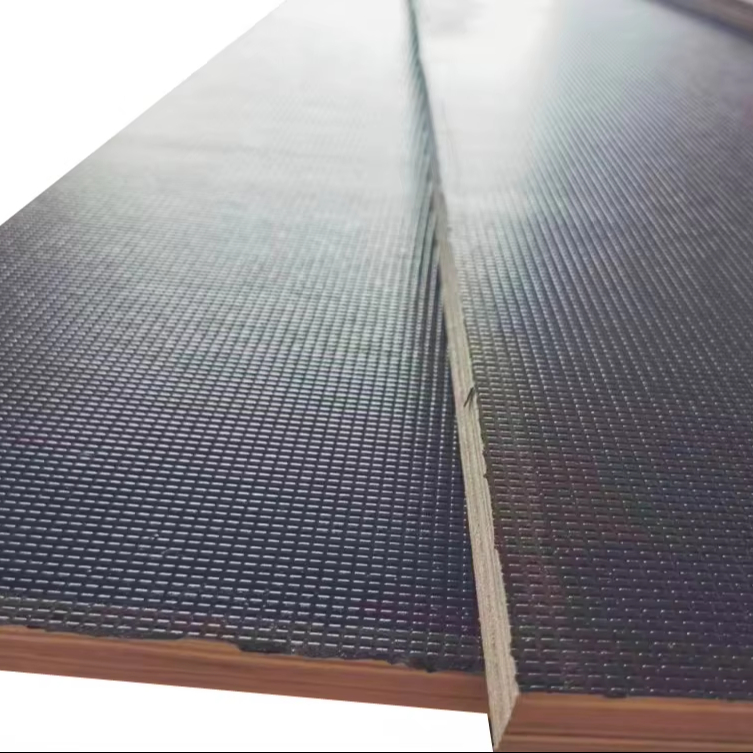
For CE-marked marine plywood projects, the panel core and the surface must work together. The eight products below are high-pressure laminate and HPL-faced board options often shortlisted for moisture-prone interiors, furniture, wall cladding, school worktops and vanities where a decorative, cleanable surface is required.
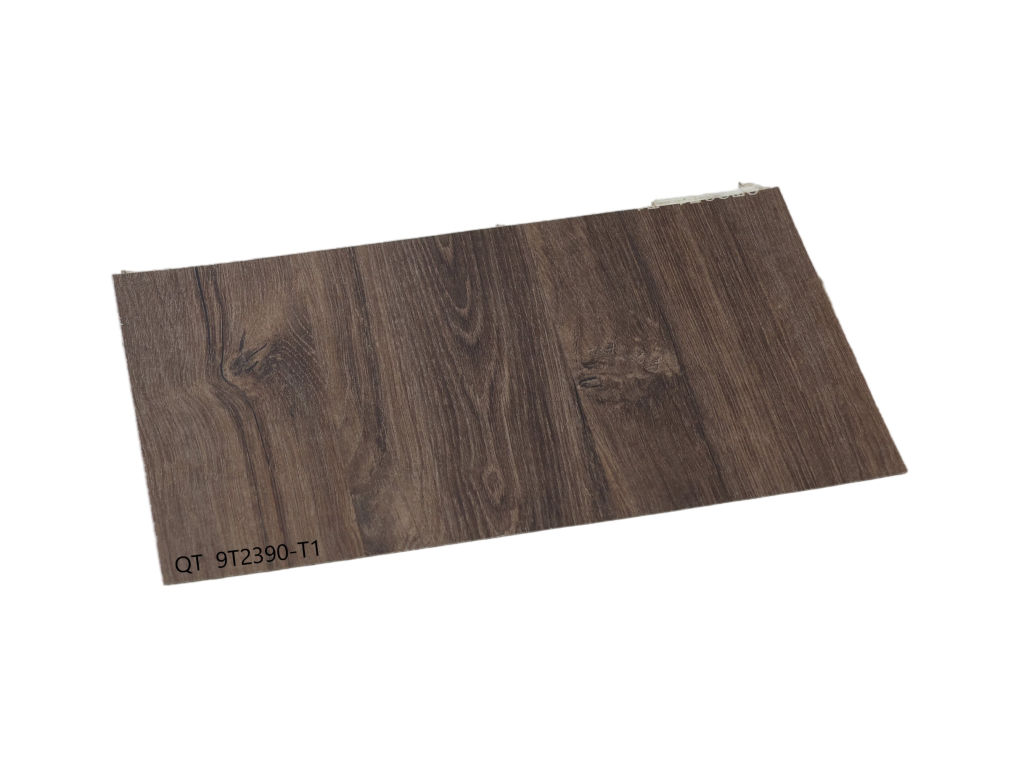
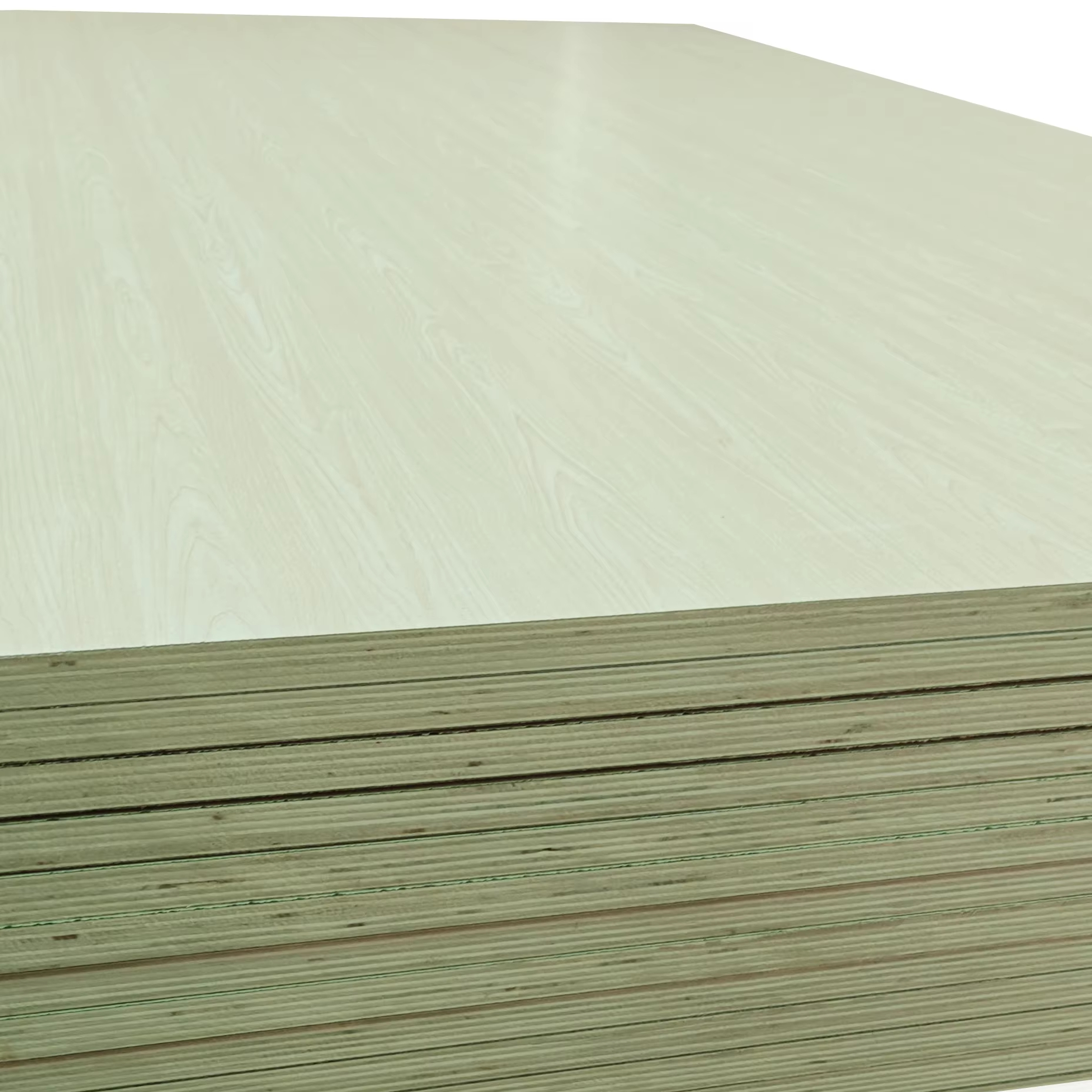
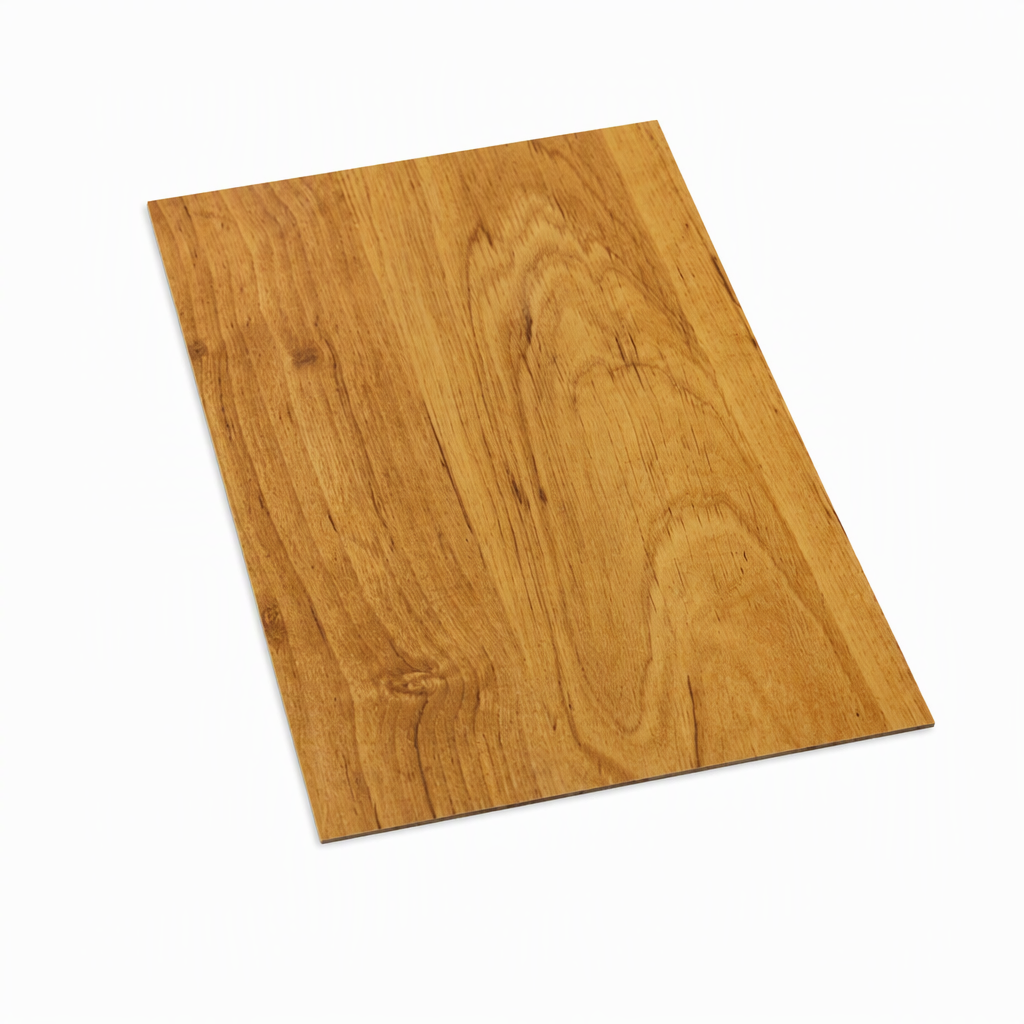
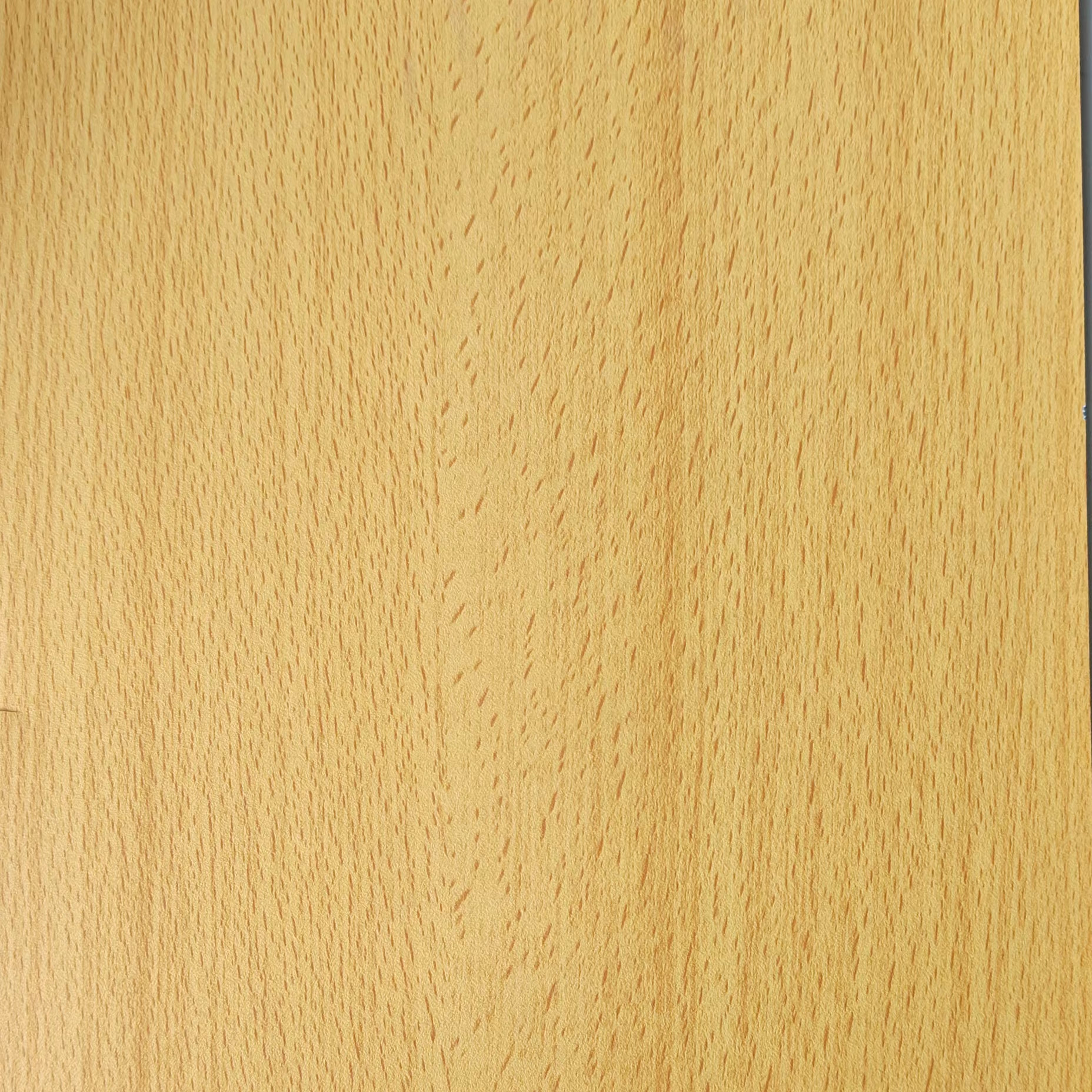
What “CE Certified” Really Means for Marine Plywood Buyers
CE marking is often described as a certificate, but in practice it is a declaration by the manufacturer that a product complies with the applicable harmonised standard. For wood-based panels, the relevant references usually include EN 636 for plywood and EN 314-2 for bond class. A supplier can responsibly offer “CE certified marine plywood” only when the factory can support the claim with a Declaration of Performance (DoP), test reports, factory production control records and traceability from veneer bundles to finished panels.
This distinction matters because the word “marine” is not protected in every market. Some factories use it for WBP-glued poplar plywood; others mean BS 1088 okoume plywood; others use it for phenolic film-faced panels for concrete formwork or transport floors. The correct specification depends on the end use, service class and local building rules. A CE-marked panel that is suitable for interior furniture may not be suitable for a facade, a shower pod or a boat hull. Buyers should therefore confirm the intended service class, not only the CE logo on the datasheet.
Standards and documents a serious supplier should clarify
- EN 636 service class: service class 1 for dry interiors, class 2 for protected humid conditions, class 3 for exterior or frequently wet exposure.
- EN 314-2 bond class: class 1 interior, class 2 protected exterior, class 3 exterior; WBP glue is commonly associated with class 3 performance when manufactured and tested correctly.
- Declaration of Performance: product family, intended use, essential characteristics, test standards, factory production control and traceability details.
- Formaldehyde and market compliance: E0 or E1 options, plus destination-market requirements for furniture, school furniture or construction.
At Fipdm, we treat CE documentation as part of the sourcing brief rather than a PDF sent after the deposit. We are a verified trading company and multispecialty supplier, not a single-mill factory, so our role is to match each export order with vetted partner mills in Linyi and then check the material and finished boards before loading. That model gives importers, distributors and furniture factories a practical way to compare CE-marked marine plywood, HPL-faced plywood, MDF and compact laminate without managing many suppliers at once.
Buyer Verification Checklist
Before approving a marine plywood supplier, request:
- Current DoP and test report for the exact panel family
- Glue class, veneer grade, thickness tolerance and moisture content
- Face and back specification, edge sealing and surface finish
- Pre-shipment inspection photos, packing method and loading plan
How to Specify Marine Plywood Without Costly Rejection
A strong purchase order removes ambiguity. The more clearly the application is described, the easier it is to select a mill, control the glue line, match the surface and avoid a shipment that meets the datasheet but fails on site.
Specifying marine plywood should always begin with the application: interior wet area, exterior facade, boat fit-out, laboratory bench, school desk, transport floor or modular housing. Only then should the buyer set thickness, panel size, face grade and surface treatment. A 12 mm decorative panel for a hotel wardrobe does not need the same bond class as a 21 mm panel for a marine walkway; equally, a phenolic film-faced panel for formwork is not the same product as an HPL-faced panel for a yacht interior.
Use the six control points below as a practical brief for your supplier. It is also useful to add a reference sample and a photo of the finished application, because visual expectations for wood grain, gloss and texture vary greatly between product families.
1. Service Class & Glue
State EN 636 class and EN 314-2 bond class. For exterior or frequently wet use, specify class 3 performance and confirm the factory’s test method. For interior furniture, class 1 or 2 may be enough.
2. Core, Face & Back
Define veneer species, face grade, back grade and whether HPL, melamine or phenolic film is applied. This prevents “marine” panels from arriving with repair patches on the visible face.
3. Thickness & Tolerance
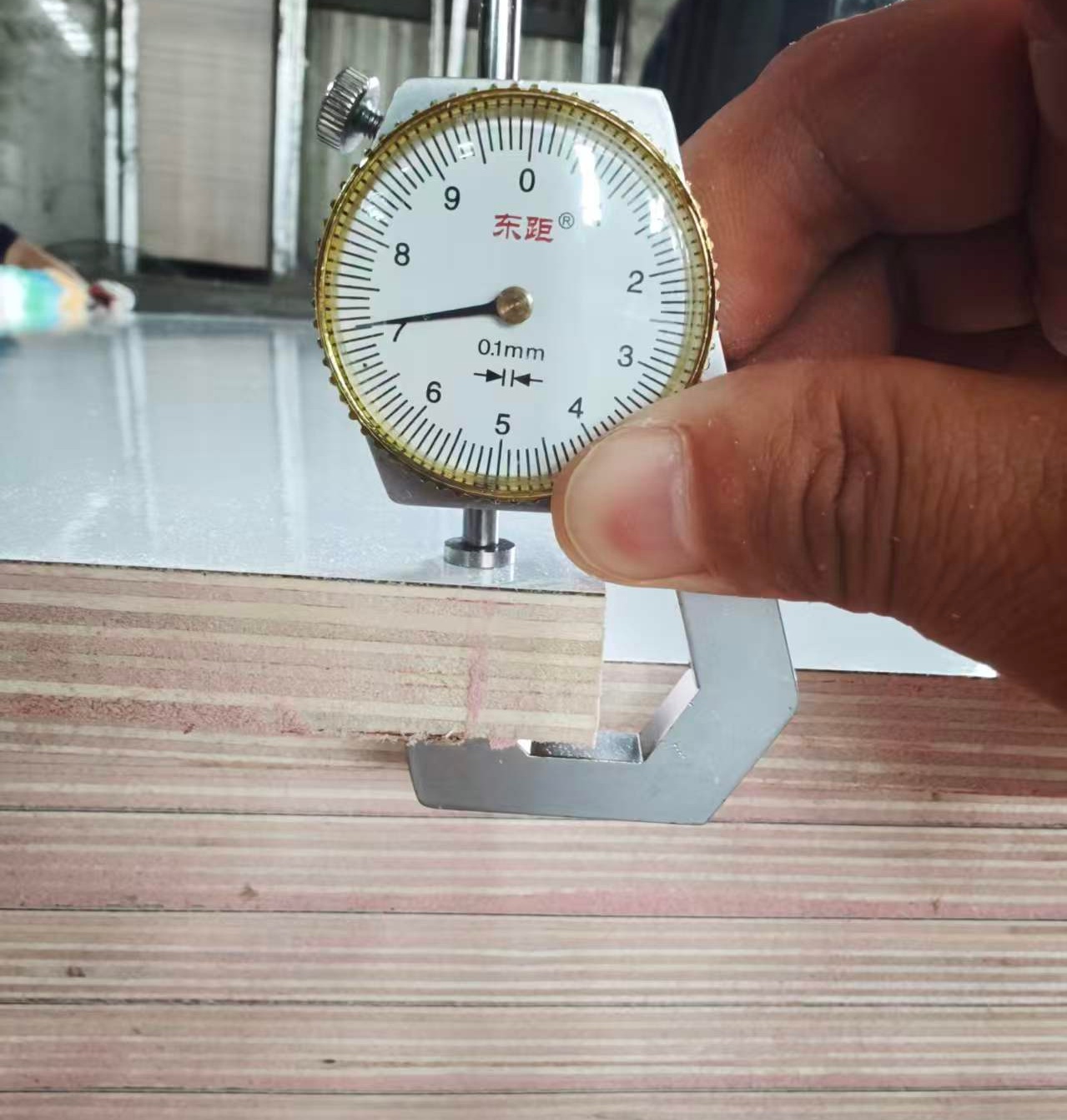
Never quote only “18 mm”. Give the tolerance range and the measured method. Thickness variation affects furniture assembly, door cores and the bonded HPL surface.
4. Formaldehyde & Fire
Specify E0 or E1 where required, and add fire-retardant performance for schools, hospitals, transport and public interiors. Ask for test evidence before bulk production.
5. Edge Sealing & Finish
Exposed edges are the first place moisture ingress appears. Choose edge sealing, matching ABS edging, HPL wrap or tongue-and-groove profiles based on the installation method.
6. Packing & Documentation
Confirm pallet dimensions, corner protection, moisture barrier, loading photos, DoP, test reports and commercial invoice description before production begins.
Marine Plywood Procurement Trends 2025–2030
Buyers are moving away from lowest-price-per-sheet decisions and towards total landed risk. A container of panels that fails on bond class, thickness or surface consistency can cost far more than the savings negotiated at the quotation stage. As a result, procurement teams are asking suppliers for clearer evidence, faster sample cycles and more flexible mixed loads.
The strongest demand signals we see from B2B inquiries include verified CE documentation, exterior-grade glue, low-formaldehyde boards, fire performance for public projects, and a surface that can be matched to furniture or wall cladding. Smaller importers also want to reach full-container efficiency without buying a full container of one SKU. That is why mixed-container consolidation has become a competitive advantage rather than a convenience.
At the same time, buyers are shortening supply chains where possible. Instead of buying marine plywood from one supplier, HPL from another and MDF from a third, they ask one export partner to coordinate the core, surface and packing. This reduces communication errors and allows a single inspection plan to cover multiple product families.
Typical B2B Buyer Priorities
Illustrative evaluation weights drawn from typical marine plywood and HPL inquiry reviews.
Product Development Trends: From Marine Plywood to Hybrid HPL Systems
Panel development is no longer only about thicker plywood or lower price. The market is moving towards engineered surfaces, documented performance and application-specific builds.
Hybrid Core + HPL Surface
Marine plywood cores combined with decorative HPL are replacing painted or veneered panels in wet interiors. The HPL face adds cleanability, colour consistency and abrasion resistance while the plywood core provides screw-holding strength.
Low-Emission & Fire-Retardant
E0 and E1 formaldehyde grades are now expected in many furniture and interior projects, while fire-retardant HPL-faced plywood is increasingly specified for schools, hospitals and public spaces.
Lightweight & Compact Phenolic
Lightweight plywood and compact laminate are gaining ground in modular furniture, toilet partitions, lockers and transport interiors where weight, impact resistance and moisture resistance all matter.
Fipdm Company Advantages: A Verified Export Partner in Linyi
Linyi Fipdm Import And Export Co., Ltd. is based in Linyi, Shandong, the largest wood-based panel production cluster in China. We combine laminates, fibreboards, flakeboards, plywoods and new material boards from qualified partner mills into one managed supply chain.
Intertek-Verified Supplier
Third-party on-site assessment supports the claim that we operate as a verified trading company and multispecialty supplier, not an anonymous broker.
Two-Stage Quality Control
Material checks at the partner mill and finished-board inspection for thickness, surface, edges and packing before loading. Loading photos are shared with every shipment.
Mixed-Container Consolidation
Combine marine plywood, HPL, MDF, LVL and door cores in one container to cut freight and administration costs, especially for distributors and furniture factories.
Flexible Customization
Minor customization such as logo, packaging and graphics, plus sample-based, design-based and full customization, as well as ODM support for distributors building their own range.
On-Site Technical Support
Engineer support for installation guidance on cladding, partitions, table tops and furniture projects, helping buyers avoid moisture traps and fixing errors.
Export-Ready Logistics
Export documentation, seaworthy pallet packing, loading photos and a single accountable contact across multiple board types and surface finishes.
Inquiry
Share specs, target market and port
Sampling
Colour, thickness, finish and surface
Production
Material check at the partner mill
Inspection
Finished-board QC before loading
Shipping
Loading photos and export documents
Marine Plywood Applications and Specification Guide
Use this quick-reference grid to compare typical builds. Final thickness, glue class, surface and certification must be confirmed for each project and destination market.
Specifications are compiled from active product listings and typical export inquiries. Confirm tolerances, certification scope and surface performance with your order.
Frequently Asked Questions About CE Certified Marine Plywood
Practical answers for importers, distributors, furniture factories, contractors and project buyers comparing marine plywood and decorative HPL surface systems.
Are you a manufacturer or a trading company?
We are a verified trading company and multispecialty supplier. We source from vetted partner mills in Linyi, run on-site material inspection and finished-product inspection before shipment, and coordinate multiple product families in one order. This gives buyers one accountable contact without pretending that every board is produced under one roof.
What does CE certification cover for marine plywood?
CE marking is a declaration supported by standards such as EN 636 and EN 314. The factory should provide a Declaration of Performance, test reports and factory production control evidence. The exact scope depends on the product family and intended use, so ask for the DoP and confirm that it matches the thickness, glue class and surface you are buying.
What is the difference between marine plywood and HPL-faced plywood?
Marine plywood refers to the plywood core and its bond performance, usually with WBP glue and a moisture-resistant species. HPL-faced plywood is a composite: a plywood core with a high-pressure decorative laminate surface. The core controls strength and moisture performance; the HPL controls colour, texture, cleanability and wear resistance.
Which glue class should I choose?
Use EN 314-2 class 1 for dry interior applications, class 2 for protected humid conditions, and class 3 for exterior or frequently wet exposure. For boat fit-out, bathroom vanities, exterior signage or facade work, class 3 performance is normally the starting point. Confirm the test method and the factory’s production control records.
Can you supply E0/E1 and fire-retardant panels?
Yes, subject to product line and mill. MDF and plywood are available in E0 and E1 grades depending on the range, and fire-retardant HPL-faced plywood is available for school, hospital and public interior projects. Share your destination market standard and we will match the board and documentation accordingly.
Can I mix marine plywood, HPL and other boards in one container?
Yes. Mixed loads are a core part of our service. Importers often combine HPL, compact laminate, MDF, plywood, LVL and door cores to reach full-container efficiency without stocking only one SKU. We prepare a loading plan and share photos before shipment.
How do you control quality before loading?
Our two-stage approach starts with material checks at the partner mill and continues with finished-board inspection for thickness, surface, edges, moisture and packing. We also review the loading plan and provide loading photos. For project orders, additional third-party inspection can be arranged before shipment.
What information should I send for a fast quotation?
Send the application, panel size, thickness, core species, glue class, formaldehyde requirement, surface finish, colour or reference image, quantity, destination port and any required certification. If you need a CE-marked marine plywood core with an HPL face, tell us which property is critical: moisture resistance, fire performance, wear resistance or colour consistency.
Request a CE Marine Plywood Quotation
Send your sizes, glue class, surface finish, target market and destination port. Our export team will reply with matched marine plywood options, HPL surface recommendations and a practical inspection plan for your project.