8 Product Options for Ash Plywood, HPL-Faced Plywood & Decorative Panels
These eight catalogue items are practical reference products for buyers evaluating CE-documented ash plywood. They demonstrate the substrate discipline, surface durability, formaldehyde control, and mixed-load potential that matter in a real purchase order. Every link below preserves the original product URL.

15mm Glossy HPL Birch Marine Plywood
A 1220×2440mm construction sheet for wet-area cabinetry, shopfitting, and counter fronts. Use it as a benchmark for glossy HPL surface quality and formaldehyde discipline.
View product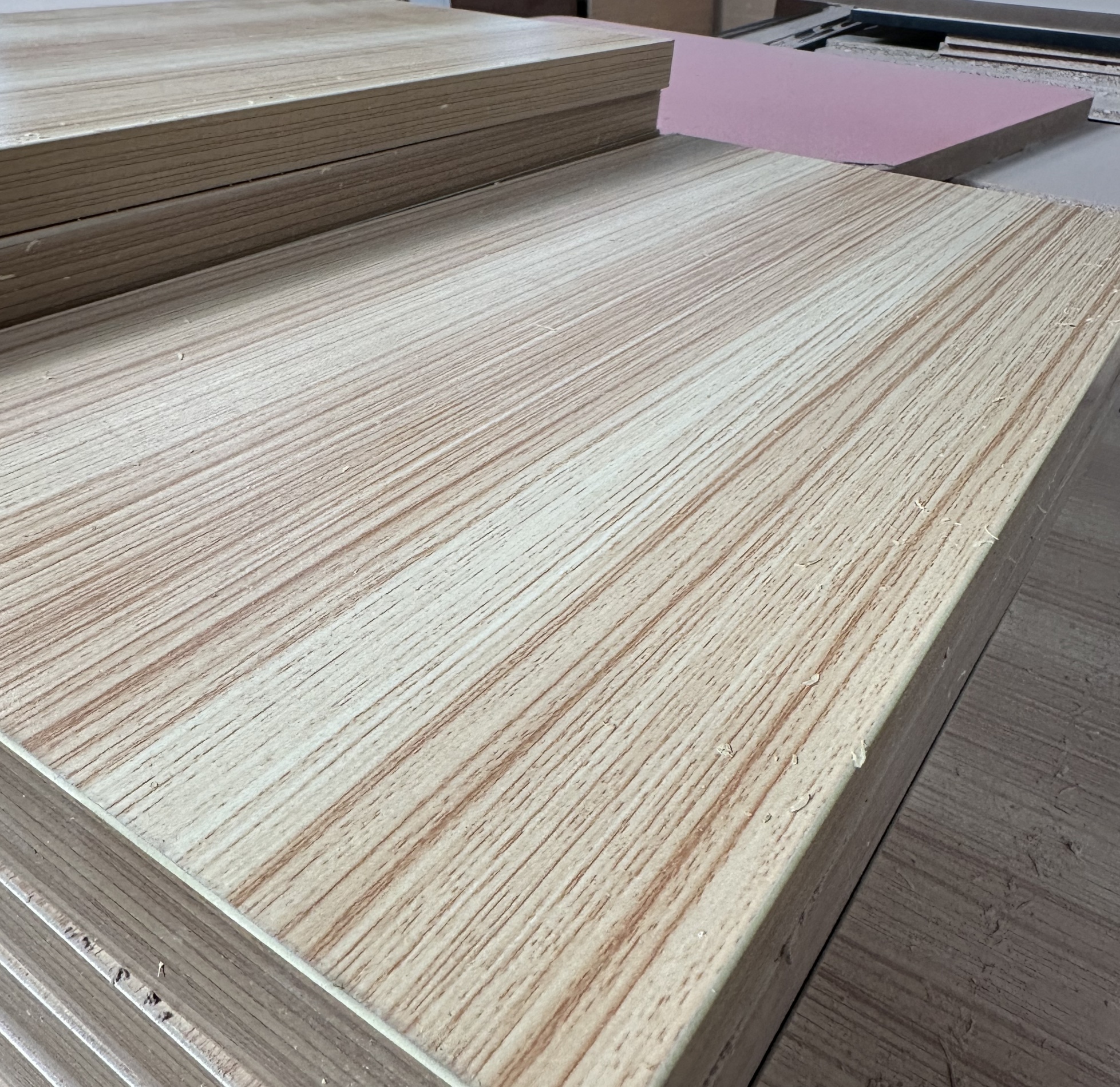
Wear-Resistant HPL Laminate Plywood
Stock HPL plywood for kitchen cabinets and high-traffic horizontal surfaces. A strong reference when an ash face must be paired with a harder, cleanable working surface.
View product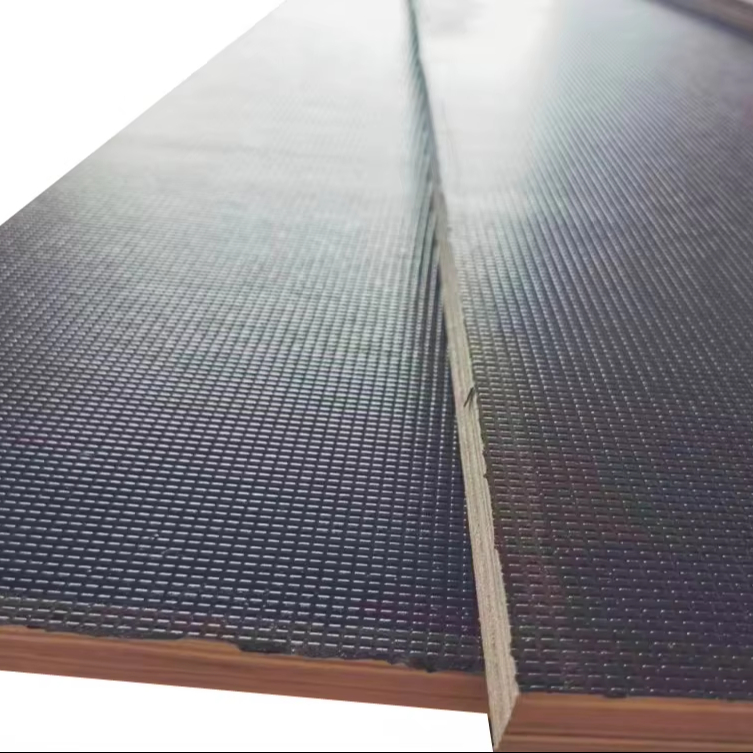
Waterproof Fire-Retardant HPL Phenolic Board
A 1220×2440mm decorative high-pressure laminate board for public interiors where reaction-to-fire paperwork, water resistance, and cleanability are specified.
View product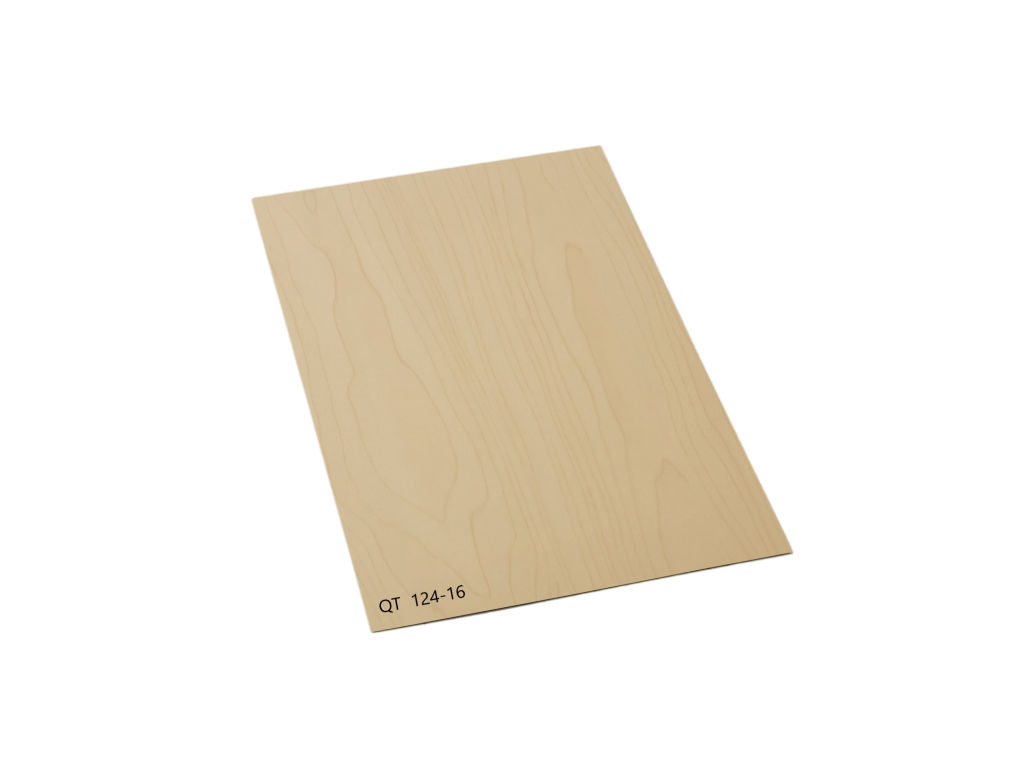
Light Wood Grain HPL Phenolic Panel
Designed for interior walls and furniture where a pale wood-grain finish must coordinate with casework, doors, and reception counters without solid ash cost.
View product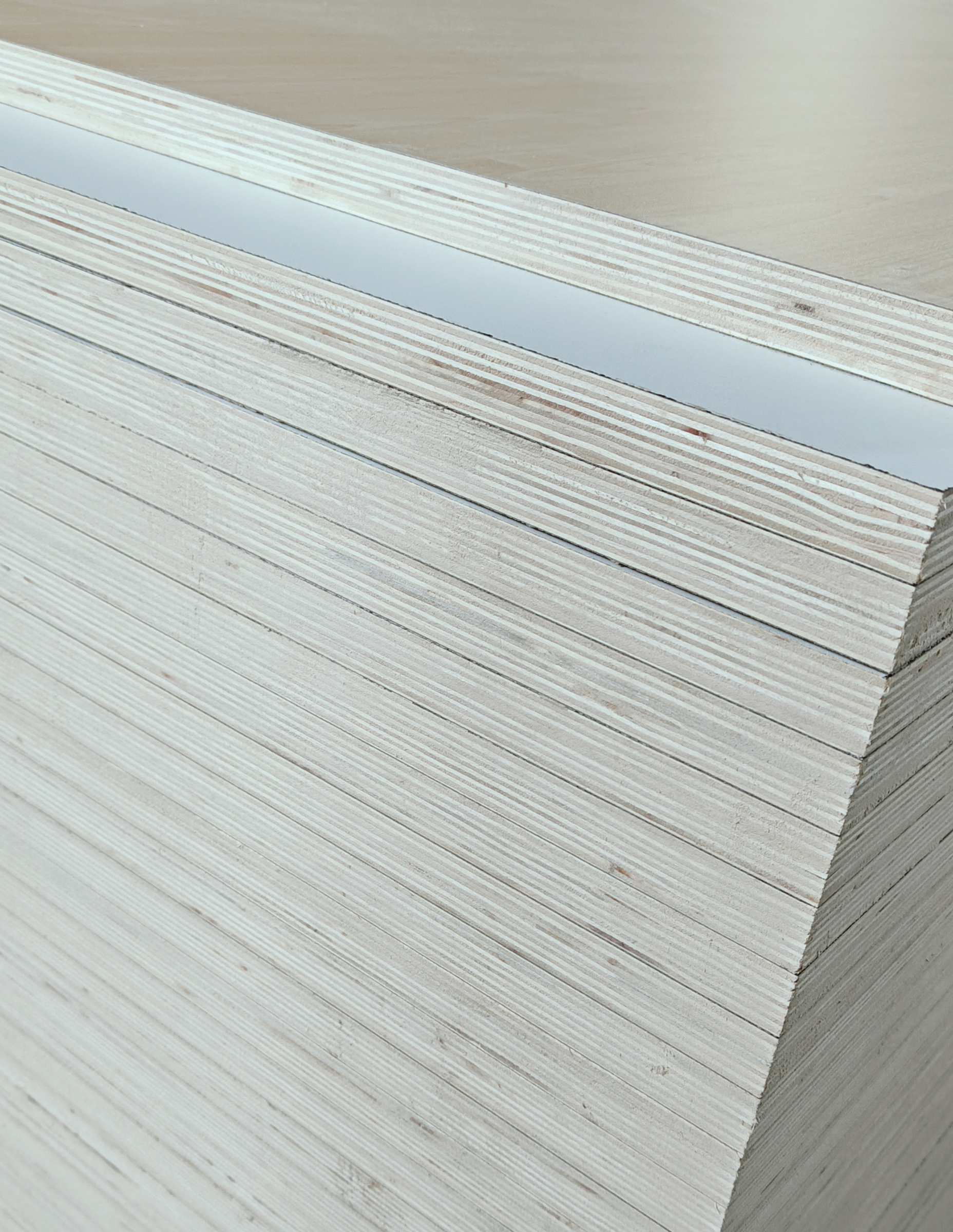
15mm Fire-Resistant Marine HPL Poplar Plywood
A 4×8 poplar-core option for buyers comparing ash, birch, and poplar substrates on cost, weight, and fire performance for construction and fit-out.
View product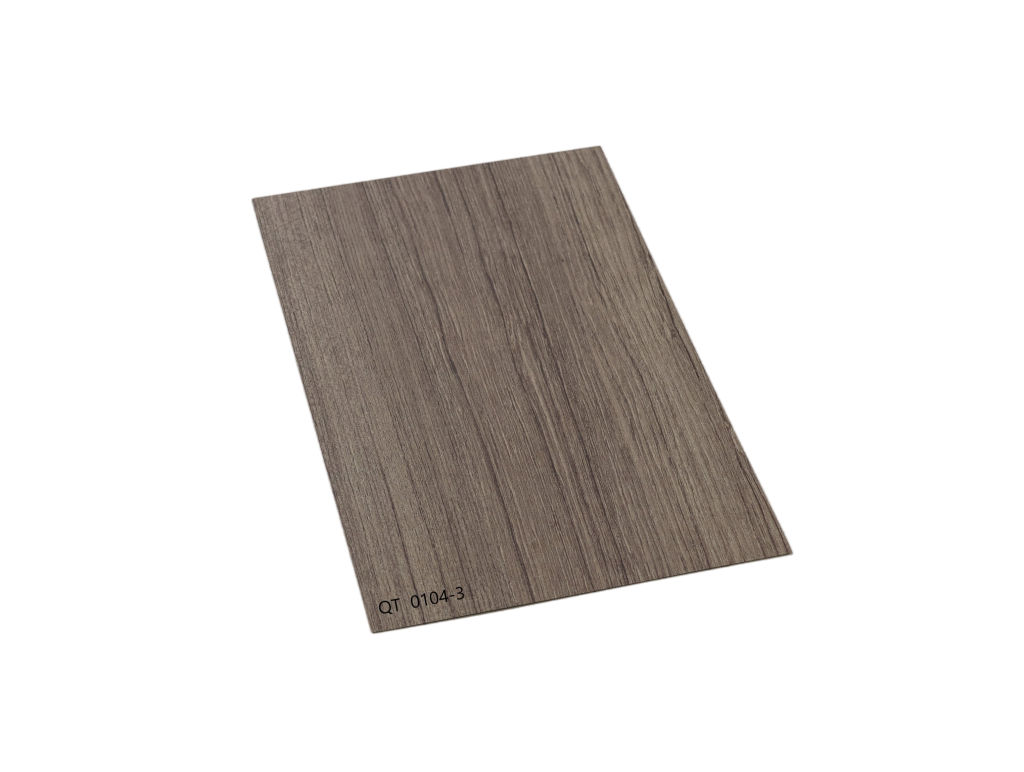
Wood Grain HPL Decorative Laminate Panel
A decorative laminate for cabinets and interior walls. Recommended when the design intent is an ash-like grain appearance with the durability of high-pressure laminate.
View product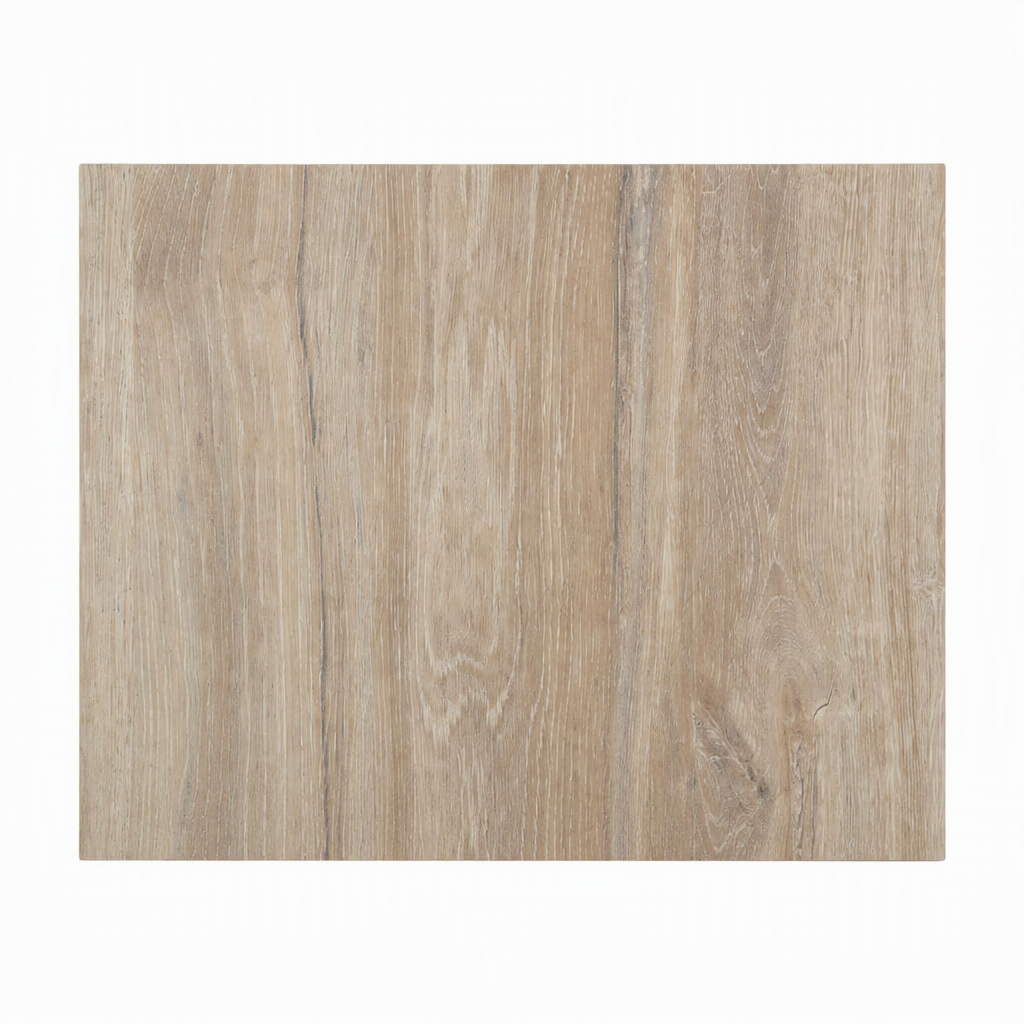
1mm Light Wood Grain HPL Decorative Panel
A thin, high-yield decorative panel for compact applications, door skins, and furniture faces needing waterproof and fire-resistant surface performance.
View product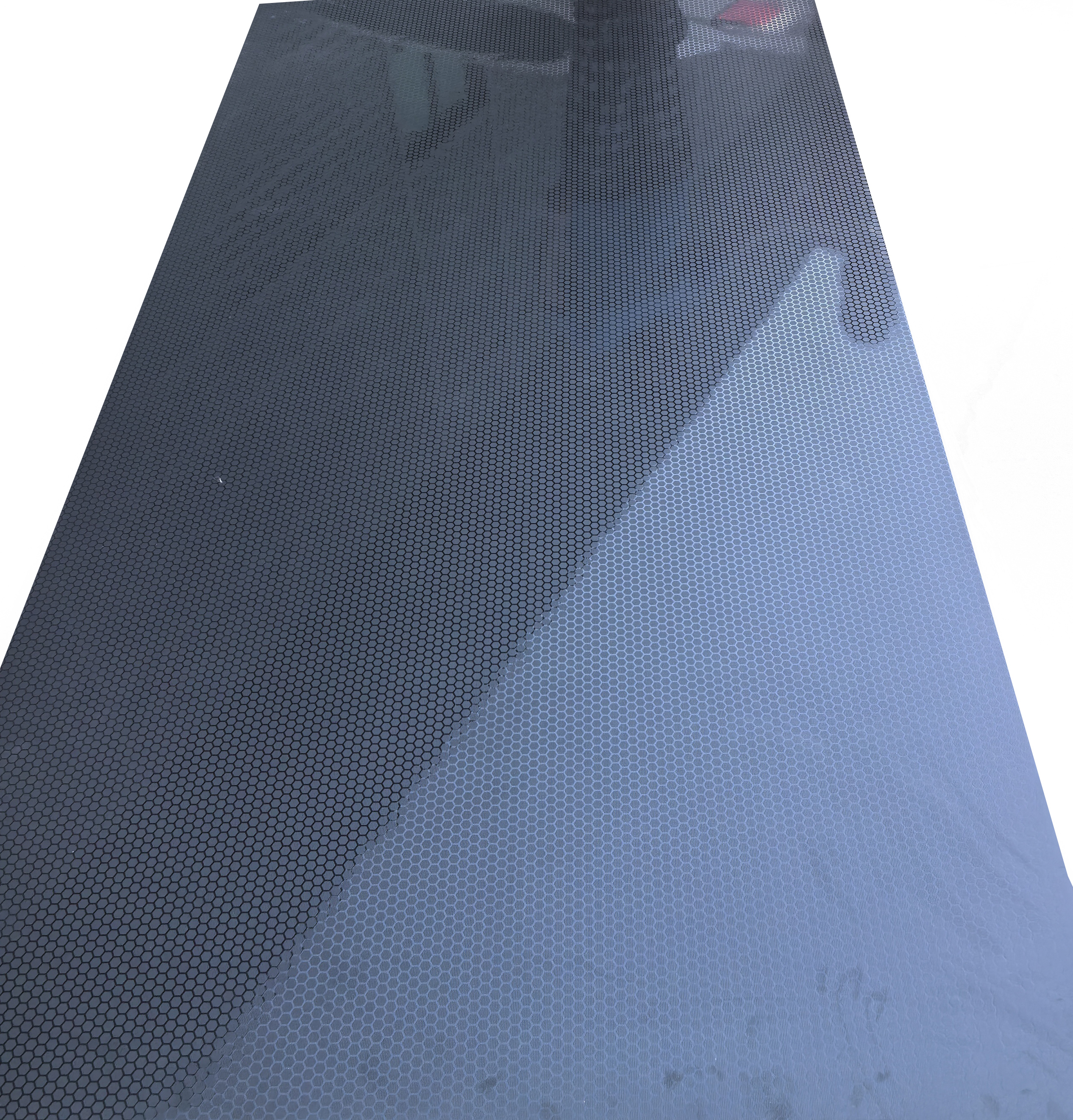
Factory Wholesale 18mm E0 Birch HPL Melamine Plywood
An 18mm E0 birch substrate reference for carcasses, shelving, and contract furniture. Useful when benchmarking a factory wholesale price for ash-faced plywood.
View productCE Certified Ash Plywood Factory & Wholesalers: What the Claim Should Mean in a Real Purchase Order
For B2B buyers, the phrase “CE certified ash plywood factory and wholesalers” compresses several different checks: product conformity, supplier reliability, ash veneer quality, and export discipline.
CE marking is not a single badge that automatically covers every plywood panel. For wood-based panels used in construction, conformity is normally declared against harmonised standard EN 13986, supported by a Declaration of Performance that states intended use, reaction to fire, formaldehyde release, and other relevant characteristics. A credible factory or wholesaler should be able to match the DoP to the exact board, thickness, adhesive, surface, and end use — not simply send a generic certificate image.
Ash plywood is valued for its pale colour, straight grain, hardness, and finishing response. It is commonly used for furniture frames, shopfitting, joinery, cabinet doors, seating, stairs, wall panelling, and flooring substrates. Compared with birch, ash usually delivers a stronger, more pronounced grain and higher density; compared with poplar, it offers better hardness and screw-holding at a higher cost. The best specification is the one that balances face grade, core quality, adhesive class, surface treatment, and certification for the final market.
- Declaration of Performance and EN 13986 reference where construction use applies
- Formaldehyde release class, with E1 and project-specific E0 requirements stated clearly
- Bonding class, moisture resistance, and WBP or MR suitability for humid end uses
- Face and back grade, sapwood limits, knots, colour matching, and grain alignment
- Thickness tolerance, moisture content, density, and edge quality
- Reaction-to-fire evidence and test reports for public, commercial, or transport projects



Ash Plywood and HPL-Faced Panel Selection by Buyer Intent
Different search intents require different evidence. A furniture factory needs yield and colour consistency; a distributor needs repeatable supply and mixed-container flexibility; a project buyer needs traceable performance documents.
| Product route | Best-fit buyer intent | What to verify | Why it matters |
|---|---|---|---|
| Ash veneered plywood | Furniture, joinery, shopfitting, interior panelling | Face grade, sapwood limit, grain match, sanding quality, core density | Face veneer yield and colour consistency directly affect finishing time and rejected panels. |
| HPL-faced birch plywood | Wet-area cabinetry, contract furniture, counter fronts | HPL bond strength, edge sealing, E1/E0 declaration, moisture resistance | Combines a hard decorative surface with a strong substrate for repeated cleaning and handling. |
| HPL-faced poplar plywood | Cost-sensitive fit-out, lightweight panels, volume projects | Density, screw-holding, surface flatness, fire-retardant option | Useful when weight and landed cost matter more than maximum hardness. |
| Phenolic and compact HPL board | Public washrooms, laboratories, lockers, heavy-duty surfaces | Thickness, water absorption, impact resistance, reaction to fire | Self-supporting or high-moisture performance may reduce substrate and maintenance costs. |
| Fire-retardant marine HPL plywood | Commercial interiors, transport, education, healthcare | Fire test report, adhesive class, formaldehyde class, HPL surface durability | Specification failures are costly after installation; documents must match the supplied batch. |
For a CE-documented ash plywood quotation, confirm the final application, destination country, and required performance class before approving the sample.
Recommended Procurement Routes by Application
Use these routes to move from a general “ash plywood supplier” search to a specification your technical team can approve.
Contract Furniture & Shopfitting
Specify ash face grade, colour-sorted bundles, consistent thickness tolerance, and HPL or lacquer finishing compatibility. Request sample panels from the same production batch before releasing a volume order.
Kitchen & Wet Areas
Use HPL-faced birch or poplar plywood as a performance benchmark for cabinetry, shelving, and counter fronts. Confirm waterproof bonding, edge protection, and formaldehyde class for the destination market.
Fire-Rated Public Projects
Shortlist fire-retardant marine HPL plywood or phenolic HPL board only after receiving the fire test report and Declaration of Performance. Match the product reference to the tender requirement.
Distributor Private Label
For distributors building a repeatable range, combine ash plywood, HPL-faced boards, MDF, LVL, and door cores in one managed supply programme with packaging customization and evidence packs.
Ash Plywood Procurement Trends Reshaping Wholesaler Selection
Buyers are moving from price-only comparison to documentation, traceability, and mixed-load efficiency. These shifts reward suppliers who can prove what they ship.
Traceability & Legal Timber Due Diligence
EUDR-style due diligence, species declarations, and chain-of-custody evidence are becoming normal RFQ attachments. Wholesalers who can connect the panel to the partner mill and batch reduce buyer risk.
Digital DoP & Batch-Level Quality Records
PDF declarations, test reports, loading photos, and inspection notes are replacing generic catalogue claims. Procurement teams increasingly require documents that match the exact product code and shipment.
Mixed-Container Consolidation
Smaller importers and project-focused distributors are using mixed loads of HPL, MDF, plywood, LVL, and door cores to reach container efficiency without overstocking a single SKU.
Low-Emission & Fire-Safety Convergence
E0/E1 formaldehyde control and fire performance are moving from premium options to baseline expectations in schools, healthcare, hospitality, and public interiors. Documentation quality becomes a competitive advantage.
How Ash Plywood and Decorative Panel Products Are Evolving
Product development is shifting toward engineered consistency, hybrid surfaces, and performance combinations that reduce installation risk.
Engineered Ash Faces
Colour-sorted veneers, upgraded sanding, and tighter grain matching are helping furniture factories reduce finishing labour and improve batch-to-batch consistency.
HPL & Ash Hybrid Panels
Ash-like HPL surfaces over birch or poplar cores deliver a more predictable decorative finish with easier cleaning and stronger surface durability than unfinished veneer.
Fire-Retardant + Waterproof
Projects increasingly request both moisture resistance and reaction-to-fire evidence in one panel, especially for public washrooms, healthcare interiors, and commercial fit-outs.
Thin, High-Yield Surfaces
1mm decorative HPL panels and lightweight substrates are gaining ground where freight cost, door-skin thickness, and material yield influence the landed cost per project.
Factory & Wholesaler Advantages: Risk Controls Before Your Container Leaves Linyi
Linyi Fipdm Import And Export Co., Ltd. operates as a verified trading company and multispecialty supplier in Linyi, Shandong — one of China’s largest wood-based panel clusters. The value is not only price; it is coordinated evidence, inspection, and export execution across multiple panel categories.
Intertek-Verified Supply Chain
Third-party supplier assessment supports credibility for buyers who cannot visit Linyi before placing a trial order.
Two-Stage Quality Control
Material checks at the partner mill and finished-board inspection for thickness, surface, edges, and packaging before loading.
Multi-Category Consolidation
Combine HPL, compact laminate, MDF, plywood, LVL, and door cores in one shipment to reduce freight and supplier administration.
On-Site Technical Support
Engineer guidance for cladding, partition, furniture, and installation questions helps contractors avoid costly rework.
Low-Emission Product Lines
E0 and E1 formaldehyde grades are available depending on product line and target market, with documentation matched to the order.
OEM / ODM Customization
Minor customization for logo, packaging, and graphics, plus sample-based, design-based, and full customization for distributors.
Export-Ready Logistics
Export documentation, seaworthy pallet packing, loading plans, and shipment photos keep buyers informed and reduce claims.
Local Advantage in Linyi
Direct access to a dense panel cluster supports faster sampling, competitive mill selection, and practical problem-solving on specifications.
Certificates, Test Reports & Real People Behind the Order
Third-party assessment, product test reports, and a dedicated export team matter when the buying decision involves CE documentation, formaldehyde questions, or a mixed-container load. We provide product-specific evidence where available and confirm final tolerances, certification scope, and documentation before shipment.
- Assessed by Intertek
- Multispecialty supplier profile
- 5.0 / 5 buyer rating
- Four years as Gold Supplier

Documentation That Supports the Sales Claim
For CE-related ash plywood enquiries, send the target market, application, thickness, surface, formaldehyde requirement, and fire performance needed. We match the request with available product documentation and sample options before quoting.
This approach is more reliable than treating a generic certificate as proof for every panel, and it gives your technical team a clear basis for approval.
A Practical Inspection Workflow for Ash Plywood and HPL Panel Orders
A simple five-stage process helps convert samples into repeatable shipments without surprises.
Inquiry
Share specifications, destination, target market standard, and application.
Sampling
Confirm colour, grain, thickness, finish, and performance expectations.
Material Check
Inspect face veneer, core, glue line, and HPL surface at the partner mill.
Finished-Board QC
Check dimensions, thickness tolerance, edges, surface defects, and packing.
Loading & Documents
Record loading, prepare export paperwork, and share shipment evidence.
Common Questions from Ash Plywood Buyers and Wholesalers
These are the questions technical and purchasing teams usually ask before approving samples, documents, and container plans.
Does CE certification apply to every ash plywood order?
Not automatically. CE marking depends on whether the panel is placed on the market as a construction product and on its intended use. For construction applications, the relevant declaration is normally linked to EN 13986 and supported by a product-specific Declaration of Performance. Decorative or non-construction uses may follow different requirements. Always state the final application in the RFQ.
Are you a manufacturer or a trading company?
Linyi Fipdm Import And Export Co., Ltd. is a verified trading company and multispecialty supplier. We source from vetted partner mills in Linyi, run on-site material inspection and finished-product inspection, and coordinate multiple panel categories under one export team.
Can you supply ash plywood or only HPL birch and poplar plywood?
The product cards above are current HPL-faced birch and poplar catalogue items that serve as adjacent performance references. Ash veneered plywood can be quoted according to face grade, core, glue, thickness, formaldehyde requirement, and target market. Share your specification and sample reference for matching.
Can I mix different products in one container?
Yes. Mixed loads of HPL, compact laminate, MDF, plywood, LVL, and door cores are a core part of our service. Mixed containers help distributors and project buyers reach freight efficiency without overstocking one product line. Provide your preferred quantity split and destination port for a loading plan.
Which formaldehyde emission grades are available?
MDF and plywood are available in E1 and E0 grades depending on the product line. Confirm the destination market standard, application, and required documentation when sending your inquiry. The quotation should state the exact formaldehyde class instead of relying on a generic catalogue description.
How do you control ash colour, grain, thickness, and moisture?
Approved samples are used as the reference. Before production, confirm face grade, sapwood allowance, grain direction, colour sorting, thickness tolerance, and moisture content. During finished-board inspection, check surface defects, edge quality, dimensions, and packing. Loading photos and inspection notes are shared where required.
What is the usual sample and order process?
Send your target specification, application, destination market, and estimated volume. We reply with matched options, available documentation, sample lead time, and a quotation basis. After sample approval, production proceeds with agreed QC checkpoints and packing requirements.
Can you customize packaging, logos, and product ranges?
Yes. We offer minor customization for logo, packaging, and graphics, as well as sample-based, design-based, and full customization plus ODM services. This is especially useful for distributors building a private-label panel range or project suppliers needing consistent packaging.
How can I verify quality before the container ships?
Request product-specific documentation, approved samples, pre-loading inspection photos, thickness and surface checks, and packing details. For higher-risk projects, third-party inspection can be arranged. The goal is to verify the actual batch against the approved specification before shipment.
Request a CE Documentation Checklist and Ash Plywood Quotation
Send your thickness, face grade, core preference, surface finish, formaldehyde requirement, fire performance, destination market, and estimated volume. Our export team will respond with matched options, sample guidance, and a practical loading plan.
info@fipdmplywoods.com