info@fipdmplywoods.com Linyi, Shandong, China Verified by Intertek
0%

Marine Plywood is designed for projects where moisture exposure is a serious concern. Builders use it in boat interiors, cabin fittings, docks, and other structures near water. Its cross-laminated veneers and durable bonding help the panels resist separation when conditions become damp. That makes it useful, not waterproof.

On a small boat, a panel might form a locker wall or a seat base beneath a hatch. In a coastal building, it may serve as sheathing in a sheltered area. The right choice depends on the project, the panel’s grade, and how much exposure it will face. Check the manufacturer’s specifications before buying. Marine-grade panels are not automatically rot-proof, and their surface may still need suitable sealing and maintenance. Edges deserve attention too; water can enter through poorly protected cuts.

The term can sound like a promise. It is not. Even quality Marine Plywood can deteriorate if it stays wet, sits in standing water, or lacks proper support. Installation details matter: fasteners, drainage, ventilation, and compatible coatings all affect service life. A panel that performs well inside a ventilated cabin may not suit an exposed deck without additional design protection. For a reliable result, match the plywood to the expected conditions and inspect it over time. Small checks can reveal damage before a damp corner becomes a costly repair.
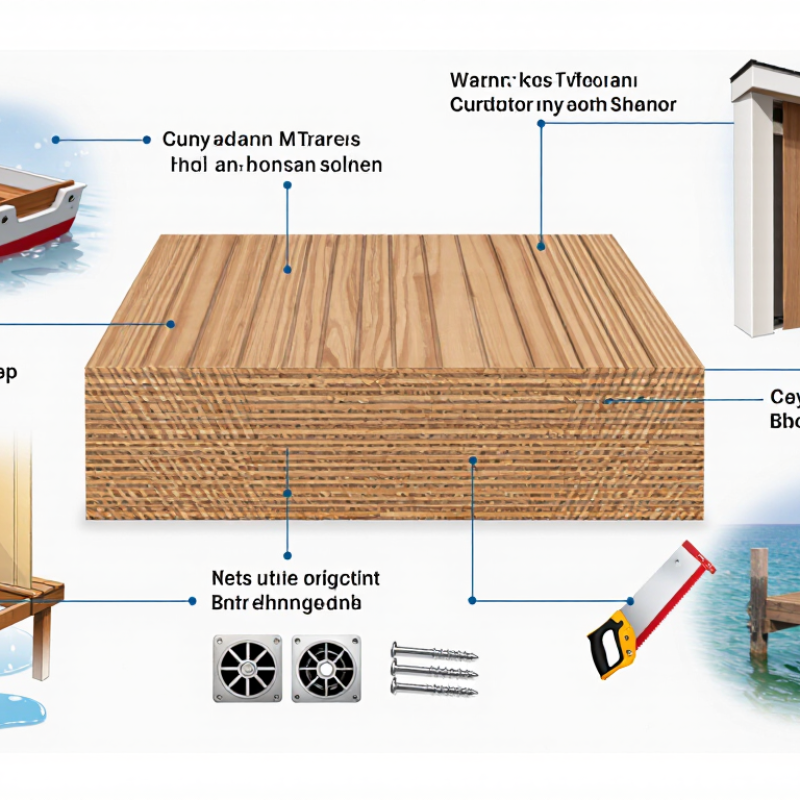
What Is Marine Plywood Used For?

What Marine Plywood Is and How It Is Made

What Is Marine Plywood Used For?

Marine plywood is made from thin wood veneers bonded with water-resistant adhesive. During production, the veneers are dried, layered with their grain directions alternating, and pressed under heat. This cross-layering helps the panel stay stable. Carefully made sheets also have fewer core gaps, where trapped water could weaken the board. The finished panel is trimmed, sanded, and graded. Details vary by manufacturer and applicable grading standards.

Tips: Seal cut edges and drilled holes before exposure to moisture. Check the panel’s grade and intended use; “marine” does not mean waterproof or immune to decay. Small gaps can still matter.

Because it handles damp conditions better than many standard plywood panels, marine plywood is used in boat interiors, cabinetry, and some sheltered outdoor projects. It may also suit components that need a smooth, stable surface near water. Still, the name can be misleading. The wood itself may need protective coatings, regular inspection, and prompt repairs to damaged surfaces. I would not assume a panel can remain submerged or exposed to weather indefinitely. Proper installation matters as much as the sheet: keep water from pooling, support edges, and use suitable fasteners.

Key Properties That Shape Its Uses

What Is Marine Plywood Used For?
Key Properties That Shape Its Uses

Marine plywood suits boat interiors, cabinetwork, docks, and outdoor joinery where panels may face damp air or occasional splashes. Its veneers are bonded with water-resistant adhesive, while cross-laminated layers help resist splitting and movement. The USDA Forest Products Laboratory’s Wood Handbook reports green-to-oven-dry shrinkage ranges of about 4–12% tangentially and 2–8% radially across wood species. Cross-lamination helps balance movement, but plywood still responds to moisture. The numbers matter.

Its strength, thickness, face quality, and edge finish determine the right application. A stiff panel can support seats or bulkheads; a smooth face takes paint or clear finish. Marine grade does not mean waterproof. Cut edges, fastener holes, and damaged coatings can still admit water, so sealing and drainage matter. One detail is easy to miss: the grade and construction should match the exposure, not just the project name. Check the applicable marine plywood specification, such as BS 1088, and the supplier’s technical sheet before choosing.

Tips: Seal freshly cut edges and drilled holes. Keep panels off standing water, and inspect coatings around fasteners. A small gap can become a costly repair.

Sources: USDA Forest Products Laboratory, Wood Handbook: Wood as an Engineering Material, FPL-GTR-282 (2021); BS 1088, Marine Plywood specification.

Applications in Boats and Marine Structures

What Is Marine Plywood Used For?

Applications in Boats and Marine Structures

Marine plywood is used for parts of boats that need a strong, stable panel. Builders may use it for bulkheads, cabin partitions, seats, lockers, and interior fittings. In some designs, it also forms a hull or deck layer beneath fiberglass or protective coatings. Its durable veneer construction helps reduce internal gaps, while water-resistant adhesive helps the layers stay bonded in damp conditions. Details matter.

The panel is not automatically waterproof or immune to rot. Unsealed edges can absorb water, especially around screw holes, joints, and cutouts. Builders typically protect exposed surfaces with suitable coatings and pay close attention to drainage and ventilation. A damp compartment with poor airflow can still damage wood over time. It is tempting to treat marine plywood as a complete solution, but the surrounding design matters just as much.

Marine plywood also appears in docks, small craft, and other marine structures where a dependable wood panel is needed. The right thickness and support spacing depend on the load and the structure’s design. Fasteners should be appropriate for wet environments, and damaged coatings need prompt attention. Even careful work can miss a vulnerable edge. That is worth checking again during maintenance.

Uses in Construction and Outdoor Projects

Marine plywood is used where panels may face repeated moisture, changing temperatures, or exposed edges. In construction, it can form subfloors, roof sheathing, exterior wall panels, and concrete formwork. Its durable adhesive helps the plies stay bonded when damp. That does not make the sheet waterproof. Water can still enter through cut edges, screw holes, or damaged surfaces.

For outdoor projects, marine plywood works well for garden benches, storage boxes, ramps, and covered patio furniture. A builder might cut panels beside a workbench, seal every fresh edge, then use corrosion-resistant fasteners. Keep panels raised off soil and standing water. Leave room for airflow beneath decks or built-in seating. Small details matter.

Check the panel’s grade and intended use before buying; standards and labeling can differ. Marine plywood is not automatically treated against decay, insects, or prolonged sun exposure. Paint, varnish, or another suitable finish can help, but finishes need maintenance. I’ve seen a carefully built outdoor box fail early because its underside stayed wet. A useful lesson, though an annoying one. For structural work, follow local building requirements and confirm the panel’s rated span and thickness.

Choosing Marine Plywood for Different Applications

Marine plywood suits projects exposed to moisture, but the right panel depends on how it will be used. For a boat hull or small craft, choose a grade and thickness specified for the structure. Check that veneers are sound and bonded with durable exterior adhesive. A smooth face can help with finishing, while fewer internal voids matter when cutting or fastening near an edge.

For decks and cockpit surfaces, consider both panel strength and the finish that will protect it. Seal cut edges carefully; water can enter there even when the face is coated. Marine plywood is not rot-proof. It still needs suitable coatings, sound drainage, and regular inspection. That detail is easy to miss.

For cabin cabinets, seats, and storage compartments, lighter panels may be easier to handle, provided they meet the load requirements. Think about screw placement, ventilation, and whether the surface will be painted or covered. A heavy panel is not automatically better. I would avoid choosing by the word “marine” alone: compare the product’s construction, grade, and intended-use guidance, then match those details to the job.

FAQS

What is marine plywood made from?

It is made from thin wood veneers bonded with water-resistant adhesive. The veneer grains alternate direction. Heat and pressure hold the layers together.

Is marine plywood waterproof?

No. It handles damp conditions better than many standard panels, but water can still enter edges and holes. The name can mislead.

Where is marine plywood used on boats?

It can form cabin partitions, seats, lockers, and interior fittings. Some designs use it beneath fiberglass or protective coatings.

How should cut edges and drilled holes be protected?

Seal them before moisture exposure. Pay special attention to screw holes, joints, and cutouts. Easy to overlook.

Can marine plywood be used outdoors?

Yes, for projects such as garden benches, storage boxes, ramps, and covered patio furniture. Keep it raised above soil and standing water.

Does marine plywood resist rot, insects, and sunlight?

Not automatically. Suitable paint or varnish can help, but finishes need maintenance. Inspect exposed surfaces regularly.

What details matter when building with marine plywood?

Choose the right grade, thickness, and support spacing for the project. Use suitable fasteners and allow water to drain. Check the edges again later.

How can outdoor plywood fail even when carefully built?

Water may remain beneath a box or seating area. Poor airflow can keep the underside damp. I would check that spot twice.

Conclusion

Marine Plywood is a specially manufactured panel designed to perform reliably in damp and demanding environments. It is made by bonding layers of wood veneer with durable, water-resistant adhesive, with careful construction helping limit gaps and improve strength. Its ability to resist moisture, maintain stability, and support solid fastening makes it useful where ordinary plywood may deteriorate more quickly. However, it is not completely waterproof or immune to damage, so suitable sealing and maintenance remain important.

Common applications include boat interiors, hull components, and other marine structures, as well as outdoor projects such as sheds, decks, and exterior fixtures. It can also be considered for construction tasks where exposure to humidity or occasional wet conditions is a concern. The best choice depends on the project’s location, expected exposure, load requirements, finish, and budget. Selecting the appropriate panel thickness and grade, then protecting exposed edges and surfaces, can help ensure dependable performance and a longer service life.

Evelyn Grace

Evelyn Grace

Evelyn Grace is a professional marketing specialist with a strong understanding of the company’s products, their practical applications, and the needs of the customers they serve. She combines careful research with clear, accessible writing to help readers make sense of product features, compare......