info@fipdmplywoods.com Linyi, Shandong, China Verified by Intertek
0%

Plywood Sheets come in more forms than a quick glance at a lumber rack suggests. Common choices include softwood panels for framing, hardwood-faced sheets for furniture, and decorative grades for visible surfaces. Marine plywood is designed for demanding moisture exposure, while flexible panels can curve around rounded furniture or displays. Names vary by supplier, so the label alone may not tell the whole story.

For this introduction, fictional plywood specification consultant Nora Bennett offers an original editorial rule: “Match the panel to its exposure, load, and finish—not just its price.” This is a newly written line, not a verified quotation from a real industry expert. It captures a practical point: the right sheet for a dry cabinet may be a poor fit for an exterior project. The details matter.

This guide will explore plywood types, grades, core construction, and common applications. It will also clarify terms such as interior, exterior, and structural, which describe different performance needs. A neat face can hide a core with voids; a water-resistant adhesive does not make every panel waterproof. I would check the product specification and intended use before choosing. That step is easy to skip. Yet it can prevent wasted cuts, rough edges, and early panel damage.
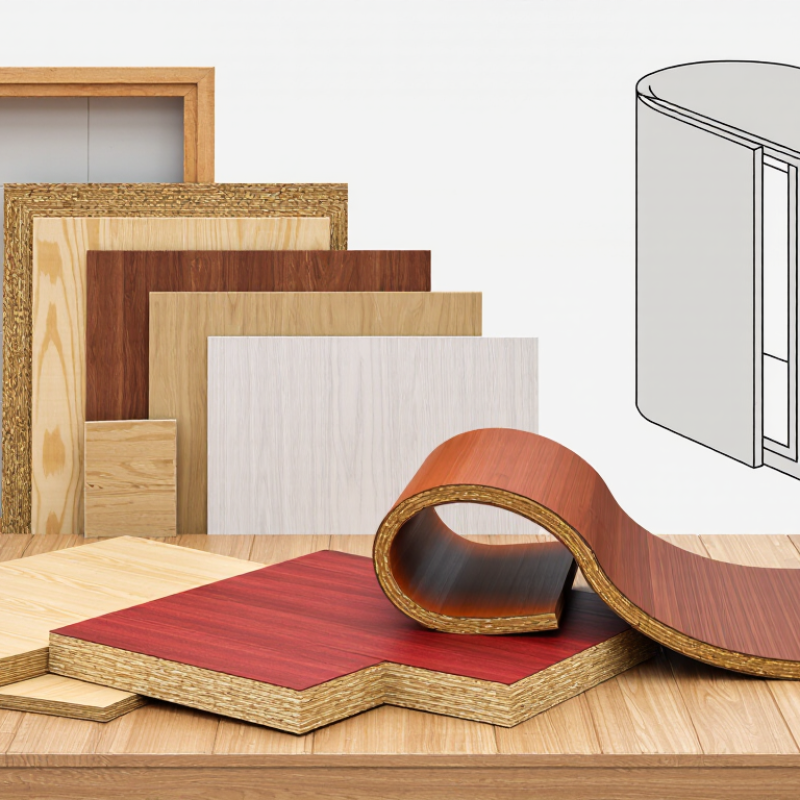
What Types of Plywood Sheets Are Available?

Plywood Classification by Wood Species and Veneer Type

Plywood sheets are classified by both wood species and veneer construction. Softwood faces, commonly fir or pine, show clear growth rings and suit structural panels. Hardwood faces, such as birch, maple, or oak, offer finer grain for visible surfaces. Species alone does not determine performance; thickness, adhesive, core quality, and panel grade also matter. The USDA Forest Products Laboratory’s Wood Handbook (FPL-GTR-282, 2021) gives reference specific-gravity values of about 0.50 for Douglas-fir and 0.63 for red oak. These figures describe wood, not finished-panel strength. That distinction matters.

Veneer type describes how the thin wood layers are made and arranged. Rotary-cut veneer unrolls from a log, often producing broad, changing grain patterns. Sliced veneer can create straighter, more consistent faces for cabinetry and furniture. Inside the sheet, alternating veneer directions help resist movement across the panel. Still, a beautiful face can hide uneven inner plies. I have seen buyers focus on the surface and miss the core.

Tips: Check the panel edge for voids, count the plies, and inspect the face under angled light. Match the species and veneer cut to the finish you want; labels can simplify real differences.

Plywood Types Based on Core Construction

Plywood sheets differ not only by thickness and grade, but by what sits between their face veneers. Veneer-core plywood uses thin wood layers, usually arranged with alternating grain directions. This cross-lamination helps limit warping and gives screws a dependable hold near the edges. It is a common choice for cabinets, shelving, and general-purpose panels. The edges show distinct wood plies. They can also reveal gaps, so inspect them before buying.

Lumber-core plywood has a center made from narrow solid-wood strips, covered by veneer. It can feel sturdy and hold screws well, though its core may move with changes in moisture. MDF-core and particleboard-core panels have smoother, more uniform centers. They suit painted surfaces and precise laminating, but may be heavier and less forgiving around water or damaged edges. Composite-core panels combine materials to balance smoothness, stability, and strength. The details vary by construction. On a project, compare the panel’s intended use, edge condition, and fastening needs rather than relying on the core name alone. That distinction is easy to overlook. A smooth face does not guarantee a durable edge, and a plywood sheet that works well for a cabinet door may not suit a damp utility room.

How Plywood Grades Differ by Appearance and Quality

Plywood grades often describe the appearance of the face veneer, not the panel’s complete strength. In common grading systems, A faces are smooth and nearly blemish-free, while B faces may contain small, repaired knots. C and D faces allow more visible defects, including patches, open knots, or rough areas. Exact labels vary by standard and market. Look closely.

A higher face grade suits cabinet doors, furniture, and other surfaces that will remain visible. Lower appearance grades can work well where plywood will be covered or used out of sight. But a clean face does not guarantee a sound core. Check the panel edge for gaps between layers, and read the product stamp for thickness, structural rating, and exposure classification. A neat face can fool you.

For shelves or shop fixtures, minor surface marks may matter less than stiffness and consistent thickness. If the panel will be painted, remember that patches and grain can still show through. Sanding helps, but veneer may be thin. Inspect a sample under the lighting where it will be installed; shop lighting can hide defects. The best grade is a trade-off between visible finish, construction needs, and cost—not simply the smoothest sheet.

Moisture-Resistant and Exterior Plywood Options

Moisture-resistant and exterior plywood serve different jobs, though both use durable adhesive bonds. Moisture-resistant grades suit humid interiors, such as bathroom cabinets or laundry-room shelving, where occasional dampness is possible. They are not meant for constant rain or standing water. Exterior plywood is designed for repeated wetting and drying, making it more appropriate for outdoor walls, soffits, and protected structures. Not waterproof. APA guidance distinguishes Exterior panels from Exposure 1 panels, which are intended for temporary construction exposure rather than long-term weathering.

That distinction matters at the edges. Unsealed cuts can absorb water, swell, and eventually weaken, even when the panel uses exterior-grade bonding. USDA Forest Products Laboratory’s 2021 Wood Handbook places wood’s fiber saturation point at roughly 30% moisture content, though the value varies by species. This helps explain why repeated moisture changes can affect panel dimensions. In practice, choose a panel grade for its actual exposure, then provide drainage, ventilation, and suitable edge protection. I would not rely on a coating alone; missed corners happen. APA’s Engineered Wood Construction guidance also stresses matching panel ratings to service conditions, not just appearance.

What Types of Plywood Sheets Are Available?

Moisture-resistant and exterior plywood options differ in the conditions they are designed to handle.

This qualitative guide compares intended moisture exposure, not a standardized performance rating. Moisture-resistant plywood is suited to humid conditions but is not waterproof; exterior plywood uses weather-resistant bonding for outdoor exposure, but still needs suitable surface and edge protection.

Specialty Plywood Sheets for Specific Applications

Specialty plywood sheets solve problems that standard panels may not handle well. Marine-grade plywood is built with durable adhesive and carefully controlled core gaps, making it useful for boat interiors and damp areas. It is not waterproof by itself. Edges still need suitable sealing, and standing water can cause damage.

Flexible plywood bends around curved counters, display forms, and rounded cabinet details. Thin plies make shaping easier, but the panel may need support while it is fixed in place.

Fire-retardant plywood is used where project specifications call for reduced flame spread, such as some public interiors. Check the panel’s test documentation; a treated sheet does not make an entire room fire-safe.

Moisture-resistant plywood can suit kitchens, utility rooms, and sheltered exterior work, but exposure limits vary by grade. Film-faced sheets are common in concrete formwork because their smooth surface can help produce cleaner pours and support repeated use. Yet damaged edges or worn coating can shorten that service life.

Small details matter. Match the sheet to the actual conditions, including load, humidity, finish, and fixing method. Labels alone can be misleading, so review the technical data before ordering.

FAQS

What is veneer-core plywood?

It uses thin wood layers with alternating grain directions. This cross-lamination helps limit warping and supports screw holding. Check the edges for gaps.

How do lumber-core and MDF-core panels differ?

Lumber-core plywood has narrow solid-wood strips inside. It can hold screws well, but moisture may cause movement. MDF-core panels have smoother, more uniform centers. They can be heavier and less forgiving around water or damaged edges.

What do plywood face grades indicate?

Grades mainly describe face appearance, not total panel strength. A faces are usually smooth, while lower grades allow more knots, patches, or rough areas. Labels vary by market. Look closely.

Is the smoothest plywood always the best choice?

No. Choose based on visible finish, stiffness, thickness, and cost. A clean face can hide core gaps. For painted work, patches and grain may still show.

What should I inspect before buying a plywood sheet?

Check the edges for gaps and read the product stamp. Confirm thickness, structural rating, and exposure classification. View a sample under the project’s lighting. Shop lights can hide flaws.

Is marine-grade plywood waterproof?

No. It uses durable adhesive and controlled core gaps, but standing water can still cause damage. Seal the edges appropriately. The label alone is not enough.

When is flexible plywood useful?

It can curve around counters, display forms, and rounded cabinet details. Thin plies make shaping easier, but the sheet may need support while being fixed. Curves can be less forgiving than they look.

What are film-faced and fire-retardant plywood used for?

Film-faced sheets are common in concrete formwork. Their coating can help create cleaner pours and support repeated use, but damaged edges shorten service life. Fire-retardant panels may suit specified interiors; check their test documents.

Conclusion

Plywood Sheets are available in a range of types to suit different building and design needs. They can be classified by the wood species used for their veneers, which influences appearance, strength, and workability, as well as by core construction. Different cores offer varying levels of stability, weight, and screw-holding performance. Plywood grades also describe the quality and appearance of the surface, from smoother, more uniform faces for visible finishes to lower grades intended for concealed or less demanding uses.

Moisture resistance is another important consideration. Some panels are designed for damp conditions, while exterior plywood is made for greater exposure to weather when properly installed and finished. Specialty plywood sheets may offer features tailored to particular applications, such as enhanced flexibility, decorative surfaces, or improved structural performance. Choosing the right type depends on the project’s environment, required finish, and practical demands.

Evelyn Grace

Evelyn Grace

Evelyn Grace is a professional marketing specialist with a strong understanding of the company’s products, their practical applications, and the needs of the customers they serve. She combines careful research with clear, accessible writing to help readers make sense of product features, compare......